
The Mediterranean Diet is celebrated globally as a cornerstone of healthy eating, emphasizing a bounty of fresh vegetables, fruits, whole grains, legumes, nuts, seeds, fish, aromatic herbs, and the liquid gold of extra-virgin olive oil. This dietary pattern, rooted in the traditional eating habits of countries bordering the Mediterranean Sea, has garnered significant attention not only for its delicious flavors but also for its profound health benefits. It is widely regarded as one of the most effective and sustainable eating patterns, prioritizing whole, unprocessed foods over restrictive calorie counting or fad dieting principles. Its inherent flexibility and emphasis on flavorful, realistic meal preparation make it an ideal choice for individuals seeking to adopt a healthier lifestyle.
At its core, the Mediterranean diet is more a lifestyle than a rigid diet. It champions plant-based meals, incorporates heart-healthy monounsaturated fats, favors fish and seafood, includes moderate amounts of poultry, eggs, and dairy, and suggests limiting red meat and sweets. This holistic approach to eating has been extensively studied, with research consistently highlighting its positive impact on public health.
Proven Health Benefits Backed by Science
Numerous scientific studies have underscored the protective effects of the Mediterranean diet. Notably, adherence to this eating pattern has been linked to a reduced risk of developing chronic diseases such as type 2 diabetes, high cholesterol, and certain forms of cancer, including breast cancer. Furthermore, its cognitive benefits are significant, with research suggesting a lower incidence of dementia, memory loss, and depression among individuals following a Mediterranean-style diet. The long-term implications extend to improved bone health, a stronger cardiovascular system, and potentially, a longer lifespan. These findings, published in reputable scientific journals and highlighted by health organizations, solidify the Mediterranean diet’s position as a scientifically validated approach to wellness.
The Pillars of Mediterranean Eating
According to leading health authorities like the Mayo Clinic, the Mediterranean diet generally emphasizes the following key components:
- Abundant Fruits and Vegetables: A daily intake of a wide variety of colorful fruits and vegetables forms the foundation of the diet, providing essential vitamins, minerals, fiber, and antioxidants.
- Whole Grains: Prioritizing whole grains such as oats, barley, quinoa, brown rice, and whole wheat bread and pasta ensures a steady supply of complex carbohydrates and dietary fiber, crucial for digestive health and sustained energy.
- Legumes and Beans: Lentils, chickpeas, beans, and other legumes are excellent sources of plant-based protein, fiber, and micronutrients, playing a vital role in satiety and overall nutrition.
- Nuts and Seeds: Almonds, walnuts, pistachios, sunflower seeds, and flaxseeds offer healthy fats, protein, and fiber, contributing to heart health and providing satisfying crunch to meals.
- Healthy Fats, Primarily Olive Oil: Extra-virgin olive oil is the quintessential fat source in the Mediterranean diet, rich in monounsaturated fats and antioxidants. It is used generously in cooking, dressings, and as a finishing oil.
- Fish and Seafood: Consuming fish, particularly fatty varieties rich in omega-3 fatty acids like salmon, mackerel, and sardines, at least twice a week is a hallmark of this diet, promoting cardiovascular and brain health.
- Poultry and Eggs: Moderate consumption of lean poultry and eggs provides essential protein and nutrients.
- Dairy in Moderation: Yogurt and cheese are typically consumed in moderate amounts, often as part of breakfast or as a savory accompaniment.
- Herbs and Spices: Fresh and dried herbs and spices are used liberally to flavor dishes, reducing the reliance on salt and enhancing the overall taste experience.
- Limited Red Meat and Sweets: Red meat and sugary foods and beverages are generally consumed infrequently, positioning them as occasional treats rather than dietary staples.
This emphasis on fresh, nutrient-dense foods translates into meals that are not only satisfying and delicious but also inherently easy to prepare and integrate into a busy schedule. The vibrant colors, diverse textures, and rich flavors of Mediterranean cuisine make healthy eating an enjoyable and sustainable endeavor.
The Role of Extra-Virgin Olive Oil
Within the context of Mediterranean recipes, the use of extra-virgin olive oil is paramount. Its distinctive flavor profile perfectly complements the ingredients, and its rich content of monounsaturated fats and antioxidants makes it a cornerstone of this health-promoting eating style. While other neutral oils may be suitable for high-heat cooking, extra-virgin olive oil remains the most authentic and traditional choice for Mediterranean dishes, contributing significantly to their characteristic taste and health benefits.
Embracing Meal Prep for Mediterranean Living
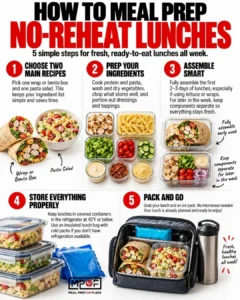
The principles of the Mediterranean diet lend themselves exceptionally well to meal preparation. The ability to pre-cook grains, roast vegetables, prepare protein components, assemble salads, and whip up flavorful sauces ahead of time allows for effortless assembly of varied and balanced meals throughout the week. This strategic approach to food preparation not only saves time but also ensures that healthy, home-cooked meals are readily available, minimizing the temptation for less nutritious convenience options.
A Culinary Journey Through 15 Easy Mediterranean Diet Meal Prep Recipes
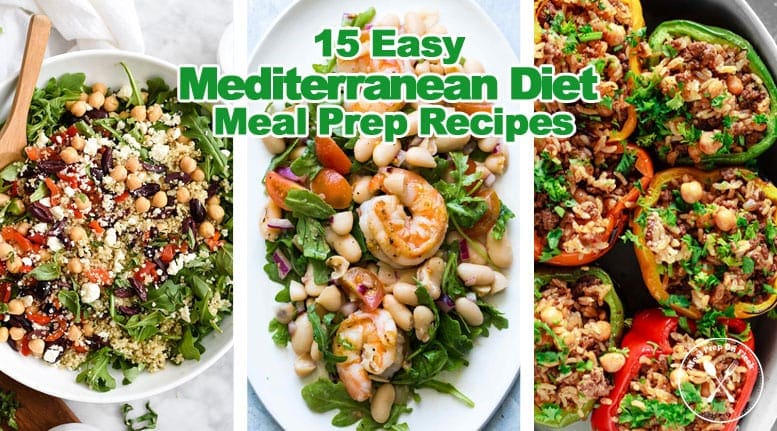
To illustrate the practicality and appeal of Mediterranean eating, a curated selection of 15 easy meal prep recipes showcases the versatility and deliciousness of this approach. These recipes are designed to be straightforward, adaptable, and perfect for individuals seeking to incorporate more wholesome, plant-forward, and heart-healthy meals into their weekly routine.
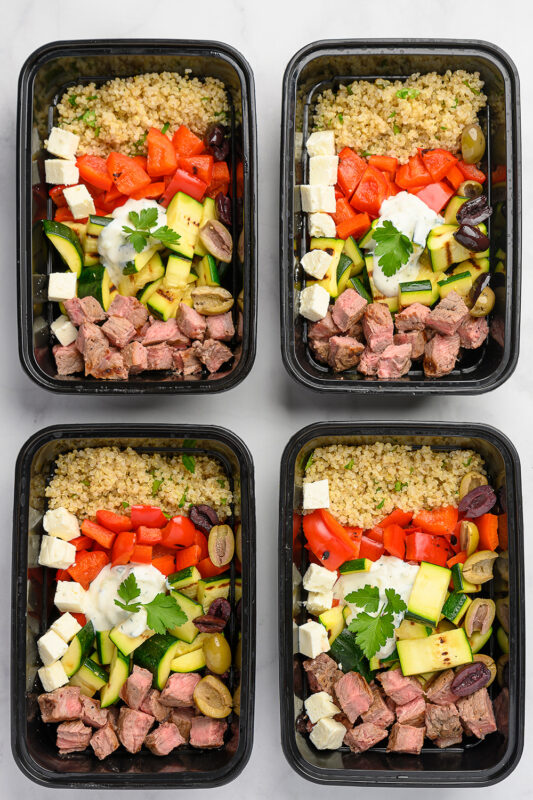
1. Mediterranean Style Meal Prep Bowls
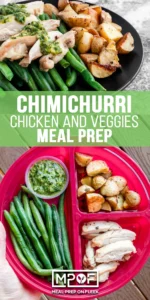
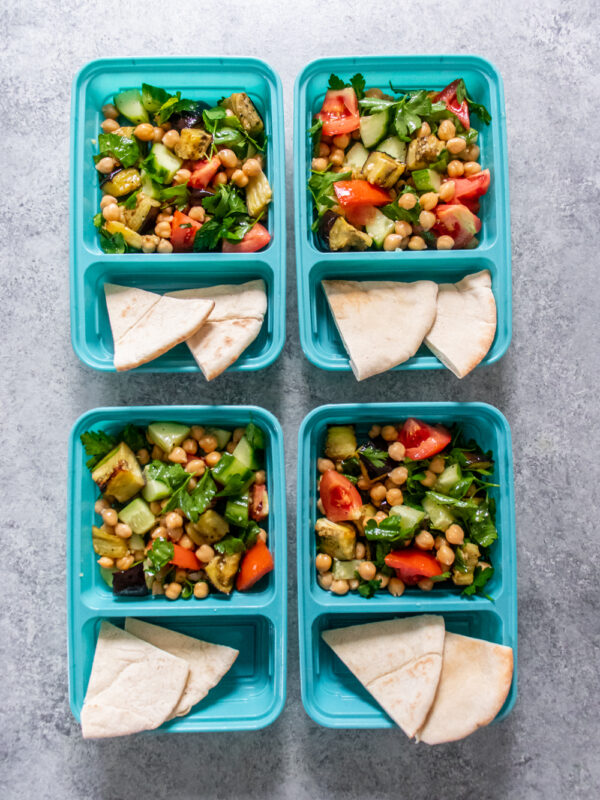
These versatile bowls are a meal prep staple, allowing for a customizable combination of grains, proteins, and vegetables. Typically featuring a base of quinoa or farro, they are often adorned with roasted vegetables like bell peppers and zucchini, protein sources such as grilled chicken or chickpeas, and a drizzle of lemon-herb vinaigrette.
2. Tofu Tikka Masala
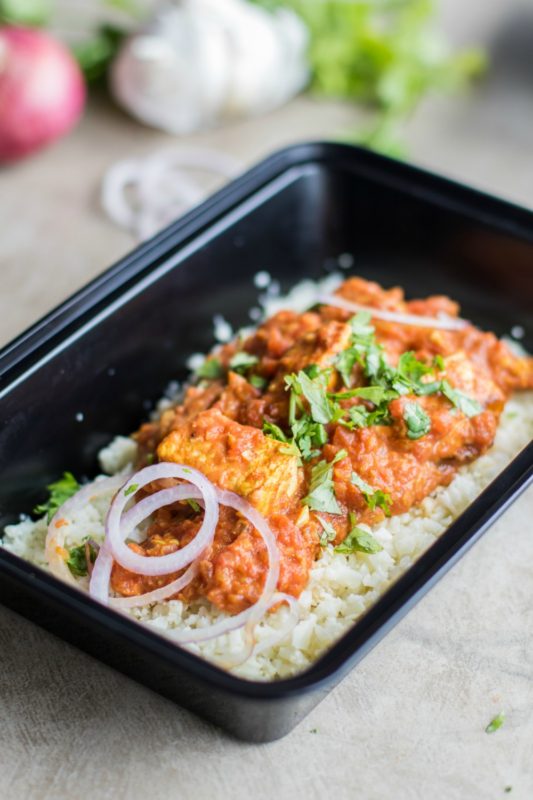
A flavorful vegan option, Tofu Tikka Masala offers a delightful twist on a classic Indian dish, infused with Mediterranean influences. Cubes of firm tofu are simmered in a rich, creamy tomato-based sauce, often incorporating aromatic spices and a touch of coconut milk for creaminess. This dish pairs beautifully with brown rice or quinoa.
3. Mediterranean Pasta Bake
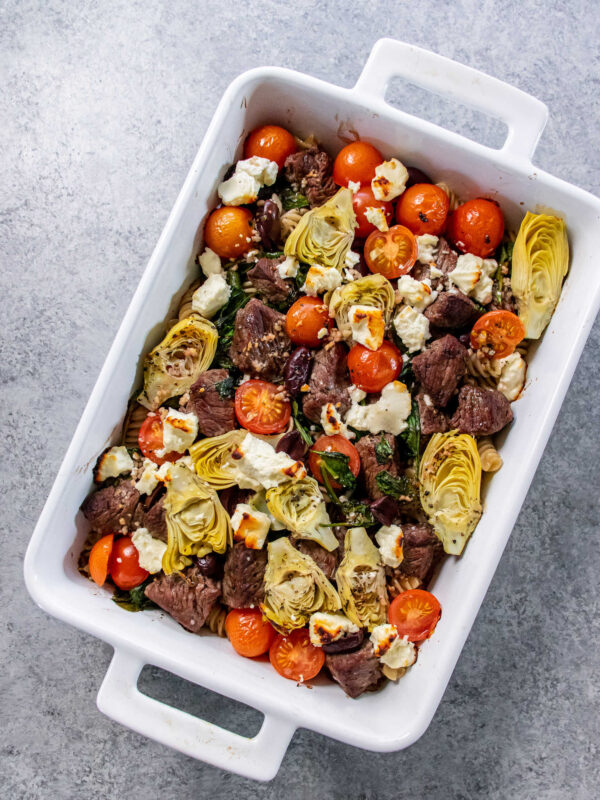
This comforting dish brings together pasta, vegetables, and lean protein in a baked casserole. Think whole wheat pasta tossed with sun-dried tomatoes, olives, spinach, feta cheese, and perhaps some shredded chicken or white beans, all bound together with a light tomato sauce and baked to golden perfection.
4. Mediterranean Quinoa Salad
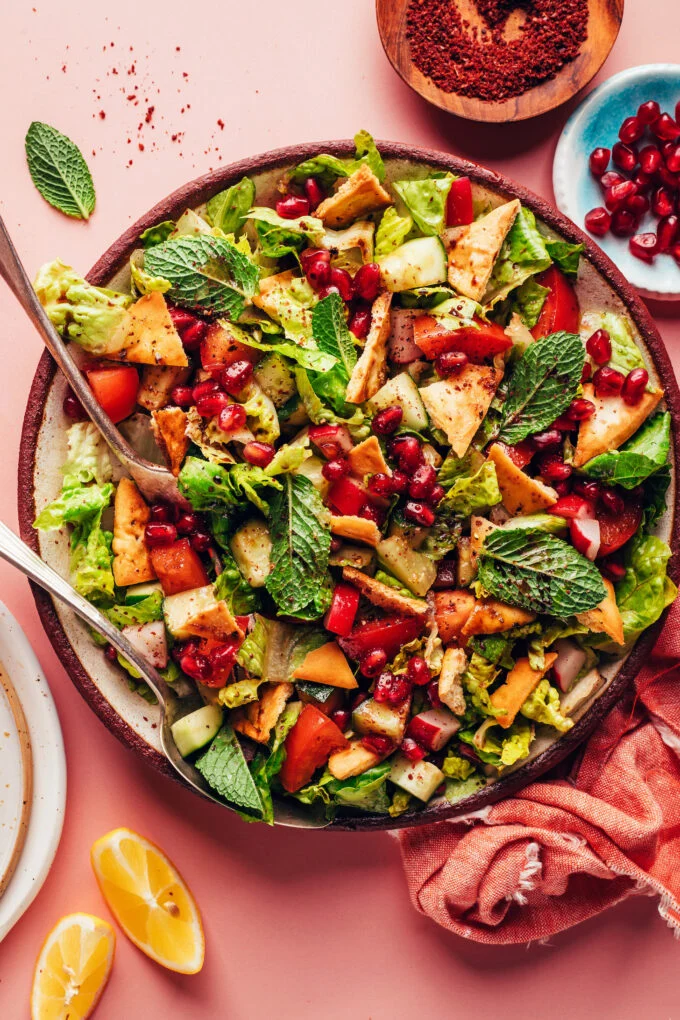
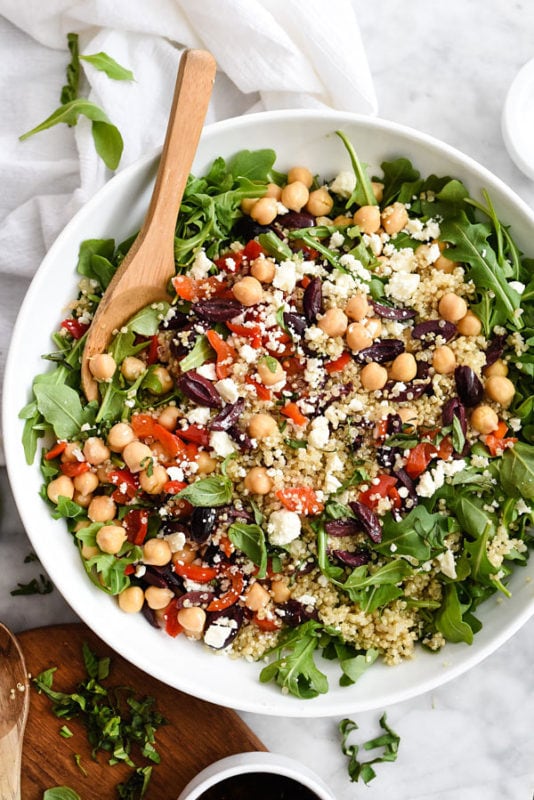
A vibrant and nutrient-dense salad, this recipe typically features fluffy quinoa as its base, mixed with chopped cucumbers, tomatoes, bell peppers, red onion, Kalamata olives, and crumbled feta cheese. A lemon-oregano vinaigrette ties all the flavors together.
5. Mediterranean Roasted Eggplant Salad
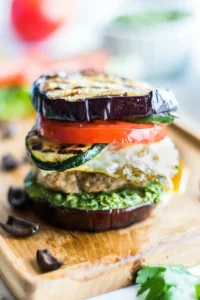
Roasted eggplant, with its tender, smoky flavor, is the star of this salad. It’s often combined with ingredients like cherry tomatoes, red onion, fresh parsley, mint, and a tangy tahini-lemon dressing. This salad is excellent served warm or cold.
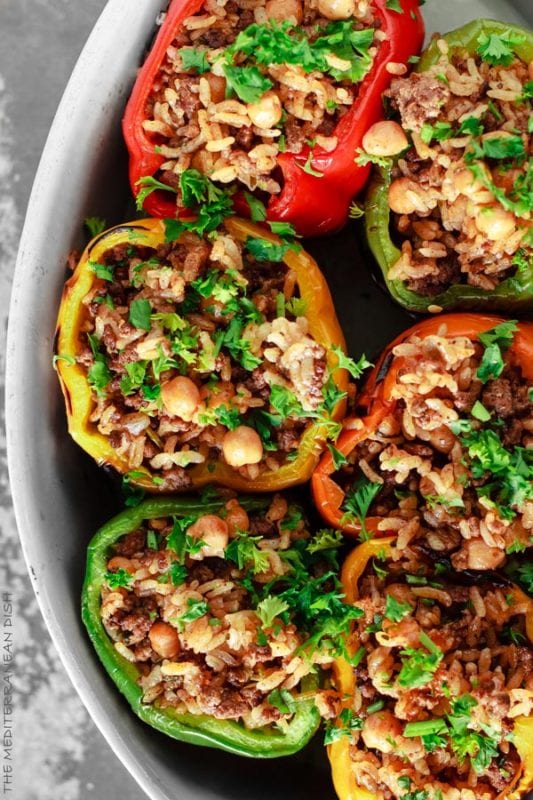
6. Mediterranean Stuffed Bell Peppers
Bell peppers are hollowed out and filled with a savory mixture, often comprising ground turkey or lentils, rice or quinoa, diced vegetables, herbs, and spices. Baked until tender, these make for a visually appealing and satisfying meal.
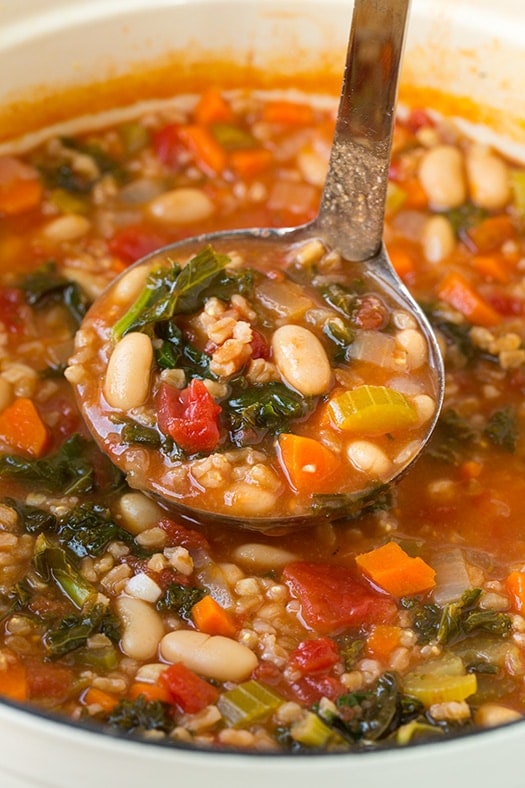
7. Mediterranean Kale, Cannellini & Farro Stew
This hearty stew is a perfect example of how legumes and whole grains can create a deeply satisfying and nutritious meal. Tender kale is simmered with cannellini beans and hearty farro in a flavorful broth, often seasoned with garlic, onion, and Mediterranean herbs.
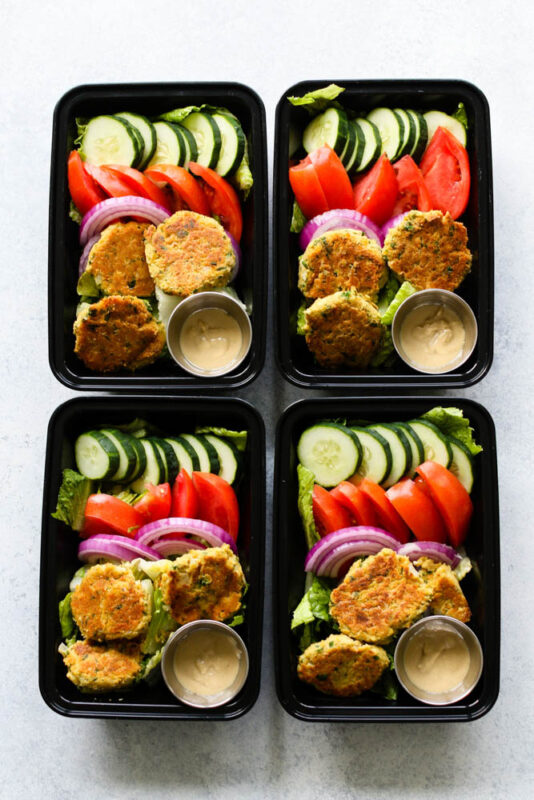
8. Super Easy Falafel Meal Prep
Homemade falafel, made from ground chickpeas, herbs, and spices, offers a fantastic plant-based protein option. Prepared falafel can be portioned out and enjoyed in wraps, salads, or bowls throughout the week.
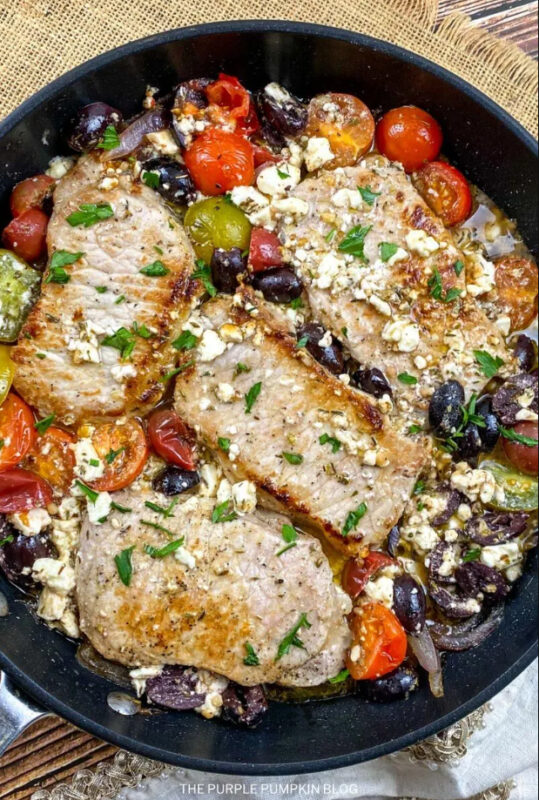
9. Flavorful One-Pan Mediterranean Pork Chops
This recipe simplifies weeknight cooking with a one-pan approach. Pork chops are seasoned with Mediterranean herbs and spices and baked alongside a medley of vegetables like cherry tomatoes, olives, and bell peppers, all cooked together for easy cleanup.
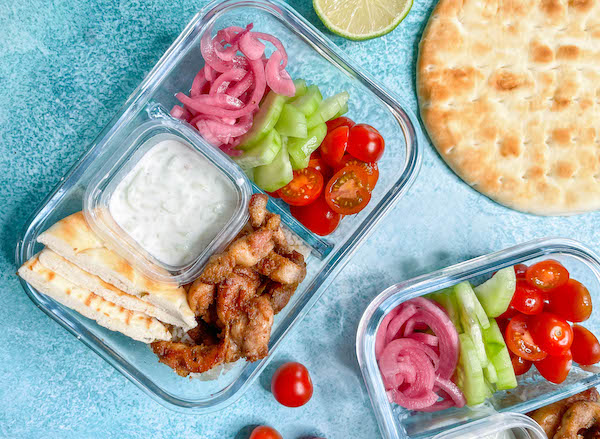
10. Mediterranean Chicken Shawarma Bowl
A popular choice for meal prep, this bowl features marinated chicken seasoned with classic shawarma spices, served over a bed of fluffy couscous or rice, and topped with fresh vegetables like chopped tomatoes, cucumbers, and a dollop of tahini sauce or Greek yogurt.
11. Pan Seared Salmon
Salmon, rich in omega-3 fatty acids, is a powerhouse of nutrition. Pan-seared to perfection, it can be paired with a variety of sides, such as roasted asparagus, a lemon-dill sauce, or a fresh Greek salad, making for a quick and healthy meal.
12. Mediterranean Pork Tenderloin & Couscous in the Slow Cooker
This slow cooker recipe offers a hands-off approach to preparing a flavorful Mediterranean meal. Pork tenderloin is slow-cooked with vegetables, herbs, and a savory broth, resulting in tender, fall-apart meat that pairs perfectly with fluffy couscous.
13. One Pan Baked Cod & Veggies
Similar to the pork chop recipe, this one-pan wonder features flaky cod fillets baked alongside a colorful assortment of vegetables like broccoli, bell peppers, and zucchini, all seasoned with olive oil, lemon, and herbs.
14. Mediterranean Quinoa Bowls with Roasted Red Pepper Sauce
These bowls combine the wholesome goodness of quinoa with a vibrant roasted red pepper sauce. The sauce, made from roasted bell peppers, garlic, and olive oil, adds a sweet and smoky depth to the dish, which can be further enhanced with chickpeas and fresh vegetables.
15. Sweet Potato Wedges with Tahini
A delightful side dish or light meal, sweet potato wedges are roasted until tender and slightly crisp, then drizzled with a creamy tahini sauce. This combination offers a balance of sweetness and savory richness, making it a satisfying addition to any meal.
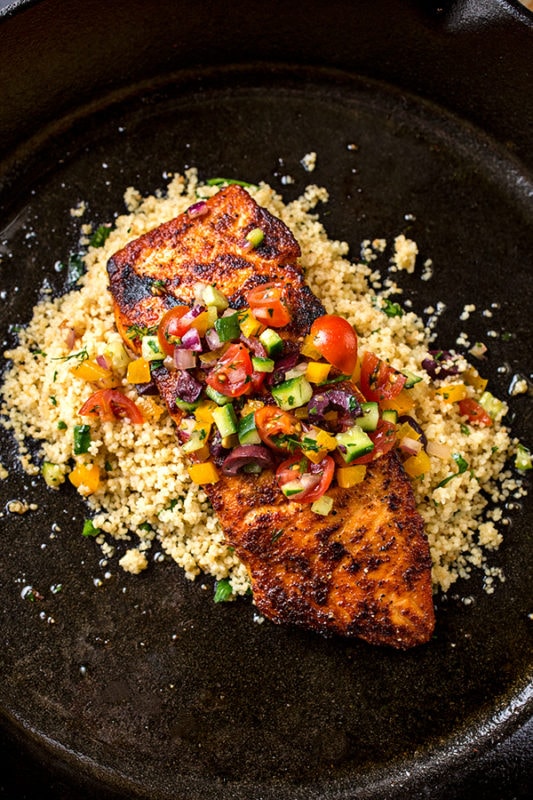
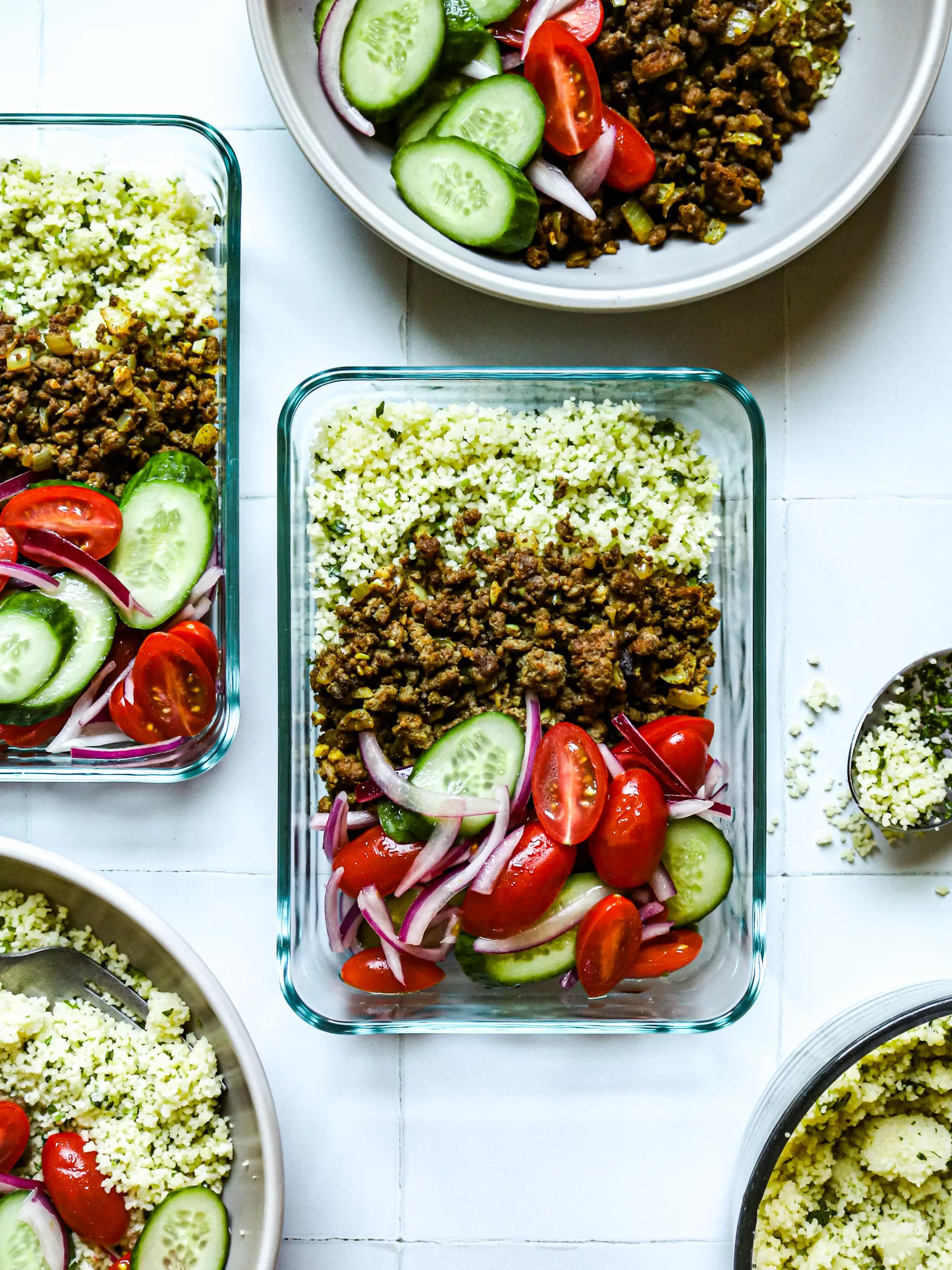
16. Shawarma-Spiced Beef and Couscous
This robust dish features tender beef seasoned with aromatic shawarma spices, served over a bed of fluffy couscous. It’s a flavorful and hearty option that can be easily prepped for multiple servings.
A Sustainable Approach to Health and Well-being
The appeal of the Mediterranean diet lies not just in its numerous health benefits, but also in its inherent sustainability and deliciousness. By embracing meal preparation strategies, individuals can seamlessly integrate this time-tested eating pattern into their daily lives, reaping the rewards of improved health, increased energy, and a greater appreciation for wholesome, flavorful food. The abundance of vibrant recipes available, ranging from quick bowls to comforting stews, ensures that healthy eating remains an enjoyable and accessible pursuit for everyone.