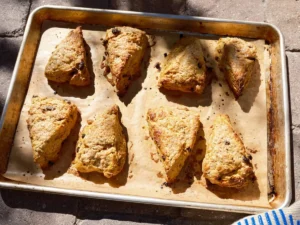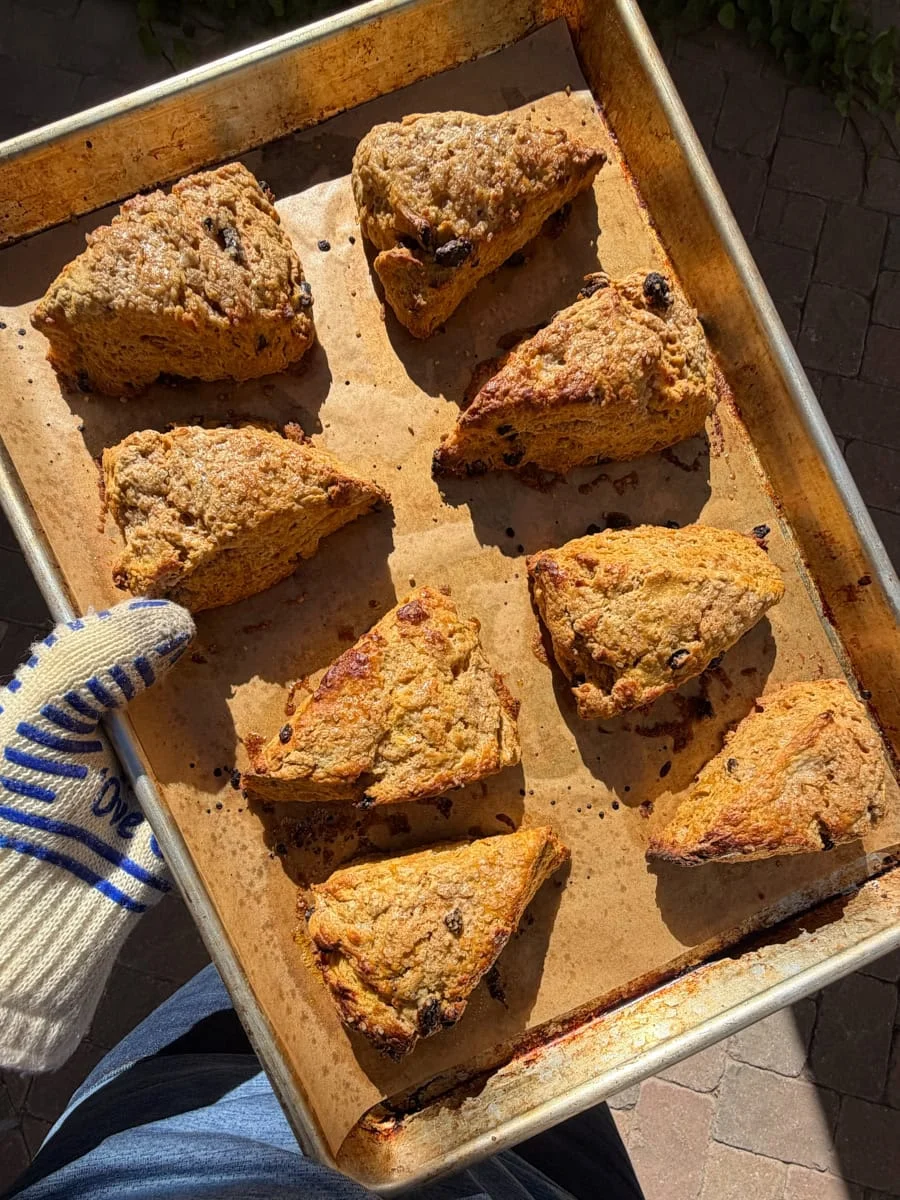

The culinary world is constantly evolving, with bakers and chefs alike pushing the boundaries of traditional recipes. In the realm of sourdough baking, a recent development has captured the attention of enthusiasts and home cooks: the creation of exceptionally tall and tender sourdough pumpkin scones, specifically engineered to overcome the challenges of high-altitude baking. This innovative approach, championed by baker [Insert Baker’s Name or Blog Name if available, otherwise use "a prominent sourdough baker"], offers a delightful fusion of autumnal flavors with the complex character of sourdough, all while achieving a superior texture that defies typical high-altitude baking woes.
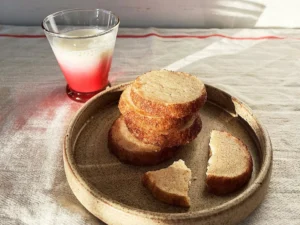
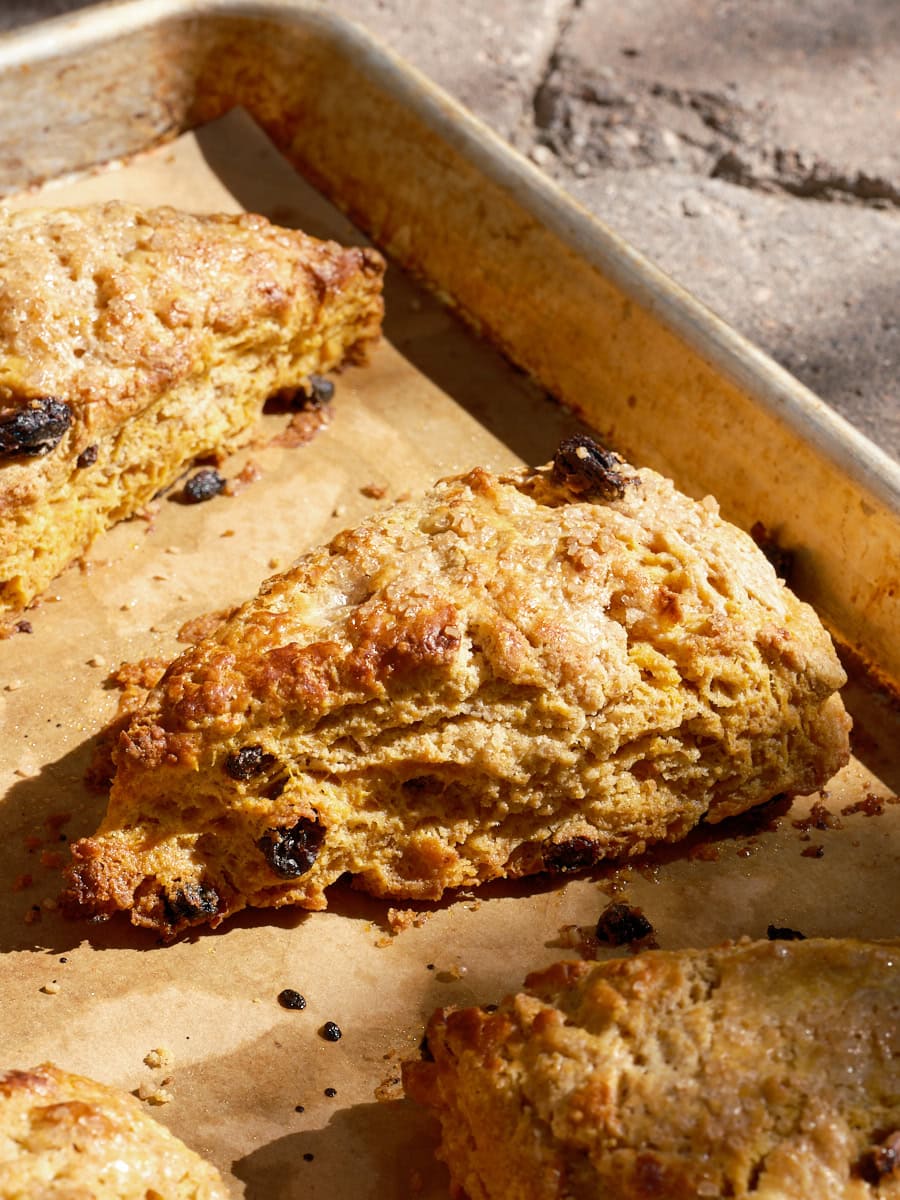
The genesis of this recipe lies in the baker’s personal quest for the perfect scone, a pursuit that has spanned several years and involved meticulous experimentation. While many bakers associate scones with a dry, dense crumb, this particular recipe aims for a harmonious balance: a soft, yielding interior complemented by a craggy, robust crust. This textural duality has sparked discussions about its classification, with some questioning whether it leans more towards a scone or a biscuit. However, the inherent sweetness of the ingredients firmly places it within the scone category for its creator and many who have embraced the recipe.
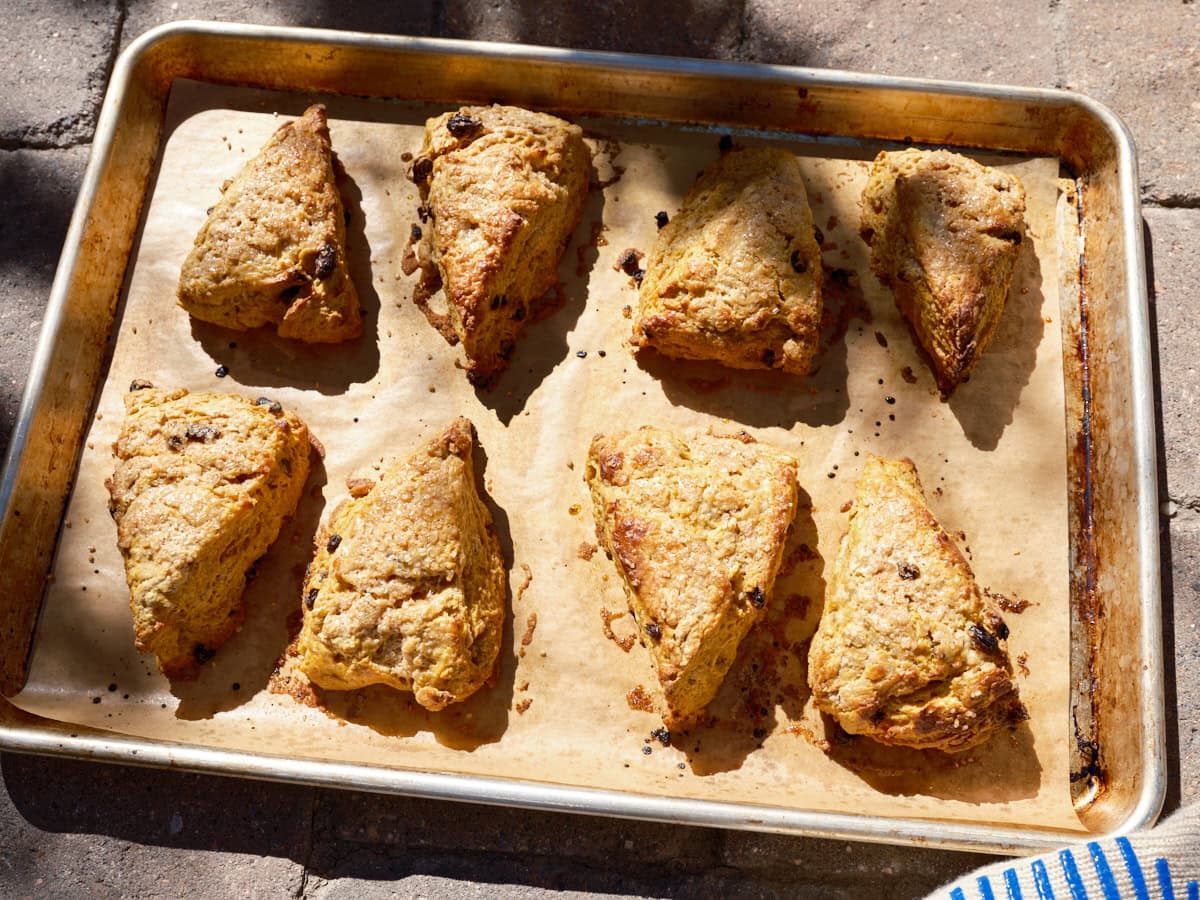
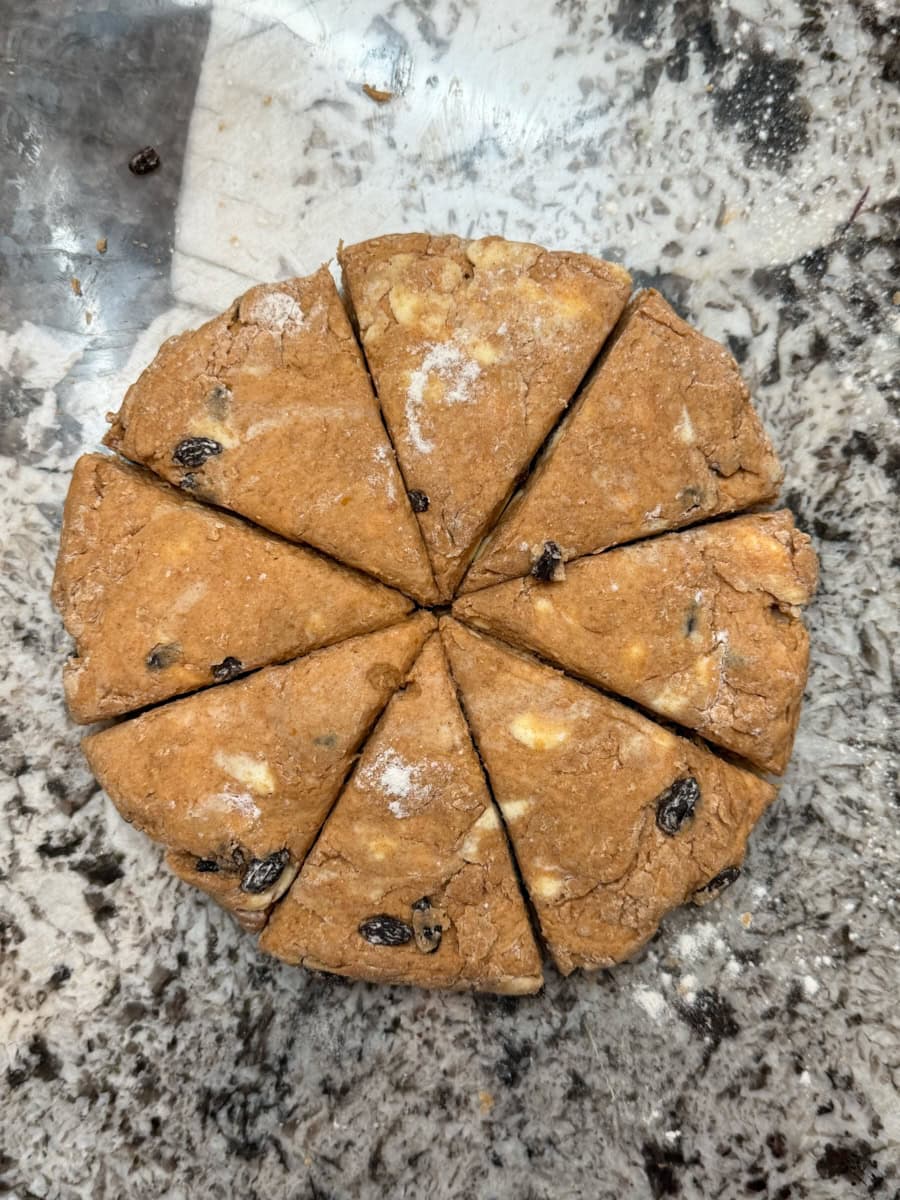
The core innovation of these sourdough pumpkin scones lies in a series of carefully developed techniques designed to promote a significantly taller rise, a crucial factor for bakers at higher elevations. Unlike flatter, more spread-out scones, these are crafted to stand proud, offering a visually appealing and texturally satisfying result. This achievement is particularly noteworthy given the inherent difficulties in baking at high altitudes, where lower atmospheric pressure can affect leavening and moisture evaporation. As the baker notes, "just like when baking sourdough bread at high altitude, a few small adjustments can take you from a flat scone to a tall, proud scone (or loaf)." This statement underscores the universal applicability of these techniques within the high-altitude baking community.
The Science Behind the Rise: Einkorn and Buttermilk
A key ingredient contributing to the unique character and structure of these scones is einkorn flour. For those unfamiliar with this ancient grain, einkorn is one of the oldest cultivated wheat species, known for its distinct nutty flavor and slightly different gluten structure compared to modern wheats. The baker acknowledges that einkorn may not be readily available to all home bakers and offers a practical substitution: "If you don’t have whole-grain einkorn on hand, swap it for any whole wheat flour you have in the pantry. I’d especially love these with Red Fife, Butler’s Gold, or Marquis." The earthy undertones of whole-grain flours, the baker argues, provide a rustic counterpoint to the sweetness of the pumpkin, creating a more complex flavor profile.
The choice of liquid is equally pivotal. The recipe specifically calls for buttermilk, a decision that departs from traditional scone recipes that often rely on heavy cream for richness. While buttermilk contains significantly less fat than heavy cream (approximately 1-2% compared to 36%), its acidity plays a crucial role. "That low pH works with your sourdough starter to make the gluten more relaxed and extensible," the baker explains. This is particularly beneficial for whole-grain flours like einkorn, which can have a more delicate gluten network. The acidic nature of buttermilk, coupled with the fermentation process of the sourdough starter, contributes to a tender crumb that is both flaky and flavorful. The tang of the buttermilk harmonizes beautifully with the fermented notes from the sourdough discard and the natural sweetness of the pumpkin. This contrasts with the method used in more traditional flaky sourdough scones, which leverage the high fat content of heavy cream to coat flour particles, creating distinct layers through the melting of cold fat during baking. Both methods yield a tender texture, but the buttermilk approach offers a different pathway to achieving this desirable outcome.
Convection’s Crucial Role in High-Altitude Baking
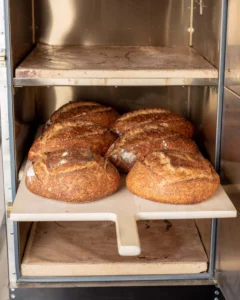
Another significant factor in achieving the desired tall scone structure is the use of convection baking. The baker emphasizes the transformative power of convection, stating, "I’ve come to realize convection is your friend in just about all forms of baking." The intense and even heat generated by convection ovens plays a critical role in the initial stages of baking. By rapidly forming a crust on the outer edges of the scones, convection effectively "sets" the dough quickly, preventing it from spreading outwards and encouraging vertical rise. This is a critical advantage for high-altitude bakers, where doughs can be more prone to spreading due to lower atmospheric pressure.
For those whose ovens lack a convection setting, a workaround is suggested: increasing the baking temperature by approximately 25°F for the initial minutes of baking. This adjustment aims to mimic the rapid crust formation that convection provides, thereby helping to achieve a similar tall and sturdy scone. This practical tip demonstrates a deep understanding of baking physics and a commitment to making the recipe accessible to a wider audience.
The Sourdough Discard Advantage
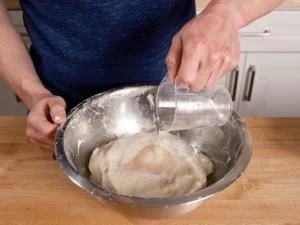
The inclusion of sourdough starter discard in the recipe is not merely a nod to the sourdough trend but a functional element that enhances both flavor and texture. Sourdough discard, the portion of starter that is removed before feeding, contains a complex array of lactic acid bacteria and wild yeasts that contribute a subtle tang and depth of flavor. In these scones, the discard interacts with the other ingredients, contributing to the overall complexity and the tender crumb. This is particularly relevant as the baker has previously explored recipes utilizing sourdough discard for its ability to add character without overwhelming other flavors.
Nutritional Data and Considerations
While the provided text does not include specific nutritional data, a typical scone recipe of this nature would involve ingredients such as flour, butter, sugar, eggs, pumpkin puree, leavening agents, and spices. The use of whole-grain flour, such as einkorn or whole wheat, would increase the fiber content compared to scones made solely with refined all-purpose flour. Pumpkin puree is a good source of vitamins A and C, and the sourdough fermentation process can potentially increase the bioavailability of certain nutrients and improve digestibility.
For individuals managing dietary restrictions, substitutions can be made. As noted in the FAQ section, alternative purees like sweet potato or butternut squash can be used, and for those avoiding gluten, a high-quality gluten-free flour blend could be explored, though this would likely alter the texture significantly. The recipe’s emphasis on buttermilk also presents an opportunity for dairy-free alternatives, such as a homemade plant-based buttermilk substitute.
Timeline and Development
The development of this specific sourdough pumpkin scone recipe appears to be a culmination of years of iterative testing and refinement by the baker. The mention of "experimenting here over the years" and "helping me develop this recipe over the past several years" suggests a dedicated process of trial and error. The evolution likely involved adjustments to flour ratios, hydration levels, leavening agents, and baking temperatures to achieve the desired outcome, particularly the challenging task of creating tall scones at high altitude. This dedication to perfecting the recipe highlights a commitment to sharing high-quality baking knowledge.
Broader Impact and Implications
The success of these sourdough pumpkin scones has implications beyond just a single recipe. It contributes to the growing understanding of high-altitude baking and provides practical, actionable solutions for home bakers facing these challenges. The recipe serves as a testament to the adaptability of sourdough techniques and the innovative ways in which bakers are integrating ancient grains and fermentation into modern cuisine. Furthermore, it reinforces the idea that seemingly minor adjustments in ingredients and techniques can yield significant improvements in baked goods, making them more accessible and enjoyable for a wider range of individuals, regardless of their geographical location. The detailed explanations and FAQs also empower bakers with the knowledge to troubleshoot and adapt the recipe to their own needs and preferences. The recipe’s ability to be both technically impressive and approachable for home bakers marks it as a significant contribution to the sourdough community.
Frequently Asked Questions Addressed
The article proactively addresses common queries, enhancing its utility for home bakers:
- Pumpkin Puree Substitutions: The FAQ clarifies that sweet potato or butternut squash puree can be used interchangeably by weight. Applesauce or mashed banana are also viable options, though they may add slightly more sweetness.
- Einkorn Flour Alternatives: As previously mentioned, any whole wheat flour is a suitable substitute for einkorn.
- Buttermilk Substitutions: A practical DIY buttermilk solution is provided: combining 1 teaspoon of white vinegar or lemon juice with 70g of whole milk and letting it sit for five minutes. Kefir is also suggested as a direct one-to-one replacement.
- Raisin Alternatives: For those who prefer not to use raisins, dried cranberries are recommended, with fresh or frozen blueberries also presented as appealing options.
Culinary Connections and Future Endeavors
The baker thoughtfully connects this recipe to other potential uses for leftover ingredients, promoting a zero-waste approach to baking. Leftover pumpkin puree can be incorporated into a "Pumpkin Cinnamon Sourdough" loaf or a batch of "Pumpkin Pancakes," extending the seasonal enjoyment of the ingredient. This forward-thinking advice encourages bakers to explore further culinary creations, fostering a holistic approach to home baking.
In conclusion, the development of these sourdough pumpkin scones represents a significant achievement in high-altitude baking. By masterfully combining the principles of sourdough fermentation, the unique properties of ancient grains, and the precise application of baking techniques like convection, this recipe offers a tantalizingly tender, flavorful, and visually striking scone that defies the limitations often imposed by altitude. It stands as a beacon of innovation, inspiring bakers to experiment, adapt, and ultimately, to create exceptional baked goods in any kitchen.