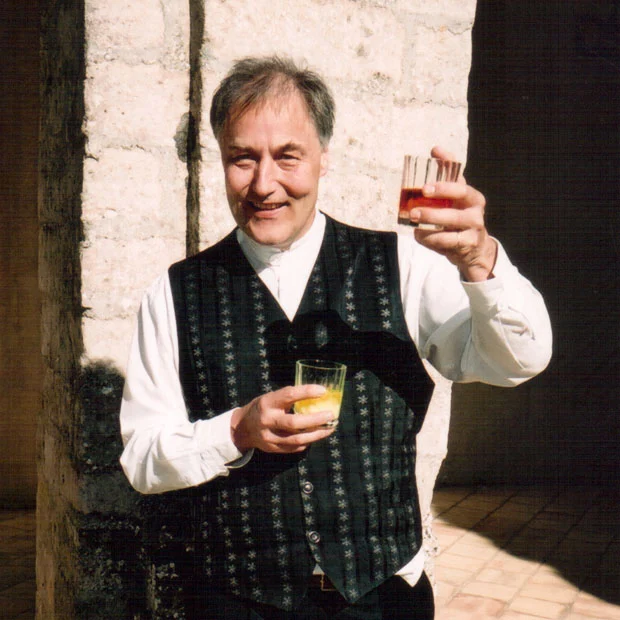

A comprehensive summary detailing two decades of groundbreaking research from the molecular gastronomy seminars held in Paris has been released by its esteemed co-founder, Hervé This. The compilation, made available in both French and English, serves as an invaluable archive of systematic experimentation and scientific inquiry into culinary processes, providing a robust foundation for professionals and enthusiasts alike to delve into the intricate chemistry and physics of cooking. This pivotal release underscores the ongoing commitment to demystifying kitchen phenomena and advancing the scientific understanding of food.
The Genesis of Molecular Gastronomy: A Scientific Revolution in the Kitchen
The discipline of molecular gastronomy, a term that has revolutionized how we perceive and approach cooking, was formally coined in 1988 by Hungarian-born British physicist Nicholas Kurti and French physical chemist Hervé This. Their vision was to apply rigorous scientific principles to the art of cooking, moving beyond anecdotal tradition to empirical understanding. Nicholas Kurti, a professor emeritus of physics at Oxford University and a passionate amateur cook, famously articulated the disparity between scientific advancement and culinary knowledge with his poignant observation: "It is a sad reflection on our civilization that while we can and do measure the temperature in the atmosphere of Venus, we do not know what goes on inside our soufflés." This statement encapsulated the very essence of their nascent field – a call for scientific scrutiny in the kitchen.
Hervé This, a research director at the French National Institute for Agricultural Research (INRA) and a professor at AgroParisTech, brought his expertise in physical chemistry to complement Kurti’s physical insights. Together, they laid the intellectual groundwork for a discipline that seeks to investigate the physical and chemical transformations of ingredients that occur during cooking and, ultimately, during consumption. Their work aimed not merely to create novel dishes, but to understand the fundamental mechanisms underlying existing culinary techniques, thereby empowering chefs and home cooks with a deeper, more predictable mastery over their craft.
The formal inauguration of molecular gastronomy as a recognized field took place at the International Workshop on Molecular and Physical Gastronomy. The first of these seminal workshops was held in Erice, Sicily, in 1992, organized by Kurti and This. These gatherings brought together a diverse array of scientists, chefs, and food writers, fostering interdisciplinary dialogue and laying the philosophical and methodological foundations for future research. Luminaries such as Harold McGee, whose book "On Food and Cooking" became a bible for culinary science, and renowned chefs who would later become pioneers of avant-garde cuisine, found inspiration and validation in these early discussions. The Erice workshops were crucial in establishing a collaborative environment where traditional culinary wisdom could be rigorously tested and new scientific approaches to food could be explored.
Two Decades of Rigorous Inquiry: The Paris Seminars
Building upon the foundational work established at Erice, Hervé This initiated the molecular gastronomy seminars in Paris. For over two decades, these monthly meetings have served as a crucible for empirical investigation, bringing together a dedicated group of researchers, chefs, and interested individuals to systematically question, experiment, and document culinary phenomena. These seminars represent a sustained effort to apply the scientific method to everyday kitchen practices, moving from hypothesis to experimental verification and finally to documented conclusions.
The chronology of these seminars highlights a continuous and evolving exploration of culinary science. Beginning in the early 2000s, approximately 20 years prior to the current release, the seminars adopted a methodical approach to debunking myths and elucidating the scientific principles behind cooking. Each session focused on a specific culinary claim or technique, subjecting it to rigorous experimental conditions. Participants would devise experiments, execute them, and meticulously record observations and results. This systematic process generated a vast body of empirical data, challenging long-held beliefs and providing evidence-based explanations for why certain cooking methods yield particular outcomes. The seminars have covered an expansive range of topics, from the precise mechanics of emulsification and gelation to the impact of various cooking temperatures on protein denaturation and flavor development.
A Systematic Approach: Unpacking Culinary Dogmas
The core methodology of the Paris seminars revolves around the scientific questioning of culinary dogmas. Many traditional recipes and cooking techniques are passed down through generations, often accompanied by explanations that lack scientific backing. The seminars aimed to identify these "kitchen myths" and subject them to experimental verification. For example, common beliefs such as the necessity of adding oil to pasta water to prevent sticking, or the claim that searing meat "seals in the juices," have been rigorously investigated. Through controlled experiments, the seminars have provided clear, data-driven answers, often revealing that conventional wisdom may not always align with scientific reality.
This meticulous approach has generated a wealth of insights. While specific results from the extensive French documentation are not fully detailed in the brief English summary, the scope of inquiry includes topics such as:
- Egg Coagulation: Investigating the precise temperatures and conditions under which egg proteins coagulate, leading to different textures (e.g., custards, meringues).
- Vegetable Cooking: Understanding the impact of pH levels, cooking times, and mineral content on the texture and color retention of vegetables.
- Emulsification Stability: Exploring the factors that influence the stability of emulsions like mayonnaise and vinaigrettes, including the role of emulsifiers and mechanical agitation.
- Flavor Development: Analyzing the chemical reactions responsible for desirable flavors, such as the Maillard reaction in browning foods, and how to optimize them.
- Texture Modification: Studying the use of hydrocolloids and other ingredients to alter the texture of foods, moving beyond traditional thickeners.
- Boiling and Freezing Points: Examining the effects of solutes (like salt or sugar) on the physical properties of water in culinary applications.
Each finding, no matter how seemingly trivial, contributes to a larger tapestry of culinary knowledge. The emphasis is not just on the discovery itself, but on the systematic process of questioning, hypothesizing, experimenting, and documenting. This approach transforms cooking from an art based on intuition into a science grounded in observable, repeatable phenomena.
The Treasure Trove: Contents and Accessibility
The recently released documents, available in both French and English (though the English version is a summary, with the comprehensive details residing in the French edition), represent a distillation of these two decades of rigorous work. Hervé This explicitly encouraged the broad distribution of these findings, signaling their intent to serve as a global educational resource. The English summary provides a concise overview, making the key conclusions accessible to a wider international audience, while the extensive French documentation offers unparalleled depth, including detailed experimental conditions, methodologies, and raw data.
This compilation is indeed a "treasure trove," as described by early recipients. For professional chefs, it offers a scientific understanding that can inform menu development, refine techniques, and troubleshoot culinary challenges with precision. By understanding the underlying chemistry, chefs can move beyond rote adherence to recipes, fostering innovation and greater control over their creations. For chemists and food scientists, it provides a unique dataset from real-world culinary applications, bridging the gap between laboratory research and practical food preparation. It can inspire new research questions, validate existing theories, and offer novel avenues for scientific exploration.
Furthermore, the materials hold significant value for culinary students, educators, and even home cooks. It provides inspiration for science projects, offering practical, engaging experiments that illustrate fundamental principles of chemistry and physics. For the home cook, understanding why a particular technique works (or doesn’t) can elevate their cooking from mere instruction following to informed culinary artistry. The systematic questioning of long-held beliefs encourages a more critical and experimental approach to everyday cooking.
Impact on the Culinary World: From Haute Cuisine to Home Kitchens
The advent of molecular gastronomy and the ongoing work of the Paris seminars have had a profound and multifaceted impact on the culinary world. At the highest echelons of gastronomy, chefs like Ferran Adrià of El Bulli, Heston Blumenthal of The Fat Duck, and Grant Achatz of Alinea, among others, have explicitly drawn inspiration from the principles of molecular gastronomy. Their revolutionary dishes, characterized by unexpected textures, novel flavor combinations, and deconstructed forms, are direct manifestations of applying scientific understanding to food. This movement, sometimes termed "modernist cuisine," has pushed the boundaries of culinary creativity, transforming dining into an experiential science.
However, the influence extends far beyond avant-garde restaurants. The insights gained from molecular gastronomy have gradually permeated mainstream cooking. Techniques such as sous-vide (precision temperature cooking), spherification (creating liquid-filled spheres), and the use of hydrocolloids (like agar-agar or xanthan gum for texture control) are now commonplace in many professional kitchens and increasingly accessible to home cooks. Cookbooks and culinary schools increasingly incorporate scientific explanations alongside recipes, reflecting a broader shift towards a more informed approach to cooking.
The seminars’ continuous output of validated findings contributes to a growing body of knowledge that demystifies cooking processes. This demystification empowers cooks at all levels to understand the why behind culinary success and failure, fostering a deeper appreciation for the intricate transformations that occur during food preparation. It encourages a shift from blind adherence to recipes to a more intuitive and scientific understanding of ingredients and techniques.
Fostering Innovation and Education
Beyond practical applications in the kitchen, the work spearheaded by Hervé This and the Paris seminars has significant implications for education and scientific innovation. By demonstrating how scientific principles are at play in an everyday activity like cooking, molecular gastronomy makes subjects like chemistry and physics more relatable and engaging. This interdisciplinary approach can inspire younger generations to pursue careers in science, food technology, or culinary arts, bridging fields that were traditionally seen as separate. Educational institutions, from high schools to universities, can utilize these documented experiments to create hands-on learning experiences that are both informative and captivating.
The systematic documentation of experimental results also serves as a critical resource for future research. Each verified finding opens new avenues for inquiry, prompting further questions about optimal conditions, ingredient interactions, and the sensory perception of food. This continuous cycle of questioning and discovery is fundamental to scientific progress, ensuring that culinary science remains a dynamic and evolving field. The emphasis on documenting results, even for seemingly minor observations, reinforces the scientific ethos that underpins the entire discipline.
The Enduring Legacy of Hervé This and Nicholas Kurti
The release of these summarized findings stands as a testament to the enduring legacy of Hervé This and Nicholas Kurti. Their pioneering work transformed cooking from an art based primarily on tradition and intuition into a rigorous scientific discipline. Hervé This, through his prolific writings, lectures, and the sustained effort of the Paris seminars, has been instrumental in popularizing and institutionalizing molecular gastronomy. His dedication to sharing knowledge, as evidenced by the immediate distribution of these seminar results, ensures that the fruits of two decades of labor will benefit a global audience.
Nicholas Kurti’s initial vision, coupled with Hervé This’s tireless scientific pursuit, has created a paradigm shift in how food is understood and prepared. Their collaborative spirit and intellectual curiosity have inspired countless chefs, scientists, and food enthusiasts to look beyond the surface of a dish and delve into its fundamental components and transformations.
Looking Ahead: The Future of Culinary Science
As the culinary world continues to evolve, the principles and methodologies of molecular gastronomy remain as relevant as ever. The call for continuous questioning and rigorous testing of culinary claims, as advocated by Hervé This and his seminar participants, highlights that there are still countless "kitchen myths" and untested assumptions awaiting scientific scrutiny. The release of these summarized findings is not merely a retrospective account but a forward-looking catalyst, inviting new generations to engage in the fascinating intersection of science and gastronomy. It serves as an open invitation to explore, experiment, and contribute to the ever-expanding body of culinary science, ensuring that our understanding of what goes on inside our soufflés, and indeed every dish, continues to grow. The meticulous documentation provided by the Paris seminars lays a robust groundwork for future innovations, cementing the scientific method as an indispensable tool in the pursuit of culinary excellence.