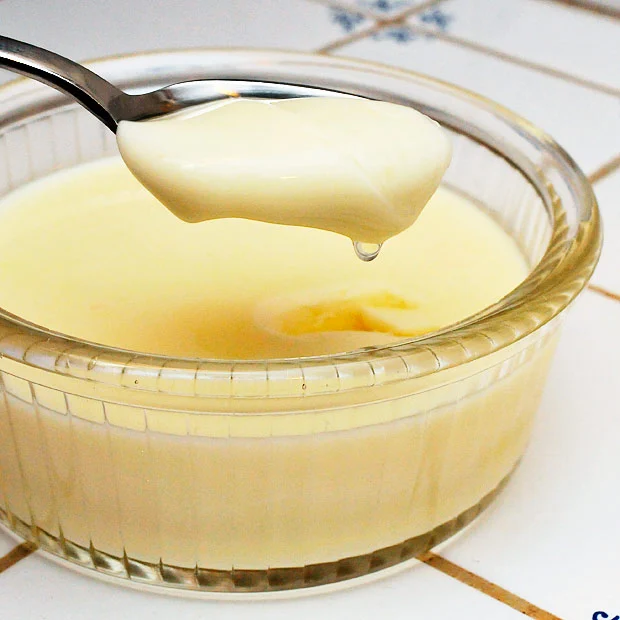

The culinary world often celebrates the simplicity of dishes crafted from a handful of ingredients, yet sometimes, behind such apparent simplicity lies a surprising depth of scientific complexity. This is particularly true for ginger milk curd, known in Chinese as 薑汁撞奶 (gong zup zong nai), a traditional Cantonese dessert that promises a tender, fragrant gel from just three core components: milk, ginger, and sugar. While seemingly straightforward, the successful preparation of this delicate gel has historically proven elusive for many, leading to a proliferation of contradictory recipes and persistent kitchen myths. A deeper dive into the underlying food science, however, reveals the precise conditions and enzymatic reactions essential for its consistent success.
The Allure and Enigma of Ginger Milk Curd
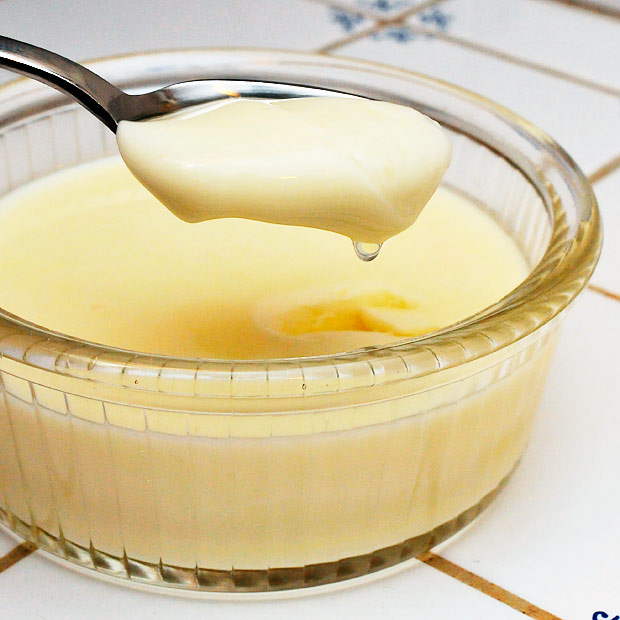
Ginger milk curd is revered for its unique texture—a soft, almost custardy gel that melts in the mouth, delivering a warm, piquant ginger flavor balanced by subtle sweetness. Unlike many other gels that rely on external hydrocolloids like gelatin or agar-agar, this dessert achieves its structure through a natural enzymatic process. This characteristic is what initially captured the attention of researchers exploring gel formation in foods without added gelling agents. Early attempts to replicate the dish, often based on anecdotal recipes, frequently resulted in inconsistent outcomes, with success rates reported as low as 50% or requiring multiple tries. Some frustrated cooks even resorted to adding egg whites, mistakenly believing the process demanded "a lot of skills and a pinch of luck." This variability underscores a common phenomenon in home cooking: the emergence of "kitchen myths," where individuals attribute success or failure to irrelevant procedural changes rather than the true scientific parameters at play.
Unraveling the Kitchen Myths: A Scientific Investigation
The journey from inconsistent kitchen experiments to a reliable recipe for ginger milk curd required a systematic scientific investigation, drawing insights from food chemistry and enzymology. The core mechanism hinges on proteolytic enzymes present in fresh ginger juice. These enzymes, specifically ginger proteases (GP), sometimes referred to as zingipain (EC 3.4.22.67), are responsible for coagulating milk proteins. This enzymatic action places ginger milk curd in the same category as cheese-making, where rennet (containing the enzyme chymosin) is traditionally used to curdle milk. Both chymosin and ginger proteases function by selectively cleaving specific milk proteins, leading to gel formation.
The critical factor in the efficacy of ginger proteases is temperature. Research has demonstrated that GP exhibits a narrow window of optimal activity. Its milk clotting activity (MCA) peaks around 63°C and rapidly declines outside the 60-65°C range. Crucially, temperatures exceeding 70°C lead to rapid denaturation and irreversible destruction of the enzymes, explaining a significant number of failures in traditional recipes where milk is often heated to boiling or near-boiling points. Conversely, temperatures below 60°C result in insufficient enzymatic activity for efficient gel formation. This precise temperature requirement is the cornerstone of a fool-proof ginger milk curd recipe, necessitating the use of a digital kitchen thermometer for accuracy.
The Building Blocks of Gel: Casein and Its Transformation
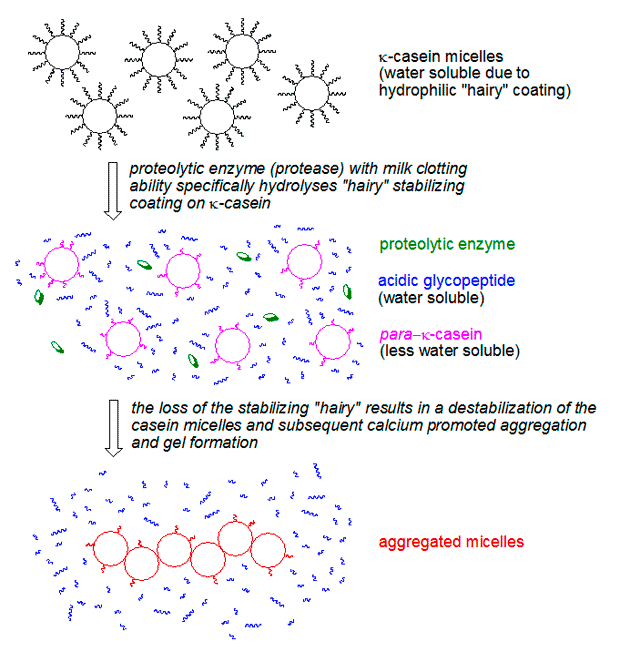
To understand how ginger proteases create a gel, one must delve into the structure of milk proteins, particularly casein. Casein proteins exist in milk as large aggregates called micelles, stabilized by calcium ions. The outer surface of these micelles is covered by a "hairy" layer of κ-casein. This κ-casein has a water-soluble portion (an acidic glycopeptide) that extends into the surrounding liquid, preventing the micelles from clumping together and keeping the milk in a stable, liquid state.
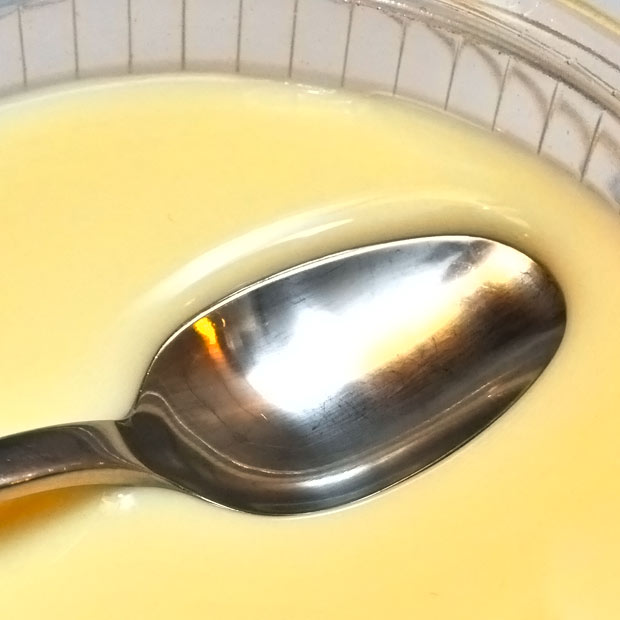
Ginger proteases, much like chymosin, act as molecular scissors, specifically targeting and cleaving off this water-soluble part of the κ-casein. Once this protective "hairy" layer is removed, the now "shaved" casein micelles lose their stability. They begin to collide and aggregate, facilitated by the calcium ions naturally present in milk. This rapid aggregation of micelles forms a three-dimensional protein network, which is the tender gel structure characteristic of ginger milk curd. The entire process occurs remarkably quickly, often within 5-10 minutes of mixing. The resulting gel, while firm enough to hold the weight of a spoon, is inherently fragile and prone to syneresis—the expulsion of liquid (whey) from the gel network, visible as clear droplets.
Optimizing Ingredients and Technique for Consistent Success
Based on scientific understanding, a reliable recipe for ginger milk curd emerges, prioritizing precision and specific techniques:
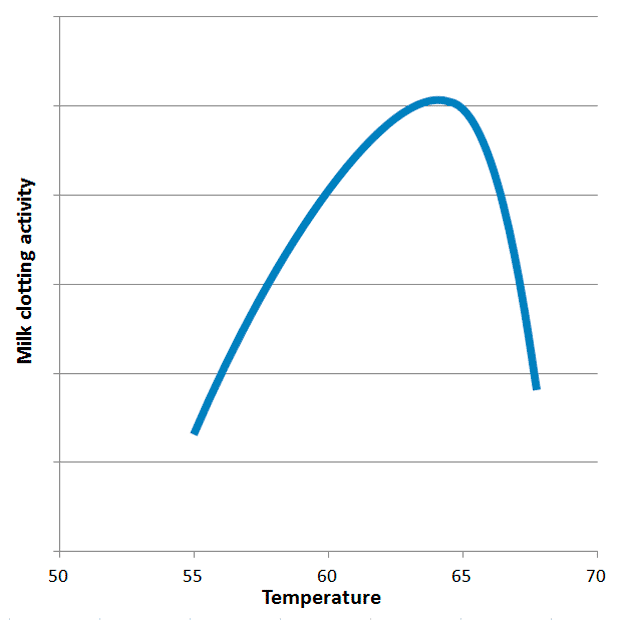
- Temperature Control: The paramount rule is to heat milk to precisely 65°C. Heating beyond this denatures the enzymes, while heating below it reduces their activity. A digital thermometer is indispensable.
- Milk Choice: Skimmed milk is often preferred for a stronger gel. Studies indicate that heating milk above 65°C causes lactoglobulins to precipitate onto κ-casein, which interferes with gel formation. Milk fat can also impede the protein network, resulting in a weaker curd. A higher calcium concentration in milk can also contribute to a stronger gel.
- Ginger Juice Preparation: Freshly extracted ginger juice is crucial. The ginger proteases are highly unstable once extracted, with a half-life of about 20 minutes at 30°C. This rapid degradation is due to another enzyme present in ginger, polyphenol oxidase (PPO), which, like in apples, causes enzymatic browning and inactivates the proteases. To prevent this, ginger juice should be prepared immediately before use. If advance preparation is necessary, adding a small amount (around 0.2%) of ascorbic acid (Vitamin C) can inhibit PPO, thereby preserving the GP activity. For optimal juice extraction, microplaning ginger before squeezing yields a potent extract.
- Mixing Technique: After heating the milk and preparing the ginger juice, the milk should be poured from a moderate height into the bowl containing the ginger juice. This allows for rapid and sufficient mixing without the need for stirring. Stirring can disrupt the delicate initial formation of the gel network, leading to a weaker or failed curd.
- Setting Conditions: The mixture should be left undisturbed at room temperature for 5-10 minutes to allow the gel to form. Once set, it can be served immediately or chilled.
A Fool-Proof Recipe Guided by Science:
- Ingredients:
- 250 mL skimmed milk
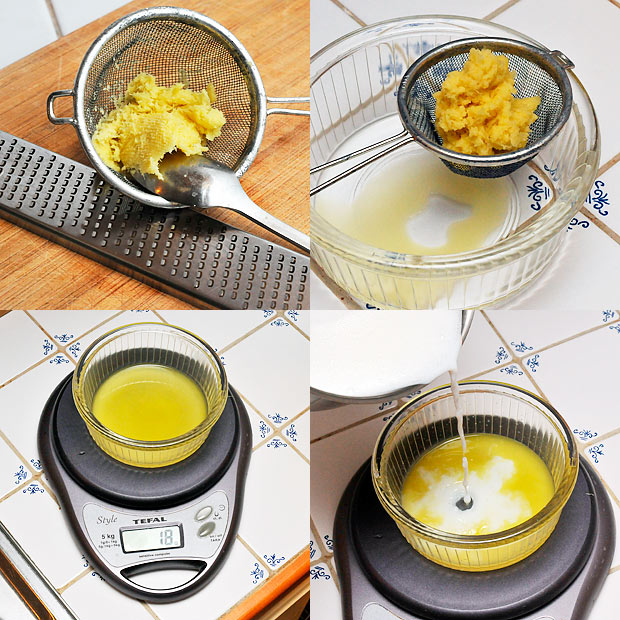
- 18 g fresh ginger juice (approximately 31 g peeled ginger or 43 g raw ginger)
- 20 g sugar
- Instructions:
- Combine milk and sugar in a saucepan. Heat carefully to exactly 65°C using a digital thermometer.
- While the milk heats, peel and microplane fresh ginger. Squeeze out 18g of juice, collecting it in the serving bowl.
- Once the milk reaches 65°C, immediately pour it from a height (e.g., about 15-20 cm) into the bowl with the ginger juice.
- Do NOT stir. Leave the bowl undisturbed at room temperature.
- Within 5-10 minutes, a firm gel will form, capable of supporting a spoon. Serve immediately or refrigerate.
This recipe utilizes a milk-to-ginger juice ratio of approximately 14:1, which provides a robust ginger flavor without being overpowering. Adjustments to the ginger juice quantity can alter flavor intensity, but significant reductions may compromise gel formation.
Broader Implications and Future Culinary Exploration
The scientific elucidation of ginger milk curd’s mechanism extends beyond perfecting a single dessert. It highlights the profound impact of understanding enzymatic reactions and protein chemistry in food preparation. This knowledge empowers home cooks to move beyond trial-and-error, fostering a deeper appreciation for the transformations occurring in their kitchens. For professional chefs and the food industry, it opens avenues for innovation, particularly in developing plant-based coagulants as alternatives to animal rennet. Indeed, scientists have explored other plant extracts like kiwi and melon, which also contain proteases with milk-clotting activity, albeit with different optimal temperatures (40°C for kiwi proteases, 70°C for melon proteases).
Further research and experimentation can still refine the ginger milk curd process. Potential areas of investigation include:
- The optimal aging of ginger and its impact on protease activity.
- The effects of various milk types (e.g., whole milk, lactose-free milk, plant-based milks) and their calcium content on gel strength.
- The precise role of different sugars or sweeteners on texture and stability.
- The influence of pH adjustments on gel formation and enzyme activity.
- Exploring techniques for achieving even greater gel elasticity and minimizing syneresis.
In conclusion, the journey from a temperamental traditional dessert to a reliably reproducible culinary delight is a testament to the power of food science. By meticulously understanding the delicate interplay of ginger proteases, casein micelles, and critical temperature controls, the once-mysterious ginger milk curd transforms into a predictable and enjoyable experience, offering a delicious example of chemistry in action within the everyday kitchen. This ongoing exploration not only enriches our culinary repertoire but also deepens our appreciation for the complex science embedded in our food.