
The recent emergence of the "Yellow Curry Meatballs with Peanut Shallot Crispies" recipe from the acclaimed food blog Pinch of Yum highlights a growing trend in home cooking: the demand for quick, flavorful, and sophisticated weeknight meals that can impress even the most discerning palates without overwhelming the cook. This particular dish, conceptualized and shared by food blogger Lindsay Ostrom, has quickly garnered attention for its ingenious blend of convenience and gourmet appeal, positioning itself as a prime example of culinary innovation tailored for modern, busy lifestyles.
The Genesis of a Weeknight Sensation
The inspiration for this now-popular recipe arose from a common challenge faced by many home cooks: the need to host a significant family gathering—including parents, siblings, and their partners, described as "foodies"—on a weeknight. With the realization striking late in the afternoon, around 3 PM on the day of the event, the urgency for a practical yet impressive culinary solution became paramount. Lindsay Ostrom, known for her accessible yet elevated recipes, found herself needing a dish that could be prepared efficiently, minimize stress, and still deliver an exciting and appealing dining experience for a diverse group.
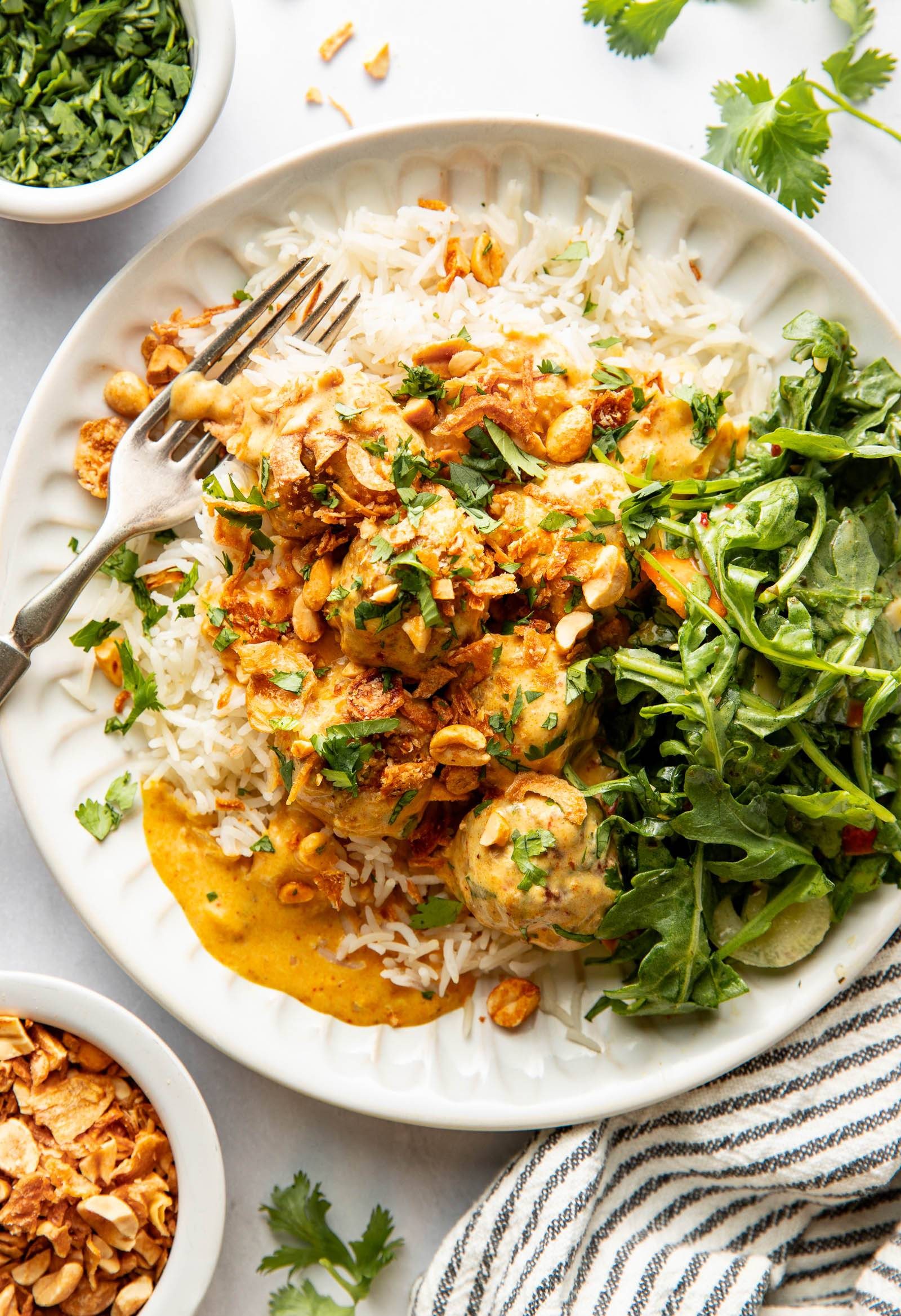
The result was the development of these herby meatballs, which are first pan-fried to achieve a desirable golden crust, a crucial step for flavor development. This is followed by the creation of a swift yellow curry sauce—described by Ostrom as more akin to a "gravy"—which is expertly built directly in the same pan, allowing the meatballs to simmer and become fully infused with its rich, aromatic essence. This streamlined approach to preparation underscores the recipe’s core appeal: maximizing flavor and visual appeal while minimizing complexity and cleanup, a true "weeknight magic" as Ostrom aptly puts it. The recipe’s success in a high-stakes, real-world scenario—a family dinner on a busy weeknight—lends significant credibility to its claims of ease and broad appeal.
A Deep Dive into Culinary Trends and Ingredients

The widespread adoption and positive reception of the Yellow Curry Meatballs recipe can be understood within the broader context of several prevailing culinary trends shaping contemporary kitchens. There is an undeniable shift towards global flavors in everyday home cooking, with Thai cuisine, in particular, enjoying immense popularity. Data from food industry analysts consistently show an increasing consumer interest in international dishes, with Asian cuisines frequently topping the list. Consumers are increasingly adventurous, seeking to recreate restaurant-quality international dishes in their own kitchens, often driven by exposure through travel, social media, and a general globalization of tastes. This recipe effectively taps into this desire by offering an authentic-tasting yellow curry experience that is approachable for the average home cook, demystifying a cuisine often perceived as complex.
The Versatility of Meatballs: Meatballs themselves are a perennial favorite, celebrated for their versatility and adaptability across various cultures and culinary traditions. Historically, meatballs have served as a comforting and economical protein source, easily customized with various spices and sauces. From Italian-American spaghetti and meatballs to Swedish köttbullar and Middle Eastern kofta, their enduring appeal lies in their familiar form and capacity to absorb diverse flavors. Ostrom’s recipe elevates the humble meatball by infusing it with fresh herbs and pairing it with an exotic, yet comforting, curry profile. While the original recipe highlights chicken, Ostrom notes the adaptability to ground turkey, beef, or even pork, highlighting the dish’s flexibility to cater to different dietary preferences, ingredient availabilities, and regional tastes. The browning process of the meatballs, as emphasized in the recipe, is not merely for aesthetics but is a fundamental culinary technique that builds foundational flavor through the Maillard reaction—a chemical reaction between amino acids and reducing sugars that gives browned food its distinctive flavor—contributing significant depth and richness to the final dish.
The Art of the Yellow Curry Sauce: The curry sauce is a cornerstone of this recipe’s appeal. Its quick preparation, utilizing the same pan as the meatballs, is a testament to efficient cooking and a strategic method for deglazing the pan to incorporate flavorful fond (the browned bits left after searing meat). The base of the sauce relies on high-quality yellow curry paste, with Ostrom specifically recommending a potent Thai brand, underscoring the importance of authentic ingredients for optimal flavor. This highlights a broader trend in which home cooks are increasingly seeking out high-quality, authentic ethnic ingredients to elevate their dishes. For those inclined towards a more homemade approach, she also provides a link to her own recipe for yellow curry paste, advising on the differing potencies between commercial and homemade varieties—a crucial detail for achieving the desired flavor balance, as homemade pastes often contain more fresh ingredients and less concentrated spice. The addition of full-fat coconut milk then transforms the paste into a rich, creamy "gravy," providing a luxurious texture that coats each meatball beautifully. Coconut milk is a staple in Southeast Asian cuisine, prized for its ability to impart richness and a subtle sweetness that balances the heat and aromatics of curry paste. The option to incorporate a cornstarch slurry for further thickening demonstrates a practical tip for achieving perfect sauce consistency, allowing cooks to customize the gravy to their preference, from a thinner sauce to a more substantial coating.
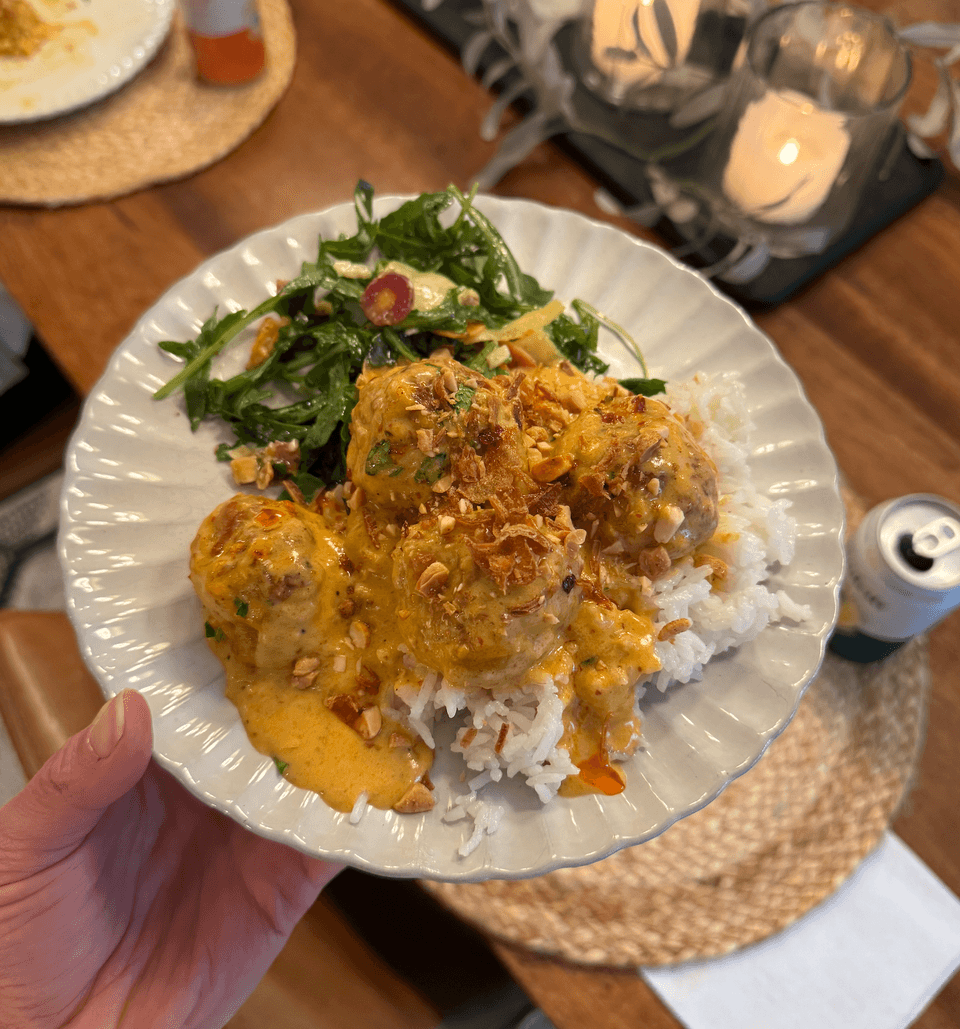
Complementary Elements and Presentation: Beyond the main components, the recipe’s thoughtful accompaniments contribute significantly to its overall appeal, reflecting a holistic approach to meal design. Serving the meatballs over steamed jasmine rice provides a neutral, absorbent base to soak up the flavorful curry sauce, a traditional pairing in Thai cuisine. The suggestion of a lemony arugula salad, particularly the one from Trader Joe’s, introduces a bright, fresh, and slightly peppery counterpoint to the richness and warmth of the curry, enhancing both the flavor profile and the visual presentation of the plate. This demonstrates an understanding of contrasting textures and flavors to create a more dynamic eating experience. The crowning glory, the "peanut shallot crispies," adds a critical textural element—a delightful crunch that contrasts with the tender meatballs and creamy sauce, along with a nutty, savory depth, elevating the dish from a simple meal to a multi-sensory experience. These crispies, often found in Southeast Asian cooking, provide an umami-rich finish that ties the dish together.
Step-by-Step Culinary Journey: A Chronology of Creation
The methodical process outlined in the recipe reflects a well-thought-out culinary strategy designed for efficiency and optimal flavor development, characteristic of expert recipe development.

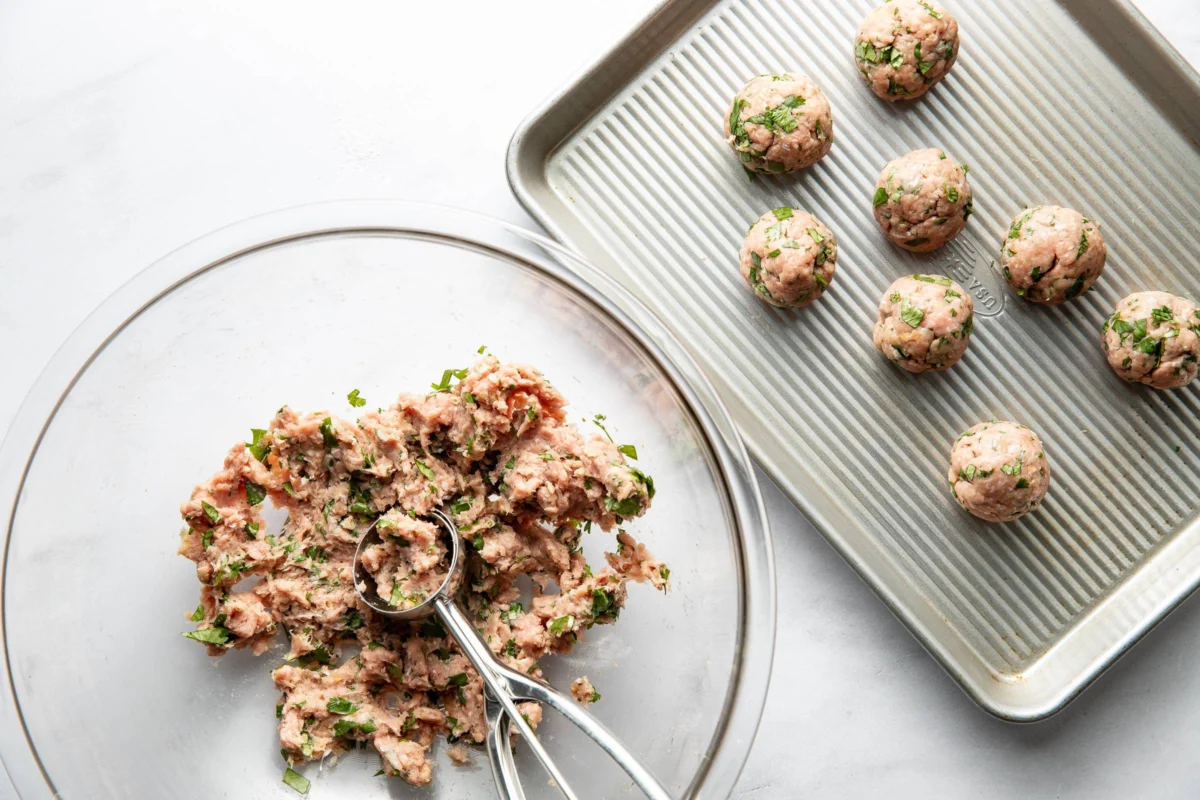
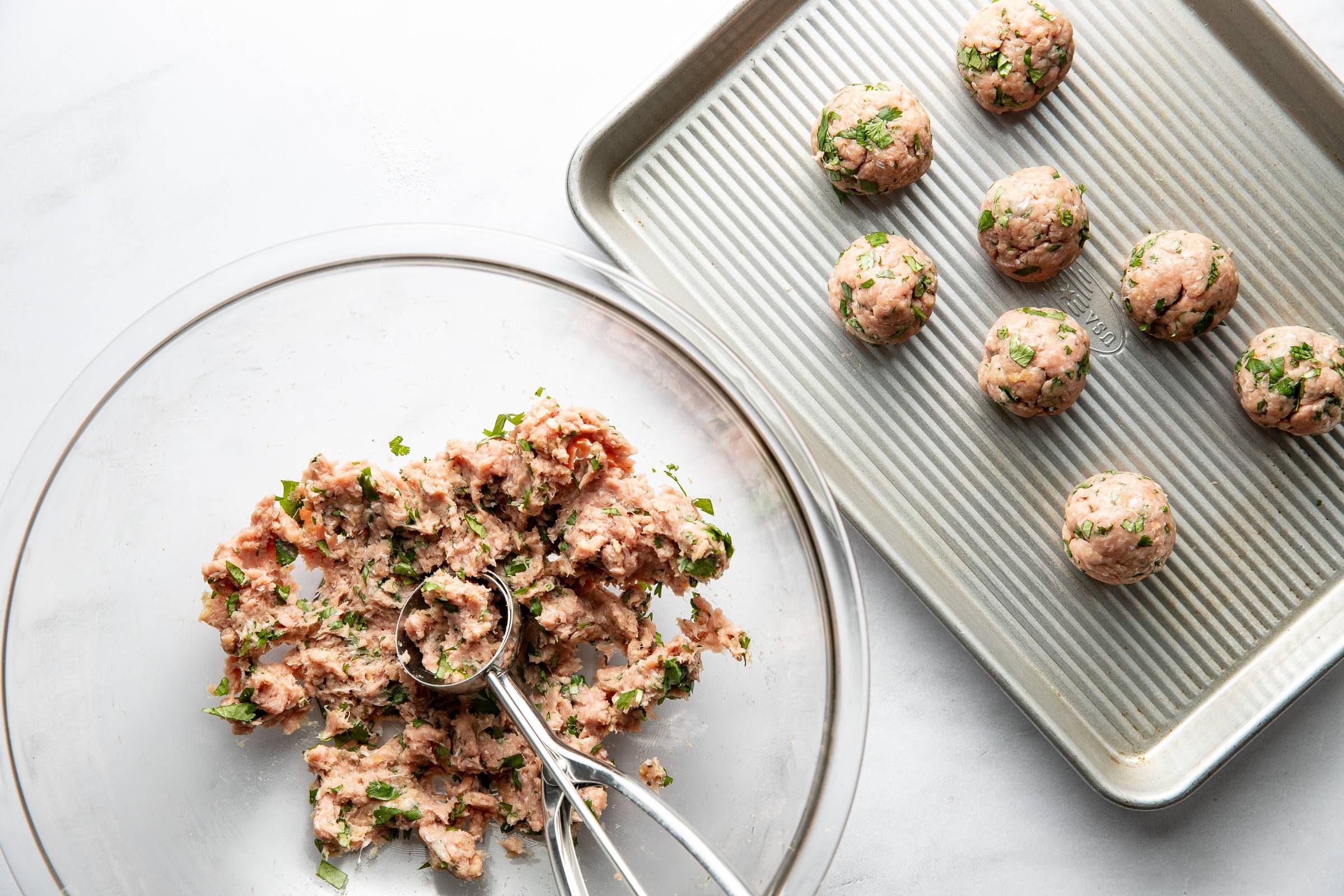
- Meatball Preparation: The initial step involves combining the chosen ground meat with herbs and seasonings, then rolling them into uniform shapes. The inclusion of fresh cilantro or other finely chopped herbs is highlighted as optional but recommended for an extra layer of freshness and vibrancy. This step emphasizes mise en place and foundational flavor building.
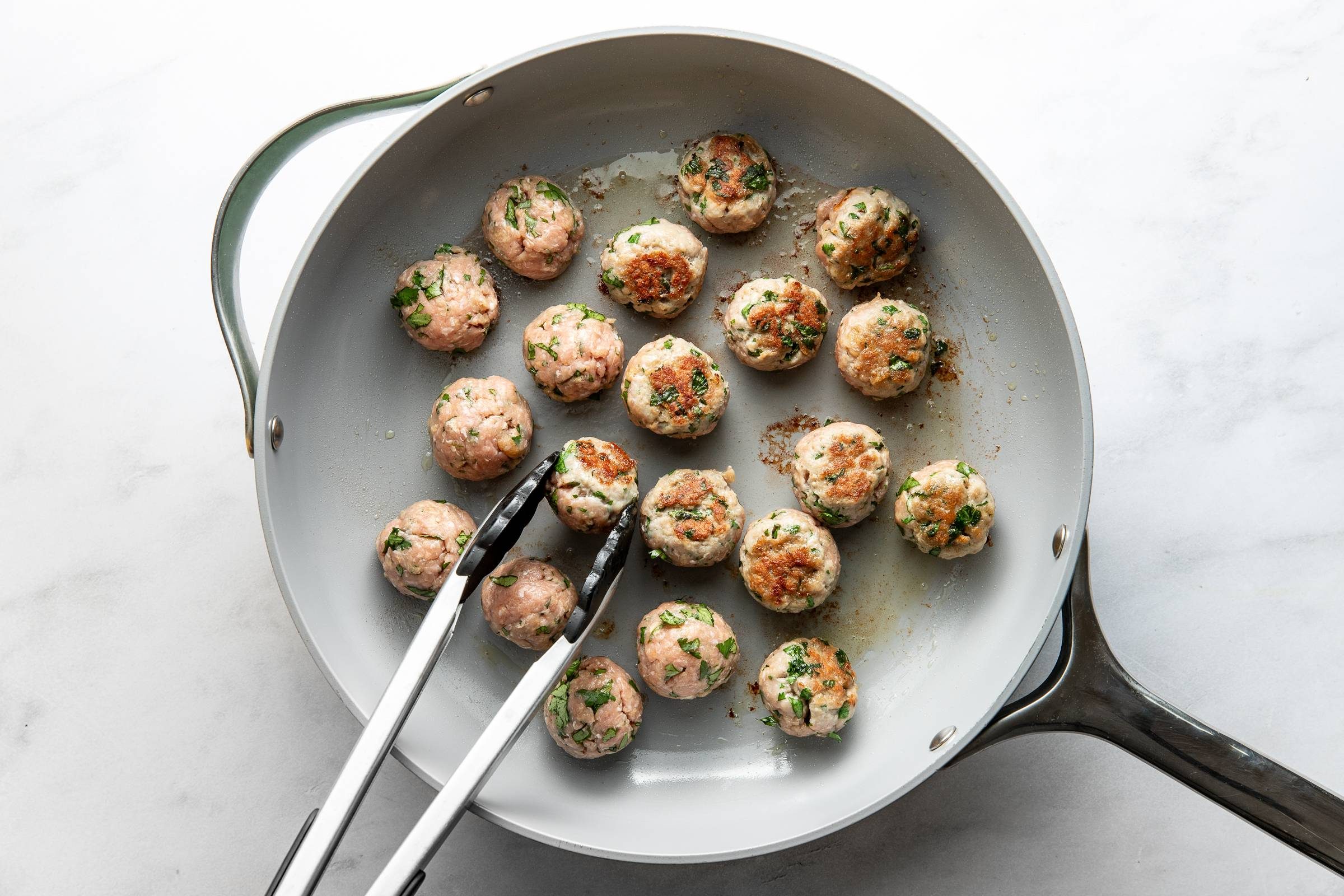
- Browning for Flavor: The meatballs are then carefully pan-fried in a hot skillet to achieve a golden-brown exterior. This browning is not intended to cook the meatballs through entirely but rather to initiate the Maillard reaction, building a robust flavor profile and creating a desirable textural contrast. The meatballs will finish cooking in the simmering sauce, ensuring they remain tender.
- Aromatic Foundation: Once the meatballs are browned and set aside, thinly sliced shallots and the aromatic yellow curry paste are introduced into the same pan. Sautéing these aromatics until softened ensures their complex flavors are fully released and integrated into the emerging sauce base, creating a fragrant foundation for the curry and utilizing the flavorful fond left in the pan.
- Sauce Development and Simmering: Full-fat coconut milk is then added to the pan, bringing the sauce to a gentle simmer. This crucial step allows the myriad flavors from the curry paste and shallots to meld and deepen, while simultaneously cooking the meatballs to perfection as they are returned to the pan. The optional cornstarch slurry, dissolved in water, is introduced here as a technique to achieve the desired "gravy-like" consistency, catering to different preferences for sauce thickness and mouthfeel.
- Final Touches and Serving: The dish culminates with serving over steamed rice, adorned with the recommended crushed peanut and shallot crispies. This final garnish not only adds critical texture but also a nutty, savory counterpoint, completing the dish’s complex flavor profile and enhancing its visual appeal. The suggested side of a fresh, lemony arugula salad provides a vibrant contrast, cutting through the richness of the curry.
Broader Implications and Culinary Influence
The "Yellow Curry Meatballs" recipe is more than just a collection of ingredients and instructions; it represents a successful response to the evolving demands of contemporary home cooking and reflects broader trends in the food industry.
Empowering Home Cooks: Recipes like this empower individuals with limited time or culinary experience to create dishes that are both impressive and deeply satisfying. By simplifying complex flavor profiles and streamlining cooking processes, food bloggers like Lindsay Ostrom are democratizing gourmet cooking, making global cuisine accessible to a wider audience. This aligns with broader societal trends where cooking at home is increasingly viewed not just as a necessity but as a creative outlet and a source of well-being, even amidst busy schedules. The convenience factor of such recipes contributes to maintaining a healthy and varied diet at home, potentially reducing reliance on takeout.
The Role of Food Blogging: Pinch of Yum, as a leading food blog, plays a significant role in this culinary landscape. Its success stems from a commitment to tested, reliable recipes presented with clear instructions and appealing visuals. The emphasis on practical tips, such as the distinction between homemade and store-bought curry paste potency, or the rationale behind pan-frying versus baking meatballs, provides valuable insights that elevate the user experience beyond a simple ingredient list. This type of detailed, experience-driven content fosters trust and loyalty among its readership, establishing the blog as an authoritative voice in home cooking. The interactive nature of food blogs, allowing for comments and questions, also creates a community around shared culinary experiences.
Future Culinary Directions: The recipe also offers insights into potential future culinary trends. The fusion of comforting, familiar formats (meatballs) with adventurous, global flavors (Thai yellow curry) is likely to continue and expand. There will be an ongoing demand for recipes that are adaptable, allowing for ingredient substitutions (different meats, vegetarian alternatives like crispy tofu) to cater to diverse dietary needs, ethical considerations, and ingredient availabilities. The emphasis on textural contrasts and fresh accompaniments also points towards a more holistic approach to meal planning, where every component contributes not only to flavor but also to a balanced and visually appealing dining experience. This speaks to a growing sophistication among home cooks who seek more than just sustenance from their meals.
Frequently Asked Questions and Adaptability: Ostrom proactively addresses common queries within the recipe, further cementing its user-friendliness and adaptability. The confirmation that ground chicken, beef, or even pork can be substituted for turkey, and that red curry paste can serve as an alternative to yellow (with a caveat on adjusting quantities due to varying spice levels), demonstrates the recipe’s inherent flexibility. Her specific advice on baking meatballs versus pan-frying—while acknowledging baking is technically possible, she advocates for pan-frying for superior flavor and texture—is a testament to her commitment to optimal culinary results and educating her audience on best practices. The thoughtful suggestion of crispy tofu as a vegetarian alternative showcases an inclusive approach, ensuring the recipe’s appeal extends to a broader audience, including those following plant-based diets, reflecting the increasing demand for vegetarian options in mainstream cooking.
In conclusion, the "Yellow Curry Meatballs with Peanut Shallot Crispies" recipe from Pinch of Yum is not merely a collection of ingredients and instructions; it is a meticulously crafted culinary solution that addresses modern challenges of time, taste, and versatility. Its widespread appeal and thoughtful design position it as a significant contribution to the evolving landscape of home cooking, offering inspiration and practical guidance for those seeking to infuse their weeknights with a touch of culinary magic. It exemplifies how thoughtful recipe development, shared through influential platforms like food blogs, can bridge the gap between aspirational dining and everyday practicality, solidifying its place as a crowd favorite in kitchens across the nation and influencing broader culinary practices.