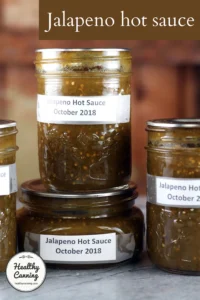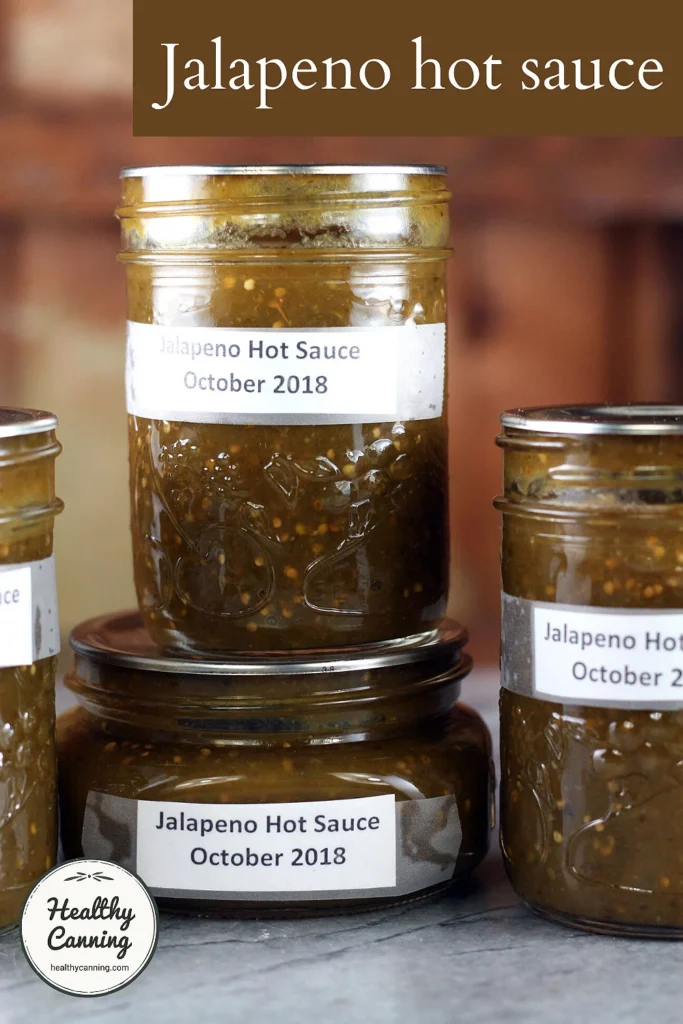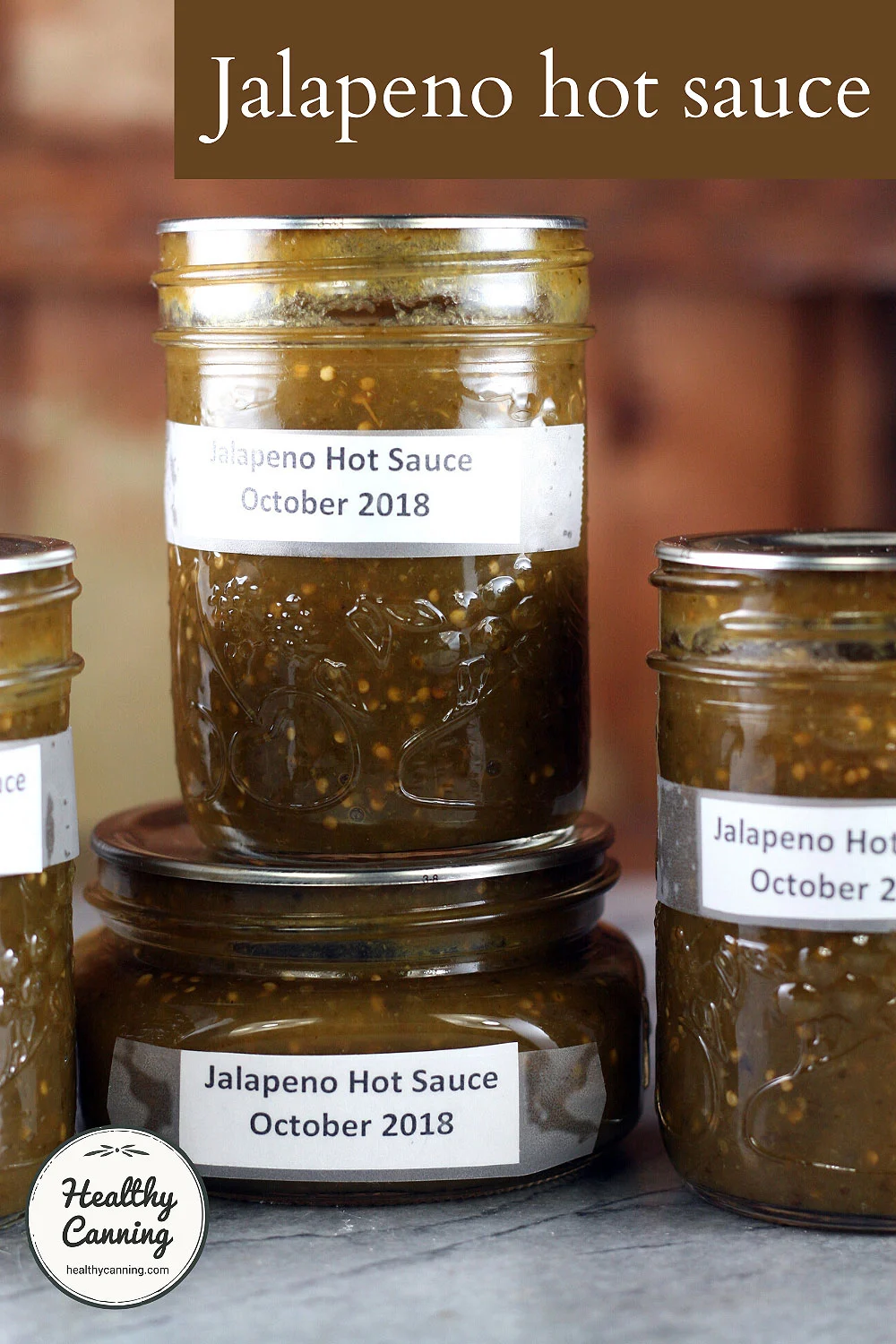

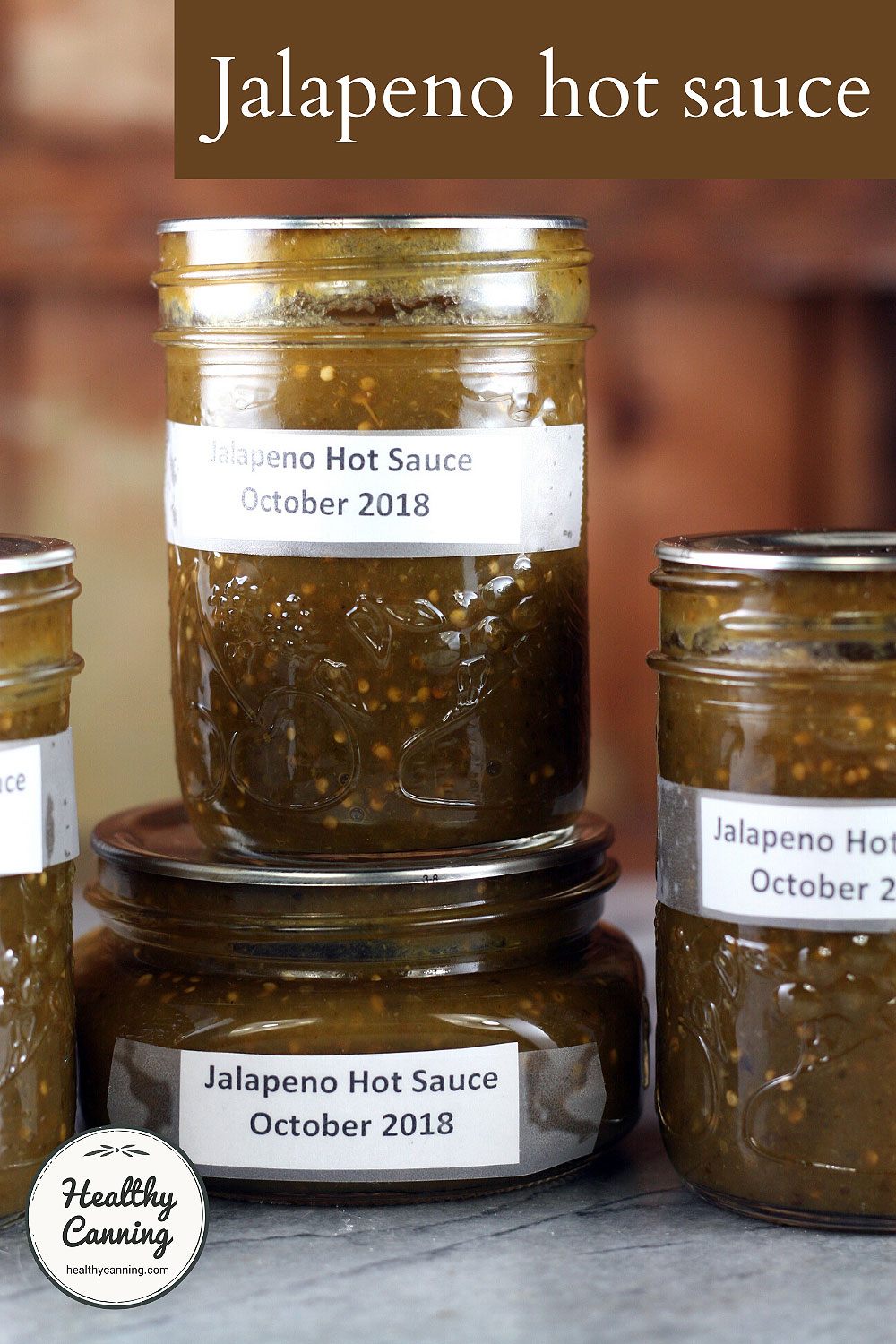
Home food preservation has seen a significant resurgence in recent years, driven by a growing consumer interest in food provenance, the reduction of chemical additives, and the desire for customized flavor profiles. Among the most popular ventures for home canners is the production of artisanal condiments, specifically hot sauces. A prominent entry in this category is the Jalapeno Hot Sauce, a recipe rooted in the rigorous safety standards established by the United States Department of Agriculture (USDA). This specific formulation, popularized by preservation authorities such as Healthy Canning, utilizes a base of canned tomatillos and green jalapeno peppers to create a thick, spoonable condiment that serves as a versatile addition to various cuisines.
The recipe is fundamentally a variation of the USDA’s established Cayenne Pepper Sauce. While the original USDA version typically yields a red sauce using tomatoes and cayenne peppers, the jalapeno variant leverages the botanical similarities between ingredients to allow for safe substitutions. By swapping tomatoes for tomatillos and cayenne for jalapenos, practitioners can achieve a vibrant green hue and a distinct, sharp flavor profile without compromising the acidification levels necessary for shelf-stability.
Historical Context and the Evolution of Preservation Standards
The history of home canning in the United States is deeply intertwined with the development of the USDA’s Complete Guide to Home Canning. In the early 20th century, home preservation was a matter of survival and seasonal management. However, improper techniques led to frequent outbreaks of foodborne illnesses, most notably botulism. To combat this, the USDA, alongside various land-grant universities, began conducting empirical research to establish "safe" processing times and acidity requirements.
The Cayenne Pepper Sauce recipe, which serves as the blueprint for the Jalapeno Hot Sauce, was developed to ensure that even high-heat peppers—which are naturally low in acid—could be safely preserved in a boiling water bath. The National Center for Home Food Preservation (NCHFP), established in the early 2000s, continues to oversee these standards. The transition from the traditional cayenne base to a jalapeno-tomatillo base represents a modern adaptation of these legacy recipes, reflecting the contemporary palate’s preference for Mexican and Tex-Mex inspired flavors.

Technical Specifications and Processing Logistics
The production of Jalapeno Hot Sauce is a labor-intensive process that requires approximately four hours from preparation to completion. This timeline includes one hour of preparation—involving the cleaning, seeding, and chopping of peppers and the handling of tomatillos—and three hours of cooking time to achieve the desired thickness and flavor concentration.
The recipe is designed for flexibility in packaging, allowing for three distinct jar sizes: 125 ml (4 oz), 250 ml (8 oz), or 500 ml (16 oz). Regardless of the jar size selected, the processing time remains a consistent 10 minutes, provided the practitioner accounts for altitude adjustments. The yield for a full batch is approximately five 500 ml (1 US pint) jars.
One of the critical technical aspects of this recipe is the "headspace"—the gap between the top of the sauce and the lid of the jar. A precise headspace of 2 cm (1/2 inch) is required to ensure a proper vacuum seal during the cooling process. Failure to maintain this headspace can result in seal failure or the siphoning of the liquid during the boiling process.
Chemical Composition and Safety Enhancements
The safety of home-canned hot sauce is entirely dependent on its pH level. Peppers are low-acid foods, meaning they have a pH level that would normally require a pressure canner to eliminate the risk of Clostridium botulinum. However, by introducing a high volume of vinegar and acidic fruits like tomatillos, the pH is lowered to a level (typically below 4.6) that allows for safe processing in a water-bath or steam canner.
In the Jalapeno Hot Sauce variant, the use of tomatillos is a strategic choice. Tomatillos are naturally more acidic than many modern tomato varieties. By substituting them into the USDA cayenne recipe, the practitioner actually enhances the safety margin of the product. Furthermore, the recipe necessitates a specific vinegar strength. In North America, the standard is 5% acidity. For practitioners in regions like Australia or New Zealand, where vinegar is often sold at 4% acidity, adjustments must be made to ensure the total acid content is sufficient to inhibit bacterial growth.
Official Warnings and Sensory Analysis
The National Center for Home Food Preservation rarely provides subjective commentary on recipes, but they have made an exception for this specific pepper sauce formulation. Official documentation describes the resulting product as a "very hot sauce." This warning is intended to prevent consumers from using the sauce as a mild salsa; rather, it is a concentrated condiment intended for sparing use.
The heat of the sauce is derived from the capsaicinoids present in the jalapeno peppers. While jalapenos are generally considered to be in the "medium" range of the Scoville scale (2,500 to 8,000 SHU), the concentration process involved in a three-hour simmer significantly intensifies the pungency. Suggested uses from the NCHFP include incorporation into taco meat, drizzling over eggs, or adding a kick to marinades for grilled meats.
Supporting Data: Nutritional and Economic Impact
From a nutritional perspective, the Jalapeno Hot Sauce is an exceptionally low-calorie condiment. A single-gram serving contains approximately 8 calories, with negligible fat (0.1g) and sodium (2mg). This makes it an ideal alternative to commercial hot sauces, which are often laden with high levels of sodium and preservatives like sodium benzoate to extend shelf life after opening.
Data points for a standard serving (approximately one tablespoon) include:
- Carbohydrates: 1.6g
- Fiber: 0.3g
- Sugar: 0.8g
- Protein: 0.3g
Economically, home canning this sauce allows for the utilization of garden surpluses. During the late summer months, jalapeno crops often produce more fruit than can be consumed fresh. By converting these into a shelf-stable sauce, households can reduce food waste and save on the cost of premium artisanal sauces, which can retail for significant prices in specialty grocery stores.
Broader Implications for Food Security and Sustainability
The practice of canning Jalapeno Hot Sauce is a microcosm of the broader movement toward food sovereignty. By mastering the ability to preserve high-acid foods, individuals become less reliant on global supply chains for their pantry staples. This is particularly relevant in the context of recent inflationary pressures on food prices and occasional disruptions in commercial food distribution.
Moreover, the sustainability impact is noteworthy. Home canning utilizes reusable glass jars, significantly reducing the consumption of single-use plastics and aluminum associated with commercial packaging. The ability to control the ingredients also means that consumers can opt for organic produce or peppers grown without synthetic pesticides, further aligning the practice with environmental stewardship.
Conclusion and Future Outlook
The Jalapeno Hot Sauce recipe represents a perfect intersection of culinary creativity and scientific rigor. By adhering to the modifications of the USDA’s Cayenne Pepper Sauce, home canners can produce a high-quality, safe, and flavorful condiment that rivals commercial offerings.
As interest in home preservation continues to grow, the role of organizations like the NCHFP and educational platforms like Healthy Canning becomes even more vital. They provide the necessary guardrails to ensure that the revival of traditional skills does not result in a resurgence of preventable foodborne illnesses. For the modern hobbyist or the serious "prepper," the green jalapeno sauce is more than just a condiment; it is a testament to the enduring value of science-based home food preservation.
Looking forward, the trend toward "micro-batch" canning and the exploration of heirloom pepper varieties suggests that the diversity of home-canned hot sauces will only continue to expand. However, the foundational principles—pH control, thermal processing, and altitude adjustment—will remain the non-negotiable pillars of the craft.