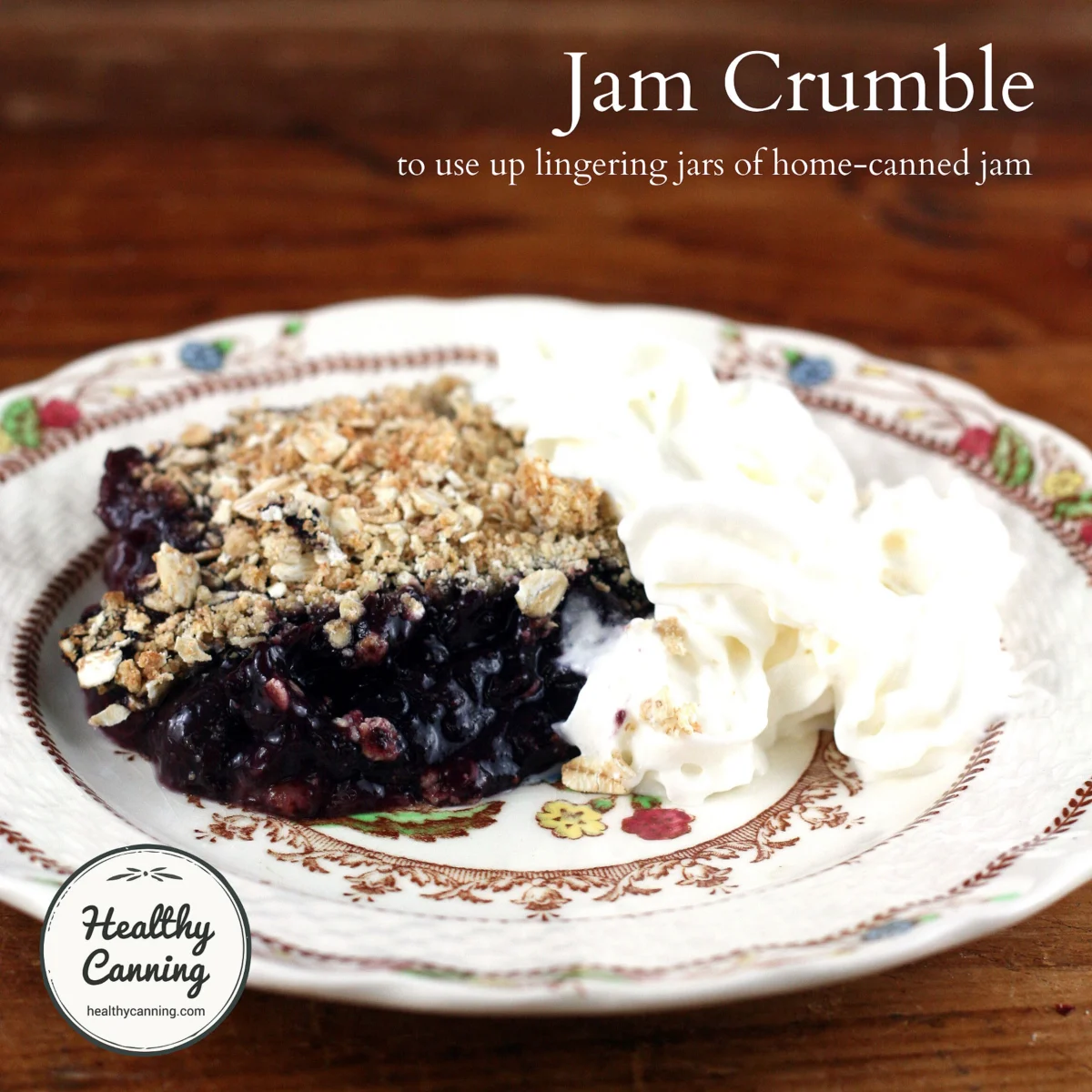

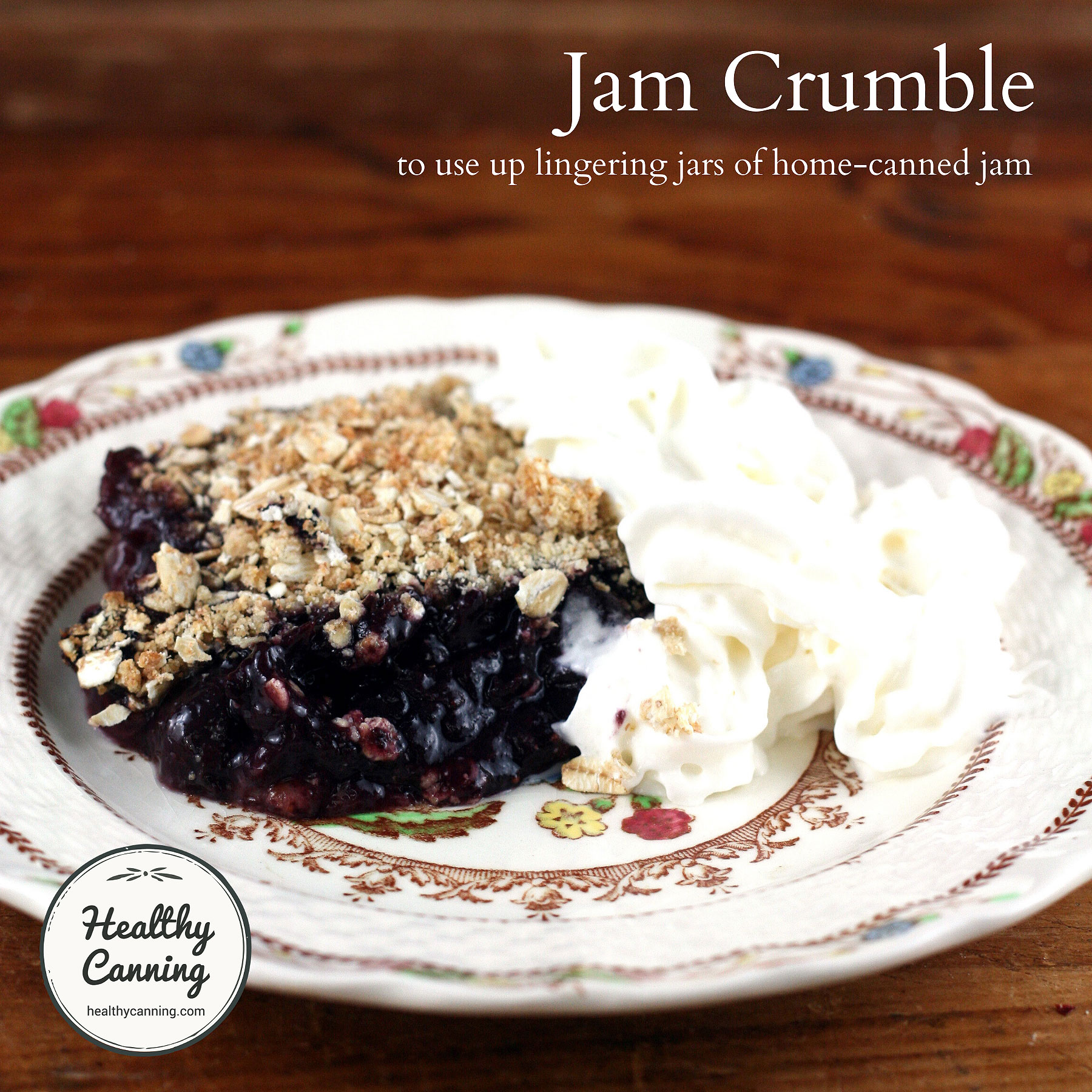
Across kitchens in North America and Europe, a quiet revolution in domestic resourcefulness is taking place as home cooks rediscover the versatility of the "pantry staple." Among the most prominent challenges for the modern home preserver is the management of seasonal surpluses—specifically, the accumulation of home-canned jams that often outpace a household’s consumption rate. The "Jam Crumble" has emerged not merely as a dessert but as a strategic culinary framework for reducing food waste and optimizing the lifecycle of home-preserved goods. By repurposing aging jars of fruit preserves into high-value desserts, bakers are addressing a common logistical bottleneck in the home canning cycle: the transition from the storage shelf to the dinner table.
The Phenomenon of the "Jam Surplus"
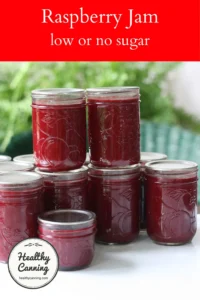
The genesis of a jam surplus typically follows a predictable chronological pattern linked to the agricultural calendar. During peak harvest seasons—often referred to as a "windfall"—gardeners and foragers find themselves with an abundance of perishable fruit that must be processed immediately to prevent spoilage. This leads to a surge in canning activity, resulting in dozens of half-pint and pint jars of berry, stone fruit, or pome fruit preserves.
However, data from domestic consumption studies suggests that while the enthusiasm for canning is high, the daily usage of jam on toast or in sandwiches has seen a gradual decline in favor of high-protein or low-carbohydrate breakfast options. Consequently, jars of meticulously prepared jam often sit undisturbed for months. Over time, these preserves may undergo minor aesthetic changes, such as slight darkening or thickening, which, while safe, may make them less appealing as a fresh spread. The Jam Crumble serves as the primary intervention in this cycle, utilizing the concentrated flavors and sugars of the preserves as a pre-prepared fruit base that requires minimal additional preparation.

Technical Mechanics of the Jam Crumble
The Jam Crumble is defined by its efficiency, requiring approximately 10 minutes of preparation time and 35 minutes of baking. The process operates on a standard oven temperature of 175°C (350°F), which allows the sugars in the jam to liquefy and meld with the topping without scorching.
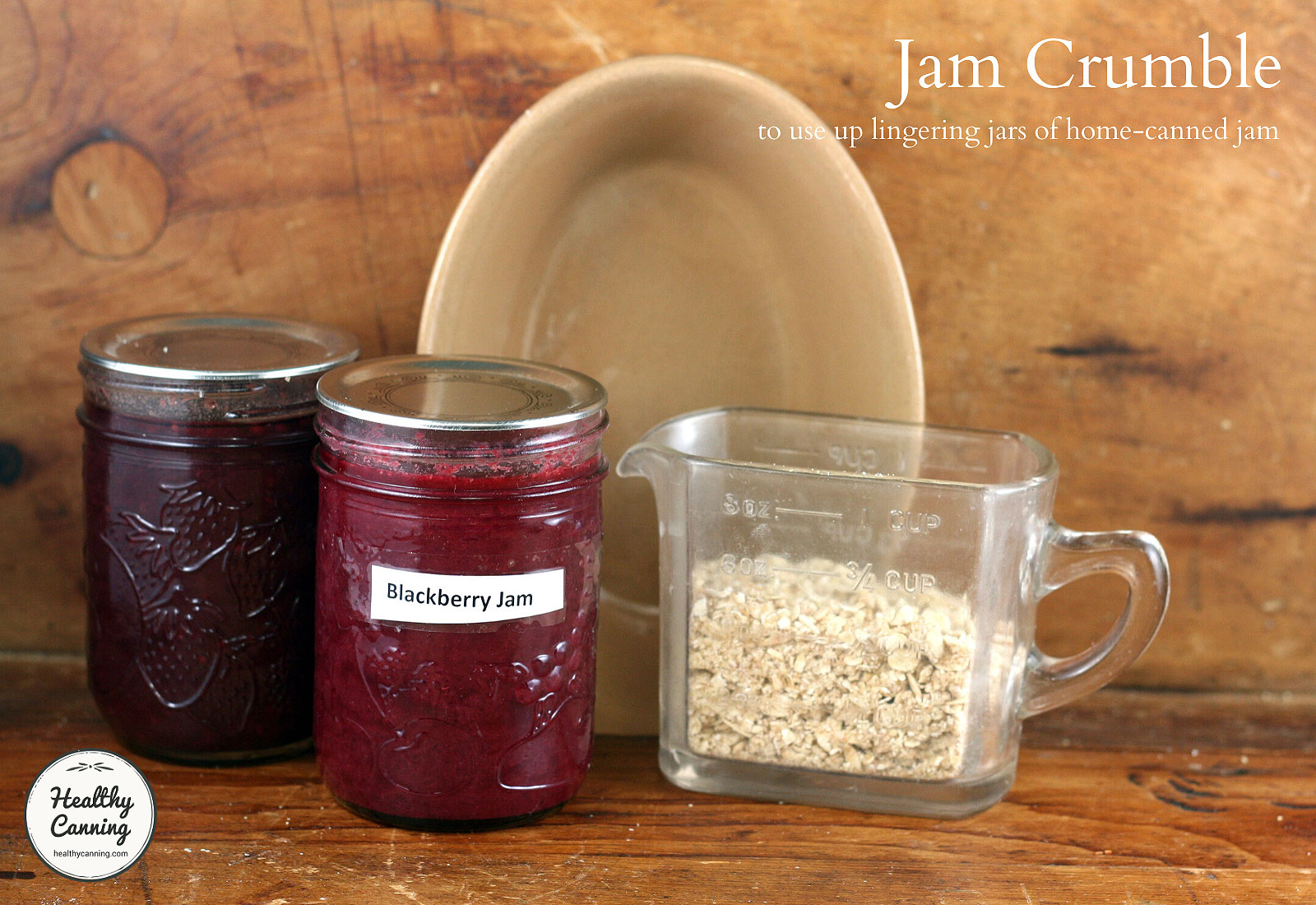
In its most streamlined form, the recipe utilizes approximately 500 ml (two half-pint jars or one pint jar) of jam. Culinary experts note that this "concept-based" approach allows for flavor layering. For instance, combining a jar of tart raspberry jam with a jar of sweet peach preserves creates a complex flavor profile that mimics the depth of a multi-fruit pie.
The structural integrity of the dessert relies on the "crumble" topping. While traditional crumbles utilize a mixture of flour, butter, and sugar, a modern shortcut involves the use of oatmeal pancake mix. This dry mix already contains leavening agents and balanced grains, which, when combined with additional fats, create a textured, golden-brown crust. For those operating without pre-mixed shortcuts, the fundamental ratio consists of:
- ½ cup rolled oats
- 2 tablespoons all-purpose flour
- 1 tablespoon granulated sugar
- A pinch of salt
- 2 tablespoons of chilled butter, rubbed into the dry ingredients to create a "pea-sized" crumb texture.
Safety and Quality Standards in Home Preservation
As the Jam Crumble gains popularity, food safety experts from organizations such as the Master Food Preservers emphasize the importance of jar rotation and safety checks. While home-canned jam is shelf-stable for significant periods, it is not immortal.
The "First In, First Out" (FIFO) inventory method is the recommended standard for managing a home pantry. Before utilizing a "lingering" jar for a crumble, bakers are advised to check the vacuum seal. A lid that has lost its concavity or shows signs of corrosion should be discarded. Furthermore, the high sugar content and acidity of most fruit jams act as natural preservatives, but any signs of mold or "off" odors are definitive indicators that the product should not be consumed, even if it is to be baked at high temperatures.
Master Food Preservers also point out that the baking process can actually improve the palatability of older jams. The heat helps to redistribute moisture and can soften fruit pieces that may have become slightly chewy or crystallized during long-term storage.
Economic and Environmental Implications
The rise of the Jam Crumble aligns with broader socio-economic trends regarding food inflation and the "Zero Waste" movement. According to recent environmental reports, the average household wastes nearly 30% of the food it purchases. By transforming a "forgotten" jar of jam—which represents both the initial cost of the fruit and the energy expended in the canning process—into a six-serving dessert, households can realize a significant reduction in food-related financial loss.
From a cost-analysis perspective, a Jam Crumble is remarkably inexpensive. When the fruit base is essentially "pre-paid" via previous preservation efforts, the marginal cost of the dessert is limited to a small amount of oats, flour, and butter. This makes it a highly competitive alternative to store-bought frozen desserts or bakery items, which have seen price increases of 10-15% in recent fiscal quarters due to supply chain pressures.
Customization and Nutritional Adaptability
One of the most significant advantages of the Jam Crumble framework is its adaptability to various dietary requirements. Because the "filling" is already established, the baker only needs to modify the topping to suit specific needs.
- Gluten-Free Options: By substituting traditional flour with almond flour or a certified gluten-free oat blend, the dessert becomes accessible to those with celiac disease or gluten sensitivities.
- Low-Sugar Variations: The nutritional profile of the crumble is largely dictated by the jam used. Modern canning trends have seen a shift toward low-sugar or sugar-free pectin. Using these "light" jams, combined with a sugar-substitute in the crumble topping, allows the Jam Crumble to fit within Weight Watchers™ or diabetic-friendly meal plans.
- Flavor Enhancement: Culinary professionals suggest adding "warm" spices such as cinnamon, nutmeg, or cardamom to the crumble mixture. These spices complement the concentrated fruit flavors of the jam and provide an aromatic quality that enhances the overall sensory experience of the dish.
Expert Reactions and Culinary Analysis
Chef and food waste advocate Sarah Jenkins (a pseudonym representing the industry consensus) notes that the Jam Crumble represents a "bridge" between the traditional pantry and modern convenience. "What we are seeing is a move away from the rigid recipe and toward the ‘template’ style of cooking," Jenkins explains. "The Jam Crumble is a template. It doesn’t care if you have strawberry jam or marmalade; it only requires the ratio of fruit-to-crunch to be correct."
Market analysts also suggest that the popularity of such "repurposing" recipes is a lagging indicator of the 2020-2022 canning boom. During the COVID-19 pandemic, sales of canning jars and lids reached record highs as people sought food security and hobbies. Three to four years later, those "panic-canned" supplies are reaching the end of their ideal shelf life, leading to a surge in searches for recipes that use large quantities of preserves.
Future Outlook: The Sustainable Pantry
As we look toward the future of domestic food management, the Jam Crumble serves as a case study in how traditional preservation methods can evolve. The practice of "batch-making" crumble topping—tripling or quadrupling the recipe and storing the excess in the freezer—further reduces the barrier to entry for home cooking. This "modular" approach to dessert allows a household to produce a homemade, hot meal in under 45 minutes with minimal active labor.
The broader implication is a shift in the perception of "leftovers" or "excess." In the context of the modern sustainable kitchen, a jar of jam that has sat on a shelf for a year is no longer seen as a failure of consumption, but rather as a strategic ingredient waiting for its secondary application.
In conclusion, the Jam Crumble is more than a simple sweet treat. It is a sophisticated response to the logistical challenges of home food preservation, an economic tool for budget-conscious families, and a delicious testament to the enduring value of the well-stocked pantry. As households continue to navigate a landscape of fluctuating food prices and environmental concerns, the ability to turn "dust-gathering" jars into culinary highlights will remain a vital skill in the modern cook’s repertoire.