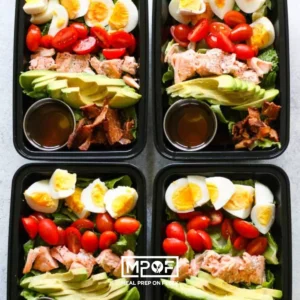

Navigating the complexities of nutrition labels is a common challenge for consumers aiming to make informed dietary choices. The abundance of data presented on the back of packaged foods can often feel overwhelming, leading to confusion and, at times, a sense of defeat. However, understanding how to effectively interpret these labels is a crucial skill for anyone seeking to align their grocery purchases with their health and meal preparation goals. This guide breaks down a practical, no-nonsense approach to deciphering nutrition information, transforming a potentially daunting task into a manageable and empowering process. The core philosophy emphasizes using nutrition labels as tools to facilitate better decisions, not as rigid rules dictating dietary perfection, ultimately reducing stress and enhancing the realism of healthy eating habits.
The objective is not to achieve an unattainable standard of dietary purity but to equip individuals with the knowledge to make more mindful grocery selections. For many, the initial encounter with a nutrition label, whether on bacon, granola, or a jar of sauce, can feel akin to deciphering an alien language. This article aims to demystify this process by outlining a systematic method for analyzing nutrition information, highlighting key metrics, identifying less critical data points, and demonstrating how this information can be practically applied to build meal prep plans that are both achievable and supportive of personal health objectives. This approach is particularly beneficial for those working to establish more streamlined and sustainable food routines.
Understanding the Anatomy of a Nutrition Label
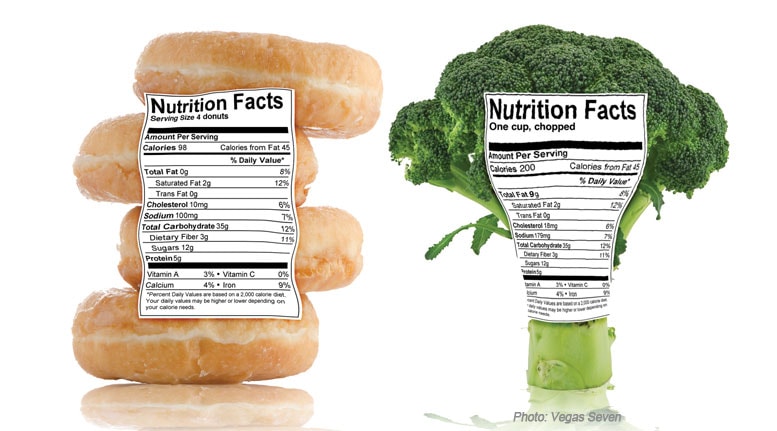
The standard Nutrition Facts label, mandated by regulatory bodies such as the U.S. Food and Drug Administration (FDA), provides a comprehensive overview of a food product’s nutritional content per serving. This includes essential information such as serving size, calories, total fat, saturated fat, cholesterol, sodium, total carbohydrates, dietary fiber, total sugars, added sugars, protein, and select vitamins and minerals. While the sheer volume of data can appear extensive, a strategic approach allows for efficient extraction of the most pertinent information. The aim is to answer specific, practical questions that directly inform purchasing decisions and meal planning, without requiring complex calculations or extensive research.
The Psychology Behind Label Confusion
The perceived complexity of nutrition labels stems from a confluence of factors. The labels themselves are densely packed with numerical data, percentage values, and technical terms. This is further compounded by the marketing language often featured prominently on the front of the package, employing terms like "natural," "low-fat," "high-protein," "keto-friendly," or "made with whole grains." It is crucial to recognize that front-of-package claims often serve as marketing tactics, designed to attract attention. The truly actionable and informative data resides on the back of the package, on the Nutrition Facts label. This distinction is vital; while not all packaged foods are inherently detrimental, understanding their contents is key to making conscious choices. Packaged foods can be valuable time-savers and decision-fatigue reducers, making healthy eating more accessible amidst busy schedules, but this utility is maximized when consumers are informed about what they are purchasing.
A Strategic Approach to Reading Nutrition Labels
The process of reading a nutrition label can be streamlined by focusing on a prioritized set of components. This method prioritizes practicality and relevance to meal preparation, ensuring that the information gleaned directly supports dietary goals without becoming an undue burden.
Step 1: The Foundation – Serving Size
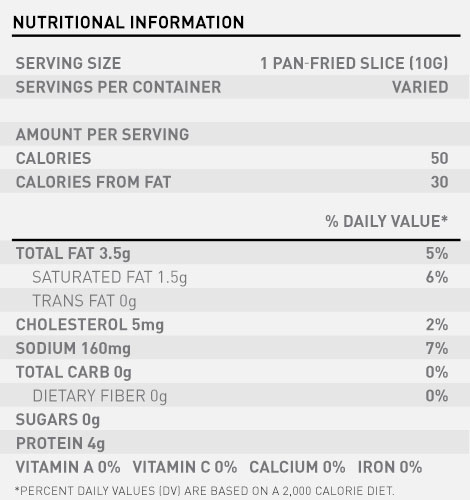
The absolute first element to examine is the serving size. This is the bedrock upon which all other nutritional information is based. The FDA emphasizes that the figures listed for calories, fats, carbohydrates, and other nutrients pertain to the specified serving size, not necessarily the entire package. This is a critical distinction, as many products are packaged in quantities that exceed a single serving. For instance, a bag of granola might list a serving size of one cup, with the package containing three such servings. If an individual consumes the entire bag, they are unknowingly tripling the stated calorie and sugar intake. Understanding the serving size allows for an accurate assessment of the actual nutritional impact of consuming the product, enabling informed decisions about portion control and overall intake. A quick rule of thumb is to ask: "Is this serving size realistic for how I typically consume this product?" This question is particularly useful for snacks, cereals, granola, sauces, pre-packaged meals, and beverages, where serving sizes can be easily overlooked or underestimated.
Step 2: Calories – Context Over Obsession
Calories are a significant factor in dietary management, but they should not be viewed in isolation. The value of a food item’s calorie count is best understood within the context of its overall nutritional profile. A 500-calorie meal comprising lean protein, ample fiber, vegetables, and healthy fats can be a highly satisfying and nutrient-dense choice. Conversely, a 500-calorie snack that fails to provide sustained satiety might prove less beneficial. Therefore, the question should not be solely "Is this low in calories?" but rather, "Do the calories in this product contribute to a balanced and satisfying meal or snack that supports my energy needs?" This perspective shifts the focus from restrictive calorie counting to a more holistic evaluation of a food’s contribution to overall well-being.
Step 3: The Power of Protein
Protein is a cornerstone nutrient for satiety and muscle maintenance, making it a primary focus when evaluating packaged foods. Adequate protein intake is particularly crucial for meal prep, as insufficient protein can lead to premature hunger and derail healthy eating efforts. When comparing similar products, such as yogurts, wraps, frozen meals, or snack bars, protein content can be a key differentiator, helping to select options that provide lasting fullness. High-protein sources are diverse, ranging from lean meats and poultry to fish, eggs, dairy products, legumes, tofu, tempeh, and certain nuts and seeds. For those seeking inspiration, resources dedicated to high-protein meal prep recipes can offer valuable guidance.
Step 4: The Role of Fiber
Dietary fiber is another critical component, contributing significantly to feelings of fullness and promoting digestive health. Foods rich in fiber often indicate the presence of beneficial ingredients such as whole grains, beans, lentils, vegetables, fruits, nuts, and seeds. The FDA generally recommends a daily intake of approximately 28 grams of fiber for a 2,000-calorie diet. When comparing products, prioritizing those with higher fiber content can enhance the satiety of meals, making them more effective for meal prep. This is especially relevant for items like breakfast cereals, breads, pasta, crackers, and snack bars, where fiber content can vary widely.
Step 5: Navigating Added Sugars
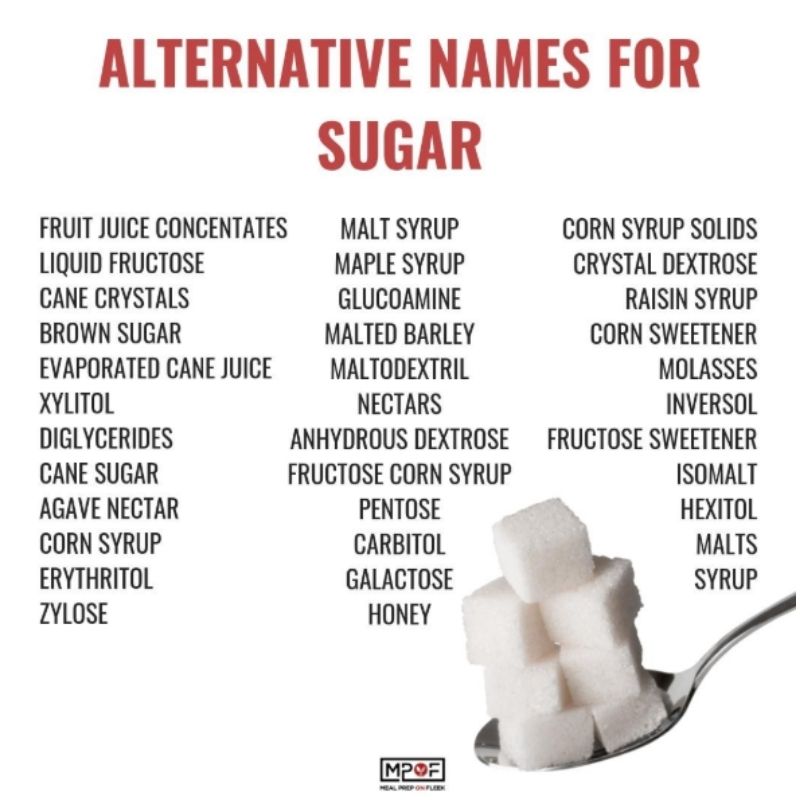
Added sugars are a significant area of concern on nutrition labels, as they can contribute empty calories and negatively impact health. The updated Nutrition Facts label now clearly distinguishes between total sugars and added sugars, providing a more transparent view of processed sugar content. The FDA categorizes Daily Value (DV) percentages, with 5% DV or less considered low and 20% DV or more considered high. While complete sugar avoidance may not be realistic or desirable for everyone, a conscious awareness of added sugar sources is essential. Key areas to monitor include flavored yogurts, breakfast cereals, granola bars, sauces, dressings, baked goods, and sweetened beverages. The question to ask is: "Is the added sugar in this product justified by its overall nutritional contribution or taste appeal?" This prompts a thoughtful consideration of whether the sweetness is a primary driver of the product’s value.
Step 6: Monitoring Sodium Intake
Sodium is another nutrient that can quickly accumulate in the diet, particularly from processed and pre-packaged foods. High sodium intake is linked to increased risk of hypertension and cardiovascular disease. While complete sodium restriction is not always necessary, mindful monitoring is advisable, especially when assembling meals. Items such as processed meats, canned soups, sauces, frozen meals, and seasoning blends are common sources of high sodium. The FDA sets the Daily Value for sodium at 2,300 milligrams per day. When one component of a meal is high in sodium, it is beneficial to balance it with lower-sodium ingredients, such as plain rice, roasted vegetables, fresh herbs, or homemade sauces, to achieve a more balanced overall sodium profile for the meal.
Step 7: Understanding Fats
Fat is not inherently detrimental; in fact, it plays a vital role in nutrient absorption, hormone production, and providing satiety. The focus should be on the types of fats present and the overall balance within the diet. Particular attention should be paid to saturated fats and trans fats, which are generally recommended to be consumed in moderation. The FDA suggests limiting saturated fat intake to less than 20 grams per day for a 2,000-calorie diet. Conversely, unsaturated fats, including monounsaturated and polyunsaturated fats, are considered beneficial and can be found in sources like avocados, nuts, seeds, and olive oil. The goal is to ensure that fats contribute positively to the meal’s nutritional value and satisfaction.

Step 8: The Ingredient List – The True Story
Beyond the numerical data, the ingredient list offers a direct insight into what a product is primarily composed of. Ingredients are listed in descending order by weight, meaning the ingredient present in the largest quantity appears first. If sugar, unhealthy oils, or refined flours dominate the initial part of the list, it signals a product that is heavily processed. This does not automatically preclude a purchase, but it provides valuable information for decision-making. Questions to consider include: "Are the first few ingredients whole foods or processed derivatives?" and "Are there ingredients I don’t recognize or that seem unnecessary?"
Step 9: Disregarding Front-of-Package Claims
Front-of-package claims, such as "low-fat," "high-protein," or "organic," are often marketing tools and do not tell the complete nutritional story. While some claims are regulated, they can be misleading if not corroborated by the information on the back of the package. For example, a "low-fat" product might compensate with higher sugar content, and "organic" does not inherently mean low in calories or sugar. The golden rule is to always flip the package and consult the Nutrition Facts label and ingredient list for accurate assessment.
Step 10: Contextualizing Labels for Meal Building
The most effective way to use nutrition labels is to consider them within the context of the entire meal being assembled. Instead of evaluating each food item in isolation, think about how it contributes to the overall nutritional balance of the meal. For instance, when selecting pasta sauce, consider its sodium and sugar content in conjunction with the lean protein (like ground turkey), fiber-rich pasta (like chickpea pasta), and added vegetables that will accompany it. Similarly, when choosing yogurt for a meal prep snack, prioritize options with sufficient protein to ensure satiety. For frozen meals, assess their nutritional profile and determine if additions like extra vegetables or a side salad are needed to enhance their healthfulness.
Understanding Common Labeling Terms
Familiarity with common labeling terms can further enhance understanding and prevent misinterpretations. These terms, often found on the front of packages, provide a simplified indication of nutritional content:

| Term | What It Means (per serving) |
|---|---|
| Fat-free | Less than 0.5 grams of fat |
| Calorie-free | Less than 5 calories |
| % Fat-Free | At least 95% fat-free |
| Saturated Fat-Free | Less than 0.5 grams of saturated fat |
| Low-Fat | 3 grams of fat or less |
| Low-Calorie | 40 calories or less |
| Low-Sodium | 140 milligrams of sodium or less |
| High-Fiber | 5 grams of fiber or more |
It is crucial to remember that these terms offer a general guideline. Always refer to the full Nutrition Facts label for a precise understanding of the product’s composition.
Key Takeaways for Effective Label Reading
In summary, an effective approach to using nutrition labels involves a focused and pragmatic strategy:
- Start with Serving Size: Always verify the serving size and adjust your understanding of the nutritional data accordingly.
- Prioritize Key Nutrients: Focus on calories (in context), protein, fiber, added sugars, sodium, and fats.
- Read the Ingredient List: Understand what the product is predominantly made of.
- Look Beyond Front-of-Package Claims: Trust the information on the back of the package.
- Consider the Meal Context: Evaluate how each food item contributes to the overall nutritional profile of your meal.
- Aim for Balance, Not Perfection: The goal is to make better choices, not to achieve an unrealistic standard.
Beyond the Label: A Broader Understanding of Food
While nutrition labels are invaluable tools, a comprehensive understanding of food involves looking beyond them. Considerations such as how food is grown, the quality of ingredients used, and its alignment with personal meal preparation strategies are also important. This holistic view transforms grocery shopping from a guessing game into a more informed and confident activity.
The Significance of USDA Organic Certification
For consumers concerned about genetically modified organisms (GMOs) and pesticide use, the USDA Organic seal offers a standardized certification. Products bearing this label prohibit the use of genetic engineering and synthetic pesticides. However, it is important to note that "organic" does not automatically equate to lower calorie, sugar, or sodium content. Therefore, a review of the Nutrition Facts label and ingredient list remains essential even for organic products.

Decoding Produce Stickers (PLU Codes)
Produce stickers contain Price Look-Up (PLU) codes, which can offer some insights. A five-digit code beginning with "9" typically signifies organic produce. Standard four-digit codes usually indicate conventionally grown items. While these codes provide a general indication, they are primarily used by retailers for inventory and pricing and should not be the sole basis for determining a product’s origin or whether it is GMO.
Awareness of Commonly Available GMO Crops
Certain crops are more commonly grown using genetic modification. These include alfalfa, apples, canola, corn, cotton, papaya, potatoes, soybeans, summer squash, and sugar beets. This does not imply that all produce of these types is genetically modified, but it highlights areas where labels and sourcing may be more relevant for consumers seeking to avoid GMOs.
The Universal Benefit of Fruits and Vegetables
Regardless of their origin, increasing fruit and vegetable consumption is a fundamental step toward improving dietary health. For individuals facing budget constraints, prioritizing the inclusion of conventional produce over skipping it entirely is a positive and impactful choice.
Identifying GMO Ingredients in Packaged Foods
GMOs often appear in packaged foods as ingredients derived from corn, soy, canola, cottonseed, or sugar beets. Common examples include cornstarch, corn syrup, corn oil, soybean oil, canola oil, and granulated sugar. Consumers interested in avoiding GMOs should look for USDA Organic or Non-GMO Project Verified labels on these products.
Considerations for Meat, Dairy, and Eggs
Products derived from animals, such as meat, dairy, and eggs, may originate from animals fed GMO feed unless the product is certified organic or carries a verified non-GMO label. For consumers prioritizing this, seeking out USDA Organic or verified non-GMO certifications is advisable. Ultimately, decisions in this area often involve balancing dietary goals with budget and personal priorities.
Sourcing Seafood Mindfully
Some farmed fish may be raised on feed containing GMO ingredients. Wild-caught seafood can be a reliable alternative for those wishing to avoid this. Seafood is also a valuable component of meal prep due to its quick cooking time and versatility.
The Convenience of Frozen Fruits and Vegetables
Frozen fruits and vegetables offer a convenient and nutrient-rich option for meal preparation. They are typically frozen at peak freshness, retain their nutritional value, and reduce preparation time. For those concerned about GMOs, checking labels for organic or verified non-GMO options, particularly for crops like corn, soy, zucchini, and potatoes, is recommended.
Stocking Simple, Versatile Staples
Dry beans, lentils, rice, oats, nuts, seeds, and whole grains form the foundation of many healthy meal prep plans. They are budget-friendly, versatile, and easy to incorporate into various dishes. When purchasing seasoned or flavored varieties, vigilance regarding added sugar, sodium, and oils is necessary.
Reading Labels Without Letting Them Dictate Life
The ultimate goal is to empower consumers to make informed choices without succumbing to food-related anxiety. A balanced approach involves understanding your food, aligning purchases with personal goals, and recognizing that perfection is not the objective. The aim is to foster confidence in food selection and consumption.