
The concept of "bio age testing" has permeated public discourse, largely fueled by figures like billionaire Bryan Johnson, whose ambitious pursuit of biological youth has captivated global attention. Johnson, prominently featured in the Netflix documentary Don’t Die, has openly declared his mission to achieve the lowest possible biological age, distinct from his chronological age. His regimen, known as "Project Blueprint," is reported to cost millions annually, encompassing a dizzying array of anti-aging treatments: daily supplements, weekly acid peels, collagen-boosting injections, hyperbaric oxygen therapy, and even plasma infusions sourced from his 17-year-old son. To quantify the efficacy of these interventions, Johnson undergoes extensive bio age assessments, claiming these tests indicate his biological age is now 5.1 years younger than when he commenced his journey, suggesting a reversal of aging.
However, Johnson’s claims are not without controversy. A New York Times exposé challenged his assertions, reporting that his biological age had, in reality, increased by 10 years according to some metrics. Despite such skepticism, Johnson’s "don’t die" crusade continues to gain significant traction, reflecting a broader societal fascination with longevity and the potential to manipulate the aging process.
The Rise of Bio Age Testing in Public Consciousness
The discourse around bio age tests is now a frequent feature on popular health and wellness podcasts, including those hosted by Peter Attia, Joe Rogan, and Andrew Huberman. A quick online search for "bio age testing" reveals a burgeoning market, with dozens of advertisements for mail-order blood or urine testing kits promising to reveal one’s biological age, pace of aging, and other crucial health insights. As the cost of these tests becomes increasingly accessible, it’s natural for individuals and health professionals alike to question their utility: should one invest in bio age testing, which test offers the most accurate insights, and, crucially, how should the information derived from these tests be effectively utilized?
This article aims to provide a comprehensive overview, exploring the scientific underpinnings of biological age, the various methods of assessment—from free, accessible indicators to advanced commercial diagnostics—and the actionable strategies for leveraging this data to foster a longer, healthier life. We will delve into:
- The fundamental difference between chronological and biological age.
- The scientific mechanisms employed by bio age tests.
- The practical value and potential pitfalls of biomarker testing.
- A range of free, doctor-approved, and commercial bio age assessment tools.
- Evidence-based strategies for influencing one’s biological age.
Defining Biological Age: Beyond the Birthday Candles
At its core, your biological age, or bio age, represents the functional state of your cells, tissues, and organs, reflecting the true physiological wear and tear on your body. This is distinct from your chronological age, which is simply the number of years you have lived since birth. While chronological age is an immutable fact, biological age is dynamic, influenced by a complex interplay of genetics, lifestyle choices, environmental exposures, and overall health.
Consider two 50-year-old individuals: Chang and Jabari. Chang leads a sedentary life, working at a desk, spending evenings in front of the television, residing in a highly polluted urban environment, habitually consuming unhealthy foods, and smoking. Jabari, conversely, is physically active, hitting the gym multiple times a week, living in a less polluted mountainous region, abstaining from smoking, prioritizing a diet rich in vegetables, practicing meditation, and enjoying regular gardening. While both share the same chronological age, it would be a reasonable inference, genetics notwithstanding, that Jabari’s biological age is significantly younger than Chang’s. This illustrative example underscores how lifestyle factors profoundly impact cellular function and, consequently, one’s biological aging trajectory.
The Scientific Basis of Bio Age Measurement
Bio age testing kits endeavor to quantify biological aging by measuring specific biological markers, or biomarkers. These biomarkers are measurable indicators of a biological state or condition. The scientific community has identified several key areas where aging processes manifest at a cellular and molecular level.
For instance, some tests focus on telomere length. Telomeres are protective caps found at the ends of chromosomes, akin to the plastic tips on shoelaces. They safeguard genetic information during cell division. With each division, telomeres naturally shorten. Critically short telomeres are associated with cellular senescence (aging) and an increased risk of age-related diseases. Therefore, longer telomeres are generally indicative of a younger biological age.
Another prominent area of focus is DNA methylation. This is a fundamental physiological process involving the addition of methyl groups to DNA molecules, which can alter gene expression without changing the underlying DNA sequence. The patterns of DNA methylation change predictably with age, making them a powerful "epigenetic clock" for estimating biological age and even predicting life expectancy. Scientists have developed sophisticated algorithms, such as the Horvath Clock and DunedinPACE, to interpret these methylation patterns.
Once a company isolates and measures these markers from a biological sample (typically blood or urine), the raw "bio data" is fed into proprietary algorithms or established scientific formulas to calculate an estimated biological age. However, it’s important to note that many traditional medical tests already track biomarkers related to aging. Regular doctor visits often include monitoring blood pressure, cholesterol levels, and blood glucose, all of which are established predictors of cardiovascular disease and other age-related morbidities, offering a practical, albeit less granular, insight into one’s aging trajectory.
The Purpose and Motivation Behind Biomarker Testing
The primary rationale behind biomarker testing extends beyond mere curiosity; it offers a proactive approach to wellness. Instead of passively awaiting the onset of disease symptoms, individuals can utilize biomarker data to monitor their health trajectory and intervene early.
For many, receiving a biological age assessment serves as a powerful motivator. Discovering that one’s body is biologically older than its chronological age can be a significant impetus to adopt healthier habits, such as initiating a consistent strength training regimen or improving dietary choices. Conversely, a younger biological age can reinforce positive behaviors and encourage continued adherence to a healthy lifestyle.
Furthermore, biomarkers provide objective, quantitative data, enabling individuals and their health practitioners to track and evaluate the impact of various health-related interventions. For example, by regularly monitoring blood pressure, an individual might observe that consistent exercise significantly lowers their readings, while a late-afternoon energy drink has the opposite, detrimental effect. This data-driven feedback loop can be invaluable for refining personal health strategies.
Accessible Biomarkers: Free and Doctor-Approved Assessments
It is a common misconception that bio age assessment is exclusively the domain of billionaires or those with substantial disposable income. In fact, numerous scientifically validated tests, often underappreciated, can provide profound insights into one’s biological age—and many are entirely free. Before the advent of high-tech, blood-based assays, researchers relied on these fundamental physical and physiological tests to assess the pace of aging in study populations.
1. The Sitting-Rising Test (SRT): A Measure of Strength and Balance
Physical fitness, particularly strength and balance, is strongly correlated with longevity. Muscles are not merely for movement; they are metabolically active organs that secrete anti-inflammatory substances, regulate blood sugar, slow cellular aging, and protect arterial linings, thereby reducing the risk of age-related diseases like type 2 diabetes, hypertension, and heart disease. The Sitting-Rising Test (SRT) simultaneously assesses both strength and balance. Research, including a 12-year study of 4,200 adults, has linked low SRT scores to a higher risk of cardiovascular mortality. Moreover, a study of 1,700 individuals found that middle-aged or older adults unable to stand on one foot for at least 10 seconds faced double the risk of dying within the next seven years.
- How to Measure: Begin in a standing position. Lower yourself to the floor into a crisscross-legged position. Then, without changing your leg position, stand back up. Score yourself by starting with 10 points. Deduct one point for each body part (hand, shin, knee, forearm, etc.) used for support or leverage during the lowering or rising phase. Subtract half a point if you lose balance or become unsteady. A low score serves as a proxy for potential deficits in balance, coordination, muscle strength, power, and mobility, indicating areas that may require attention.
2. Grip Strength: A Forecaster of Overall Health
Similar to the SRT, grip strength offers a robust indicator of overall fitness and, critically, future health. Weakness in the muscles of the hands often correlates with generalized muscle weakness throughout the body. Longitudinal studies have shown that poor grip strength can predict future functional decline; individuals with a weak grip are more likely to experience slow walking speeds, difficulty rising from a chair, inability to complete rigorous housework, or struggle climbing stairs decades later. Low grip strength has been associated with increased risk of cardiovascular disease, stroke, diabetes, cancer, and premature mortality. Some research even suggests grip strength is a better predictor of longevity than blood pressure.
- How to Measure: Using a standard tennis ball, squeeze it as hard as possible for as long as possible. A duration of 15 to 30 seconds before fatigue sets in is considered adequate. Achieving 90 seconds places one in the upper-third percentile. For a more precise measurement, a hand-held dynamometer, available at many occupational therapy clinics and some gyms, can be used (or purchased for $100-$500).
3. Single-Leg Stance: Assessing Balance and Systemic Health
The ability to maintain balance on one foot for an extended period is crucial for reducing the risk of falls, a leading cause of injury-related death in older adults. This test also provides insight into the coordinated function of multiple bodily systems—eyes, inner ear, skeletal muscles, and brain—all working in concert to maintain upright posture. Impaired balance can be a warning sign for underlying health issues such as diabetes, heart disease, or cancer.
- How to Measure: Stand near a wall or chair for safety. Keep your eyes open and hands on your hips. Lift your dominant leg and start timing. Stop the clock when you put your foot down. Repeat with the non-dominant leg. Compare your times to age-matched averages, such as those from a Duke University study (e.g., 30-39 year olds typically average 59 seconds for males, 56 for females; 80+ year olds average 13 seconds for males, 11 for females).
4. Pittsburgh Fatigability Scale: Quantifying Fatigue
While occasional tiredness is normal, persistent fatigue—a profound, worsening exhaustion that interferes with daily life and includes mental dullness and emotional depletion—is a critical biomarker. Fatigue, especially when its cause is unknown, serves as an early warning sign that something may be amiss. After ruling out common culprits like caffeine excess, dehydration, alcohol, medication side effects, chronic stress, or inappropriate exercise levels, persistent fatigue often points to underlying health problems such as sleep disorders, anemia, obesity, depression, cancer, or diabetes. For individuals aged 60 and older, fatiguability—the degree of weariness experienced after an activity—is a significant predictor of longevity. Higher fatiguability scores correlate with increased risk of future mortality and declines in physical fitness measures like gait speed and walking ability.
- How to Measure: Utilize the Pittsburgh Fatigability Scale, rating how fatigued you would feel after various activities (e.g., 30 minutes of leisurely walking, 1 hour of brisk walking, 2 hours of watching television) on a scale of 0 (no fatigue) to 5 (extreme fatigue). Sum the scores. A total score below 15 is considered good, 15-24 is a warning sign, and 25 or above indicates severe fatigability warranting medical consultation.
5. Body Composition: Beyond Just Weight
Body composition, the proportion of fat versus lean mass in the body, is a far more insightful health indicator than body weight alone. Both excessive and insufficient body fat can negatively impact health. Too much fat increases the risk for heart disease, high blood pressure, cancer, fatty liver disease, insulin resistance, type 2 diabetes, inflammation, joint distress, and sleep apnea. Conversely, low muscle mass (sarcopenia), often seen with excess body fat, raises risks for similar conditions, along with stroke, faster cellular aging, depression, anxiety, falls, and loss of balance.
- How to Measure: While gold-standard methods like underwater weighing, Bod Pod, or DEXA scans are costly, a simple tape measure can provide a comparably accurate estimate. Measure your waist, hips, and neck circumference. Plug these measurements, along with your age, sex, height, and weight, into a reliable online body fat calculator (such as the one referenced in the original article) to estimate your body fat percentage.
Doctor-Approved Biomarkers: Routine Preventative Care
Beyond the free assessments, several doctor-approved biomarker tests, often covered by insurance as part of routine preventative care, offer crucial insights into aging and disease risk.
1. Comprehensive Blood Panel: A Window into Metabolic Health
Annual blood work recommended by primary care physicians serves a vital purpose: it monitors key blood markers that can signal a trend towards type 2 diabetes or heart disease, both leading causes of premature mortality. Many blood markers are also highly responsive to lifestyle changes, supplements, or medications, making them practical tools for monitoring the effectiveness of health interventions within weeks or months.
- How to Measure: Consult your healthcare professional for annual testing of markers such as:
- Total Cholesterol: Optimal < 200 mg/dL
- LDL (bad cholesterol): < 100 mg/dL (or < 70 mg/dL for those with heart disease history)
- HDL (good cholesterol): > 60 mg/dL
- Triglycerides: < 150 mg/dL
- Apolipoprotein B (Apo B): < 133 mg/dL (males), < 117 mg/dL (females)
- Lipoprotein (a): < 30 mg/dL
- C-reactive protein (inflammation marker): < 2.0 mg/L
- Fasting Glucose: < 100 mg/dL
- Hemoglobin A1C (average blood sugar over 2-3 months): < 5.7%
These values, along with blood pressure readings, are often used to calculate a cardiovascular disease risk score.
2. Bone Density: The Foundation of Longevity
Research on "healthy super-agers" (individuals aged 90 and older) consistently highlights strong bones as a defining characteristic. Bones are not inert structures; they are living organs that secrete substances, like osteocalcin, which play a role in bone remodeling and may exert beneficial effects on overall health and longevity, influencing everything from muscle ATP production to brain neurotransmitter regulation. Declining osteocalcin levels due to bone loss are theorized to contribute to various age-related health problems, including diabetes, sarcopenia, and cognitive issues. Furthermore, loss of bone density (osteoporosis) significantly increases the risk of fractures, which can elevate mortality risk for up to a decade post-break. Monitoring bone health is particularly important for individuals in high-risk categories, including those aged 65 and older, postmenopausal women, individuals with a family history of osteoporosis, those with low body weight, or those on certain medications like corticosteroids.
- How to Measure: Dual-energy X-ray absorptiometry (DEXA) scans are the gold standard for measuring bone mineral density. These scans typically cost around $300 out-of-pocket but may be covered by insurance for individuals over 65 or those with documented risk factors for osteoporosis. DEXA results are reported as a T-score, comparing an individual’s bone density to that of a young adult with peak bone mass. A T-score between +1.0 and -1.0 indicates normal density, while scores below -1.0 suggest osteopenia (low bone mineral density) or osteoporosis (porous bones prone to fracture).
Commercial Bio Age Tests: Advanced Diagnostics and Caveats
For those willing to invest financially, the commercial market offers more technologically advanced tests that promise deeper insights into biological aging. However, it’s crucial to approach these with a degree of discernment and awareness of their limitations.
Key Caveats for Commercial Bio Age Tests:
- Variability and Organ-Specific Aging: Biological age can fluctuate over time (e.g., periods of intense stress vs. recovery) and varies across different organs. A heart might age faster than kidneys in an individual with heart disease. Not all commercial tests provide organ-specific aging data.
- Accuracy and Reliability: Many commercial tests lack robust independent scientific validation for their claims of precision and reliability in reflecting lifestyle-induced changes.
- Beware of Hard Sells: Be wary of companies that pair test results with aggressive sales pitches for proprietary, expensive supplement protocols. Always discuss results with a trusted healthcare professional rather than accepting health advice from profit-driven online sources.
1. DNA Methylation Tests:
As discussed, DNA methylation patterns change predictably with age, serving as an "epigenetic clock." Tests like the Horvath Clock and DunedinPACE, initially developed as research tools to study aging’s genetic and environmental factors, have been commercialized. These tests, typically costing around $300, aim to estimate biological age and even life expectancy based on methylation rates. However, it’s important to remember that these tests often analyze methylation in blood cells, which may not fully represent the aging state of all organs. A DNA methylation test is not a substitute for a comprehensive annual wellness checkup.
2. Telomere Analysis:
Telomeres shorten with age, and abnormally short telomeres are associated with certain genetic diseases. While physicians use specific flow-FISH telomere tests to diagnose inherited genetic conditions, the qPCR telomere tests marketed directly to the public (around $100) are not widely accepted in research or clinical medicine for predicting aging in healthy individuals. These tests may offer a glimpse into curiosity but should not form the basis of health and fitness decisions.
3. VO2 Max: The Gold Standard of Cardiorespiratory Fitness
VO2 max, the maximum amount of oxygen your body can utilize during intense exercise, has traditionally been a metric for elite athletes. However, it is increasingly recognized as a powerful biomarker for aging and overall health. Individuals with higher VO2 max typically exhibit greater physical fitness and a reduced risk of developing heart disease, diabetes, cancer, and stroke. A longitudinal study of Danish men over 46 years found that those with above-average VO2 max in middle age lived, on average, five years longer, with each unit increase in VO2 max correlating to a 45-day increase in longevity. This research suggested VO2 max might predict all-cause mortality more accurately than traditional risk factors like high cholesterol, obesity, or hypertension.
As the body ages, physiological changes—such as increased chest wall rigidity, weaker lung muscles, calcified blood vessels, reduced cardiac force, declining muscle mass, and less efficient mitochondria—contribute to a decline in VO2 max, typically around 10% per decade starting from age 30. Therefore, VO2 max serves as a "canary in the coal mine" for the aging body.
- How to Measure:
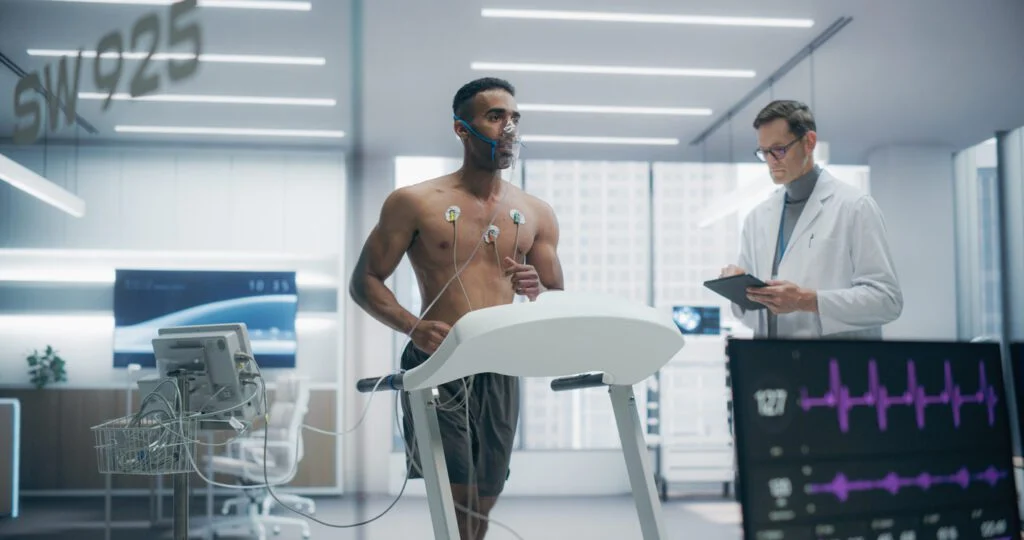
- Lab-Based Testing (Gold Standard): The most accurate method involves wearing a metabolic mask and heart monitor while exercising to exhaustion in a fitness lab. This measures oxygen consumption and carbon dioxide expulsion, along with other metrics like lactate threshold and ventilatory threshold. Costs around $150.
- 1-Mile Walk Test: A less accurate but accessible option. Walk one mile on a flat surface, recording heart rate and time, then use a specific formula or online calculator to estimate VO2 max.
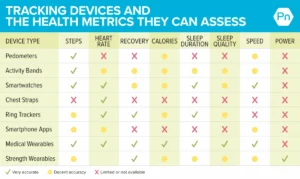
- Smartwatch Estimates: Many smartwatches provide VO2 max estimates based on workout data, sex, and age. While not as precise as lab tests, they can be useful for tracking trends over time (e.g., noting a drop after a period of inactivity).
- The Cooper Test (12-Minute Run): A validated method with about 90% correlation to lab measurements. Run as fast as possible on a flat surface for 12 minutes, record the distance, and then use a formula or online calculator to estimate VO2 max.
Translating Data into Action: Influencing Your Biological Age
The information gleaned from bio age tests and biomarker assessments should be viewed as precisely that—information. It is not a moral judgment nor a permanent verdict. Biological age is plastic and can be influenced. The critical step is translating this data into actionable behavioral changes.
Most individuals make two common mistakes when attempting to influence longevity-related health:
1. Ignoring Evergreen, High-Impact Strategies:
The most profound impacts on biological age and longevity come from consistent adherence to fundamental, often "boring," health practices. These are the "big rock" strategies supported by thousands of studies demonstrating their efficacy in not only extending life but also improving its quality, leading to greater strength, happiness, and reduced disability in later years. These include:
- Regular Physical Activity: A combination of aerobic exercise, strength training, and flexibility work.
- Nutrient-Dense Diet: Emphasizing whole foods, fruits, vegetables, lean proteins, and healthy fats while limiting processed foods, excessive sugar, and unhealthy fats.
- Adequate Sleep: Prioritizing 7-9 hours of quality sleep per night.
- Stress Management: Implementing techniques such as meditation, mindfulness, or spending time in nature.
- Maintaining Healthy Body Composition: Optimizing muscle mass and managing body fat.
- Avoiding Harmful Substances: Eliminating smoking and moderating alcohol consumption.
- Strong Social Connections: Fostering meaningful relationships.
- Continuous Learning and Mental Stimulation: Keeping the brain active and engaged.
Many people, however, gravitate towards trendy, minimal-impact solutions like novel supplements, overlooking these foundational behaviors. This often stems from the fact that "big rock" strategies require sustained behavioral change, which can be challenging. This is where the guidance of a certified health coach, trained in the science of behavior change, can be invaluable.
2. Failing to Convert Data into Action:
Collecting biomarker data without implementing corresponding behavioral changes is a futile exercise. It is akin to noticing spinach in your teeth in the mirror but choosing not to remove it. Data, in isolation, does not extend life. Biomarker testing provides a baseline and a means to track progress. The true value lies in using this data to inform and refine lifestyle interventions or medical strategies, moving you closer to your goal of a longer, healthier life. Consider your bio data as a dynamic roadmap, guiding you to make informed decisions and continuously adapt your journey towards optimal health.
Broader Implications and Future Outlook
The burgeoning interest in biological age testing represents a significant shift towards personalized health and preventative medicine. As scientific understanding of aging mechanisms deepens, and technology advances, these tests are likely to become more precise, comprehensive, and integrated into routine healthcare.
However, the rapid commercialization also raises important ethical considerations. Accessibility to costly tests and treatments could exacerbate health disparities. The psychological impact of receiving an "older" biological age could lead to anxiety or unwarranted medical interventions. Data privacy for highly sensitive genetic and health information is another critical concern.
The ultimate promise of bio age testing is not merely to quantify aging, but to empower individuals with actionable insights to proactively manage their health. By combining cutting-edge diagnostics with established, evidence-based lifestyle practices, the quest for biological youth can transition from a billionaire’s experiment to an accessible pathway for enhanced longevity and vitality for a broader population. The emphasis must remain on informed action, guided by robust science and professional medical advice, rather than succumbing to hype or simplistic solutions.
References
Click here to view the information sources referenced in this article.
For Health and Fitness Professionals
When clients face chronic stress and exhaustion, their ability to engage in healthy habits—exercising, eating well, managing cravings—is severely compromised. Equipping yourself with the right tools can enable you to help clients overcome these obstacles, guiding them towards lasting health transformations. The PN’s Level 1 Sleep, Stress Management, and Recovery (SSR) Coaching Certification offers these tools, building your confidence and credibility as a specialized coach capable of addressing the primary barriers to client progress. Join the SSR Early Access List for exclusive perks and discounts.