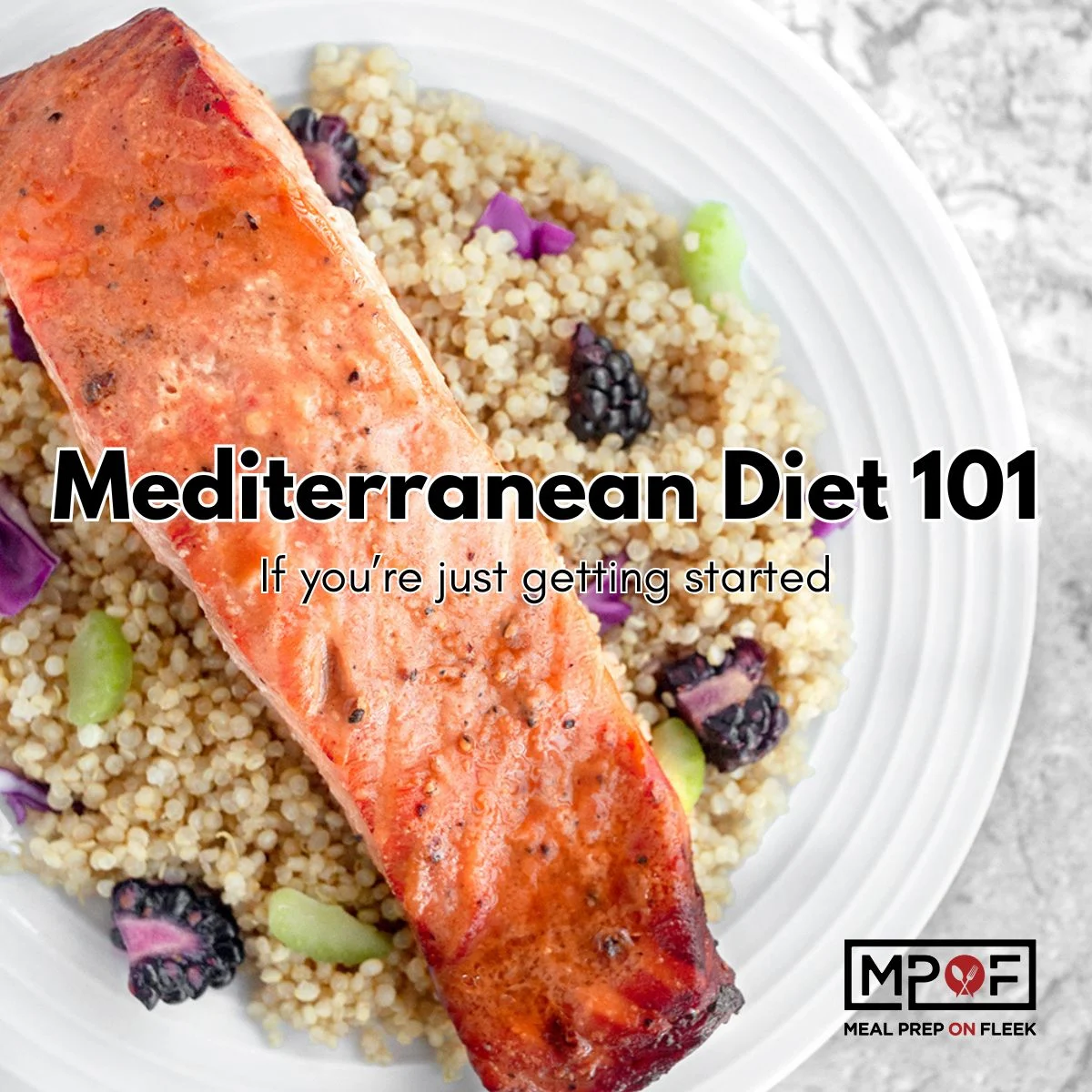

The Mediterranean diet, far from being a rigid regimen of deprivation, represents a holistic approach to eating that has its roots in the traditional culinary practices of countries bordering the Mediterranean Sea. Unlike many modern "diets" that emphasize restriction and the elimination of beloved foods, this time-tested eating pattern champions simplicity, flavor, and nourishment, fostering long-term health through sustainable habits. Its origins trace back to the mid-20th century, a period when populations in regions like Greece, Southern Italy, and Spain exhibited notably lower rates of chronic diseases. This lifestyle-centric dietary model focuses on an abundance of whole, unprocessed foods, healthy fats, and a rich variety of produce, while strategically limiting heavily processed items, excessive sugar, and large portions of red meat.
At its essence, the Mediterranean diet is designed to support cardiovascular health, celebrate the enjoyment of real, unadulterated food, and cultivate meals that are both satisfying and free from the constraints of restrictive eating. This inherent flexibility is a significant factor in its enduring popularity and its reputation for being more approachable and sustainable than many other dietary plans. The core principles revolve around a balanced intake of nutrient-dense foods, encouraging a lifestyle that extends beyond the plate to encompass a healthier relationship with food and eating habits.
The dietary pattern is characterized by a strong emphasis on plant-based foods. This does not necessitate the complete exclusion of animal products but rather a reorientation of meal composition. Instead of processed foods or heavy meats forming the centerpiece of every meal, the Mediterranean diet typically builds its foundation on vegetables, legumes, whole grains, and the judicious use of olive oil, complemented by fish and moderate amounts of poultry, dairy, and eggs. Red meat, sugary items, and ultra-processed products are relegated to less frequent consumption.
This approach extends beyond mere nutrient intake, reflecting a lifestyle that values fresh, seasonal ingredients, the art of home cooking, and the social aspect of sharing meals. This practical and realistic framework moves beyond the singular focus on nutritional content, fostering a more balanced and enjoyable experience with food. The emphasis on plant-forward meals, rich in fiber and essential nutrients, naturally aligns with a health-conscious lifestyle, making it an attractive option for individuals seeking to improve their well-being.
The Enduring Appeal of the Mediterranean Diet
A primary reason for the widespread adoption and sustained adherence to the Mediterranean diet lies in its perceived realism. It eschews extreme measures and fosters an inclusive, rather than an all-or-nothing, mindset. This nuanced approach can be a transformative factor for many individuals who have previously struggled with restrictive dieting regimens. Rather than focusing on what is forbidden, the Mediterranean diet encourages the incorporation of health-supporting foods, making the journey towards better health feel more accessible and less daunting. This focus on addition rather than subtraction often leads to greater consistency, a crucial element for achieving lasting health outcomes.
The longevity of the Mediterranean diet’s popularity is not accidental; it is underpinned by a robust array of health benefits. These advantages have been documented through extensive research and observational studies, solidifying its status as a leading dietary pattern for promoting overall wellness.
Key Health Benefits of the Mediterranean Diet
1. Cardiovascular Health Support:
Perhaps the most widely recognized benefit of the Mediterranean diet is its profound positive impact on heart health. The diet’s emphasis on monounsaturated and polyunsaturated fats, primarily from sources like extra virgin olive oil, nuts, seeds, and fatty fish (such as salmon, mackerel, and sardines), is instrumental in this regard. These healthy fats can help improve cholesterol profiles by increasing levels of high-density lipoprotein (HDL) cholesterol, often referred to as "good" cholesterol, while potentially lowering low-density lipoprotein (HDL) cholesterol, or "bad" cholesterol. Furthermore, the diet’s inherent limitation of saturated fats found in red meat and processed foods, coupled with its abundance of antioxidants from fruits and vegetables, contributes to reduced inflammation and improved blood vessel function. Scientific studies, including the PREDIMED trial, have consistently demonstrated a significant reduction in cardiovascular events, such as heart attacks and strokes, among individuals adhering to a Mediterranean-style eating pattern.
2. Emphasis on Whole, Minimally Processed Foods:
A cornerstone of the Mediterranean diet is its prioritization of whole, recognizable foods. Meals are typically constructed from ingredients in their natural state, such as fresh produce, whole grains, legumes, and lean proteins, rather than relying on highly processed convenience items. This focus is crucial because processed foods often contain elevated levels of sodium, added sugars, unhealthy fats, artificial preservatives, and other additives that can negatively impact health. By shifting towards whole foods, individuals naturally reduce their intake of these detrimental components, leading to improved nutrient absorption and a more robust physiological response. The fiber content in whole foods also contributes to satiety, aiding in appetite regulation.
3. Blood Sugar Regulation:
The Mediterranean diet’s composition, rich in fiber from vegetables, legumes, and whole grains, alongside healthy fats and lean proteins, contributes to more stable blood sugar levels. Fiber slows down the absorption of glucose into the bloodstream, preventing sharp spikes and subsequent crashes. This makes the diet particularly beneficial for individuals aiming to manage blood sugar levels, including those with or at risk of type 2 diabetes. The inclusion of complex carbohydrates from whole grains provides a sustained release of energy, promoting better mood and cognitive function throughout the day.
4. Sustainable Weight Management:
Contrary to the notion that diets must be restrictive to facilitate weight loss, the Mediterranean diet offers a more sustainable path to managing weight. Its emphasis on nutrient-dense, satiating foods means individuals often feel fuller for longer, reducing the urge for frequent snacking or overconsumption of less healthy options. The combination of healthy fats, fiber, and lean protein provides a sense of fullness and satisfaction, making it easier to maintain a caloric deficit without feeling deprived. This approach fosters long-term healthy eating habits rather than the cyclical pattern of dieting and weight regain.
5. Cognitive Health and Brain Function:
The abundance of healthy fats, particularly omega-3 fatty acids found in fatty fish and monounsaturated fats in olive oil, plays a vital role in supporting brain health. Research suggests that adherence to a Mediterranean diet is associated with improved cognitive function, better memory retention, and a reduced risk of age-related cognitive decline, including conditions like Alzheimer’s disease. Antioxidants present in fruits, vegetables, and olive oil also help protect brain cells from oxidative stress and inflammation.

6. Bone Health Support:
While not as widely publicized as its cardiovascular benefits, the Mediterranean diet can also contribute to maintaining bone health. The inclusion of nutrient-rich foods like leafy green vegetables, which are excellent sources of calcium and vitamin K, along with olive oil, which contains compounds that may support bone density, can play a role in preserving skeletal strength over time. A balanced diet rich in essential vitamins and minerals is fundamental for robust bone structure throughout life.
Potential Considerations and Risks
While the Mediterranean diet is generally considered one of the safest and lowest-risk eating patterns, it is not entirely without considerations. The overarching principle is that the preparation and quality of food are paramount. Simply consuming foods that fall within the broad categories of Mediterranean cuisine does not guarantee health benefits if they are prepared with excessive amounts of oil, served in oversized portions, or incorporate heavily processed ingredients. For instance, a fried dish, even if made with traditionally Mediterranean ingredients, would not align with the spirit of the diet.
Accessibility can also be a factor for some individuals. The cost and availability of fresh fish, high-quality olive oil, and a diverse range of fresh produce can vary significantly depending on geographic location and economic circumstances. However, the adaptability of the Mediterranean diet is one of its strengths. Adherents can often follow its core principles by focusing on locally sourced, seasonal produce, opting for more affordable fish options, and utilizing readily available whole grains and legumes. The emphasis remains on balance and moderation, making it possible to adapt the diet to diverse circumstances.
Pillars of the Mediterranean Diet: Key Food Recommendations
To successfully adopt a Mediterranean eating pattern, focusing on specific food groups is essential. These form the foundation of delicious, nutrient-dense meals.
Abundant Vegetables:
Vegetables are the bedrock of the Mediterranean diet, providing essential fiber, vitamins, minerals, and antioxidants. Their high water content also contributes to satiety.
- Leafy Greens: Spinach, kale, arugula, Swiss chard, romaine lettuce.
- Cruciferous Vegetables: Broccoli, cauliflower, Brussels sprouts, cabbage.
- Root Vegetables: Carrots, sweet potatoes, beets, parsnips.
- Alliums: Onions, garlic, leeks.
- Other Favorites: Tomatoes, bell peppers, zucchini, eggplant, cucumbers, asparagus, green beans.
Fresh Fruits:
Fruits offer natural sweetness, vitamins, and fiber, making them ideal for snacks, desserts, or additions to meals.

- Berries: Strawberries, blueberries, raspberries, blackberries.
- Citrus Fruits: Oranges, lemons, grapefruits, mandarins.
- Stone Fruits: Peaches, plums, apricots, cherries.
- Other Staples: Apples, pears, grapes, figs, melons.
Whole Grains:
Whole grains are vital for sustained energy release and dietary fiber, promoting digestive health and satiety.
- Ancient Grains: Quinoa, farro, barley, bulgur, freekeh.
- Whole Wheat Products: Whole wheat bread, pasta, couscous.
- Other Grains: Oats, brown rice, millet.
Nuts and Seeds:
These provide healthy fats, protein, fiber, and micronutrients, serving as excellent snacks or additions to salads and main dishes.
- Nuts: Almonds, walnuts, pistachios, cashews, hazelnuts.
- Seeds: Sunflower seeds, pumpkin seeds, chia seeds, flaxseeds, sesame seeds.
Healthy Fats:
The strategic inclusion of healthy fats is a hallmark of the Mediterranean diet.
- Extra Virgin Olive Oil: The primary source of fat, used for cooking, dressings, and finishing dishes.
- Avocados: Rich in monounsaturated fats and fiber.
- Fatty Fish: Salmon, mackerel, sardines, anchovies, herring.
- Nuts and Seeds: As mentioned above, they are also significant sources of healthy fats.
Herbs and Spices:
These are crucial for flavor development, reducing the reliance on excessive salt and heavy sauces, and contribute their own unique health benefits.
- Common Herbs: Basil, oregano, mint, parsley, dill, rosemary, thyme, cilantro.
- Spices: Cumin, coriander, paprika, turmeric, black pepper, chili flakes.
Fish and Seafood:
Consumed regularly, often one to two times per week, fish is a primary source of lean protein and omega-3 fatty acids.
- Oily Fish: Salmon, mackerel, sardines, herring, anchovies.
- Leaner Fish: Tuna, cod, sea bass, trout, tilapia.
- Shellfish: Shrimp, mussels, clams, oysters, calamari.
Foods to Limit on the Mediterranean Diet
While the Mediterranean diet is not about strict prohibitions, certain food categories are advised to be consumed in moderation or limited to align with its health-promoting principles.

Added Sugars:
Excessive intake of added sugars can contribute to various health issues, including weight gain, inflammation, and increased risk of chronic diseases.
- Sugary Drinks: Sodas, sweetened juices, energy drinks, sweetened coffees and teas.
- Sweets and Desserts: Candies, cakes, cookies, pastries, ice cream, sweetened yogurts.
- Processed Foods with Added Sugar: Many breakfast cereals, granola bars, sauces, and condiments.
Refined Grains:
These grains have been stripped of their bran and germ, significantly reducing their fiber and nutrient content compared to whole grains.
- White Bread: Standard white flour bread, rolls, and bagels.
- White Pasta: Made from refined wheat flour.
- White Rice: Polished rice lacking its outer layers.
- Most Crackers and Pastries: Typically made with refined flour.
Highly Processed Foods:
These foods often contain a combination of unhealthy fats, added sugars, excessive sodium, and artificial ingredients, with minimal nutritional value.
- Packaged Snacks: Chips, pretzels, most crackers, sugary snack bars.
- Fast Food: Burgers, fries, fried chicken, processed pizza.
- Pre-packaged Meals: Many frozen dinners and convenience meals.
- Processed Meats: As detailed below.
Saturated and Refined Fats:
While healthy fats are encouraged, excessive consumption of saturated and refined fats can be detrimental to cardiovascular health.
- Butter and Lard: Used extensively in some baking and cooking.
- Margarine and Shortening: Often contain trans fats and are highly processed.
- Palm Oil and Coconut Oil: While plant-based, they are higher in saturated fat and should be used sparingly.
- Vegetable Oils High in Omega-6: Such as soybean, corn, and sunflower oil, when consumed in excess relative to omega-3s.
Processed Meats:
These meats are often preserved with nitrates and nitrites and can be high in sodium and saturated fat.
- Sausages: Hot dogs, Italian sausage, breakfast sausage.
- Deli Meats: Ham, turkey slices, salami, bologna.
- Bacon: High in sodium and saturated fat.
Excess Dairy and Sugary Dairy Desserts:
While moderate amounts of certain dairy products are acceptable, high-fat dairy and those with added sugars should be limited.

- Full-Fat Cheeses: Used in moderation.
- Sweetened Yogurts: Flavored yogurts with added sugar.
- Ice Cream: High in sugar and fat.
- Milkshakes and Creamy Desserts: Often laden with sugar and fat.
Practical Application: Mediterranean Meal Inspiration
Integrating the Mediterranean diet into daily life can be achieved through delicious and accessible meal preparations. Here are some recipe categories and examples:
Mediterranean Breakfast Recipes:
- Greek Yogurt with Berries and Nuts: A simple, protein-rich start.
- Oatmeal with Fruit and Seeds: Customizable with various toppings.
- Shakshuka: Eggs poached in a spiced tomato and pepper sauce.
- Whole Wheat Toast with Avocado and Egg: A satisfying combination of healthy fats and protein.
Mediterranean Lunch and Dinner Recipes:
- Grilled Halloumi and Vegetable Skewers: Colorful and flavorful.
- Falafel with Tahini Sauce and Salad: A plant-based favorite.
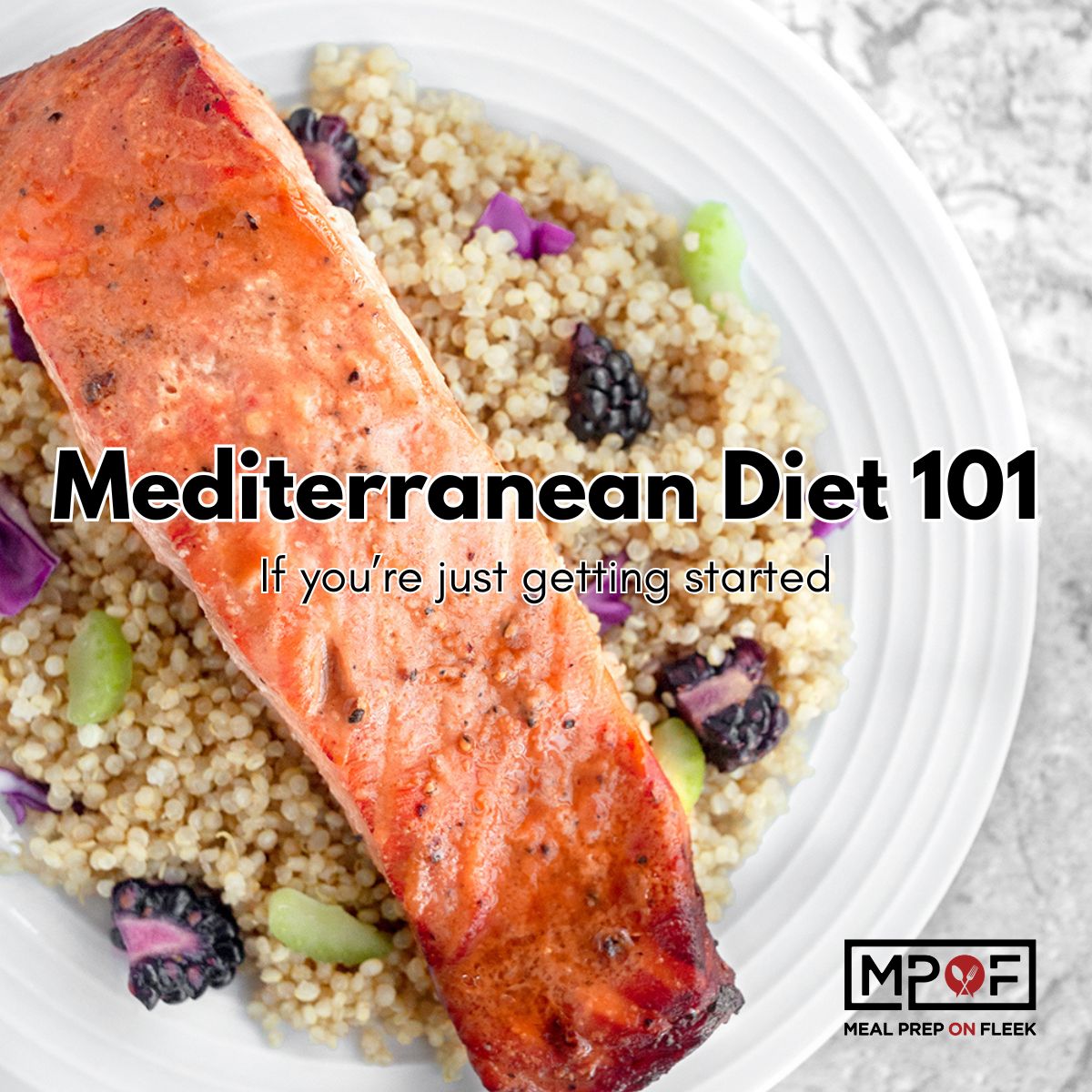
- Quinoa Salad with Grilled Salmon and Lemon-Herb Dressing: Packed with protein and omega-3s.
- Lentil Soup with Whole Grain Bread: Hearty and nutritious.
- Chicken or Fish en Papillote: Baked with vegetables and herbs for moist, flavorful results.
- Eggplant Meatballs with Zucchini Noodles: A lighter take on a classic.
- Mediterranean-Sized Salads: Loaded with greens, vegetables, legumes, and lean protein, often with an olive oil-based dressing.
Concluding Thoughts on a Sustainable Lifestyle
For individuals seeking an eating style that is not only effective but also enjoyable and sustainable, the Mediterranean diet presents a compelling option. Its emphasis on balanced, flavorful, and realistic food choices empowers individuals to nourish their bodies without resorting to extreme measures or constant vigilance over every bite. This focus on long-term habit formation, rather than short-term dieting, is a significant factor in its widespread success and the positive health outcomes it consistently delivers.
The Mediterranean diet encourages a paradigm shift towards appreciating real food, preparing simple yet delicious meals, and embracing a more sustainable and health-conscious way of living. It is a testament to the power of traditional wisdom and the enduring benefits of a diet rooted in nature and community. By adopting its principles, individuals can embark on a journey toward improved health and well-being that is both achievable and enduring.