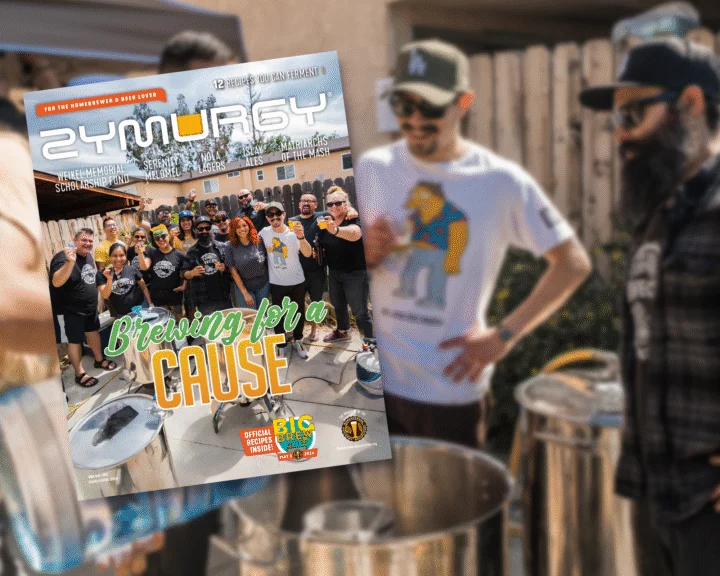

The central thesis of the new issue revolves around the resilience of the brewing community. In an era where climate change has begun to impact the yields and flavor profiles of traditional hops and barley, the magazine highlights how brewers are adapting their techniques. This "pivot" is not merely a survival tactic but an evolution of the craft, incorporating new ingredients and more sustainable fermentation processes. The publication arrives at a time when the craft beer industry is seeing a stabilization after years of explosive growth, necessitating a return to the roots of community-based brewing and localized innovation.
The Stoney Creek Homebrewers and the Weikel Memorial Scholarship Fund
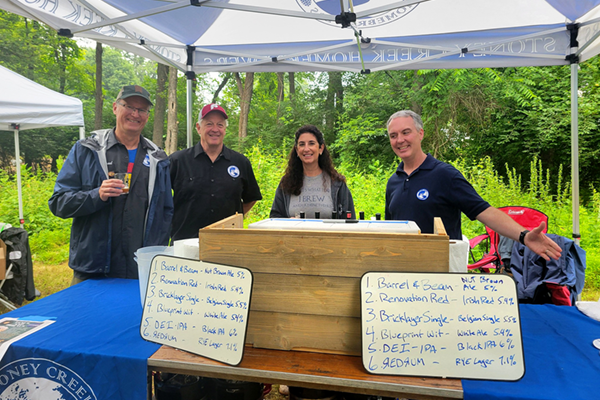
A cornerstone of the March/April issue is a feature by Josh Weikert regarding the Stoney Creek Homebrewers. Founded in 2007 in Philadelphia, the club has long been a pillar of the East Coast brewing scene, emphasizing education and community service. However, the organization took on a deeper mission following a tragedy within their ranks. The Weikel Memorial Scholarship Fund was established to honor a fallen member, turning a moment of grief into a sustainable legacy for the brewing community.

The scholarship aims to bridge the gap between amateur enthusiasm and professional certification. By providing financial assistance to aspiring brewers seeking formal education, the Stoney Creek Homebrewers are actively addressing the labor needs of the modern craft industry. Weikert’s article explores the mechanics of the fund and the profound impact that localized philanthropy can have on the broader national brewing landscape. This initiative serves as a model for other homebrew clubs looking to transition from social organizations to active participants in the professional development of the industry.
Reclaiming History: The Matriarchs of Brewing
The March/April 2026 issue also takes a critical look at the historical narrative of fermentation. For centuries, the primary practitioners of brewing were women, often referred to as "brewsters" or alewives. However, as brewing transitioned from a domestic necessity to a commercial enterprise during the Industrial Revolution, the contributions of women were systematically minimized or erased from historical records.
This feature provides a global portrait of the women who laid the foundation for modern brewing. It examines the socio-political factors that led to the exclusion of women from the trade and highlights the contemporary movement to reclaim this heritage. By contextualizing the current rise of female-led breweries within this long historical arc, Zymurgy offers a more inclusive understanding of the craft. The article serves as a reminder that the "pivot" toward diversity in modern taprooms is, in many ways, a return to the industry’s original roots.
Regional Evolutions: The New Orleans Lager Scene
New Orleans has long been celebrated for its cocktail culture and culinary excellence, but for decades, its craft beer scene—specifically regarding lagers—remained relatively stagnant. Aside from the presence of the venerable Abita Brewing Company, the city was often described as a "lager desert." The March/April issue investigates the dramatic shift that has occurred over the last five years.
The evolution of the New Orleans lager scene reflects a broader national trend where consumers are moving away from overly hopped India Pale Ales (IPAs) in favor of crisp, clean, and technically demanding lagers. The article details how local brewers have overcome the challenges of the Louisiana climate—high humidity and heat—to produce world-class bottom-fermented beers. This regional success story illustrates the theme of the "pivot" as brewers adapt their portfolios to meet changing consumer palates while mastering the precise temperature controls required for lager production in sub-tropical environments.
Fermentation in Extremes: Indigenous Spirits and Islay Ales
Expanding its scope beyond the United States, the issue features a fascinating study of fermentation in inhospitable climates. Art Fitzsimmons contributes a piece on the indigenous peoples of North America’s hottest regions. These communities have historically fermented whatever fruit and flora the desert environment provided, creating unique beverages that are now being studied for their resilience and distinctive flavor profiles. As global temperatures rise, these ancient techniques offer modern brewers valuable insights into using drought-resistant ingredients and heat-tolerant yeast strains.

Across the Atlantic, the magazine travels to the Scottish island of Islay. While the world knows Islay for its smoky, peat-heavy whiskies, a new craft beer movement is taking hold. Donald MacKenzie and Mackay Smith, inspired by the Scottish Craft Brewers homebrew club, are pioneering a movement to bring artisanal ales to the forefront of an island dominated by spirits. Their work represents a cultural pivot, proving that even in regions with deeply entrenched traditions, there is room for new expressions of fermented beverages.
Technical Resources and the American Homebrewers Association
Beyond the narrative features, the March/April 2026 issue remains a vital technical resource. The 12 included recipes are designed to be accessible yet challenging, catering to the AHA’s diverse membership. These recipes reflect the issue’s themes, incorporating climate-resilient grains and experimental hop varieties that require less water and fertilizer.
Dave Carpenter, who has led Zymurgy through a period of significant digital and editorial growth, emphasizes the importance of the AHA’s role in modern brewing. Since brewing his first batch in 2009, Carpenter has advocated for a balance between the "geekery" of brewing science and the communal joy of sharing a pint. Under his leadership, Zymurgy has integrated more DIY content and "homebrew activism," encouraging members to engage with legislative issues that affect their right to brew and share beer.

Analysis of Implications: The Future of Homebrewing
The content of the March/April 2026 issue suggests a significant shift in the homebrewing hobby. No longer just a niche pastime for enthusiasts, homebrewing is increasingly becoming a laboratory for the larger craft industry. The "pivot" described throughout the magazine highlights several key trends:
- Climate Resilience: The focus on indigenous fermentation and heat-tolerant ingredients indicates that the brewing community is preparing for a future where traditional raw materials may be scarce or altered by changing weather patterns.
- Economic Sustainability: The rise of scholarship funds and community-led initiatives like the Weikel Memorial Fund suggests that the industry is looking inward to solve labor and education challenges rather than relying solely on traditional institutional pathways.
- Cultural Reclamation: By highlighting the history of women in brewing, the AHA is signaling a commitment to a more diverse and equitable future, recognizing that the industry’s growth depends on its ability to welcome all practitioners.
- Diversification of Style: The focus on lagers in New Orleans and ales in Islay shows a global trend toward stylistic diversification, moving beyond the "hop-heavy" era into a more nuanced appreciation of fermentation science and regional terroir.
As the American Homebrewers Association continues to provide resources for its members, the March/April 2026 issue of Zymurgy stands as a testament to the adaptability of the human spirit. Whether it is through the creation of a scholarship to honor a lost friend or the reclamation of a centuries-old brewing tradition, the message is clear: the ability to pivot is the greatest tool in a brewer’s arsenal.
The magazine remains available to AHA members, providing exclusive access to validated recipes, DIY projects, and expert analysis. As the industry moves toward the mid-2020s, publications like Zymurgy remain essential for maintaining the standards of quality and innovation that have defined the craft beer movement for nearly half a century. Through its blend of historical context, technical expertise, and community focus, this latest issue ensures that the "pivot" of 2026 will lead to a more robust and resilient brewing future.