
The seemingly simple bagel, a culinary icon often associated with quick breakfasts and bustling city delis, is undergoing a sophisticated evolution in the world of artisanal baking. For dedicated bakers like those at The Perfect Loaf, the pursuit of the perfect bagel is a journey of meticulous experimentation, pushing the boundaries of traditional methods to achieve new heights of flavor, texture, and character. This article delves into the creation of a "new wave" sourdough bagel, a recipe born from a series of iterative refinements aimed at unlocking a lighter, more complex, and undeniably delicious interpretation of this beloved bread.
The Genesis of Refinement: Questioning the Conventional
The genesis of this "new wave" sourdough bagel recipe lies in a baker’s persistent curiosity and a desire to move beyond established norms. The author, driven by a passion for sourdough, repeatedly returned to the drawing board with a series of probing questions. Could the sourdough starter, or "levain," contribute more than just leavening and sour notes? What if it could carry a subtle sweetness, tempering the tang and enhancing the overall flavor profile? The exploration extended to the very foundation of the bagel’s structure: the flour. Instead of a singular flour, a blend was envisioned, incorporating whole grains for depth and a carefully calibrated protein content to achieve a more tender and open crumb, a departure from the dense chew of many traditional bagels.
Further questions arose regarding the shaping process and the critical boiling stage. Could a different shaping technique accommodate a higher hydration dough more gracefully? And what if the boiling liquid itself was transformed, moving beyond plain water to imbue the bagel with additional layers of flavor and a superior crust? This iterative process, where each small adjustment is methodically tested, is the hallmark of advanced baking, transforming a familiar recipe into something entirely new.
A Symphony of Subtle Changes: The Recipe’s Evolution
This refined recipe is the culmination of these persistent inquiries, answering each question with a deliberate adjustment to the process. The author describes it as akin to a well-loved sourdough bread recipe, where individual modifications might seem minor in isolation but collectively create a significant and delightful transformation.
The journey began with the flour blend. A carefully selected mix of high- and medium-protein white flours was combined with whole wheat and a touch of whole rye. This combination was designed to provide structure from the higher-protein flours while introducing the nutty depth of whole wheat and the subtle earthiness of rye, all without overwhelming the bagel’s inherent lightness.
The levain underwent a similar transformation. A small amount of sugar was introduced during its preparation, a deliberate choice to encourage a more yeast-dominant culture. This shift was intended to imbue the levain with a subtle sweetness, thereby reducing the overall sourness that might transfer to the finished bagel, allowing other nuanced flavors to emerge.
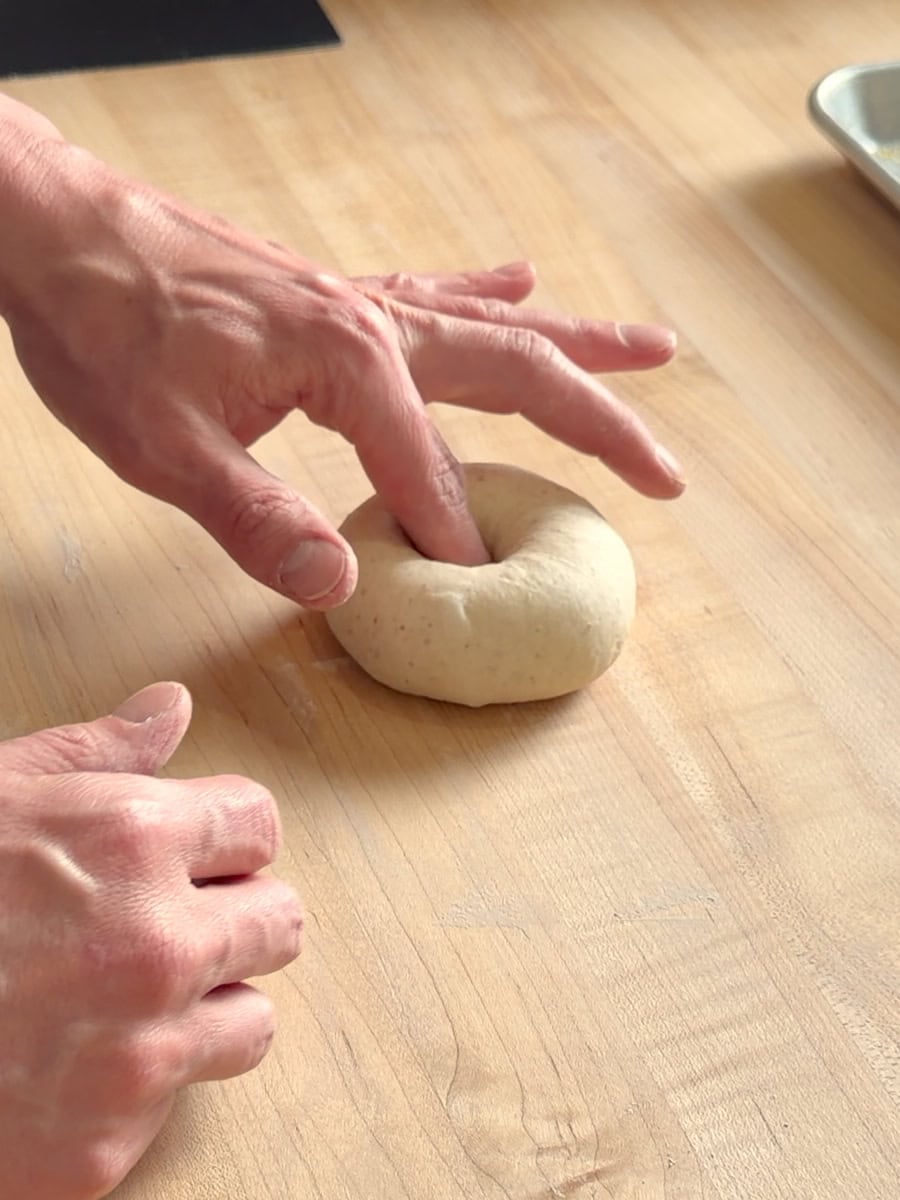
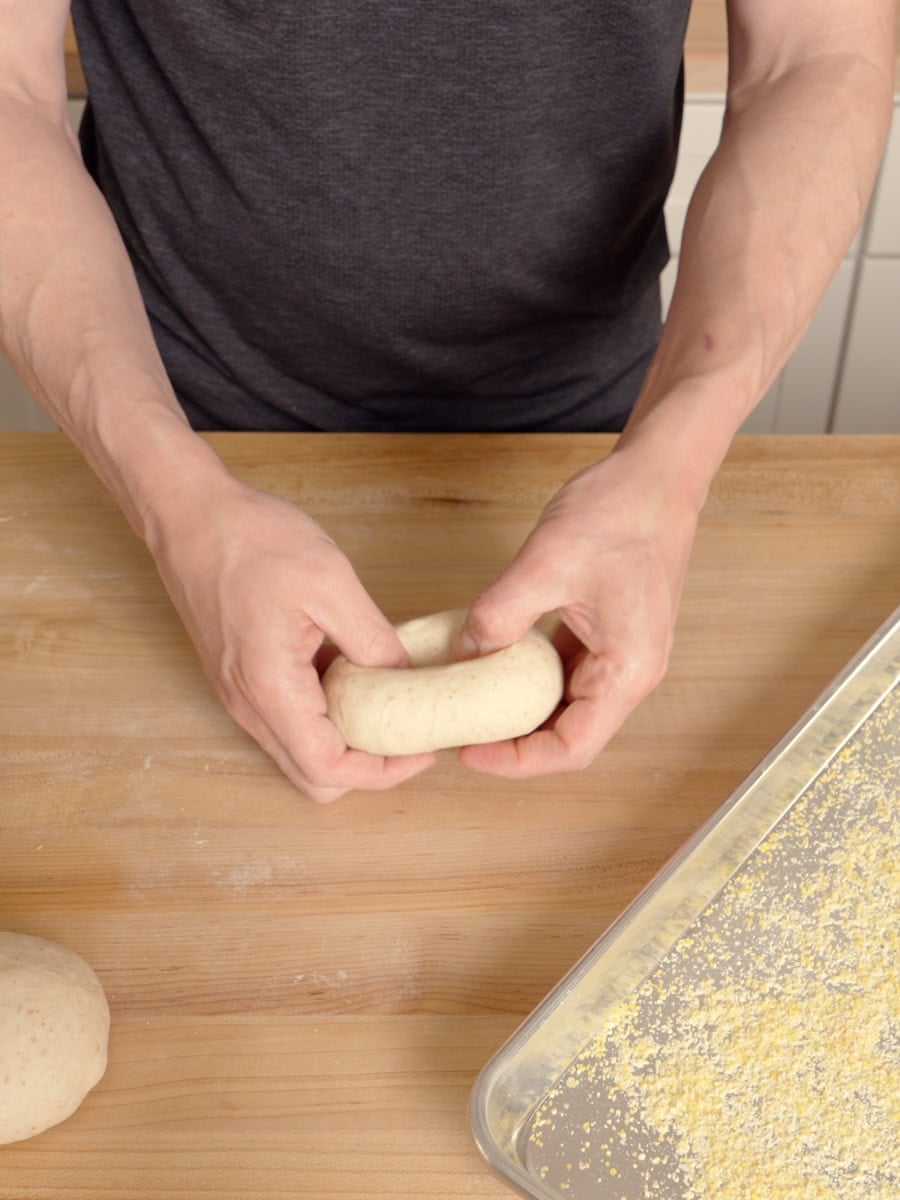
Shaping also saw a significant evolution. The traditional method of rolling dough into ropes and forming rings was replaced by the "poke method." This technique, more forgiving with higher-hydration doughs, involves simply poking a hole through the center of a dough ball and gently stretching it into a ring. This not only simplifies the process but also contributes to a more uniform shape.
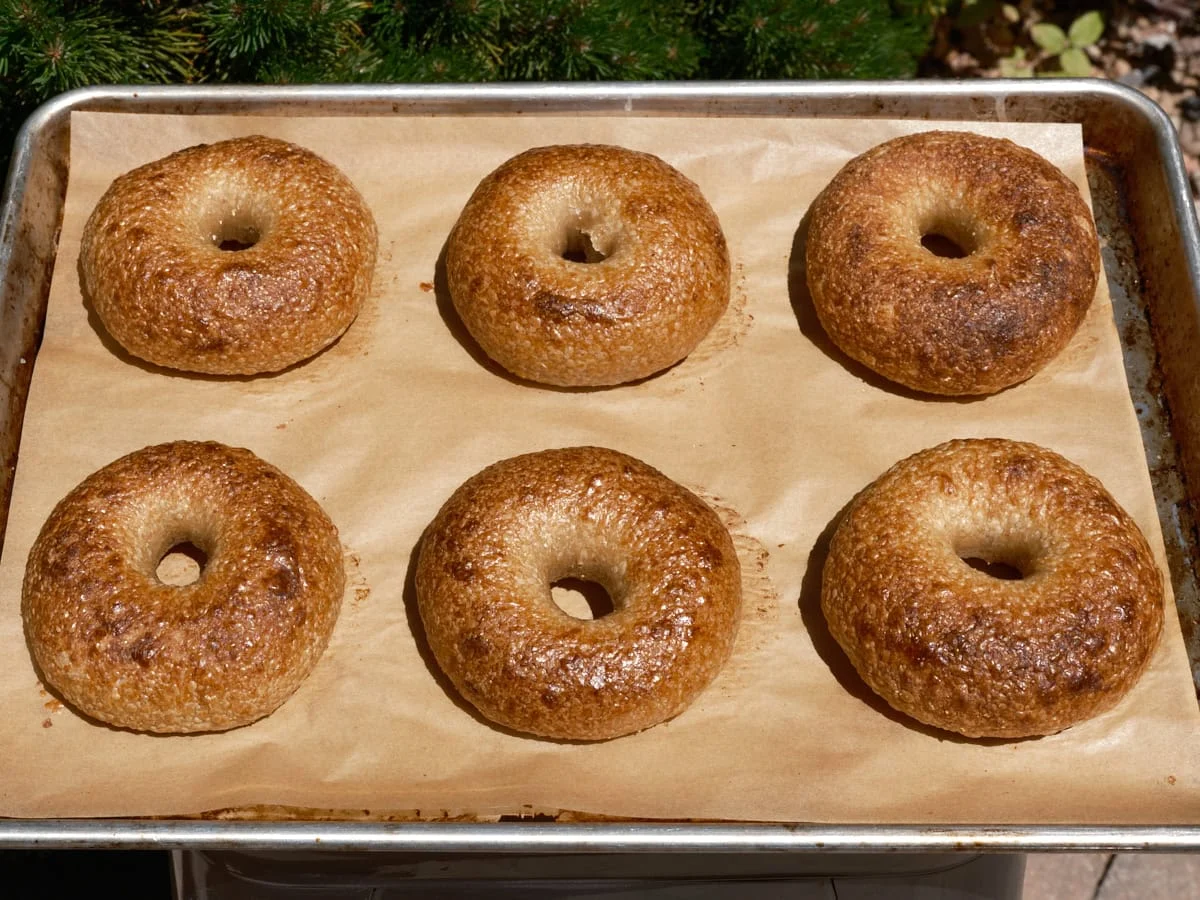
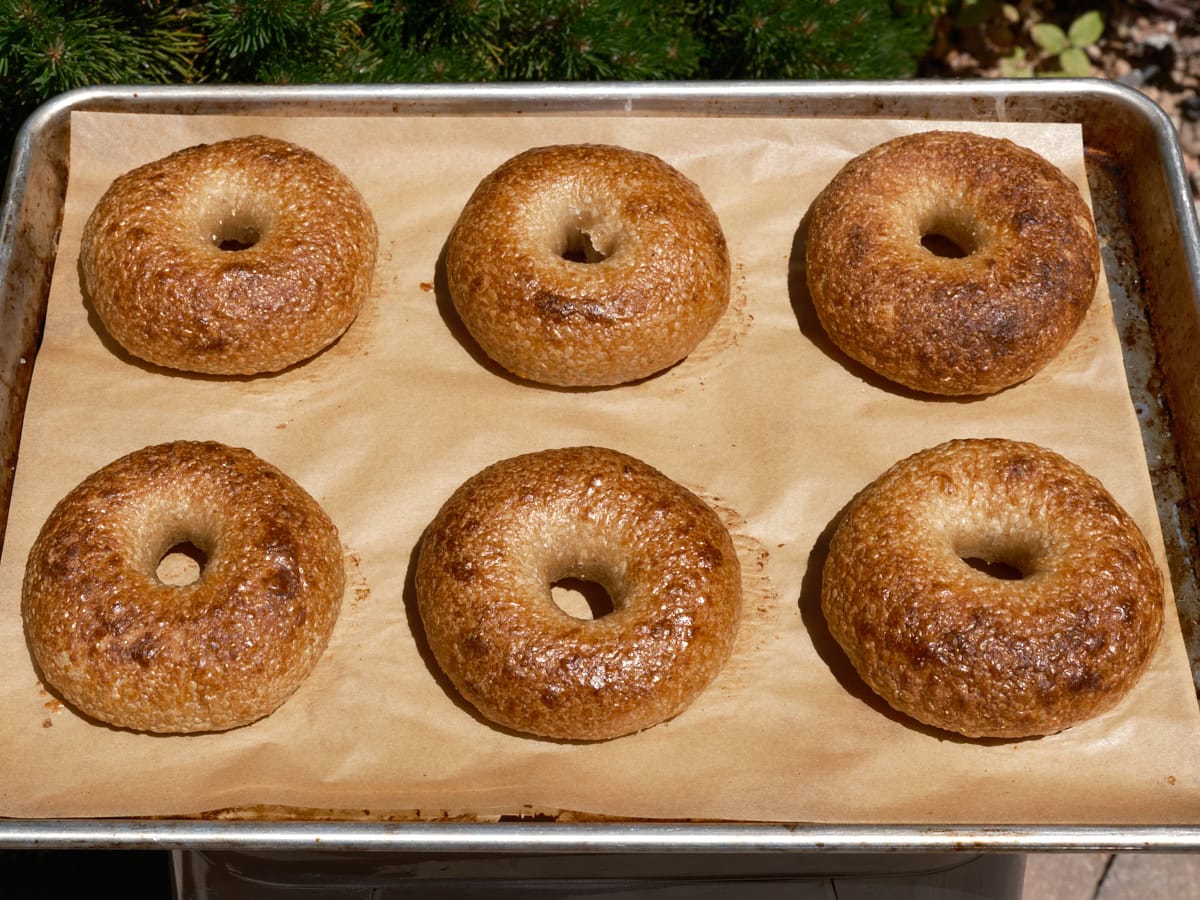
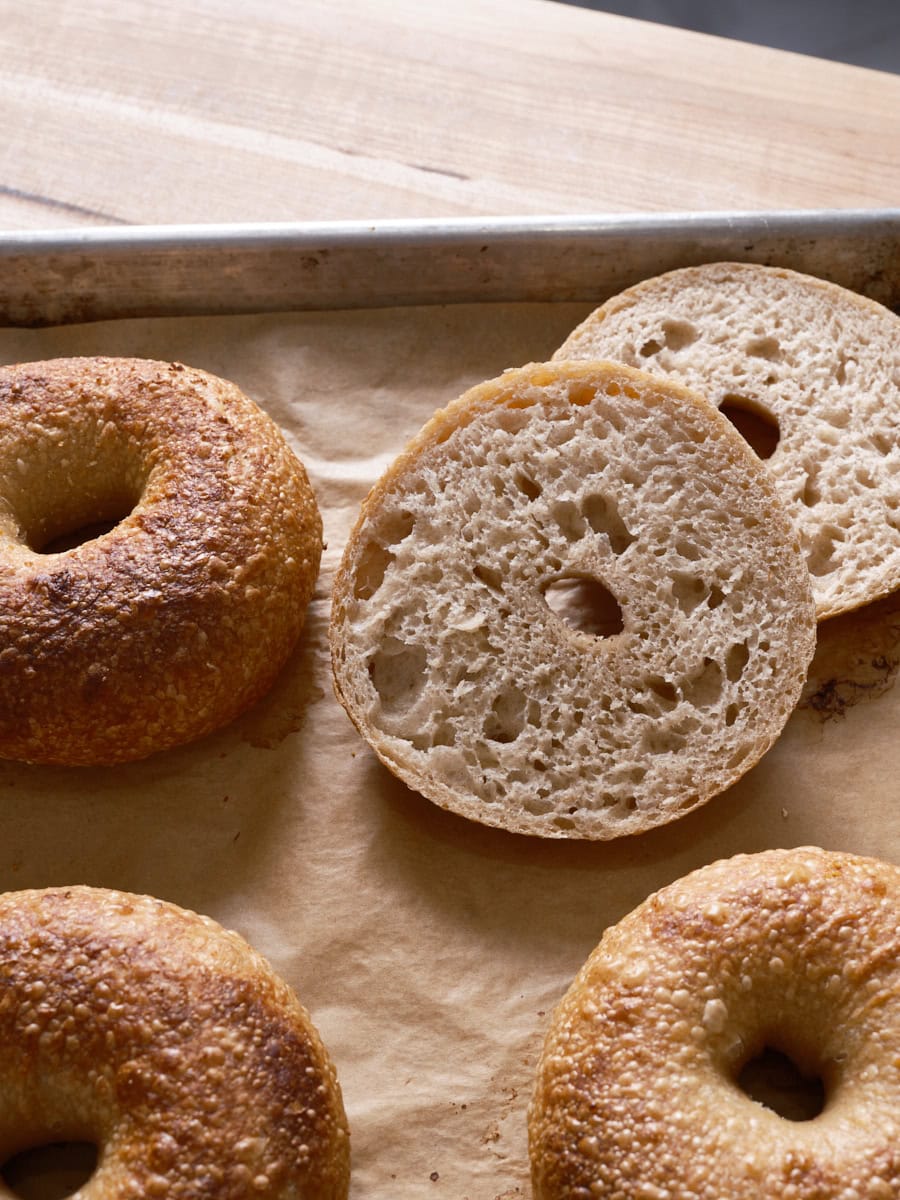
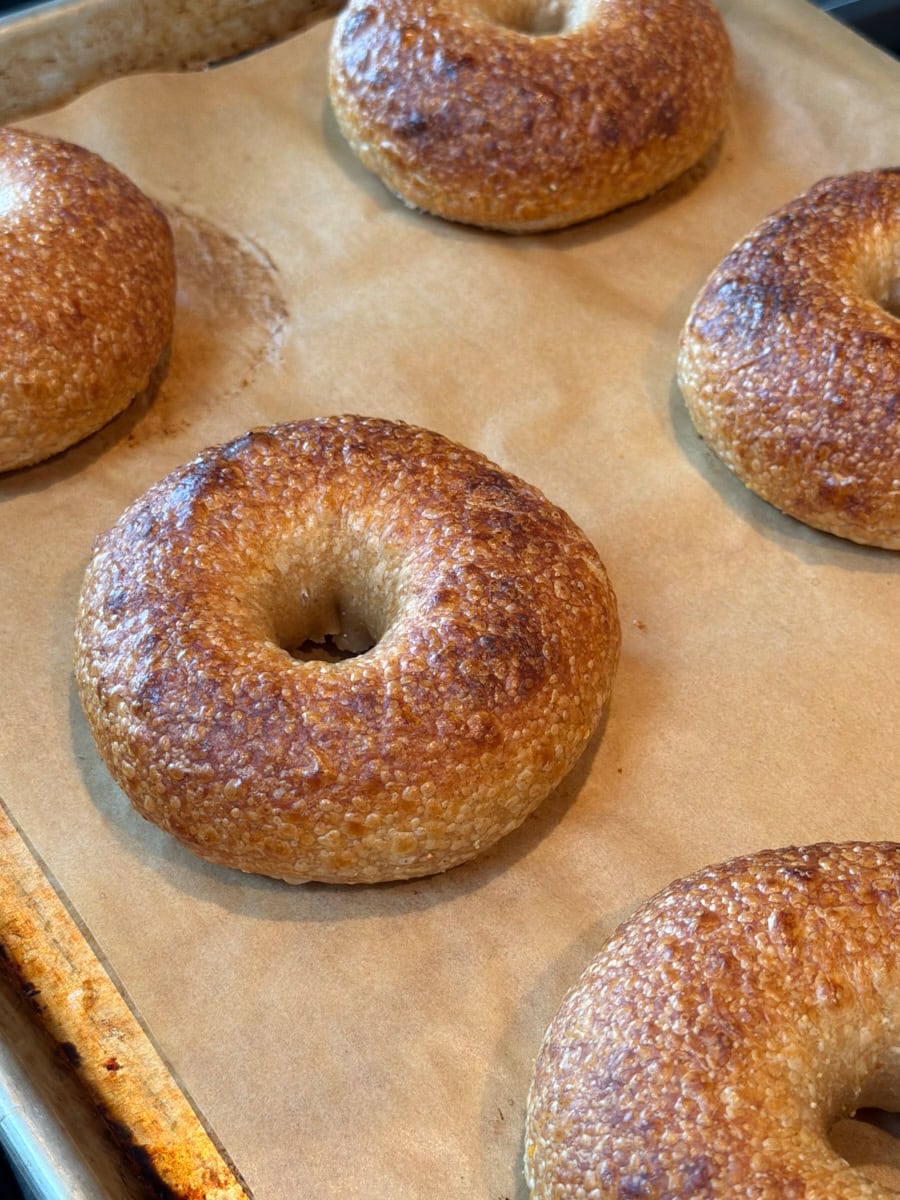
The most transformative change, however, may have been the introduction of an overnight cold rest, or "retard." This extended period in the refrigerator profoundly impacted both the crust and the flavor. The crumb opened up slightly, developing a more airy texture. The crust, in turn, became more blistered, hinting at the intense heat and steam used during baking. The overall flavor profile deepened, becoming more complex with a delightful crispness that the author felt was closer to the ideal bagel experience.
"This isn’t a radical departure from the original," the author notes. "It’s the same bread, just sharpened a bit." This statement underscores the recipe’s respect for its origins while embracing innovation.
A Visual and Textural Departure: The "New Wave" Aesthetic
The resulting "new wave" sourdough bagel stands in contrast to more traditional styles, such as the classic New York-style bagel often found in older bakeries. While those bagels are characterized by a dense chew, a thicker crust, and a tightly closed crumb, the new wave version leans towards the aesthetic popularized by modern, highly sought-after bagel shops. These contemporary iterations often feature a lighter, more airy crumb, a glossy and blistered crust that offers a delightful crispness, and a slightly less uniform, more artisanal appearance. Shops like Courage Bagels in Los Angeles are cited as inspirations for this evolving bagel landscape.
The interior of these new wave bagels is described as subtly chewy, remarkably tender, and possessing an open, inviting crumb structure. This textural contrast between the crisp exterior and the yielding interior is a key characteristic that sets them apart.
Key Techniques for Success: Shaping, Boiling, and Baking
Achieving these refined characteristics requires a mastery of several key techniques. The author provides invaluable insights gleaned from extensive recipe development:
- The Poke Method for Shaping: This technique is favored for its ease of use with higher-hydration doughs and its ability to create a more consistent ring. Instead of the often-tricky process of joining dough ends, a simple poke and stretch method is employed, proving more forgiving and yielding a more even final product.
- The Indispensable Overnight Retard: While same-day baking is possible, the overnight cold proof is strongly recommended. This slow fermentation in the refrigerator is crucial for developing deeper flavor and enhancing the crumb structure. It also offers a practical advantage, allowing for shaping one evening and boiling and baking the following morning.
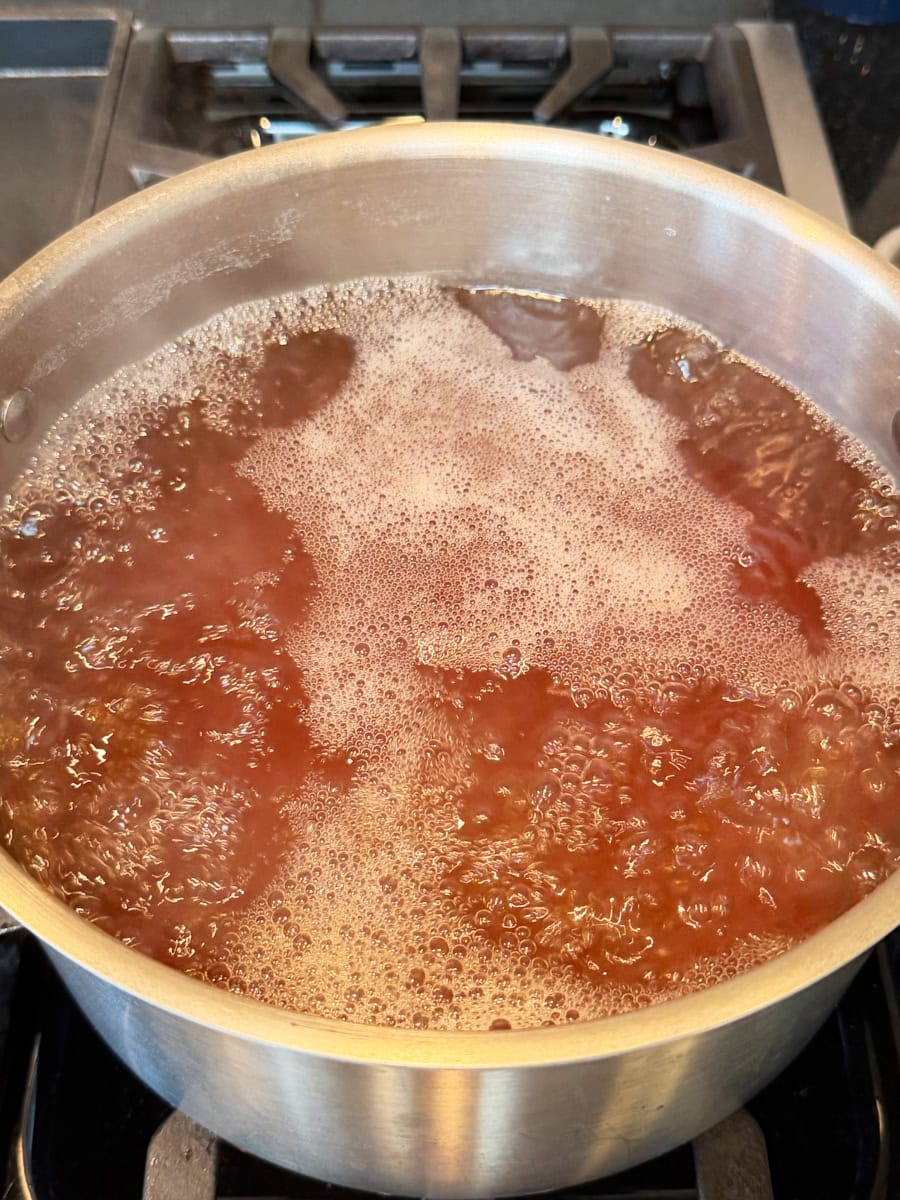
- The Transformative Boil Water: The boiling liquid is not merely water; it’s a carefully crafted bath. The inclusion of a generous amount of barley malt syrup is a classic bagel-making technique that imparts a signature malty flavor and contributes significantly to the crust’s beautiful color. A touch of baking soda is also added to increase alkalinity, further aiding in crust browning. The resulting water should appear noticeably dark.
- Precise Boil Time and Intensity: The duration of the boil is critical and dictates the final crust texture. A short boil, around 20 to 30 seconds per side, results in a thinner, crispier crust. A longer boil will yield a chewier, denser skin. For this specific dough, the author prefers the shorter end of the spectrum, achieving a satisfying bite without a leathery texture. Crucially, the boiling water must be at a vigorous, rolling boil to ensure proper crust gelatinization.
- The Power of a Preheated Surface: Just as with artisan breads and pizzas, intense direct heat from below is essential for a good bagel rise and crust. Baking on a preheated stone or, ideally, a baking steel for at least one hour is non-negotiable for achieving that signature bottom crust.
- The Role of Steam: Introducing steam into the oven environment shortly after loading the bagels further encourages the formation of microblisters on the crust. This technique, common in artisan bread baking, adds another dimension to the bagel’s visual appeal and textural complexity.
The Ultimate Goal: A Deliberate and Satisfying Bagel
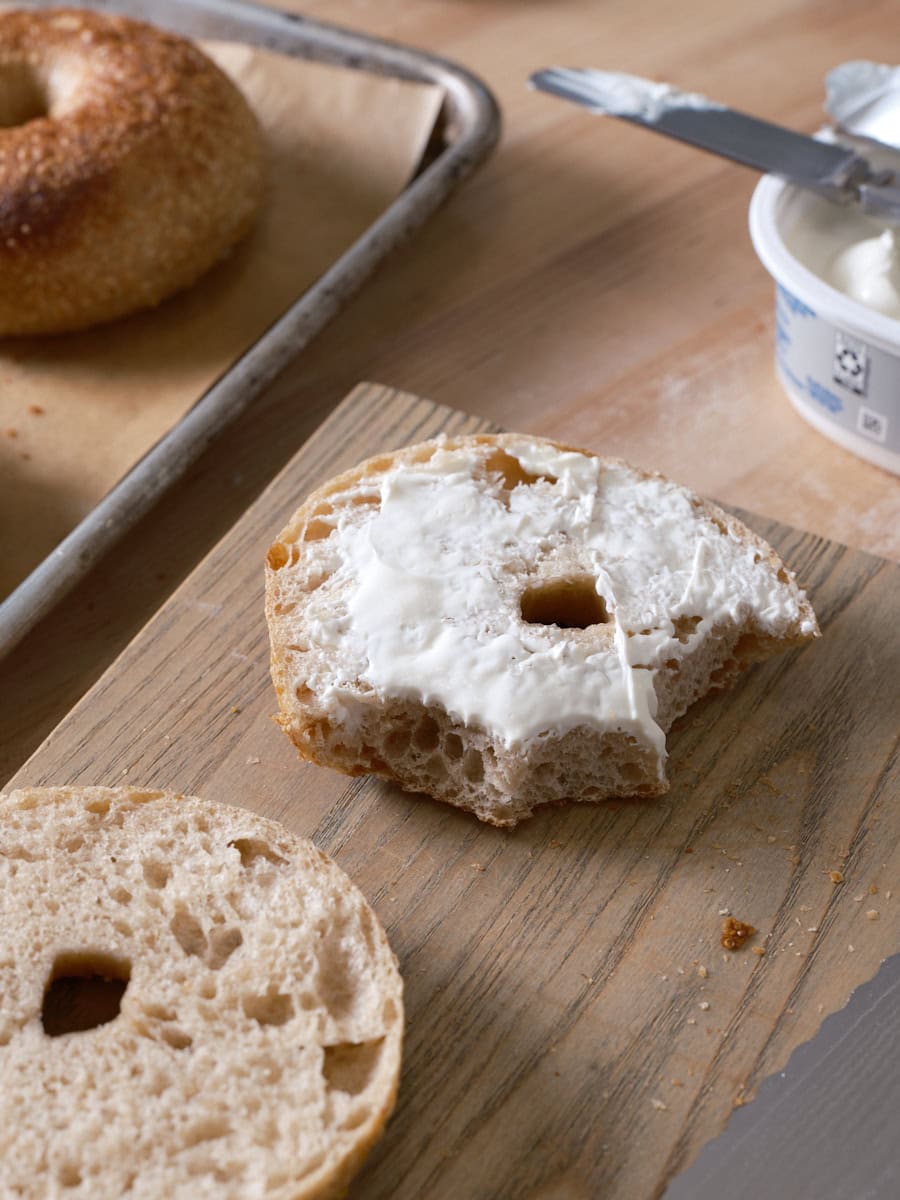
The author’s objective with this "new wave" recipe is clear: to craft a sourdough bagel that feels intentional and refined. The desired outcome is a bagel that is light, subtly chewy, crisp on the outside, and imbued with a distinct malty flavor. The inclusion of whole grains adds a layer of complexity without making the bagel heavy, creating an ideal canvas for simple toppings like cream cheese, allowing the bagel itself to shine.
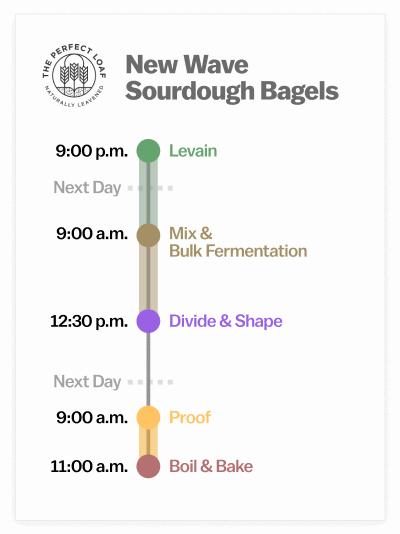
The baking schedule is designed for a three-day process, offering flexibility. Day one involves preparing the "sweet levain," allowing it to ferment overnight. Day two is dedicated to mixing the dough, a period of bulk fermentation, and then the crucial cold proof in the refrigerator. Day three is for proofing, boiling, and baking. For those seeking a quicker preparation, the overnight retard can be omitted, with a shorter room-temperature proof of two to three hours after shaping.
Flour Selection: A Foundation for Flavor and Texture
The specific flour blend is a cornerstone of this recipe’s success. The author utilizes a combination that balances structure and tenderness. Approximately half the total flour comes from high-protein white flour (12-14% protein), providing the essential chew and structural integrity. A further 40% is from a medium-strength, finely milled bread flour, contributing to a smooth dough. The remaining 15% is composed of whole wheat and whole rye flours. These are not merely for nutritional value but are key contributors to the bagel’s nuanced flavor profile. Whole wheat adds a warm, nutty character, while whole rye offers a subtle earthiness and aids in fermentation and crust development, resulting in a complexity that white flour alone cannot achieve.
Sweeteners: A Trio of Flavor and Function
The recipe employs a thoughtful combination of three sweeteners, each serving a distinct purpose:
- Barley Malt Syrup: This is a signature ingredient, used both in the dough itself and in the boiling water. It provides the characteristic malty sweetness, a hint of bitterness, and a deeply savory undertone. It also plays a crucial role in promoting browning during baking.
- Diastatic Malt Powder: This is a more technical ingredient, containing active enzymes that break down starches into sugars during fermentation and baking. This enzymatic action enhances crust color, improves oven spring, and contributes to a more open crumb. A small amount, typically 1% of the flour weight, is sufficient to make a significant impact.
- Superfine (Caster) Sugar: Added exclusively to the levain, this sugar serves to boost yeast activity. This "sweet levain" encourages a robust rise with minimal sourness, ensuring the final bagel is balanced in flavor.
The "New Wave Sourdough Bagel" Recipe: A Detailed Guide
This recipe is meticulously detailed to guide bakers through each stage, yielding approximately twelve 130-gram bagels. The total dough weight is calculated to account for minor losses during preparation, and the formula is easily scalable using baker’s percentages.
Vitals:
- Total dough weight: 1,620 grams
- Prefermented flour: 10.0%
- Hydration: 68.0%
- Yield: Twelve 130-gram bagels
Total Formula:
- High-protein white flour (12-14% protein): 406g (45.0%)
- Medium-protein white flour (Central Milling Artisan Bakers Craft or strong bread flour): 361g (40.0%)
- Whole wheat flour: 90g (10.0%)
- Whole rye flour: 45g (5.0%)
- Fine sea salt: 18g (2.0%)
- Barley malt syrup (or honey): 23g (2.5%)
- Superfine (caster) sugar: 18g (2.0%)
- Diastatic malt powder: 9g (1.0%)
- Water 1 (levain and mix): 542g (60.0%)
- Water 2 (mix; bassinage): 72g (8.0%)
- Fine sea salt: 18g (2.0%)
- Ripe sourdough starter (100% hydration): 36g (4.0%)
The target final dough temperature is between 76-78°F (24-26°C).
New Wave Sourdough Bagel Method:
1. Prepare the Levain (Day One, 9:00 p.m.):
A mixture of medium-protein white flour (90g), water (81g), superfine sugar (18g), and ripe sourdough starter (36g) is combined and left to ferment overnight for 12-14 hours at room temperature (74-76°F / 23-24°C). The levain is ready when it has significantly risen, is bubbly, and smells sweet.
2. Mix (Day Two, 9:00 a.m.):
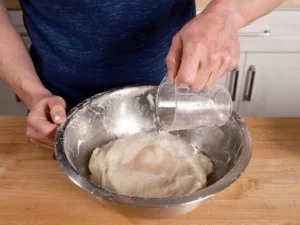
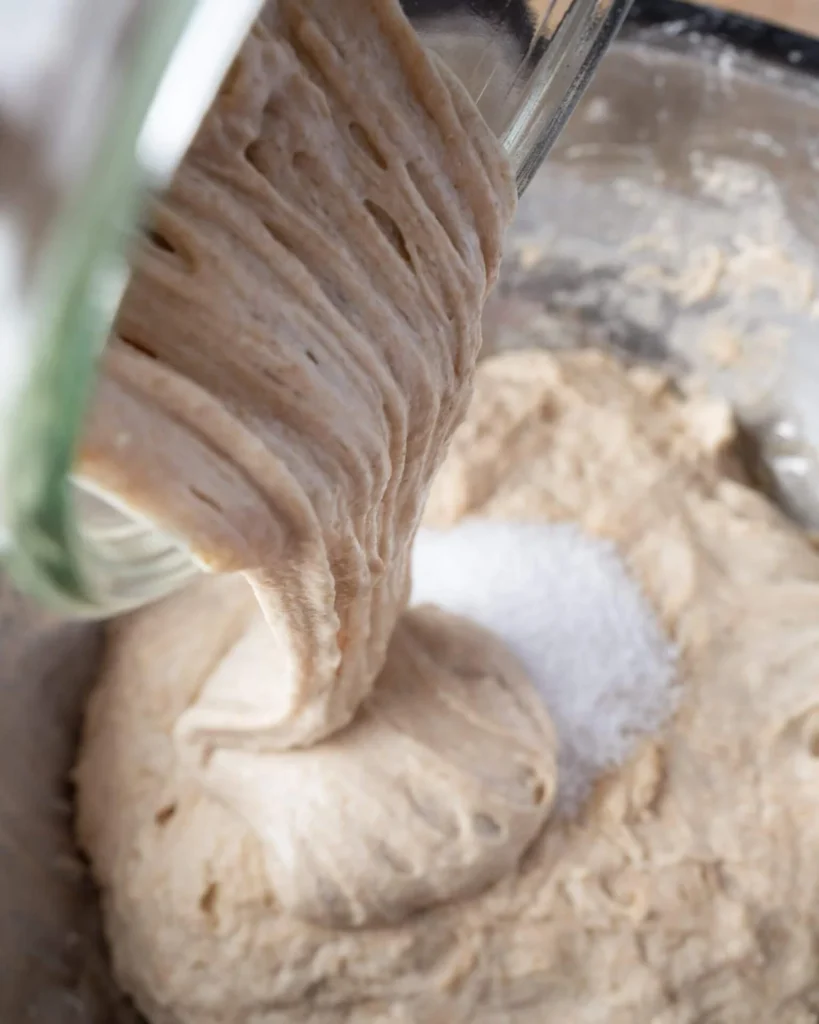
Ingredients are combined in a mixer or by hand. For mechanical mixers, a 5-minute initial mix is followed by a 5-minute rest and then the gradual addition of the second water portion. By hand, a thorough kneading process, potentially including slap-and-folds, is employed until a smooth and cohesive dough is achieved.
3. Bulk Fermentation (9:30 a.m. to 12:30 p.m. – 3 hours):
The dough undergoes a 3-hour bulk fermentation at a warm room temperature (74-76°F / 23-24°C). No stretches or folds are required due to the dough’s stiffness and extensive initial mixing.
4. Divide and Shape (12:30 p.m.):
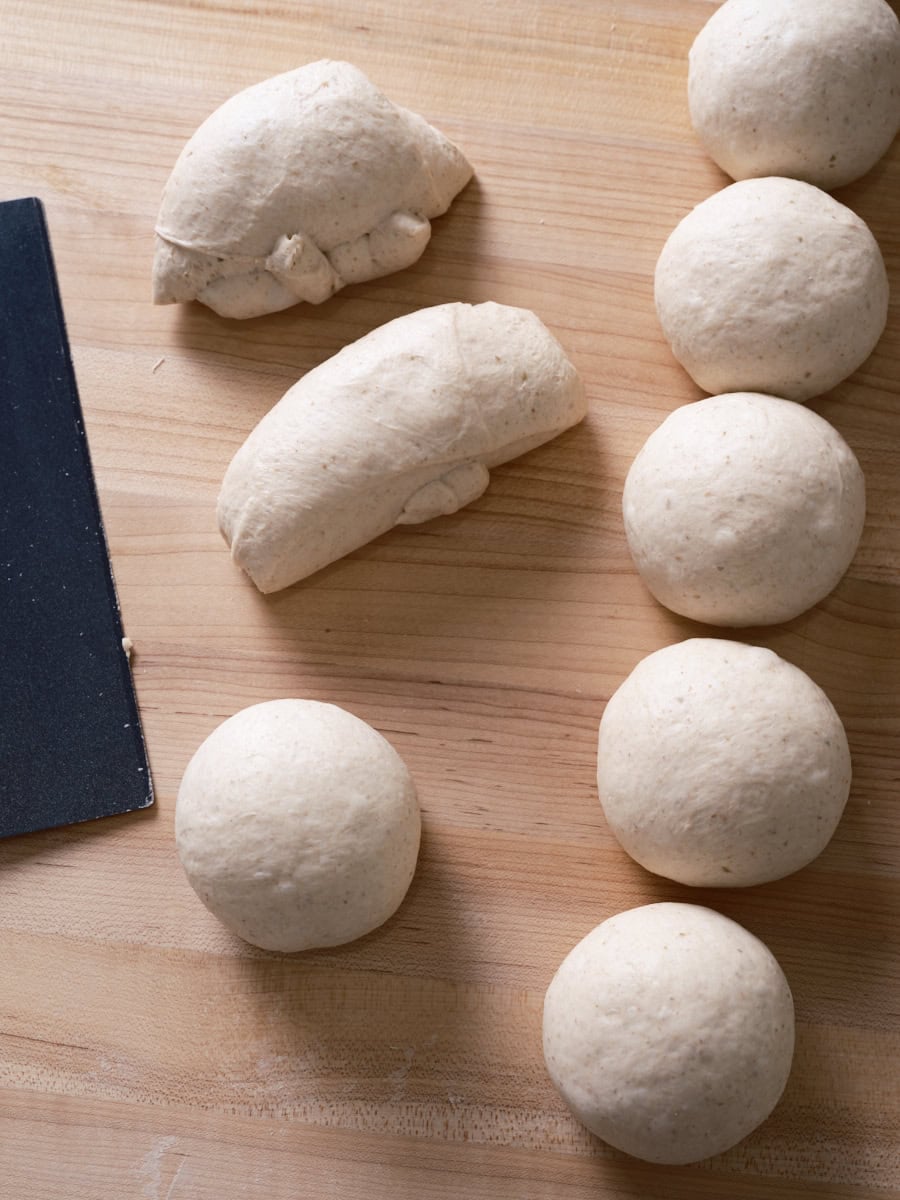
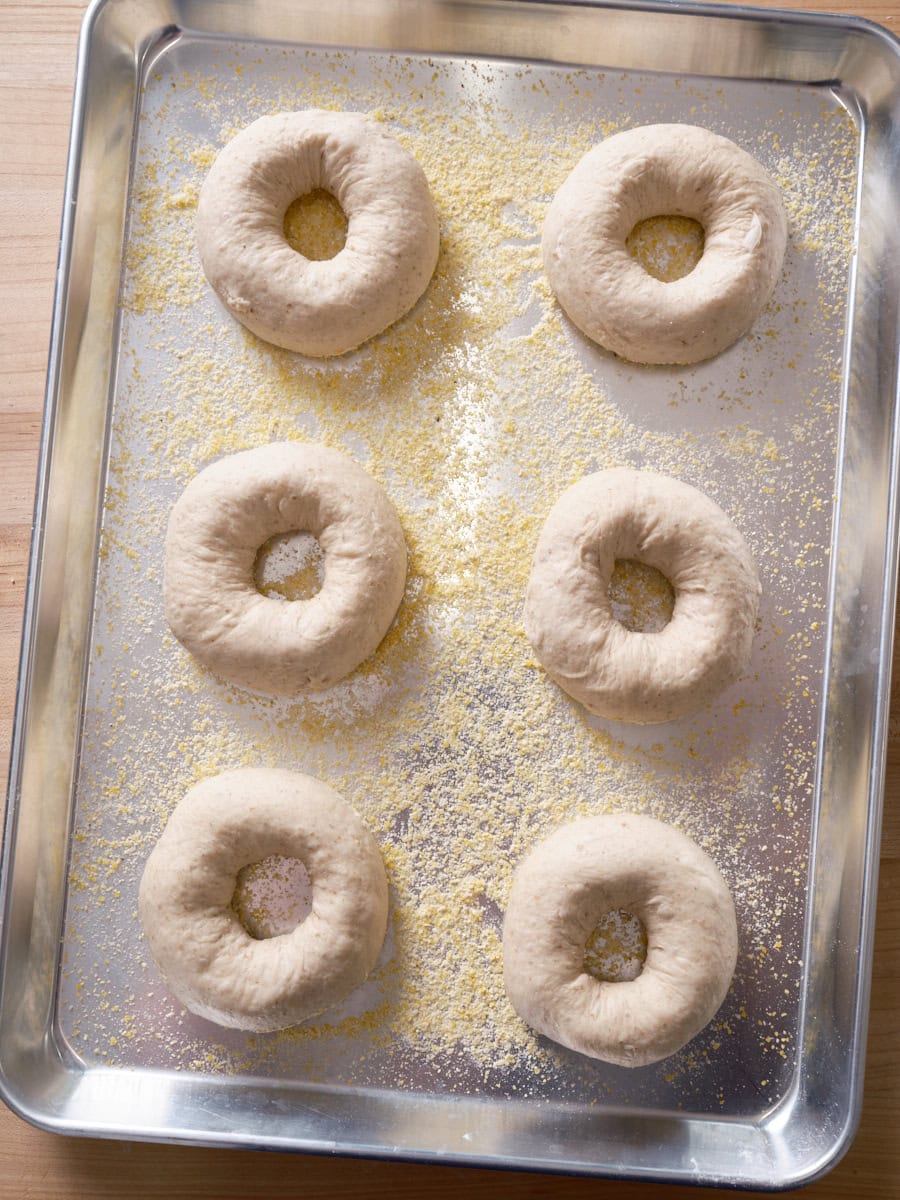
The dough is divided into twelve 130-gram pieces. Each piece is first shaped into a tight ball, ensuring a smooth top surface and a sealed seam. Then, the "poke method" is used: a hole is pressed through the center, and the dough is gently stretched to form a ring with a diameter of 2 to 2.5 inches. Shaped bagels are placed on sheet pans lined with cornmeal or flour.
5. Overnight Retard (1:00 p.m. to 9:00 a.m. – Day Three Morning):
Covered sheet pans are refrigerated for an extended cold proof. This is a crucial step for flavor development.
6. Proof (Day Three, 9:00 a.m.):
The bagels are removed from the refrigerator and allowed to proof at room temperature for two hours. Concurrently, a baking steel is preheated in the oven to 500°F (260°C) in convection mode.
7. Boil (11:00 a.m.):
A large pot of water is brought to a vigorous boil with 1 teaspoon of baking soda. Five tablespoons of barley malt syrup are then dissolved into the boiling water. Bagels are boiled in batches for 20-25 seconds per side. After boiling, they are placed on a wire rack to drain. Toppings are applied at this stage while the surface is still tacky.
8. Bake (11:15 a.m.):
Boiled bagels are transferred to the preheated baking steel. They bake for 10 minutes at 500°F (260°C), then the temperature is reduced to 450°F (230°C) for an additional 5 minutes, or until deeply golden brown.
Cooling for at least 15-20 minutes is essential for the bagels to set properly before slicing. They can be stored at room temperature for up to a week or frozen for longer preservation.
Addressing Common Bagel Challenges: FAQs
The author anticipates and addresses common issues faced by home bakers:
- Reducing Sourness: The use of a sweet levain and the option to omit whole rye flour help mitigate excessive sourness.
- Achieving an Open Crumb: While this recipe already yields an open crumb, slightly increasing hydration can further enhance this characteristic, though it may make handling more challenging.
- Preventing Flat Bagels: This is typically due to over-fermentation, loose shaping, or insufficient boil water temperature. Ensuring a vigorous boil is paramount.
- Same-Day Baking: The recipe is adaptable, allowing for a shorter room-temperature proof if the overnight retard is omitted.
- Boil Time: The duration of the boil directly influences crust thickness and chewiness. Experimentation is encouraged to find personal preference.
- Diastatic Malt Powder: While not strictly essential, it significantly contributes to oven spring, crust color, and crumb texture.
- Topping Application: Dipping bagels immediately after boiling ensures toppings adhere without the need for an egg wash.
The "New Wave" Promise: A Culinary Revelation
The creation of these "new wave" sourdough bagels represents a significant advancement in home baking. The meticulous attention to detail, from flour selection and levain preparation to shaping and boiling techniques, results in a bagel that is both visually stunning and texturally exquisite. The glossy, blistered crust, the tender and open crumb, and the complex malty flavor profile elevate the humble bagel to an artisanal masterpiece. Whether enjoyed simply with cream cheese or as the base for more elaborate toppings, these bagels offer a deeply satisfying culinary experience, proving that even the most familiar foods can be reinvented with creativity and precision. The author extends gratitude to fellow baker Josh Fairbanks for his collaborative efforts in refining this exceptional recipe.