
The arrival of spring and summer ushers in a highly anticipated culinary event: strawberry season. Renowned for their vibrant color, intoxicating aroma, and sweet-tart flavor, strawberries consistently rank among the most cherished fruits globally, transforming seasonal baking into an art form. From quintessential classics like strawberry rhubarb pie and strawberry shortcake to innovative creations such as strawberry cookies, the versatility of this berry offers an expansive palette for bakers and chefs alike. This year, culinary experts are once again highlighting the enduring appeal of strawberries, with a comprehensive collection of distinct dessert recipes designed to inspire home cooks and professional pastry chefs to leverage the fruit at its peak. These recommendations underscore strawberries’ central role in warm-weather gastronomy, whether gracing a family picnic, a festive gathering, or simply elevating an everyday meal.
The Allure of the Strawberry: A Seasonal Delicacy
Strawberries (Fragaria x ananassa) are not merely a fruit; they represent a sensory experience, signaling the transition into warmer months. Their bright red hue, delicate texture, and complex flavor profile—ranging from intensely sweet to subtly acidic—make them a perennial favorite. The peak season for strawberries varies geographically, typically beginning in late spring and extending through early summer in temperate climates. In major producing regions like California and Florida, the season can stretch longer, sometimes offering berries almost year-round due to diverse microclimates and advanced agricultural practices. The act of selecting fresh strawberries, often at farmers’ markets or roadside stands, is a cherished ritual for many, ensuring optimal flavor and freshness for culinary endeavors.

Historically, wild strawberries have been consumed for centuries, but the modern garden strawberry is a hybrid developed in Brittany, France, in the 18th century. It originated from a cross between Fragaria virginiana (a North American species) and Fragaria chiloensis (a South American species). This hybridization resulted in larger, juicier, and more flavorful fruits, quickly cementing their status as a desirable crop. Since then, continuous cultivation and selective breeding have led to numerous varieties, each with unique characteristics suited for different climates and culinary applications, from firm berries ideal for slicing in tarts to softer ones perfect for jams and purees. The evolution of strawberry cultivation reflects centuries of agricultural ingenuity aimed at enhancing both yield and sensory qualities.
Economic Impact and Agricultural Significance
The strawberry industry represents a significant sector of global agriculture. According to data from the Food and Agriculture Organization of the United Nations (FAOSTAT), global strawberry production consistently exceeds 9 million metric tons annually. China stands as the world’s largest producer, followed by the United States, Turkey, Mexico, and Egypt. In the United States, California is the dominant producer, accounting for over 80% of the nation’s fresh strawberry supply, with Florida serving as another key contributor, particularly during the winter months. The economic footprint of strawberry cultivation extends beyond direct sales, impacting labor markets, transportation, and related industries such as processing, packaging, and agricultural technology.
The cultivation of strawberries is notably labor-intensive, requiring careful handling during planting, harvesting, and sorting to maintain fruit quality and minimize spoilage. Innovations in farming techniques, including protected cultivation (e.g., greenhouses, hoop houses) and advancements in pest and disease management, have enabled growers to extend growing seasons and improve yields. Furthermore, sustainable farming practices are gaining traction, with a focus on reducing water usage, optimizing soil health, and minimizing chemical inputs to meet evolving consumer demands for environmentally conscious produce. The economic vitality of many rural communities is intrinsically linked to the success of their regional strawberry harvests, making consistent yields and robust market prices crucial for their sustainability.
Nutritional Profile: More Than Just Sweetness
Beyond their delightful taste, strawberries offer an impressive array of nutritional benefits, contributing to their designation as a "superfood." They are an excellent source of Vitamin C, providing more than 100% of the daily recommended intake in a single serving. Vitamin C is a powerful antioxidant essential for immune function, skin health, and collagen production. Additionally, strawberries contain significant levels of manganese, which plays a role in bone health and metabolism, and potassium, vital for blood pressure regulation. Folate, an important B vitamin, is also present, contributing to cell growth and function.
The vibrant red color of strawberries is attributed to anthocyanins, potent antioxidants that have been linked to various health benefits, including a reduced risk of chronic diseases such as heart disease and certain cancers. They also contain ellagic acid, another antioxidant known for its anti-inflammatory and anti-cancer properties. Dietary fiber present in strawberries aids in digestion and promotes satiety, while their relatively low glycemic index makes them a suitable fruit option for managing blood sugar levels. Incorporating strawberries into the diet, whether fresh, frozen, or in prepared dishes, provides a delicious means to boost nutrient intake and support overall well-being.
A Culinary Canvas: Exploring Strawberry Desserts

The intrinsic balance of sweetness and acidity in strawberries makes them exceptionally versatile in the culinary world, particularly in desserts. From rustic pies to refined cakes, the fruit lends itself to a myriad of preparations, each highlighting different facets of its flavor and texture. Culinary experts, such as Sally McKenney, a New York Times best-selling author and renowned food photographer, frequently showcase the breadth of strawberry applications in her kitchen-tested recipes. Her comprehensive collection of strawberry dessert recipes serves as a testament to the fruit’s enduring appeal and adaptability in baking.
Classic Comforts: Timeless Strawberry Preparations
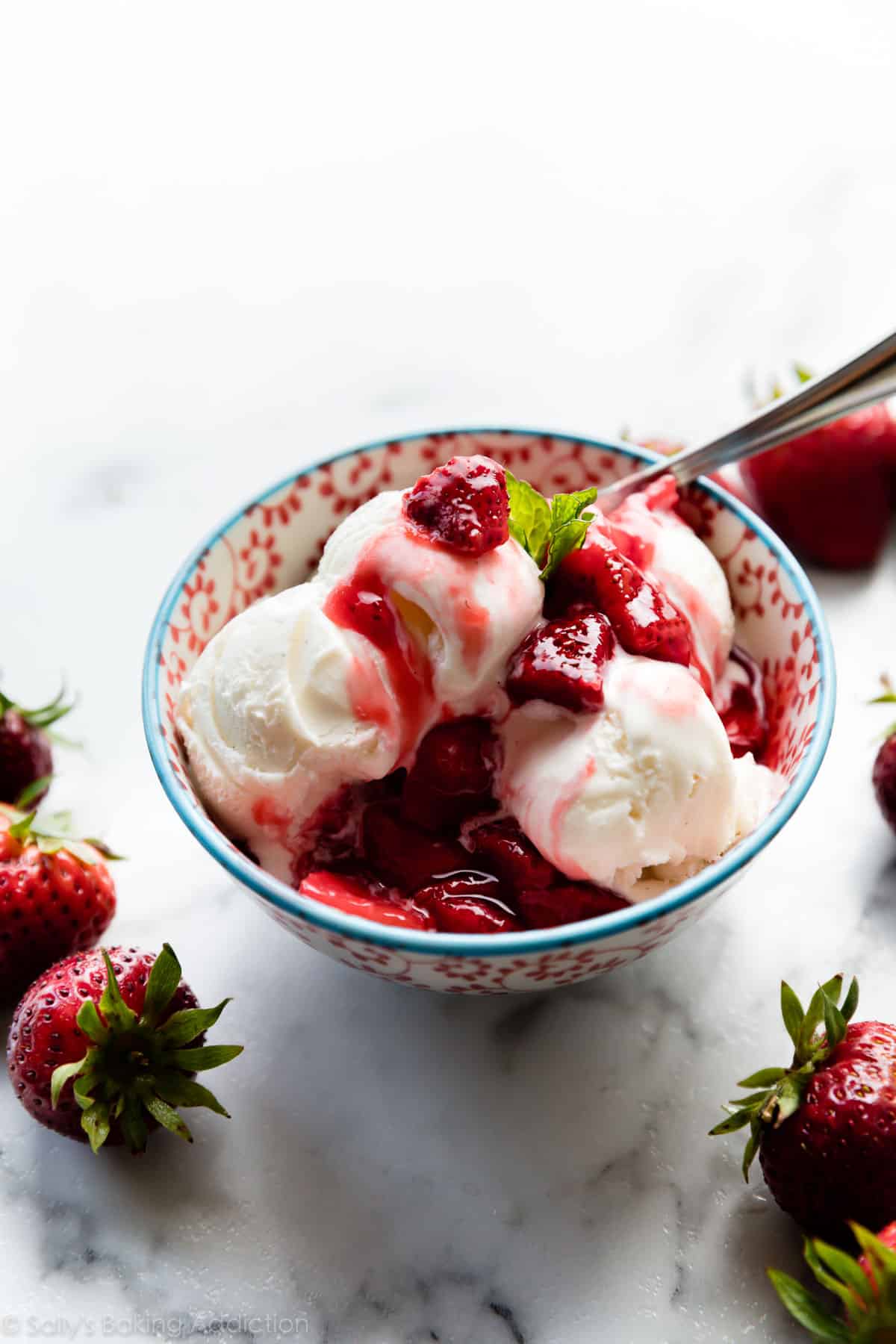
Certain strawberry desserts have achieved iconic status, evoking nostalgia and comfort. These classics often feature simple preparations that allow the natural flavor of the strawberry to shine.
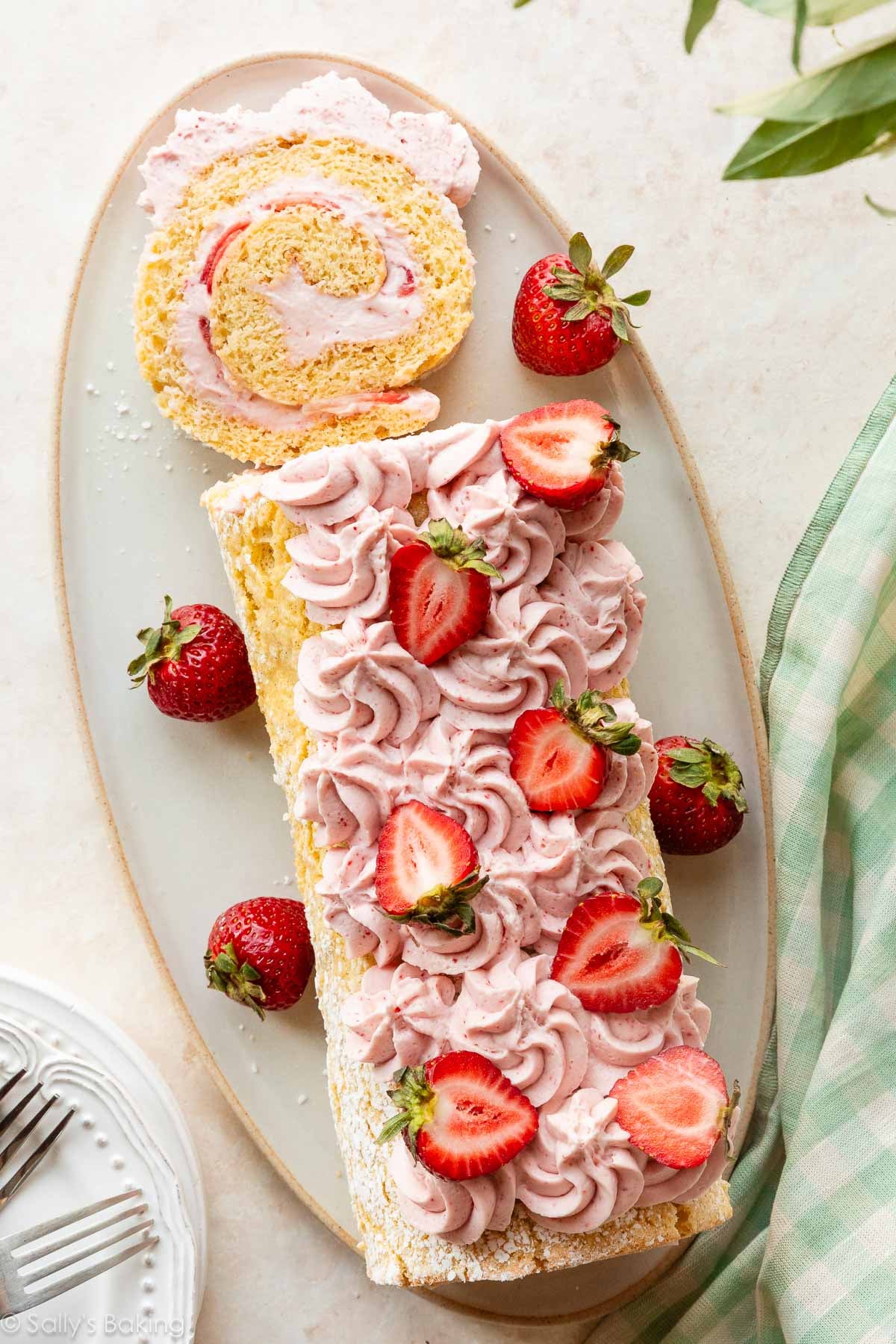
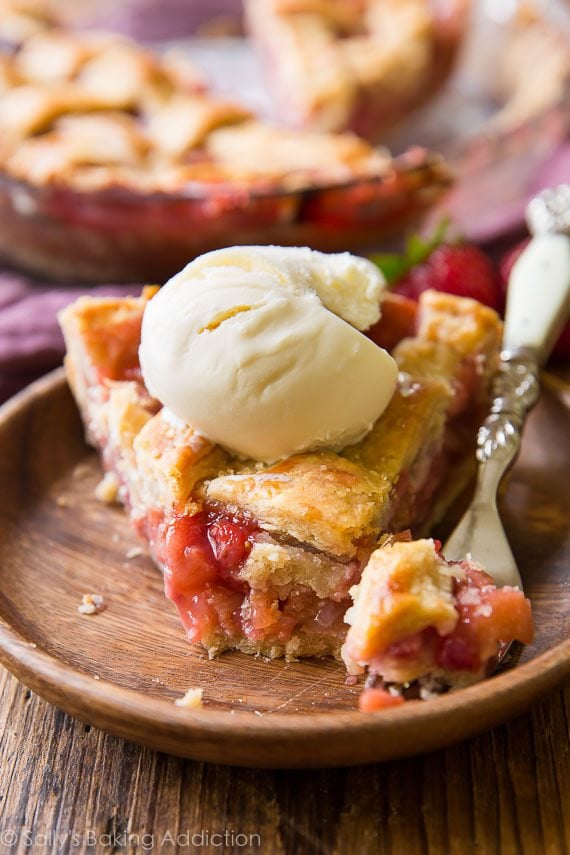
- Strawberry Rhubarb Pie: This quintessential spring dessert marries the bright sweetness of strawberries with the tartness of rhubarb, encased in a flaky pastry crust. The combination creates a perfectly balanced flavor profile that is both refreshing and deeply satisfying. Historically, rhubarb was often paired with strawberries to temper its intense sourness, and this pairing quickly became a beloved tradition in North American and European baking.
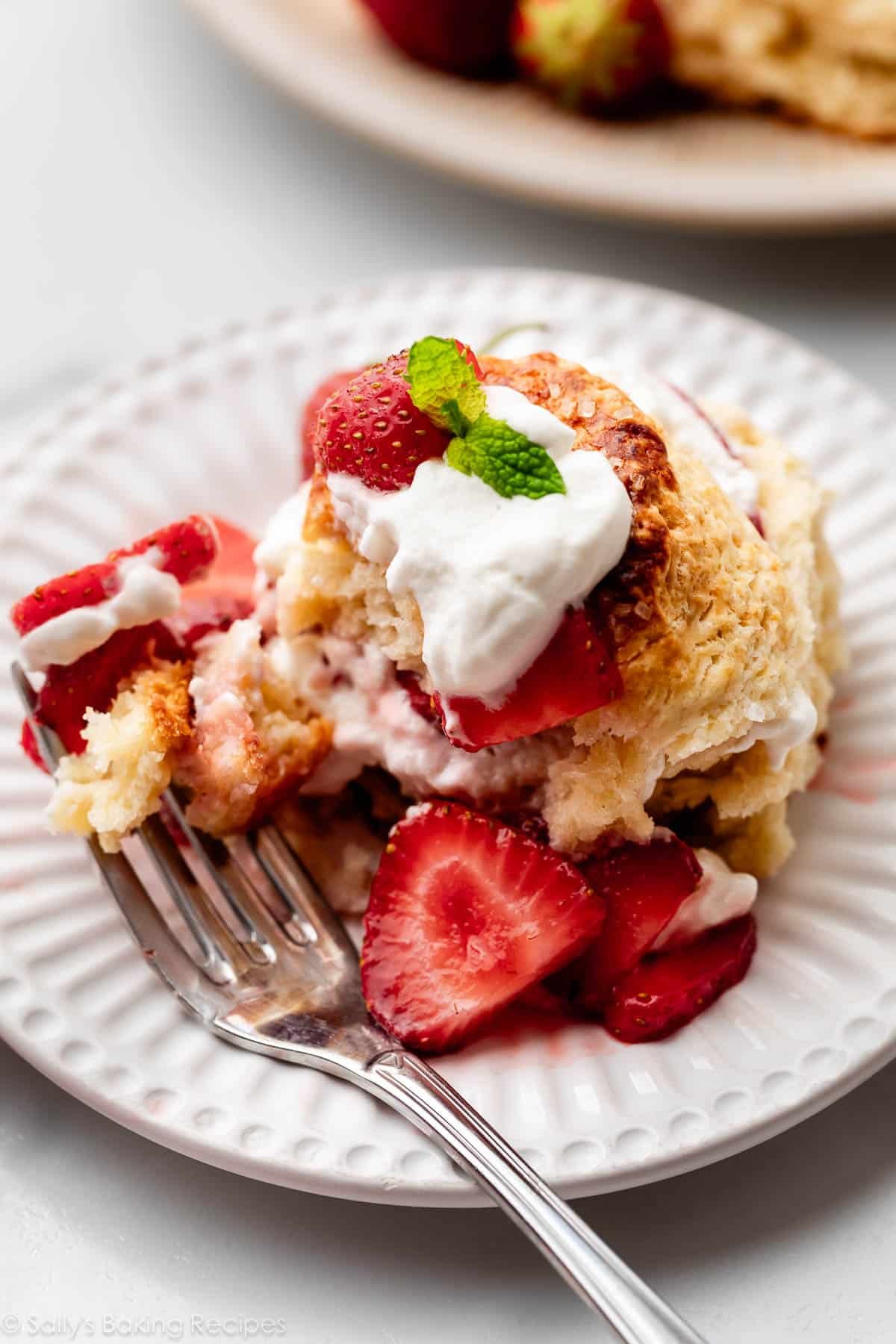
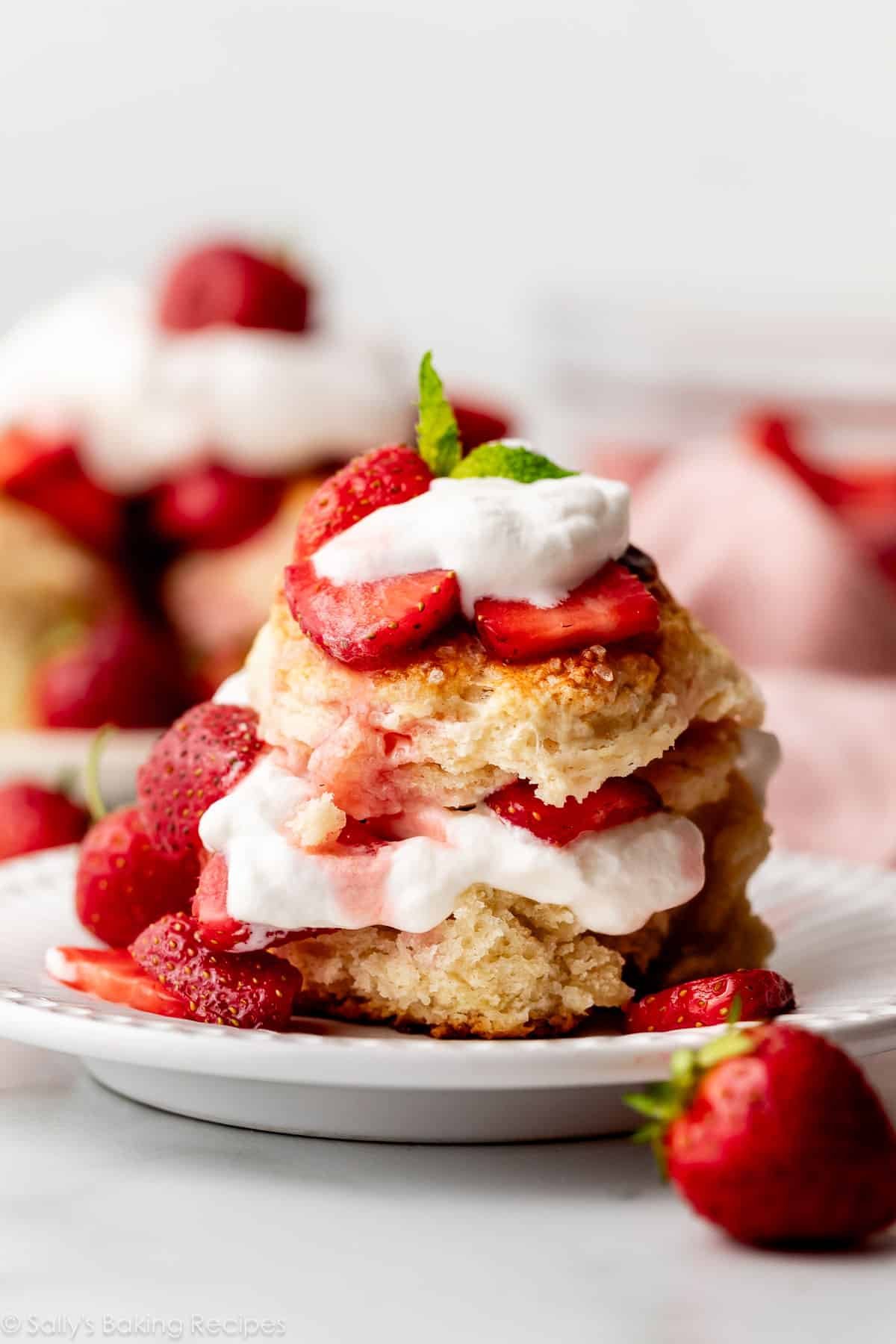
- Homemade Strawberry Shortcake: A cornerstone of American summer desserts, strawberry shortcake epitomizes fresh simplicity. It typically consists of tender, lightly sweetened biscuits, fresh macerated strawberries, and generous dollops of fluffy whipped cream. The success of this dessert hinges on the quality of its components, particularly the homemade biscuits that absorb the strawberry juices beautifully. The combination of textures—soft biscuit, juicy fruit, and airy cream—creates a harmonious eating experience.
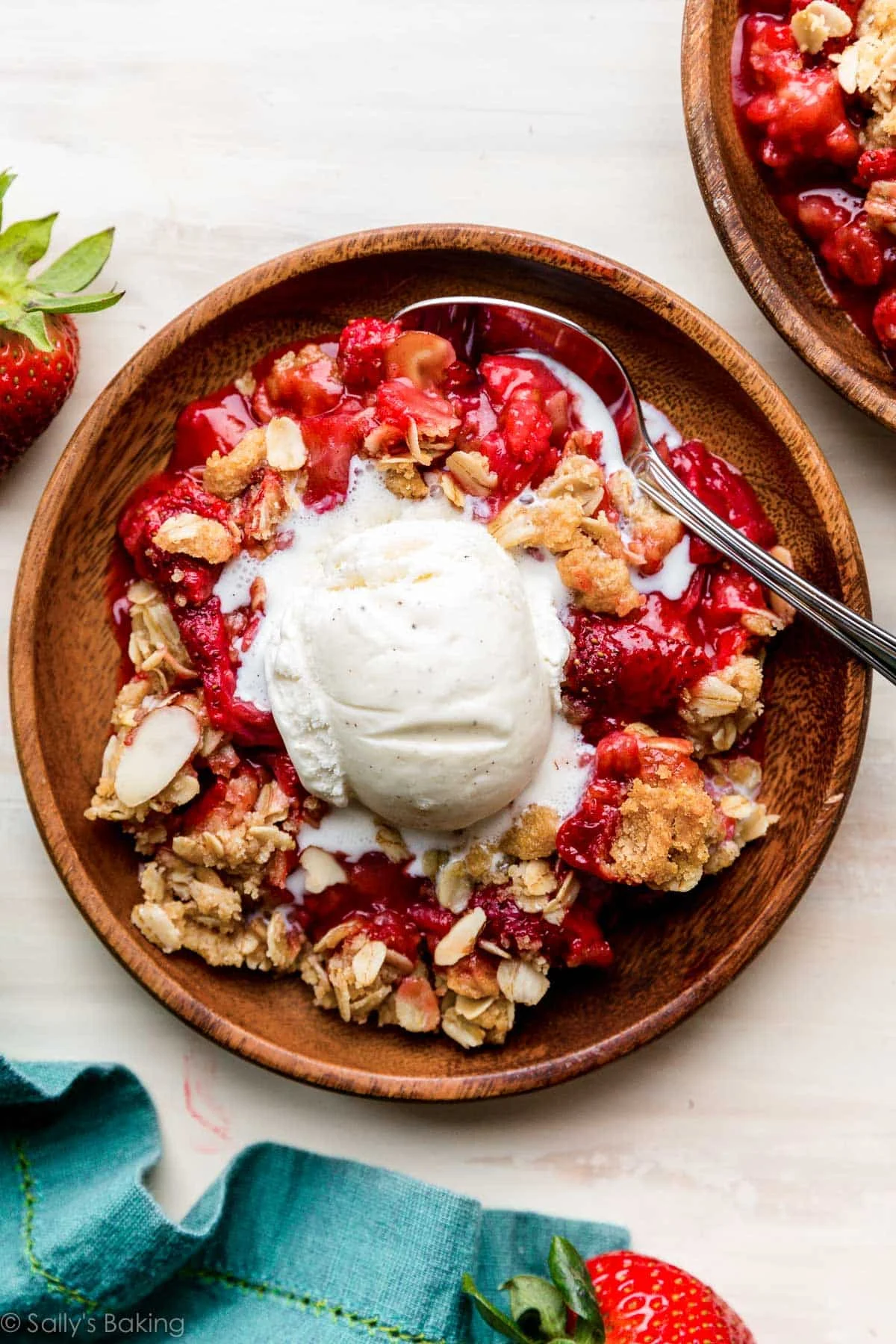
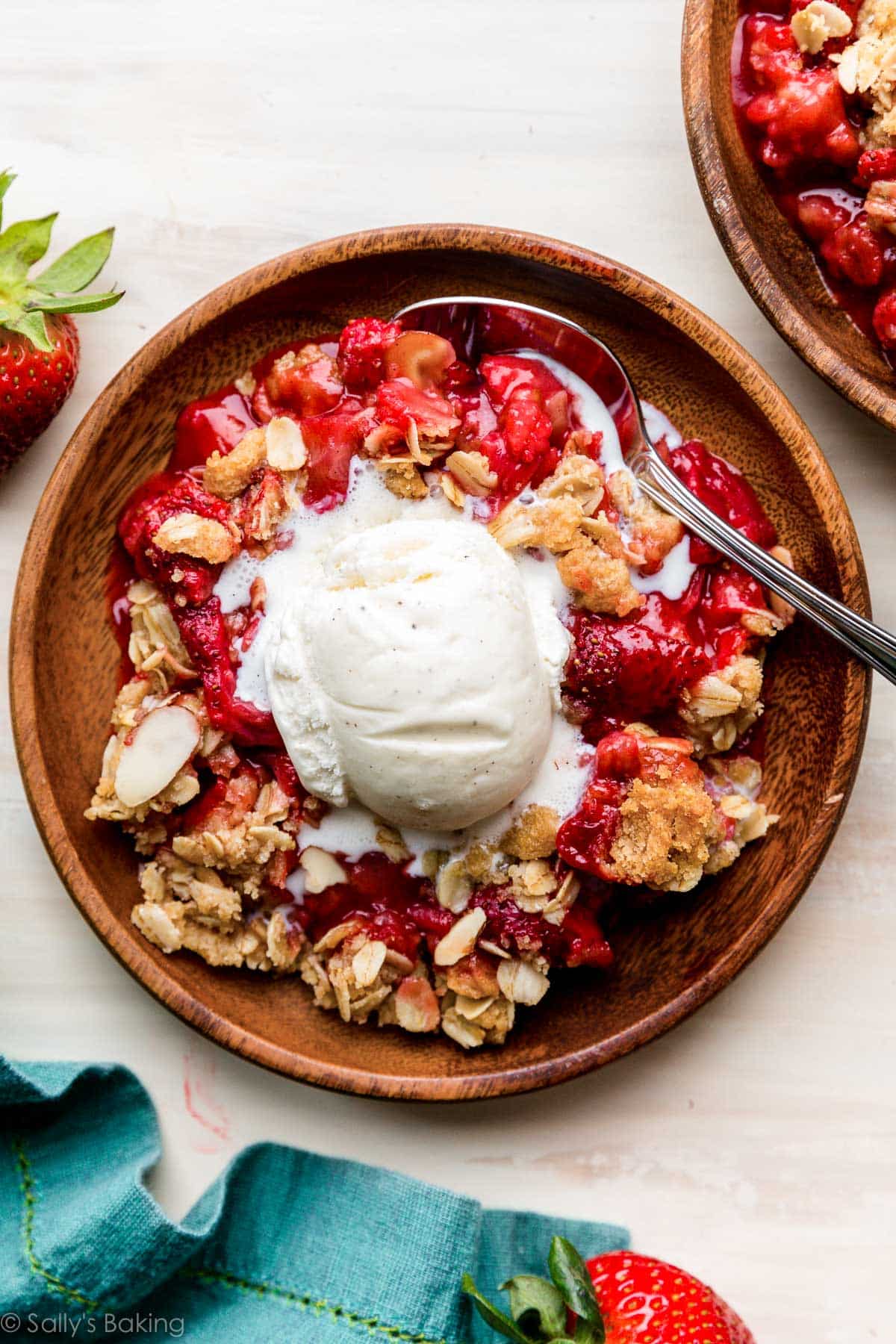
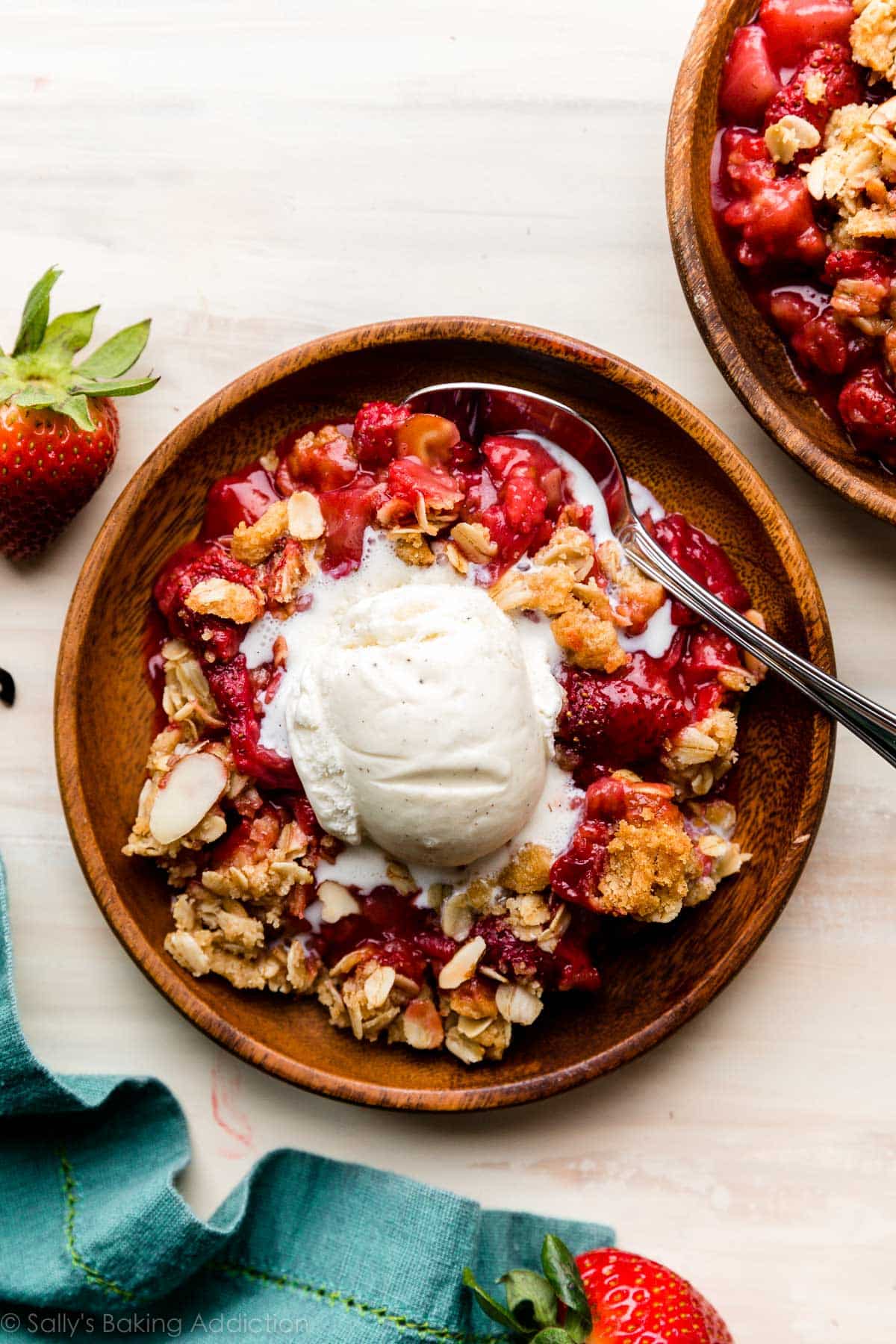
- Strawberry Vanilla Crisp: Offering a simpler alternative to a pie, the strawberry vanilla crisp features a warm, juicy strawberry filling infused with vanilla, topped with a crunchy, cinnamon-spiced brown sugar oat streusel. This dessert is a favorite for its ease of preparation and comforting warmth, often served à la mode with a scoop of vanilla ice cream, which melts into the fruit, enhancing the flavor.
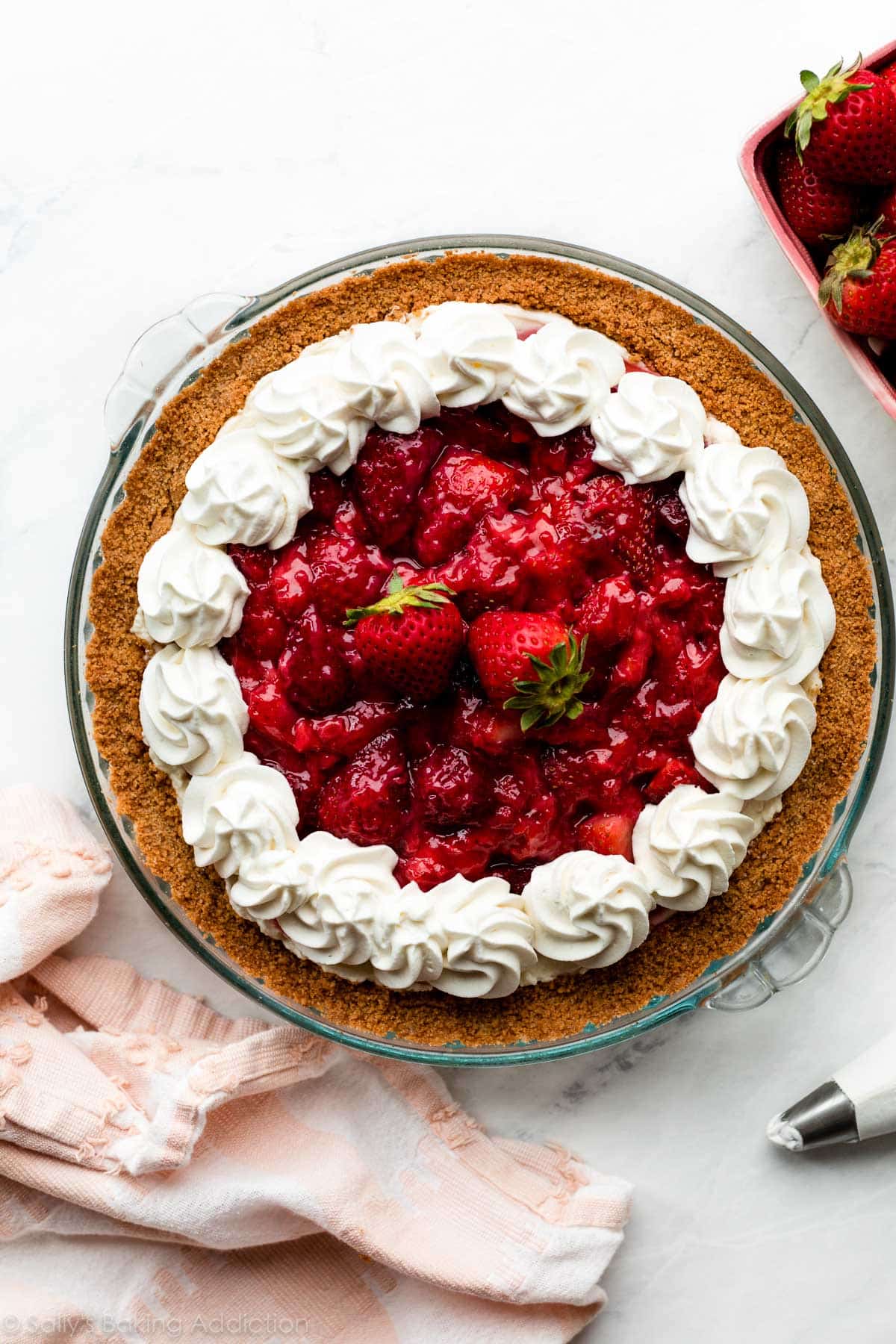
- Strawberry Cream Cheese Pie: A popular no-bake option, this pie combines a buttery graham cracker crust with a light, mousse-like whipped cheesecake filling, crowned with a vibrant, jammy fresh strawberry topping. It’s particularly appealing for warmer weather when oven use is less desirable and offers a delightful contrast in textures and temperatures.
Cakes and Cupcakes: Elevated Strawberry Elegance
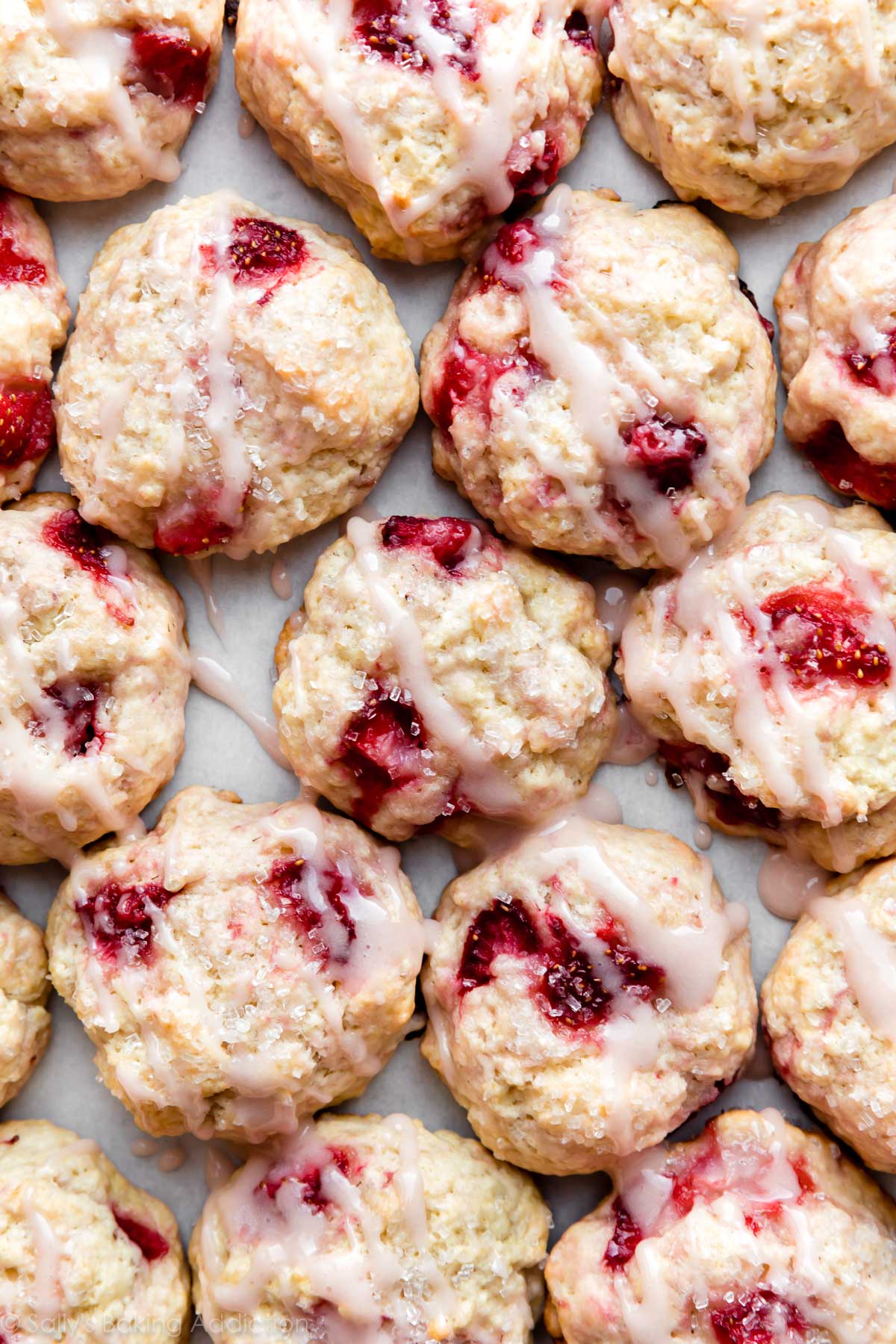
Strawberries elevate baked goods to celebratory status, infusing cakes and cupcakes with their distinctive flavor and appealing pink hues.
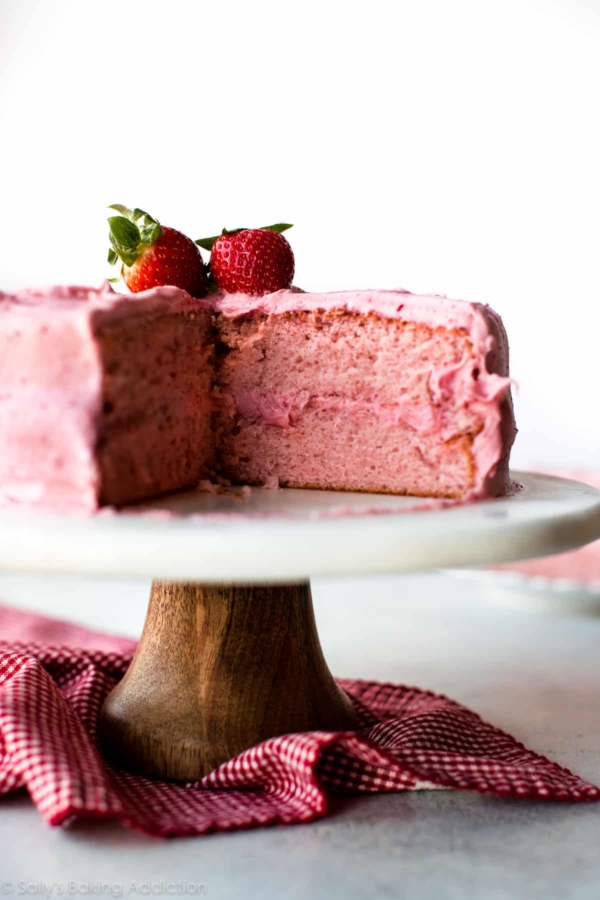
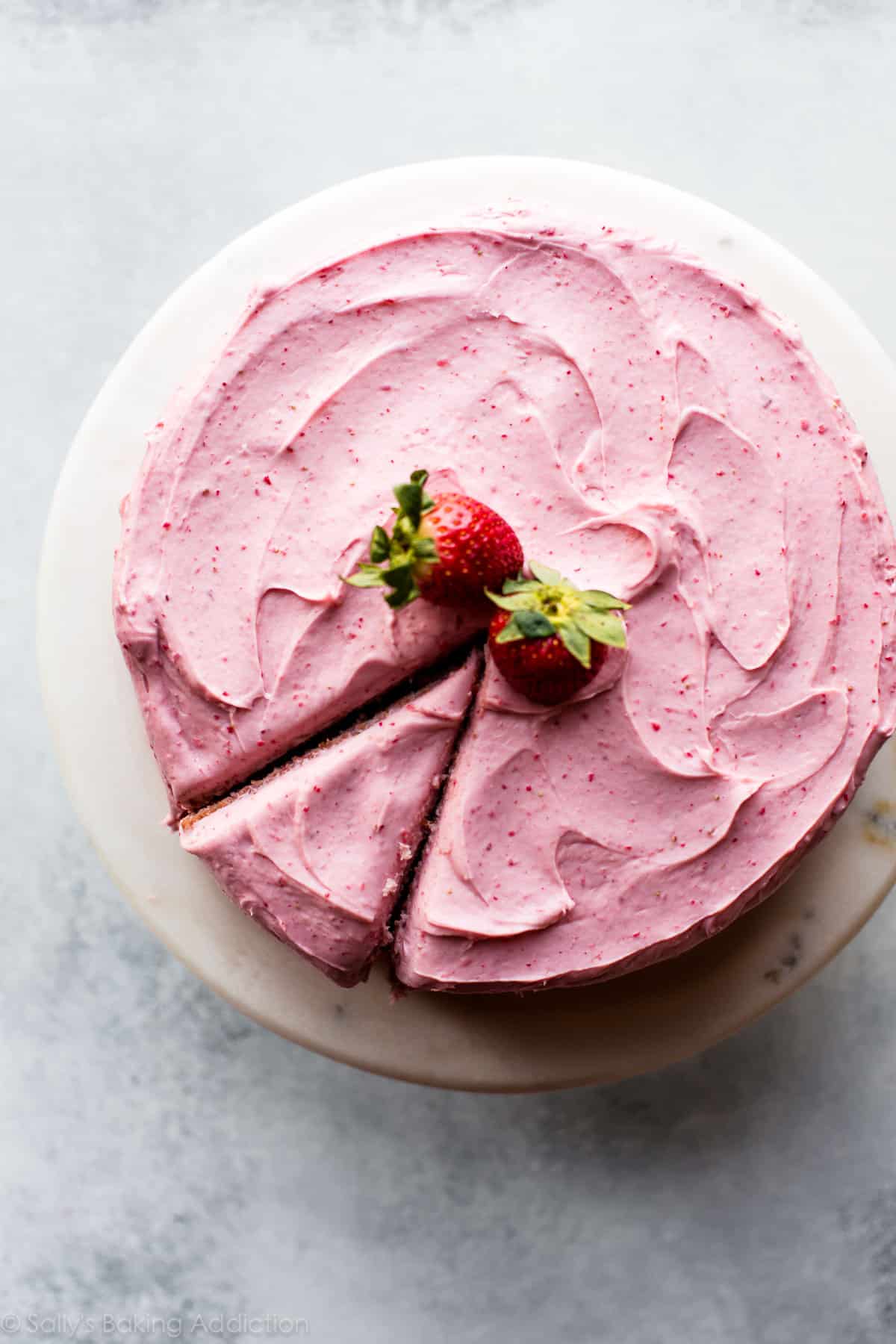
- Homemade Strawberry Cake: This recipe prioritizes authentic strawberry flavor, eschewing artificial ingredients. It achieves its rich taste and natural pink color through the incorporation of reduced strawberry puree directly into the batter and freeze-dried strawberries in the cream cheese frosting. This method intensifies the fruit’s essence, resulting in a cake that is both visually stunning and profoundly flavorful. This particular recipe has gained significant acclaim, even being featured in Sally’s Baking 101, a New York Times best-selling cookbook.
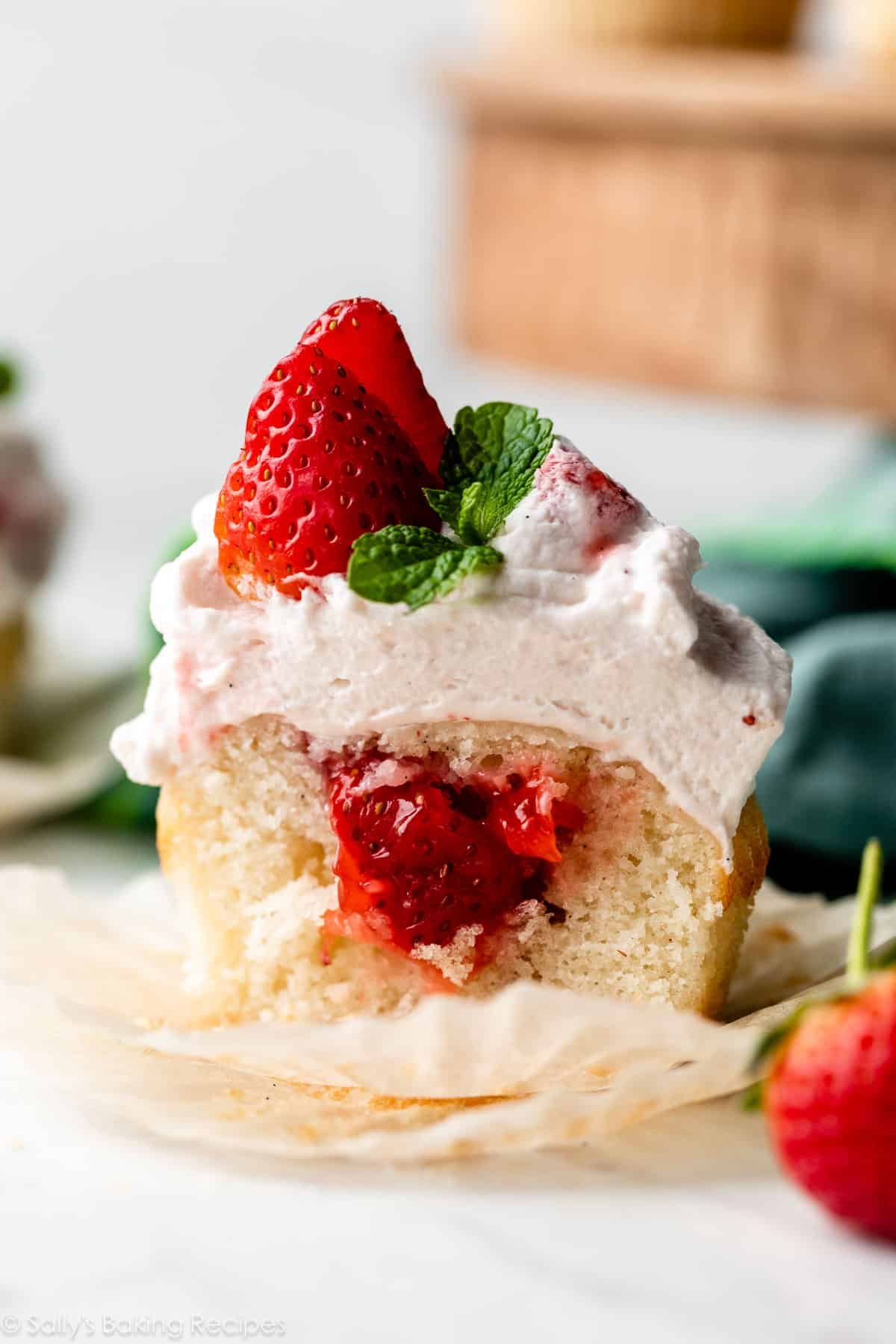
- Strawberry Shortcake Cupcakes: Taking the beloved flavors of strawberry shortcake into individual portions, these cupcakes are often infused with vanilla bean, filled with homemade strawberry compote, and topped with a light strawberry whipped cream. They provide a convenient and charming way to serve this classic dessert, perfect for parties and gatherings.
- Strawberry Cupcakes with Strawberry Buttercream: These fluffy cupcakes burst with fresh strawberry flavor in both the cake and the creamy buttercream frosting. The use of real strawberries ensures an authentic and delightful berry experience, making them a vibrant addition to any dessert spread.
- Strawberry Cake Roll: A true showstopper, this dessert features a light and airy cake batter rolled around a filling of fresh strawberries and cream. Achieving a perfect roll requires technique but results in a visually impressive dessert that looks professionally crafted and delivers intense strawberry flavor