
For those seeking the ideal accompaniments to the beloved Polish dumpling, pierogi, a culinary journey awaits. This comprehensive guide delves into a curated selection of side dishes and toppings that have been meticulously tested and refined, offering both simplicity for novice cooks and sophisticated flavor profiles for the seasoned chef. Drawing on generations of Polish culinary tradition, combined with a modern understanding of flavor dynamics, these pairings are designed to enhance the inherent deliciousness of pierogi, regardless of their filling.
The versatility of pierogi is one of their most appealing attributes. Whether filled with the comforting embrace of mashed potatoes and cheese, the earthy tang of sauerkraut, the savory depth of mushrooms, the subtle sweetness of pumpkin, or even the bright zest of fruit, there exists a complementary dish to elevate every iteration. The key lies in understanding how different flavors and textures interact, creating a harmonious dining experience. This exploration aims to provide a roadmap for achieving that perfect balance, ensuring that every pierogi meal is a memorable one.
The Classic Foundation: Sour Cream and Sautéed Onions
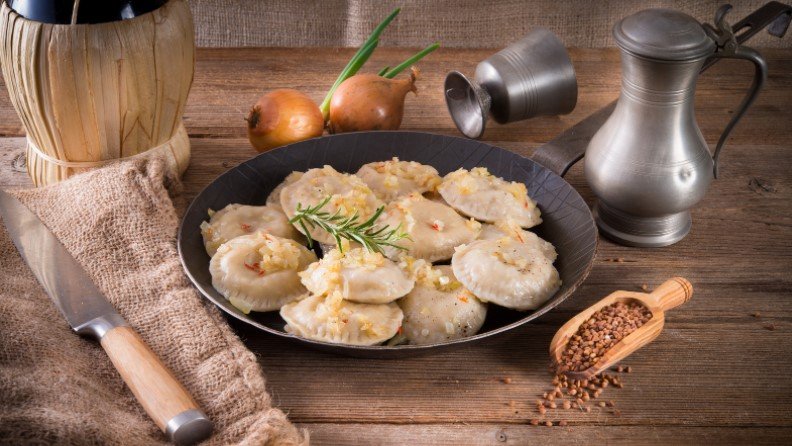
At the heart of any exceptional pierogi experience lie two indispensable elements: sour cream and sautéed onions. These are not merely suggestions but foundational components that have graced Polish tables for centuries. Their enduring popularity stems from their ability to provide a creamy, tangy counterpoint and a sweet, savory depth that perfectly complements the often rich and hearty pierogi.
Sour Cream: The Ubiquitous Enhancer
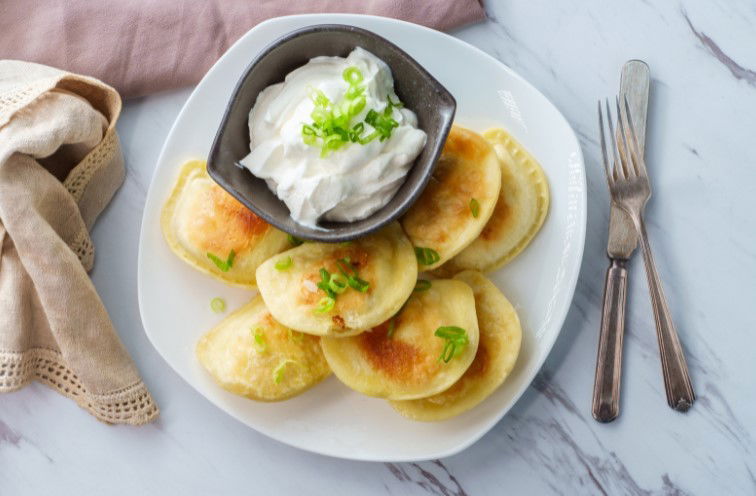
Sour cream stands as the quintessential topping for pierogi, a testament to its remarkable ability to enhance flavor without overwhelming it. A simple dollop of cool, tangy sour cream on a warm, pan-fried pierogi transforms a good dish into a great one. Its creamy texture coats the palate, mellowing any sharpness from the filling and providing a refreshing contrast to the crispy exterior of a well-prepared dumpling. The historical significance of dairy products in Eastern European cuisine cannot be overstated, and sour cream’s role in this context is deeply ingrained. It is a staple that has been passed down through generations, becoming an almost automatic accompaniment for many.
Even when a more elaborate meal is planned, sour cream remains a crucial element. Its presence ensures that the pierogi themselves are highlighted, providing a familiar and comforting base note to the entire dish. For those who enjoy a truly classic preparation, a generous spoonful of sour cream is non-negotiable. The slight acidity of sour cream also aids in cutting through the richness of some pierogi fillings, such as those with cheese or meat, making the overall meal more balanced and less heavy.
Sautéed Onions: The Sweet and Savory Symphony
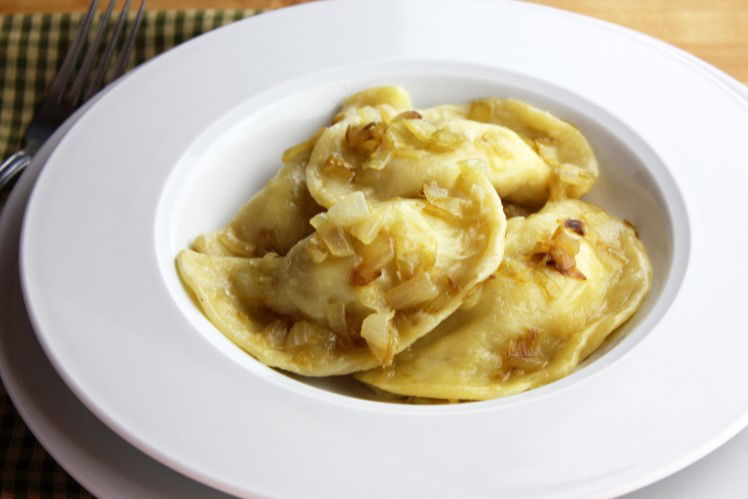
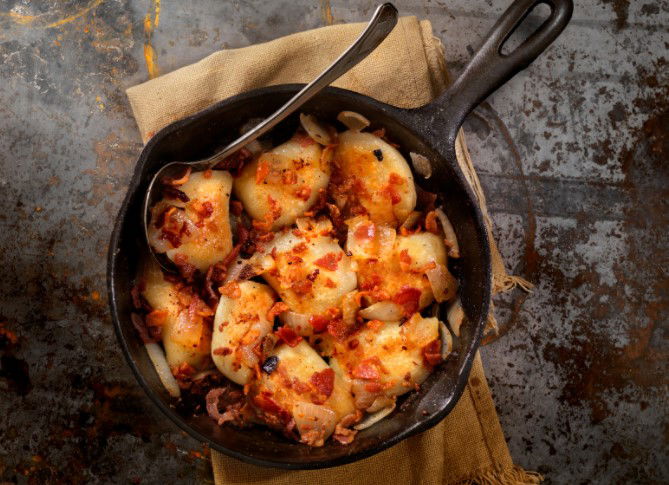
Sautéed onions are the other half of this classic pairing, offering a sweet, caramelized depth that harmonizes beautifully with the savory notes of most pierogi fillings. When pierogi are pan-fried, a process that often involves butter or other fats, the addition of thinly sliced onions to the same pan creates a natural synergy. The onions soften and sweeten, developing a rich, slightly browned flavor that clings to the pierogi.
The process of caramelizing onions is an art form in itself, and the patience required is rewarded with an intensely flavorful addition. This can be achieved by cooking the onions low and slow, allowing their natural sugars to break down and create a jammy, sweet consistency. Alternatively, a quicker sauté will still yield delicious results, with tender onions and delightfully browned bits clinging to their edges. The beauty of this pairing lies in its simplicity and the depth of flavor it imparts. The sweet, buttery notes of the onions, when combined with the bright tang of sour cream, create a flavor profile that is both comforting and sophisticated. Many home cooks will attest to the one-pan wonder of sautéing onions before frying their pierogi, minimizing cleanup while maximizing flavor. The rendered bacon fat, if used in the onion sauté, adds another layer of savory complexity.
Beyond the Classics: Expanding the Palate
While sour cream and onions form the bedrock of pierogi enjoyment, the culinary landscape offers a wealth of other exciting possibilities. These expanded pairings introduce new dimensions of flavor and texture, catering to a wider range of palates and occasions.
Brown Butter and Herbs: A Nutty Elegance
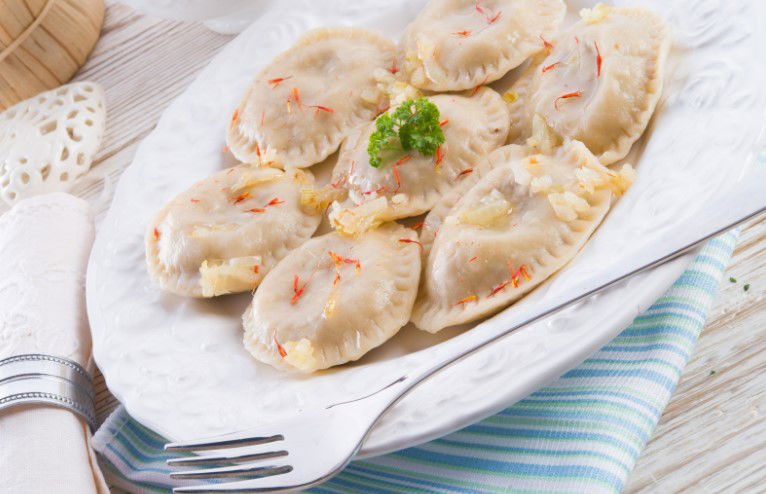
For those seeking a touch of refined elegance, a brown butter sauce infused with fresh herbs offers a sophisticated yet surprisingly simple accompaniment. The process of browning butter, often perceived as daunting, is in fact quite straightforward. It involves gently heating butter until the milk solids toast to a rich, nutty brown. This transformation imbues the butter with a complex, aromatic flavor that is far more nuanced than its liquid state.
The key to successful brown butter is patience and constant attention. Using a heavy-bottomed pan and medium heat allows for controlled browning, preventing the butter from burning. As the butter melts, it will foam, and then a distinct nutty aroma will emerge, signaling that it is ready. At this stage, adding fresh herbs, such as parsley, chives, or dill, infuses the sauce with their vibrant essence. The toasted milk solids, when incorporated into the sauce, add a delightful texture and depth. This brown butter and herb sauce is exceptionally versatile, pairing well with a variety of pierogi fillings and complementing other side dishes without overpowering them. It provides a rich, savory base that highlights the delicate dough and flavorful fillings of the pierogi.
Cabbage or Brussels Sprouts and Bacon: A Hearty Embrace
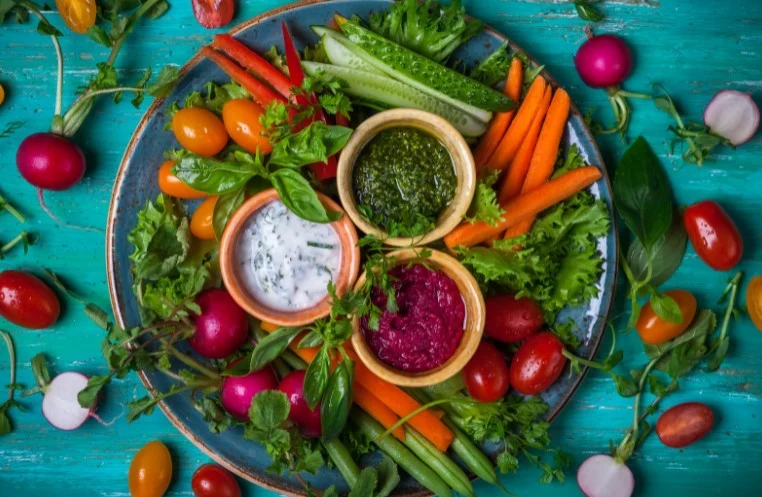
When a more substantial and robust side is desired, the combination of cabbage or Brussels sprouts with crispy bacon emerges as a compelling choice. This pairing introduces a delightful textural contrast and a smoky, savory dimension that complements the soft pierogi beautifully. It offers a way to add heartiness to the meal without resorting to a full protein course.
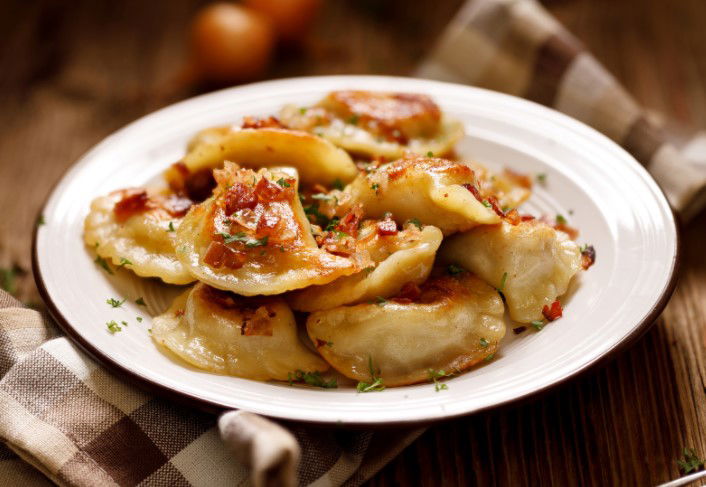
The preparation is elegantly simple: bacon is rendered until crisp, and its flavorful fat is then used to sauté shredded cabbage or finely chopped Brussels sprouts. The rendered bacon grease acts as a natural flavor enhancer, imbuing the vegetables with its smoky essence. This dish can be served as a standalone side or incorporated directly onto the pierogi as a topping. The slightly bitter notes of the cabbage or Brussels sprouts, balanced by the salty, crispy bacon, create a satisfying counterpoint to the mild dough and fillings of the pierogi. This combination is particularly well-suited for pierogi with sauerkraut or potato and cheese fillings, where the earthy and savory notes can be further amplified.
Kielbasa: The Quintessential Polish Sausage
No exploration of pierogi pairings would be complete without acknowledging the integral role of kielbasa, the iconic Polish sausage. Kielbasa, whether boiled or pan-fried, provides a hearty and filling protein element that is a natural companion to pierogi. Its availability in most grocery stores makes it an accessible and convenient addition to any pierogi meal.
The traditional method of preparing kielbasa for pierogi often involves slicing it into angled medallions and pan-frying them until golden brown. A particularly beloved preparation involves a touch of sweetness: frying the kielbasa and then tossing it with jarred apricot preserves. The resulting sweet and salty glaze creates a wonderfully complex flavor profile that marries perfectly with the savory pierogi. This fusion of savory sausage and sweet fruit is a testament to the ingenuity and rich culinary heritage of Polish cuisine. Kielbasa’s robust flavor and satisfying texture make it an ideal partner for pierogi, transforming a simple dish into a complete and hearty meal.

Pork: A Versatile Protein Powerhouse
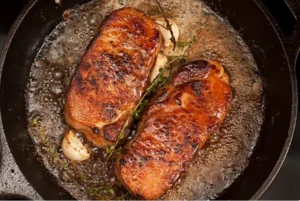
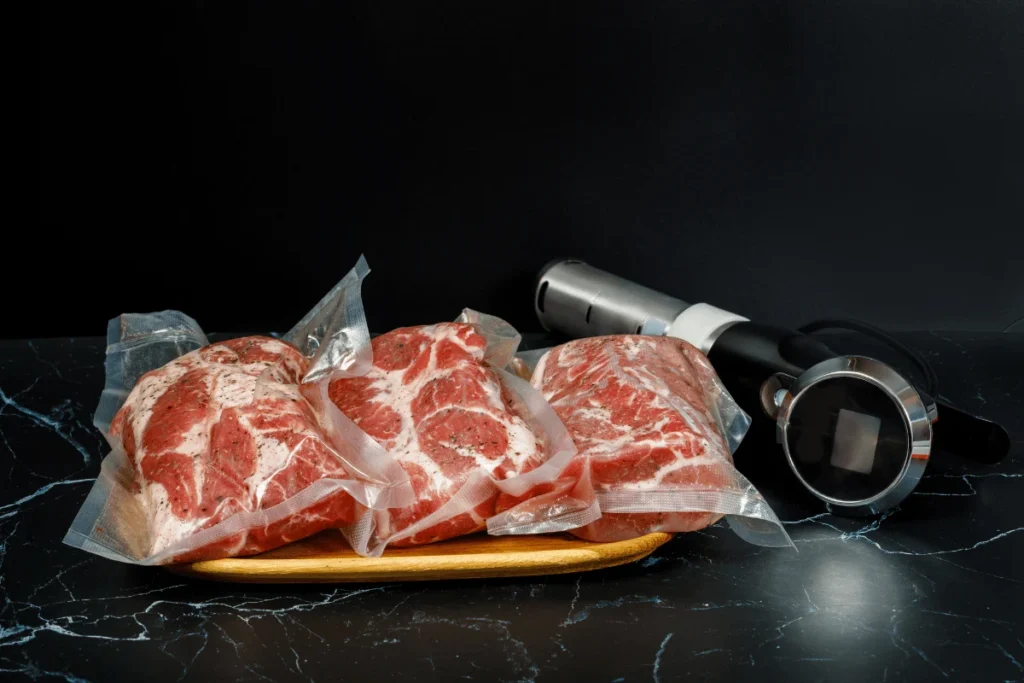
Pork, in its myriad forms, offers a broad spectrum of possibilities when it comes to pairing with pierogi. From crispy bacon to succulent pork chops, seared tenderloin, or even pulled pork, this versatile meat is a strong contender for rounding out a pierogi meal, often providing an economical yet satisfying protein.
The traditional Polish meal often features pork alongside pierogi and sauerkraut, a combination that speaks to the deep-rooted culinary traditions of the region. The savory richness of pork complements the mildness of the pierogi dough and the tang of sauerkraut. Many cooks prefer to utilize the flavorful rendered fat and browned bits from pan-frying pork to subsequently cook their pierogi, maximizing flavor and minimizing waste. This practice is a hallmark of resourceful home cooking, where every element contributes to the final taste. For those with a penchant for fusion cuisine, a slow-roasted, marinated pork shoulder (Pernil, a Puerto Rican specialty) can offer a stunning counterpoint to fried pierogi with caramelized onions and sour cream, showcasing how diverse culinary influences can harmonize beautifully.
Braised Meat: Slow-Cooked Perfection
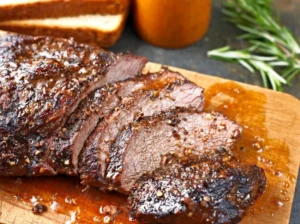
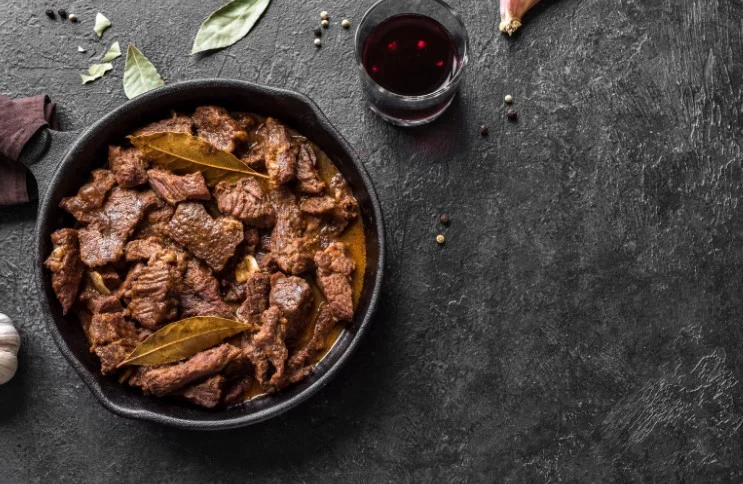
For a truly indulgent and comforting experience, braised meats offer an unparalleled pairing with pierogi. The technique of braising, which involves searing meat at high heat followed by slow, low-temperature cooking in liquid, results in exceptionally tender and flavorful results. Cuts like chuck roast, pork shoulder, ribs, or lamb shanks are ideal for braising, yielding meat that is so tender it falls apart at the touch of a fork.
When pierogi are served alongside a rich, savory braised meat, they often take on the role of the perfect side dish, absorbing the flavorful braising liquid. This transforms the pierogi into a delicious vehicle for soaking up the essence of the slow-cooked protein. The braised meat itself provides a deep, complex flavor profile that is wonderfully complemented by the simple elegance of pierogi. This approach is particularly effective when aiming for a complete, well-rounded meal, especially when accompanied by simple steamed vegetables. The ability of braised meats and pierogi to keep well and reheat effectively also makes them an excellent choice for meal preparation, offering delicious leftovers for days to come.
Pro-Tips for an Elevated Experience
To truly unlock the potential of pierogi and their accompaniments, a few expert tips can elevate the entire dining experience.
The Ultimate Combination: For a symphony of flavors and textures, consider combining several of these elements. Begin by sautéing onions until caramelized, then set them aside. Prepare a delicate brown butter and herb sauce. Finally, pan-fry your pierogi to a golden crisp. Serve the pierogi topped with the browned butter sauce, with a generous side of caramelized onions. This layered approach ensures each component shines, creating a truly exceptional dish.
The Leftover Advantage: Many of these pairings, particularly braised meats and kielbasa preparations, are excellent for meal prepping. Both braised meats and pierogi store well in the refrigerator and reheat beautifully, making them ideal for delicious leftovers throughout the week. This practicality adds another layer of appeal to these comforting dishes.
Frequently Asked Questions
A deeper understanding of pierogi preparation and serving can further enhance the enjoyment of these traditional dumplings.
How are pierogies traditionally served?
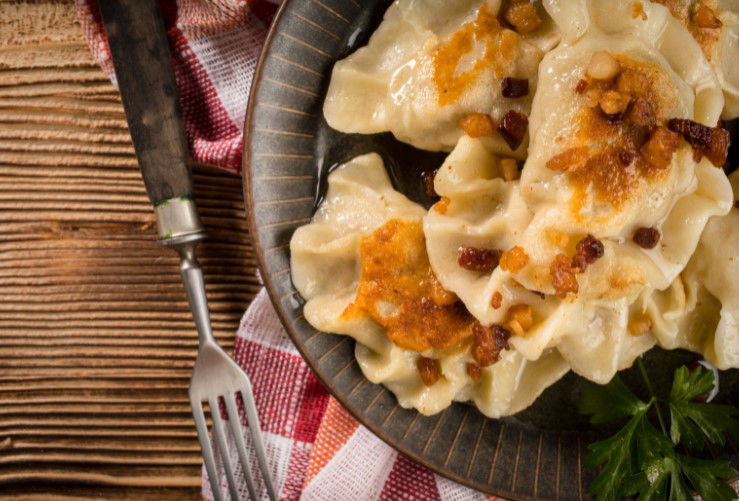
Pierogies, originating in Poland, are traditionally pan-fried until golden brown and often served with a topping of melted butter and sautéed onions. This classic preparation highlights the dumpling’s texture and flavor, with the butter and onions adding richness and savory depth.
Do you have to boil pierogies before frying them?
Pre-boiling pierogies is only necessary if they are frozen. Fresh or thawed pierogi can be directly fried without prior boiling, achieving a delightful crispy exterior and tender interior.
What do you dip pierogies in?
Pierogies are wonderfully versatile and can be dipped in a variety of accompaniments. Classic options include melted butter or a dollop of cool, tangy sour cream. Other popular dips can include yogurt-based sauces or even a light vinaigrette for fruit-filled varieties.
By embracing these classic and contemporary pairings, and by understanding the nuances of preparation, anyone can transform a simple plate of pierogi into an extraordinary culinary experience, celebrating the rich heritage and delicious versatility of this beloved Eastern European staple.