

The process of deciphering nutrition labels, often perceived as a complex task akin to decoding a scientific journal, can be demystified through a focused approach that prioritizes practical application over exhaustive analysis. This method emphasizes understanding key nutritional components and their role in achieving desired meal preparation outcomes, thereby reducing grocery shopping stress and empowering consumers to make informed decisions.
The Nutritional Label: A Tool for Informed Consumerism
Nutrition labels, mandated by regulatory bodies such as the U.S. Food and Drug Administration (FDA), serve as crucial informational tools for consumers navigating the vast array of packaged foods. These labels provide a standardized breakdown of a product’s nutritional content per serving, encompassing macronutrients like fats, carbohydrates, and proteins, as well as micronutrients, sodium, sugars, and fiber. The FDA’s guidelines stipulate that labels must include information on serving size, calories, total fat, saturated fat, trans fat, cholesterol, sodium, total carbohydrates, dietary fiber, total sugars, added sugars, protein, and a selection of vitamins and minerals.
However, the sheer volume of data presented can be overwhelming. The key to effectively utilizing these labels lies not in scrutinizing every detail, but in identifying and prioritizing the information that directly relates to an individual’s dietary goals and meal preparation strategies. The objective is not to achieve perfect nutritional adherence with every purchase, but to foster a more conscious and less stressful approach to grocery selection, ultimately contributing to better dietary choices.
Understanding the Anatomy of a Nutrition Label
The standard U.S. Nutrition Facts label, as regulated by the FDA, offers a wealth of data designed to inform consumers about the nutritional profile of packaged foods. This information is typically presented in a tabular format, making it accessible for comparison. Key components include:
- Serving Size: This is the foundational element of the label, dictating the quantities of all other nutrients listed. It is crucial to note that serving sizes are standardized and may not reflect an individual’s typical consumption. The FDA provides guidance on determining appropriate serving sizes, but consumers must exercise vigilance, as many packages contain multiple servings.
- Calories: This metric indicates the energy provided by a single serving of the food. While important, calories should be considered in conjunction with the nutritional quality of the food. A high-calorie food might offer substantial nutritional benefits, while a low-calorie option could be nutritionally sparse.
- Macronutrients: This category includes total fat, saturated fat, trans fat, total carbohydrates, and protein.
- Fats: The label distinguishes between total fat, saturated fat, and trans fat. While fats are essential for bodily functions, the type and quantity consumed are critical. Unsaturated fats (monounsaturated and polyunsaturated) are generally considered healthier than saturated and trans fats.
- Carbohydrates: This includes total carbohydrates, dietary fiber, and total sugars (including added sugars). Fiber is essential for digestive health and satiety, while added sugars contribute to caloric intake without significant nutritional value.
- Protein: Protein is vital for muscle repair, growth, and satiety. Its presence and quantity can significantly impact how filling a meal is.
- Micronutrients: Certain vitamins and minerals are listed, often as a percentage of the Daily Value (%DV). These can help identify foods that are good sources of specific essential nutrients.
- Sodium: This mineral is important for fluid balance but is often consumed in excess in modern diets. High sodium intake is linked to increased risk of hypertension and cardiovascular disease.
- Ingredients List: This crucial section lists all ingredients in descending order by weight. It provides insight into the composition of the food, revealing the primary components and the presence of additives, preservatives, and sweeteners.
Navigating the Complexity: A Practical Approach
The perceived complexity of nutrition labels often stems from the sheer volume of information and the presence of marketing claims on the front of packaging. These front-of-package claims, such as "low-fat," "high-protein," or "natural," are often regulated but primarily serve as marketing tools. The substantive nutritional information resides on the back of the package, within the Nutrition Facts panel and the ingredient list.
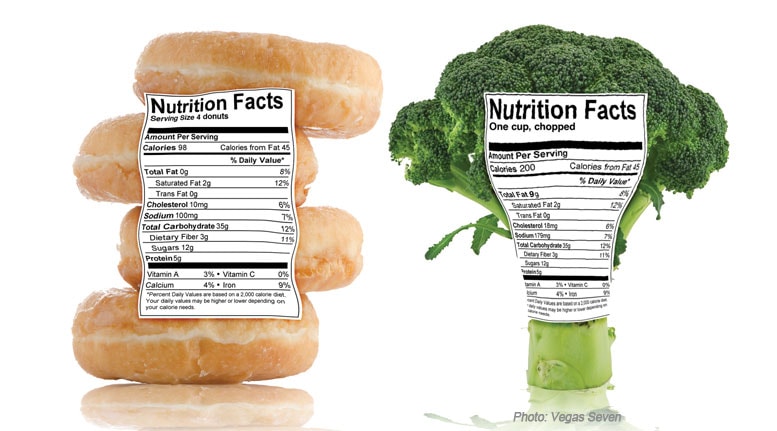
The author’s approach to nutrition labels is rooted in pragmatism, focusing on actionable insights that support meal preparation goals. This methodology involves a systematic review of specific nutritional components, prioritized based on their impact on satiety, health, and the overall composition of a meal.
Key Nutritional Components to Prioritize
1. Serving Size: The Foundation of Understanding
The initial step in analyzing a nutrition label is to meticulously examine the serving size. This figure dictates the nutritional values listed for the entire label. A common pitfall is overlooking the serving size, leading to an underestimation of actual consumption. For instance, a package of granola might list 220 calories and 10 grams of sugar per serving, but if the package contains three servings, consuming the entire bag would equate to 660 calories and 30 grams of sugar.
A practical rule of thumb is to assess whether the stated serving size aligns with realistic consumption patterns. For snacks, cereals, sauces, frozen meals, and beverages, this initial check is particularly vital. If a serving size seems unusually small or if a package is likely to be consumed in its entirety, it is imperative to mentally adjust the nutritional values accordingly. This awareness allows for more accurate calorie and nutrient intake tracking, preventing unintended overconsumption.
2. Calories: Context Over Absolute Numbers
Calories are a measure of energy, and while important, they should not be the sole determinant of a food’s healthfulness. The author emphasizes looking at calories within the context of the meal. A 500-calorie meal comprising lean protein, fiber-rich carbohydrates, vegetables, and healthy fats can be a nutritionally sound choice. Conversely, a 500-calorie snack that provides little satiety may lead to hunger shortly thereafter, undermining meal prep goals.
Instead of asking "Is this low calorie?", the more pertinent question becomes: "Does this provide sustainable energy and nutrients that align with my meal goals?" This shifts the focus from mere calorie restriction to nutritional adequacy and satiety, which are crucial for long-term adherence to meal preparation plans.
3. Protein: The Satiety Superpower
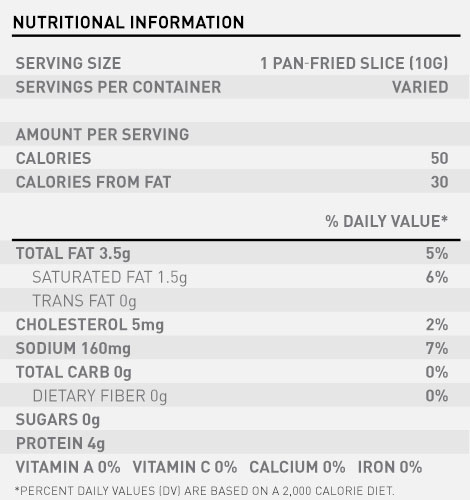
Protein is a critical macronutrient for meal preparation due to its role in promoting satiety. Adequate protein intake in meals, especially lunches, can prevent mid-afternoon hunger pangs and reduce the likelihood of unhealthy snacking. The author highlights protein as a primary consideration when comparing similar products.
Sources of protein include lean meats, poultry, fish, eggs, dairy products (yogurt, cheese), legumes (beans, lentils), tofu, tempeh, and nuts and seeds. When faced with choices between similar items like yogurts, wraps, frozen meals, or snack bars, the protein content can serve as a key differentiator, guiding the selection toward options that will provide sustained fullness.
4. Fiber: The Digestive and Satiety Ally
Dietary fiber is another essential component for meal satisfaction and digestive health. Foods rich in fiber often indicate the presence of whole grains, beans, lentils, vegetables, fruits, nuts, and seeds. The FDA recommends a daily intake of approximately 28 grams of fiber for a 2,000-calorie diet.
When comparing products, a higher fiber content is generally preferred. This is particularly relevant for items such as bread, pasta, cereals, crackers, and granola bars, where fiber can significantly enhance their satiating properties and contribute to a more balanced nutritional profile. Meals incorporating higher-fiber components are more likely to keep individuals feeling full for longer periods, supporting consistent meal prep outcomes.
5. Added Sugars: Decoding Sweetness
The distinction between naturally occurring sugars and added sugars is crucial. The updated Nutrition Facts label now clearly delineates "Added Sugars," providing a percentage of the Daily Value (%DV). The FDA defines 5% DV or less as low and 20% DV or more as high.

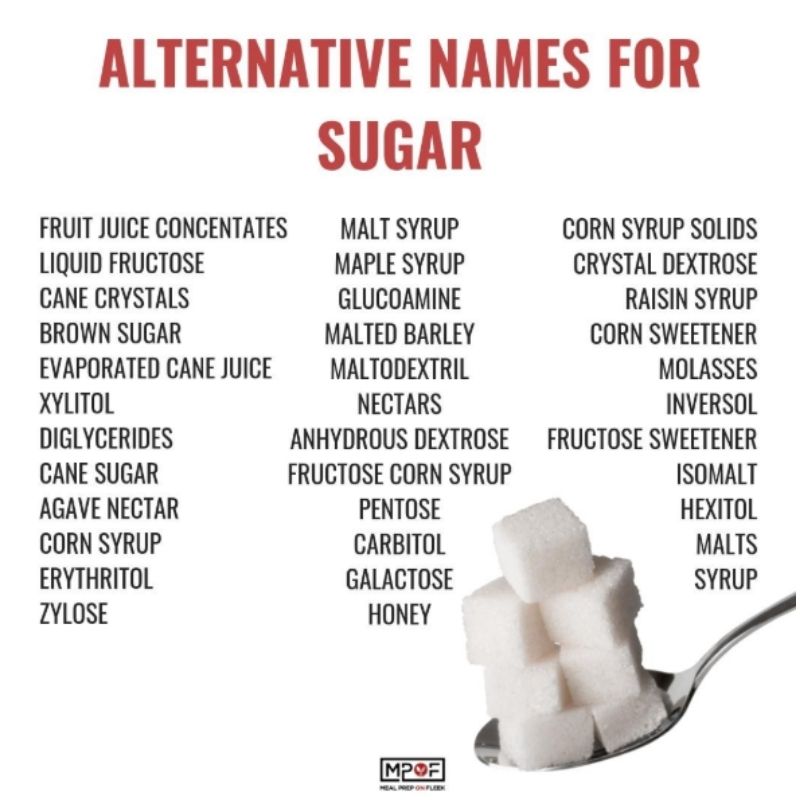
While complete sugar avoidance may not be realistic or desirable for everyone, understanding the sources and quantities of added sugars is important. Common culprits include sweetened beverages, breakfast cereals, yogurts, sauces, and baked goods. The author advocates for a mindful approach, questioning whether the added sugar in a product is "worth it" in the context of the overall meal and dietary goals. This encourages a deliberate choice to either moderate consumption or seek alternatives.
6. Sodium: The Silent Contributor to Excess
Sodium, an essential mineral, is frequently consumed in excessive amounts, particularly from processed and packaged foods. The FDA recommends a daily limit of 2,300 milligrams of sodium. Packaged foods, frozen meals, sauces, deli meats, soups, and seasoning blends are significant sources.
When meal prepping, it is important to be mindful of the cumulative sodium content of a meal. If one component is high in sodium, it can be balanced with lower-sodium ingredients. Strategies include pairing high-sodium items with plain rice, roasted vegetables, fresh herbs, or homemade sauces. This approach emphasizes balance rather than strict elimination, ensuring meals are flavorful and satisfying without compromising health.
7. Fats: Quality Over Quantity
Fats are not inherently detrimental; they are essential for nutrient absorption, hormone production, and providing flavor and satiety to foods. The focus should be on the types of fats consumed and the overall balance. The author pays closer attention to saturated fats and trans fats, which are generally advised to be limited. The FDA suggests a daily limit of 20 grams of saturated fat for a 2,000-calorie diet.
Preference is given to foods containing unsaturated fats, such as those found in avocados, nuts, seeds, olive oil, and fatty fish. Understanding the fat profile of a food allows for informed choices that contribute to a well-rounded dietary pattern.
8. Ingredient List: The Unvarnished Truth

The ingredient list offers an unfiltered view of a food’s composition. Ingredients are listed by weight, with the most abundant ingredient appearing first. This hierarchy provides immediate insight into what a product is primarily made of. If sugar, oils, or refined flours are among the first few ingredients, it signals a higher proportion of these components.
Key questions to ask when reviewing ingredients include: "Is this mostly whole foods?" and "Are there ingredients I don’t recognize or understand?" While not every ingredient list needs to be pristine, a clear and comprehensible list contributes to a better understanding of the food’s origin and processing.
9. Deconstructing Front-of-Package Claims
Front-of-package claims, while attention-grabbing, should be treated with caution. Terms like "low-fat," "high-protein," "organic," or "gluten-free" are not exhaustive indicators of a food’s overall healthfulness. "Low-fat" does not automatically equate to "healthy," and "organic" does not preclude high sugar content. The author’s rule is to use the front label for initial interest and the back label for making informed decisions.
10. Contextualizing Labels for Meal Building
The most effective way to utilize nutrition labels is to consider them in the context of the meal being assembled. Instead of judging foods in isolation, understanding how they fit into a larger dietary picture is key.
- Pasta Sauce: When choosing pasta sauce, one might check for added sugars, sodium, and overall calorie count. If the sauce has a slightly higher sodium content, it can be balanced with lean protein (like ground turkey), whole-grain pasta, and plenty of vegetables.
- Yogurt: For yogurt, especially for meal prep snacks, the focus would be on protein content to ensure satiety, along with added sugars.
- Frozen Meals: For frozen meals, a comprehensive review of calories, sodium, protein, and fiber is recommended. Consideration should also be given to whether additional components, such as fresh vegetables or a side salad, are needed to enhance nutritional completeness.
Understanding Common Labeling Terms
Consumers often encounter various terms on food packaging that denote specific nutritional characteristics. A clear understanding of these terms, as defined by regulatory bodies, is essential for accurate interpretation:

| Term | Definition (per serving, unless otherwise specified) |
|---|---|
| Fat-free | Less than 0.5 grams of fat |
| Calorie-free | Less than 5 calories |
| % Fat-Free | At least 95% fat-free |
| Saturated Fat-Free | Less than 0.5 grams of saturated fat |
| Low-Fat | 3 grams of fat or less |
| Low-Calorie | 40 calories or less |
| Low-Sodium | 140 milligrams (mg) of sodium or less |
| High-Fiber | 5 grams or more of fiber |
These definitions, provided by the FDA, offer a standardized framework for evaluating claims. However, they underscore the importance of referring to the complete Nutrition Facts label for a comprehensive understanding of a product’s nutritional profile.
Consolidating the Approach to Nutrition Labels
In summary, the author’s practical approach to nutrition labels involves:
- Prioritizing: Focusing on serving size, calories, protein, fiber, added sugars, sodium, and the ingredient list.
- Contextualizing: Evaluating nutrients in relation to personal goals and meal composition.
- Balancing: Using knowledge of nutritional components to create well-rounded meals.
- Simplifying: Avoiding fixation on perfection and embracing a pragmatic approach.
- Empowering: Using labels as tools to make confident grocery decisions.
Beyond the Label: A Holistic View of Food
While nutrition labels are invaluable resources, understanding food extends beyond the information presented on packaging. A more comprehensive approach includes considering how food is grown, the ingredients used, and its overall fit within a desired lifestyle.
1. The Significance of USDA Organic
For consumers prioritizing the avoidance of Genetically Modified Organisms (GMOs), the USDA Organic seal is a valuable indicator. This certification prohibits the use of genetic engineering in both seeds and ingredients. However, it is crucial to remember that "organic" does not inherently mean lower in calories, sugar, or sodium. Therefore, cross-referencing with the Nutrition Facts label and ingredient list remains essential.
2. Navigating Produce Stickers (PLU Codes)
Produce stickers feature Price Look-Up (PLU) codes, which can offer some insight into a fruit or vegetable’s origin. A five-digit code beginning with "9" generally signifies organic produce, while a four-digit code typically indicates conventionally grown items. However, PLU codes are primarily for retail purposes and should not be the sole determinant of a product’s GMO status.
3. Understanding Common GMO Crops
Certain crops are more commonly available in GMO varieties in the U.S., including alfalfa, apples, canola, corn, cotton, papaya, potatoes, soybeans, summer squash, and sugar beets. This awareness can inform purchasing decisions, especially for consumers who wish to avoid GMOs.
4. The Universal Benefit of Fruits and Vegetables
Regardless of origin, increasing fruit and vegetable consumption remains a cornerstone of a healthy diet. For budget-conscious consumers, conventional produce still offers significant nutritional value. The priority should be on consistent intake rather than exclusive reliance on organic options, which may be more expensive.
5. Unpacking Packaged Food Ingredients and GMOs
GMO-derived ingredients, such as cornstarch, corn syrup, soybean oil, and sugar derived from sugar beets, are prevalent in many packaged foods. Consumers seeking to avoid GMOs should scrutinize ingredient lists and look for certifications like USDA Organic or Non-GMO Project Verified.
6. Meat, Dairy, and Eggs: Feed Matters
The feed consumed by animals raised for meat, dairy, and eggs can sometimes include GMO crops. Products certified organic or carrying specific non-GMO verification labels address this concern. For many consumers, balancing these considerations with budget and availability is key.
7. Sourcing Seafood Wisely
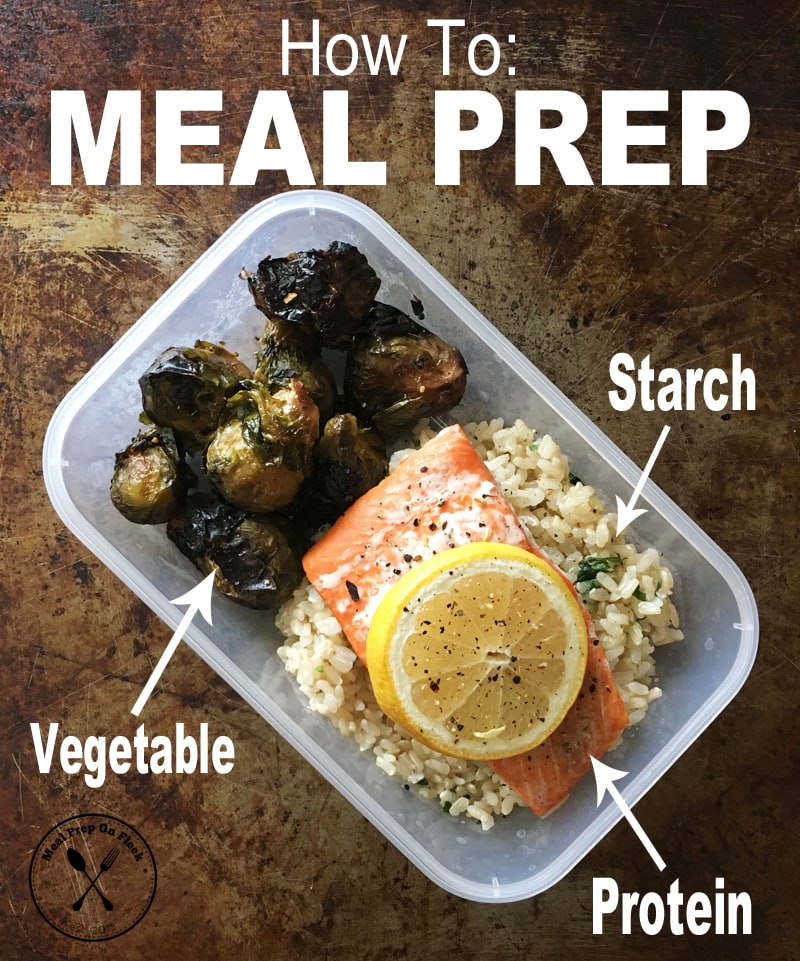
Some farmed fish may be fed GMO-containing feed. Opting for wild-caught seafood can be a way to mitigate this concern. Additionally, seafood’s quick cooking time and versatility make it an excellent choice for efficient meal preparation.
8. The Convenience of Frozen Produce
Frozen fruits and vegetables offer a convenient and nutrient-dense option for meal prep. They are often flash-frozen at peak freshness, preserving their nutritional value. Consumers concerned about GMOs should check labels, particularly for high-risk crops.
9. Stocking Up on Versatile Staples
Dry beans, lentils, rice, oats, nuts, and seeds are budget-friendly, versatile staples that simplify meal preparation. When purchasing flavored or seasoned versions, it’s important to check ingredient lists for hidden sugars, sodium, and oils.
10. Reading Labels Without Overwhelm
The ultimate goal is to foster confidence in food choices, not to instill fear. This involves understanding that:
- Labels are guides, not rigid rules.
- Perfection is not the objective; informed decisions are.
- The focus is on building meals that support well-being.
By adopting a structured, prioritized, and contextual approach to nutrition labels, consumers can transform a potentially daunting task into an empowering strategy for making healthier, less stressful food choices and achieving their meal preparation goals.