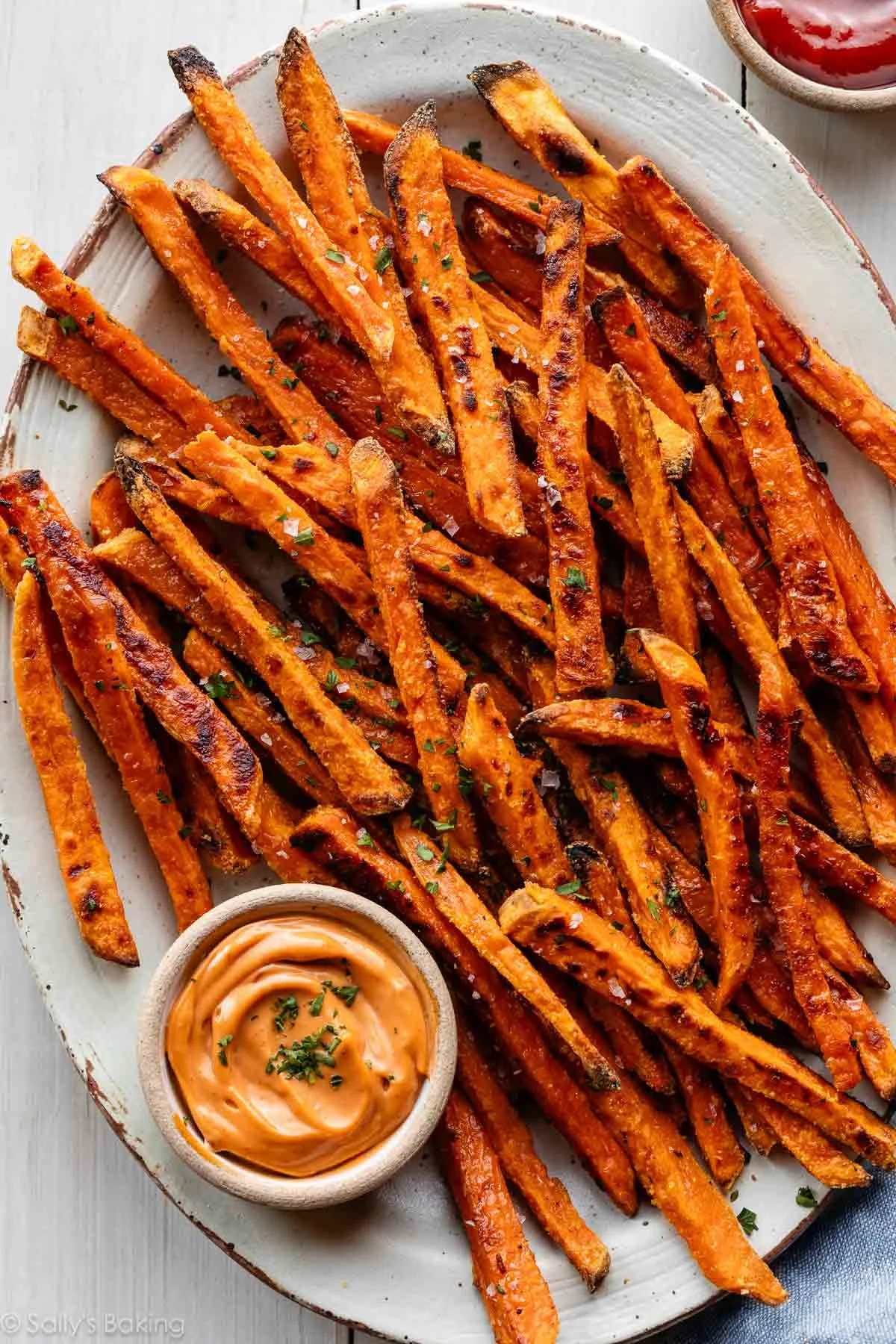

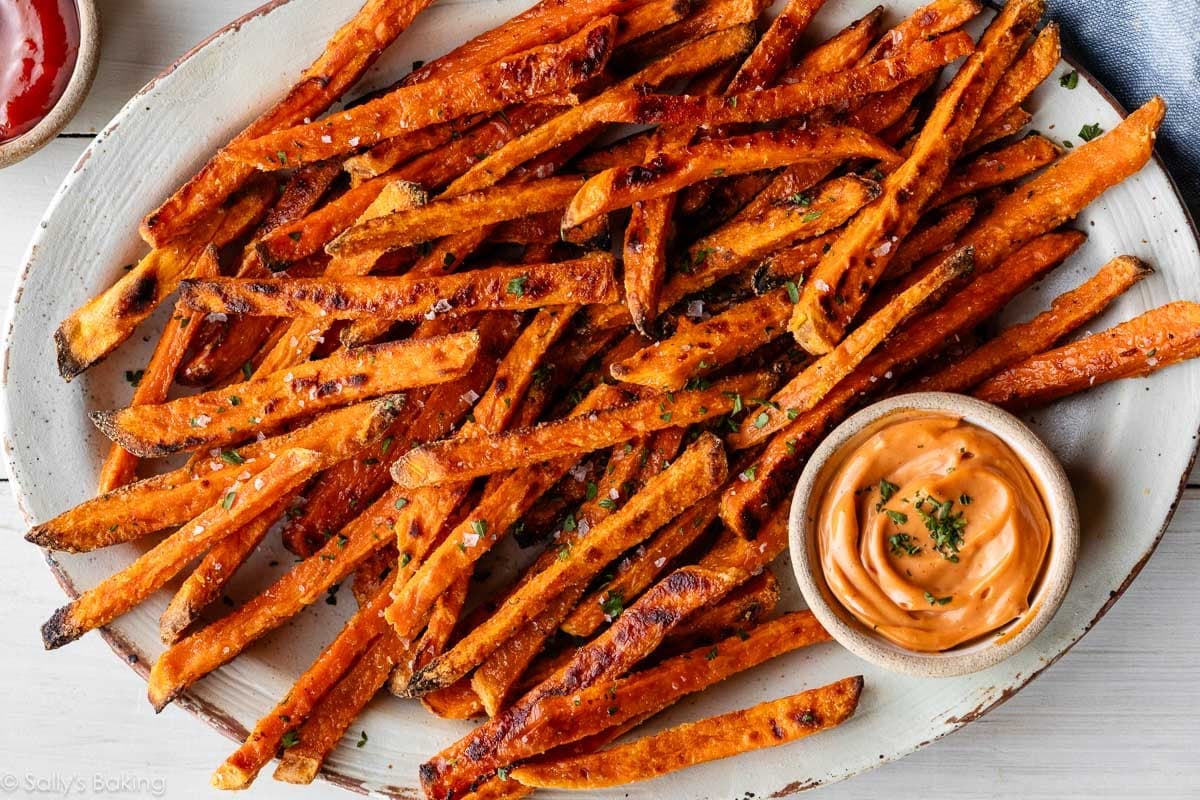
The pursuit of perfectly crispy sweet potato fries, a culinary goal often thwarted by soggy results, is now definitively achievable through a meticulously refined methodology that leverages both scientific principles and practical kitchen techniques. This reliable approach transforms the often-challenging sweet potato into a consistently crisp-edged, tender-centered side dish, establishing it as a versatile staple in contemporary home kitchens. Originally documented in 2013 and subsequently updated with enhanced tips and alternative cooking methods, this recipe addresses the inherent challenges posed by the sweet potato’s unique composition.
The Sweet Potato Phenomenon: Background and Nutritional Context
The sweet potato (Ipomoea batatas), a root vegetable distinct from the common potato, boasts a rich history dating back thousands of years to its origins in Central and South America. Its cultivation spread globally following European exploration, becoming a significant food source across continents due to its adaptability and nutritional density. Today, sweet potatoes are cultivated worldwide, with China being the largest producer. Beyond their historical significance, sweet potatoes are lauded for their impressive nutritional profile, offering a robust supply of beta-carotene (a precursor to Vitamin A), Vitamin C, manganese, B vitamins, and dietary fiber. They also possess a lower glycemic index compared to white potatoes, contributing to more stable blood sugar levels.
However, the very characteristics that make sweet potatoes nutritionally superior—namely, their higher moisture content (approximately 77% compared to 79% for white potatoes, but with more complex carbohydrate structures that bind water differently) and elevated sugar levels (about 4.2% sugars vs. 0.3% in white potatoes)—present a distinct challenge when aiming for crispness in cooking. While the sugars contribute to a desirable caramelization and flavor, the excess moisture can lead to steaming rather than roasting, resulting in a limp, unappetizing texture when subjected to conventional baking methods. Overcoming this requires a targeted understanding of moisture management and heat application.
The Science of Crispness: Key Methodological Insights
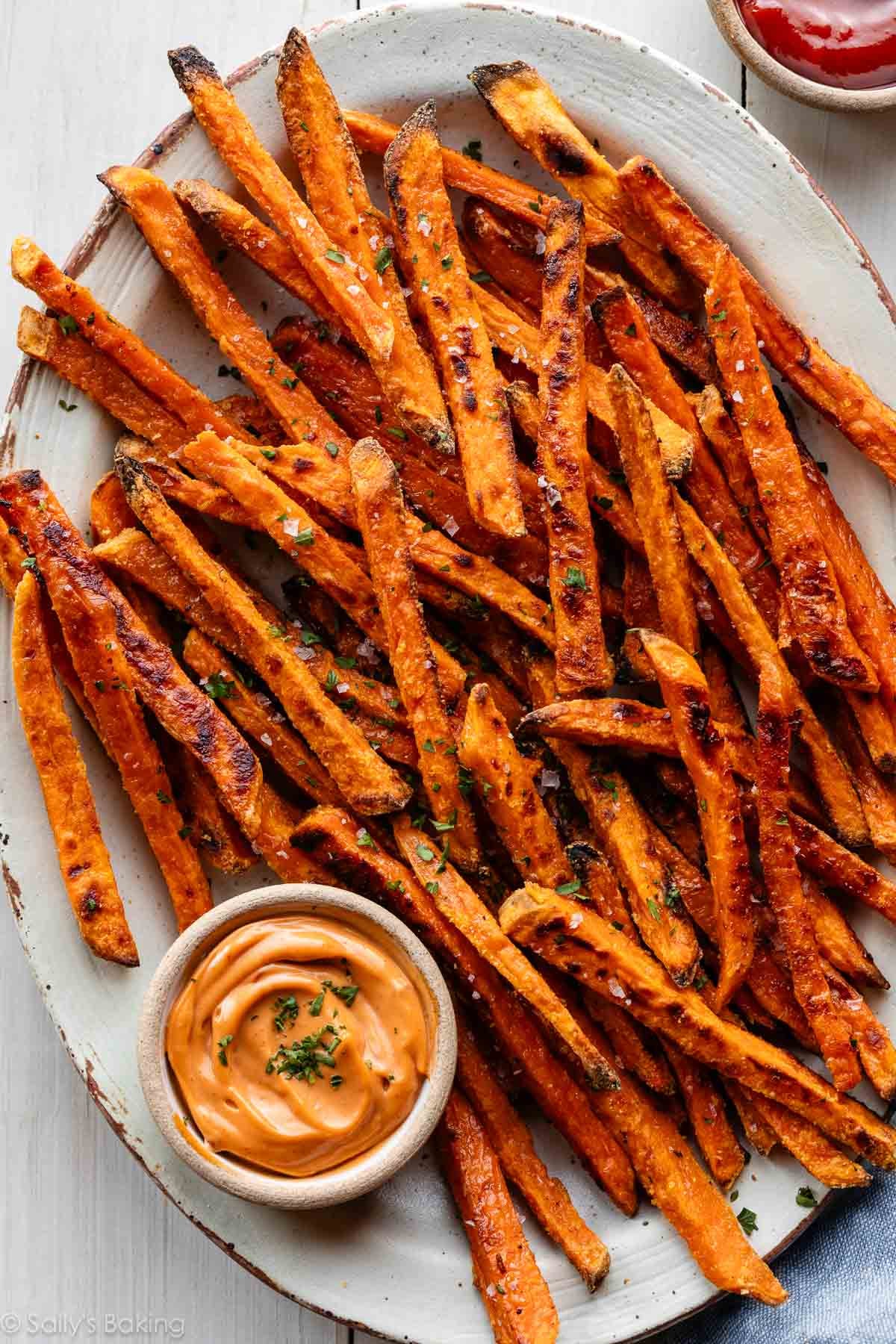
The success of crispy baked sweet potato fries hinges on a precise combination of techniques designed to counteract the sweet potato’s natural tendencies. Four critical factors contribute to achieving the desired texture: proper surface treatment, high-temperature roasting, adequate spacing, and uniform preparation.
-
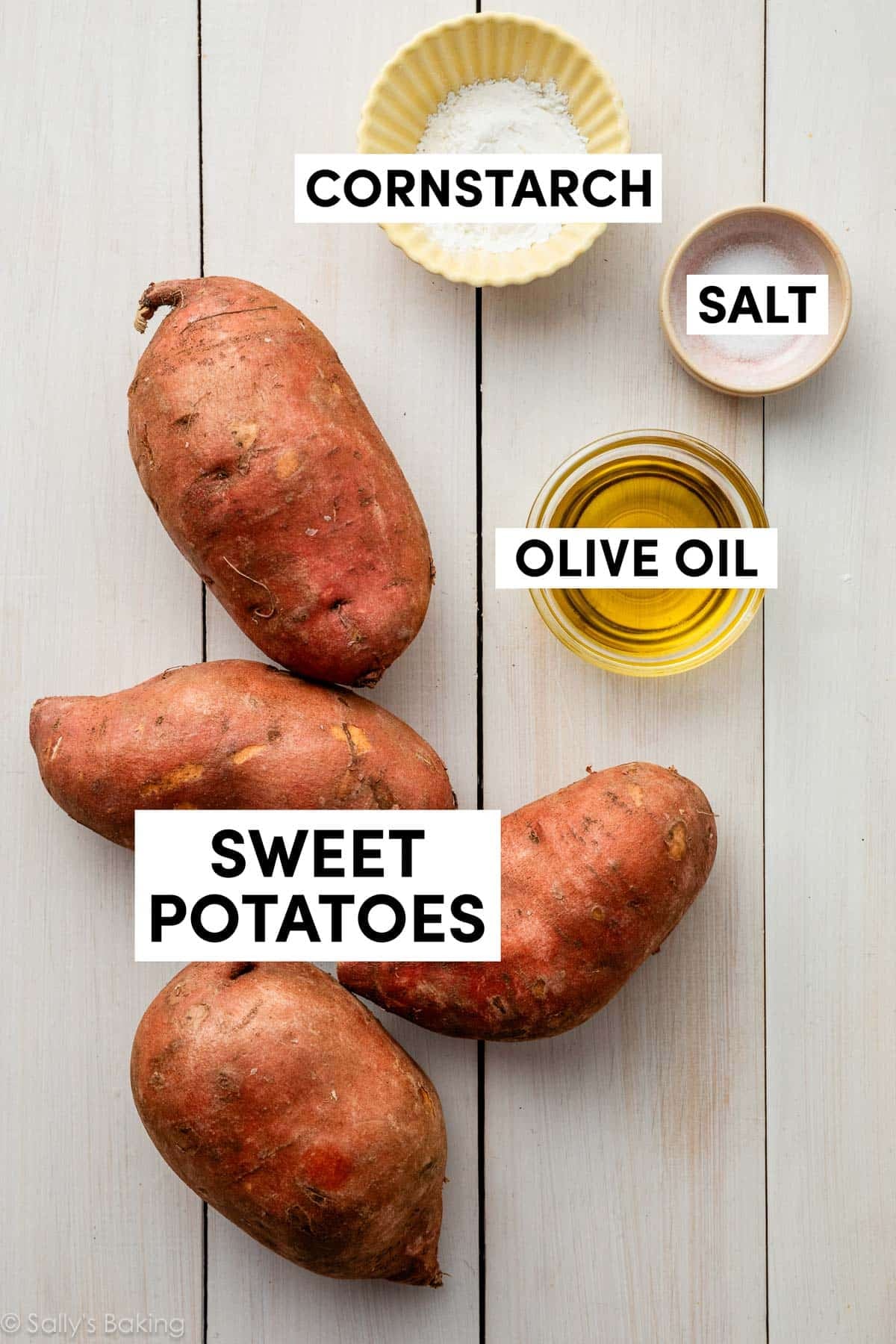
Moisture Management via Starch Coating: The application of a light cornstarch coating is perhaps the most pivotal step. Cornstarch, a fine powder derived from corn, acts as a potent desiccant, absorbing surface moisture from the sweet potato fries. When exposed to heat, this thin starch layer rapidly dehydrates and undergoes gelatinization and subsequent dextrinization, forming a fragile, crispy shell that encapsulates the tender interior. Crucially, the cornstarch must be applied before the oil and seasonings. If oil is applied first, it creates a barrier that prevents the cornstarch from effectively adhering and absorbing moisture, leading to clumpy patches and an undesirable starchy taste. The goal is a uniform, barely visible dusting of cornstarch. Data from food science studies confirm that starch-based coatings significantly enhance crispness and reduce oil absorption in fried and baked products by modifying the surface structure and porosity.
-
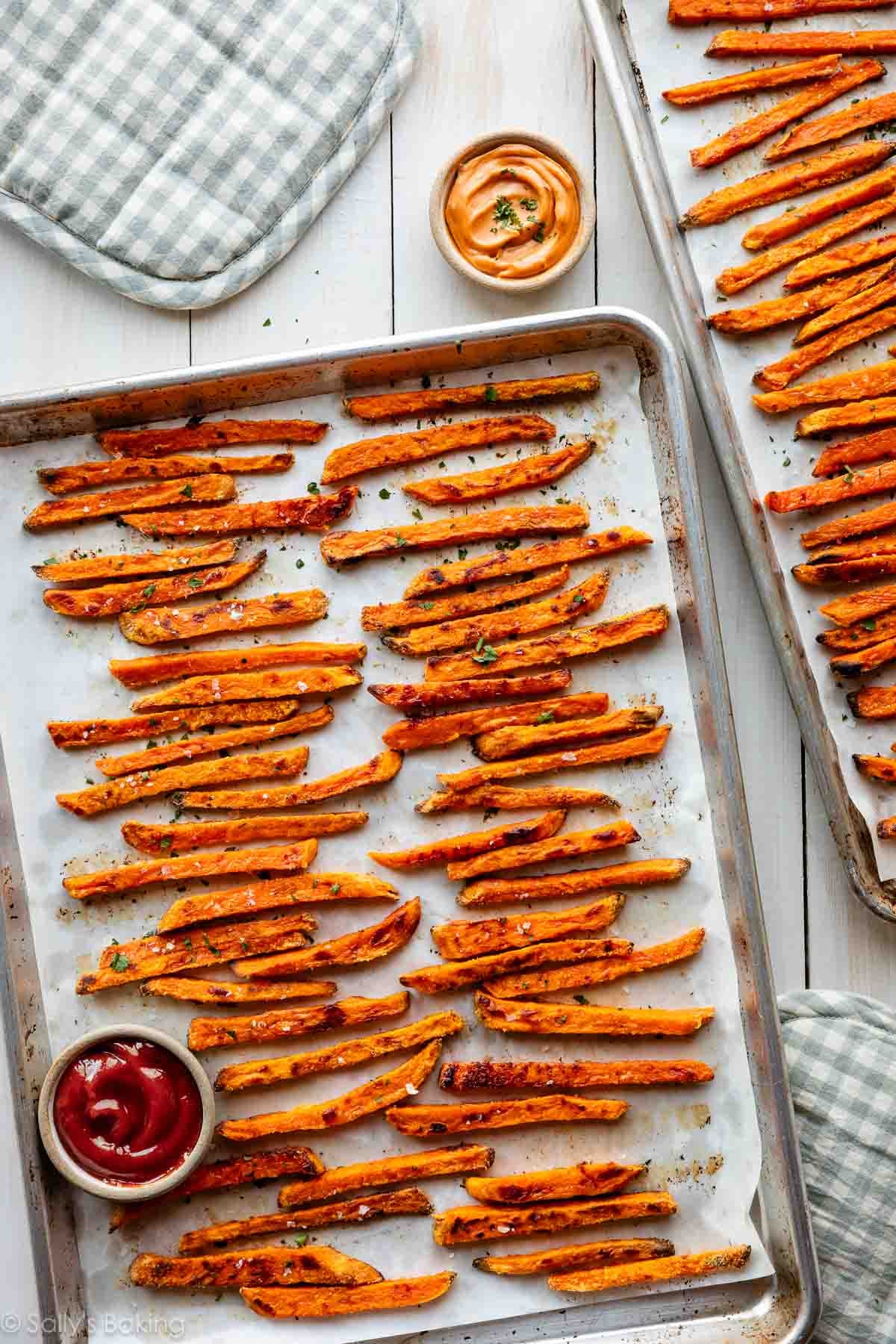
Optimal Thermal Dynamics: High Heat Roasting: Achieving a crispy exterior requires aggressive heat to facilitate rapid moisture evaporation and promote the Maillard reaction and caramelization. An oven temperature ranging from 400°F to 425°F (200°C to 220°C) is ideal. At these elevated temperatures, the water molecules within the sweet potato strips are rapidly converted into steam, which escapes from the surface. Concurrently, the natural sugars present in sweet potatoes undergo caramelization, contributing to the desirable golden-brown color and enhanced flavor. The Maillard reaction, a complex chemical process between amino acids and reducing sugars, further develops rich, savory-sweet flavors and promotes browning, which is integral to the perception of crispness. Insufficient heat results in slower moisture evaporation, prolonging cooking time and increasing the likelihood of a steamed, rather than roasted, product.
-
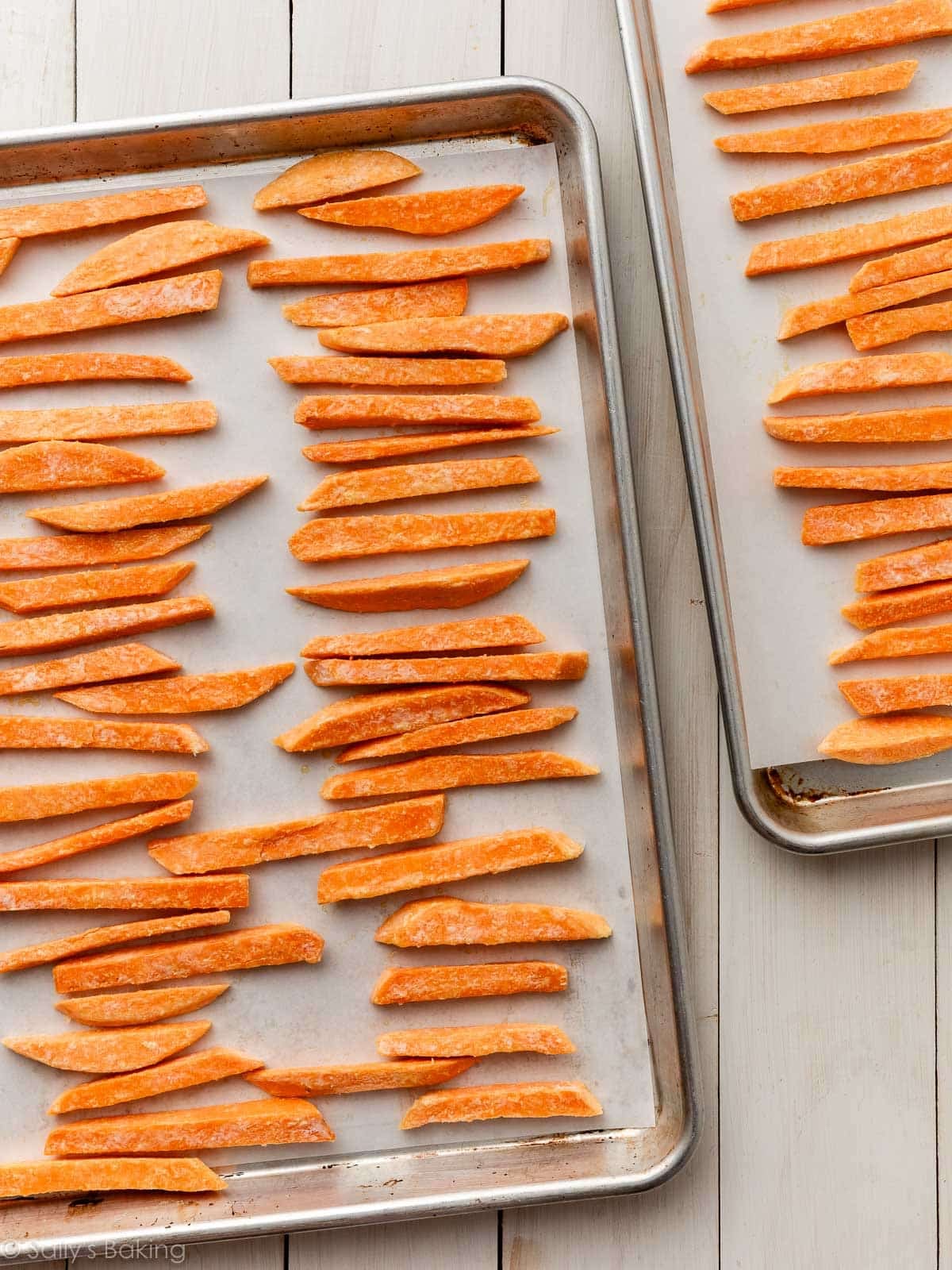
Strategic Spacing and Airflow Optimization: Overcrowding the baking sheet is a common pitfall that undermines crispness. When sweet potato fries are packed too closely together, the moisture evaporating from their surfaces becomes trapped, creating a humid microclimate around the fries. This humidity prevents the surfaces from drying out and crisping, instead promoting steaming. To counter this, it is imperative to arrange the fries in a single layer with ample space between each piece. This allows for unrestricted airflow around all surfaces, facilitating consistent moisture evaporation and even heat distribution. For larger batches, utilizing two baking sheets or cooking in multiple batches is recommended to maintain optimal spacing. Food service industry best practices consistently emphasize adequate pan loading to ensure quality and prevent steaming, a principle directly applicable to home baking.
-
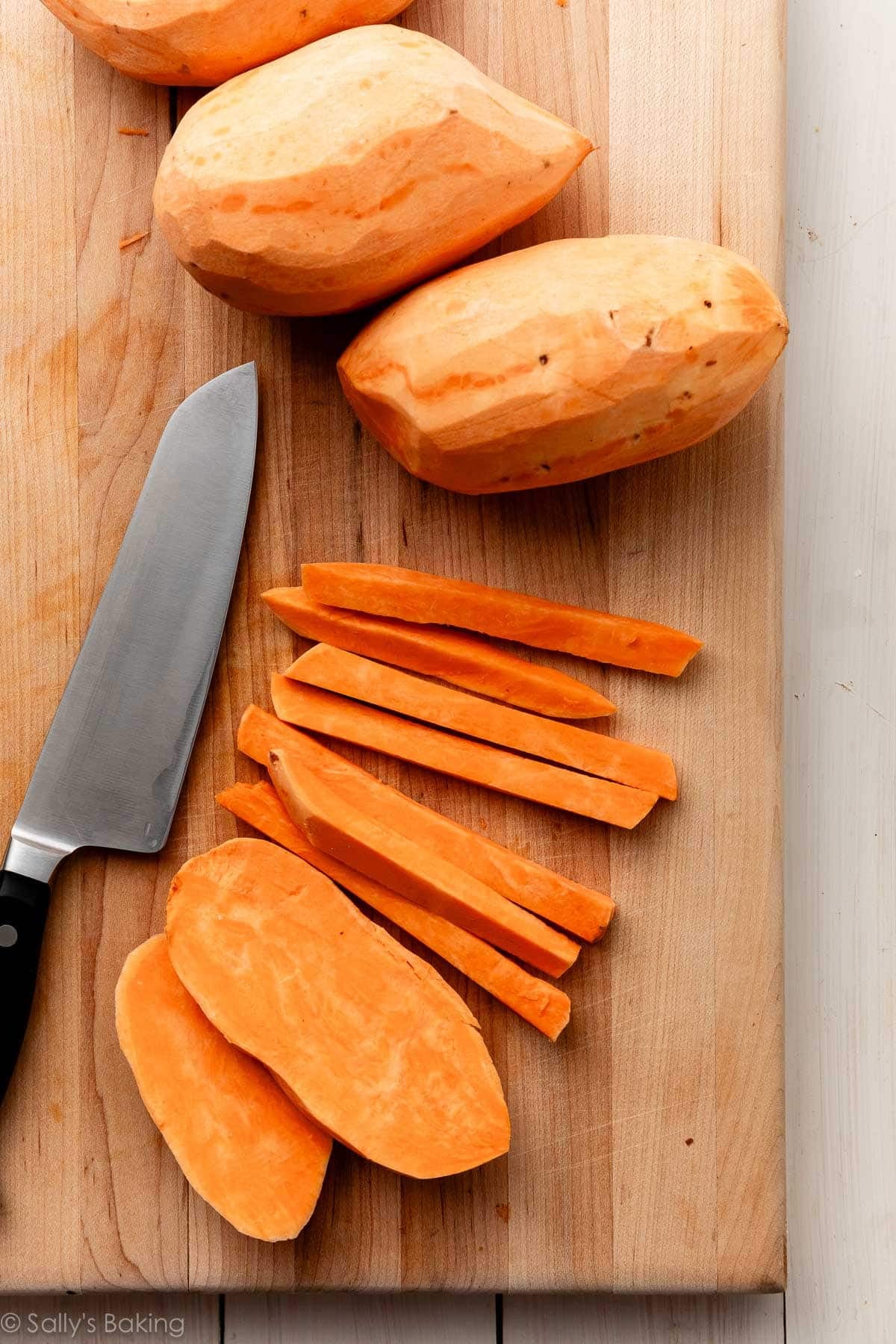
Uniform Preparation and Rotational Baking: Consistent cutting of the sweet potatoes into approximately 1/4-inch wide strips ensures even cooking. Irregularly sized pieces will cook at different rates, leading to some being burnt while others remain undercooked or soggy. While perfect uniformity may take practice, striving for similar dimensions is key. Furthermore, rotating the baking sheets and flipping the fries approximately halfway through the baking process is crucial. This ensures all surfaces are exposed to direct heat and radiant energy from the oven elements, promoting uniform browning and crispness. In ovens with uneven heating zones, rotating the pans between racks (e.g., top to bottom) further mitigates localized burning and ensures an even cook across all fries.
Technological Advancement in Home Kitchens: The Air Fryer’s Role
The evolution of kitchen technology has introduced appliances that complement or even enhance traditional cooking methods. The air fryer, a convection oven designed for countertop use, has rapidly gained popularity since its widespread introduction in the late 2000s. Its primary appeal lies in its ability to achieve crispy textures with significantly less oil than deep-frying, aligning perfectly with the growing consumer demand for healthier cooking options.
For sweet potato fries, the air fryer offers a compelling alternative to conventional oven baking. Its mechanism involves circulating superheated air around the food at high speeds, effectively mimicking the oil immersion of deep-frying in terms of heat transfer and surface dehydration. This continuous, forceful airflow promotes exceptionally rapid moisture evaporation from the sweet potato’s surface, often resulting in a more uniformly crisp texture and faster cooking times compared to a standard oven.
Air Fryer vs. Conventional Oven: A Comparative Analysis
- Cooking Time: Air fryers typically cook sweet potato fries in 15-20 minutes, significantly faster than the 25-30 minutes required in a conventional oven. This efficiency is a major draw for time-conscious consumers.
- Crispness Profile: Due to the intense and consistent convection, air-fried sweet potato fries often exhibit a more pronounced and uniform crispness across their entire surface. Oven-baked fries, while crispy, might have slight variations depending on their position on the tray and oven hot spots.
- Batch Size Limitations: Air fryers generally have smaller cooking baskets, which necessitates cooking in smaller batches to avoid overcrowding and ensure proper air circulation. This contrasts with ovens, which can accommodate multiple large baking sheets.
- Energy Efficiency: For smaller quantities, an air fryer can be more energy-efficient than preheating and operating a large conventional oven. However, for larger family-sized portions, the oven might be more practical.
- Convenience: The air fryer’s quick preheat time and compact size contribute to its convenience for everyday use.
The inclusion of air fryer instructions in the updated recipe (originally published in 2013, updated with air fryer methods years later) reflects a crucial timeline in home cooking trends, demonstrating the recipe’s adaptability to evolving kitchen technologies and consumer preferences for both speed and health. Both methods, when executed correctly, yield delicious, perfectly cooked sweet potato fries, allowing home cooks to choose based on their equipment and specific needs.
Ingredient Selection and Flavor Profiles
Beyond the cooking technique, the selection of ingredients and complementary seasonings plays a vital role in the overall sensory experience of sweet potato fries.
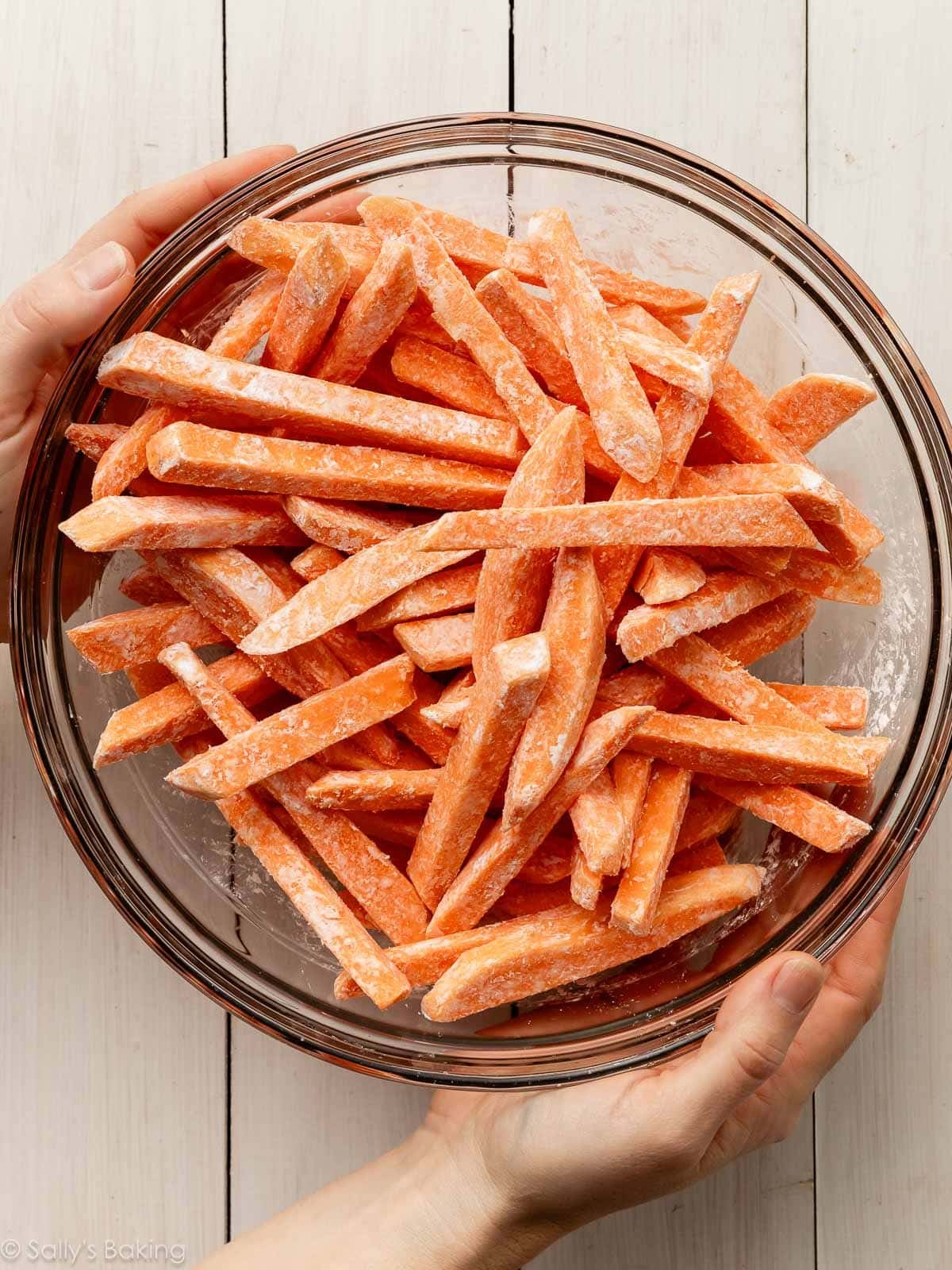
- Sweet Potato Selection: Choose firm, unblemished sweet potatoes for the best texture and flavor. Varieties can subtly influence the final taste, from the common orange-fleshed Beauregard to the paler Hannah or Japanese sweet potatoes.
- Oil Choice: A high smoke point oil is essential for baking at high temperatures without burning or developing off-flavors. Olive oil, avocado oil, and grapeseed oil are excellent choices, with olive oil also contributing a subtle, desirable flavor. The oil facilitates heat transfer and aids in achieving a golden-brown exterior.
- Seasoning Versatility: The natural sweetness of sweet potatoes makes them exceptionally versatile for seasoning. While a simple application of sea salt is a classic choice, a range of spices can elevate the flavor profile:
- Savory: Smoked paprika, garlic powder, onion powder, black pepper, cumin, chili powder, and a touch of cayenne can create a robust, savory profile.
- Sweet: A sprinkle of cinnamon sugar, nutmeg, or a dash of maple syrup (applied sparingly after baking to prevent burning) can enhance their inherent sweetness, making them a dessert-like side.
- Herbal: Dried rosemary or thyme can add an aromatic, earthy note.
- Spicy: A blend of chipotle powder or a pinch of red pepper flakes offers a kick, pairing well with cooling dips.
Culinary experts often recommend experimenting with seasoning blends to complement the main dish. For instance, a smoky paprika blend might pair well with grilled meats, while cinnamon sugar fries could accompany a brunch spread. This adaptability underscores why such a recipe becomes a kitchen staple, capable of fitting into diverse meal plans and catering to varied palates.
Broader Culinary Impact and Consumer Implications
The widespread adoption and refinement of recipes for baked sweet potato fries reflect several significant trends in contemporary food culture.
- Health-Conscious Eating: The emphasis on baking over deep-frying aligns with a broader societal shift towards healthier eating habits. Consumers are increasingly seeking ways to enjoy their favorite comfort foods with reduced fat content, without sacrificing flavor or texture. Baked sweet potato fries offer a compelling solution, providing a nutrient-dense alternative to traditional potato fries. Data from public health organizations consistently highlight the benefits of reducing intake of fried foods for cardiovascular health and weight management.
- Versatility in Meal Pairing: As noted, these fries transcend the role of a mere side dish. Their adaptability allows them to be served with a wide array of main courses, from burgers and sandwiches to roasted chicken, fish, or vegetarian bowls. This versatility is a key factor in their appeal to busy home cooks seeking efficient and flavorful meal components. The ability to scale the recipe up or down further enhances its practicality for different household sizes and occasions.
- Democratization of Culinary Excellence: Recipes that demystify complex culinary outcomes, like achieving crispness without deep-frying, empower home cooks to produce restaurant-quality food in their own kitchens. By focusing on scientific principles (moisture management, heat transfer) rather than elaborate techniques, such recipes make gourmet results accessible to a broader audience, fostering greater confidence and creativity in home cooking. This trend is supported by the proliferation of online cooking resources and the increasing popularity of cooking shows that break down culinary science for the home chef.
In conclusion, the successful preparation of crispy baked sweet potato fries is not merely a matter of following steps, but rather an application of foundational culinary science. By understanding and strategically addressing the sweet potato’s unique moisture and sugar composition through precise surface treatment, high-temperature roasting, optimized airflow, and uniform preparation, home cooks can consistently achieve a superior product. The integration of air fryer technology further exemplifies the dynamic evolution of cooking methods, offering even greater efficiency and crispness. This recipe’s enduring popularity and continuous refinement underscore its significance as a versatile, healthy, and delicious addition to the modern culinary repertoire, reflecting broader trends in health, convenience, and accessible gastronomic quality.