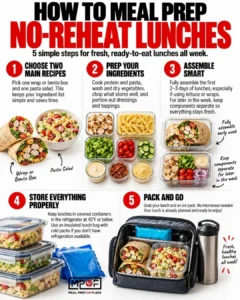

The challenge of adhering to a 21-day sugar detox, or any dietary plan that significantly reduces added sugars and refined grains, often hinges on the ability to prepare meals that are both compliant and convenient. For individuals navigating busy schedules, the prospect of maintaining a low-sugar lifestyle can seem daunting, especially when fatigue sets in mid-week. This is precisely where strategic meal preparation emerges as a critical component for success. By focusing on nutrient-dense ingredients such as lean proteins, healthy fats, and an abundance of vegetables, individuals can construct meals that are not only satisfying and balanced but also significantly reduce reliance on high-sugar convenience foods and snacks. This approach transforms the often-perceived restriction into a manageable and realistic dietary adjustment, supported by practical, make-ahead recipes.
It is crucial for individuals to consult with a qualified healthcare professional before embarking on any restrictive dietary regimen, particularly if they have pre-existing medical conditions. This information is intended to provide practical meal preparation strategies and should not be construed as medical advice.
The landscape of nutrition science consistently highlights the pervasive presence of added sugars in the modern diet. The U.S. Food and Drug Administration (FDA) provides guidance on added sugars, noting that based on a 2,000-calorie daily intake, the Daily Value for added sugars is set at 50 grams. The recent inclusion of "Added Sugars" as a separate line item on Nutrition Facts labels signifies a growing public health emphasis on empowering consumers to make more informed dietary choices. This regulatory shift reflects a broader understanding of sugar’s impact on health, beyond simply its caloric contribution.

Reducing sugar intake does not inherently equate to a bland or uninspired diet. In fact, many successful low-sugar approaches emphasize the vibrant flavors derived from natural sources. Herbs, spices, citrus, vinegars, mustard, sesame, avocado, and the natural sweetness of roasted vegetables can all contribute to deeply flavorful and satisfying meals. The key lies in leveraging these ingredients to create dishes that are both delicious and readily available, thereby fostering consistency in dietary habits. For those seeking further guidance on systematic meal planning and recipe inspiration, resources such as comprehensive meal planning guides and collections of high-protein recipes can be invaluable.
Registered Dietitian Melissa Rifkin has emphasized the benefits of low-carbohydrate and low-sugar diets, particularly for individuals managing conditions like Irritable Bowel Syndrome (IBS). Rifkin notes that a low-carbohydrate approach can be highly effective, as sugar is frequently identified as a significant contributor to weight gain among her clients. This perspective underscores the physiological impact of sugar on metabolic health and body composition.
Understanding the 21-Day Sugar Detox
A 21-day sugar detox is typically characterized as a short-term dietary reset. Its primary objective is to significantly reduce the consumption of added sugars, artificial sweeteners, and often refined grains and other high-sugar foods. The specific parameters of such a detox can vary depending on the particular program being followed. The overarching goal, however, is to cultivate a heightened awareness of the ubiquitous presence of sugar in everyday meals, snacks, beverages, sauces, and packaged goods. Rather than viewing this period solely as one of restriction, it can be reframed as an opportunity to simplify food choices and reset eating patterns over a defined timeframe. By strategically planning meals around foundational components like protein, vegetables, and healthy fats, individuals can proactively mitigate the likelihood of succumbing to sugary cravings or relying on less healthy convenience options. The American Heart Association recommends limiting added sugars to no more than 6% of daily caloric intake, translating to approximately six teaspoons for most women and nine teaspoons for most men. While perfection is not the aim, increased awareness of added sugar consumption, particularly from processed foods, is a valuable outcome of such dietary adjustments.
The Indispensable Role of Meal Prep in a Sugar Detox
Sugar cravings can intensify significantly when individuals are hungry, unprepared, or forced to make food decisions under pressure. This is where the strategic advantage of meal preparation becomes apparent. Having pre-prepared meals readily available eliminates the need to rely solely on willpower during moments of hunger or to assemble meals from scratch after a demanding day. Meal prep empowers individuals by:

- Ensuring Compliance: Pre-planned meals align with the dietary goals of the detox, reducing the temptation to reach for off-plan options.
- Saving Time: Having meals ready to go frees up valuable time during the week, which can be scarce for those with demanding schedules.
- Reducing Stress: The mental burden of deciding what to eat is alleviated, contributing to a more relaxed and enjoyable experience.
- Controlling Ingredients: Meal prep allows for complete control over the ingredients used, ensuring no hidden sugars or undesirable additives are present.
- Promoting Consistency: Regular, healthy meals are more likely to be consumed when they are readily accessible, fostering consistent adherence to the detox plan.
Ultimately, strategic planning consistently outperforms reliance on motivation alone.
Key Considerations for Sugar Detox Meal Prep Recipes
When selecting recipes for a low-sugar period, it is essential to prioritize meals that incorporate:
- Adequate Protein: Protein sources such as chicken, fish, eggs, legumes, and lean meats are crucial for satiety and blood sugar stability.
- Healthy Fats: Avocado, nuts, seeds, olive oil, and fatty fish provide essential nutrients and contribute to feeling full and satisfied.
- Non-Starchy Vegetables: A wide array of colorful vegetables like leafy greens, broccoli, cauliflower, bell peppers, and zucchini offer vitamins, minerals, and fiber with minimal impact on blood sugar.
- Flavorful Seasonings: Herbs, spices, garlic, onion, lemon juice, and vinegars can elevate the taste of dishes without relying on added sweeteners.
- Minimal Added Sugars: Careful attention must be paid to ingredient lists, as added sugars can be concealed in seemingly innocuous items.
It is also imperative to meticulously review labels on all packaged foods. Added sugars can be surprisingly prevalent in salad dressings, marinades, cured meats like bacon and sausage, tomato-based sauces, broths, and even spice blends, often in products that do not inherently taste sweet. The most effective strategy for managing this complexity is to maintain a focus on simple, flavorful meals prepared from whole ingredients.
10 Practical 21-Day Sugar Detox Meal Prep Recipe Ideas
1. Carrot Meatballs with Mint Cauliflower Rice
These carrot meatballs, served with mint-infused cauliflower rice, offer a departure from the ordinary while remaining remarkably simple to prepare. The meatballs provide a solid protein base, with carrots contributing moisture and a subtle natural sweetness. Cauliflower rice serves as a lower-carbohydrate alternative to traditional grains, creating a satisfying bowl-style meal ideal for lunches.
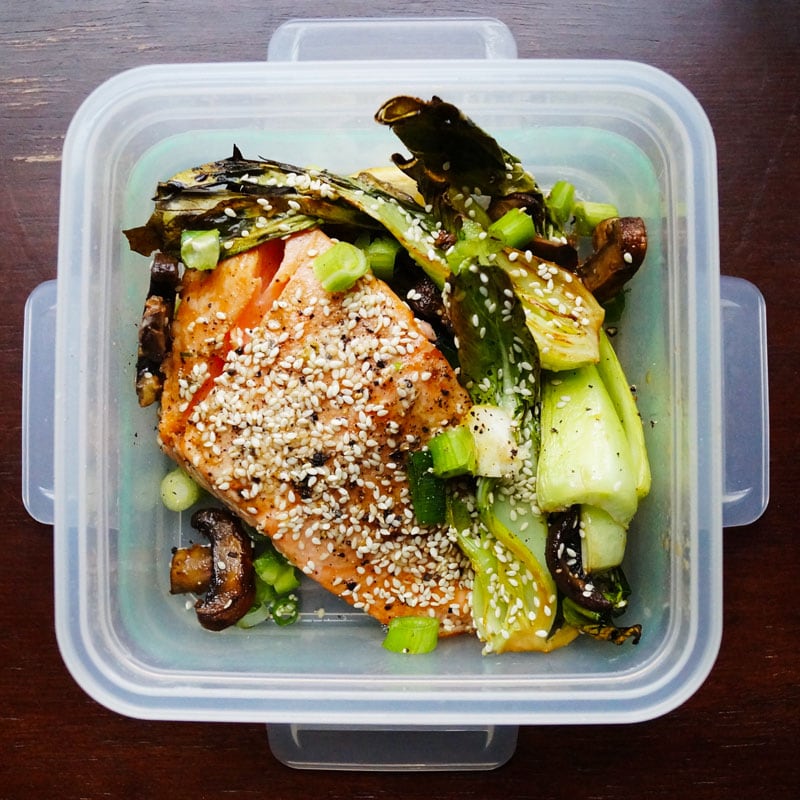
2. Sesame Salmon with Baby Bok Choy & Mushrooms
This dish is a nutritional powerhouse, combining the omega-3 fatty acids and protein of salmon with the nutrient-rich bok choy and earthy mushrooms. The simplicity of the preparation, coupled with the savory flavors derived from sesame oil and aromatics, makes it a fulfilling meal that does not require a sugary sauce to be appealing.
3. Spicy Mustard Thyme Chicken & Coconut Brussels Sprouts

Chicken marinated in a zesty blend of spicy mustard and thyme, roasted alongside Brussels sprouts tossed with coconut oil, exemplifies how to achieve bold flavors without added sugar. The tang of the mustard and the fragrance of the thyme, along with the subtle richness of coconut, create a complex flavor profile that satisfies cravings for something robust and satisfying.
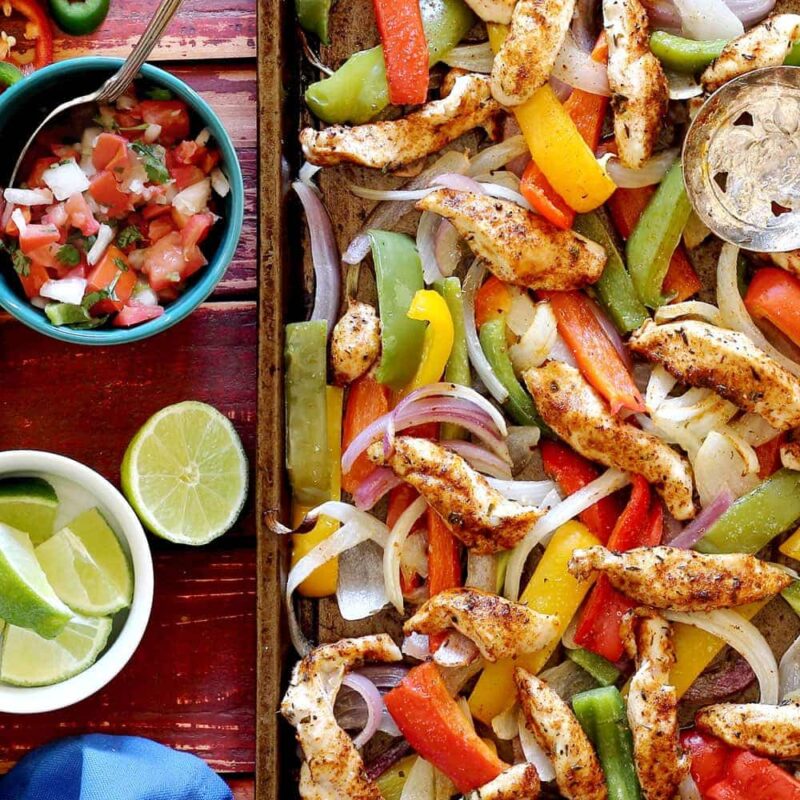
4. Sheet Pan Chicken Fajitas
Sheet pan meals are a cornerstone of efficient meal preparation, and chicken fajitas are no exception. The oven does the heavy lifting, transforming chicken, colorful bell peppers, and onions seasoned with fajita spices into a flavorful dish in minimal time. These can be served in lettuce cups, over cauliflower rice, or with a side of avocado for a complete, low-sugar meal.
5. Tuna Quinoa Salad in Endive Wraps
This light yet protein-packed tuna quinoa salad, served in crisp endive leaves, is an excellent make-ahead option. While quinoa’s suitability may depend on the specific sugar detox plan, it can be easily substituted with finely chopped cucumber, celery, cauliflower rice, or an increased portion of tuna for grain-free variations. The endive provides a refreshing, edible vessel for the flavorful salad.
6. Greek Egg Bake
Often referred to as an oven omelet or breakfast casserole, the Greek egg bake is a versatile and reliable meal prep staple. Incorporating eggs, spinach, tomatoes, olives, and herbs, with optional feta cheese depending on dietary allowances, it’s a fantastic way to utilize leftover ingredients and create a satisfying meal that can be enjoyed for breakfast, lunch, or dinner.
7. Skillet Shrimp with Tomato & Avocado

This quick and fresh dish features lean protein from shrimp, complemented by the vibrant flavors of fresh tomatoes and the healthy fats of avocado. Shrimp cooks rapidly, making it ideal for weeknight meals or quick meal prep sessions. The combination of ingredients creates a satisfying and nutrient-dense meal that aligns well with lower-sugar dietary goals.
8. One Pan Baked Cod & Veggies
For a clean, light, and effortlessly prepared meal, one-pan baked cod with vegetables is an excellent choice. Cod, being a mild and lean fish, cooks quickly. Pairing it with an assortment of vegetables such as zucchini, asparagus, broccoli, or green beans results in a simple yet delicious meal that highlights natural flavors without the need for added sugars.
9. Sausage Lover’s Hash brown Casserole

This hearty casserole offers a comforting option for breakfast, lunch, or dinner. When adapting this for a sugar detox, it’s crucial to scrutinize the sausage packaging for any hidden added sugars, maple syrup, corn syrup, or other sweeteners. Traditional hash browns can be substituted with shredded sweet potato, turnips, rutabaga, or cauliflower to align with specific dietary restrictions.
10. Sheet Pan Chicken and Asparagus
This recipe epitomizes simplicity, requiring minimal ingredients for a complete meal. Chicken and asparagus, seasoned and roasted on a single sheet pan, offer a straightforward yet satisfying meal prep solution. It’s an ideal choice for those seeking to reset their eating habits without the complexity of elaborate recipes or extensive ingredient lists.
What to Eat During a 21-Day Sugar Detox
While the specifics of sugar-reducing meal plans can vary, most emphasize a core set of nutrient-dense foods:

- Proteins: Lean meats (chicken, turkey, beef), fish and seafood, eggs, and plant-based proteins like tofu and tempeh (if not restricted).
- Healthy Fats: Avocados, nuts, seeds, olive oil, coconut oil, and fatty fish.
- Non-Starchy Vegetables: Leafy greens (spinach, kale, lettuce), broccoli, cauliflower, bell peppers, zucchini, asparagus, green beans, tomatoes, cucumbers, and onions.
- Fruits (in moderation): Berries (strawberries, blueberries, raspberries), apples, pears, and citrus fruits. The quantity and type of fruit permitted often depend on the specific plan’s restrictions.
- Dairy (optional): Full-fat plain yogurt, cheese, and butter may be included, depending on individual tolerance and plan guidelines.
- Legumes (optional): Beans and lentils can be good sources of protein and fiber, but their carbohydrate content might be restricted on some plans.
It is always advisable to consult the guidelines of the specific sugar detox program being followed, as some plans impose stricter limitations on grains, dairy, fruits, and sweeteners than others.
Foods to Exercise Caution With During a Sugar Detox
The challenge in reducing sugar often lies not in obvious sweets, but in the hidden sugars found in everyday foods. Vigilance is required when examining labels for:
- Condiments and Sauces: Ketchup, barbecue sauce, salad dressings, soy sauce, teriyaki sauce, and marinades frequently contain significant amounts of added sugar.
- Canned Goods: Canned fruits (often in syrup) and some canned vegetables can have added sugars.
- Processed Meats: Sausages, bacon, deli meats, and jerky can contain sweeteners to enhance flavor and preservation.
- Dairy Products: Flavored yogurts, ice cream, and some milk alternatives can be heavily sweetened.
- Bread and Baked Goods: Even seemingly savory items like bread, crackers, and granola bars can contain added sugars.
- Beverages: Fruit juices, sodas, sweetened teas, and coffee drinks are major sources of liquid sugar.
- Cereals: Many breakfast cereals are high in added sugars, even those marketed as healthy.
- Dried Fruits: While natural, the sugars in dried fruits are concentrated.
- Spice Blends: Some pre-made spice mixes can contain sugar as a filler.
Developing a habit of reading nutrition labels is paramount. Pay close attention to the "Added Sugars" line on the Nutrition Facts panel and scan the ingredient list for sweeteners such as cane sugar, honey, high-fructose corn syrup, agave nectar, molasses, dextrose, and maltose.
Concluding Thoughts on Sustaining a Low-Sugar Lifestyle
Embarking on a 21-day sugar detox does not necessitate a diet of bland, unappealing meals or a constant struggle against cravings. A more effective strategy involves establishing a structured approach. This entails prioritizing protein-rich foods, incorporating a generous portion of vegetables, and utilizing flavorful seasonings and sauces that are naturally low in added sugar. Storing prepped meals in a manner that facilitates easy access is also key to maintaining a realistic and sustainable eating pattern. By implementing these principles, a low-sugar lifestyle can become an achievable and integrated part of daily living. For individuals seeking comprehensive support in structuring their weekly meals to simplify healthy eating and reduce stress, resources such as dedicated meal planners can provide invaluable assistance.