
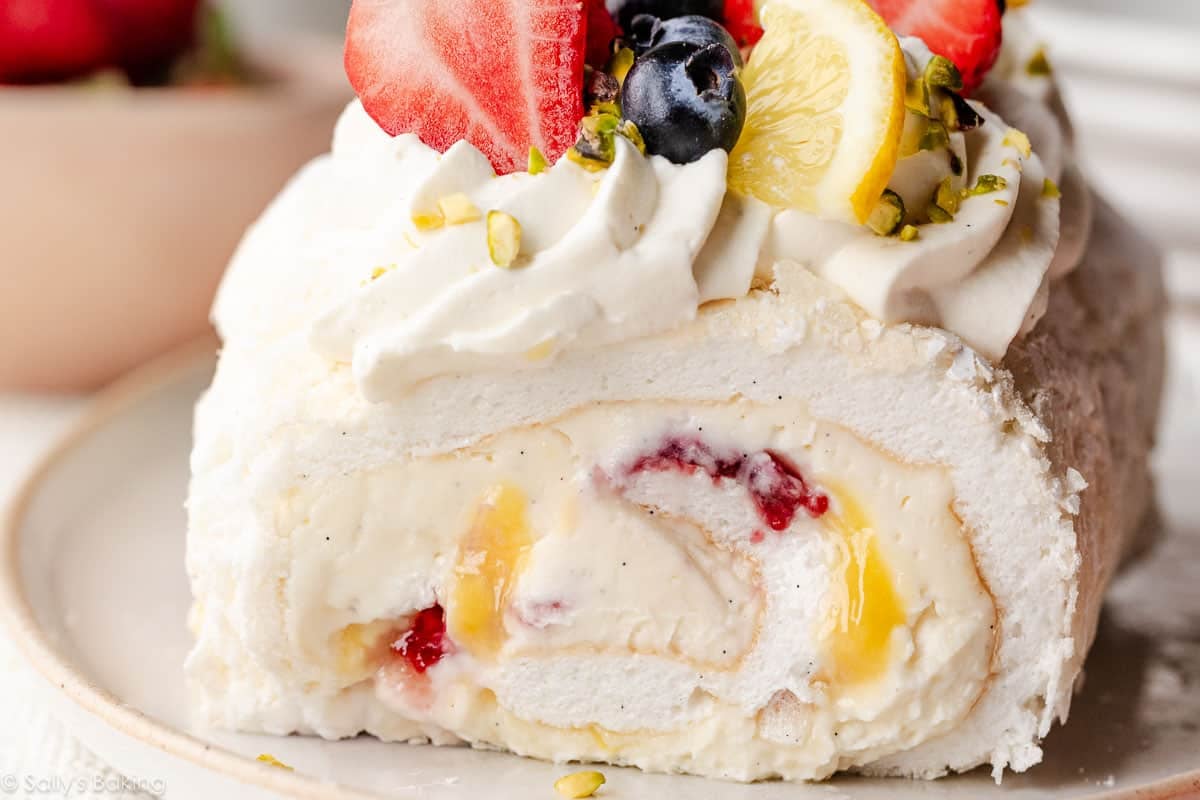
A sophisticated dessert poised to elevate any special occasion, the homemade meringue roulade presents a harmonious blend of textures: a delicately crisp exterior yielding to a soft, marshmallowy interior. This naturally gluten-free confection, often filled with a light vanilla cream and swirls of fruit jam or tangy lemon curd, has garnered attention for its show-stopping appearance and customizable nature, proving that advanced baking can be accessible to the diligent home chef.
A Culinary Journey: The Meringue Roulade’s Allure
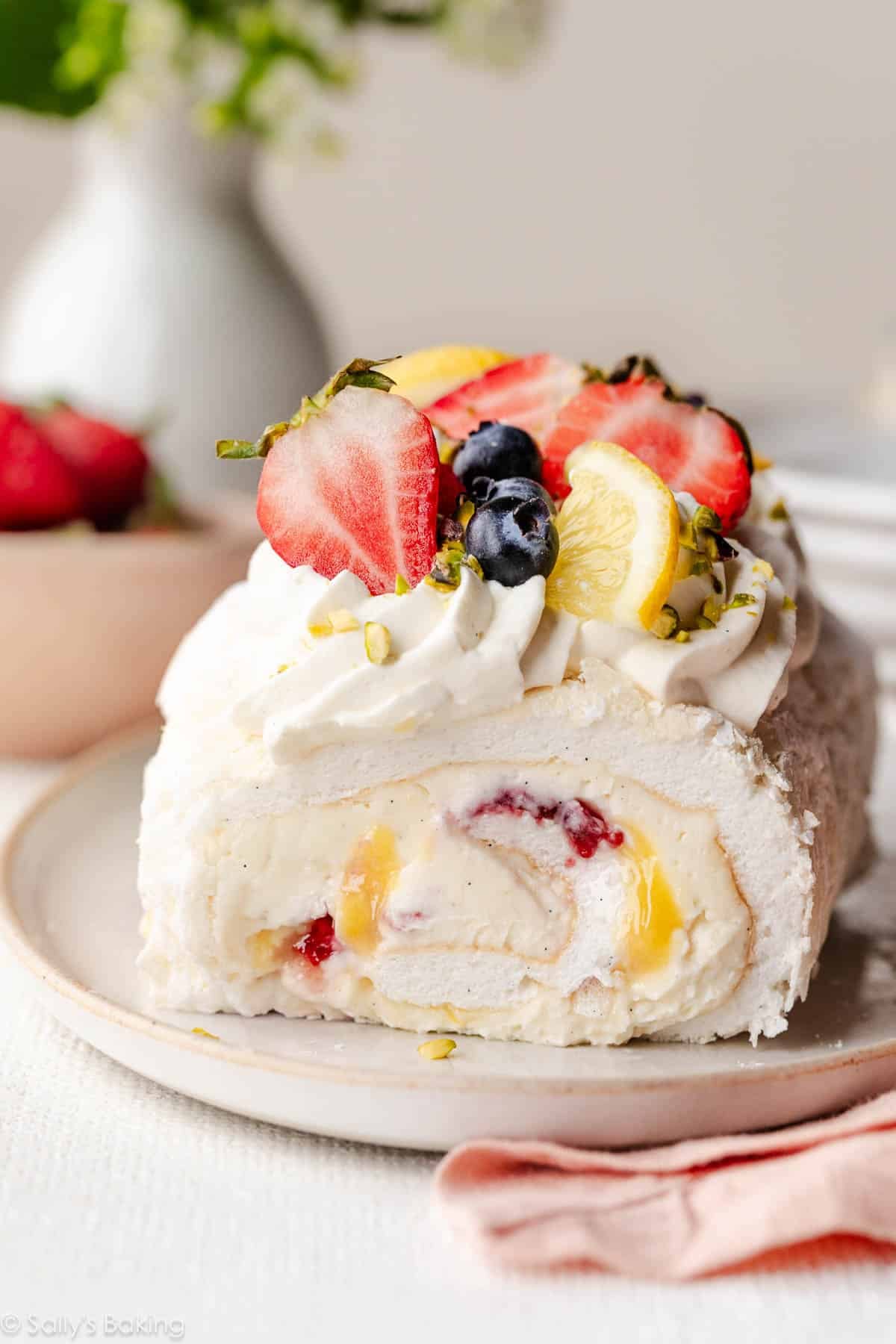
The meringue roulade, frequently described as a more flexible cousin to the classic Pavlova, distinguishes itself through its ability to be rolled, encapsulating a variety of fillings. This structural adaptability allows for a visually stunning spiral effect when sliced, making it a centerpiece dessert. Its appeal lies not only in its ethereal lightness and complex texture—a delicate crunch followed by a creamy, melt-in-your-mouth experience—but also in its inherent suitability for those seeking gluten-free options without compromising on elegance or flavor. The dessert’s growing popularity underscores a broader trend in home baking towards challenging yet rewarding recipes that offer both aesthetic beauty and exceptional taste.
Historical Sweetness: The Evolution of Meringue and Roulades
The history of meringue itself is rich and debated, with origins often attributed to a Swiss confectioner named Gasparini in the town of Meiringen in the 17th century. However, early recipes for dishes resembling meringue appeared in French cookbooks around the same period, suggesting its European widespread adoption. Meringue, fundamentally a preparation of whipped egg whites and sugar, evolved into various forms, including the crisp, baked shells of French meringue, the more stable Italian meringue (made with hot sugar syrup), and the Swiss meringue (where egg whites and sugar are heated over a bain-marie before whipping). The roulade, or "Swiss roll," technique, involving rolling a thin sponge cake or, in this case, meringue, around a filling, has been a staple in European patisserie for centuries, prized for its elegant presentation and ease of serving. The adaptation of meringue into a flexible sheet capable of being rolled represents a refined culinary innovation, offering a lighter, naturally gluten-free alternative to traditional flour-based cake rolls. This convergence of meringue’s delicate structure with the roulade’s elegant form highlights a continuous evolution in dessert crafting, driven by both tradition and a desire for novel textures and dietary considerations.
Crafting Perfection: Key Ingredients and Their Scientific Roles
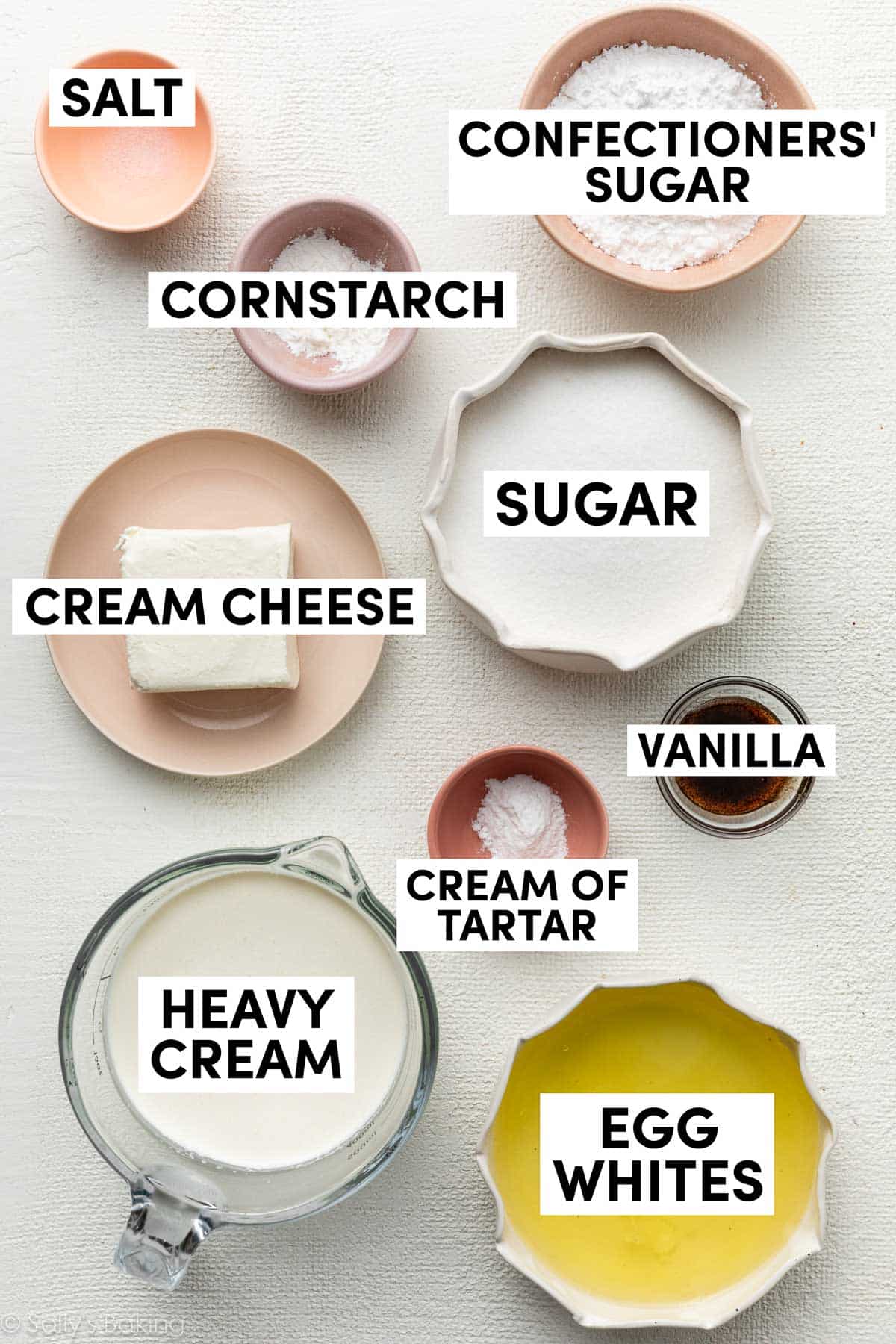
The successful execution of a meringue roulade hinges on a precise understanding of its core ingredients and their scientific contributions. Each component plays a vital role in achieving the desired light, crisp, and marshmallowy texture:
- Egg Whites: The foundation of meringue, egg whites are primarily composed of protein and water. When whipped, the proteins denature and unravel, creating a stable foam by trapping air bubbles. The quality of whipping—reaching stiff, glossy peaks—is paramount for the meringue’s volume and structural integrity.
- Granulated Sugar (preferably superfine/caster): Sugar is critical for stabilizing the whipped egg whites. It dissolves into the egg white proteins, forming a syrup that strengthens the foam and prevents it from collapsing. Superfine sugar is preferred because its smaller crystals dissolve more readily, reducing the risk of a grainy texture or "weeping" (sugar syrup leaking out) and contributing to a smoother, more stable meringue.
- Cream of Tartar (or lemon juice/vinegar): This acidic ingredient acts as a stabilizer, helping the egg whites whip faster and maintain their stiff peaks. It works by denaturing the egg proteins, making them less likely to bond too tightly and squeeze out air, thus increasing the meringue’s overall stability and volume.
- Cornstarch: A common addition to meringues, cornstarch helps absorb any residual moisture and contributes to the marshmallowy interior texture. It also aids in preventing shrinkage and cracking during baking and cooling, providing a slight internal structure that enhances the meringue’s flexibility for rolling.
- Vanilla Extract: Primarily for flavor, vanilla extract adds a classic sweetness that complements the light meringue and cream filling.
- Cream Cheese (for filling): While traditional whipped cream is often used, the inclusion of cream cheese in the filling provides additional stability, richness, and a slight tang, preventing the filling from becoming too soft or runny, especially when rolled. Mascarpone is noted as an acceptable substitute, offering a similar creamy texture and stability.
The precise ratio and careful incorporation of these ingredients are fundamental to achieving the meringue’s delicate balance of crispness and tenderness, and its ability to withstand the rolling process without significant structural failure.
The Road to Mastery: Recipe Development and Expert Guidance
Developing a reliable meringue roulade recipe is a testament to meticulous testing and refinement. Culinary professionals involved in creating such recipes often report numerous attempts and "fails" before achieving the desired outcome. This iterative process highlights the inherent challenges of meringue, where factors like humidity, oven temperature, and whipping technique can significantly impact the final product. The goal is a meringue that is light, crisp, chewy, and flexible enough to roll without extensive cracking. This requires precise baking to ensure the meringue is "just set"—not underbaked (which would be sticky and prone to collapse) nor overbaked (which would become brittle and crack easily).
Guidance from experienced bakers emphasizes the critical nature of preparation. For instance, processing granulated sugar into a superfine consistency ensures faster dissolution and a more stable meringue. The technique of gradually adding sugar to foamy egg whites while the mixer runs, continuing until stiff, glossy peaks are achieved, is foundational. These detailed instructions underscore the recipe developer’s commitment to demystifying a complex dessert, providing home bakers with the tools and knowledge to approach it with confidence.
Step-by-Step Precision: Mastering the Meringue Roll
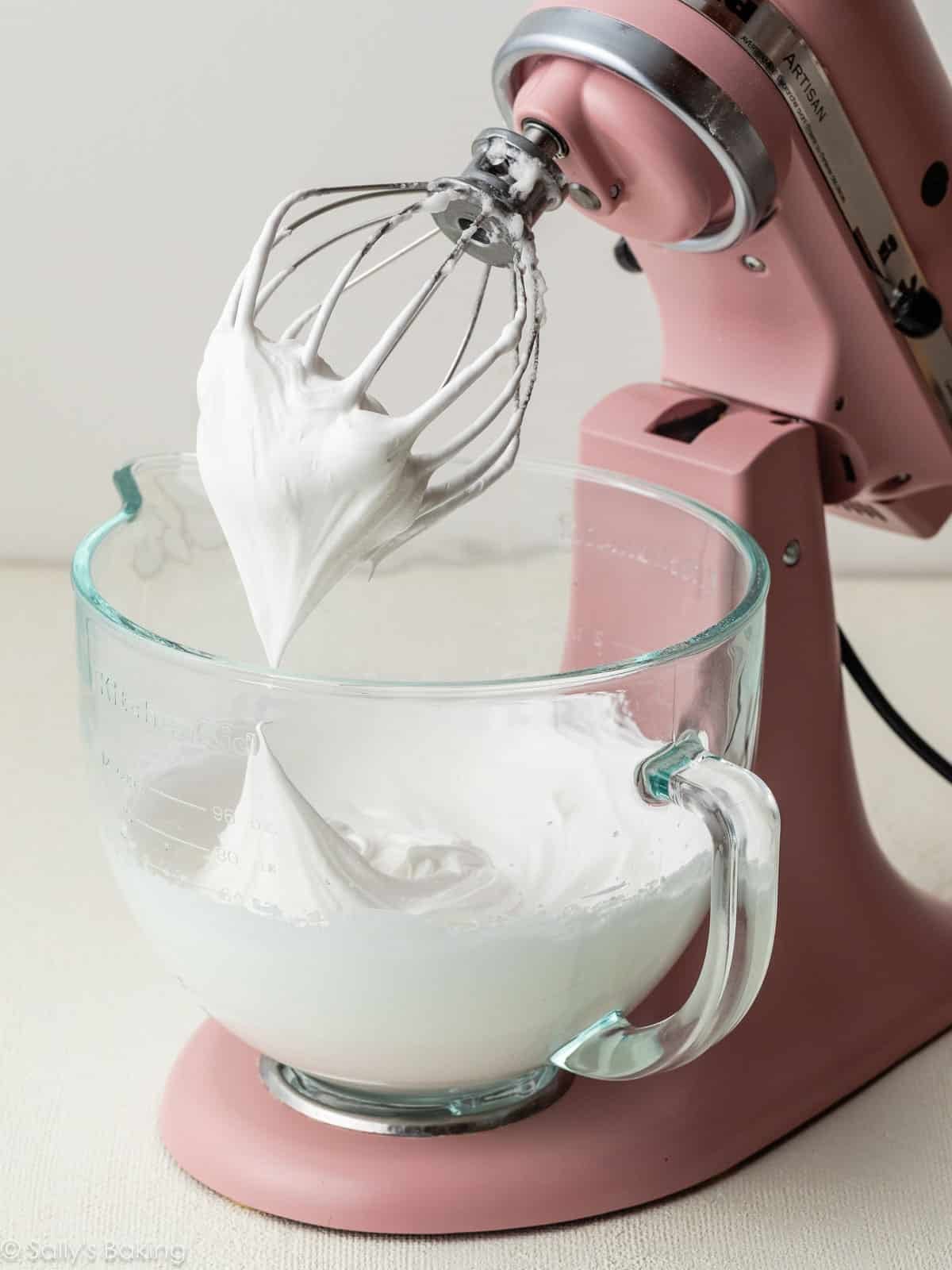
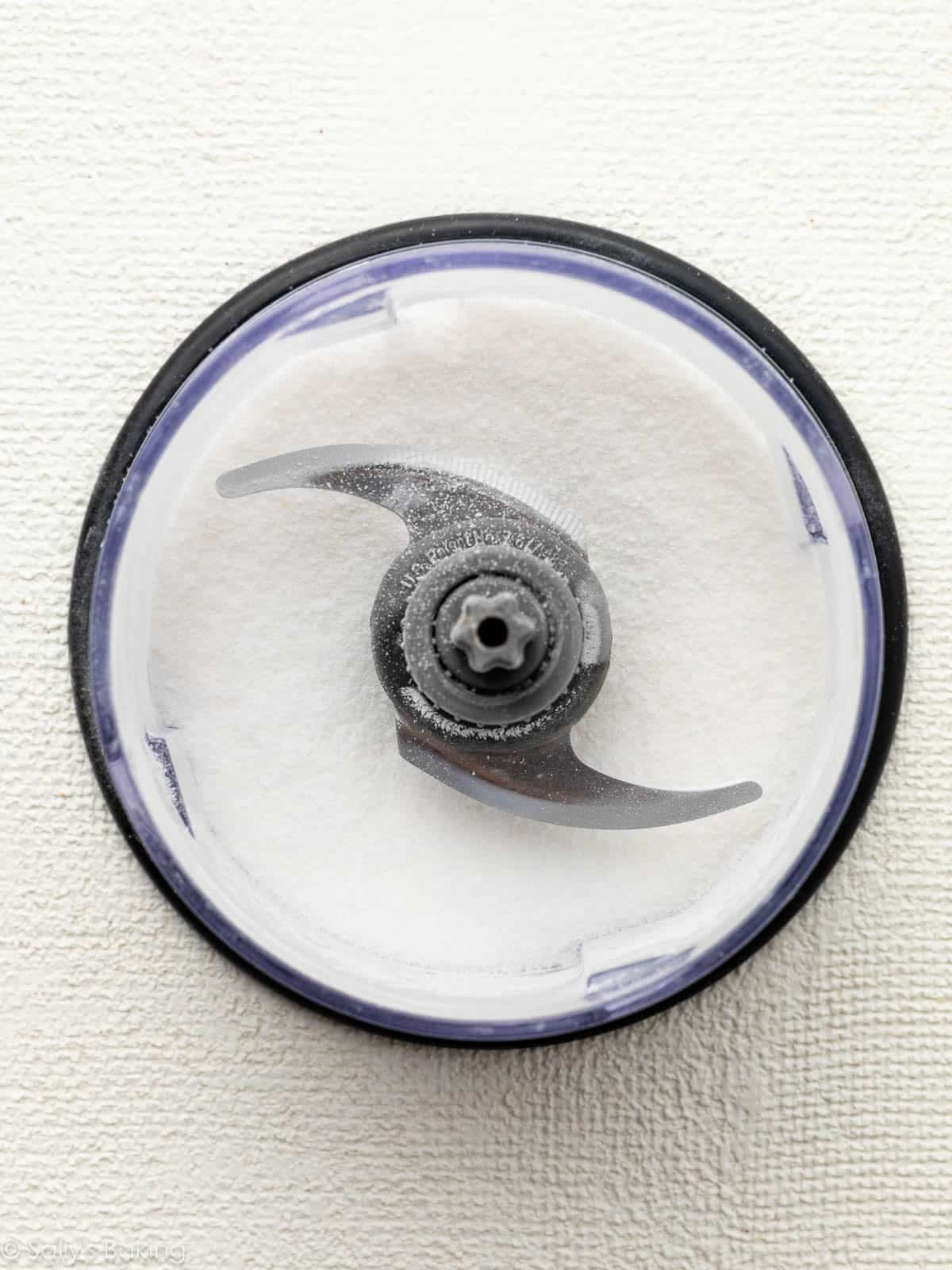
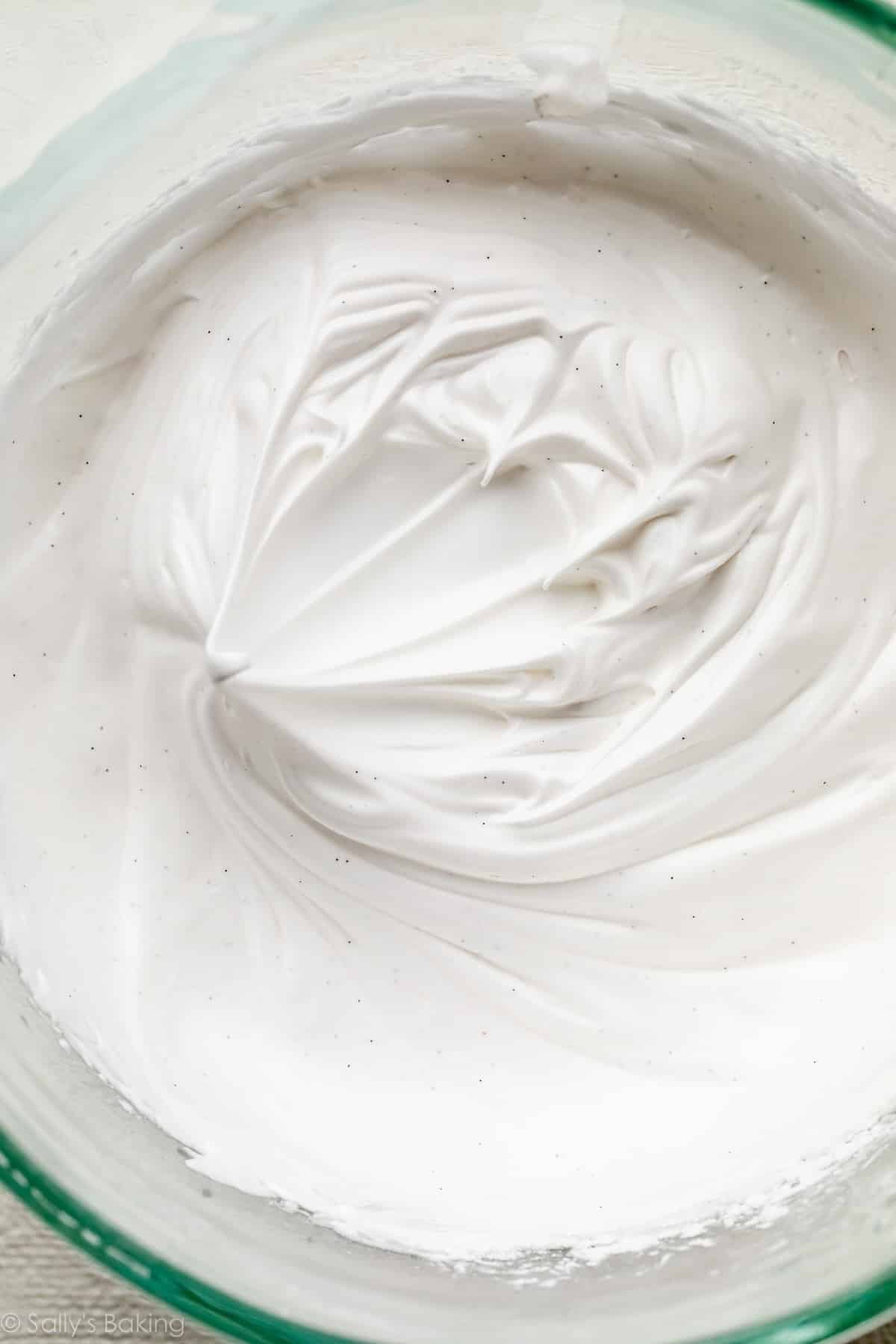
The journey to a perfect meringue roulade begins with foundational steps designed to ensure stability and ease of handling. First, if superfine or caster sugar is not readily available, granulated sugar is pulsed in a food processor to reduce crystal size, a crucial step for a smooth, non-weeping meringue. Egg whites are then whipped, progressing from foamy to voluminous, at which point cream of tartar is introduced, followed by the gradual addition of the processed sugar, one tablespoon at a time. This slow incorporation allows the sugar to fully dissolve and stabilize the egg whites, resulting in a glossy, firm meringue that holds stiff peaks, a non-negotiable indicator of readiness.
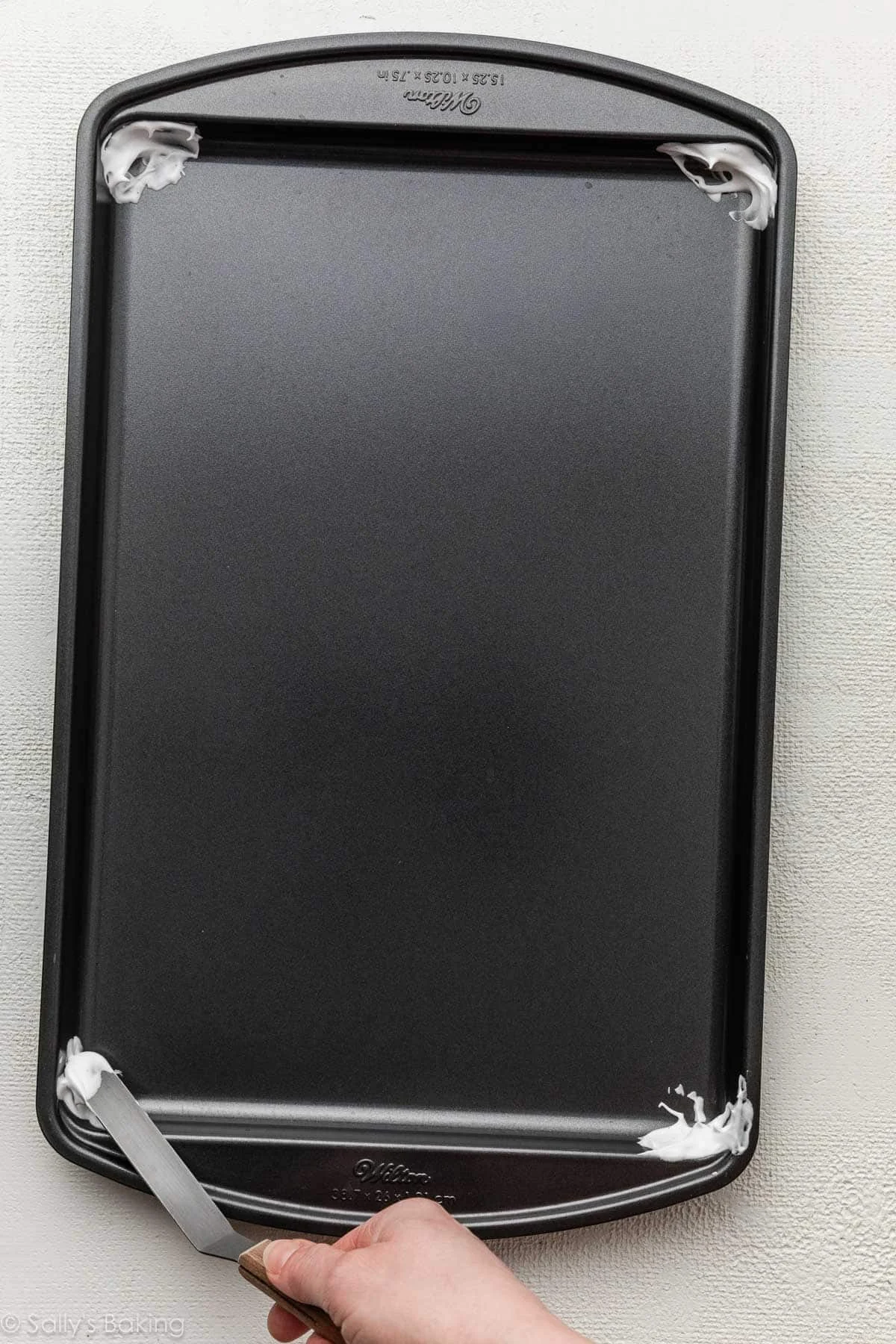
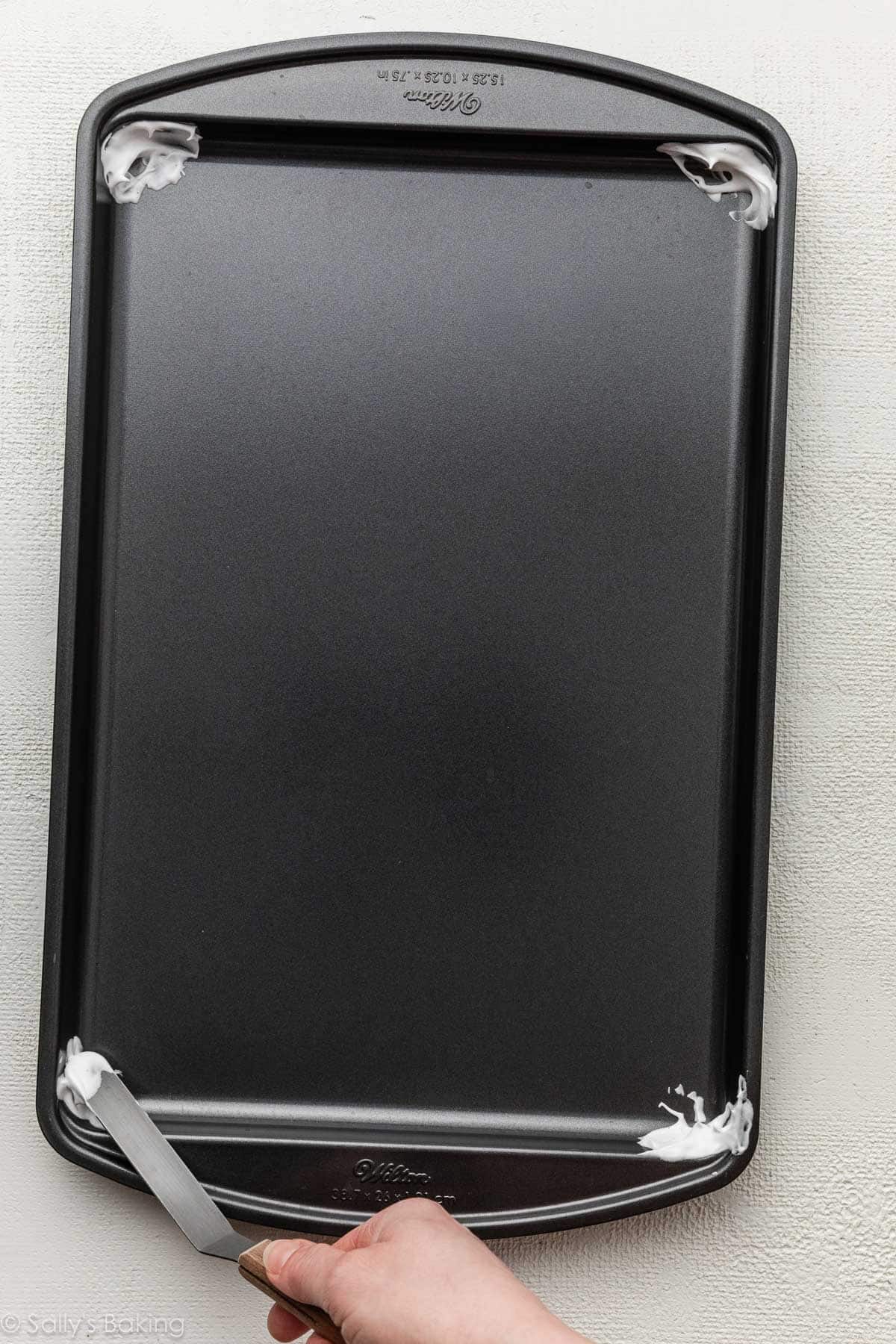
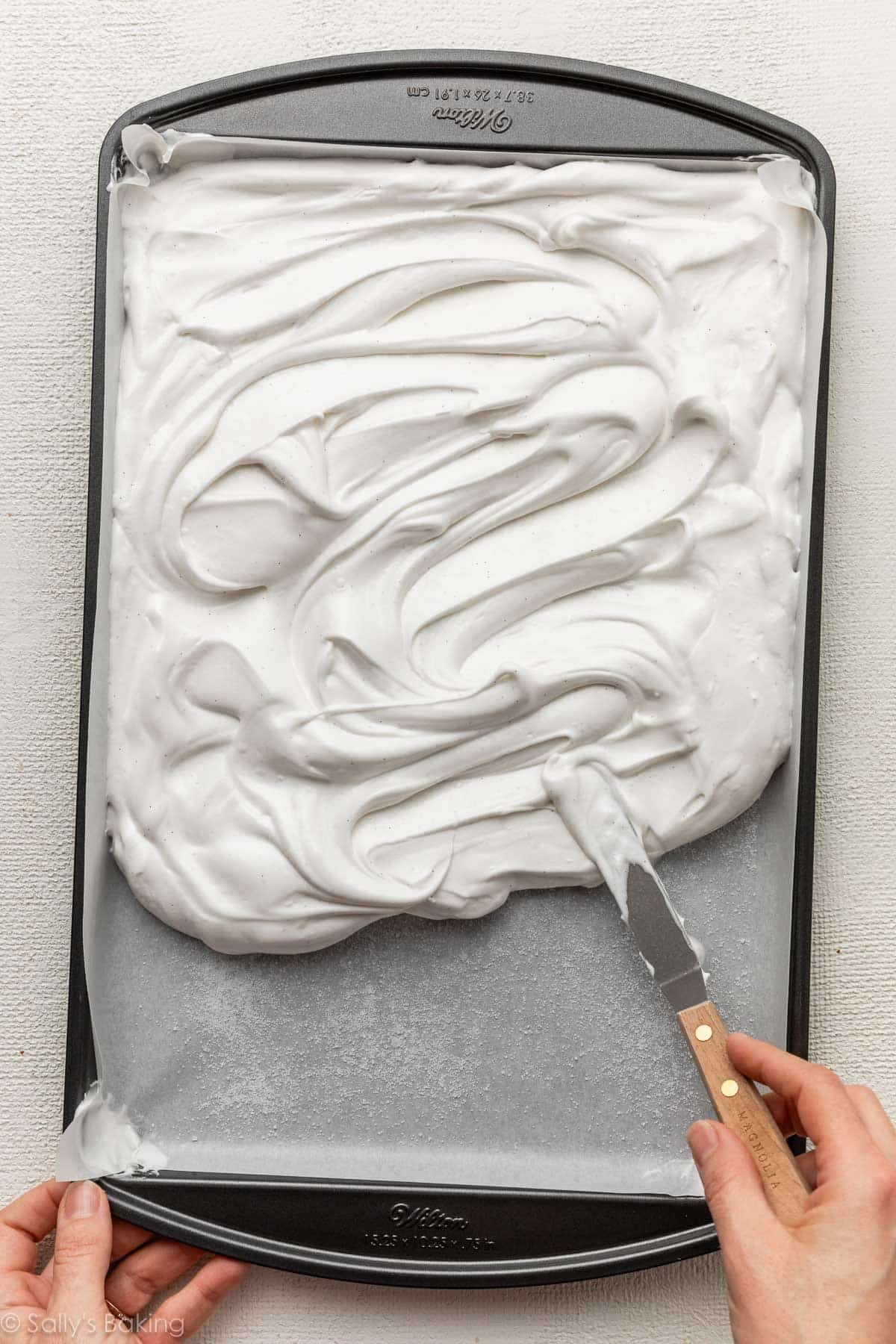
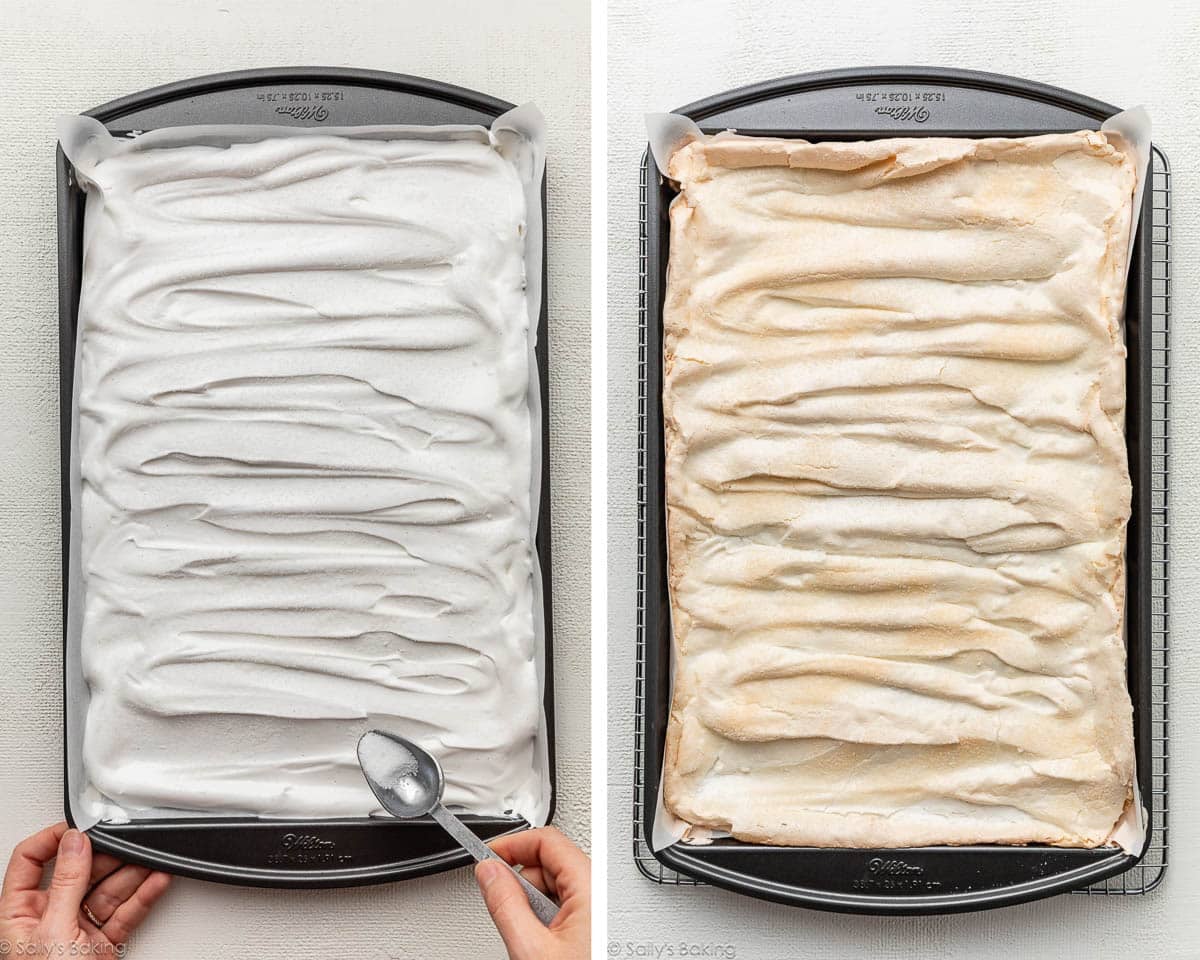
Preparing the baking pan is also detailed, with a clever technique involving dabs of meringue used as "glue" to secure parchment paper, simplifying the spreading process. A light dusting of granulated sugar over the parchment further aids in preventing sticking. The meringue mixture is then spread evenly to the pan’s edges, ideally with a small offset spatula, and another light sprinkle of sugar is applied before baking. The baking process is meticulously monitored; the meringue should puff, develop a lightly crisp, springy surface that is pale and just barely golden.
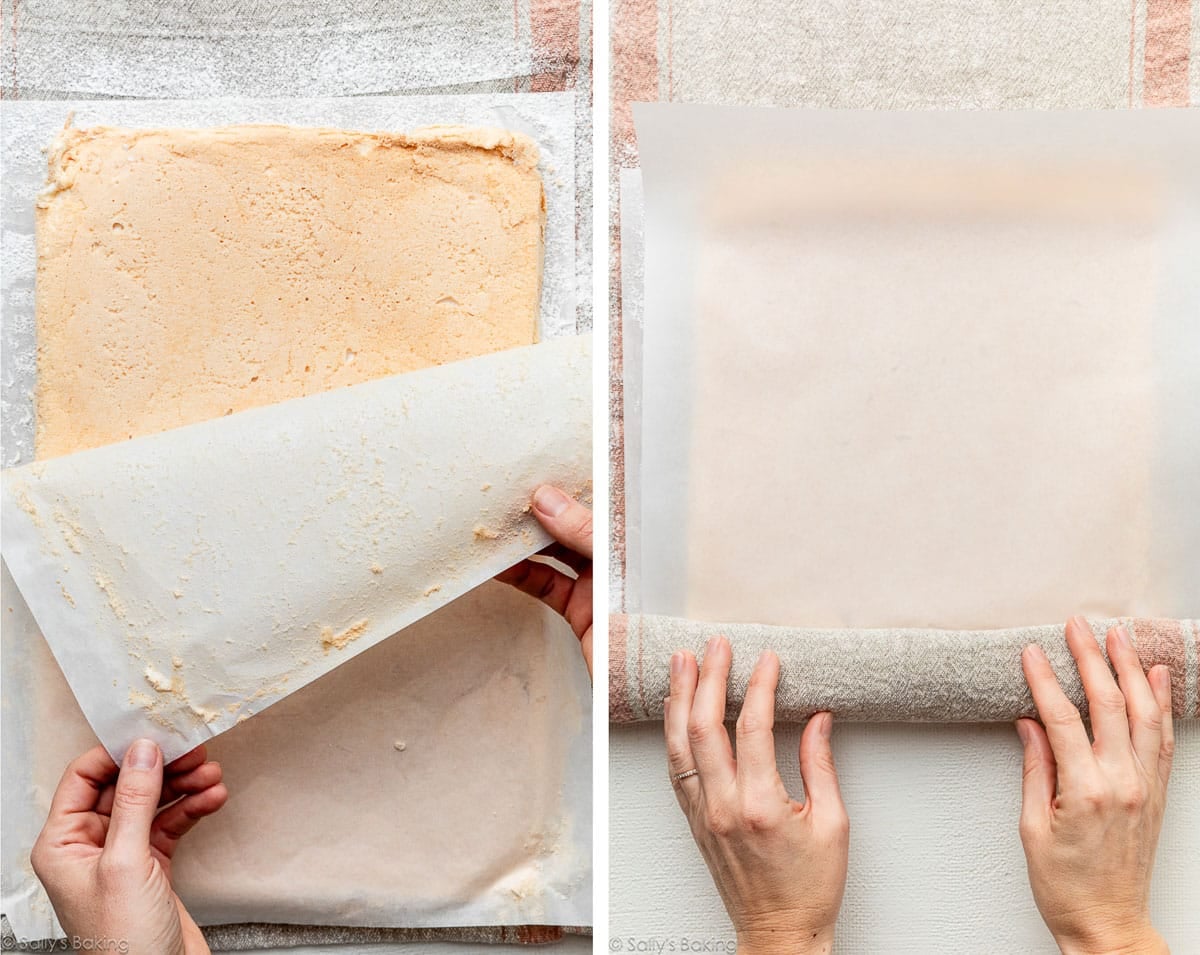
A pivotal stage, critical to preventing cracks, is the initial "training" roll of the still-warm meringue. After precisely 10 minutes of cooling—a "sweet spot" identified through extensive testing—the meringue is inverted onto a sugar-dusted piece of fresh parchment laid over a clean kitchen towel. The original baking parchment is carefully peeled off. The meringue is then gently rolled up with the parchment and towel, starting from a short end, ensuring not to roll too tightly or too loosely. This initial roll sets the meringue’s structure, preparing it for the filling.
The Creamy Core: Crafting a Stable Filling
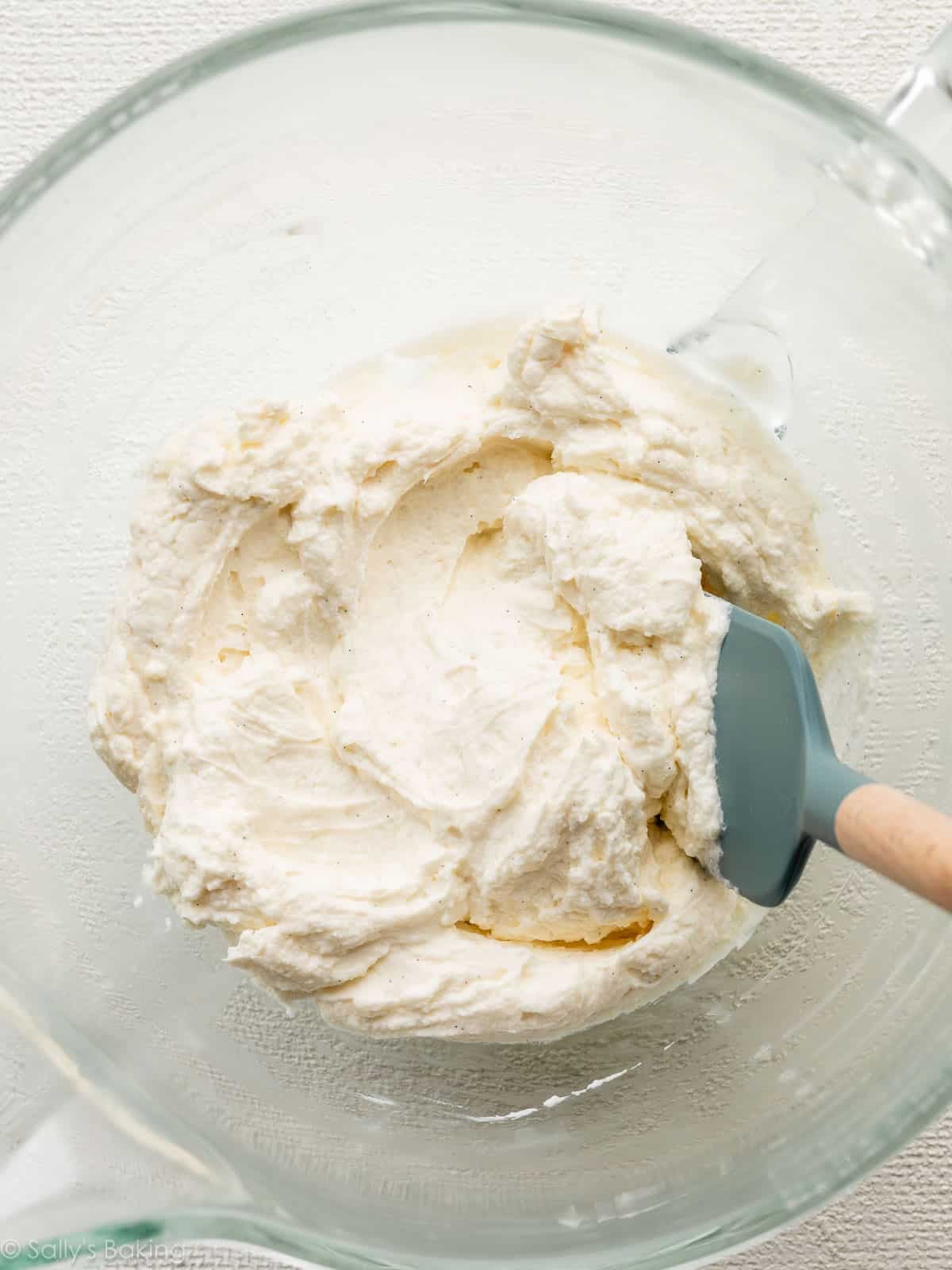
The filling for the meringue roulade is designed for both flavor and stability. It features a robust cream mixture, departing slightly from a standard whipped cream by incorporating cream cheese. This addition is strategic, providing a thicker, more stable consistency that can withstand the rolling process and maintain its structure within the delicate meringue. The process involves whipping heavy cream, sugar, and vanilla to soft peaks, separately beating cream cheese until smooth, and then gently combining the two. This method ensures a velvety, rich, yet light filling that complements the meringue without overpowering it. The recipe also suggests mascarpone as an alternative to cream cheese, offering a similar textural benefit with a slightly different flavor profile, reminiscent of fillings used in classic fruit tarts.
Assembling the Masterpiece: Filling and Final Roll
Upon cooling and the initial training roll, the meringue is gently unrolled. It is at this stage that some cracking is anticipated and deemed normal, underscoring the delicate nature of the dessert. However, excessive cracking or the meringue falling apart suggests either over-baking or allowing it to cool for too long before the initial roll. The creamy filling is then spread evenly over the unrolled meringue. For enhanced flavor and visual appeal, dollops of lemon curd, raspberry jam, or other preferred fruit elements can be artfully swirled into the cream. This customization allows for endless variations, catering to diverse palates.
The final roll is executed using the bottom piece of parchment as a guide, carefully rolling the meringue back up without the towel. This step requires a confident yet gentle hand, maintaining an even pressure to prevent the filling from squeezing out excessively while ensuring a compact, elegant spiral. The result, even with minor aesthetic imperfections, is a stunning dessert ready for garnishing and presentation.
Reader Acclaim: Testimonials from Home Bakers
The meringue roulade recipe has resonated significantly with home bakers, as evidenced by numerous positive testimonials that highlight both the challenges and the immense satisfaction derived from its creation. Readers like Kalani lauded the recipe, stating, "I was so excited to make this for Easter! As instructed, I read all the way to the end and followed the directions exactly. It was SO good and such a beautiful dessert. It was light and lovely. I also made the lemon curd as suggested, and those were our favorite bites!" This feedback underscores the importance of adherence to detailed instructions for achieving successful results and the delight in a light, flavorful dessert.
Another baker, Jordan, offered a candid assessment: "This is a slightly challenging yet rewarding recipe! Definitely something different that will surprise guests and so customizable as well! Some skill involved, but Sally’s instructions are so helpful and specific, it’s hard to go wrong!" This comment acknowledges the recipe’s advanced nature while praising the clarity of the instructions, which empower bakers to tackle what might initially seem daunting. Amy, another reader, expressed a profound sense of accomplishment: "I never thought I could make such an elegant dessert. It was time consuming but so worth it. It looked good and tasted great! Made my own lemon curd, too! Next time I will try a mocha filling. Thanks for another great recipe and for making me go out of my comfort zone!" Amy’s experience encapsulates the transformative power of baking, encouraging individuals to expand their culinary repertoire and find pride in creating sophisticated desserts from scratch. These testimonials collectively affirm the recipe’s ability to deliver a rewarding baking experience, fostering both skill development and culinary confidence.
Customization and Presentation: Elevating the Experience
Beyond its core components, the meringue roulade offers extensive opportunities for customization, allowing bakers to tailor the dessert to specific tastes and occasions. The base vanilla cream filling can be enhanced with various fruit curds—lemon, lime, or passion fruit—or a range of jams such as raspberry, strawberry, or blackberry, creating diverse flavor profiles and vibrant swirls. For those desiring a richer, more decadent experience, additions like cocoa powder to the meringue for a chocolate variant, or espresso powder for a mocha twist, are viable options.
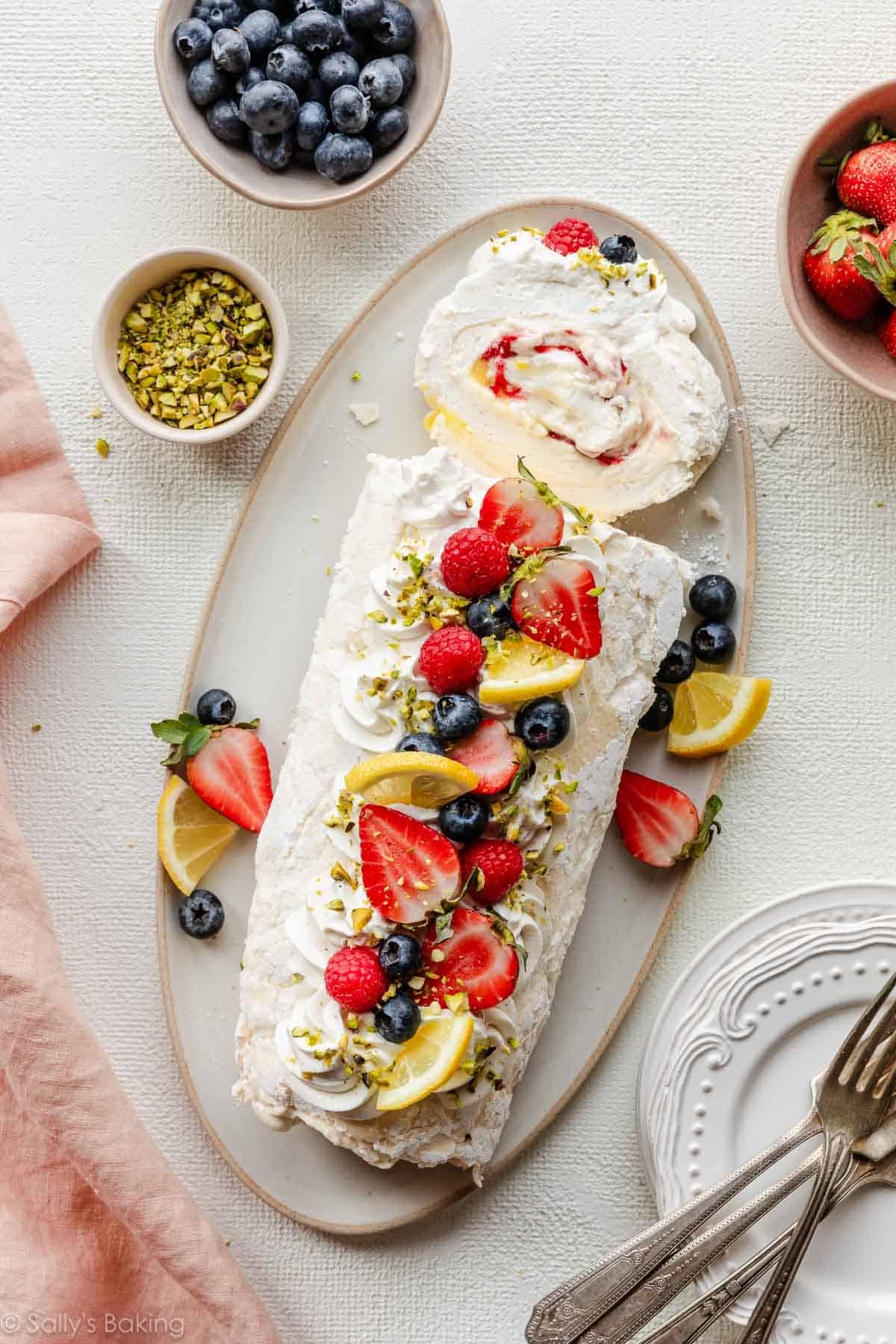
Garnishes play a crucial role in the final presentation, transforming a delicious dessert into a true showstopper. Fresh berries (raspberries, blueberries, strawberries), a dusting of confectioners’ sugar, or finely chopped nuts like pistachios add texture and visual appeal. Shaved chocolate, a drizzle of caramel, or even edible flowers can further elevate the elegance. The flexibility in both filling and decoration ensures that each meringue roulade can be a unique creation, reflecting the baker’s personal touch and catering to the specific preferences of guests. This adaptability is a key factor in its appeal for special occasions, where personalization is often highly valued.
Navigating Challenges: Troubleshooting and Expert Advice
Despite its elegance, the meringue roulade can present challenges for bakers, particularly those new to meringue. Understanding common pitfalls and their solutions is crucial for success.
Cracking: Small cracks are normal, but significant fracturing often indicates over-baking, which makes the meringue brittle, or allowing it to cool for too long before the initial roll, reducing its flexibility. Rolling too tightly can also induce cracks. The key is precise baking duration and adherence to the recommended cooling time before the first roll.
Stickiness: A sticky meringue can be attributed to high humidity, as sugar in the meringue attracts moisture from the air, or insufficient dusting of granulated sugar on the parchment paper before spreading the meringue. Ensuring proper parchment preparation and, if possible, baking on a less humid day can mitigate this issue.
Weeping: This phenomenon, where liquid leaks from the meringue, typically occurs if the egg whites were under-beaten, or if the sugar did not fully dissolve, leading to an unstable structure. Using superfine sugar and whipping the meringue to very stiff, glossy peaks ensures the sugar is adequately incorporated and the protein structure is robust, preventing premature syrup formation and leakage. While some weeping is expected if the roulade is stored overnight, immediate weeping signals an issue with preparation.
Make-Ahead Considerations: The meringue roulade is best enjoyed fresh to preserve its crisp-soft texture. However, individual components can be prepared in advance. The baked meringue can be rolled and stored, and the cream filling can be made separately and refrigerated. Assembling just before serving minimizes softening of the meringue and maintains its structural integrity. If assembled a few hours prior, a slight softening is to be expected, but the flavors will still meld beautifully.
Implications for Modern Baking: Accessibility and Achievement
The growing popularity of recipes like the meringue roulade holds significant implications for modern home baking. It challenges the perception that elegant, complex desserts are exclusively the domain of professional patisseries. By providing detailed, step-by-step instructions and troubleshooting guides, food bloggers and culinary websites democratize advanced techniques, empowering home bakers to venture beyond their comfort zones. This trend fosters a greater appreciation for the science and art of baking, encouraging skill development and a deeper understanding of ingredients.
For the gluten-free community, naturally gluten-free desserts like the meringue roulade are invaluable. They offer sophisticated options that do not rely on gluten-free flour blends, which can sometimes alter taste or texture. This expands the repertoire of suitable desserts for individuals with dietary restrictions, ensuring they can enjoy celebratory treats that are both safe and delicious. Ultimately, the meringue roulade stands as a testament to the rewarding nature of baking: a project that demands patience and precision but delivers immense satisfaction and a truly memorable culinary experience, solidifying its place as a celebrated centerpiece in contemporary dessert culture.