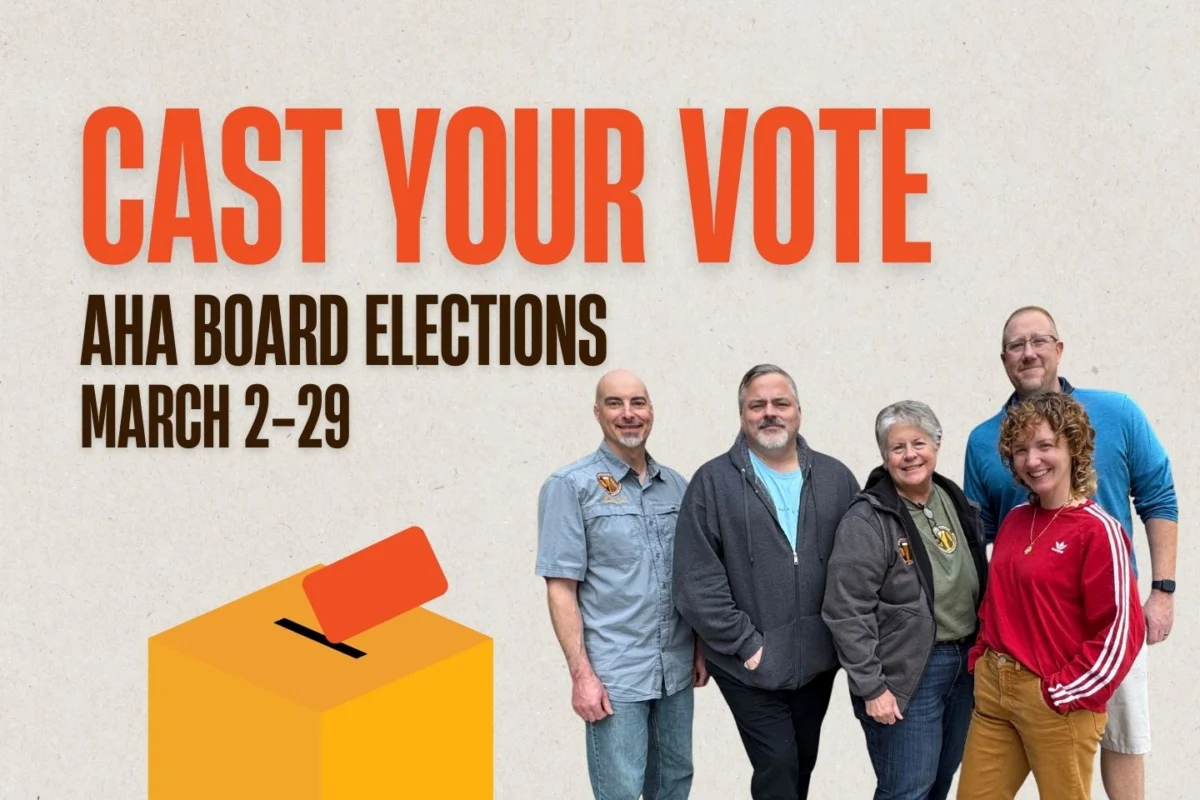

The American Homebrewers Association (AHA) has officially opened its 2026 Board of Directors election, marking a pivotal moment in the organization’s history as it navigates a complex transition toward structural independence. Active members of the association are being called to cast their ballots between March 2 and March 29, 2026, to select the leaders who will steer the hobby’s most influential body through an era of significant organizational change. This year’s election is not merely a routine administrative process; it represents the first major democratic exercise since the AHA announced its move toward a more autonomous operating model, a shift designed to ensure the long-term sustainability and advocacy power of the homebrewing community.
The 2026 election cycle saw a robust response to the AHA’s open call for nominations, which was issued earlier this year. According to official association records, 28 candidates submitted applications to join the governing body. Following a rigorous vetting process by the current leadership, a final slate of ten candidates was selected to appear on the member ballot. These individuals were chosen based on a diverse array of professional backgrounds, including expertise in financial management, non-profit governance, legal advocacy, and community building. The final results of the election are scheduled to be announced to the public and the membership on April 7, 2026.
Historical Context and the Path to Independence
To understand the weight of the 2026 election, one must look at the historical trajectory of the American Homebrewers Association. Founded in 1978 by Charlie Papazian in Boulder, Colorado, the AHA was instrumental in the legalization of homebrewing at the federal level and subsequently in all 50 states. For decades, the AHA operated under the umbrella of the Brewers Association (BA), the trade group representing small and independent craft brewers. While this partnership provided the AHA with significant resources and a shared voice in the brewing industry, the evolving landscape of the craft beer market necessitated a reevaluation of the organizational structure.
Beginning in 2025, the AHA initiated a formal transition to independence. This move was prompted by a desire to focus more exclusively on the specific needs of homebrewers, which often differ from those of commercial brewery owners. The 2026 Board of Directors will be the primary architects of this new independent era. As part of this transition, the board’s composition is being adjusted to support organizational continuity. The current election seeks to fill four open seats. Simultaneously, three founding directors will continue their terms, effectively expanding the board from five to seven directors. This expansion is intended to provide a broader range of perspectives and to ensure that the workload of governing an independent non-profit is distributed among a larger group of qualified volunteers.
Chronology of the 2026 Election Cycle
The election process has been meticulously planned to ensure transparency and member engagement. The timeline for the 2026 cycle is as follows:
- January 2026: The AHA issued an open call for nominations, inviting any active member in good standing to apply for a seat on the board.
- February 2026: The Nominating Committee reviewed 28 applications, conducting interviews and background checks to narrow the field to a slate of ten candidates.
- March 2, 2026: Official voting opened to all active AHA members. Ballots were distributed electronically, with secure authentication measures in place to ensure the integrity of the vote.
- March 29, 2026: The voting period concluded at 11:59 p.m. MT.
- March 30 – April 6, 2026: The AHA staff and an independent third-party auditor began the process of certifying the results and notifying the winning candidates.
- April 7, 2026: The final results are slated for public announcement via the AHA website and social media channels.
Board Composition and Governance Strategy
The shift to a seven-member board is a strategic move designed to align the AHA with best practices in non-profit governance. By staggering the terms of the directors, the association avoids a scenario where the entire board turns over at once, which could lead to a loss of institutional knowledge and strategic momentum. The four seats available in this election represent the majority of the board, giving the membership a significant voice in the association’s future direction.
The AHA has emphasized that the ideal board member possesses more than just a passion for fermentation. Candidates were evaluated on their ability to contribute to the association’s "Top Priorities," which include financial oversight, strategic planning, and the promotion of diversity and inclusion within the hobby. The incoming board will be responsible for overseeing the AHA’s multi-million dollar budget, which is funded primarily through membership dues, event revenue, and sponsorships.
Supporting Data: The State of the Association and the Hobby
The 2026 election comes at a time when the homebrewing hobby is facing both challenges and opportunities. Data from the AHA’s annual member surveys indicate that while the "hobbyist boom" of the early 2010s has leveled off, the core demographic of homebrewers remains highly engaged. As of late 2025, the AHA maintained a membership base of approximately 38,000 individuals.
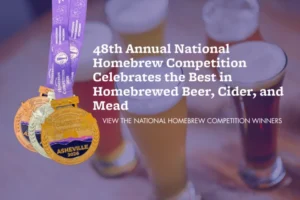
The economic impact of the hobby remains substantial. Homebrewers contribute an estimated $700 million annually to the U.S. economy through the purchase of equipment, ingredients, and educational materials. Furthermore, the AHA’s flagship events continue to be major drivers of industry activity. The National Homebrew Competition (NHC), the largest of its kind in the world, typically sees over 4,000 entries across dozens of categories. Managing the logistics and judging of such a massive undertaking is one of the primary responsibilities the new board will oversee.
Strategic Priorities for the Incoming Board
The directors elected in 2026 will be tasked with executing a specific set of priorities aimed at revitalizing the association. These include:
- Organizational Sustainability: Ensuring that the AHA remains financially viable as a standalone entity. This involves diversifying revenue streams and optimizing the cost structure of membership benefits.
- Homebrew Con and Competitions: Reimagining the annual Homebrew Con to better serve a modern audience. This includes integrating more digital content and hands-on workshops that reflect current trends in fermentation, such as mead, cider, and non-alcoholic brewing.
- Membership Growth and Retention: Developing new value propositions to attract younger and more diverse demographics to the hobby.
- Government Affairs and Advocacy: Continuing the fight for "homebrew-friendly" legislation. Key issues include the ability for homebrewers to share their creations at festivals and the removal of antiquated state-level restrictions on transport and volume.
- Community Engagement: Strengthening the network of over 1,500 local homebrew clubs, which serve as the grassroots foundation of the hobby.
Official Responses and Inferred Implications
While the AHA maintains a strictly neutral stance during the voting period, leadership has signaled the importance of this specific election. In communications to members, the association stated that "a strong Board reflects diverse experience working together in the service of AHA’s future." This sentiment reflects a broader trend in the brewing industry toward professionalized governance.
Industry analysts suggest that the outcome of this election will be a bellwether for the future of the American craft beer movement. Many of the country’s most successful commercial brewers began as AHA members. If the AHA can successfully navigate its transition to independence and foster a new generation of homebrewers, it will ensure a steady pipeline of talent and innovation for the commercial sector. Conversely, a failure to stabilize the organization could lead to a decline in the hobby’s cultural relevance.
Analysis of Broader Impacts
The move toward independence and the expansion of the board suggest that the AHA is preparing for a more assertive role in the beverage industry. Without the constraints of being a subsidiary of a commercial trade group, the AHA can more aggressively lobby for the rights of individual hobbyists. For example, the association may now be better positioned to challenge regulations that favor large-scale commercial distribution over small-scale, non-commercial sharing.
Furthermore, the emphasis on "diverse perspectives" in the candidate selection process highlights an awareness of the changing demographics of DIY fermentation. The 2026 board will likely face pressure to expand the definition of "homebrewing" to include a wider array of fermented beverages, reflecting the "total beverage" trend seen in the commercial world. This could lead to closer partnerships with organizations focused on kombucha, kefir, and traditional food fermentation.
As the voting period concludes and the association prepares to announce its new leadership, the homebrewing community remains focused on the potential for renewal. The 2026 Board of Directors will not only be responsible for the day-to-day operations of the AHA but will also serve as the stewards of a legacy that spans nearly half a century. Their success or failure in managing the transition to independence will determine whether the American Homebrewers Association remains the preeminent voice for fermentation enthusiasts for decades to come.