
The Banoffee Pie, a British dessert celebrated for its harmonious blend of salty-sweet graham cracker crust, rich caramel toffee filling, fresh banana slices, and a generous topping of whipped cream, has emerged as a culinary sensation, captivating palates and fostering community through shared indulgence. This layered confection, a testament to simple yet profound flavor combinations, has recently been highlighted as a clear favorite in a series of "Family Dessert Night" gatherings, underscoring its widespread appeal and potential to become a staple in modern home baking traditions.
A Glimpse into Banoffee Pie’s Origins and Evolution
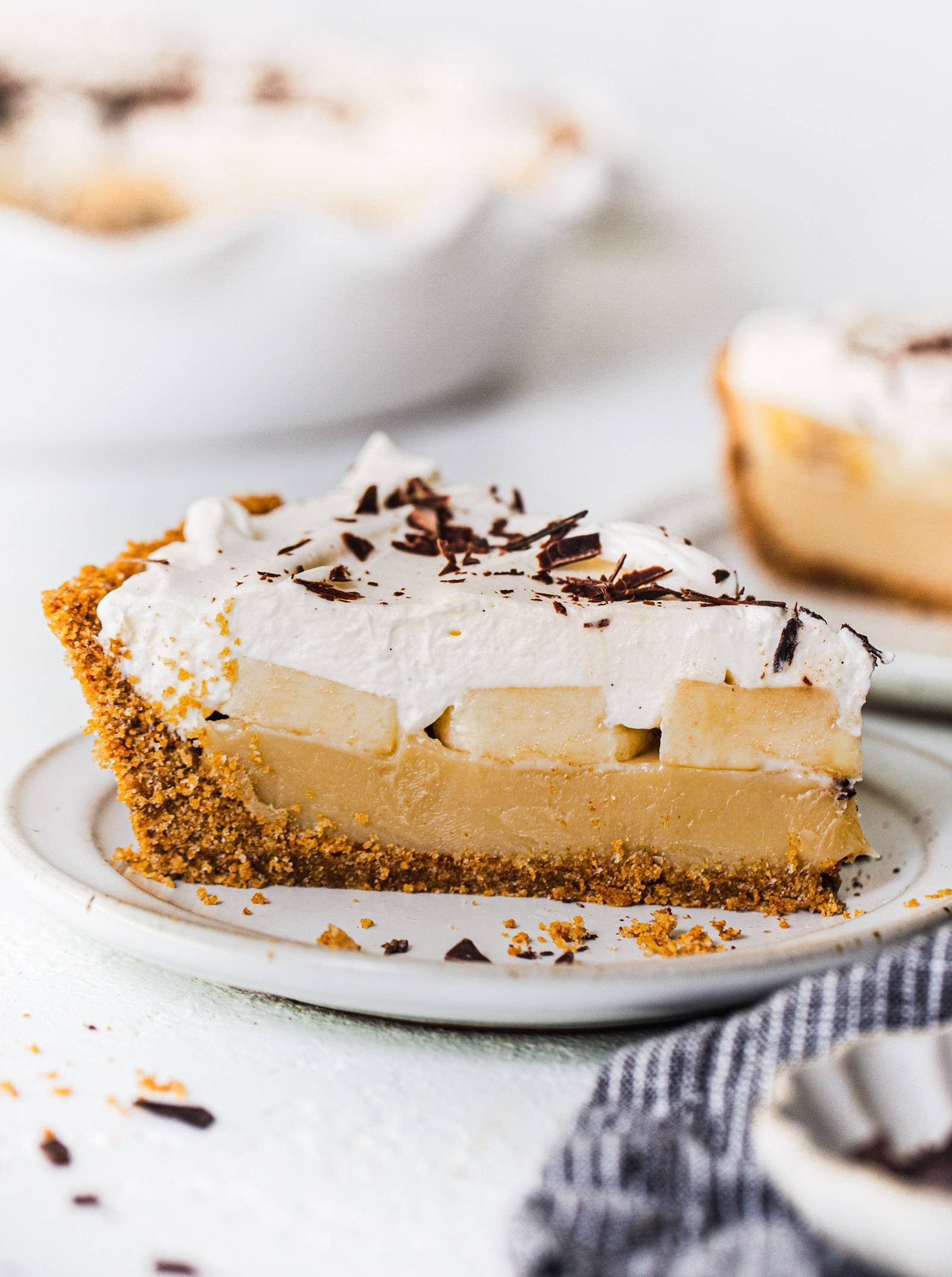
The history of Banoffee Pie is a charming narrative rooted in British culinary innovation. Widely credited to Nigel Mackenzie and Ian Dowding, the proprietors of The Hungry Monk Restaurant in Jevington, East Sussex, England, the dessert first appeared on their menu in 1972. The genesis of the pie reportedly involved an attempt to improve upon an American coffee toffee pie. After experimenting with various ingredients, including condensed milk boiled to create a thick, luscious toffee (a process known as dulce de leche), and the addition of bananas, the Banoffee Pie was born. Its name, a portmanteau of "banana" and "toffee," succinctly describes its core components.
Initially, the pie’s base was often made with a pastry crust, reflecting traditional British pie-making. However, over time, the graham cracker (or digestive biscuit in the UK) crust gained prominence, offering a crumbly, buttery texture that perfectly complements the creamy fillings. The dessert rapidly gained popularity across the United Kingdom, becoming a beloved fixture in pubs, cafes, and home kitchens. Its fame soon spread internationally, cementing its status as a classic comfort food. The discovery of such a recipe today, often through digital platforms like social media feeds, exemplifies how culinary heritage is continuously rediscovered and shared across generations and geographical boundaries, as noted by the author’s recent encounter with the pie via an online video by Amy Nash.
The Anatomy of a Culinary Triumph: Layers of Delight

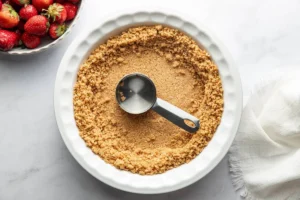
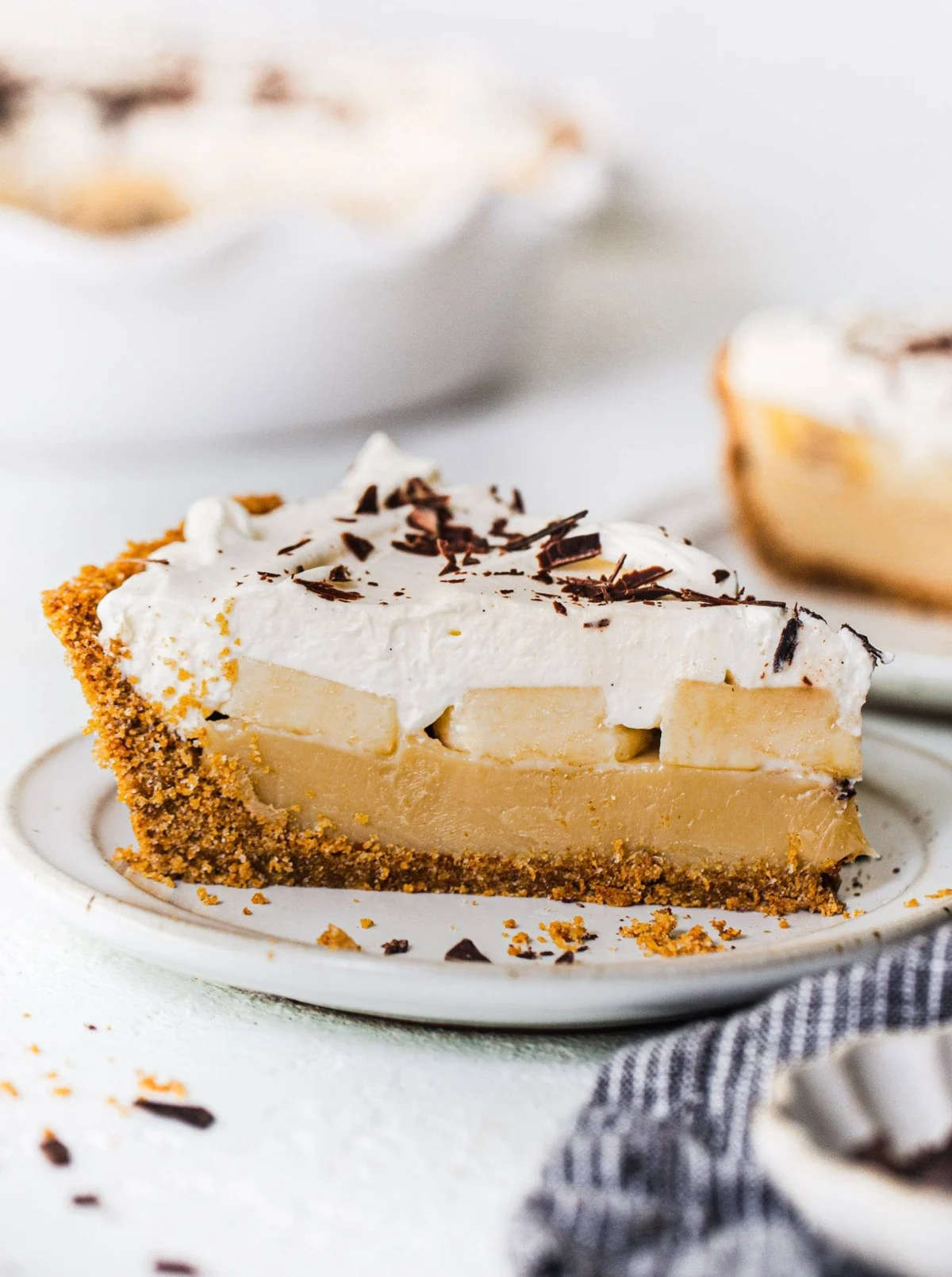
The appeal of Banoffee Pie lies in its meticulously constructed layers, each contributing to a symphony of textures and tastes. The foundation is typically a salty-sweet graham cracker crust, which provides a sturdy yet yielding base. This crust, often made from crushed graham crackers mixed with melted butter and a touch of sugar, offers a delightful contrast to the softer layers above. Its inherent saltiness balances the sweetness of the subsequent fillings, creating a complex flavor profile that prevents the dessert from being overwhelmingly saccharine. As culinary enthusiasts often attest, the simple act of tasting the warm, buttery crumbs before pressing them into the pan can be an experience in itself, hinting at the deliciousness to come.
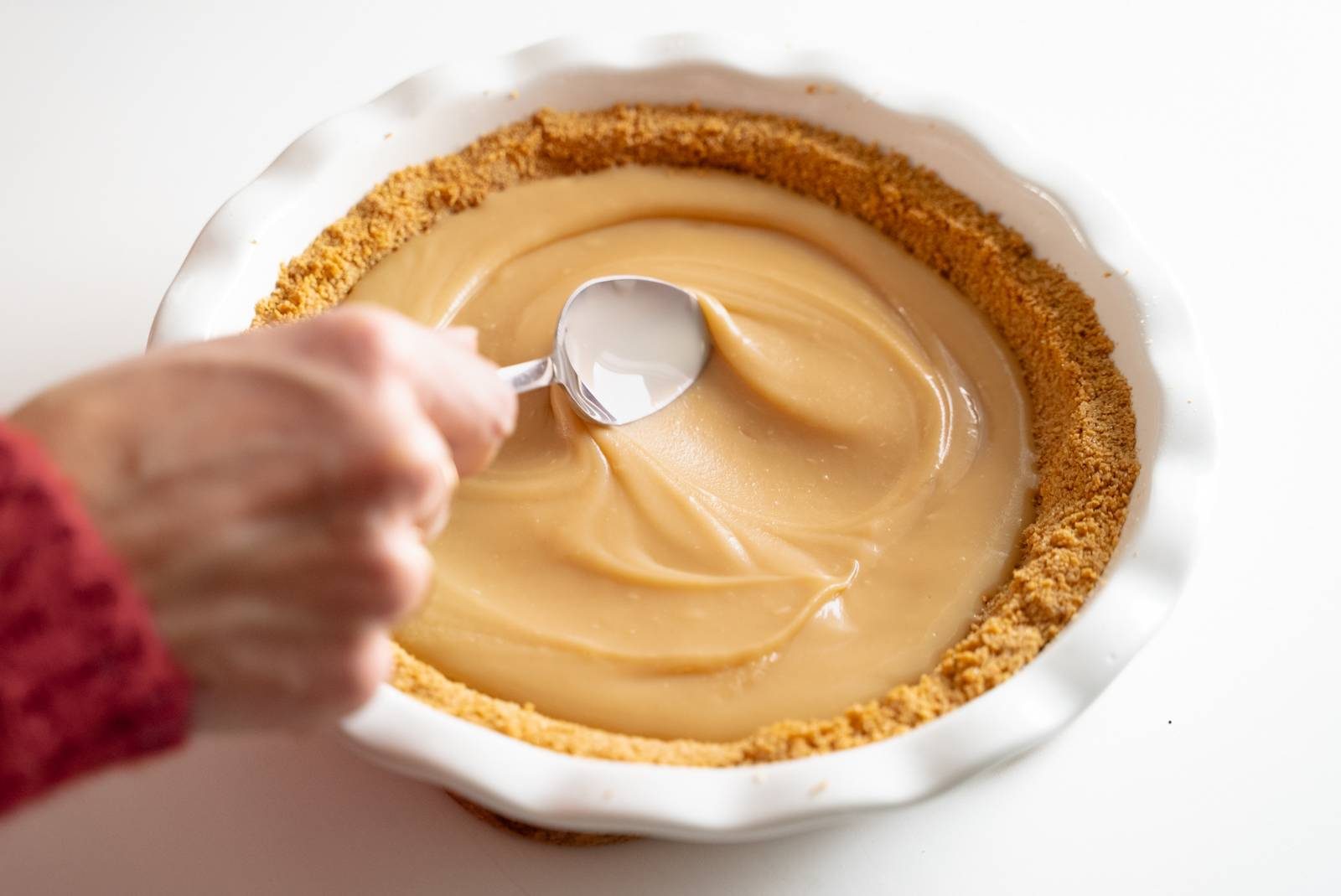
Above this, the heart of the Banoffee Pie: a silky caramel toffee filling. This layer, traditionally made by slowly simmering sweetened condensed milk until it transforms into a rich, golden-brown dulce de leche, is the pie’s defining characteristic. The process requires patience and consistent stirring to achieve the desired consistency and prevent scorching, yet the reward is a dense, intensely flavored caramel that provides depth and a luxurious mouthfeel. Minor caramelization variations, such as browned bits from butter and brown sugar, are often considered acceptable and even add to the rustic charm and flavor complexity of the filling.
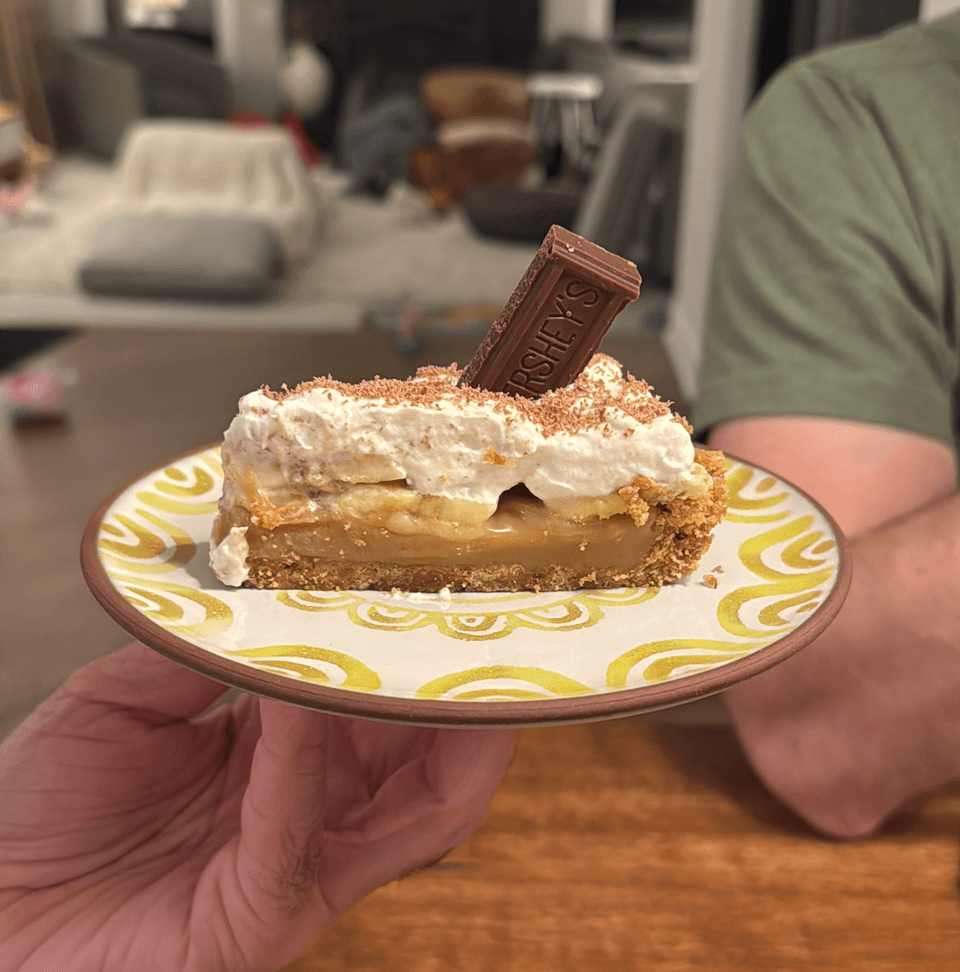
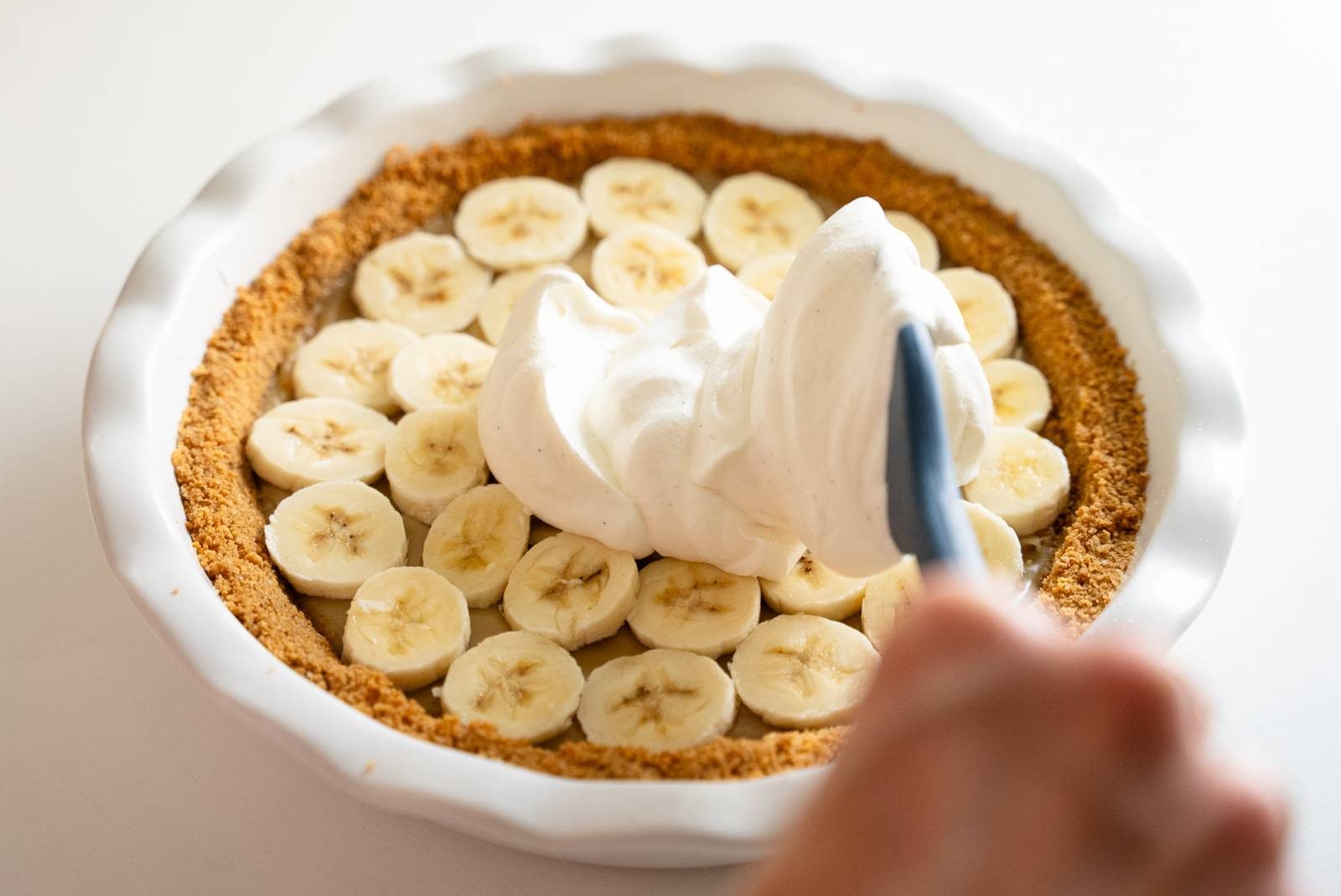
The fresh element is introduced with a generous layer of thinly sliced ripe bananas. These not only add a natural sweetness and creamy texture but also a crucial freshness that cuts through the richness of the toffee. The bananas’ slight tang and soft consistency integrate seamlessly with the other layers. Finally, the pie is crowned with a cloud of freshly whipped cream, offering a light, airy contrast to the dense toffee and crisp crust. This top layer provides a cooling sensation and a delicate finish, bringing all the components together into a cohesive and utterly indulgent experience. The inclusion of a small piece of chocolate, as occasionally seen in presentations, serves as a final flourish, adding a touch of bitterness and visual appeal.
"Family Dessert Night": Fostering Community Through Confectionery
The Banoffee Pie’s recent prominence stems from its unequivocal success in a "Family Dessert Night" initiative. This weekly tradition, established over the past few months, aims to create moments of joy and build community around a shared love for dessert. Far from being a mere culinary exercise, these gatherings, whether intimate family affairs or larger social events, highlight the growing trend of intentional community building through shared meals and experiences. In an increasingly digital world, the act of preparing and sharing a homemade dessert like Banoffee Pie serves as a tangible anchor for connection, conversation, and collective enjoyment.
The selection of Banoffee Pie as the "clear winner" among various desserts tested speaks volumes about its universal appeal. Its rich flavor, satisfying textures, and comforting familiarity resonate deeply, making it an ideal centerpiece for such communal gatherings. This phenomenon reflects broader societal trends towards valuing home-cooked meals, seeking comfort in nostalgic foods, and prioritizing shared experiences over individual pursuits. The structured nature of "Family Dessert Night" also offers a practical framework for incorporating culinary exploration into regular routines, encouraging participants to engage with new recipes and techniques. The emphasis on "joy" as the sole reason for these nights underscores a shift towards prioritizing well-being and simple pleasures in daily life.

A Step-by-Step Guide to Crafting the Banoffee Masterpiece
For those inspired to embark on their own Banoffee Pie journey, the process, while requiring attention to detail, is straightforward and immensely rewarding.
-
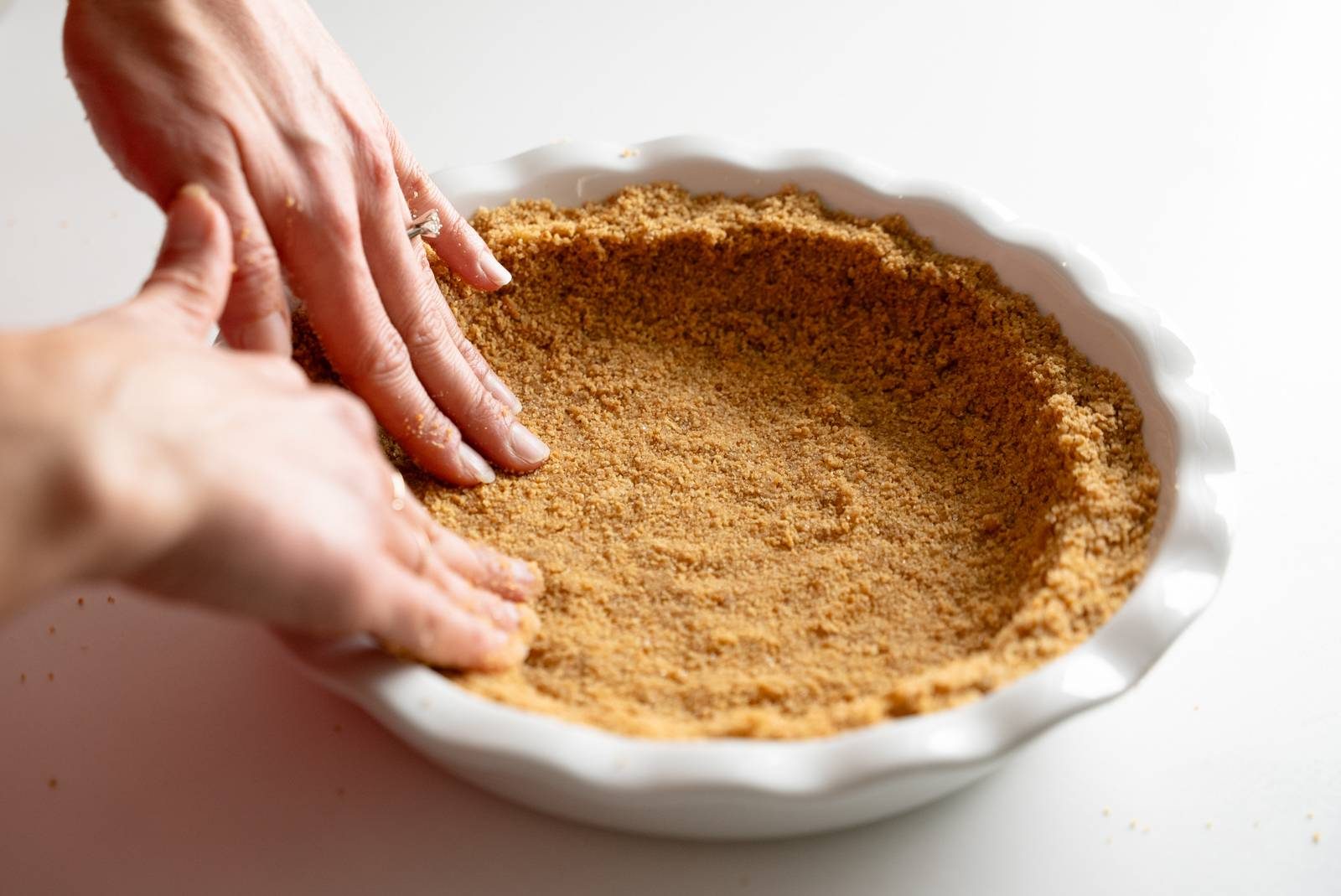
Graham Cracker Crust Preparation: Begin by preparing the graham cracker crust. This involves crushing graham crackers (or digestive biscuits) into fine crumbs, mixing them with melted butter and a small amount of sugar. This mixture is then pressed firmly into a pie dish, creating an even layer. The crust can be briefly baked or chilled to set, ensuring it forms a stable base for the subsequent layers.
-
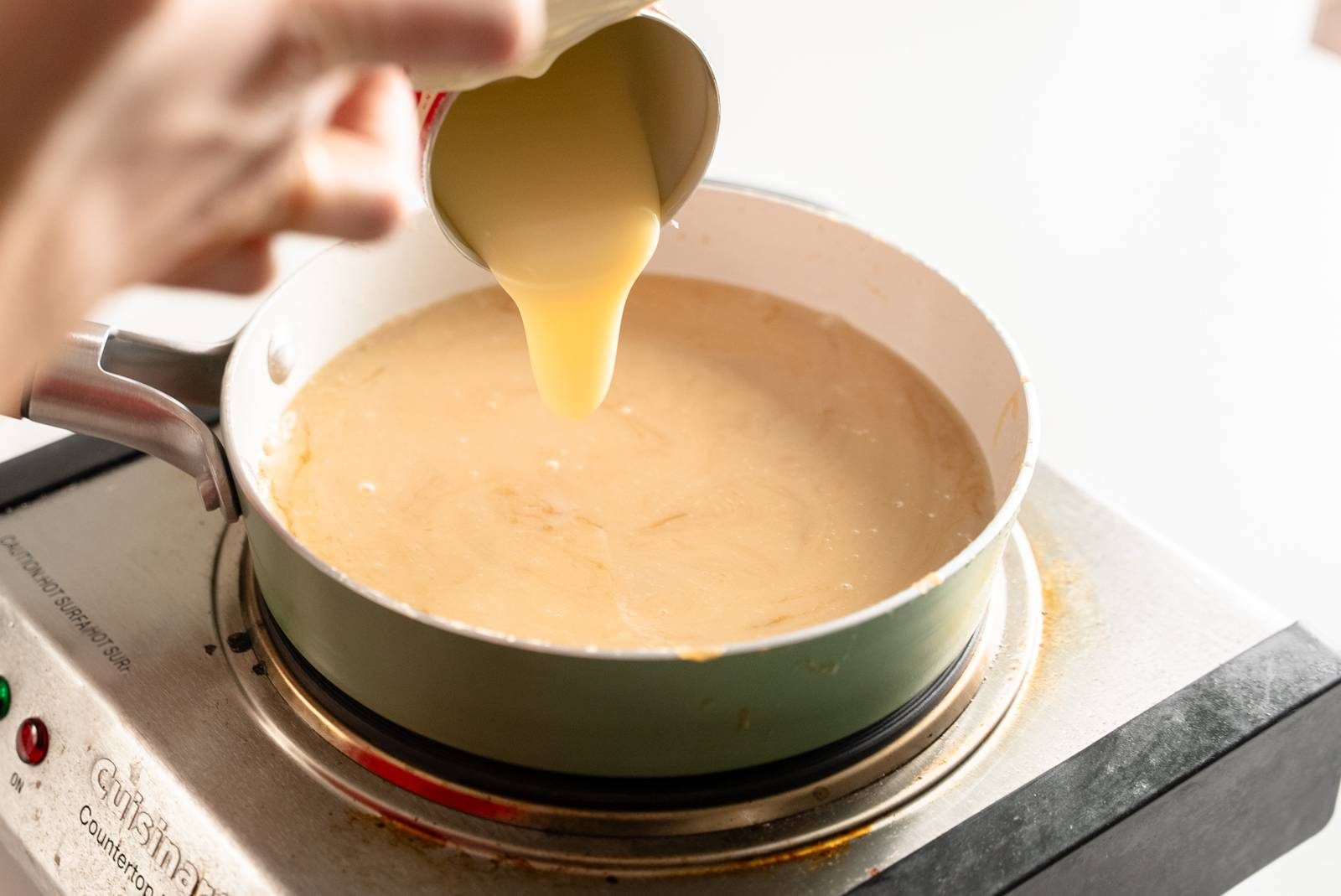
Toffee Layer Creation: The toffee filling is crafted by gently simmering sweetened condensed milk. The key is to use low heat and stir continuously to prevent burning and ensure a smooth, even caramelization. This process typically takes a sustained period, transforming the liquid milk into a thick, golden, and deeply flavored toffee. Precision in timing and technique is crucial for achieving the desired silky consistency.
-
Assembly and Chilling: Once the toffee has reached its optimal consistency, it is poured directly into the cooled graham cracker crust. The pie is then allowed to cool, either at room temperature or in the refrigerator, allowing the toffee to set and firm up. This step is essential for ensuring clean slices later on.
-
Banana and Whipped Cream Topping: After the toffee layer has set, a generous layer of fresh, thinly sliced bananas is arranged over the toffee. This is followed by spreading a thick layer of freshly whipped cream over the bananas. The contrast in textures and temperatures between the cool, airy cream, soft bananas, and dense toffee is central to the pie’s appeal.
-
Serving: The Banoffee Pie is then ready to be sliced and served. The ideal slice should be firm enough to hold its shape, yet soft enough to be easily enjoyed, offering a delightful interplay of textures with every bite. Due to its richness, small slices are often recommended, though the irresistible nature of the pie frequently leads to multiple revisits for "just one more bite."
Practical Considerations and Expert Recommendations
When preparing Banoffee Pie, several practical considerations can enhance the experience. Timelines are particularly helpful for home bakers, especially when coordinating with social events. Preparing the crust and toffee a day in advance, or at least several hours before assembly, allows for adequate cooling and setting time. The final assembly with bananas and whipped cream is best done closer to serving time to ensure the freshest taste and appearance, as bananas can brown and whipped cream can weep if left too long.
Leftovers, while undeniably delicious, are best consumed within a day. The fresh bananas and whipped cream can release moisture and the bananas may oxidize and brown over time, slightly altering the pie’s pristine appearance and texture. However, many enthusiasts find the chilled, slightly softer texture of next-day Banoffee Pie equally enjoyable. The occurrence of small browned bits in the caramel, a result of intense caramelization, is not a cause for concern but rather an indicator of a well-developed flavor.
Broader Implications for Culinary Culture
The enduring popularity of Banoffee Pie, particularly its resurgence in contemporary home baking, reflects several broader culinary and social implications. It highlights the sustained appeal of classic comfort foods that offer a sense of nostalgia and indulgence. In an era where dietary trends often lean towards health-consciousness, desserts like Banoffee Pie serve as reminders of the joy found in occasional, decadent treats.
Furthermore, the "Family Dessert Night" model exemplifies the powerful role of food in community building and shared human experience. It underscores how simple culinary endeavors can become catalysts for connection, strengthening bonds between family members and friends. The easy accessibility of recipes through digital platforms also means that traditional dishes can find new audiences and adapt to modern lifestyles, ensuring their legacy continues.
In conclusion, the Banoffee Pie stands as more than just a dessert; it is a culinary icon that continues to captivate with its rich history, exquisite balance of flavors and textures, and its unique ability to bring people together. Its success in both formal culinary settings and informal family gatherings solidifies its position as a timeless classic, a testament to the simple yet profound pleasure of a perfectly crafted sweet treat.