
The new recipe distinguishes itself from many conventional chicken noodle soups by embracing a distinctly creamy profile, a deliberate choice by Ostrom during its development. Initially experimenting with a thicker consistency, akin to a robust chicken wild rice soup, the final iteration leans into a more "brothy" yet luxuriously creamy character. This nuanced approach strikes a balance, providing the comforting richness typically associated with cream-based soups while retaining the familiar, slurpable quality inherent to a classic noodle soup. The resulting dish has been described as a "game-changer" by its creator, suggesting a departure from previous perceptions of the classic.
The Genesis of a Culinary Rework

The development of this particular creamy chicken noodle soup recipe emerged from a desire to reimagine a well-loved staple. While chicken noodle soup holds a revered place in many cultures as a restorative and comforting meal, its traditional preparations often vary widely in texture and depth of flavor. Ostrom, known for her innovative and approachable recipes, embarked on a process of refinement, seeking to imbue the dish with a heightened sense of indulgence without sacrificing its inherent warmth. The journey from conception to publication involved careful consideration of ingredient ratios, cooking techniques, and flavor integration.
The initial concept explored a denser, more substantial soup, reminiscent of hearty stews. However, through iterative testing, Ostrom discovered that a slightly lighter, yet still richly creamy, broth offered a more compelling and satisfying experience for a chicken noodle soup. This evolution highlights a common iterative process in professional recipe development, where initial ideas are refined through practical application and taste testing to achieve an optimal outcome. The comparison drawn to Zuppa Toscana, another popular creamy, brothy soup, provides a valuable frame of reference for understanding the textural and flavor profile Ostrom aimed to achieve, marrying the indulgent quality of cream with the inherent drinkability of a soup.
Key Components and Flavor Profile

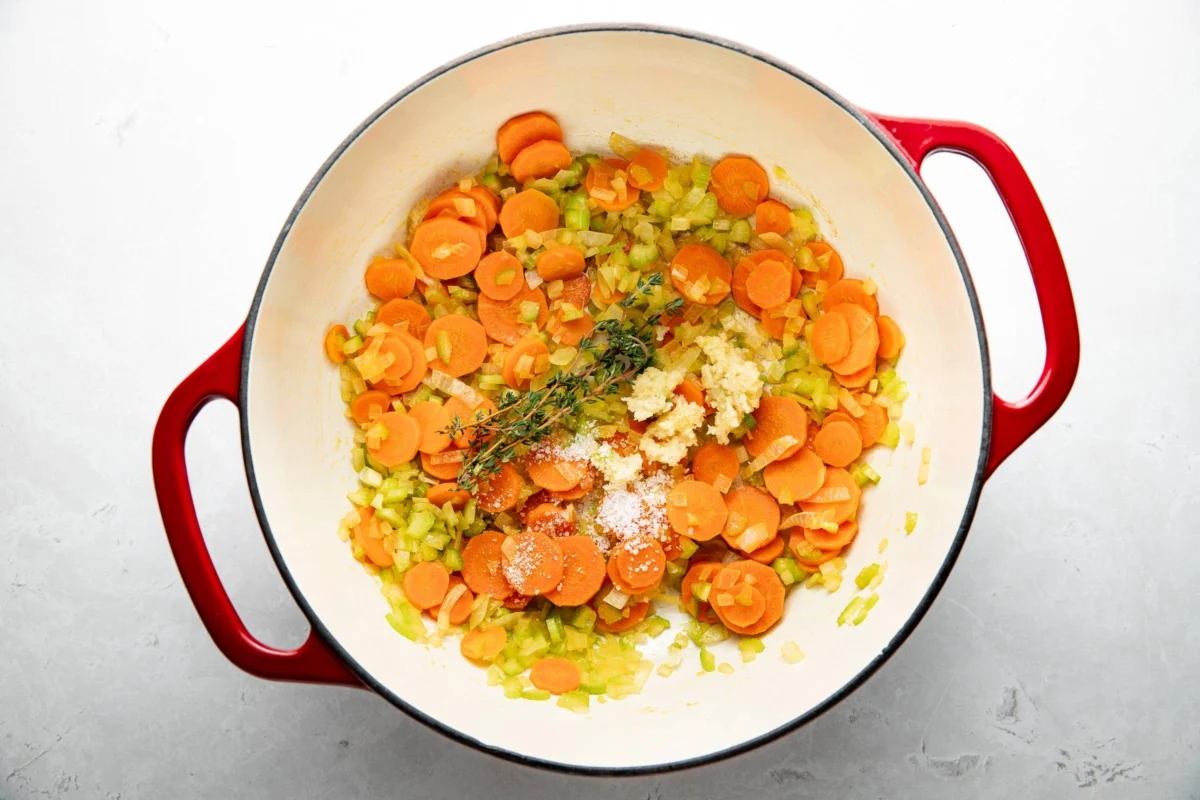
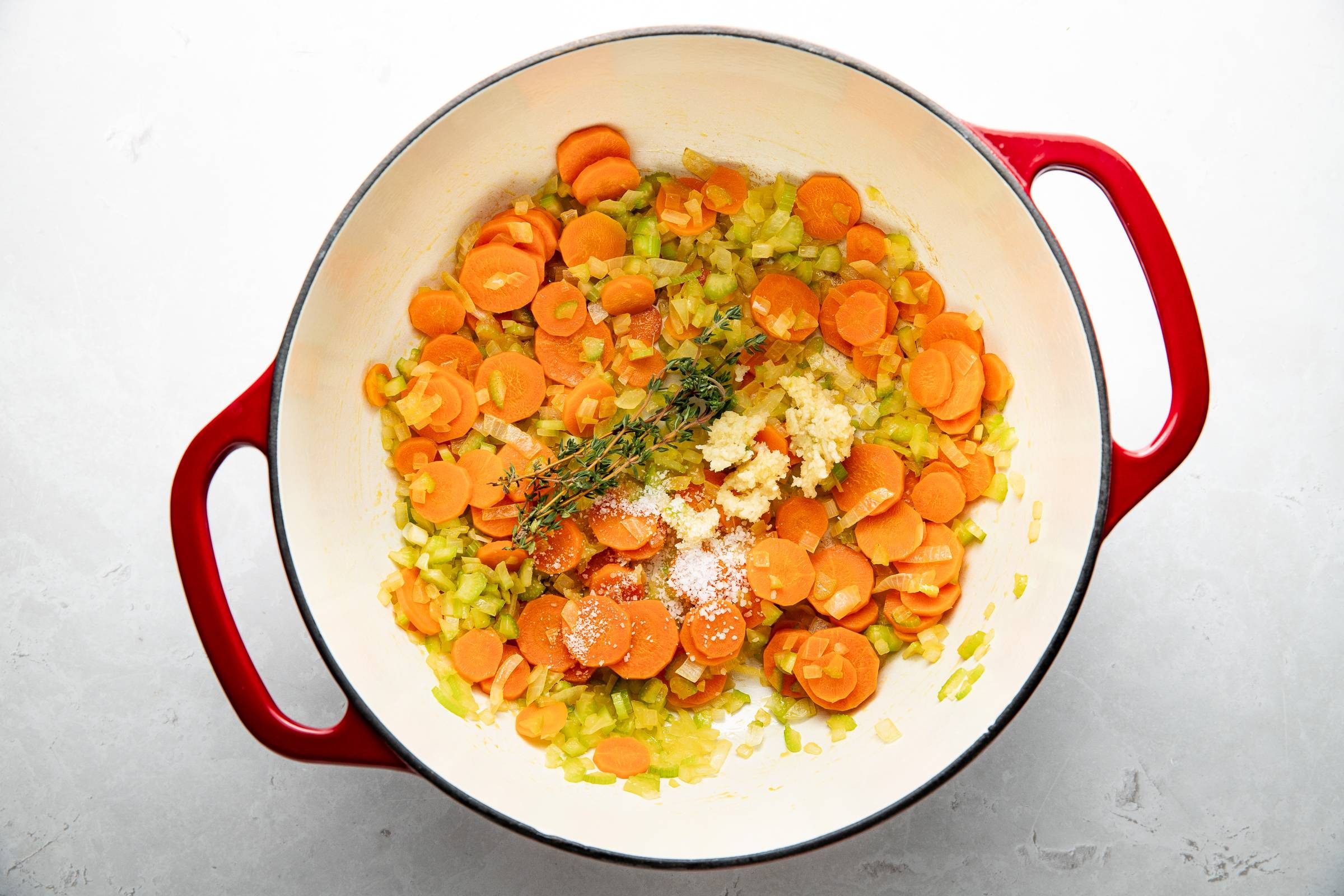
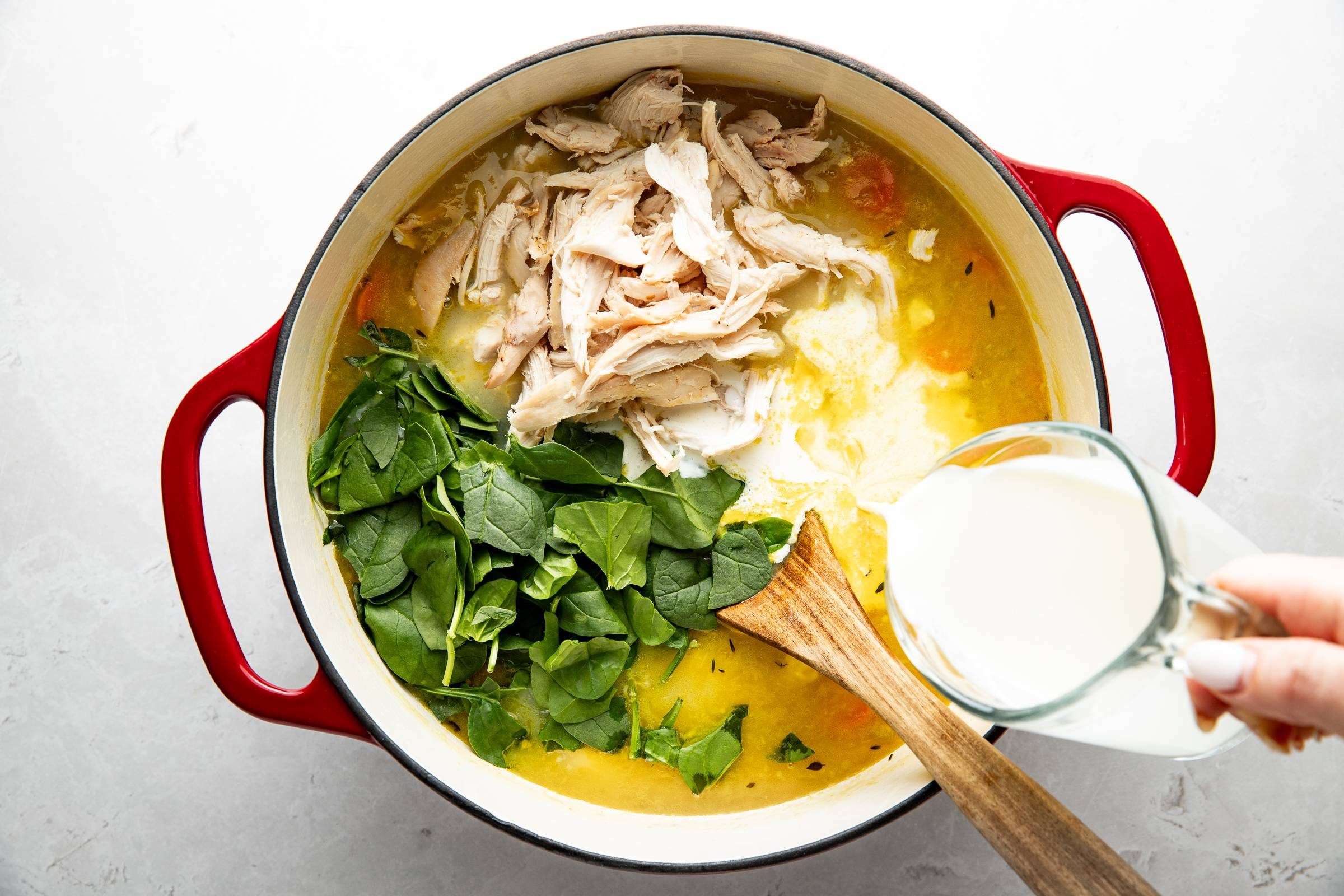
Central to the appeal of this new recipe are its carefully selected ingredients and the method of their preparation. The foundation begins with a classic mirepoix of carrots, onions, and celery, sautéed to unlock their aromatic potential. This vegetable base is then infused with garlic and fresh thyme, creating a fragrant backdrop that is fundamental to the soup’s overall character. The inclusion of thyme, a herb often associated with savory, earthy notes, contributes significantly to the sophisticated flavor profile, moving beyond the simpler herb blends found in many standard chicken noodle recipes.
The noodles themselves are a critical component. The recipe emphasizes "thick noodles," with a specific recommendation for Mrs. Miller’s egg noodles, though other egg noodles or even wheat-based varieties like orzo, ditalini, or rotini are suggested as viable alternatives. The choice of noodle impacts both the texture and the absorption capacity of the soup, ensuring that each spoonful delivers a satisfying bite alongside the rich broth. The chicken, incorporated as tender chunks, adds substantial protein and a familiar, comforting element to the dish. Finally, the introduction of cream at a later stage ensures its velvety texture and flavor are fully integrated without being diminished by prolonged cooking. An optional addition of spinach provides a touch of freshness and a subtle nutritional boost, appealing to those who appreciate incorporating greens into their meals.
Culinary Context and Market Trends

The launch of this enhanced creamy chicken noodle soup recipe aligns with several broader culinary and consumer trends. In recent years, there has been a significant resurgence in interest in home cooking, spurred by various factors including a focus on health, cost-effectiveness, and the desire for personalized meals. Comfort foods, in particular, have seen a renewed appreciation, with consumers actively seeking dishes that evoke a sense of warmth, nostalgia, and well-being. Chicken noodle soup, with its long-standing reputation as a curative and comforting meal, fits perfectly within this paradigm.
According to a 2023 report by Grand View Research, the global soup market size was valued at USD 16.15 billion in 2022 and is expected to grow, driven by convenience and the increasing demand for healthy, ready-to-eat meals. While Ostrom’s recipe caters to the home cook, it taps into the underlying desire for quality, flavorful soup. Furthermore, the emphasis on a "creamy" texture reflects a broader consumer preference for rich, indulgent flavors in comfort food categories. Data from food industry analysts consistently shows a strong market for dairy-based products that contribute to perceived richness and satiety in meals.
Food bloggers and online culinary platforms like Pinch of Yum play a crucial role in disseminating new recipes and influencing cooking trends. These platforms often serve as primary sources for home cooks seeking inspiration and detailed instructions. The credibility and reach of established bloggers mean that their recipe releases can significantly impact consumer choices and ingredient purchasing patterns.
Preparation Methodology: A Streamlined Approach
The procedural steps for preparing this creamy chicken noodle soup are designed for efficiency and optimal flavor development, reflecting a common approach in modern home cooking. The process can be broken down into four distinct stages:
- Sautéing Aromatics: The initial step involves gently cooking the carrots, onions, and celery until softened, forming the aromatic base. The subsequent addition of garlic and thyme is crucial, allowing their flavors to bloom in the hot oil before the liquid components are introduced. This technique ensures a deep, foundational flavor profile.
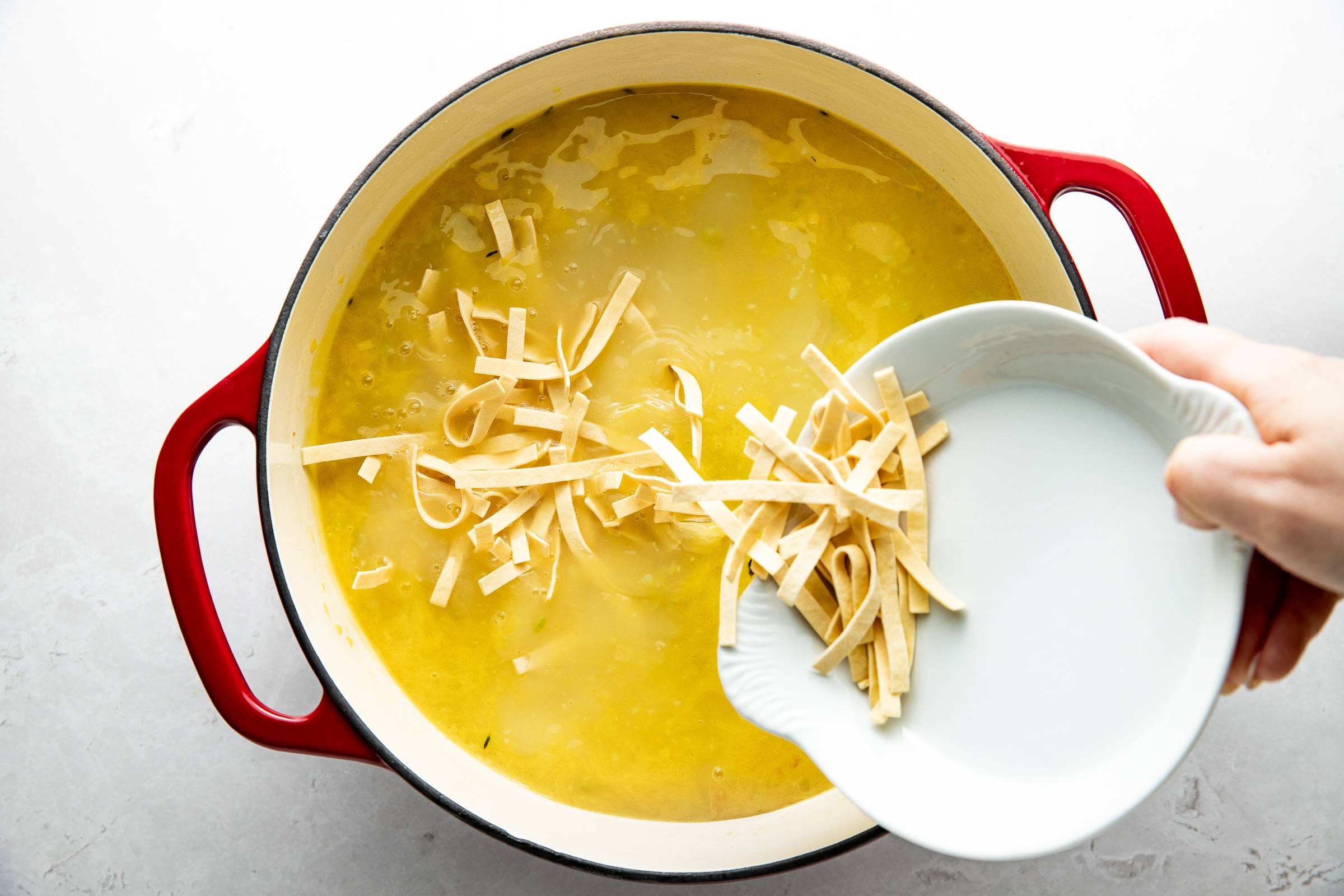
- Broth and Noodle Integration: Once the aromatics are fragrant, the broth is added, bringing the mixture to a simmer. The noodles are then introduced, cooking directly in the flavorful broth. This method allows the noodles to absorb the rich liquid, becoming infused with the soup’s essence rather than simply being boiled separately.
- Chicken, Spinach, and Cream Addition: With the noodles tender, the pre-cooked chicken is incorporated, along with the optional spinach. The final, critical step is the stirring in of cream, which enriches the soup with its signature velvety texture and luxurious taste. This late addition prevents the cream from curdling or breaking down during prolonged heating, preserving its smooth consistency.
- Finishing and Serving: The soup is then ready to be served, often garnished with a dusting of Parmesan cheese, a popular addition that complements the creamy, savory flavors. The ease of preparation, particularly the ability to prepare it in advance, as highlighted by Ostrom’s personal anecdote of having it ready in a Dutch oven upon returning home, underscores its practicality for busy households.
Versatility and Dietary Adaptations
A notable aspect of the recipe’s design, and a common feature in modern culinary instruction, is its inherent versatility and potential for adaptation to various dietary preferences. The frequently asked questions section accompanying the recipe addresses key modifications:
- Dairy-Free Option: For individuals with dairy restrictions, the recipe suggests using a dairy-free heavy cream alternative. Another innovative method proposed involves slowly whisking in eggs, a technique employed in certain traditional soups (like Avgolemono) to achieve a creamy texture without dairy, offering a different but equally effective solution.
- Vegetarian Adaptation: The chicken component can be readily replaced with a can of chickpeas, providing a plant-based protein source that maintains the soup’s hearty quality while catering to vegetarian diets. This adaptability expands the recipe’s appeal to a wider audience.
- Serving Suggestions: The recommendation of oyster crackers as a topping and a side of a green salad with crusty bread (such as a no-knead bread) illustrates a holistic approach to meal planning, offering complementary textures and flavors that enhance the dining experience.
- Noodle Alternatives: Beyond egg noodles, the suggestion of orzo, ditalini, or rotini provides flexibility for home cooks based on pantry availability or textural preference, further demonstrating the recipe’s accommodating nature.
These adaptations underscore a contemporary approach to recipe development, where accessibility and inclusivity are prioritized, allowing a broader range of individuals to enjoy the dish regardless of specific dietary needs or preferences.
Broader Implications and Culinary Impact
The introduction of this refined creamy chicken noodle soup recipe by a prominent food blogger like Lindsay Ostrom carries several implications for the home cooking community and the broader culinary landscape. Firstly, it reaffirms the enduring power of classic comfort foods, demonstrating that even the most traditional dishes can be reinterpreted and elevated for modern tastes. This process of innovation within established culinary categories encourages creativity and continuous improvement in home kitchens.
Secondly, the emphasis on both flavor depth and practical preparation techniques addresses the dual demands of contemporary home cooks: the desire for delicious, restaurant-quality meals that are also achievable within a busy schedule. Recipes that can be prepared in advance, as this soup allows, are particularly valuable in this context.
Finally, the detailed guidance on dietary adaptations reflects an increasing awareness and responsiveness to diverse dietary needs within the culinary media. By offering clear, actionable advice for dairy-free or vegetarian versions, Ostrom’s recipe promotes inclusive cooking, ensuring that a wider audience can partake in the enjoyment of this "game-changing" dish. This approach sets a benchmark for how online culinary resources can effectively serve a multifaceted audience. The anticipated positive reception of this recipe is expected to further cement its place as a go-to option for those seeking an elevated yet comforting meal.