
The Rise of Plant-Based Appetizers in Modern Gastronomy
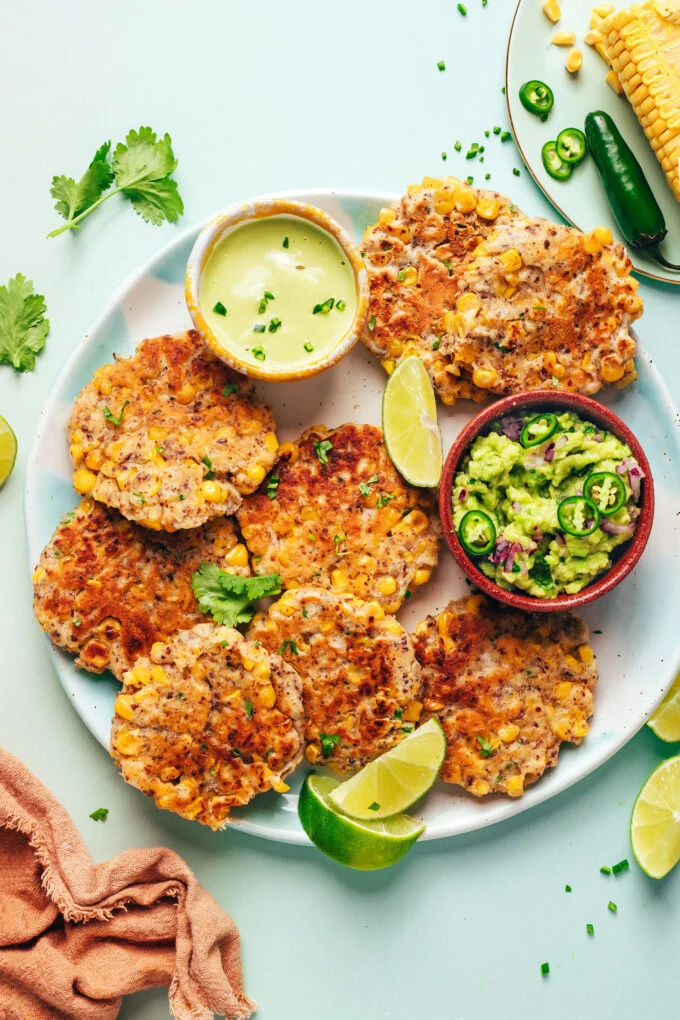
The emergence of the vegan corn fritter as a popular side dish is indicative of a broader trend in home cooking and professional catering: the elevation of humble, seasonal vegetables into center-of-plate or high-end appetizer status. Corn, a staple crop with deep agricultural roots, has long been a centerpiece of summer harvests. In recent years, culinary innovators have sought to modernize classic fritter recipes, which traditionally relied on dairy and egg binders, by substituting them with plant-based alternatives like flaxseed meal and dairy-free milk.
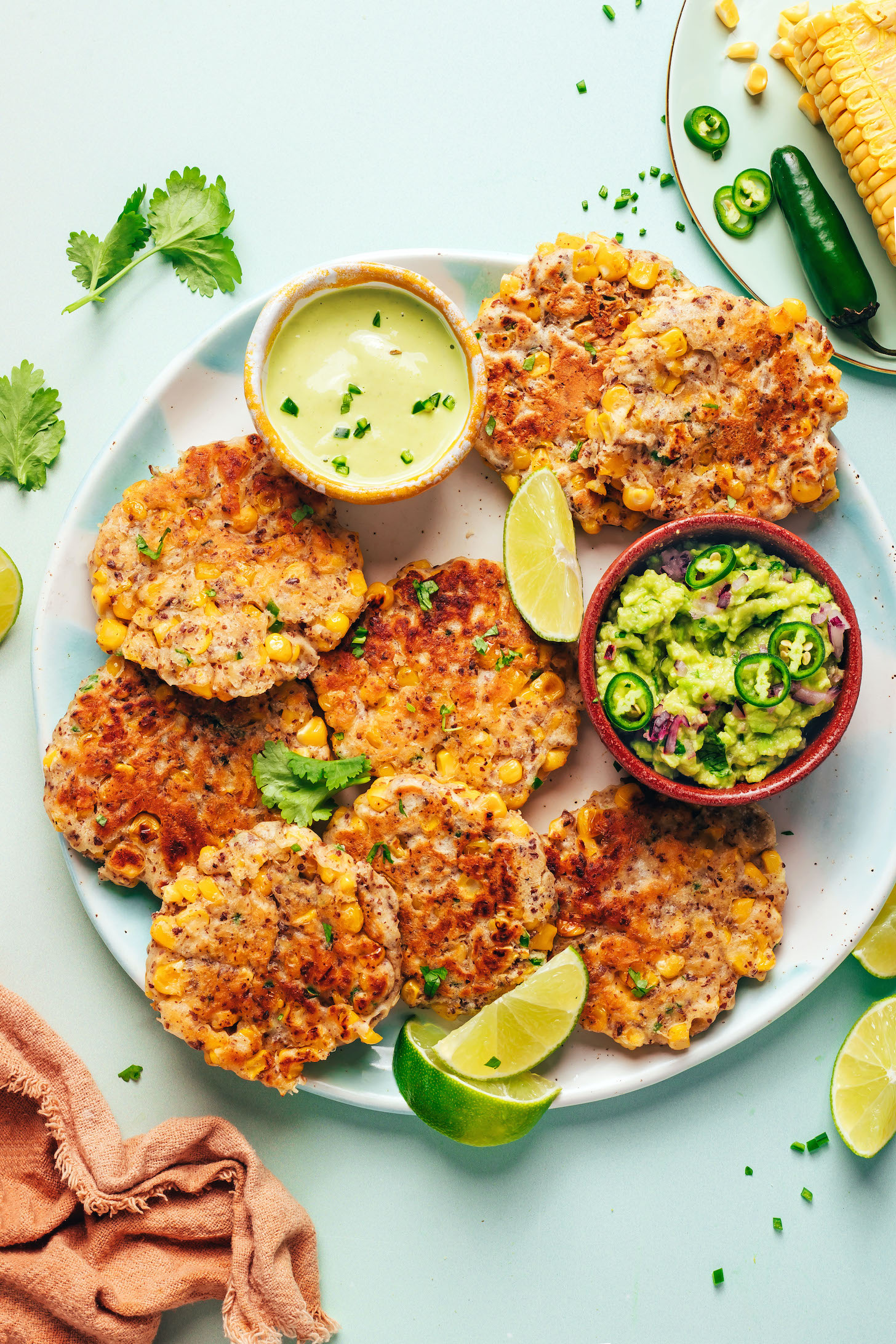
This shift is not merely stylistic but reflects a significant evolution in ingredient availability. The widespread accessibility of high-quality gluten-free flour blends and shelf-stable plant milks has lowered the barrier to entry for home cooks attempting complex textures. The resulting fritter—characterized by a crispy exterior and a tender, moist interior—demonstrates that traditional culinary techniques, such as shallow frying in cast iron, remain effective even when the underlying protein and fat structures are modified for plant-based consumption.
Culinary Methodology and Technical Specifications
The preparation of these fritters follows a streamlined, 30-minute workflow designed to maximize efficiency without compromising texture. The technical foundation of the recipe involves the creation of a flax-egg binder. By mixing ground flaxseed meal with water, cooks achieve the necessary viscosity to hold the batter together during the frying process. This substitution is critical for maintaining structural integrity, as the lack of animal-derived albumen would otherwise lead to premature disintegration in the skillet.
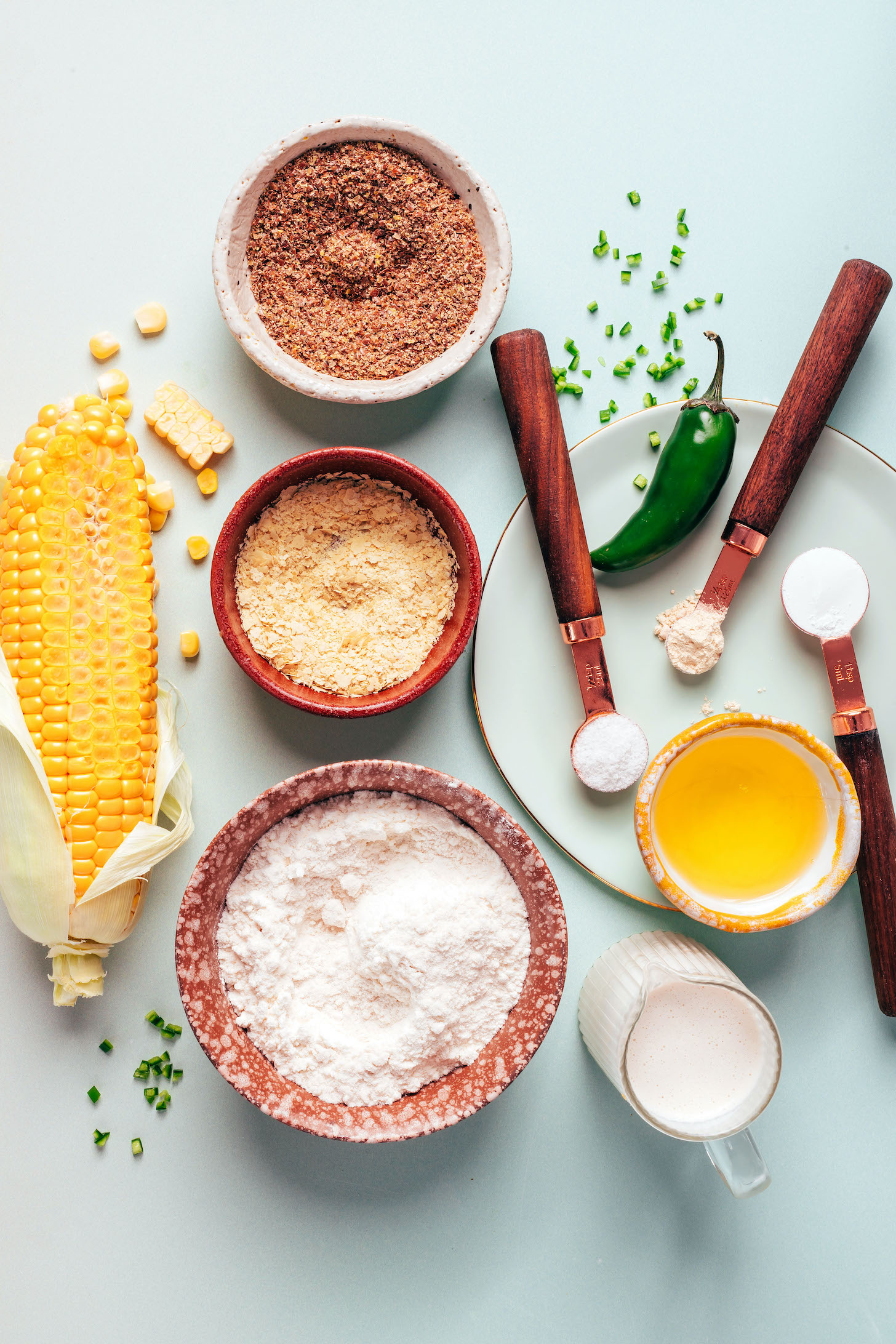
The ingredient profile is intentionally lean, consisting of approximately ten core components. The inclusion of nutritional yeast provides a savory, umami-rich profile that mimics the depth typically associated with cheese-based binders, while baking powder acts as a leavening agent to ensure the fritters attain a fluffy, airy consistency. For those adhering to a gluten-free diet, the substitution of standard all-purpose flour with a 1:1 gluten-free baking blend has been standardized by culinary experts, ensuring that the moisture-absorption rates remain consistent with the original recipe’s design.
Chronology of Preparation
For the average home cook, the preparation sequence is segmented into three primary phases:
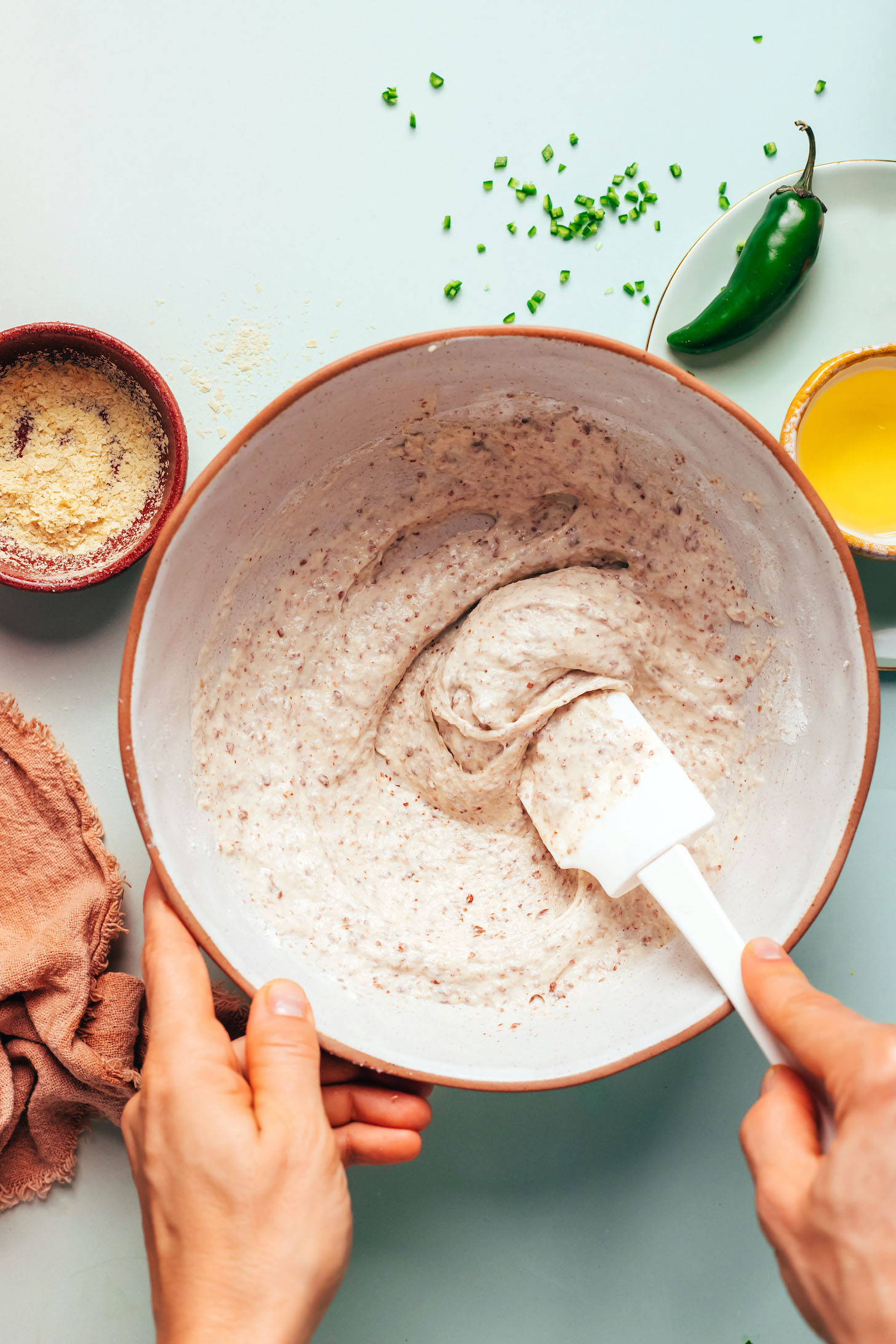
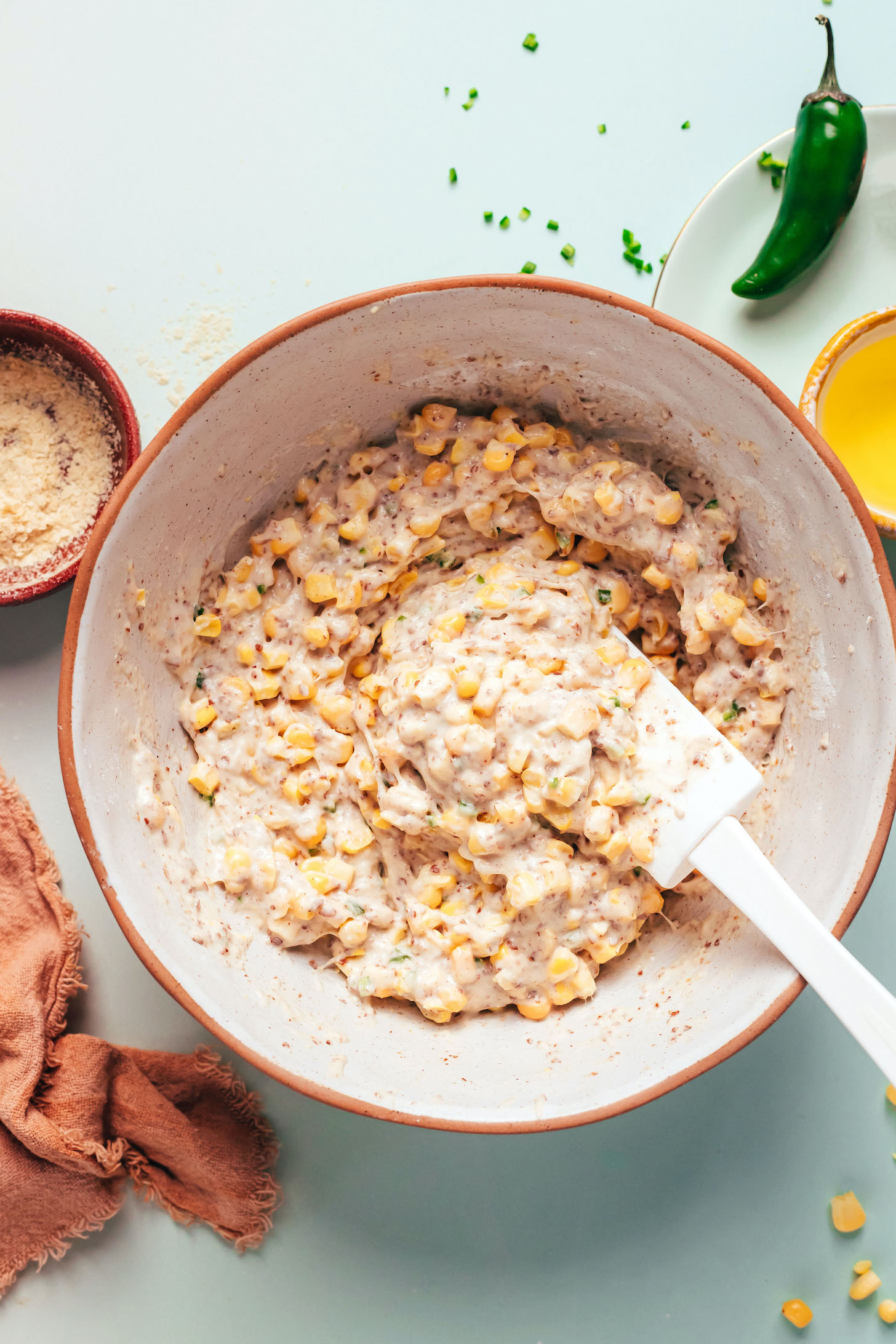
- Batter Composition (0-10 Minutes): This phase involves the whisking of dry and wet ingredients. The objective is to achieve a thick, stable batter. Culinary experts emphasize that the texture at this stage is the most important factor; the batter must be thick enough to coat the corn kernels and diced jalapeños without dripping excessively.
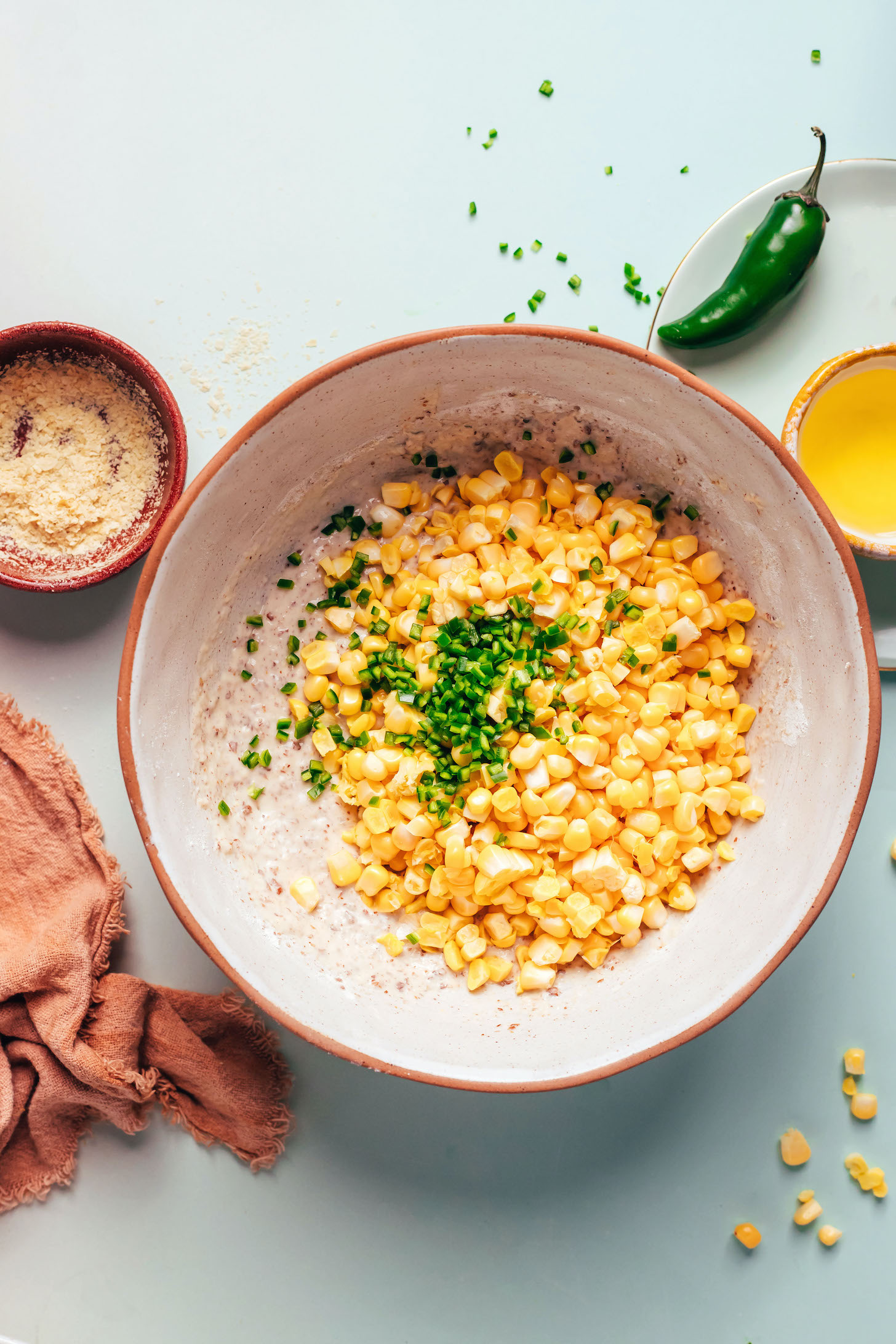
- Flavor Integration (10-15 Minutes): The addition of fresh, finely chopped jalapeños provides a controlled heat profile. If fresh produce is unavailable, the recipe supports the use of thawed frozen corn, provided the moisture is removed—a crucial step to prevent the batter from becoming watery.
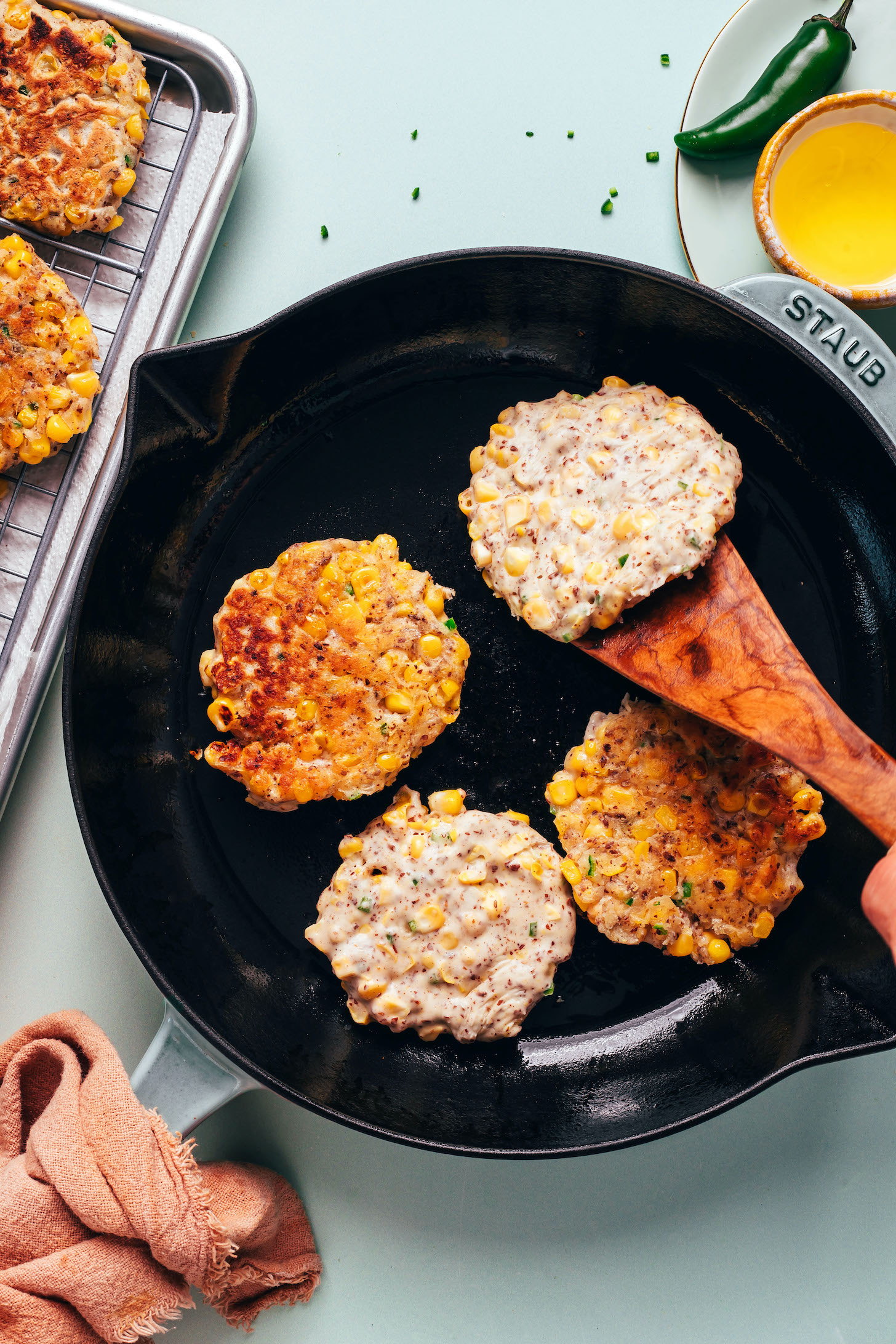
- Thermal Processing (15-30 Minutes): The final stage involves shallow frying. Using a cast iron skillet is recommended due to its superior heat retention. Cooking times are approximately two to three minutes per side until a deep golden-brown crust is achieved. This method balances the need for a crispy exterior with the requirement that the interior remains cooked through.
Nutritional Context and Ingredient Analysis
From a nutritional standpoint, the standard serving of these fritters—approximately one unit—contains roughly 103 calories. The carbohydrate content sits at 16.2 grams, with 2.4 grams of protein and 3.8 grams of fat. Because the recipe utilizes avocado oil for frying, the fat profile is dominated by monounsaturated fats, which are generally preferred over saturated alternatives found in butter or lard.
The omission of cholesterol-heavy ingredients and the emphasis on fiber (1.9 grams per serving) align with contemporary dietary guidelines that favor plant-forward nutrition. Furthermore, the inclusion of jalapeños introduces capsaicin, a compound studied for its potential metabolic benefits, while fresh corn provides essential vitamins and minerals, including Vitamin C and various B-complex vitamins.
Industry Implications and Consumer Behavior
The sustained popularity of this specific recipe format underscores a significant shift in consumer demand for "accessible gourmet." In the current market, consumers are increasingly seeking recipes that are:
- Time-Efficient: Total preparation time under 30 minutes.
- Inclusive: Catering to both vegan and gluten-sensitive demographics.
- Seasonal: Highlighting peak-harvest ingredients.
Market analysis suggests that as the cost of animal-based products fluctuates, households are more likely to turn to vegetable-centric dishes. The versatility of the corn fritter allows it to function across various dining contexts, from informal outdoor gatherings to formal dinner appetizers. The ability to pair these fritters with a range of condiments—such as cashew-based jalapeño sauces, guacamole, or vegan ranch dressings—further enhances their utility as a versatile culinary staple.
Technical Challenges and Best Practices
While the preparation is straightforward, culinary professionals highlight several common pitfalls. The moisture content of the corn is the most frequent variable that can disrupt the final product. Excess water in the corn will thin the batter, leading to a fritter that is soggy rather than crisp. To mitigate this, patting the corn dry with absorbent paper towels is non-negotiable.
Furthermore, thermal management of the skillet is vital. If the oil is not sufficiently heated, the fritters will absorb excess fat; if it is too hot, the exterior will burn before the center reaches the appropriate internal temperature. A consistent, medium-high heat is the target for optimal results. The use of a cast iron vessel helps maintain this temperature, even when the batter is introduced, preventing a sudden drop in heat.
Future Perspectives on Plant-Based Cooking
The long-term impact of integrating such recipes into the domestic repertoire is the normalization of plant-based cooking. By framing vegan options not as "substitutes" for traditional food but as legitimate, stand-alone culinary experiences, the culinary community fosters a more sustainable food culture.
As agricultural technology continues to improve the availability of fresh produce year-round, the seasonality of these fritters is becoming less of a constraint. The ability to use high-quality frozen corn ensures that the dish can be prepared regardless of harvest cycles, extending the lifespan of the recipe beyond the summer months.
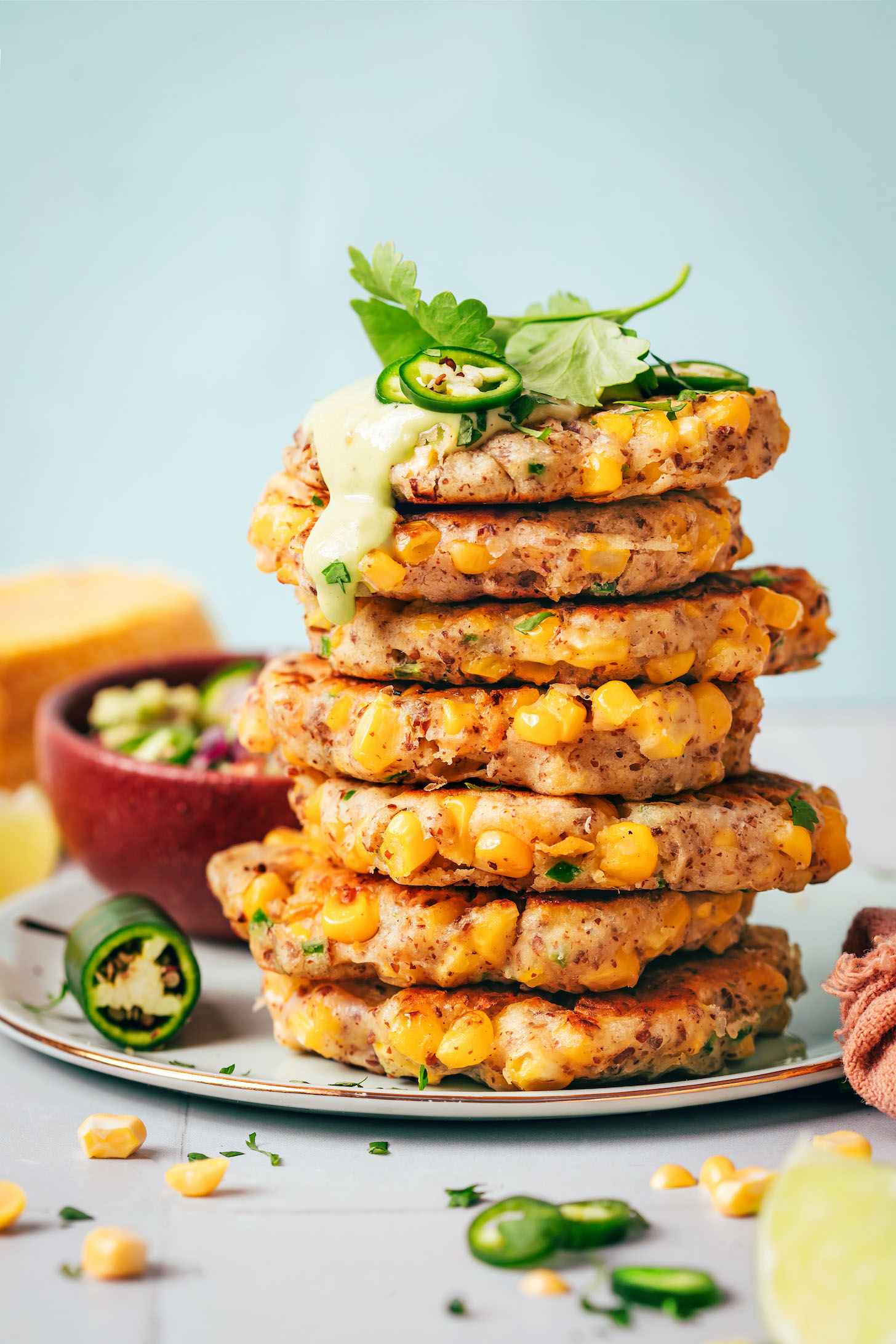
In conclusion, the evolution of the corn fritter from a traditional farm-side snack to a sophisticated, dietary-inclusive appetizer highlights a broader movement toward ingredient-focused, efficient, and health-conscious home cooking. By adhering to precise preparation techniques and utilizing quality plant-based ingredients, home cooks can produce a professional-grade dish that meets the complex demands of the modern palate. Whether served as a standalone side or as part of a larger appetizer spread, the jalapeño corn fritter remains a testament to the versatility of plant-based culinary arts.