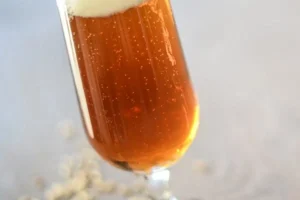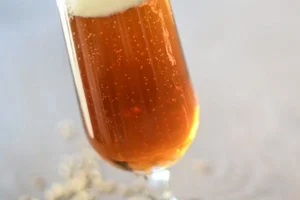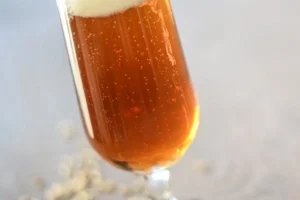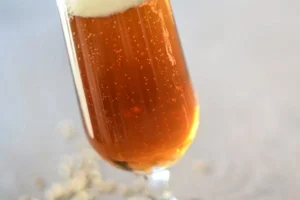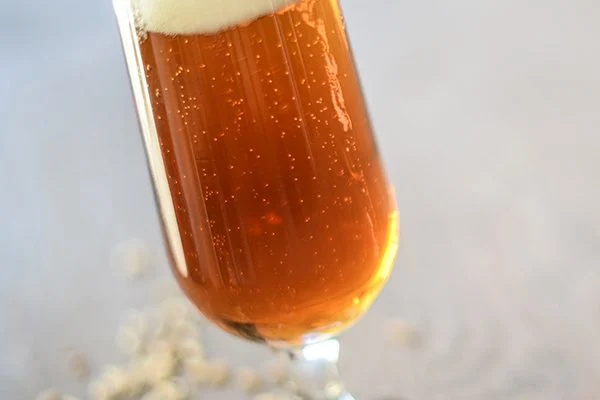

The vibrant and fiercely competitive world of amateur brewing has once again spotlighted exceptional craftsmanship from Southern California. In the highly competitive arena of the 2026 National Homebrew Competition Final Round, Jeff Zwetsch and Don Frakes—two dedicated members of the Anaheim-based Ace Brewing Society—secured a gold medal in Category 1: Pale American Beer. Their winning formulation rose to the top of an exceptionally crowded field, triumphing over 104 meticulously crafted entries from elite homebrewers across the country.
This victory underscores not only the rigorous standards upheld by the American Homebrewers Association (AHA) but also the burgeoning talent emerging from local clubs in Orange County. As craft beer enthusiasts and professional judges gathered to evaluate the pinnacle of amateur brewing, Zwetsch and Frakes demonstrated a masterclass in balance, attenuation, and malt-hop integration within the Pale American Beer style guidelines.
The Path to Gold: Chronology and Rigorous Evaluation
The journey to the final round of the National Homebrew Competition is neither short nor simple. It represents the culmination of months, and often years, of recipe development, iterative trial brewing, and sensory evaluation. The competition operates on a multi-tiered structure designed to filter out thousands of entries down to only the most flawless examples of each recognized beer style.
In the opening months of the competition cycle, local and regional first-round judging events took place across the United States. Thousands of brewers shipped their bottled or kegged creations to designated judging sites, where certified judges from the Beer Judge Certification Program (BJCP) evaluated each entry against strict style guidelines. Beers are scored on aroma, appearance, flavor, mouthfeel, and overall impression. Only entries that achieve top scores advance from the first-round competitions to the highly anticipated final round.
By the time the final round of the 2026 competition convened, the field had narrowed significantly, featuring only the best of the best. In Category 1: Pale American Beer, exactly 104 recipes met the rigorous threshold to compete for the national podium. Within this bracket, entries were meticulously re-evaluated by panels of master judges and grand master BJCP judges. Zwetsch and Frakes’ winning beer navigated this exhaustive sensory scrutiny, ultimately capturing the judges’ unanimous praise for its clarity, carbonation, refreshing drinkability, and adherence to the classic American pale style parameters.
Understanding the Craft: Category 1: Pale American Beer
To appreciate the magnitude of Zwetsch and Frakes’ victory, one must examine the precise parameters of Category 1: Pale American Beer. According to style guidelines utilized by major brewing competitions, this category encompasses styles such as American Light Lager, American Lager, Cream Ale, and American Wheat Beer, or specific interpretations of pale, highly approachable session beers designed for maximum drinkability without sacrificing complex malt and hop character.
Unlike heavy stouts or hop-forward double IPAs that can mask minor flaws behind aggressive flavor profiles, Pale American beers offer zero hiding places for a brewer. Every technical detail is laid bare. Clean fermentation profiles, exact temperature control, water chemistry adjustments, and precise carbonation levels are critical. A slight off-flavor—such as diacetyl (butterscotch notes), acetaldehyde (green apple), or DMS (cooked corn)—will immediately penalize a beer in this category.
For the Ace Brewing Society members to claim gold out of 104 entries, their formulation required faultless execution from mash to bottle. The delicate balance of subtle malt sweetness paired with a clean, crisp hop bitterness requires advanced technical mastery, making the gold medal a testament to the duo’s deep understanding of brewing science.
The Ace Brewing Society: A Hub of Regional Excellence
The success of Jeff Zwetsch and Don Frakes is closely tied to the supportive, knowledge-sharing environment of their homebrewing club, the Ace Brewing Society. Based in Anaheim, California, the club has built a reputation for fostering high-level brewing education, constructive feedback sessions, and collaborative brewing projects among its members.

In the tight-knit community of Southern California craft brewing—a region globally recognized for its commercial innovation—homebrewing clubs serve as the vital research and development incubators for the industry. Many professional craft brewers operating commercial facilities across the region began their journeys tinkering with homebrew systems in garages and backyards, often cutting their teeth in competitions hosted by the American Homebrewers Association.
Club members frequently engage in club-only competitions, where veteran brewers critique developing recipes and offer technical advice on yeast management, hopping schedules, and fermentation profiles. The gold-medal-winning performance by Zwetsch and Frakes reflects not only individual dedication and hours spent fine-tuning their brewing system, but also the collective wisdom and rigorous peer review fostered within the Ace Brewing Society.
Official Perspectives and Industry Implications
While specific personal quotes from the winning duo remain focused on their immediate elation and gratitude toward their brewing peers, representatives and judges within the amateur brewing community have noted the rising baseline quality of competition entries.
According to competition organizers, the gap between commercial craft beer and elite homebrewing has narrowed remarkably over the past decade. Access to advanced analytical tools, professional-grade yeast strains, temperature-controlled fermentation chambers, and sophisticated water modification software has allowed homebrewers to replicate and often exceed the consistency of commercial operations.
Furthermore, victories in prestigious competitions like the National Homebrew Competition carry significant implications for winning brewers. For some, it serves as validation of a lifelong hobby perfected over decades. For others, a national medal acts as a springboard into the professional brewing industry, opening doors for commercial collaborations, brewing positions, or even the launch of independent microbreweries and taprooms.
The Broader Impact on the American Homebrewers Association and the Hobby
The National Homebrew Competition, organized annually by the American Homebrewers Association, remains the world’s largest peer-reviewed beer competition. Since its inception, the event has celebrated the art and science of homebrewing, driving innovation and maintaining high standards of quality across the hobby.
Events of this scale highlight the robust nature of the homebrewing community, which weathered various economic and logistical shifts over recent years. As enthusiasts continue to seek out validated recipes, educational resources, and platforms to test their skills, competitions provide a vital focal point for the community. Access to extensive databases of medal-winning recipes allows novice and intermediate brewers to study the exact parameters, ingredient selections, and process notes behind championship-winning beers, thereby elevating the craft as a whole.
Looking Ahead: The Future of Anaheim Homebrewing
As the dust settles on the 2026 National Homebrew Competition Final Round, Jeff Zwetsch and Don Frakes find themselves among a select group of elite brewers holding national gold medals. Their achievement places Anaheim firmly on the map not only as a hub for commercial craft beer production in Southern California, but also as a breeding ground for world-class amateur brewing talent.
For the Ace Brewing Society, the victory serves as an inspiring milestone and a challenge to continue pushing the boundaries of recipe formulation and technical execution. As Zwetsch and Frakes celebrate their triumph over 104 formidable opponents in Category 1, the broader homebrewing community looks forward to seeing how this success influences the next generation of brewers stepping up to the mash tun.