
Outback Steakhouse, one of the most prominent casual dining steakhouse chains in the United States, has officially announced a targeted promotional campaign for the upcoming Halloween holiday. Scheduled for October 31, the nationwide initiative provides customers with a complimentary children’s meal with the purchase of any adult entrée. This strategic marketing maneuver is designed to capture family-oriented foot traffic during a historically high-activity evening for consumer leisure and dining out. Alongside the Halloween-specific offer, the restaurant brand is continuing its promotion of the Aussie 3-Course Meal, a value-driven menu bundle intended to appeal to cost-conscious diners navigating an increasingly competitive casual dining sector.
The mechanics of the Halloween promotion are designed to be accessible across multiple ordering channels. Diners can claim the free kids meal whether they choose to eat inside the restaurant or place an order for takeout through digital platforms. For online transactions, Outback Steakhouse has designated a specific promotional code, SPOOKYFREE, which customers must enter at checkout to apply the discount. This dual-channel availability reflects the broader evolution of the restaurant industry, where off-premise sales remain a critical revenue stream alongside traditional dine-in operations.
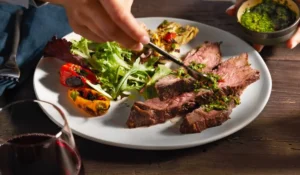
Simultaneously, the casual dining chain is maintaining its push for the Aussie 3-Course Meal, a limited-time offering anchored by a 6-ounce Center-Cut Sirloin. Positioned with a starting price point of $15.99, the bundle includes a choice of soup or salad to begin the meal, the signature steak entrée, and a slice of New York-style cheesecake for dessert. Unlike the Halloween day promotion, the Aussie 3-Course Meal is restricted strictly to dine-in customers. Furthermore, corporate representatives note that exact pricing and menu participation may vary depending on geographic location and franchise specifics, a standard disclaimer for nationwide restaurant promotions.
Chronology of Holiday Marketing and Promotional Strategy
The timing of Outback Steakhouse’s October 31 promotion aligns with a well-established retail and hospitality tradition of leveraging holidays that fall on weekdays or high-movement evenings. Halloween has evolved far beyond a localized event for children into a major cultural and economic touchpoint, encompassing adult entertainment, community events, and family dining. In recent years, casual dining operators have increasingly recognized October 31 as an opportunity to secure guest volume on a night when families often seek quick, convenient meal solutions prior to or following neighborhood trick-or-treating activities.
The deployment of the Aussie 3-Course Meal precedes this late-October push, serving as an ongoing foundational value play for the brand. Bundled meals have gained significant traction across the restaurant industry as consumer price sensitivity persists amidst broader economic fluctuations. By packaging multiple courses at a competitive base price point, Outback Steakhouse aims to provide perceived value without overtly discounting individual menu items, protecting profit margins while stimulating guest checks.
The convergence of these two distinct marketing initiatives highlights a multi-layered approach to consumer engagement. While the three-course bundle targets general dine-in traffic seeking an affordable, complete meal experience throughout the autumn season, the Halloween day offer specifically targets family demographics during a specific calendar window.
Supporting Data and Casual Dining Industry Trends
The decision by Outback Steakhouse—owned by parent company Bloomin’ Brands—to introduce targeted holiday promotions and value bundles occurs against a backdrop of shifting consumer behaviors within the American restaurant industry. Data compiled by major hospitality analytics firms indicates that family dining segments have faced heightened competition from both the quick-service restaurant (QSR) sector and grocery retail options, both of which have aggressively marketed convenience and value.
According to recent quarterly reports from the National Restaurant Association, operators are increasingly relying on limited-time offers (LTOs) and bundled pricing structures to drive traffic and manage average check sizes. Inflationary pressures affecting food-away-from-home costs over the past several years have prompted diners to scrutinize discretionary spending. Consequently, promotional vehicles that offer clear, quantifiable value—such as a complimentary children’s meal or a multi-course package starting at a modest price point—play an essential role in maintaining customer acquisition and retention rates.
Furthermore, the integration of digital ordering capabilities for the Halloween promotion underscores the permanent shift toward omnichannel restaurant operations. Digital sales channels, which expanded rapidly during the early 2020s, continue to account for a substantial percentage of total revenue for casual dining chains. By ensuring that the October 31 kids meal offer is fully redeemable through online ordering portals using the designated code SPOOKYFREE, Outback Steakhouse accommodates consumers who prefer the convenience of off-premise dining on a busy holiday evening.
Corporate Context and Stakeholder Perspectives
While specific public statements from Bloomin’ Brands executives regarding the October 31 campaign are limited, industry analysts generally view such holiday-specific activations as essential components of seasonal revenue management. Holiday promotions serve a dual purpose: they generate immediate, localized traffic spikes on evenings that might otherwise experience irregular demand patterns, and they reinforce brand visibility within a crowded media landscape.
From the perspective of restaurant operators and franchise partners, structuring promotions with clear parameters—such as the dine-in restriction on the Aussie 3-Course Meal versus the omnichannel availability of the Halloween kids meal—allows individual locations to manage inventory and kitchen capacity effectively. Staffing levels on Halloween night often require careful calibration due to fluctuating labor availability and community celebration schedules. Providing digital redemption mechanisms like promo codes also assists corporate oversight in tracking the direct return on investment (ROI) of marketing expenditures associated with the campaign.
Broader Economic Implications for the Casual Dining Sector
The introduction of value-oriented promotions by national chains like Outback Steakhouse carries broader implications for the competitive dynamics of the casual dining market. As dining-out costs remain a focal point for household budgets, brands that successfully balance perceived value with quality execution are better positioned to capture market share from independent competitors who may lack the marketing scale to execute nationwide promotional campaigns.
Moreover, the emphasis on bundled pricing reflects a broader industry trend away from deep discounting and toward value-added propositions. Rather than slashing prices across the entire menu, which can erode brand equity and compress operating margins, companies favor targeted incentives—such as a free children’s meal with an adult purchase or a comprehensive multi-course package at a fixed price. These strategies encourage higher average guest checks through the purchase of qualifying adult entrées while delivering a compelling incentive to families.
As the restaurant industry navigates the final quarter of the calendar year, operators will closely monitor the performance of holiday-specific activations like the October 31 promotion. The success of these initiatives often serves as a bellwether for holiday season performance, setting the stage for subsequent marketing campaigns surrounding Thanksgiving, the winter holidays, and the new year. For Outback Steakhouse, the combination of accessible family-focused holiday incentives and structured everyday value propositions represents a concerted effort to sustain consumer loyalty and drive consistent foot traffic across its nationwide footprint.