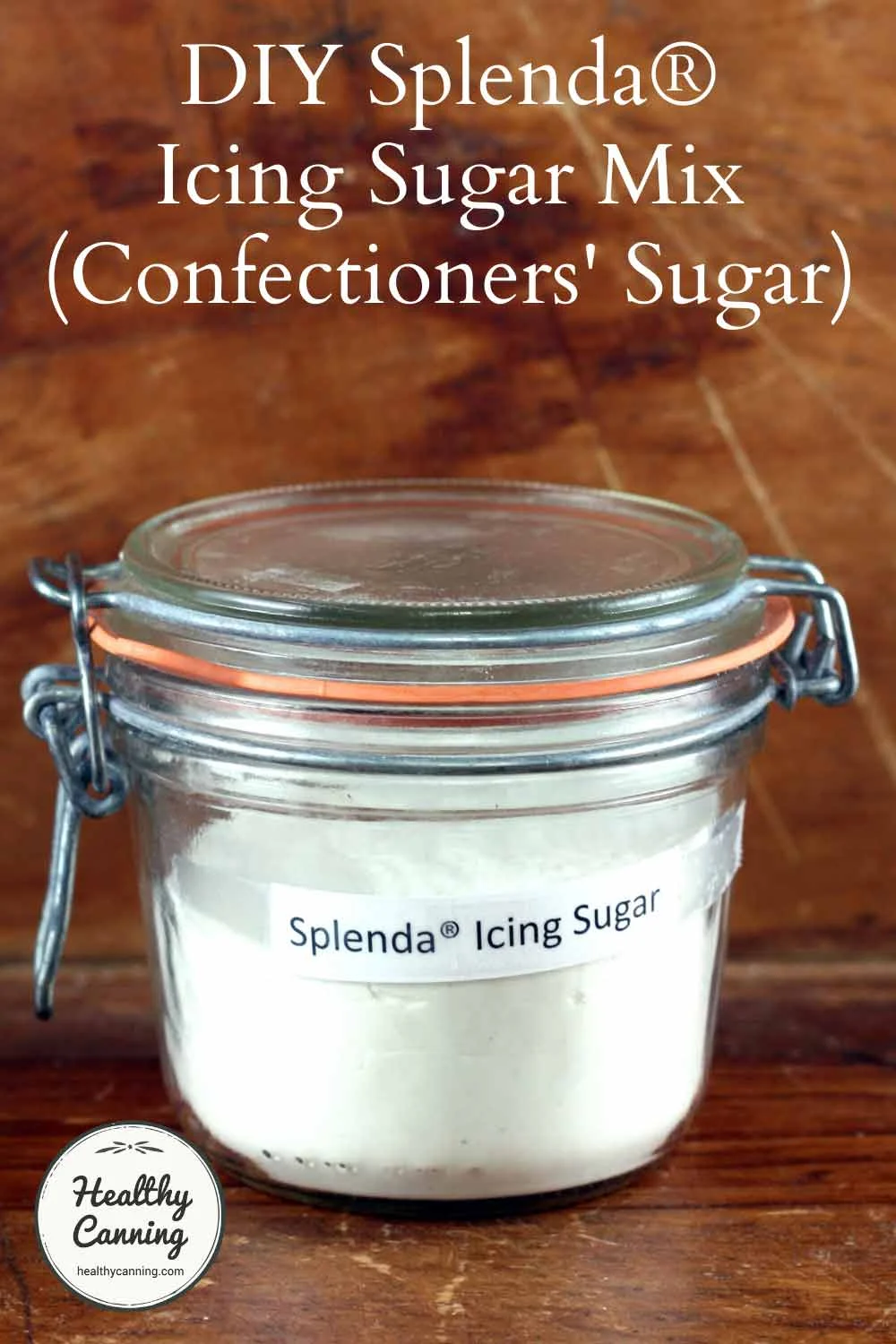

The modern culinary landscape has increasingly prioritized dietary adaptability, driven by a growing public health focus on managing chronic conditions such as diabetes and reducing overall caloric intake. For millions of individuals monitoring their blood glucose levels or navigating weight management programs, traditional baking ingredients—particularly confectioner’s sugar—have long presented a significant dietary hurdle. Standard icing sugar, prized for its fine, powdery texture and ability to create smooth frostings and glazes, consists entirely of refined carbohydrates that rapidly spike blood glucose levels. To address this nutritional challenge, home bakers and culinary innovators have developed accessible, kitchen-tested methods for producing alternative baking staples, notably a do-it-yourself Splenda icing sugar mix. This adaptation allows individuals to enjoy traditional sweet treats without compromising their health objectives, offering a viable pathway to lower-calorie desserts that remain accessible to diabetic consumers.
Understanding the Mechanics of Sugar Substitutes in Baking
Confectioner’s sugar, commonly referred to as powdered sugar or icing sugar, is traditionally manufactured by grinding granulated white cane or beet sugar into an ultra-fine powder and blending it with a small amount of anti-caking agent, usually cornstarch. This fine particulate structure is essential for icings, glazes, and frostings, as it dissolves instantly in liquid without leaving a gritty texture. When substituting traditional sugar with alternative sweeteners like sucralose—the primary sweetening agent in brand-name Splenda—bakers encounter a physical limitation: commercial sucralose is typically sold as a granulated powder designed to measure cup-for-cup with regular sugar, but its particle size and crystalline structure do not inherently match the ultra-fine texture required for smooth glazes.
To overcome this culinary barrier, the DIY Splenda icing sugar technique utilizes a standard household blender to pulverize granulated sucralose or generic sucralose products into a fine, powdery consistency. According to culinary guidelines adapted from original manufacturer formulations, blending one to two cups of sweetener at a time yields a stable, powdery base that effectively mimics the physical properties of traditional confectioner’s sugar. Culinary experts note that alternative powdered sweeteners, such as powdered stevia products that measure on a one-to-one volumetric basis with Splenda, can also be utilized in this process, providing consumers with flexibility based on personal taste preferences and dietary tolerances.

Nutritional Implications and Calorie Reduction
The primary motivation behind adopting sugar-alternative baking mixes lies in their profound nutritional impact. Traditional confectioner’s sugar packs approximately 385 calories and nearly 100 grams of carbohydrates per cup, with virtually all of those calories derived from simple sugars that cause rapid glycemic spikes. In contrast, the DIY Splenda icing sugar mix dramatically alters this nutritional profile. When prepared as a glaze rather than a heavy, fat-laden frosting, the resulting dessert topping significantly reduces both carbohydrate loads and caloric intake.
Furthermore, the choice of binding ingredients used to transform the powdered sweetener into a workable icing plays a critical role in the final nutritional value. Nutritional analyses of the prepared glaze demonstrate that utilizing a low-fat margarine—such as light vegetable oil spreads—results in a total of approximately 35 calories per entire batch of icing. Conversely, utilizing traditional dairy butter increases the caloric count to roughly 102 calories per batch. This stark contrast underscores the versatility of the DIY method, allowing bakers to tailor the recipe precisely to their specific dietary requirements, whether they are focusing on strict low-calorie weight loss protocols or carbohydrate-conscious diabetic meal planning.
Culinary Applications: Glazes versus Heavy Frostings
When transitioning from standard sugar-based frostings to alternative mixes, culinary professionals emphasize the importance of managing expectations regarding texture and application. The DIY Splenda icing sugar mix, when combined with liquids and fats according to standard formulation guidelines, produces a thin, smooth glaze rather than the thick, structurally stable buttercream frosting typically used for layered birthday cakes.
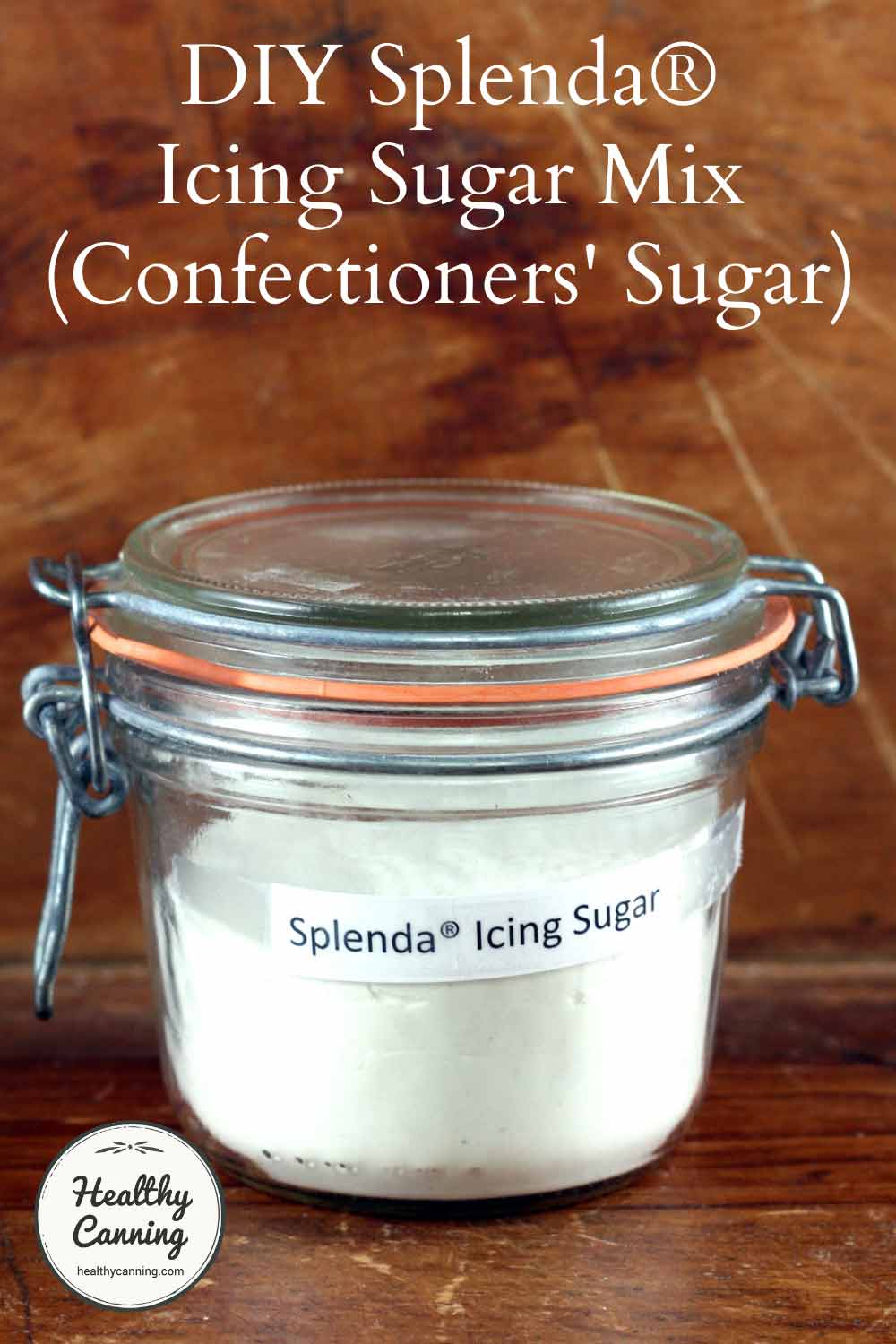
This characteristic makes the mix exceptionally well-suited for lighter applications, such as drizzling over morning pastries, coating cupcakes, finishing brownies, or glazing quick breads. To prepare the final product, the powdered sweetener is typically combined with a minimal amount of liquid—such as water or milk—alongside a small quantity of low-fat margarine or butter and flavor extracts. Standard preparation protocols indicate that complex electric mixers are largely unnecessary for this process; a simple hand-held fork is usually sufficient to emulsify the ingredients into a smooth, consistent glaze.
Flavor customization remains a key advantage of the homemade approach. Bakers can easily adapt the base recipe to create chocolate variations by blending a small quantity of unsweetened cocoa powder into the fat and liquid mixture before incorporating the powdered sweetener. Similarly, alternative extracts such as lemon, almond, or butterscotch can be introduced alongside food coloring to expand the culinary versatility of the dessert topping without adding unwanted sugars or excessive calories.
The Broader Context of Functional Home Baking
The popularity of DIY sugar alternative mixes reflects a broader cultural and economic shift toward functional home baking. Over the past decade, consumers have increasingly sought out ways to reconcile a passion for baking with health-conscious lifestyles. The proliferation of online resources, recipe-sharing platforms, and specialized community forums has democratized culinary knowledge, enabling home cooks to reverse-engineer commercial specialty products—such as sugar-free brownie mixes and powdered sweetener blends—in their own kitchens at a fraction of the retail cost.
Public health advocates and nutritional educators have long supported these grassroots culinary adaptations, noting that preparing components at home empowers consumers to take direct control of their ingredient intake. By eliminating hidden additives and allowing for precise control over portion sizes and fat sources, methods like the DIY Splenda icing sugar mix bridge the gap between dietary restriction and culinary enjoyment. For the diabetic community, in particular, the ability to safely recreate traditional comfort foods without risking blood sugar instability represents a significant enhancement in daily quality of life.

Methodology and Best Practices for Preparation
Achieving optimal results with the DIY Splenda icing sugar mix requires adherence to specific processing techniques. Culinary testing indicates that attempting to pulverize large quantities of granulated sweetener simultaneously in a standard blender jug often results in an uneven texture, as the blades fail to process the upper layers uniformly. Consequently, experts recommend processing the sweetener in small batches of one to two cups (approximately 25 to 50 grams) at a time.
While the dry mix can be successfully doubled or tripled to accommodate larger baking projects, maintaining the smaller blending increments ensures a consistently ultra-fine powder that dissolves seamlessly upon contact with liquids. Once processed, the mix can be stored in an airtight container in a cool, dry place, ready to be deployed for future baking endeavors. For those requiring immediate assistance or troubleshooting regarding modified baking and food preparation techniques, community resources such as Master Food Preserver networks and specialized culinary extension groups offer accessible guidance to ensure safe and successful kitchen practices.
Ultimately, the DIY Splenda icing sugar mix stands as a practical, evidence-based solution for modern bakers navigating dietary constraints. By combining accessible kitchen technology with smart ingredient substitutions, home cooks can successfully reduce calories, manage carbohydrate intake, and maintain the comforting tradition of sweet culinary creations without compromising health and wellness goals.