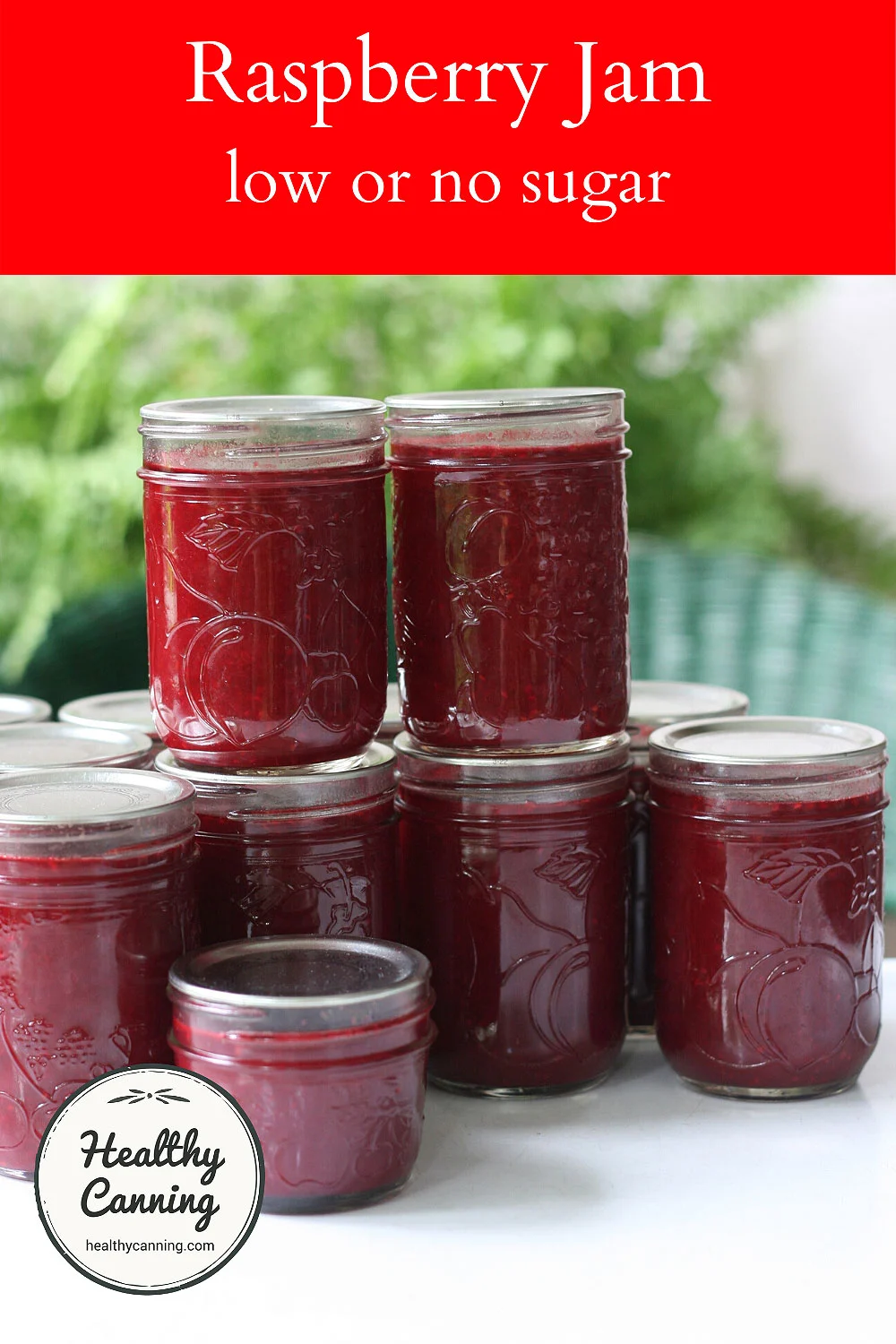

The preservation of seasonal fruit has long been a cornerstone of culinary tradition, blending domestic economy with the desire to extend the fleeting flavors of peak harvests. In recent years, home food preservers have increasingly turned to flexible gelling agents to navigate dietary preferences without sacrificing product quality. A prominent example of this modern approach is the adaptable home-canning recipe for raspberry jam utilizing Pomona’s universal pectin. This formulation addresses a common challenge in traditional jam-making—the heavy reliance on massive quantities of sugar to achieve a proper set—by offering makers the freedom to use standard sugar, alternative sweeteners, honey, or even liquid stevia.
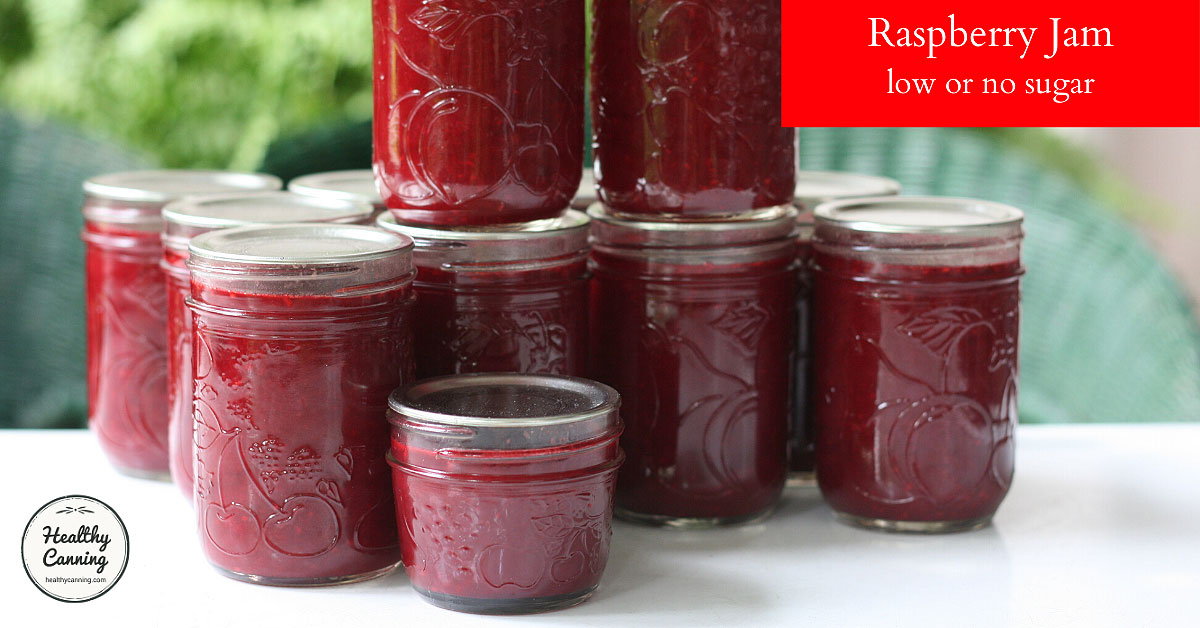
The resurgence of interest in low-sugar and alternative-sweetener canning aligns with broader shifts in consumer health awareness. Culinary historians and food safety extension agents note that traditional jam recipes often require a one-to-one ratio of fruit to sugar, which serves not only as a sweetener but historically as a primary preservative and structural agent. However, the commercial development of low-methoxyl citrus pectin—activated by calcium rather than sugar concentrations, as found in Pomona’s product—has fundamentally altered the science of home preserves. This allows individuals managing metabolic health conditions, or those simply seeking to reduce caloric intake, to produce stable, shelf-safe preserves with as little as 21 calories per tablespoon.
To understand the practical application of this method, culinary experts and master food preservers have established a reliable chronology and set of parameters for preparation. The process begins with a standard preparation window of approximately 15 minutes, followed by a 20-minute cooking phase, bringing the total active time to roughly 35 minutes. Home canners may utilize either fresh fruit harvested in season or frozen raspberries stored from previous yields, making the recipe viable year-round. An optional culinary step involves straining the seeds from the raspberry puree—a technique often employed during seasons of high fruit abundance to yield a smoother, seedless texture, though leaving the seeds intact remains standard practice for traditionalists.
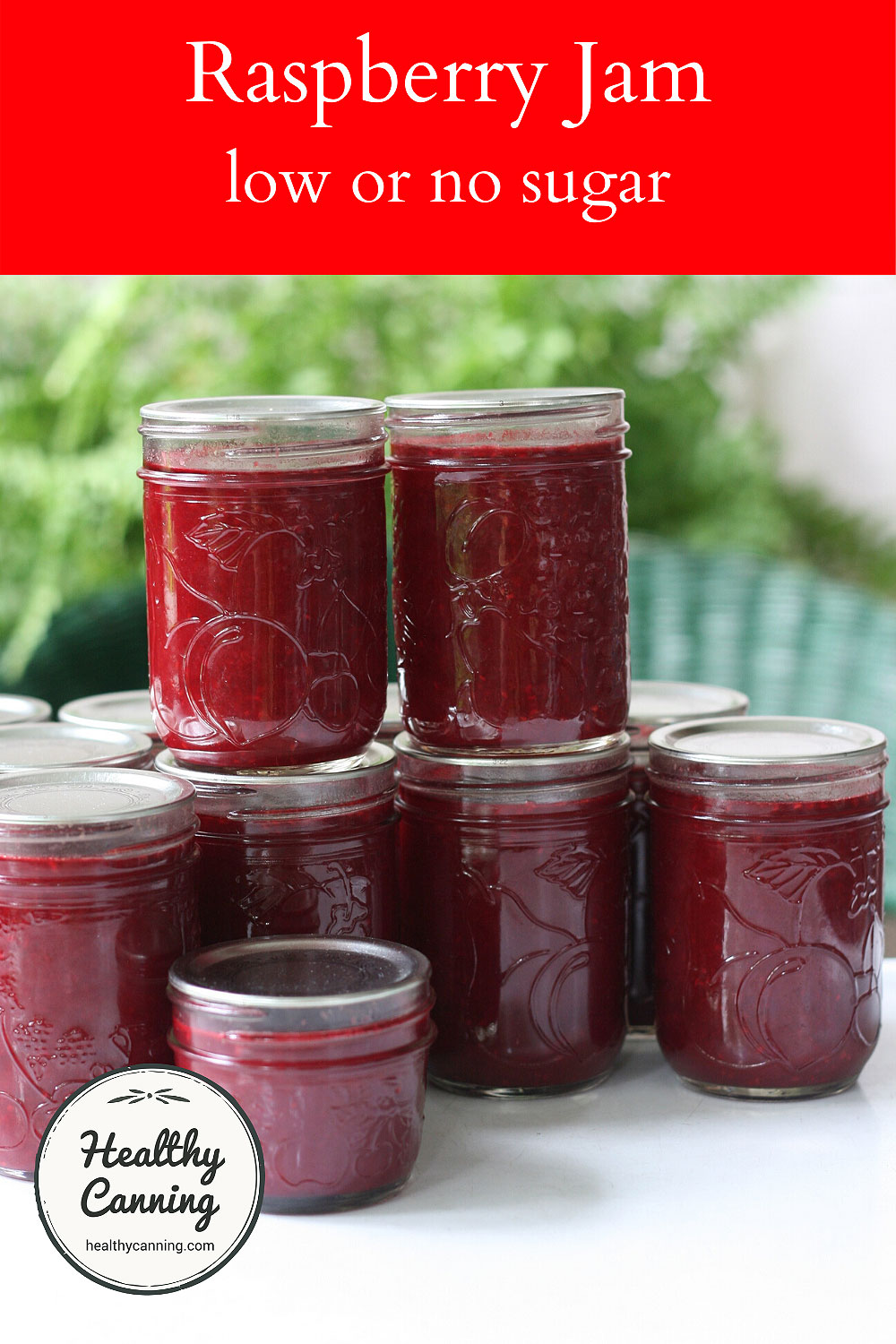
The formulation yields precisely four quarter-litre, or half-US-pint, jars. For successful preservation, adherence to specific thermal processing guidelines is mandatory. Canners can choose between a traditional boiling water bath or an approved steam-canning apparatus. Both methods require a strict processing time of 10 minutes for the specified jar sizes, maintaining a consistent one-centimetre, or quarter-inch, headspace. Furthermore, food safety authorities continuously emphasize the necessity of altitude adjustments, as boiling points shift at higher elevations, requiring longer processing durations to ensure the elimination of spoilage organisms.
Nutritional data compiled for the finished product underscores the flexibility of the Pomona pectin method. When prepared with one standard cup (200 grams) of sugar, a single tablespoon serving contains approximately 21 calories, five grams of carbohydrates, and four grams of sugar. Conversely, substituting granulated Splenda reduces the caloric load to approximately 10 calories per tablespoon while lowering carbohydrate content. Alternative sweetening options also include one-half to one full cup of honey, or two precise teaspoons of liquid stevia, demonstrating the versatility of calcium-activated pectin systems that do not rely on sugar molecules to form a gel matrix.
Agricultural extension services and master food preserver networks have reported an ongoing surge in public inquiries regarding safe, low-sugar canning methods. These organizations, which frequently operate seasonal telephone hotlines and regional assistance groups, serve as critical resources for novice and experienced canners alike. Food safety specialists stress that while modern pectin brands allow for a reduction or total elimination of sugar, the fundamental rules of canning safety—such as correct acidification, proper headspace, and verified processing times—remain non-negotiable to prevent microbial contamination.
The broader implications of utilizing modified pectin systems extend into the economic and nutritional dimensions of home food production. By decoupling fruit preservation from heavy sugar reliance, home cooks can capture the authentic, tart flavor profile of fresh raspberries without masking the fruit’s natural acidity and micronutrient content, which includes notable quantities of vitamin C, potassium, and dietary fiber. As consumer interest in transparent ingredient lists and home-grown sustainability continues to grow, adaptable canning formulations provide a scientifically validated pathway for preserving seasonal abundance safely and healthfully.