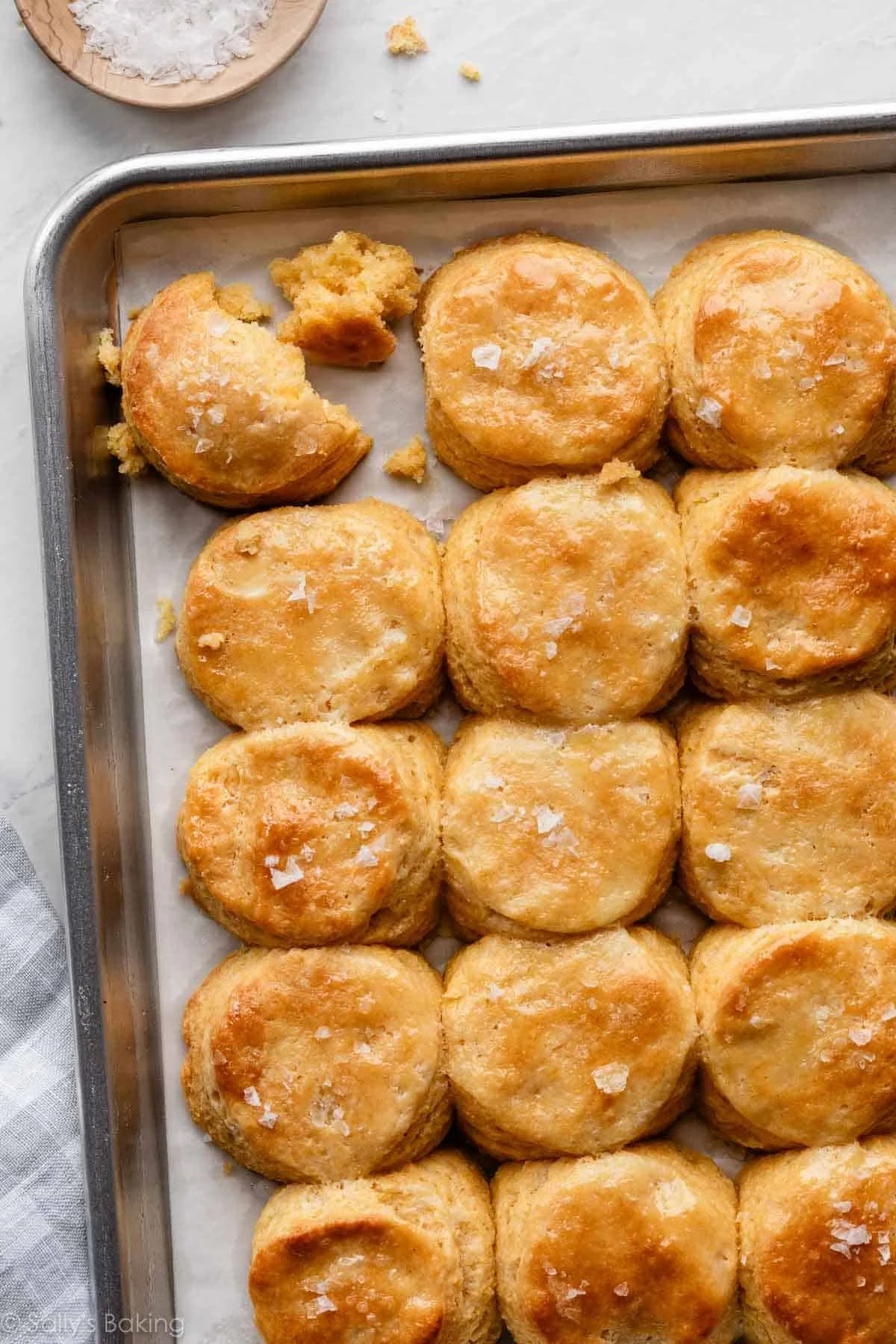

Cornbread biscuits, a unique culinary creation that marries the beloved characteristics of traditional buttermilk biscuits with the distinctive flavor and texture of cornbread, are emerging as a notable development in comfort food innovation. These golden, buttery delights offer a subtly sweet profile from a touch of honey, complemented by the coarse yet tender texture and characteristic golden hue imparted by cornmeal. The meticulous application of classic biscuit-making techniques, such as utilizing cold butter and buttermilk, is paramount to achieving their signature sky-high, wonderfully tender, and layered structure. Beyond their plain iteration, these biscuits demonstrate remarkable versatility, inspiring flavorful variations like the piquant jalapeño cheddar and the rich maple bacon, catering to a diverse range of palates and meal occasions.
What Are Cornbread Biscuits? A Hybrid Delicacy
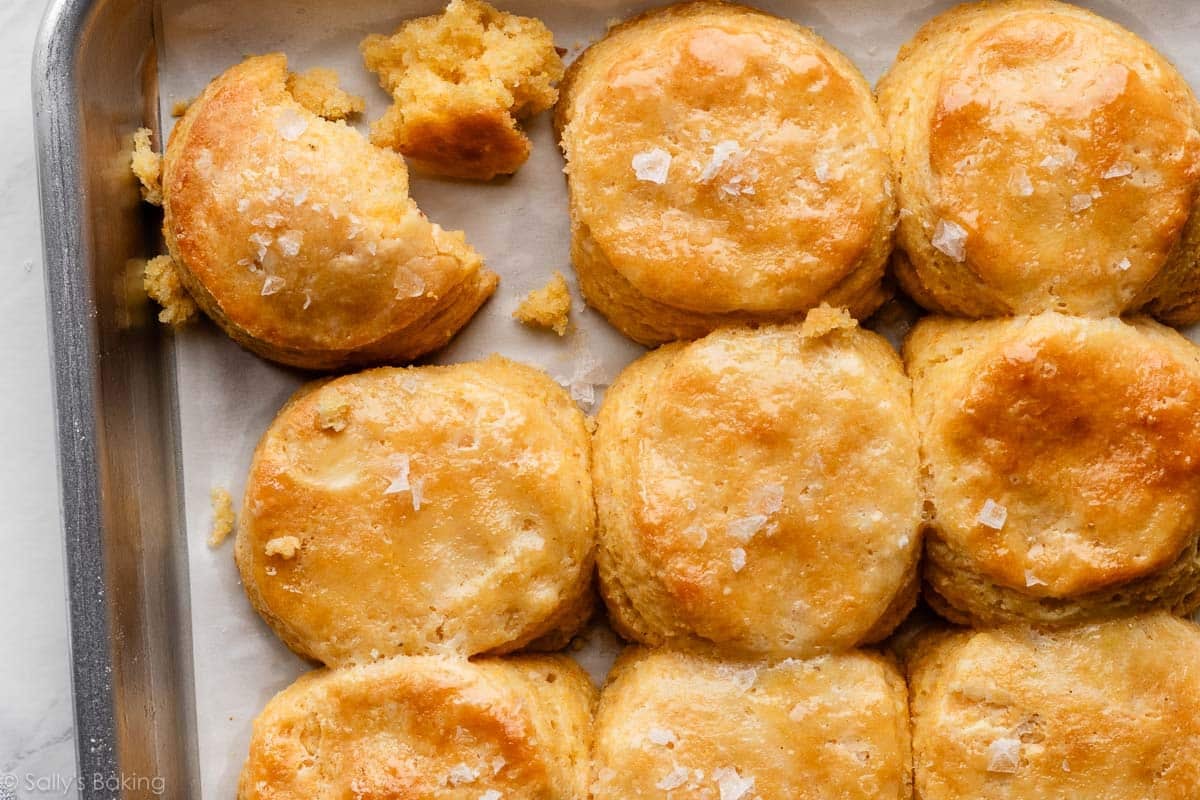
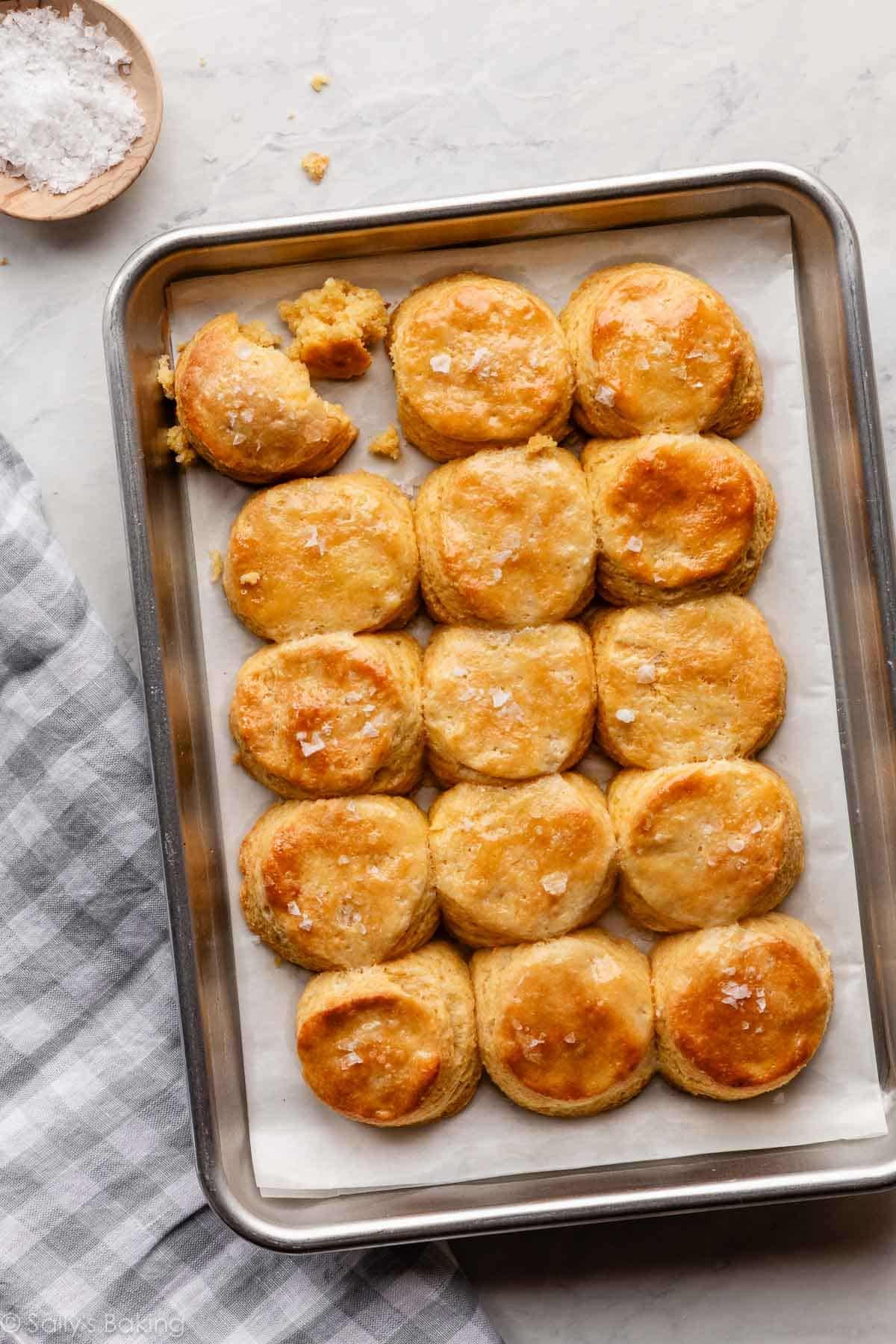
At its core, the cornbread biscuit represents a thoughtful convergence of two iconic American quick breads: the flaky buttermilk biscuit and the robust cornbread. This recipe skillfully integrates the best attributes of both, yielding a homemade creation that is simultaneously tender and layered with buttery richness, while incorporating just enough cornmeal and honey to introduce a distinctive texture, enhanced flavor, and a delicate hint of sweetness. The result is a biscuit that bakes up impressively tall, boasting crisp, golden-brown edges that yield to a soft, inviting center, delivering an irresistible homemade appeal.
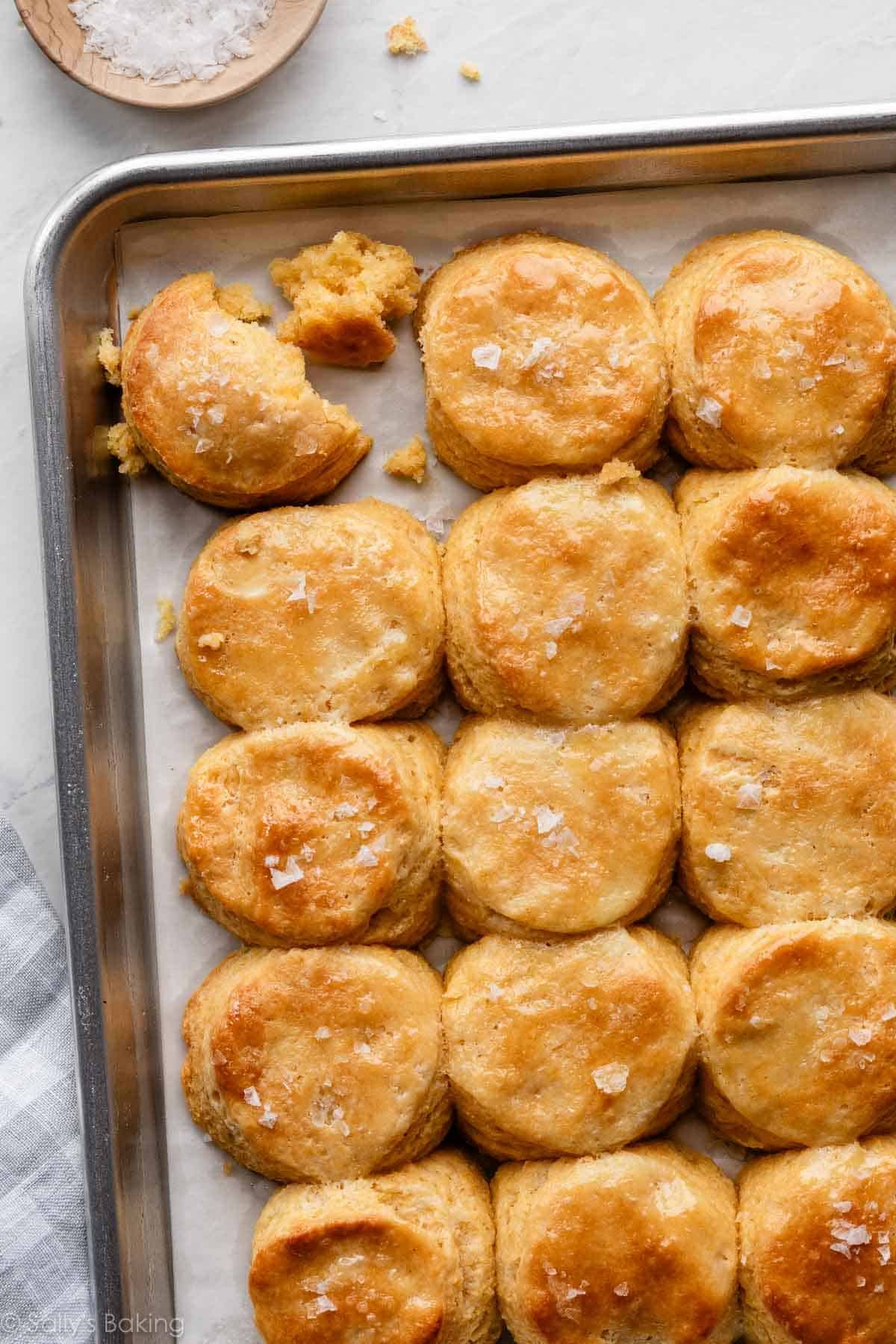
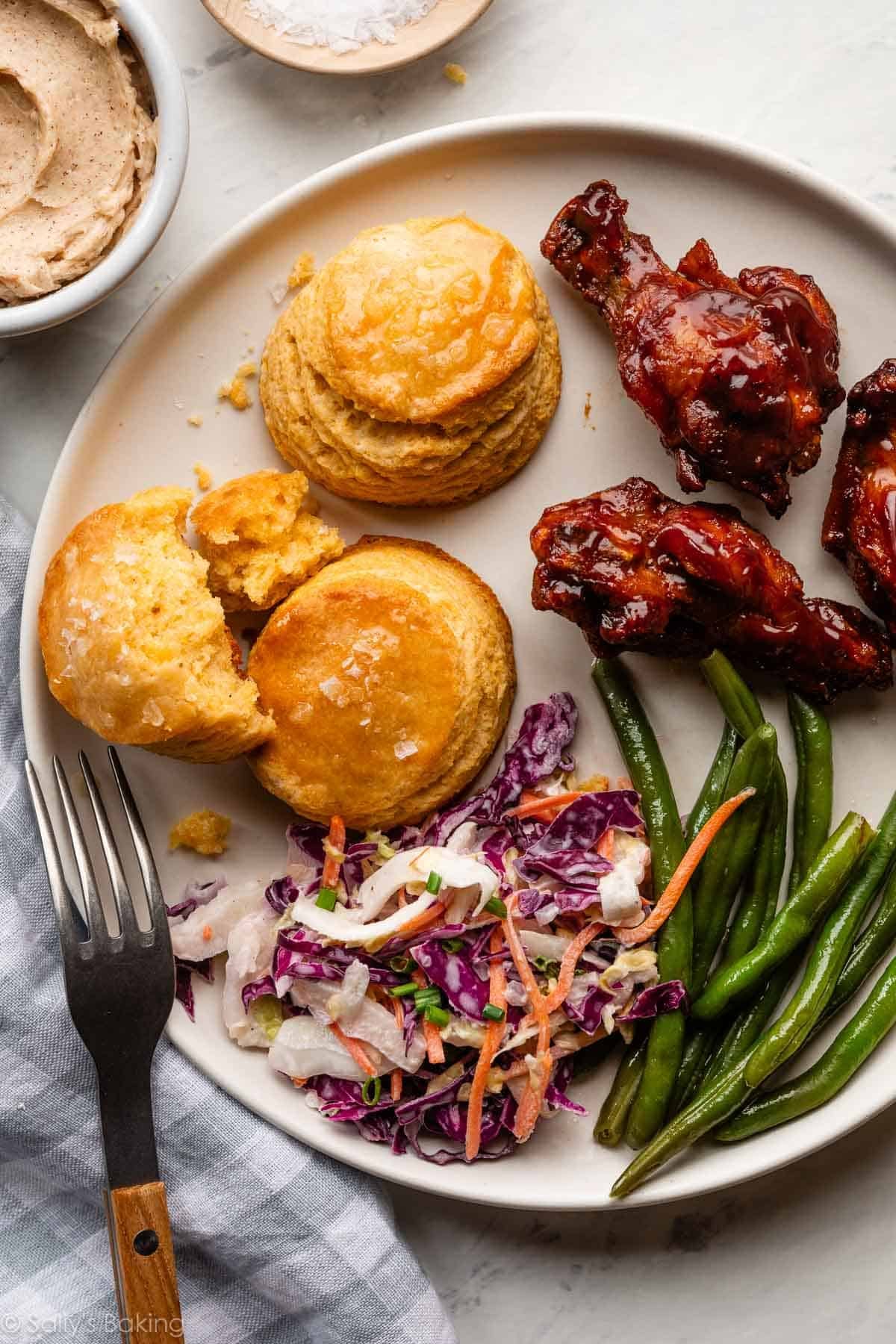
This innovative hybrid is designed for remarkable versatility, making it a perfect accompaniment to a wide array of dishes. Served warm, it pairs exquisitely with traditional spreads like homemade honey butter or cinnamon butter. Its robust flavor profile makes it an ideal companion for hearty barbecue, a comforting addition to a steaming bowl of chili, or a staple for any summertime dinner spread. Moreover, its adaptability extends seamlessly to breakfast, where it can be enjoyed alongside scrambled eggs and savory maple chicken breakfast sausage, underscoring its potential to grace any meal from dawn to dusk. The simple preparation, coupled with its profound flavor, positions it as a promising new staple in American cuisine.
The Heritage of Southern Baking: Roots of the Cornbread Biscuit
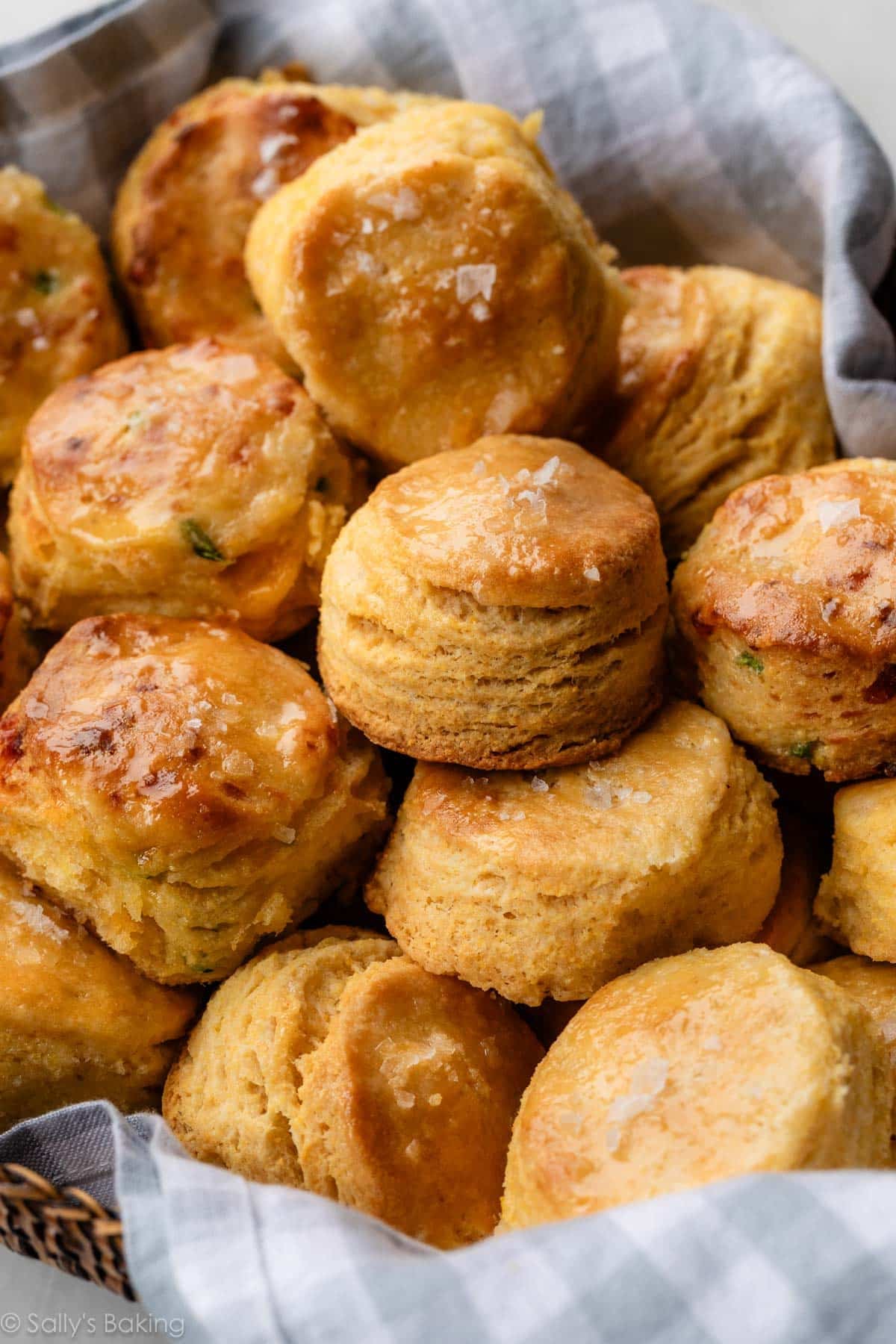
To fully appreciate the cornbread biscuit, it is essential to understand the individual culinary legacies from which it draws inspiration. Both buttermilk biscuits and cornbread are deeply entrenched in the culinary landscape of the American South, representing staples of comfort and tradition that have nourished generations.
-
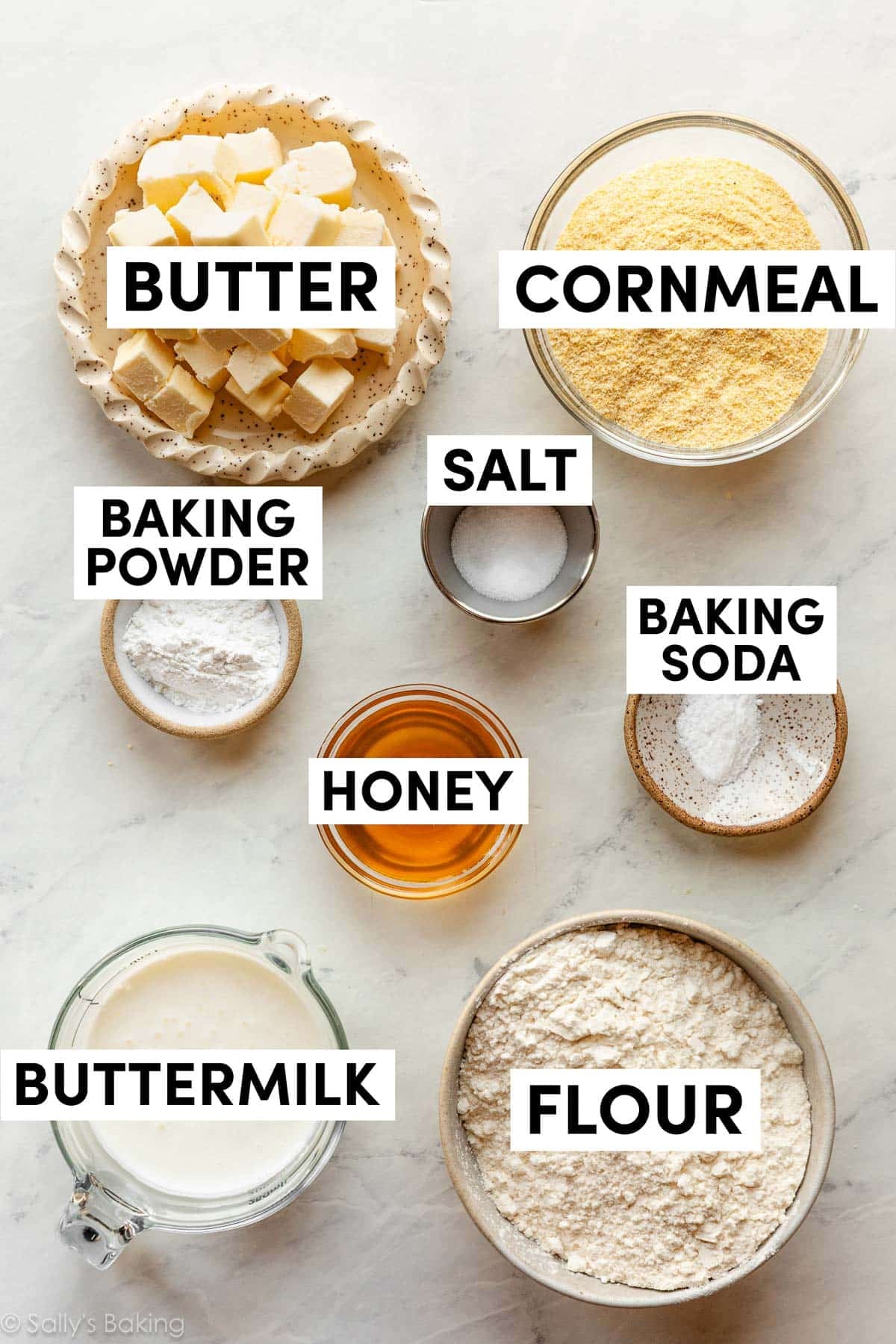
The Flaky Biscuit Tradition: The classic buttermilk biscuit is a cornerstone of Southern cuisine, revered for its light, airy, and distinctively flaky layers. Its origins trace back centuries, with early versions serving as a practical, economical bread for working-class families. The development of modern biscuits, particularly in the South, was significantly influenced by the availability of soft wheat flour, which yields a tender crumb, and buttermilk, which provides both a tangy flavor and a crucial acidic component for leavening when combined with baking soda. The technique involves cutting cold fat (traditionally lard, though butter is now common) into flour, creating pockets of steam during baking that separate the dough into numerous delicate layers. This meticulous process, passed down through generations, underscores the biscuit’s status as a culinary art form and a symbol of Southern hospitality.
-
The Enduring Appeal of Cornbread: Cornbread, another venerable quick bread, boasts an even longer history, originating from Native American culinary practices. Indigenous peoples cultivated corn for millennia, grinding it into meal for various preparations. European settlers adopted cornmeal, adapting it to their baking traditions, and cornbread quickly became a staple, especially in regions where wheat flour was less accessible or more expensive. Southern cornbread, in particular, evolved into myriad forms, from skillet-baked versions with a crisp crust to lighter, cake-like variations. Its characteristic flavor, ranging from earthy to subtly sweet, and its crumbly yet moist texture, make it a versatile bread, often served alongside vegetables, stews, and fried chicken. The debate between sweet and savory cornbread remains a lively topic among aficionados, highlighting its deep cultural significance and regional variations.
The emergence of the cornbread biscuit can thus be seen as a natural culinary evolution, a creative chef or home baker recognizing the complementary attributes of these two staples and seeking to combine their best qualities into a singular, enhanced offering. This fusion not only pays homage to Southern culinary roots but also pushes the boundaries of traditional quick bread preparation, creating a novel yet familiar experience.
The Science of the Perfect Hybrid: Crafting Tender, Layered Texture
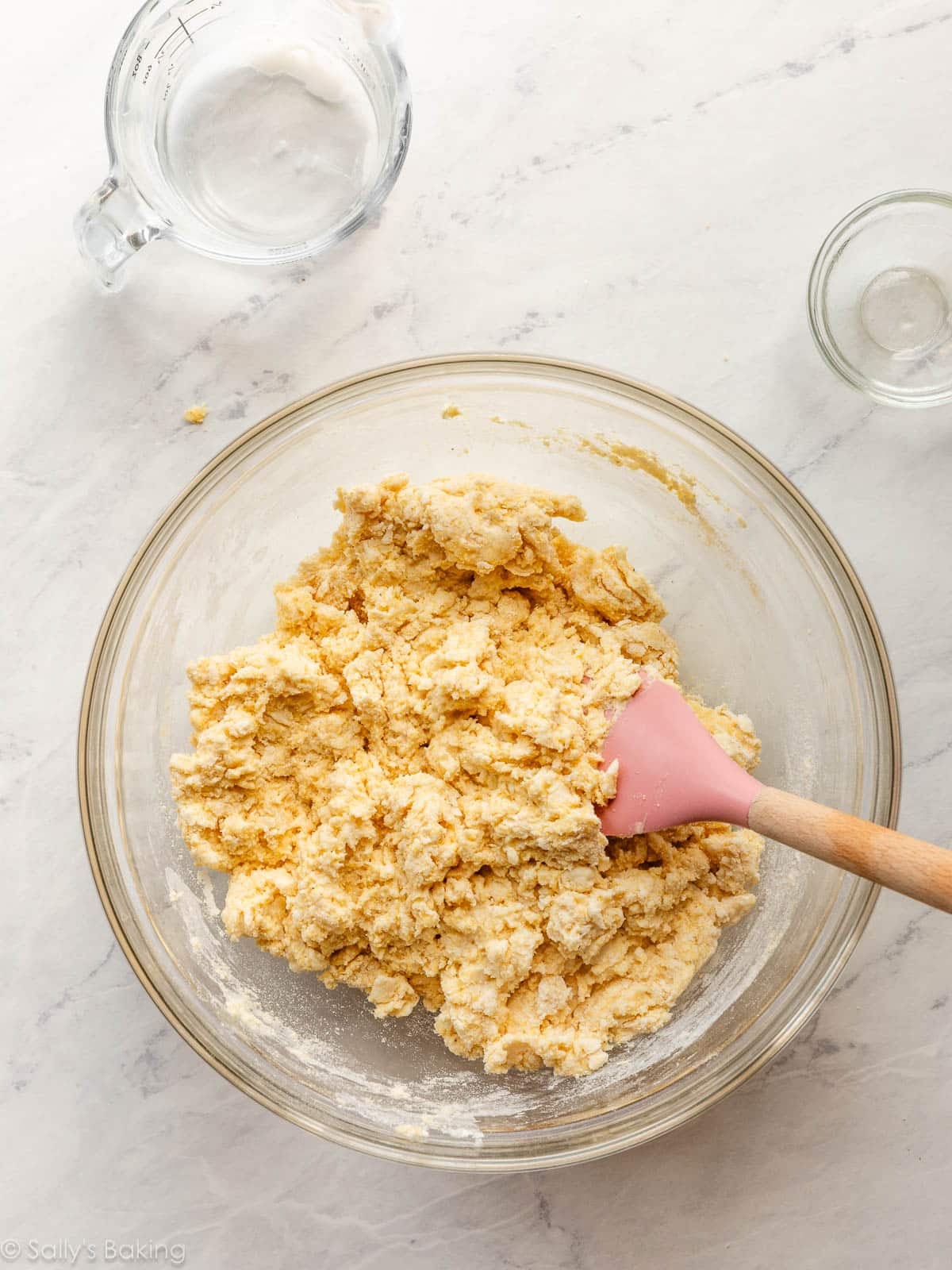
Achieving the desired characteristics of a cornbread biscuit – a golden exterior, tender crumb, and distinct, sky-high layers – is a testament to precise baking science and technique. The recipe’s success hinges on a few critical elements, each contributing to the final product’s superior quality.
-
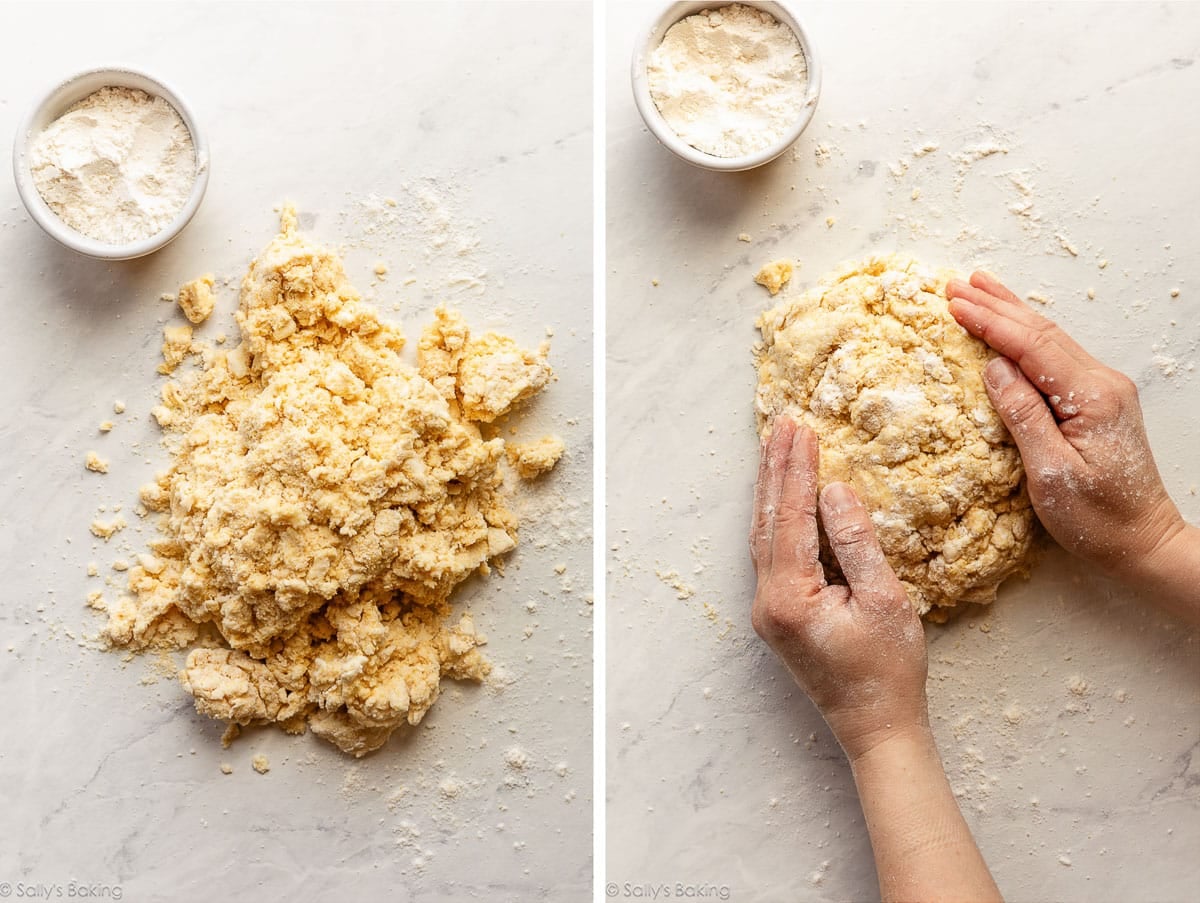
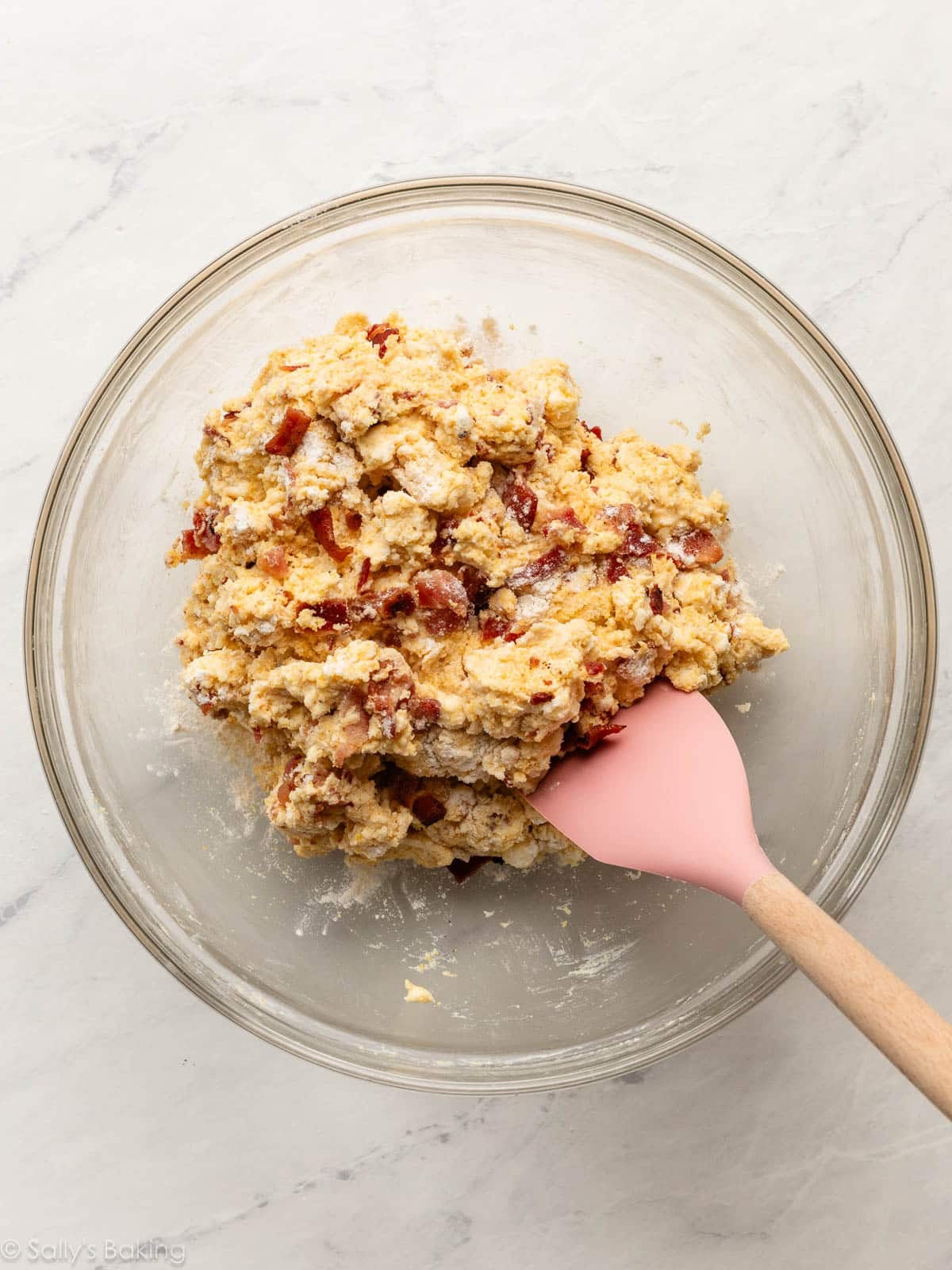
The Role of Cold Ingredients and Technique: The instruction to use cold butter and cold buttermilk is not merely a suggestion but a fundamental principle of classic biscuit making. Cold butter, when meticulously cut into the dry ingredients, remains in small, discrete pieces. As the biscuits bake at high temperatures, the water content in these butter pieces rapidly turns into steam, creating pockets that physically force the dough layers apart, resulting in the coveted flaky texture. If the butter is warm, it melts into the flour too readily, leading to a denser, less flaky biscuit. Similarly, cold buttermilk helps maintain the overall low temperature of the dough, preventing the butter from softening prematurely. Beyond temperature, buttermilk’s inherent acidity plays a crucial role; it reacts with baking powder (and often baking soda) to produce carbon dioxide gas, which contributes significantly to the biscuit’s impressive rise and tender crumb. The careful process of whisking dry ingredients, cutting in cold butter (either with a pastry cutter or a food processor), and then gently incorporating cold buttermilk and honey ensures a shaggy dough. This initial texture is crucial, as overmixing develops gluten, leading to tough biscuits rather than the desired tender consistency.
-
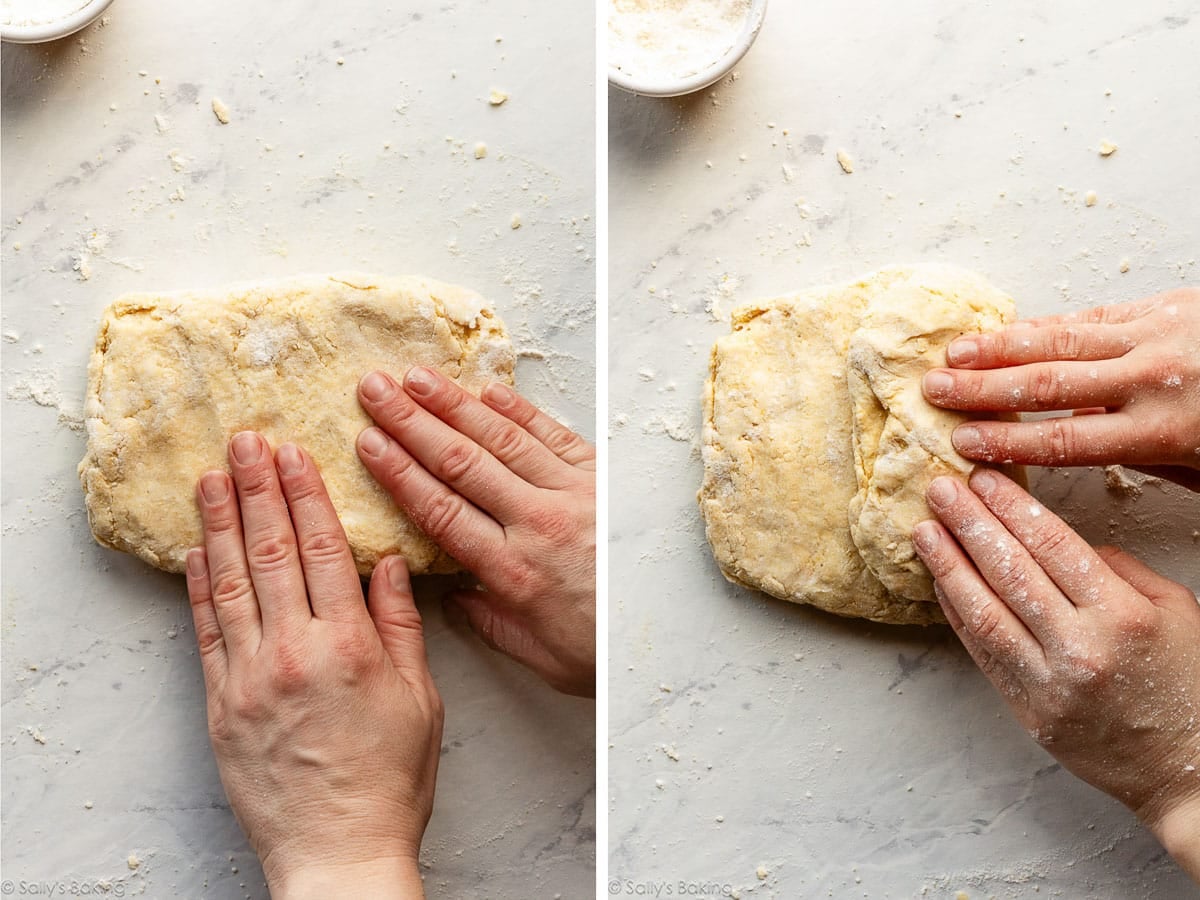
Folding for Flakiness: The subsequent flattening and precise folding of the biscuit dough, a technique shared with laminated pastries like homemade croissants or rough puff pastry, is a non-negotiable step for achieving multiple, delicate flaky layers. This process begins by shaping the dough into a rectangle, typically about three-quarters of an inch thick. One side is then folded into the center, followed by the other side folded over the top, mimicking the action of folding a business letter. This maneuver effectively interleaves the butter particles with layers of dough. The dough is then turned 90 degrees, flattened again to the same thickness, and the folding process is repeated two more times. This methodical manipulation, while seemingly simple and requiring only a few minutes, is what transforms a basic dough into a marvel of stratified texture. It ensures that each bite of the cornbread biscuit is light, airy, and profoundly buttery, elevating the eating experience.
-
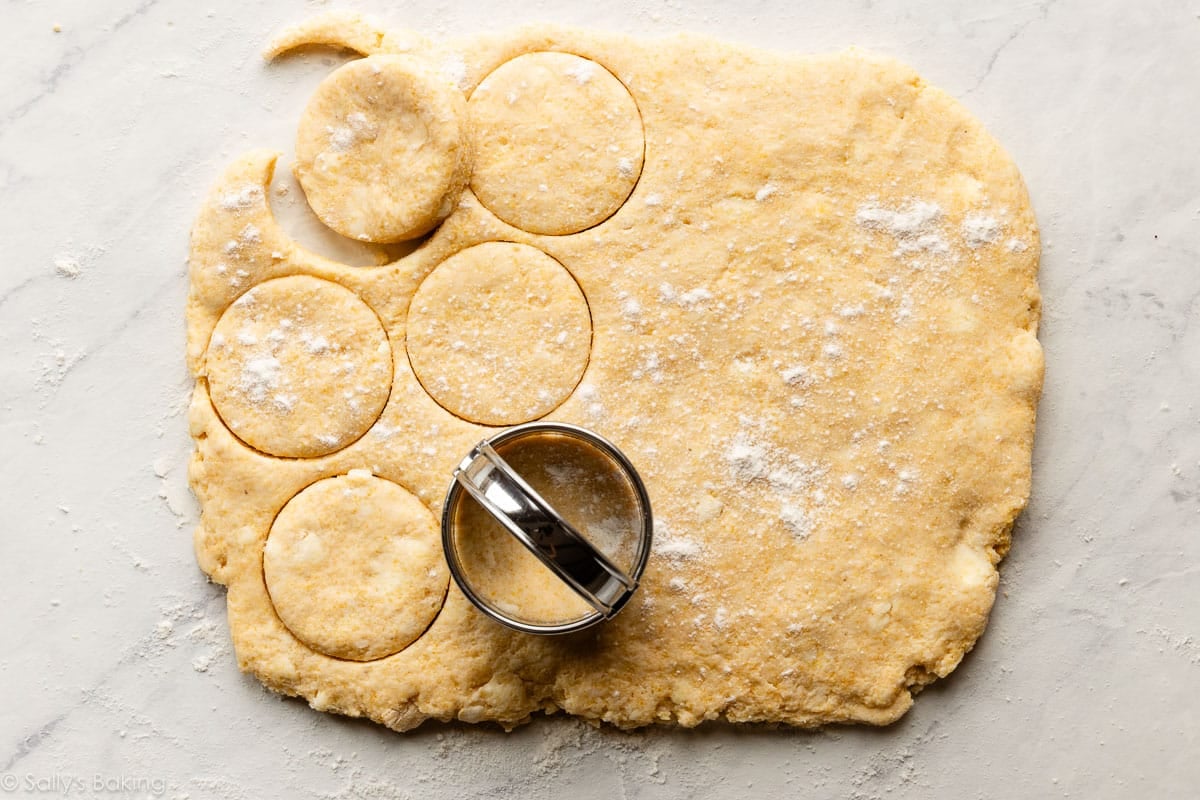
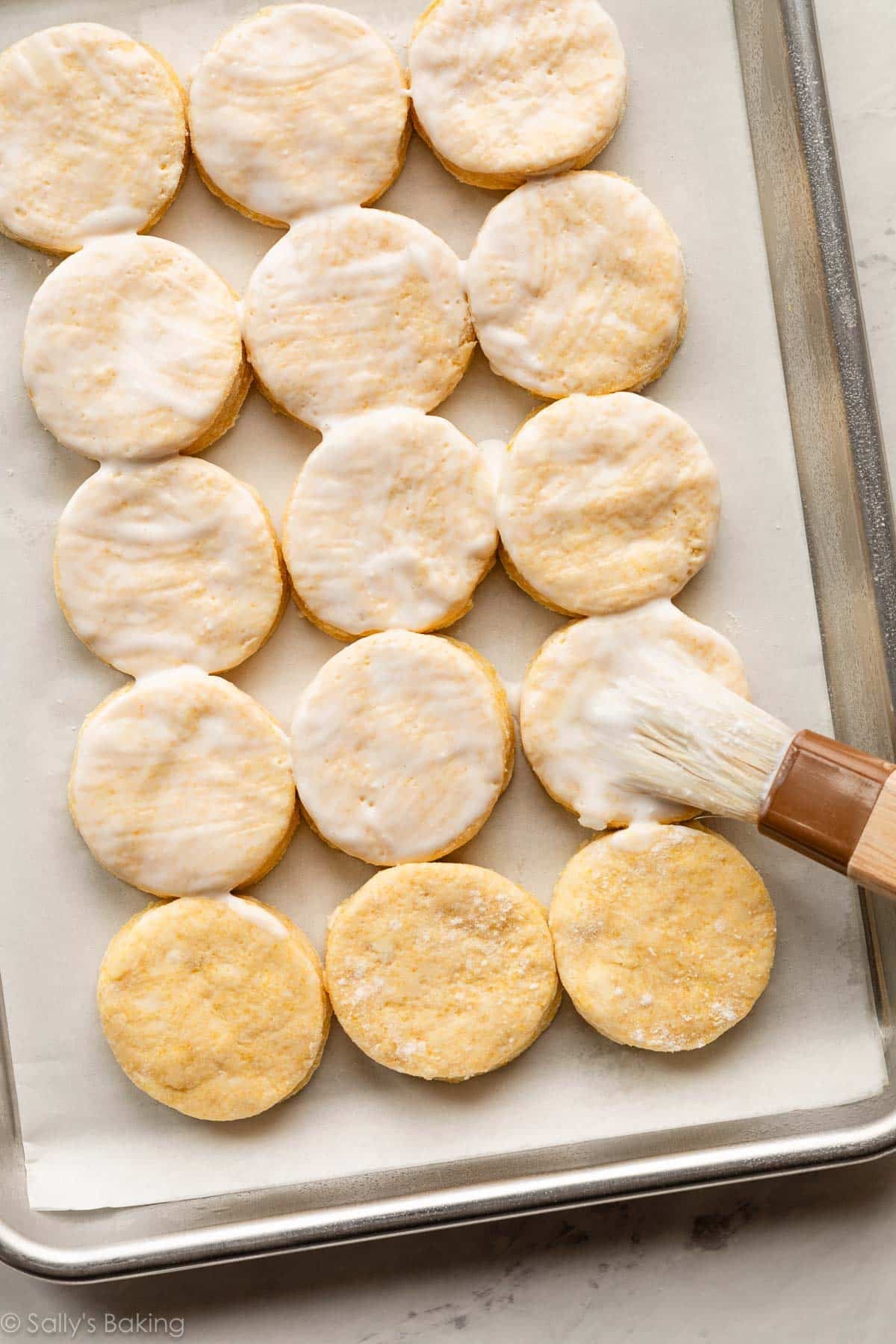
Precision in Shaping and Baking: The method of shaping the biscuits is equally important. Using a biscuit cutter, pressed straight down without twisting, is vital to sealing the edges of the dough layers. Twisting the cutter can pinch the layers together, inhibiting the biscuit’s ability to rise to its full potential. The size of the cutter can vary, from smaller 2-inch cutters yielding 15-18 biscuits to larger 2.5-inch cutters producing 10-12. Arranging the cut biscuits close together—or even touching—on a lined baking sheet or in a cast iron skillet is another strategic move. This proximity encourages them to rise upwards rather than spreading outwards, providing mutual support to achieve maximum height and tenderness. Before baking, a brush of buttermilk on the tops promotes an even, golden-brown crust. Upon exiting the oven, a final flourish of melted butter and honey, often finished with a sprinkle of flaky sea salt, elevates the flavor profile, adding a rich gloss and a delicate savory-sweet crunch that takes these cornbread biscuits from good to truly exceptional.
Culinary Innovation: Flavor Variations and Adaptations
The inherent versatility of the base cornbread biscuit recipe allows for a spectrum of creative modifications, transforming it from a simple side into a feature dish. The original recipe’s developers highlight two particularly popular and distinct variations that showcase this adaptability:
-
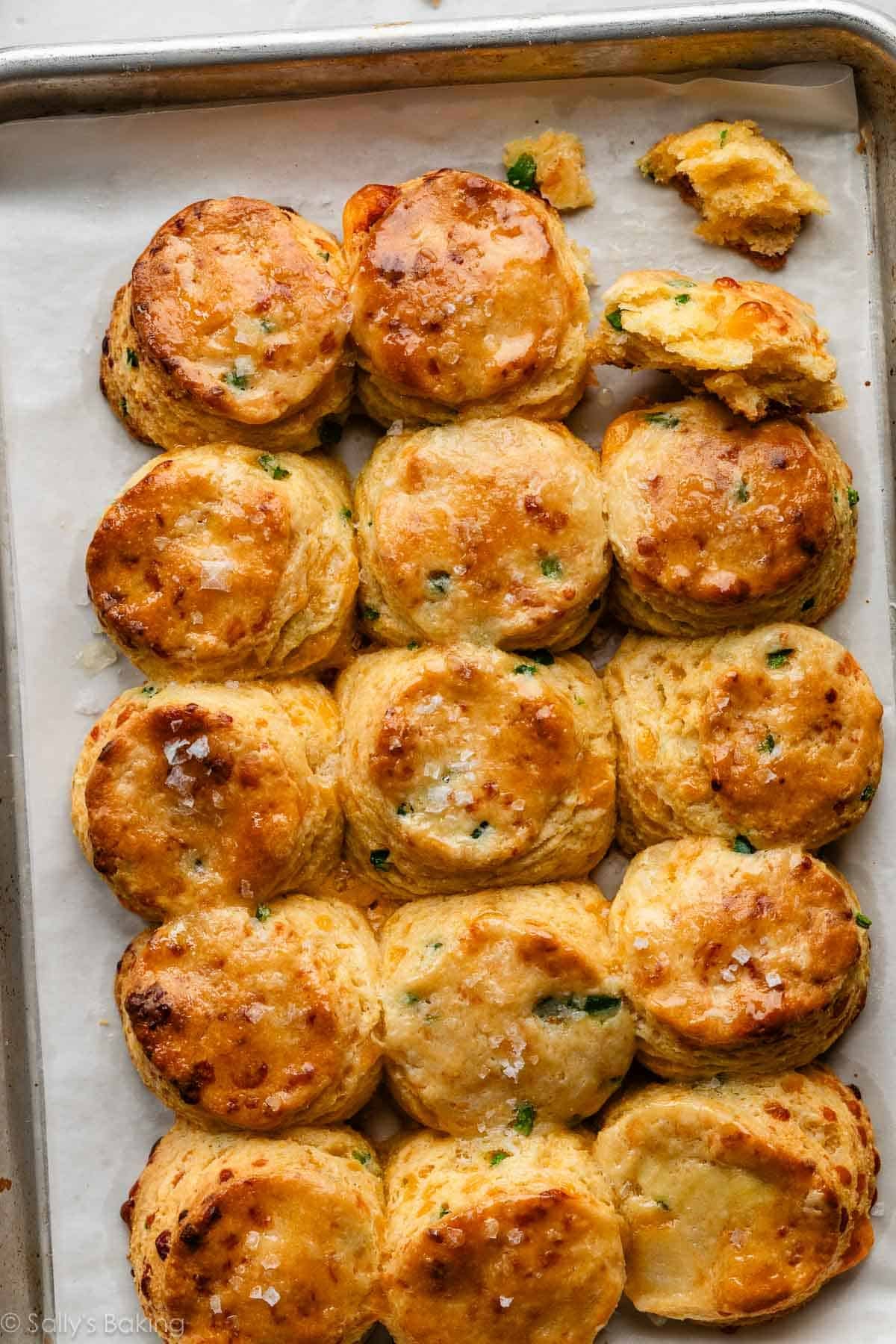
Savory Twists: Jalapeño Cheddar: This variation introduces a delightful kick and a creamy, tangy depth that appeals to those who enjoy a savory profile. By deseeding and finely dicing one jalapeño pepper and freshly shredding sharp cheddar cheese, these ingredients can be folded directly into the biscuit dough. The jalapeño provides a mild heat and fresh vegetal note, which is beautifully balanced by the rich, savory character of the cheddar. This combination creates a biscuit that is perfect for pairing with robust meals like chili, stews, grilled meats, or even as a standalone snack, offering a sophisticated counterpoint to the subtle sweetness of the cornmeal. The visual appeal of melted cheese and vibrant flecks of green pepper also adds to its allure, making it a feast for both the eyes and the palate.
-
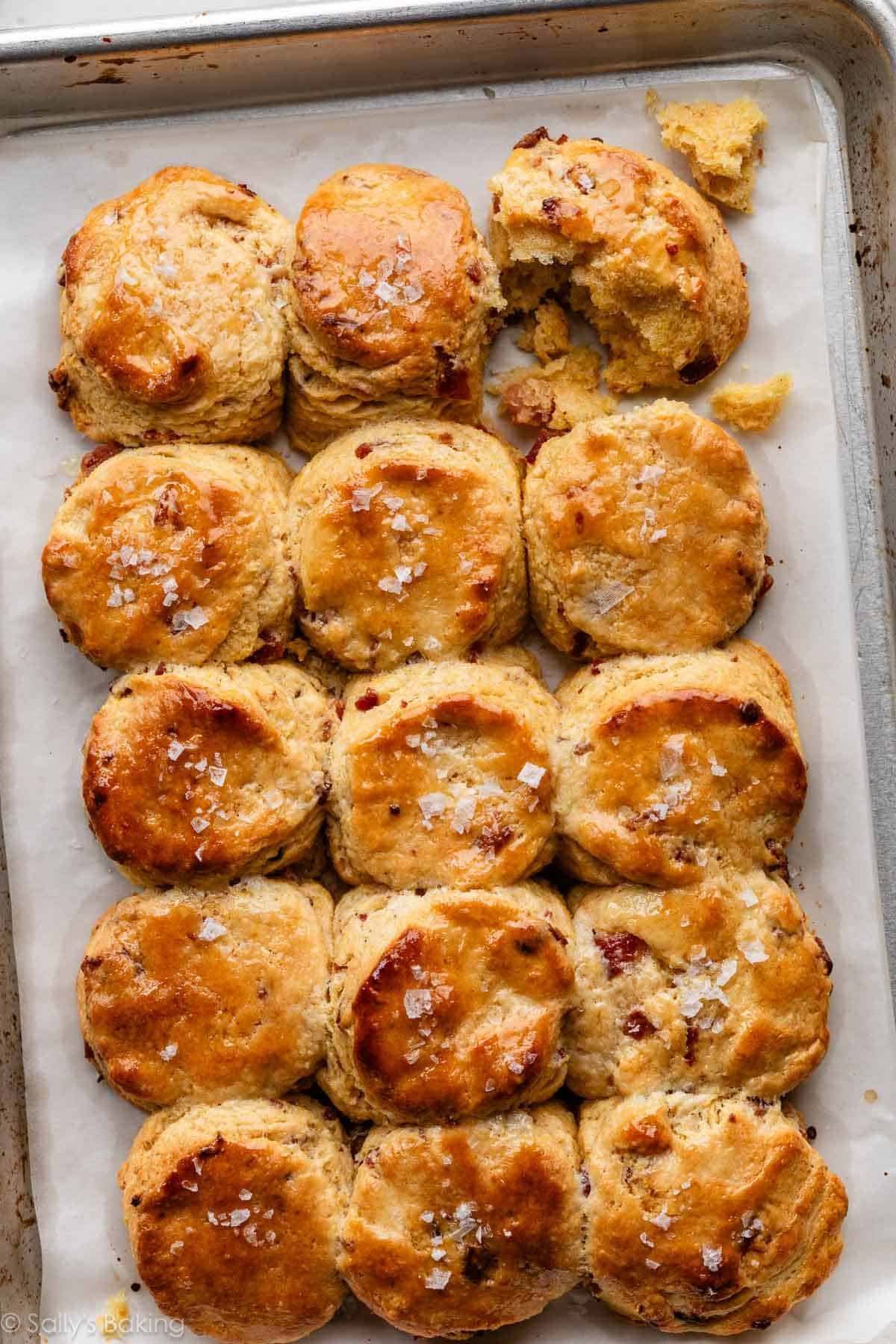
Sweet and Smoky: Maple Bacon: For those who appreciate a harmonious blend of sweet, salty, and smoky flavors, the maple bacon variation is an undeniable treat. This adaptation involves replacing the honey in the original recipe with pure maple syrup, which infuses the dough with a distinct, warm sweetness and an unmistakable maple essence. Crumbled or chopped cooked bacon is then folded into the mixture, introducing a crispy texture and a profound smoky, salty counterpoint that perfectly complements the maple. These maple bacon cornbread biscuits are particularly cherished for breakfast, complementing eggs and other morning fare, or even as a standalone indulgence with a cup of coffee. The rich interplay of flavors makes them a memorable addition to any brunch or breakfast spread, demonstrating the biscuit’s capacity for complex flavor profiles.
Beyond these specific variations, the cornbread biscuit offers endless possibilities for adaptation, from incorporating fresh herbs like chives or rosemary, to other cheeses such as smoked gouda, or even sweet additions like dried cranberries or chocolate chips for a dessert-oriented take. This inherent adaptability solidifies its position as a dynamic component of modern culinary exploration, encouraging home cooks to experiment and personalize their baking.
Expert Perspectives on Culinary Fusion
Food critics and culinary historians often observe the cyclical nature of food trends, noting a consistent return to comfort foods, albeit with contemporary twists. The cornbread biscuit exemplifies this phenomenon, representing a thoughtful evolution rather than a radical departure. "The blending of traditional comfort foods is a natural evolution in modern gastronomy," states Dr. Eleanor Vance, a prominent food sociologist. "Consumers are increasingly seeking familiarity but also novelty in their dining experiences. A dish like the cornbread biscuit taps into deep-seated culinary nostalgia while offering a fresh, exciting textural and flavor profile."

Chefs are also actively embracing this hybrid approach, recognizing its potential for innovation within established frameworks. Chef Marcus Thorne, known for his critically acclaimed Southern-inspired menus, remarked in a recent interview, "We’re seeing a strong push to innovate within classic frameworks, respecting the heritage while pushing boundaries. Cornbread biscuits are brilliant because they take two beloved components and create something greater than the sum of their parts. It allows for immense creative freedom while respecting culinary heritage." Home bakers, too, have expressed overwhelming enthusiasm for recipes that offer both comfort and a touch of gourmet flair. Online forums, food blogs, and social media platforms dedicated to baking frequently feature lively discussions and shared images of these biscuits, highlighting their growing popularity and the profound satisfaction derived from mastering a recipe that feels both familiar and refreshingly new. This collective endorsement from various culinary sectors underscores the significant impact of such creative fusions.
The Broader Impact on Modern Gastronomy
The rise of the cornbread biscuit, while seemingly a niche culinary development, carries broader implications for modern gastronomy and the wider food industry. Its increasing presence highlights several key trends and shifts in consumer preferences.
-
Innovation within Tradition: This hybrid dish powerfully demonstrates how traditional recipes can be reinterpreted and innovated upon without sacrificing their cultural essence. It encourages culinary experimentation, pushing the boundaries of what is considered "classic" and fostering the creation of "new classics" that resonate with contemporary tastes while honoring historical roots.
-
Ingredient Sourcing and Demand: The emphasis on quality ingredients, particularly cold butter and buttermilk, could influence consumer purchasing habits, potentially driving increased demand for artisanal dairy products. The specific choice between honey and maple syrup, or various types of cornmeal (fine versus medium grind), also highlights a growing consumer awareness and appreciation for ingredient nuances and their impact on the final product’s flavor and texture. This trend points towards a more discerning consumer base.
-
Digital Food Content and Engagement: Recipes like these thrive in the digital age. Food blogs, online communities, and highly visual platforms such as Instagram and Pinterest serve as primary drivers for discovery and adoption. The inherent visual appeal of golden, layered biscuits, especially when adorned with tempting add-ins like melted cheddar or crispy bacon, makes them highly shareable and influential in shaping home cooking trends and inspiring culinary creativity across a wide audience.
-
Restaurant Menus and Food Service: As home baking trends gain traction and public awareness grows, it is highly probable that cornbread biscuits will increasingly appear on restaurant menus. This could range from gourmet interpretations in fine dining establishments, showcasing inventive variations, to becoming staple offerings in more casual eateries specializing in American comfort food, brunch, or barbecue. Their versatility makes them an attractive addition for chefs seeking to refresh their offerings.
-
The Comfort Food Renaissance: The enduring appeal of comfort foods, especially in times of uncertainty or as a form of culinary escapism, makes dishes like cornbread biscuits particularly relevant. They offer a profound sense of warmth, nostalgia, and simple pleasure, resonating deeply with consumers looking for culinary solace and familiar tastes reimagined. This trend suggests a continued focus on dishes that evoke emotional connections alongside gastronomic satisfaction.
Conclusion: A New Staple for the Southern Table
In conclusion, the cornbread biscuit is far more than just a novel recipe; it represents a thoughtful and delicious synthesis of cherished American culinary traditions. By expertly combining the tender, flaky layers of a classic buttermilk biscuit with the distinctive flavor and appealing texture of cornbread, this hybrid creation offers a versatile and deeply satisfying experience. Its simple yet precise preparation, coupled with its remarkable adaptability to various flavor enhancements—from savory jalapeño cheddar to sweet and smoky maple bacon—positions it as a significant and innovative contribution to contemporary comfort food. As home bakers and professional chefs alike continue to explore and refine this delightful innovation, the cornbread biscuit is poised to become a beloved staple, cementing its place at breakfast tables, dinner spreads, and festive gatherings across the nation. Its journey from a simple recipe concept to a burgeoning culinary trend underscores the dynamic and ever-evolving nature of food, celebrating both heritage and innovation in equal measure.