
The modern consumer landscape has experienced a notable shift toward home-prepared convenience foods, driven by a combination of inflationary economic pressures, a growing desire for dietary customization, and an increased interest in culinary self-sufficiency. Among the latest trends capturing the attention of home bakers and budget-conscious households alike is the bulk preparation of homemade dry baking mixes. Leading this movement is the DIY brownie mix, a cost-effective alternative to commercial boxed goods that allows for substantial financial savings without sacrificing the speed and convenience associated with pre-packaged baking products. By assembling dry ingredients in large batches, home bakers can replicate the ease of store-bought mixes while retaining absolute control over nutritional profiles, ingredient quality, and sweetness levels.
Economic Advantages and the Inflationary Backdrop

In recent years, rising grocery prices and supply chain fluctuations have prompted consumers to reevaluate household expenditures, particularly regarding convenience foods and pre-packaged snacks. Commercial boxed brownie mixes, long considered an affordable pantry staple, have seen steady price increases across major supermarket chains. In response, culinary economists and frugal living advocates have popularized bulk-mixing strategies, noting that staple ingredients such as flour, cocoa powder, leavening agents, and sweeteners can be purchased in larger quantities at a fraction of the cost per serving.
The economics of a bulk DIY brownie mix are striking. A single batch of homemade mix yields approximately 8 cups, or 1 kilogram, of dry product—an amount sufficient to produce five standard pans of brownies. When broken down per serving, the cost of ingredients drops to pennies on the dollar compared to name-brand commercial equivalents. This financial efficiency has made DIY baking mixes especially appealing to larger families, community bake sale coordinators, and individuals seeking to maximize their grocery budgets without compromising on treats.
Customization, Dietary Adaptations, and Culinary Flexibility

Beyond financial incentives, the appeal of the DIY brownie mix lies in its high degree of adaptability. Traditional commercial mixes offer limited room for dietary modification, often forcing consumers with specific health needs or dietary restrictions to purchase expensive specialty products. The homemade approach, however, accommodates a wide variety of nutritional preferences.
While standard recipes traditionally call for granulated white sugar, the base mix can be easily tailored for health-conscious consumers. Adaptations utilizing brand-name sweeteners such as Splenda or generic alternatives like sucralose allow individuals to significantly reduce caloric and carbohydrate intake. Furthermore, alternative sweeteners, including powdered stevia products that measure on a one-to-one volumetric basis with traditional sugar or sucralose, provide additional flexibility for those managing conditions such as diabetes or adhering to low-sugar regimens.
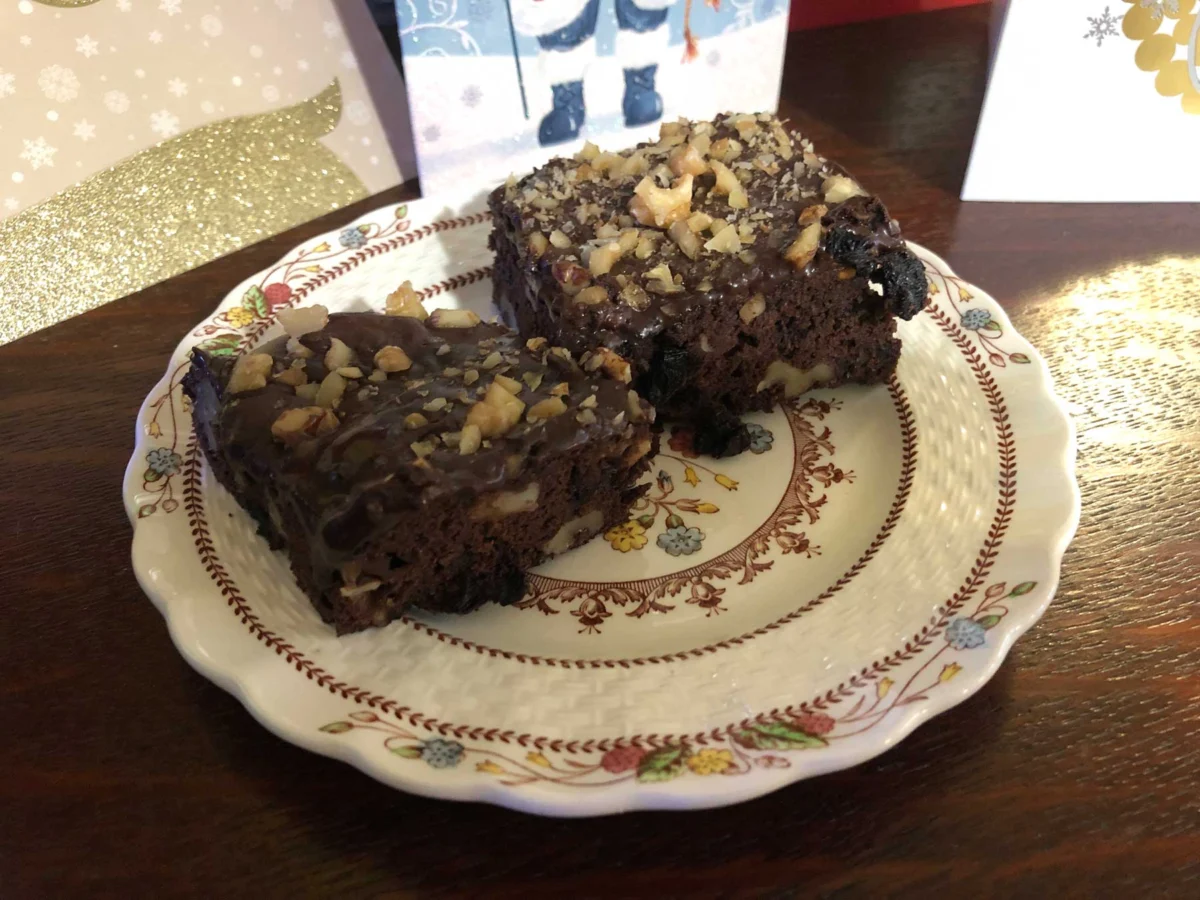
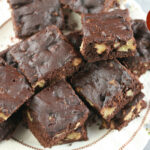
The resulting baked goods yield a distinctly cake-style texture rather than a heavy, fudgy consistency, making them a lighter dessert option. A standard pan prepared from the mix weighs approximately 420 grams (15 ounces) and yields nine square servings, with each individual piece weighing roughly 50 grams (2 ounces). This uniform portioning assists individuals who track nutritional intake, portion sizes, or dietary points systems.
Nutritional Profiles and Health Considerations
For consumers monitoring caloric intake, fat consumption, or structured dietary programs, the ability to calculate precise nutritional values is a major benefit of the DIY approach. When prepared using a sugar substitute such as sucralose and low-fat margarine, a single 50-gram brownie square contains approximately 116 calories and 8 grams of fat. For individuals incorporating optional mix-ins, such as chopped walnuts, the nutritional profile adjusts moderately to roughly 131 calories and 10 grams of fat per serving.
Weight Watchers participants will find that a standard brownie prepared with sugar substitutes counts as 2 SmartPoints on the freestyle system, with an additional point incurred if walnuts are included in the recipe. Because the baker controls the exact fats and dairy alternatives used during the wet-ingredient integration phase, the final nutritional breakdown remains entirely transparent—a stark contrast to commercially manufactured mixes that often contain proprietary blends, preservatives, and undisclosed sodium or fat additives.

Step-by-Step Preparation and Safe Handling Guidelines
Preparing a bulk DIY brownie mix requires minimal kitchen equipment and can typically be completed in approximately ten minutes. The process involves thoroughly whisking and combining dry components—primarily flour, cocoa, leavening agents, and the chosen sweetener—ensuring an even distribution throughout the bulk volume. The dry mix is then stored in an airtight container in a cool, dry pantry until ready for use.
When utilizing the mix for an individual baking session, the required portion is measured out and combined with wet ingredients, such as eggs, water or milk, and melted butter or low-fat margarine, before being transferred to a greased baking pan.
Food safety authorities and culinary experts emphasize proper handling procedures when working with large volumes of dry baking mixes, particularly regarding uncooked flour. Raw flour should be treated with the same safety precautions applied to raw meat. Home bakers are strongly advised to wash their hands thoroughly and sanitize all kitchen surfaces, utensils, and containers that come into contact with raw flour during the mixing and preparation process to mitigate any potential microbiological risks.
Broader Industry Implications and Future Trends
The resurgence of interest in from-scratch dry mixes reflects a broader cultural pivot toward sustainable, transparent, and economical home cooking. As consumers become increasingly skeptical of ultra-processed foods and hidden additives found in commercial manufacturing, foundational baking techniques that bridge the gap between scratch cooking and box-mix convenience are gaining momentum.

Industry analysts suggest that the popularity of DIY pantry mixes is part of a permanent shift in consumer habits accelerated by lifestyle changes and economic mindfulness. By reclaiming control over basic pantry staples, households are not only reducing monthly food expenditures but also fostering greater culinary literacy. Whether motivated by dietary health requirements, financial prudence, or the simple satisfaction of home baking, the DIY brownie mix demonstrates that traditional thriftiness and modern nutritional flexibility can successfully coexist on the contemporary kitchen shelf.