
The modern calendar, often crowded with holidays, milestone celebrations, and high-stakes dinner parties, places significant logistical pressure on home cooks. The traditional model of preparing complex desserts in the final hours before an event—a process that often involves simultaneous baking, cooling, and decorating—is increasingly viewed as a primary source of culinary stress. To mitigate these challenges, professional bakers and culinary experts have shifted toward a strategic framework centered on "make-ahead" dessert preparation. This approach not only optimizes time management but frequently enhances the structural integrity and flavor profiles of the finished products.
The Strategic Advantages of Advance Preparation
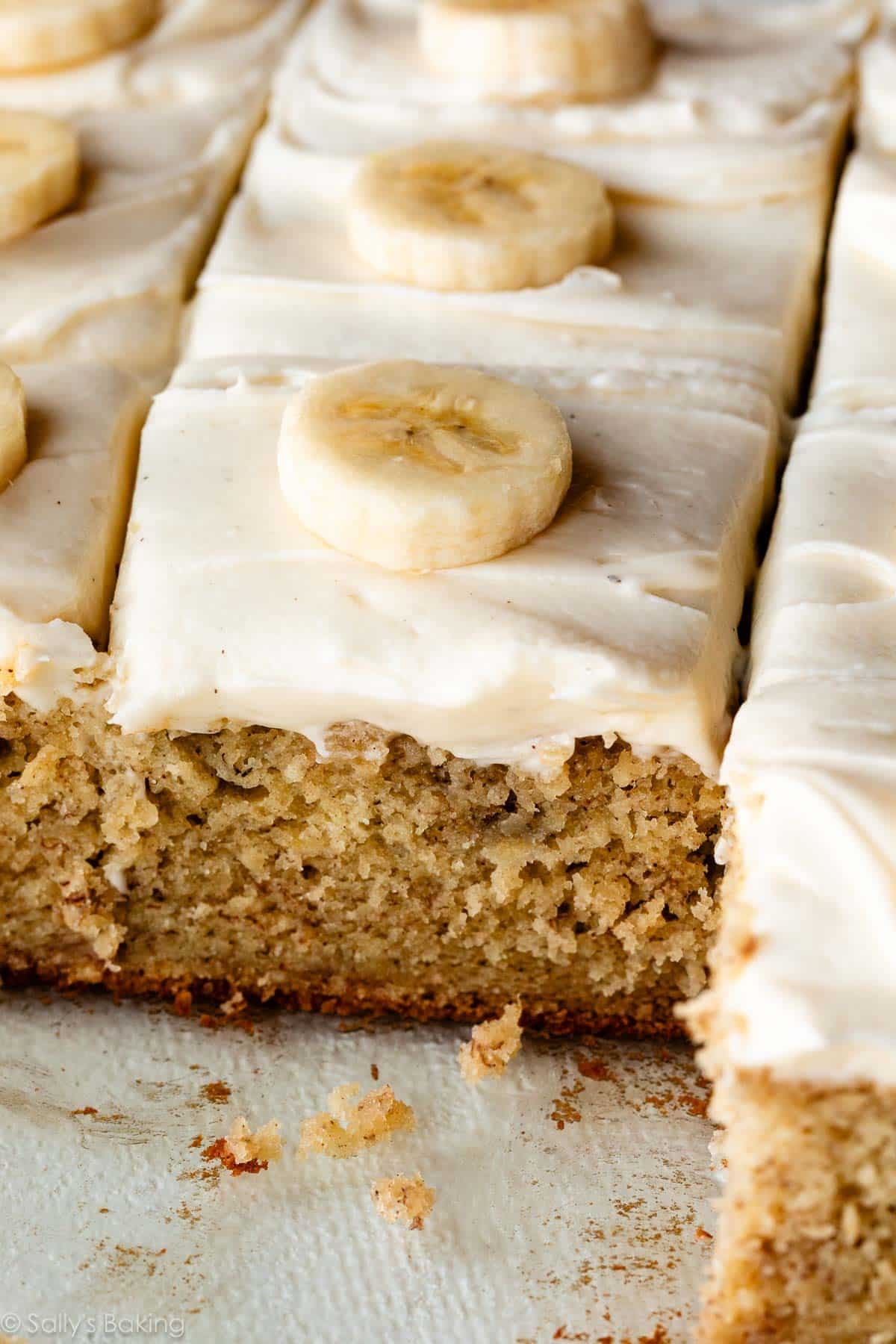
Culinary science suggests that many dessert categories, particularly those involving cakes, cookies, and layered mousses, benefit from a period of rest. For example, moist cakes such as banana cake often undergo a chemical maturation process where fats and sugars distribute more evenly after 24 hours, resulting in a superior crumb and depth of flavor.
Furthermore, no-bake and freezer-friendly desserts—such as ice cream cakes, tiramisu, and various cheesecake variations—require mandatory cooling periods to achieve the correct setting. By shifting these tasks to a day or two before an event, a cook can ensure that a dish is fully set and ready for service without the unpredictability of last-minute refrigeration requirements.

Chronology of Culinary Workflow
To implement a successful make-ahead strategy, professional kitchens often follow a tiered timeline.
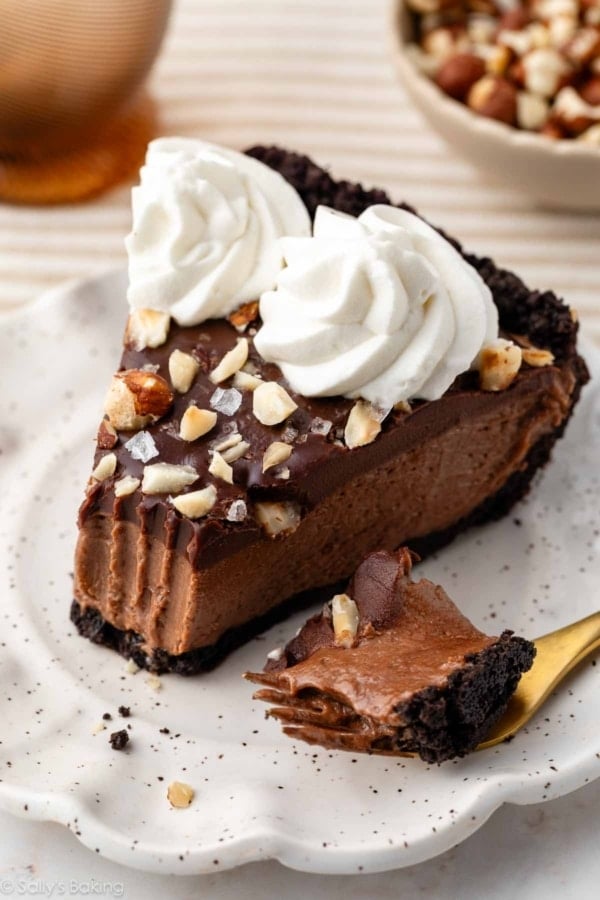
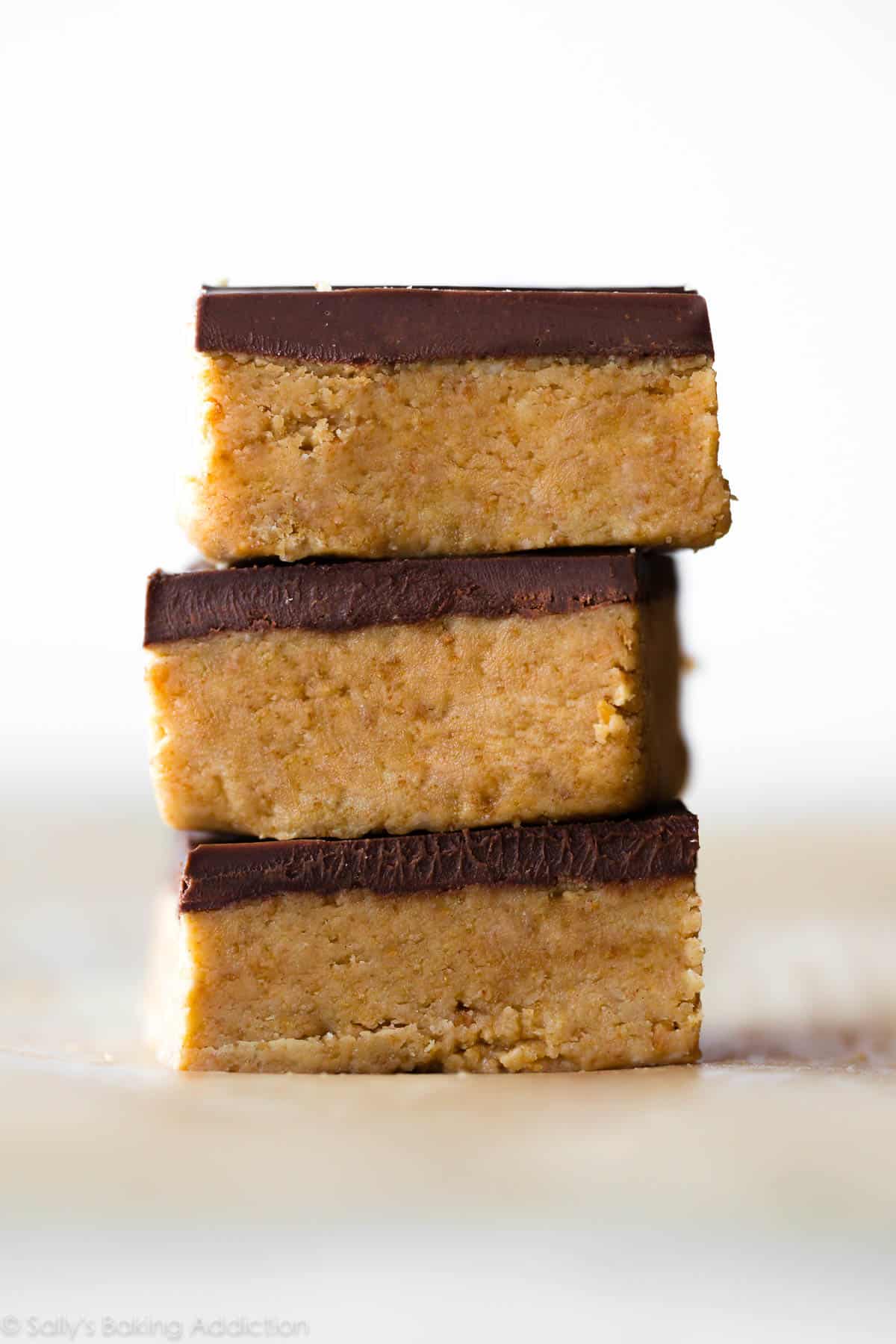
- 72 Hours Prior: This period is ideal for desserts that require long curing times or those that gain complexity over several days, such as specific chilled cheesecakes or no-bake bars that rely on hardening in the refrigerator.
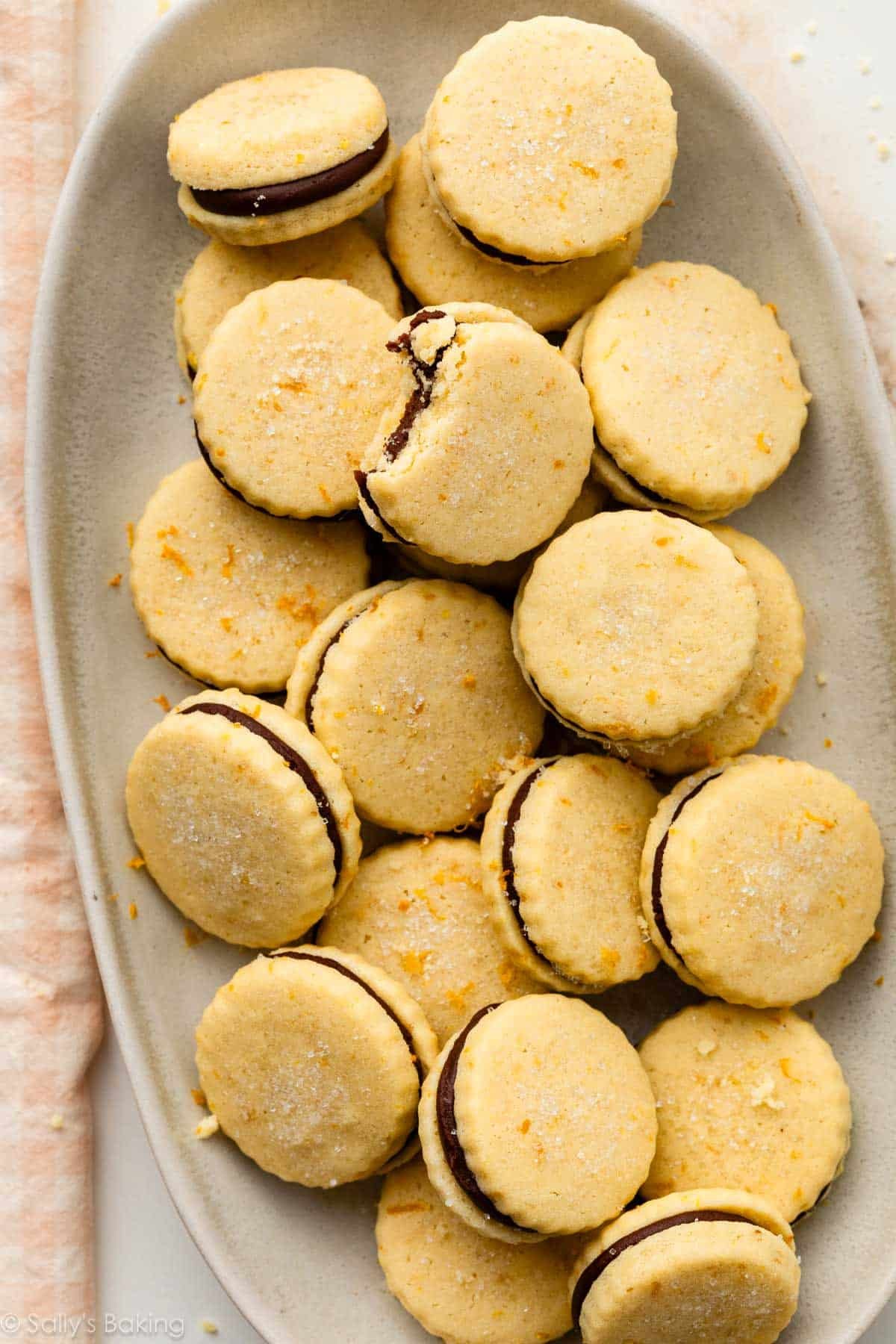
- 48 Hours Prior: Many baked goods, including shortbread-based sandwich cookies (like Linzer or chocolate-orange variations), are at their peak 48 hours after preparation. The texture of the dough and the moisture of the ganache stabilize, preventing the degradation often seen in freshly assembled items.
- 24 Hours Prior: This is the standard window for layered desserts, such as traditional tiramisu or bread puddings, where the goal is for the liquid components to be absorbed by the structural elements (ladyfingers or bread) without becoming oversaturated.
- Day of Service: The final window is reserved strictly for fresh garnishes, such as dusting powdered sugar, applying fresh whipped cream, or torching marshmallow toppings on icebox cakes. This ensures the visual presentation remains crisp and professional.
Data-Driven Insights on Dessert Storage
Market research into consumer baking habits indicates that convenience is the primary driver for recipe selection in the modern home. A significant percentage of home bakers report that they prefer recipes that offer a "storage window." For instance, items like Oreo-based truffles or chocolate-chip cookie bark can remain stable at room temperature or under refrigeration for up to a week, providing a safety net for busy hosts.

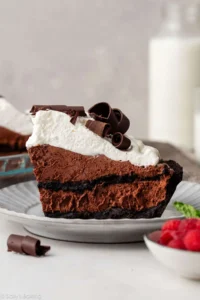
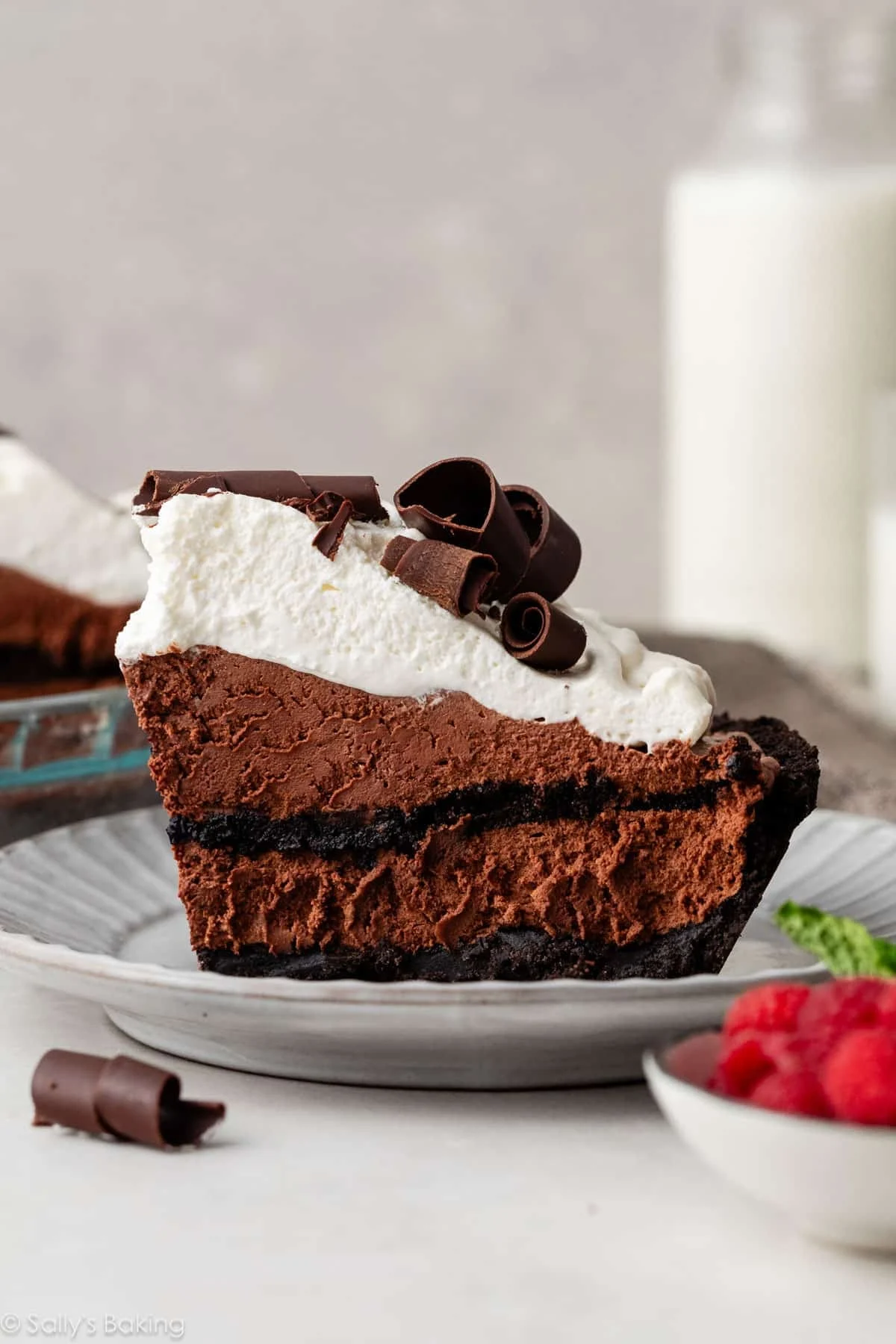
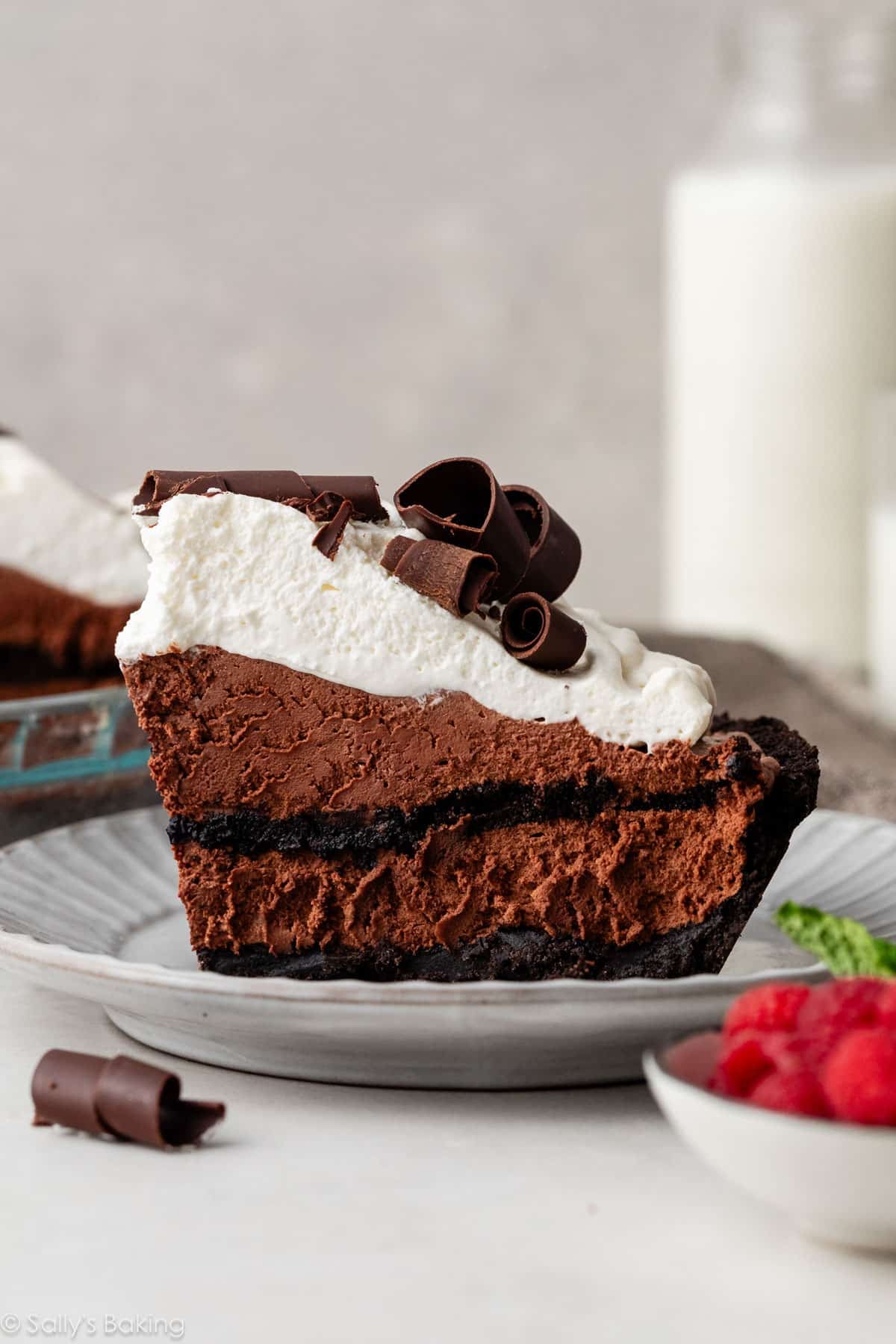
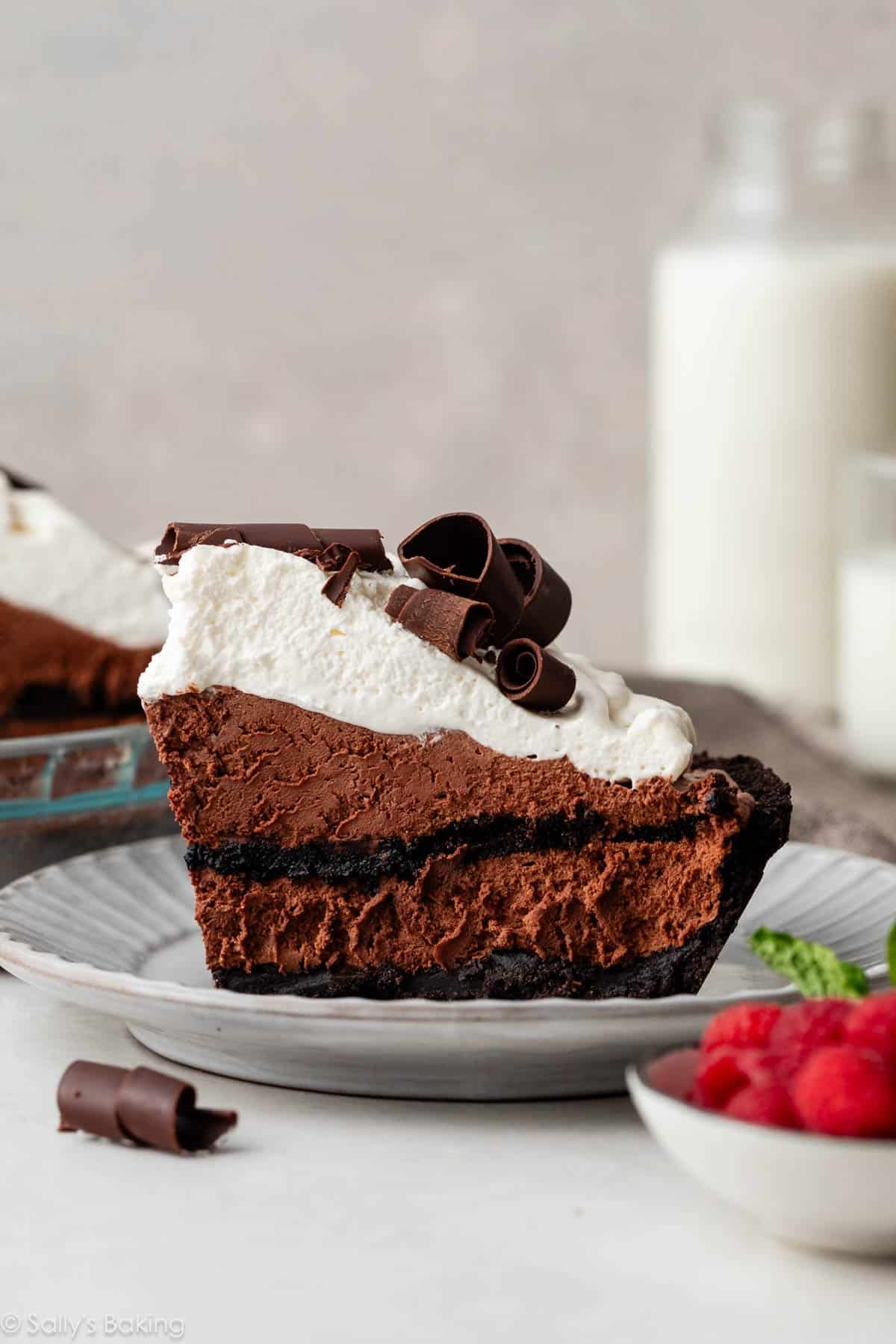
Conversely, cream-based pies and mousse-filled items occupy a different category. These require strict adherence to food safety protocols. Experts emphasize that while these items can be prepared in advance, they must be maintained at temperatures below 40°F (4°C) to prevent bacterial growth, particularly when dairy or egg components are involved. The use of airtight containers or specialized pans with secure lids is essential for preserving the moisture levels of these desserts while preventing the absorption of odors from other items stored in the refrigerator.

Expert Perspectives and Methodologies
Professional pastry chefs often utilize specific equipment to facilitate this "prep-ahead" workflow. The use of springform pans for cheesecakes or dedicated 9×13-inch baking pans with airtight locking lids has become standard practice. These tools allow for the seamless transport of desserts to off-site events, effectively solving the logistical hurdle of plating delicate items at a destination.
Sally McKenney, an established authority in the field of home baking, notes that the success of a make-ahead dessert hinges on the balance between "rest time" and "freshness." According to her documentation, recipes like the Smith Island cake—which requires multiple layers—are fundamentally designed to be assembled and allowed to settle, as the weight of the frosting naturally compresses the cake layers to create a uniform, sliceable structure that is impossible to achieve immediately after assembly.
Categories of Make-Ahead Desserts
The selection of a make-ahead dessert should be based on the specific requirements of the recipe. Experts categorize these into four primary groups:
- Frozen Desserts: Including ice cream cakes and frozen pies. These are the most reliable for long-term storage, often lasting for weeks in a deep freezer. They require a minimum 12-hour "slack time" in the freezer to reach the desired density.
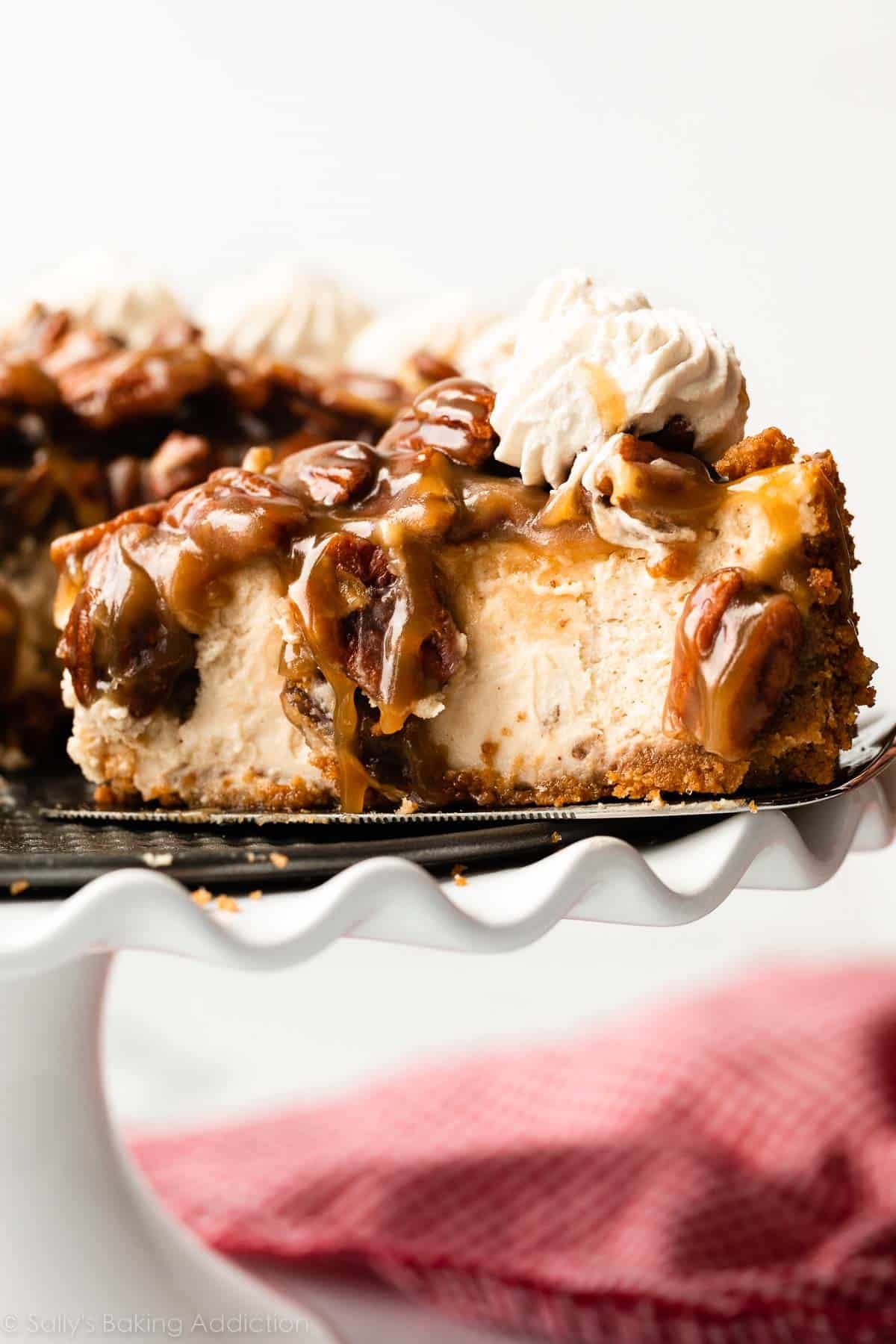
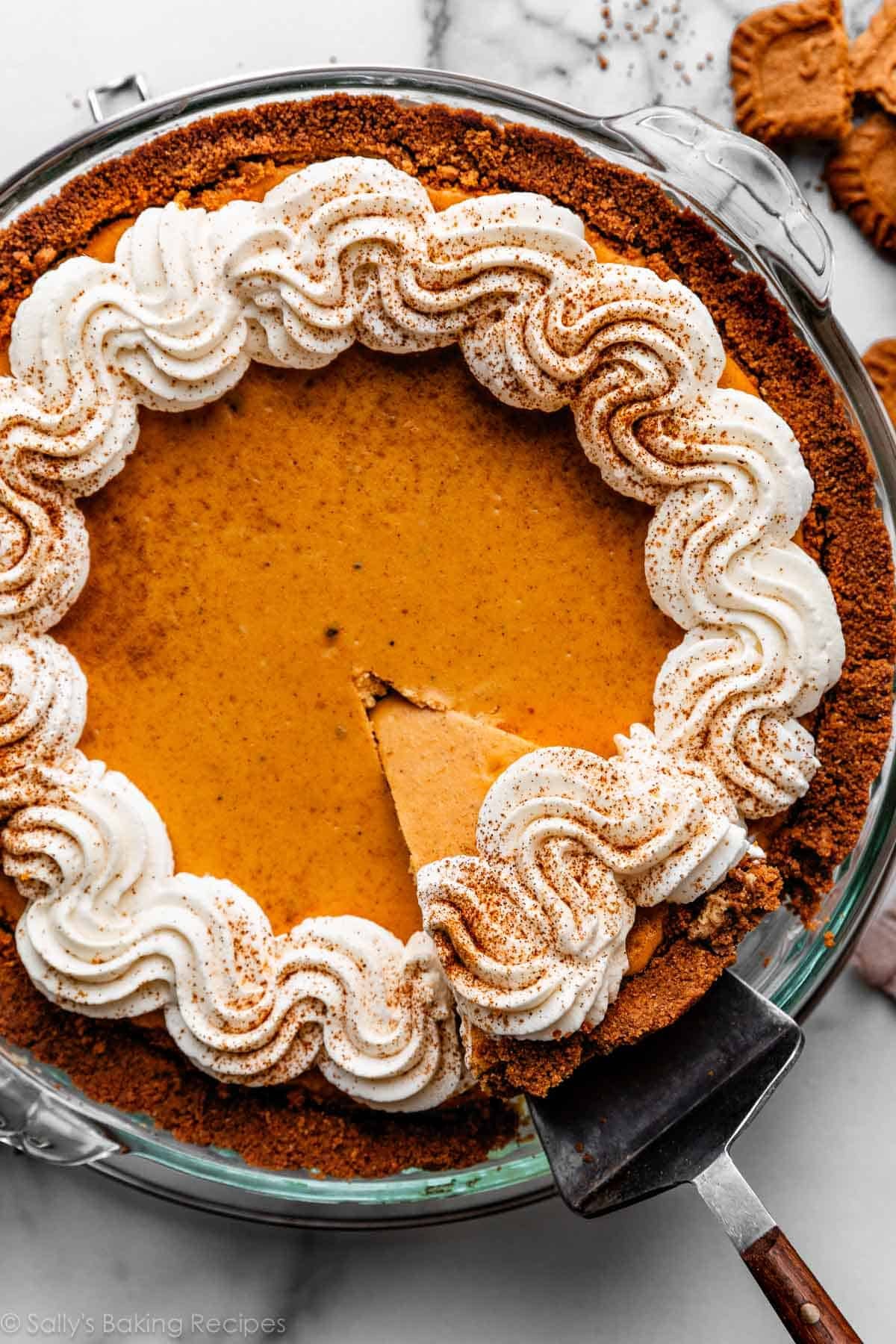
- Chilled No-Bake Desserts: Such as pudding-based desserts, tiramisu, and cheesecakes. These rely on the refrigerator to set their structure. They are highly efficient but have a limited shelf life (typically 2–3 days).
- Baked Goods with Maturing Flavors: Cakes and cookies that benefit from time. These are the most forgiving, as they are stable at room temperature and often improve in flavor profile as they rest.
- Component-Based Desserts: Where the base (crust or cake) is baked in advance and the topping (fruit or ganache) is added shortly before serving. This method provides the greatest control over texture.
Broader Implications for Event Hosting
The trend toward make-ahead desserts reflects a broader shift in home hospitality. By removing the pressure of high-stress kitchen work during an event, hosts are able to allocate their time to guest interaction. This shift has broader implications for the culinary industry, as publishers and content creators are increasingly prioritizing "prep-ahead" content over traditional "quick-bake" recipes.
The economic and psychological impact is also noteworthy. By reducing the incidence of "baking failure"—which often occurs when recipes are rushed—home cooks save on food waste and experience significantly lower stress levels. The ability to pull a professional-grade dessert from the refrigerator, fully prepared and ready to serve, is an essential tool for the modern entertainer.
Conclusion: Planning for Success
The key to mastering the make-ahead dessert lies in meticulous planning and a clear understanding of the storage requirements for each component. Whether it is a simple chocolate-chip cookie bark that thrives at room temperature or an intricate layer cake that requires a day of stabilization in the refrigerator, the goal remains the same: the achievement of a high-quality, professional outcome that respects the timeline of the host. By integrating these practices, home bakers can elevate their event preparation from a chaotic endeavor to a systematic, predictable process, ensuring that the dessert course is the highlight of the meal rather than a source of last-minute anxiety.