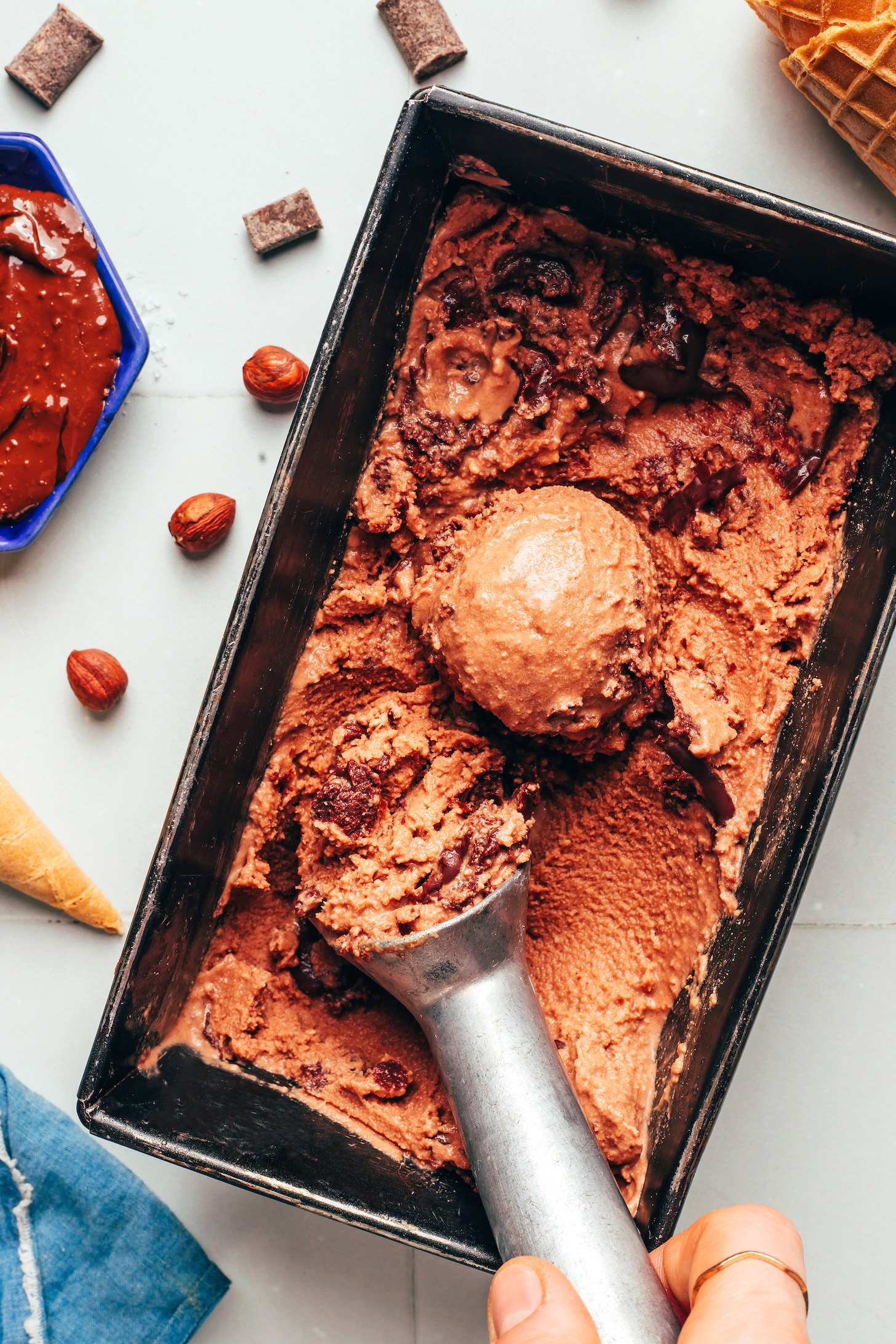
The landscape of modern plant-based confectionery has shifted significantly as home cooks increasingly seek to replicate classic, indulgent flavors using accessible, dairy-free alternatives. A notable development in this sector is the emergence of high-quality, six-ingredient vegan ice cream recipes that emulate the traditional hazelnut-chocolate profile, a market segment long dominated by conventional dairy-based gelato. This shift is driven by advancements in plant-based culinary techniques, which prioritize the extraction of natural oils from whole ingredients to achieve the desired creamy mouthfeel traditionally provided by bovine milk fats.
The Culinary Evolution of Plant-Based Desserts
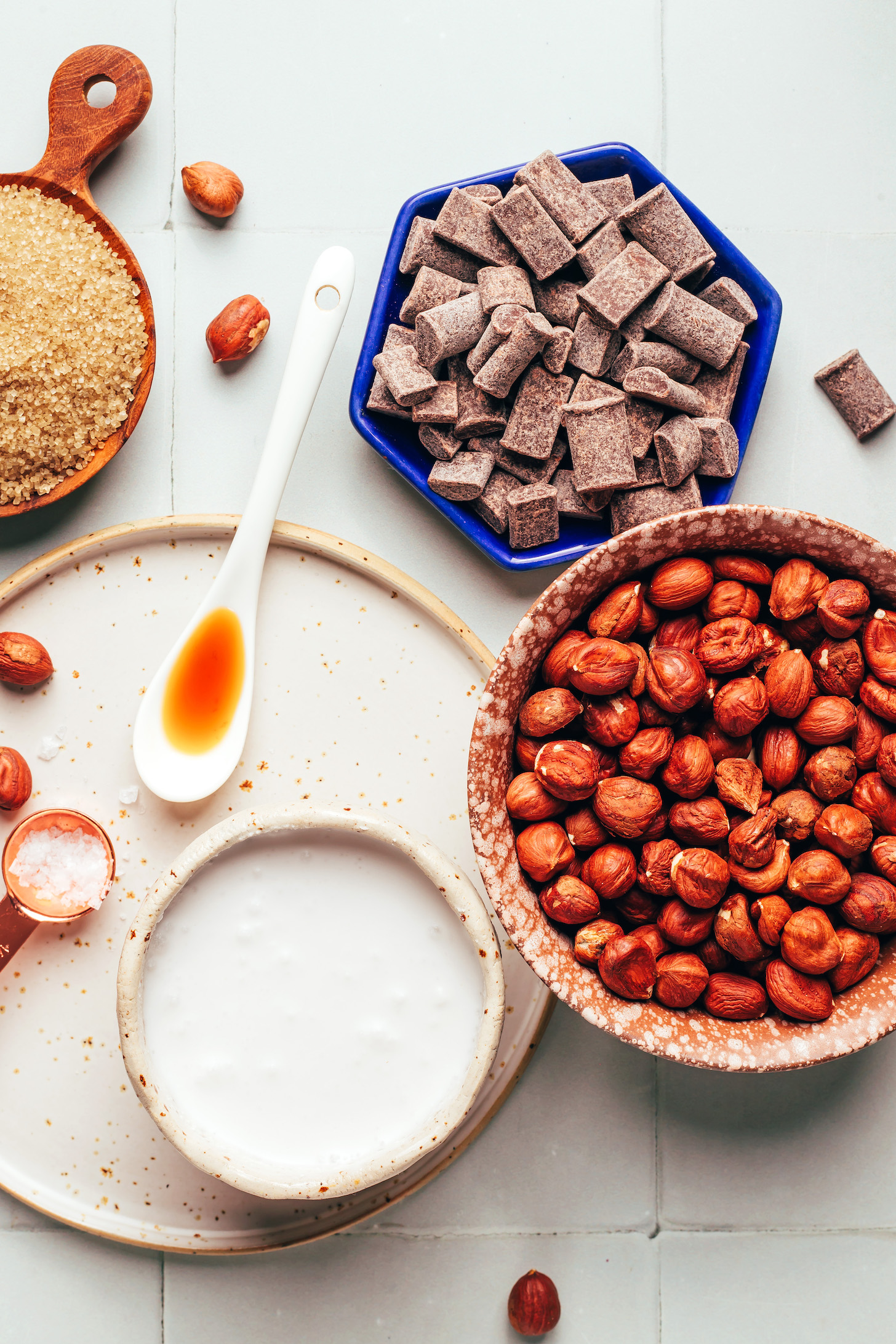
Historically, vegan desserts were often criticized for their perceived lack of texture and depth compared to their dairy counterparts. However, the integration of nutrient-dense bases—such as light coconut milk—has provided a viable foundation for frozen desserts. Coconut milk, when combined with natural stabilizers, creates a suspension that prevents the formation of large ice crystals during the churning process. This mimics the structural integrity of traditional dairy ice cream, allowing for a smooth, scoopable texture that appeals to both vegans and those with lactose sensitivities.
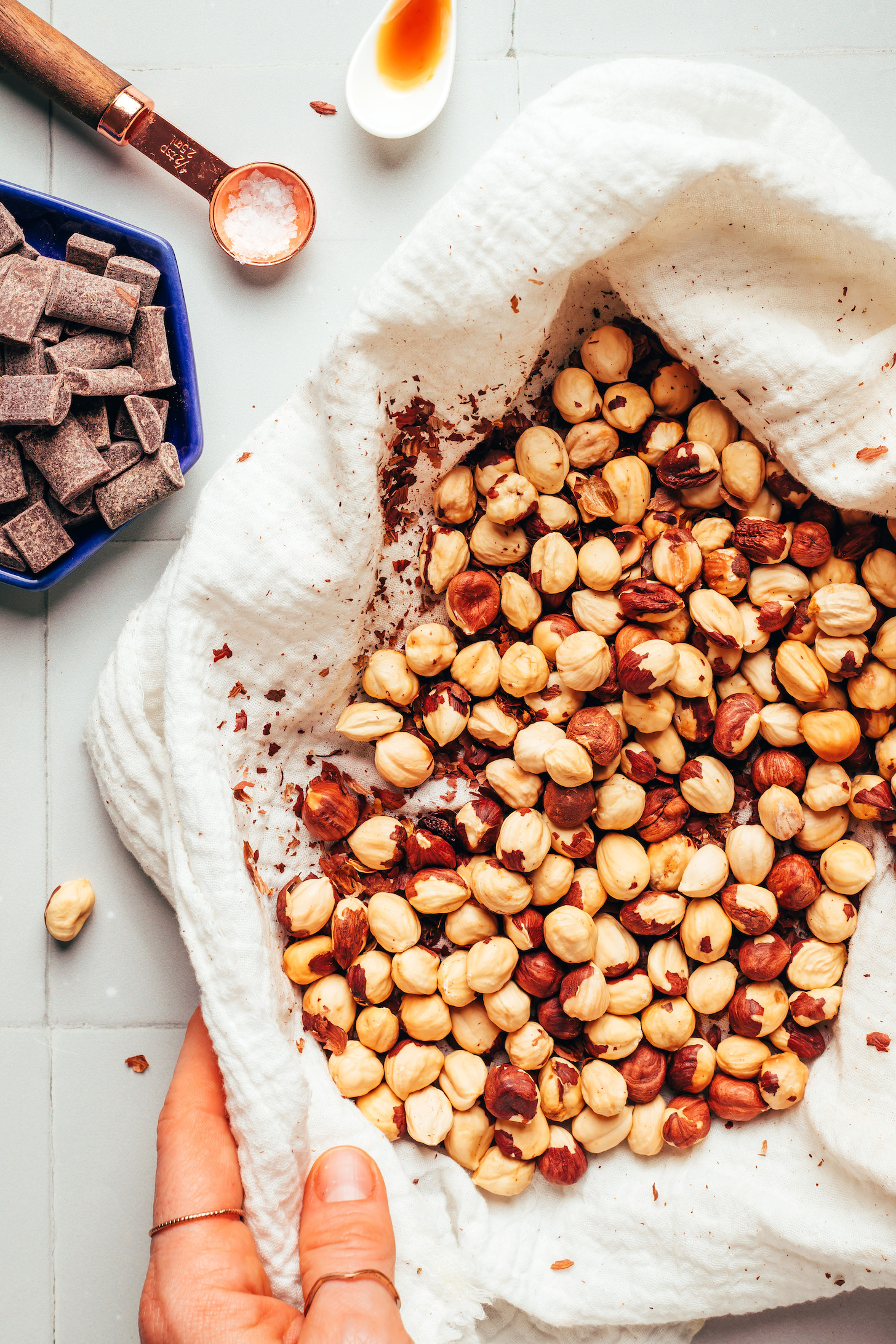
The hazelnut-chocolate combination, famously popularized by mass-market spreads, remains a perennial favorite in the culinary world. By roasting raw hazelnuts, manufacturers and home chefs alike can activate the nuts’ volatile aromatic compounds, which, when blended with dark chocolate, produce a rich, complex flavor profile. This process, which involves thermal processing followed by mechanical blending, is the cornerstone of creating a high-end, artisanal-quality ice cream base.
Chronological Development and Preparation Methodology
The development of this particular recipe reflects a multi-step preparation timeline designed to optimize both flavor and texture. The process is broken down into three distinct phases:
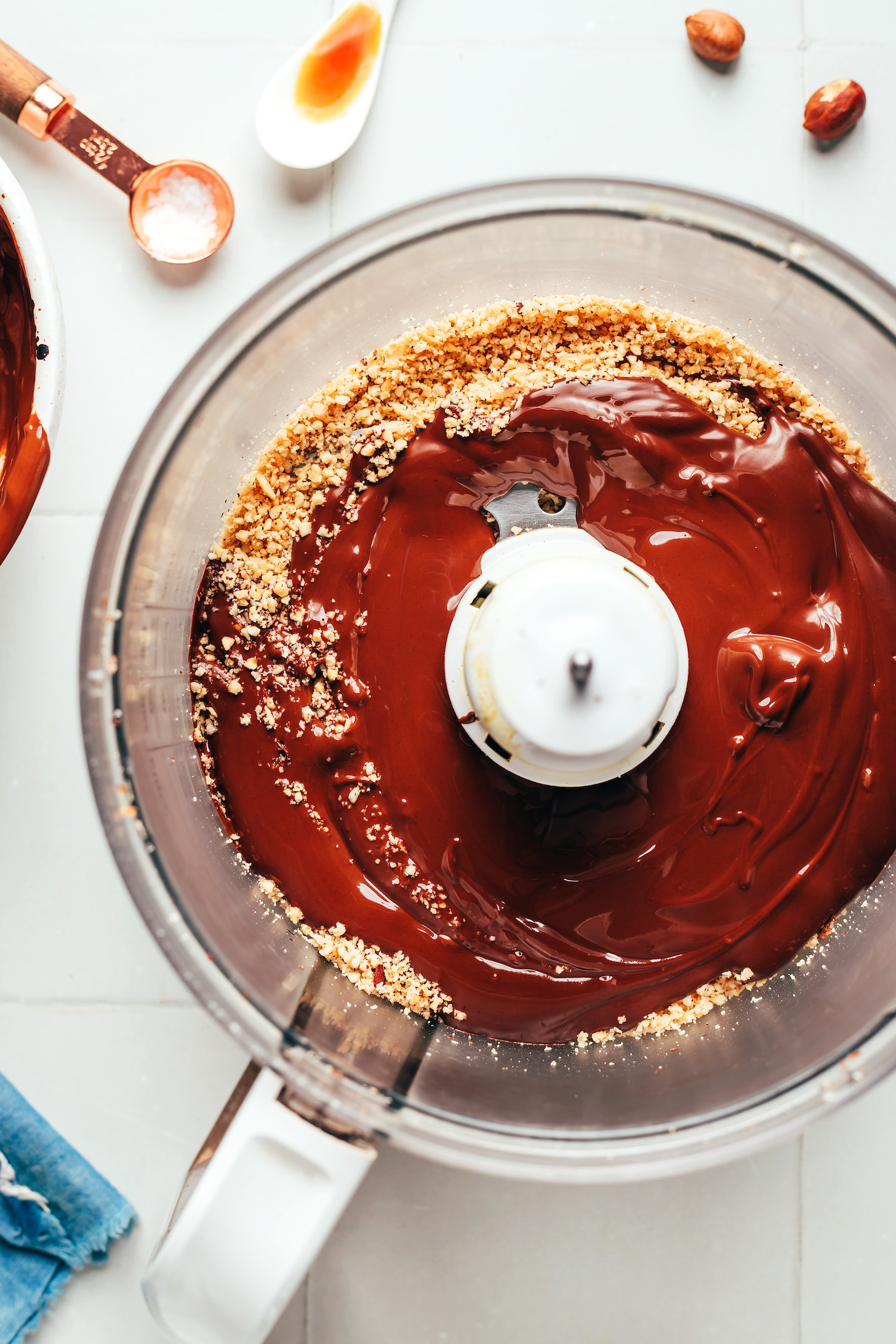
- Thermal Processing: The procedure begins with the roasting of raw hazelnuts. This step is critical; it is not merely for color but for the release of natural lipids. Once roasted, the skins are removed to prevent bitterness, and the nuts are processed until they reach a butter-like consistency.
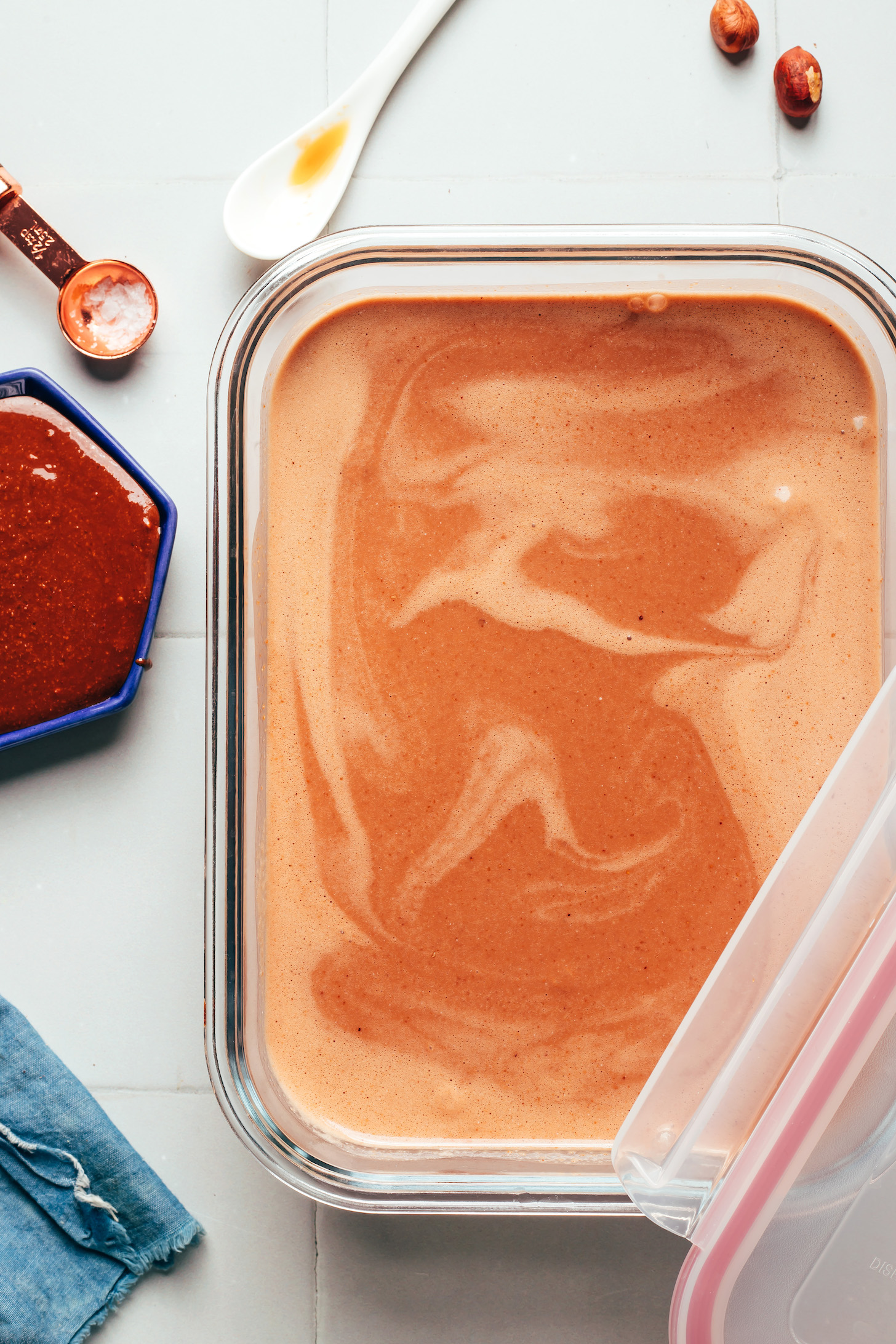
- Emulsification: The hazelnut butter is then integrated with melted chocolate, sugar, and light coconut milk. This mixture undergoes a secondary blending stage to ensure that the fats from the coconut milk and the hazelnut oils are properly emulsified, creating a stable, homogenous base.
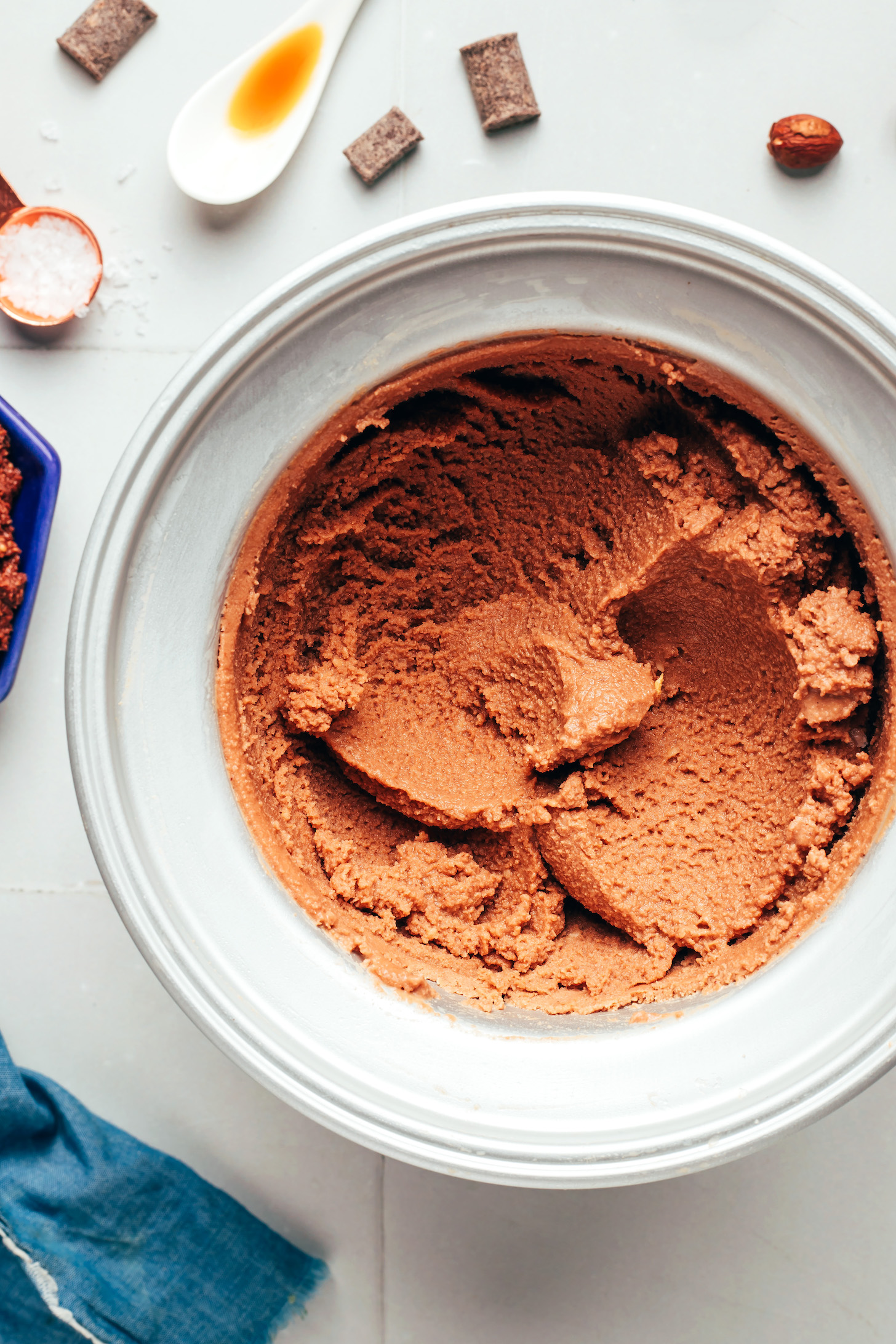
- Maturation and Churning: The mixture is chilled for a minimum of one hour. This maturation period is essential for allowing the flavors to meld and for the fats to firm up, which directly influences the viscosity of the ice cream during the mechanical aeration process in the ice cream maker.
Nutritional Profile and Ingredient Analysis
The reliance on a minimalist ingredient list—hazelnuts, chocolate, light coconut milk, cane sugar, vanilla, and salt—allows for a cleaner label compared to mass-produced, store-bought alternatives that often contain preservatives, stabilizers like carrageenan, or artificial flavorings.
From a nutritional standpoint, a standard half-cup serving of this dairy-free dessert contains approximately 277 calories. The fat content, which stands at roughly 21.2 grams, is derived primarily from the healthy monounsaturated fats found in hazelnuts and the medium-chain triglycerides (MCTs) present in coconut milk. With 3.6 grams of protein and 2.8 grams of dietary fiber, the nutritional composition offers a more complex satiety profile than sugar-laden, low-fat frozen desserts.
The absence of cholesterol is a primary advantage of this plant-based formulation, making it an appropriate inclusion for individuals managing cardiovascular health or those adhering to strict plant-based diets. However, nutritionists often emphasize that while the ingredients are "better-for-you" than ultra-processed counterparts, the caloric density remains consistent with standard desserts, necessitating mindful consumption.
Broader Market Implications
The popularity of DIY plant-based ice cream is a reflection of a broader trend toward "culinary autonomy." Consumers are moving away from hyper-processed snacks in favor of recipes that offer transparency regarding sourcing and ingredients. By utilizing a home ice cream maker, individuals can control the sugar content and the quality of the cocoa solids, effectively bringing a professional-grade product into the domestic kitchen.
This trend also highlights the growing demand for "accessible gourmet" items. Where previously, high-quality vegan gelato was only available in specialty shops or high-end grocery stores, the availability of simplified, home-based methods democratizes access to such products. Industry analysts suggest that this trend is likely to continue, with a focus on "clean-label" home kits and specialized appliances that facilitate the creation of restaurant-quality desserts.
Expert Perspectives on Home-Made Frozen Desserts
Food scientists and culinary experts often point to the role of "emulsification" as the secret to success in home-made ice creams. In this recipe, the use of coconut milk with added guar gum or similar emulsifiers acts as a critical stabilizer. This ingredient provides the "body" of the ice cream, preventing the rapid melting and separation that often plagues homemade, dairy-free batches.
Furthermore, the practice of "swirling" in additional hazelnut-chocolate mixture during the final stages of churning serves a dual purpose: it adds a textural contrast between the aerated ice cream and the dense, viscous ribbons of flavor, and it creates a visually appealing "variegated" effect that is highly prized in artisanal gelato production.
Future Outlook and Sustainability
As environmental consciousness influences dietary habits, the shift toward plant-based desserts like this hazelnut-based treat is expected to grow. Hazelnuts and coconut products generally have a lower water footprint and lower greenhouse gas emissions compared to traditional dairy farming. While the global supply chain for these ingredients remains complex, the movement toward simple, whole-food-based recipes reduces the reliance on industrial food manufacturing, which is often associated with high energy consumption and waste production.
For the home cook, the adoption of such recipes signifies a commitment to high-quality ingredients. Whether prepared for a social gathering or for individual consumption, the emphasis on a six-ingredient limit forces a focus on quality—sourcing high-quality dark chocolate and fresh, raw hazelnuts becomes the primary variable in the success of the dish.

Conclusion
The rise of the six-ingredient vegan hazelnut ice cream is a microcosm of the current state of home cooking. It combines the desire for nostalgic, indulgent flavors with a modern demand for ingredient transparency and health-conscious consumption. By mastering simple, foundational techniques—roasting, emulsifying, and controlled aeration—the home cook can produce a dessert that satisfies the palate while adhering to the principles of plant-based nutrition. As this trend evolves, the focus will likely remain on reducing the complexity of preparation while maximizing the flavor profile of high-quality, natural ingredients, ensuring that the intersection of "delicious" and "healthy" remains a focal point for dessert enthusiasts worldwide.
The ease of preparation, coupled with the ability to maintain the product for up to one month in a standard freezer, makes this an efficient and sustainable alternative to commercial ice cream. As consumers continue to seek out culinary experiences that align with their values, the popularity of such recipes is poised to remain a staple in the modern kitchen, proving that simplicity is often the most effective route to culinary excellence.