
The journey from wishing for a larger oven to actively seeking one is a familiar path for dedicated home bakers. This transition often marks a significant evolution in their culinary pursuits, moving beyond casual baking to embrace larger quantities and more sophisticated techniques. For many, this desire culminates in the acquisition of specialized equipment, such as the Rofco bread oven, a Belgian-made appliance designed to elevate home baking to professional standards. This guide delves into the experience of mastering the Rofco, offering insights into its capabilities, operational nuances, and the tools that enhance its performance.
The Genesis of Scaling Up: From Home Kitchen to Bakery Aspirations
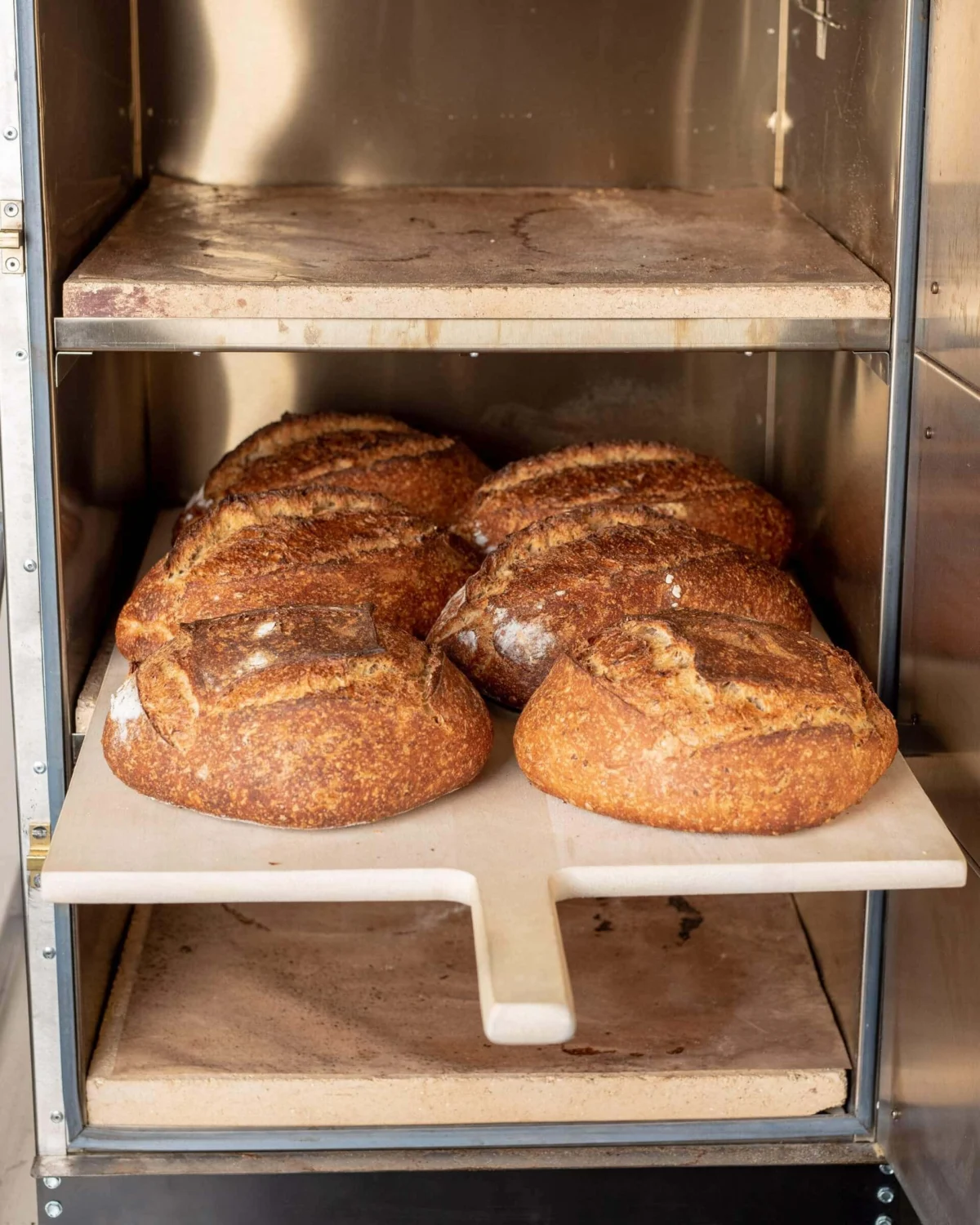
The initial impulse for a larger oven typically stems from the ambition to bake more at once. While a home oven might comfortably accommodate one or two loaves, the aspiration to easily bake six or even more becomes a tangible goal for those passionate about bread-making. This desire for increased capacity is not merely about quantity but also about efficiency. As bakers handle larger dough quantities, the need for tools that streamline the process becomes apparent, allowing them to dedicate more attention to the finer aspects of baking: flavor development, precise fermentation control, dough handling, and shaping artistry.
This scaling-up process is often fueled by an escalating obsession with baking. For some, it remains a deeply personal endeavor, focused on improving their own craft. For others, this passion naturally leads to venturing into the realm of nano or micro-bakeries, or participating in local farmer’s markets. Regardless of the ultimate objective, the Rofco oven represents a logical progression for bakers seeking to expand their capabilities. This guide aims to consolidate essential information on the tools, temperatures, timings, and other critical tips discovered through practical experience with the Rofco, serving as a resource for those considering this oven or those who have recently acquired one and wish to develop their personal baking process.
Understanding the Rofco Bread Oven: A Workhorse of Belgian Design
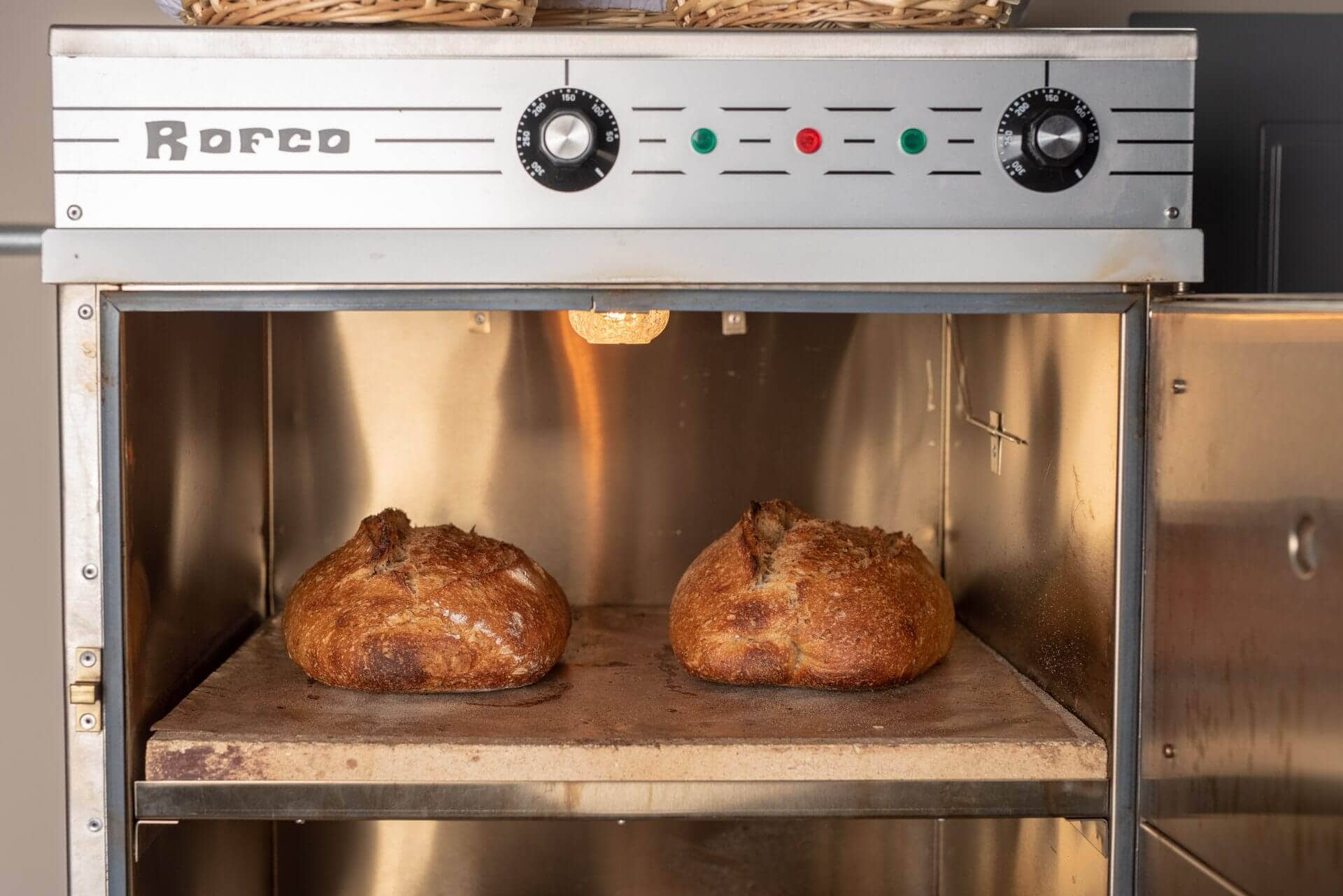
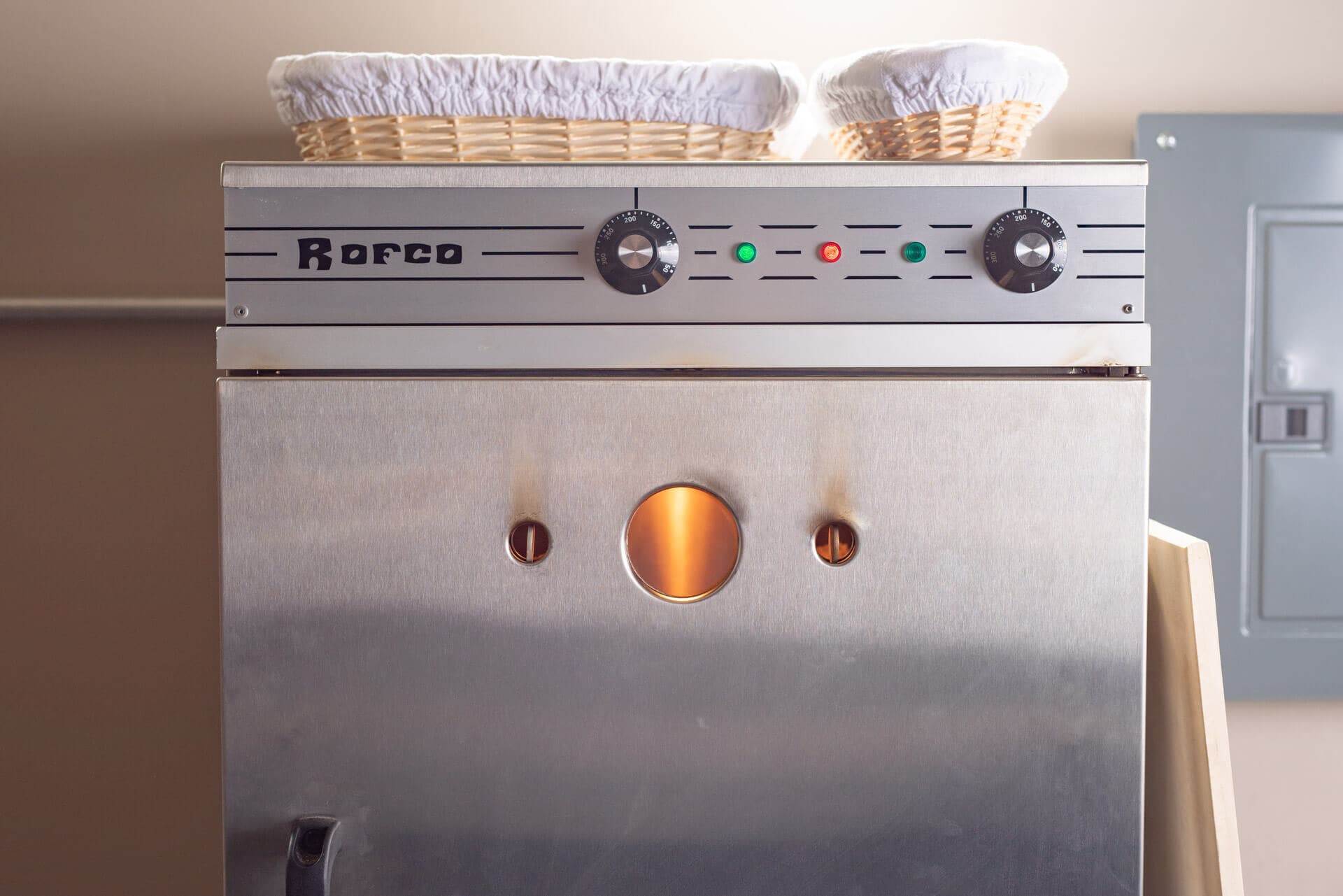
A Rofco bread oven is a testament to robust, no-nonsense engineering, originating from Belgium. These ovens are specifically designed for baking bread, offering a compact yet powerful solution for home and professional use. The model discussed, the B40, is the largest available option, featuring three square baking decks. Its construction is characterized by a sealed oven chamber that minimizes external radiant heat, allowing for closer placement to other kitchen appliances or walls.
A key feature of the Rofco oven is its three 1-3/8-inch thick chamotte deck stones. These refractory bricks possess exceptional heat retention capabilities. Once the oven is preheated, these stones maintain a consistent temperature, even when the oven door is opened for loading. This thermal stability is crucial for consistent baking results and enables multiple back-to-back bakes with minimal recovery time between batches.
The Rofco operates on standard 220V AC single-phase power, a common electrical requirement in most households. For installation, it is advisable to have a qualified electrician ensure the correct receptacle and breaker are in place, especially for higher-capacity models.

The Rofco B40 in Practice: Efficiency and Versatility
The author’s experience with the Rofco B40 highlights its efficiency and convenience, whether baking for large gatherings or for personal use, typically producing 4-6 loaves per session. It is described as a "bare-bones workhorse" that reliably performs its intended function. The oven was acquired from Pleasant Hill Grain in the US, a vendor noted for its exceptional customer service, which proved invaluable even for minor issues.
Recommendation: A Resounding Endorsement
To be unequivocally clear, the Rofco bread oven is highly recommended. It represents a significant upgrade for any home baker looking to produce more than just a couple of loaves. Its straightforward design, easily repairable components, and consistent baking performance make it an outstanding choice for both dedicated home bakers and emerging professionals.
Optimizing Dough Placement: The Art of Rofco Tetris
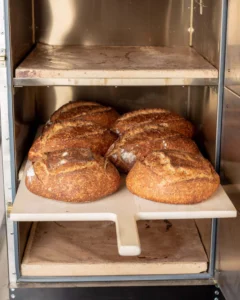
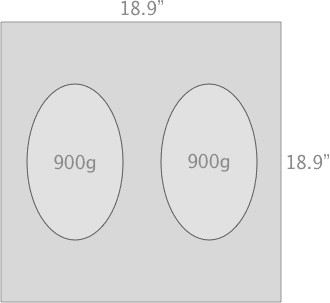
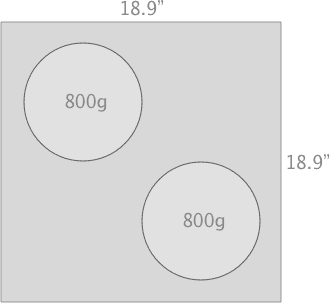
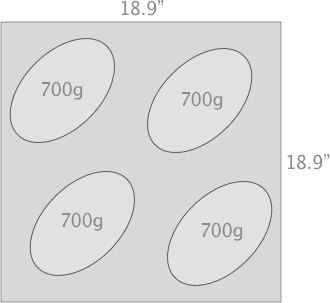
Maximizing oven space while ensuring even baking is akin to a real-life game of Tetris. The Rofco B40, with its 18.9-inch by 18.9-inch decks, allows for strategic placement of dough. While advanced bakers may push the limits of capacity, for typical home use, several arrangements have proven effective.
- Two 900g Batards per Deck: This is the most common configuration, offering ample space for each loaf to expand and brown evenly. Ovals in diagrams represent the batard shape.
- Two 800g Boules per Deck: Round loaves (boules) also fit well, with sufficient separation.
- Four 700g Loaves per Deck: This configuration maximizes the number of loaves, though it requires careful monitoring for even baking.
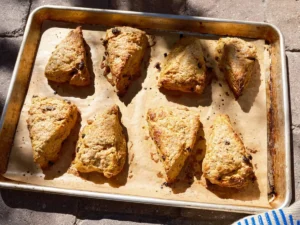
Beyond bread, the Rofco’s square steel trays, included with the oven, are highly versatile. They are ideal for baking smaller items like buns and rolls, or even large square pizzas. These trays also offer the practical benefit of containing any spills and simplifying the transfer of multiple small items.
Mastering Steam: A Crucial Element for Oven Spring
Achieving optimal oven spring—the dramatic rise of bread during the initial stages of baking—is heavily dependent on adequate steam. The Rofco’s sealed oven chamber is advantageous in trapping steam, but unlike some professional ovens, it does not have an integrated steam injection system. This necessitates manual steaming methods.
1. High-Pressure Sprayer Method:
This is the author’s preferred method. A commercial-grade pressure sprayer, set to a fine mist, is used to inject steam into the oven.
- Preparation: Fill the sprayer with water and pressurize it.
- Application: Before loading the dough, spray each deck for approximately 10-12 seconds, starting from the bottom. Avoid spraying the glass of the oven light to prevent cracking. A second quick spray as the door is closing helps maximize steam retention.
- Venting: After the initial steaming period, the steam can be vented by carefully opening the door briefly and then tilting the oven’s circular vents to their open position.
2. Steam Pods:
Optional steam pods are available for the Rofco. These rectangular steel boxes are placed on the sides of each deck and preheated. Water or ice cubes are then added to the pods to generate steam. While effective, they occupy valuable deck space.
The Rofco Baking Process: A Step-by-Step Guide

A typical baking cycle in the Rofco B40 involves a precise sequence of preheating, steaming, and baking at controlled temperatures. The oven features two knobs: one for the top heating element and one for the bottom. Indicator lights show when each element is active.
- Preheating: Ensure the oven is empty and set both temperature dials to 240°C (482°F). Preheat for a minimum of 1.5 hours to ensure the deck stones are thoroughly saturated with heat.
- Loading: Prepare the dough on silicone sheets. A large wooden peel is useful for sliding the sheets onto the hot decks.
- Baking with Steam: Once loaded, set the oven temperature to 150°C (302°F) and bake for 20 minutes with the vents closed, allowing steam to build.
- Venting Steam: Carefully open the door briefly to vent steam, then close it. Open the circular vents and set the temperature to 220°C (428°F). Bake for another 10 minutes.
- Final Bake: Reduce the temperature back to 150°C (302°F) and continue baking for an additional 20-30 minutes, or until the crust is deeply colored and the internal temperature of the loaves reaches approximately 205-210°F (96-99°C).
- Cooling: Remove the baked loaves and place them on wire racks to cool completely.
Essential Tools for Rofco Baking
Beyond the oven itself, several tools significantly enhance the Rofco baking experience:

- Commercial Strength Sprayer for Steam: An electric spray bottle offers efficient and consistent misting for steam generation.
- Oven Equipment Stand: Raising the oven to a comfortable working height, approximately 20 inches, is achieved with a sturdy stainless steel stand. Custom leg lengths can be ordered to achieve the desired height. Casters can be added for mobility, though they may slightly impact stability if the oven door is slammed.
- Large Wooden Peel: A wide wooden peel, ideally matching the width of the Rofco decks (around 18 inches), is invaluable for transferring dough onto silicone sheets and into the oven. Its smooth surface allows for easy sliding of dough.
- Silicone Baking Mats: These reusable mats provide a non-stick surface for dough and protect the deck stones.
- Proofing Baskets (Bannetons): After unloading dough onto the silicone mats, placing the proofing baskets inside the warm Rofco oven can help expedite the drying of their liners, preventing mold and preparing them for immediate storage.
Tips and Tricks for Optimal Results
- Consistency is Key: When learning to use the Rofco, it is recommended to stick with a single, straightforward recipe, such as a basic sourdough, until comfortable with the oven’s behavior.
- Preheating is Crucial: Allow ample time for the Rofco to preheat thoroughly. The chamotte stones need to reach and maintain a high temperature for optimal heat transfer to the dough.
- Steam Management: Mastering the timing and amount of steam is vital. Too little steam can result in a pale, tight crust, while excessive steam can hinder crust development.
- Ventilation: Understanding when and how to vent steam is critical for achieving a crisp crust. The circular vents on the Rofco door provide control over this process.
The Future of Home Baking: Embracing Advanced Equipment
The Rofco bread oven represents a significant investment for the serious home baker, but its capabilities and the quality of results it produces justify the expenditure. As the home baking landscape continues to evolve, with bakers increasingly seeking professional-grade equipment, appliances like the Rofco are becoming indispensable tools. For those looking to further expand their baking arsenal, resources on dough mixers, such as the Famag spiral mixer or the Ooni Halo Pro, and larger bread ovens like the RackMaster 2020, offer pathways to even greater production and versatility. The dedication to mastering such equipment ultimately translates into a more fulfilling and delicious baking experience.