
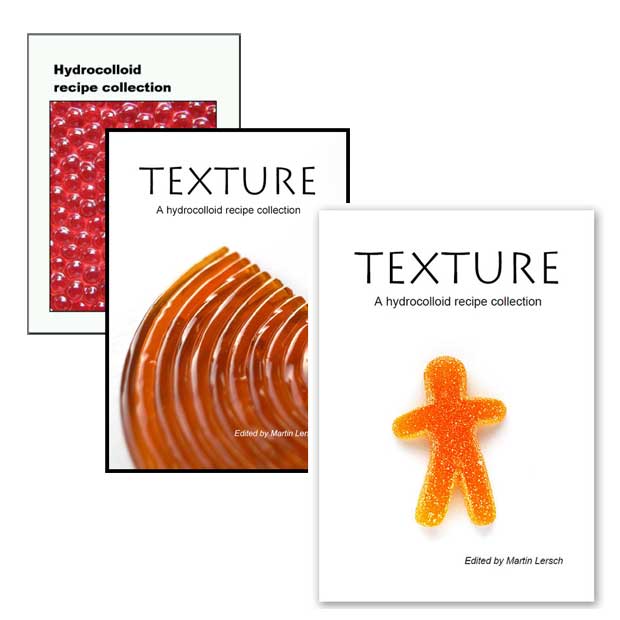
After a six-year hiatus, the highly regarded "Texture – A hydrocolloid recipe collection" is set to receive its v3.1 update, marking a significant milestone for a resource that has become indispensable to professional chefs, food scientists, and culinary enthusiasts worldwide. The update, described as an incremental revision focused on refining existing content and incorporating new insights, aims to iron out wrinkles and enhance the collection’s comprehensive utility. This forthcoming iteration follows the successful launches of v.1.0 in 2007, v.2.0 in 2008, and v.3.0 in 2014, reaffirming its creator’s commitment to maintaining a dynamic and authoritative guide in the complex world of food texturizers.
The announcement, made via Khymos.org, the platform synonymous with the collection, underscores a continuous dedication to scientific rigor and community collaboration. The author expressed profound gratitude to the global network of contributors whose feedback, error identification, and photographic submissions have been instrumental in the project’s evolution. While direct replies may not have been issued to every piece of correspondence over the past years, the assurance that all feedback has been diligently reviewed and will be integrated speaks volumes about the project’s community-driven ethos. The call for further contributions remains open, particularly for tested recipes that have proven unsuccessful, allowing for troubleshooting and refinement, and crucially, for new photographs that serve as visual proof of successful outcomes and enhance the collection’s accessibility. Detailed instructions for photo submission are available in a previous blog post on Khymos.org or directly on page 8 of the existing "Texture" collection, highlighting a structured approach to quality control and visual documentation.
A Chronology of Culinary Innovation: The "Texture" Series
The journey of "Texture – A hydrocolloid recipe collection" began in 2007 with the release of its inaugural version, v.1.0. At a time when molecular gastronomy was rapidly gaining prominence, demystifying the scientific principles behind novel culinary techniques became paramount. The initial collection offered a structured approach to understanding and applying hydrocolloids, substances that play a crucial role in creating desired textures in food, from gelling and thickening to emulsifying and stabilizing. Its immediate success paved the way for v.2.0 in 2008, which further expanded the repertoire of recipes and deepened the explanatory content.
The most substantial update prior to the current announcement arrived in 2014 with v.3.0. This version consolidated years of research, experimentation, and community feedback, solidifying "Texture"’s reputation as a go-to reference for anyone serious about understanding and manipulating food textures. Each iteration has reflected the dynamic advancements in food science and the evolving landscape of global cuisine, providing practical applications for ingredients once confined to industrial food processing or esoteric scientific literature. The six-year gap leading up to the v3.1 announcement, while seemingly long, has likely been a period of meticulous collation and evaluation, ensuring that the next update maintains the high standards set by its predecessors. This methodical approach underscores the scientific integrity of the project, prioritizing accuracy and reliability over rapid, superficial updates.
The Science of Texture: Understanding Hydrocolloids
Hydrocolloids are hydrophilic polymers, meaning they are substances that love water. When dispersed in water, they form viscous solutions or gels, influencing the texture, stability, and mouthfeel of food products. Their applications are vast, ranging from thickening sauces and stabilizing emulsions to forming rigid gels and creating delicate foams. The global market for hydrocolloids is substantial, driven by consumer demand for healthier, processed foods, and the continuous innovation in the culinary and food manufacturing sectors. Reports indicate the hydrocolloids market is projected to reach significant valuations, with a compound annual growth rate (CAGR) reflecting their indispensable role across various industries.
Key hydrocolloids, some of which are slated for greater representation in v3.1, include:
- Guar Gum: Derived from guar beans, it’s a potent thickener and stabilizer used in dairy products, sauces, and baked goods. Its ability to create high viscosity at low concentrations makes it economically attractive.
- Gum Arabic (Acacia Gum): An exudate from acacia trees, it’s primarily used as an emulsifier and stabilizer in confectionery, beverages, and flavor encapsulation due to its low viscosity at high concentrations and excellent solubility.
- Konjac (Glucomannan): Extracted from the konjac plant, it forms elastic and heat-stable gels, widely used in Asian cuisine (e.g., konjac noodles) and as a vegan gelling agent. Its high fiber content also makes it popular in health-conscious products.
- Locust Bean Gum (Carob Gum): Sourced from the carob tree, it’s known for its synergistic gelling properties when combined with other hydrocolloids like xanthan gum and carrageenan, often used in ice creams, cream cheeses, and fruit preparations.
- Tara Gum: Similar to locust bean and guar gum, tara gum is derived from the seeds of the Tara plant. It acts as a thickening and gelling agent, often used in dairy products, sauces, and desserts, offering a smooth texture.
These ingredients, once niche, are now staples in many innovative kitchens and food laboratories. The "Texture" collection’s ongoing efforts to highlight their diverse applications contribute significantly to expanding the culinary toolkit available to professionals and enthusiasts alike. The call for recipes specifically featuring these "underrepresented" hydrocolloids aims to fill existing gaps, ensuring the collection reflects the full spectrum of their potential.
Bridging Gaps: Expanding the Hydrocolloid Repertoire
A crucial aspect of the upcoming v3.1 update is the concerted effort to enrich the collection’s coverage of less commonly featured hydrocolloids. The author explicitly highlighted guar gum, gum arabic, konjac, locust bean gum, and tara gum as substances for which more diverse and illustrative recipes are sought. This initiative addresses a common challenge in culinary literature, where certain well-known hydrocolloids like agar, gelatin, and carrageenan often dominate the discourse, leaving others relatively unexplored despite their unique properties and wide-ranging applications.
The request for community input on these specific hydrocolloids underscores a commitment to thoroughness. By inviting submissions via comments or direct email, the project leverages the collective experience of a global culinary and scientific community. This collaborative model not only ensures a broader array of recipes but also validates the practical utility of these ingredients across different culinary traditions and experimental contexts. For instance, while guar gum is a common industrial thickener, its specific applications in high-end restaurant dishes or artisanal products might be less documented. Similarly, the nuances of konjac’s elastic gel formation or tara gum’s smooth texture profile could be further elucidated through user-submitted, tested recipes.
Beyond specific hydrocolloids, the update also seeks to identify any "missing" hydrocolloids, differentiating between intentional omissions and accidental oversights. Proprietary products like Ultra-Tex and Pure Cote (both modified starches) and Trisol (a wheat fiber) are intentionally excluded, likely due to their patented nature and specific commercial formulations that may not align with the open-source, fundamental ingredient focus of the "Texture" collection. However, the open invitation for suggestions on rare or novel hydrocolloids indicates a proactive approach to keeping the resource cutting-edge and comprehensive, ensuring that emerging ingredients with significant texturizing properties are not overlooked.
Beyond Traditional Hydrocolloids: Gels and Foams from Global Kitchens
One of the most innovative sections of the "Texture" collection is dedicated to "non-hydrocolloid recipes," showcasing examples of gels and foams from regional cuisines worldwide that achieve their unique textures through mechanisms other than added hydrocolloids. This category is a testament to the fact that sophisticated texture manipulation is not solely a modern scientific endeavor but deeply rooted in traditional culinary practices. The forthcoming v3.1 update seeks to expand this fascinating section, inviting contributions that highlight indigenous gelling or foaming techniques.
Examples already included, such as Junket, Cuajada, Ginger milk custard, Aiyu jelly, Grass jelly, Gelled seafood sauce, Tofu, and Hominy, illustrate diverse approaches:
- Junket and Cuajada: These dairy desserts rely on enzymatic coagulation, typically using rennet, to form a delicate, unset curd, a natural gelling process.
- Ginger Milk Custard: This Chinese dessert utilizes the proteolytic enzymes in ginger juice to coagulate milk proteins, resulting in a silky, tender custard.
- Aiyu Jelly and Grass Jelly: These popular Asian desserts derive their gelling properties from natural pectin-like substances extracted from specific plants (e.g., Ficus pumila seeds for Aiyu, Mesona chinensis for Grass Jelly).
- Tofu: The classic example of protein coagulation, where soy milk is curdled using coagulants like nigari (magnesium chloride) or gypsum (calcium sulfate) to form solid blocks.
- Gelled Seafood Sauce: Often found in various Asian cuisines, these sauces naturally gel upon cooling due to the collagen released from bones and connective tissues during prolonged simmering, akin to a natural gelatin.
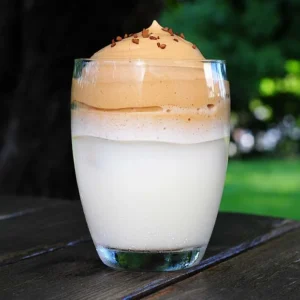
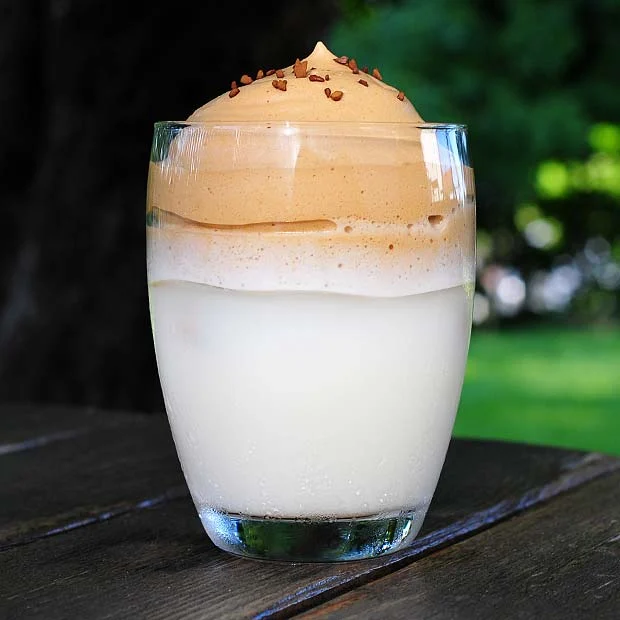
The project explicitly welcomes more examples of such traditional gels and foams, recognizing the rich tapestry of global culinary science. A particularly exciting addition confirmed for v3.1 is the Dalgona coffee foam, which took the internet by storm in early 2020. This foam, created by whipping instant coffee, sugar, and hot water, relies on the emulsifying and foaming properties of coffee solids and sugar to create a stable, airy structure without any added hydrocolloids. Its inclusion demonstrates the collection’s agility in incorporating contemporary culinary phenomena that align with its core mission of understanding texture. This reflects a broader understanding that texture manipulation is not exclusive to highly specialized ingredients but can be achieved through clever application of common ingredients and physical processes.
Implications and Broader Impact of the "Texture" Collection
The continued development and refinement of "Texture – A hydrocolloid recipe collection" carries significant implications for various sectors within the food industry and beyond.
For Culinary Professionals: The resource serves as an invaluable practical guide, enabling chefs to experiment with new textures, innovate dishes, and troubleshoot recipe failures. It democratizes access to information that might otherwise be confined to academic texts or proprietary industry knowledge, fostering creativity and precision in professional kitchens globally. The inclusion of tested recipes and photographic evidence provides a tangible starting point for culinary exploration, reducing the trial-and-error often associated with novel ingredients.
For Food Scientists and Researchers: While primarily a recipe collection, "Texture" offers a practical demonstration of scientific principles. It bridges the gap between theoretical knowledge of hydrocolloids and their real-world application, making it a useful tool for students and researchers looking to understand the functional properties of these substances in a culinary context. The systematic approach to collecting and presenting recipes, along with calls for feedback on non-working examples, contributes to a growing empirical database of hydrocolloid behavior.
For Home Cooks and Enthusiasts: The collection makes advanced culinary techniques accessible to a wider audience. By providing clear, tested recipes, it empowers home cooks to experiment with ingredients that might seem intimidating, thereby elevating their cooking skills and expanding their understanding of food science. The visual component, enhanced by user-submitted photographs, further aids in demystifying complex processes.
For Food Product Development: The detailed recipes and insights into hydrocolloid functionality can inspire new product formulations in the food industry. From developing vegan alternatives to traditional dairy products to creating novel snack textures, the collection offers a rich source of ideas and practical guidance for R&D teams. The emphasis on underrepresented hydrocolloids and traditional gelling mechanisms can spark innovation in developing cleaner labels and leveraging natural ingredients.
Educational Value: "Texture" functions as a living textbook. Its iterative updates ensure that the information remains current and relevant. The collaborative model of soliciting and integrating community feedback transforms it into a dynamic educational platform where shared knowledge continually enhances the learning experience. Universities and culinary schools can utilize it as a supplementary resource to teach fundamental principles of food texture and ingredient functionality.
The long-standing commitment to this project by Khymos.org underscores the enduring relevance of understanding and mastering food texture. In an era where culinary innovation continues at a rapid pace, a meticulously curated, community-validated resource like "Texture" remains indispensable. The upcoming v3.1 update is not merely a revision; it is a reaffirmation of the project’s foundational role in advancing culinary science and empowering a global community of food creators. The call for collaboration ensures that this vital resource will continue to evolve, reflecting the latest advancements and the timeless wisdom of global culinary traditions.