
For those seeking to elevate their pierogi experience, a world of complementary side dishes awaits, transforming these beloved dumplings from a simple meal into a culinary event. Drawing on a rich culinary heritage, the art of pairing pierogi is as nuanced as the dumplings themselves, with each filling and preparation method calling for a distinct accompaniment. This guide delves into the most successful and accessible side dishes, ensuring that both novice and experienced cooks can create memorable pierogi meals. The key lies in understanding how different flavors and textures interact, and considering the pierogi’s filling – whether it’s the classic potato and cheese, savory sauerkraut, earthy mushroom, sweet pumpkin, or even delicate fruit varieties.
The Foundation of Flavor: Essential Pierogi Companions
At the heart of any exceptional pierogi dish lies a thoughtful selection of accompaniments. These aren’t mere afterthoughts but integral components that enhance the overall dining experience. The following selections have stood the test of time, offering a balance of simplicity and sophistication.
1. The Unrivaled Classic: Sour Cream
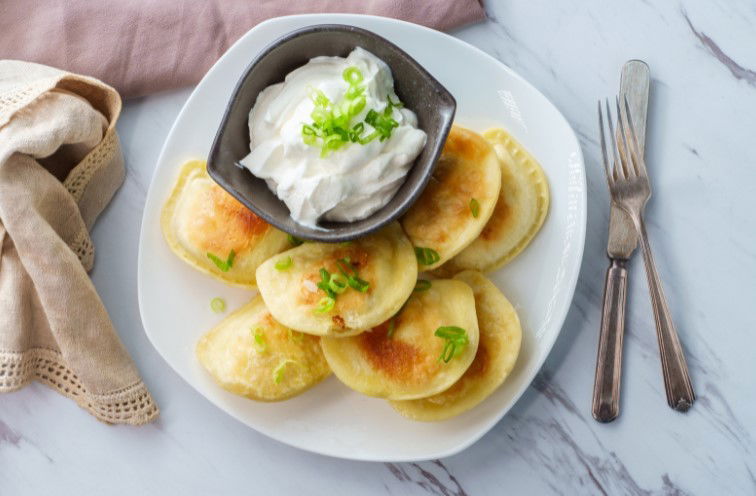
Sour cream is, without question, the quintessential partner for pierogi. Its cool, creamy tang acts as a perfect counterpoint to the rich, often pan-fried dumplings. A simple dollop of sour cream can transform a plain pierogi into a satisfying and complete dish. For those who enjoy a multi-layered flavor profile, sour cream serves as an indispensable base, its gentle acidity cutting through the richness of other ingredients. The sheer versatility of sour cream cannot be overstated; it complements virtually every pierogi filling, from the heartiest savory options to the lighter, sweeter varieties. Its smooth texture provides a welcome contrast to the potentially crispy exterior and soft interior of a well-prepared pierogi.
2. Sweet and Savory Harmony: Sautéed Onions
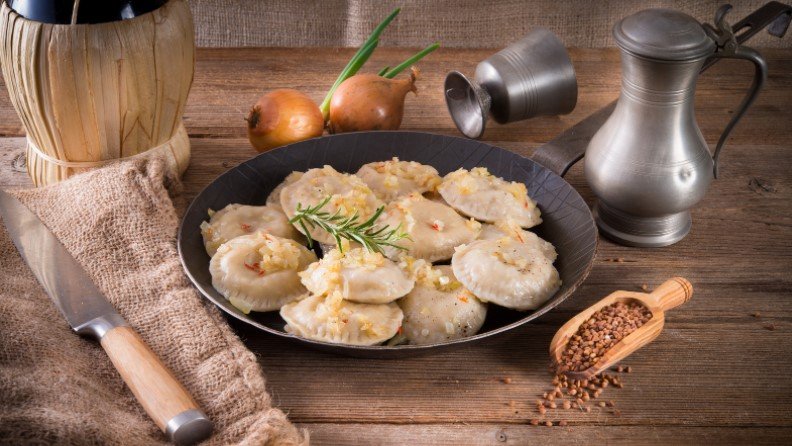
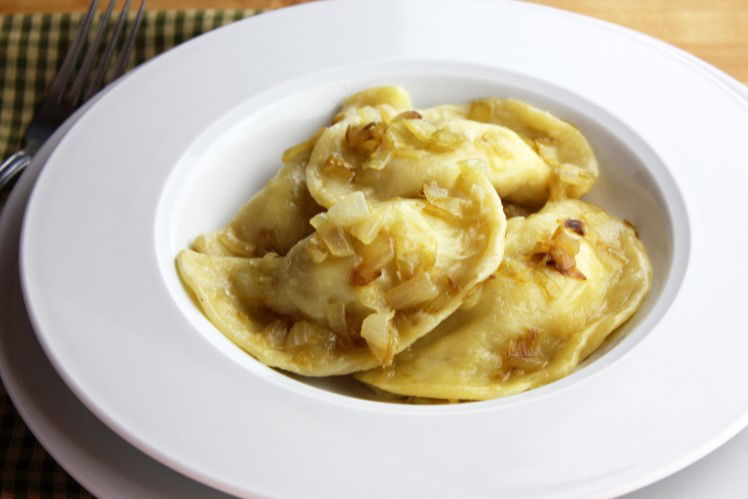
Sautéed onions are another cornerstone of the pierogi culinary landscape, often appearing alongside sour cream as a traditional pairing. When pierogi are pan-fried to a golden crisp, the addition of sweet, caramelized onions creates a symphony of flavors and textures. The natural sugars in the onions caramelize during the cooking process, developing a deep, complex sweetness that harmonizes beautifully with the savory dumplings. This pairing is particularly effective when prepared in the same pan used for frying the pierogi, allowing the rendered fat and browned bits to infuse the onions with additional depth.
The preparation of sautéed onions offers flexibility. For a quick and easy side, thinly sliced onions can be sautéed until tender and slightly browned. For those with more time, a slow, low-and-slow caramelization process can yield a jammy, intensely sweet onion confit that elevates any pierogi dish. This method unlocks the full potential of the onion, transforming it into a luxurious condiment. Recipes for perfectly caramelized onions often emphasize patience and consistent heat, ensuring the sugars break down without burning, leading to a rich, glossy finish.
3. Nutty Elegance: Brown Butter and Herbs
For a touch of refined flavor, brown butter sauce infused with fresh herbs emerges as an exceptional choice. This seemingly simple preparation involves carefully browning butter until its milk solids toast, developing a complex, nutty aroma and a rich, golden hue. The process requires attention to heat to prevent burning, but the reward is a sauce with unparalleled depth.
The technique involves melting butter in a heavy-bottomed pan over medium heat, stirring continuously. As the butter melts, it will foam, and then begin to turn a desirable golden brown. During the foaming stage, fresh herbs – such as parsley, chives, or dill – can be added. These herbs infuse the butter with their bright, aromatic notes, creating a sophisticated topping that enhances the pierogi without overpowering them. This brown butter and herb sauce is not only a delightful accompaniment but also a versatile addition that pairs well with a wide array of pierogi fillings, offering a delicate yet impactful flavor enhancement.
Strategic Combinations: Maximizing Flavor and Texture
The true artistry of pierogi pairing often lies in combining these fundamental elements to create more complex and satisfying dishes.
Pro-Tip: The Trifecta of Taste
A particularly lauded approach involves the strategic layering of the aforementioned accompaniments. Begin by sautéing onions until tender and slightly caramelized. Set these aside. Next, prepare a brown butter and herb sauce. Finally, pan-fry the pierogi until golden and crisp. The pierogi can then be topped with a spoonful of the sautéed onions and a drizzle of the brown butter herb sauce. This layered approach creates a dynamic interplay of sweet, savory, nutty, and herbaceous notes, with the crisp pierogi providing a perfect textural foundation. This combination is a testament to how simple components can be orchestrated to achieve culinary excellence.
4. Earthy Delights with a Salty Kick: Cabbage or Brussels Sprouts and Bacon
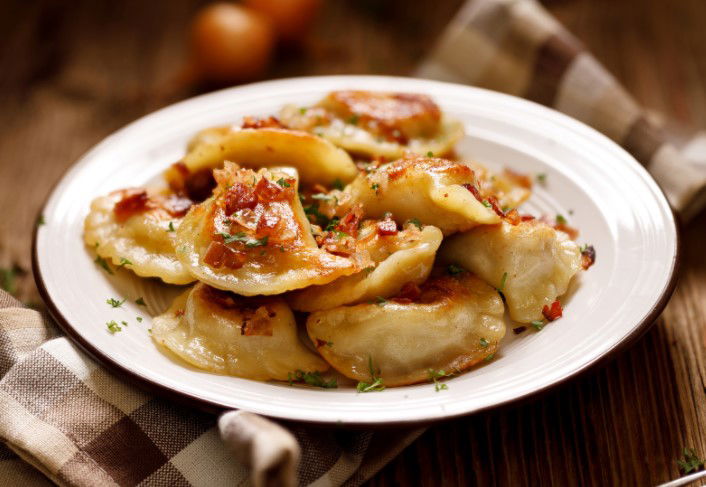
For those seeking a heartier side that doesn’t involve a full protein, cabbage or Brussels sprouts paired with bacon offers a robust and flavorful solution. This combination brings a satisfying earthiness from the vegetables, beautifully complemented by the salty, smoky crispness of bacon. The rendered bacon fat can even be used to sauté the vegetables and fry the pierogi, infusing everything with its rich flavor.
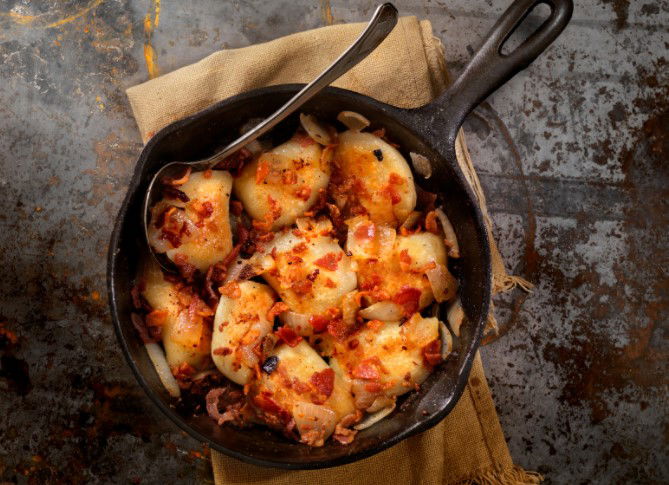
Shredded cabbage or finely chopped Brussels sprouts can be sautéed in bacon grease until tender and slightly caramelized. The crispy bacon bits can then be sprinkled over the pierogi or mixed directly into the vegetable preparation. This dish provides a substantial counterpoint to the pierogi, adding fiber and a distinct savory element. It also offers a nod to traditional Eastern European cuisine, where cabbage and pork are frequent culinary partners.
5. The Quintessential Polish Sausage: Kielbasa
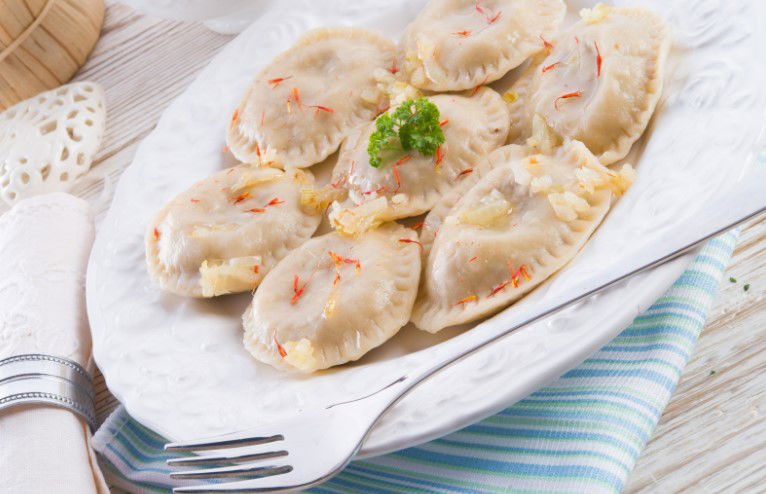
Kielbasa, a staple of Polish cuisine, is a natural and deeply satisfying companion to pierogi. This versatile sausage can be enjoyed boiled or, more commonly for this pairing, sliced and pan-fried until browned and slightly crispy. Its robust, savory flavor profile makes it an ideal partner for the often potato or cheese-filled pierogi.
A particularly delightful preparation involves slicing kielbasa into angled medallions, frying them, and then tossing them with jarred apricot preserves. The sweet and tangy apricot glaze, when baked with the savory kielbasa, creates a complex sauce that beautifully complements the pierogi. This sweet-and-salty combination is a beloved tradition in many Polish households.
Pro-Tip for Kielbasa and Preserves: To achieve this delightful flavor combination, bake the kielbasa medallions coated in apricot preserves at approximately 400°F (200°C) for about 15-20 minutes, or until the preserves have melted and warmed through. The resulting sauce is a testament to the power of simple, well-executed flavor pairings.

6. A Versatile Protein Powerhouse: Pork
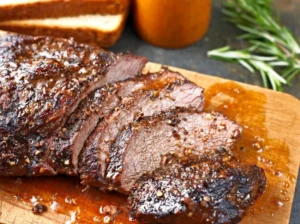
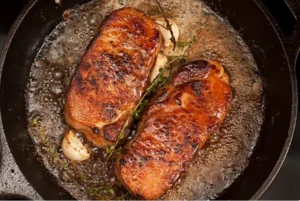
Pork, in its myriad forms, stands as a remarkably adaptable and complementary protein for pierogi. From crispy bacon and succulent pork chops to seared pork tenderloin, fried pork cracklings, or tender pulled pork, the options are extensive. Pork is often a go-to for rounding out a pierogi meal, offering a substantial and cost-effective protein component.
The traditional pairing of pork, pierogi, and sauerkraut is a cornerstone of many family Sunday meals, evoking a sense of tradition and comfort. A particularly effective culinary technique involves cooking the pork in the same pan that will be used for the pierogi. This allows the rendered pork fat and flavorful browned bits (fond) to be incorporated into the pierogi as they cook, enhancing their flavor significantly.
Fusion of Flavors: For those with a penchant for culinary exploration, a fusion approach can be incredibly rewarding. Consider pairing fried pierogi with caramelized onions and sour cream alongside a dish like Pernil, a slow-roasted, marinated Puerto Rican pork shoulder known for its incredibly crispy skin. This blend of Polish and Puerto Rican influences demonstrates the global appeal and adaptability of pierogi as a culinary canvas.
7. Slow-Cooked Comfort: Braised Meat
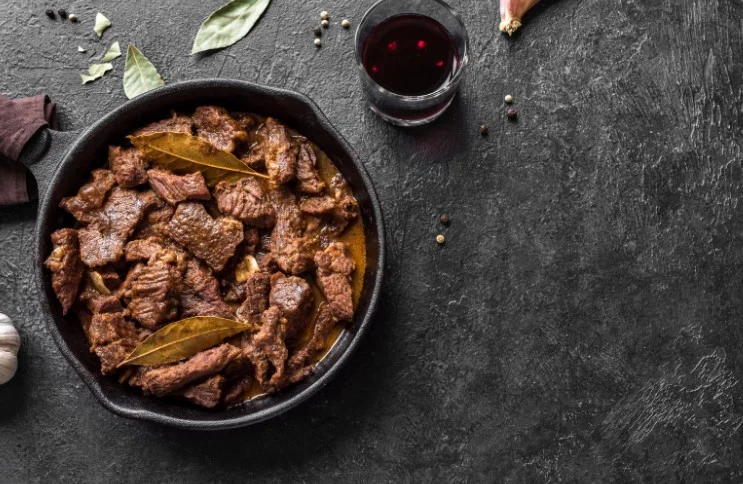
For occasions where pierogi are intended as a substantial side rather than the main event, braised meats offer an exquisite and comforting accompaniment. The process of braising involves searing the meat at high heat to lock in its juices, followed by slow cooking in liquid until it reaches a fork-tender consistency. Cuts like chuck roast, pork shoulder or ribs, or lamb shank or shoulder are ideal for this method.
The tender, fall-apart texture of braised meat, infused with the flavors of its cooking liquid, provides a rich and satisfying counterpoint to pierogi. This pairing is particularly effective when served with simple steamed vegetables, creating a well-rounded and nourishing meal. The ability of braised meats to be prepared in advance and reheated makes them a practical choice for both weeknight dinners and more elaborate gatherings.
Pro-Tip for Leftovers: Chuck roast is an economical choice that yields a generous amount of meat. Both braised beef and pierogi store well in the refrigerator and can be easily reheated, making them excellent candidates for delicious leftovers throughout the week.
Frequently Asked Questions About Pierogi Preparation and Serving
Addressing common queries can further demystify the art of preparing and serving pierogi.
How are pierogies traditionally served?
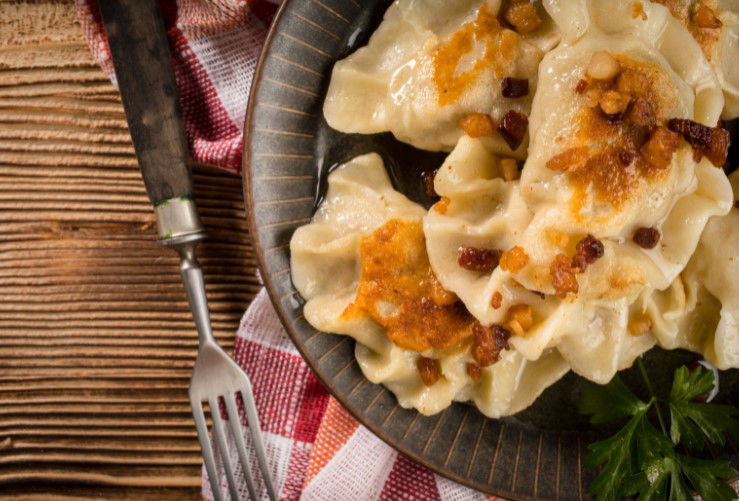
Traditionally, pierogi originated in Poland and are most commonly served pan-fried with a topping of melted butter and fried onions. This simple yet elegant preparation highlights the dumplings’ texture and inherent flavors.
Do you have to boil pierogies before frying them?
Pre-boiling pierogi is only necessary if they are frozen. Fresh or thawed pierogi can be directly pan-fried without prior boiling, achieving a desirable crispy exterior.
What do you dip pierogies in?
Pierogies are exceptionally versatile and can be dipped in a variety of accompaniments. Melted butter and sour cream are classic choices, offering simple yet satisfying flavor enhancements.
The careful selection and preparation of side dishes can transform a plate of pierogi into a truly memorable culinary experience. By understanding the interplay of flavors, textures, and culinary traditions, one can unlock the full potential of these beloved dumplings. Whether opting for the comforting simplicity of sour cream and onions or exploring the richer depths of braised meats and savory pork, the journey of pairing pierogi is a delicious exploration of culinary heritage and personal taste.