
The pursuit of the perfect cup of coffee is a fascinating journey that blends intricate chemistry with meticulous technique, a challenge that has captivated enthusiasts and professionals for centuries. At its core, coffee brewing is an extraction process, a delicate act of dissolving desirable compounds from ground coffee beans into water. This seemingly simple act, however, is governed by a myriad of interconnected variables, creating a complex landscape where even subtle adjustments can dramatically alter the final beverage. This article delves into the scientific underpinnings and practical implications of two primary brewing methods: the highly customizable pour-over (percolation) and the reliably robust immersion technique.
The Historical Trajectory of Coffee Brewing Innovation
The history of coffee preparation is a testament to humanity’s enduring quest for an optimal brew. Early methods, such as the traditional Turkish coffee, exemplify a complete, exhaustive extraction. Here, finely ground coffee is boiled directly with water, often alongside sugar and spices, resulting in a dense, sediment-rich beverage where virtually all soluble compounds are extracted, sometimes approaching a 30% extraction yield. While potent and culturally significant, this method often yields a strong, sometimes bitter, flavor profile due to the indiscriminate extraction of all soluble matter.
The evolution of coffee makers gained significant momentum with the invention of percolation methods. The first models of coffee percolators, distinct from the pour-over technique discussed here, emerged over 200 years ago, gaining widespread popularity by the 1970s. These devices relied on convection to circulate hot water through a central tube, allowing it to trickle back down through the coffee grounds. However, the true precursor to modern pour-over was the drip method, famously popularized by Melitta Bentz in 1908 with her invention of paper filters. This innovation laid the groundwork for separating coffee grounds from the brew, a critical step towards a cleaner cup.
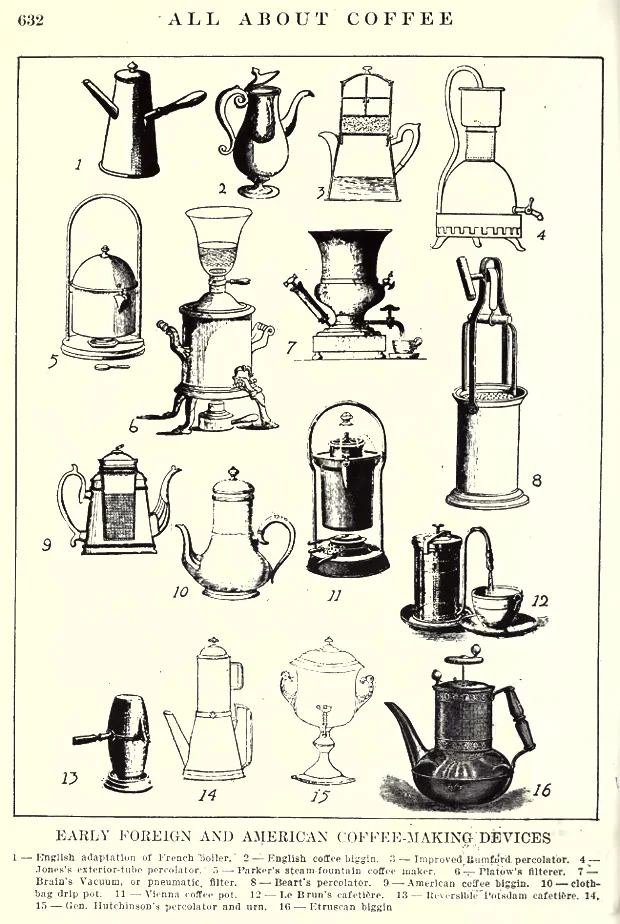
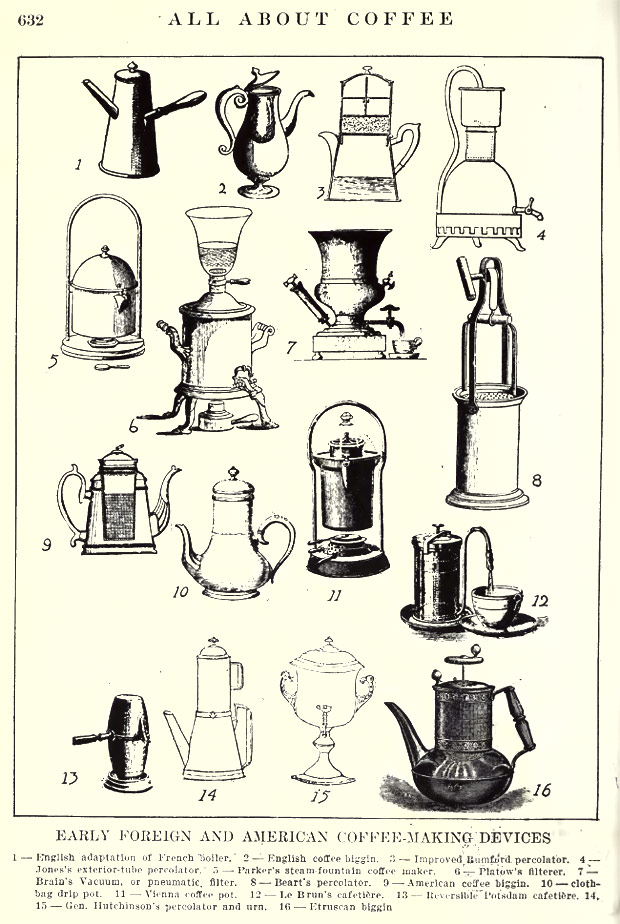
By the early 20th century, the diversity of brewing apparatus was already astonishing. Illustrations from W. A. Ukers’ seminal 1922 work, "All About Coffee," reveal a vast array of designs, underscoring that the "coffee knot" – the challenge of perfect extraction – has been a subject of intense innovation for over a century. This historical context highlights that the current proliferation of pour-over devices, from the iconic Hario V60 to the elegant Kalita Wave, is not a recent fad but a continuation of a long-standing tradition of engineering and chemical optimization.
Pour-Over: The Art of Selective Extraction Through Percolation
Pour-over brewing, or percolation, involves pouring hot water over a bed of ground coffee, allowing gravity to filter the brew through a paper or metal filter into a receptacle below. Far from being a simple process, it is a highly selective extraction method, where the goal is not to extract all soluble compounds, but rather to extract them unevenly to achieve a specific flavor balance. The chemical compounds in coffee span an astonishing nine orders of magnitude in concentration, each with unique solubility characteristics and extraction rates. If all compounds were extracted at the same rate, there would be little room for nuance or control in brewing. Fortunately, this is not the case, allowing baristas to target specific flavor notes.
The "even extraction" often touted as ideal is, from a chemical perspective, precisely what one aims to avoid in specialty coffee. Instead, a "selective extraction" is desired, where acids, sugars, and volatile aromatics are extracted preferentially or in balanced proportions, while less desirable bitter compounds (often found in higher concentrations later in the extraction or from over-extraction of fines) are minimized. This selective process is what gives pour-over its celebrated clarity, complexity, and distinct regional characteristics.
The Interplay of Pour-Over Parameters: A Complex System
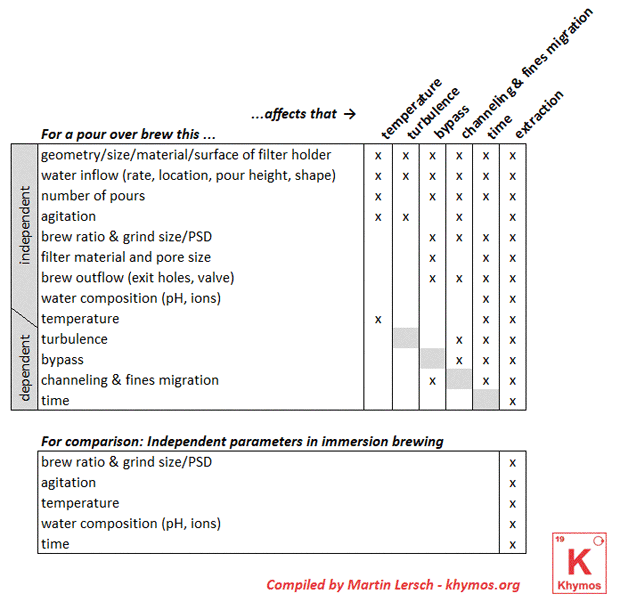
The complexity of pour-over brewing stems from the multitude of interdependent parameters that influence the final cup. These include:
-
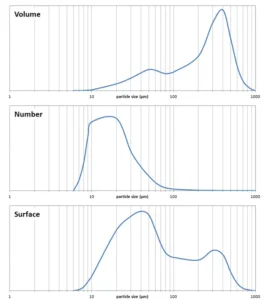
Grind Size and Particle Size Distribution (PSD): This is perhaps the most critical variable. Finer grinds increase the total surface area available for extraction, leading to faster dissolution of soluble compounds. However, a finer grind also reduces the permeability of the coffee bed, slowing down water flow and increasing contact time. A uniform grind size is crucial to prevent channeling (water finding paths of least resistance) and over-extraction of fines, which can lead to bitterness and astringency. Conversely, too coarse a grind results in under-extraction and a weak, sour brew. The distribution of particle sizes (PSD) can further complicate matters, with bimodal distributions sometimes engineered to optimize flow and extraction simultaneously.
-
Water Temperature: Temperature directly impacts the kinetics of extraction. Hotter water (typically 90-96°C or 195-205°F) extracts compounds more rapidly and efficiently. However, excessively high temperatures can scald the coffee, leading to harsh flavors, while too low a temperature results in under-extraction. Maintaining a stable temperature throughout the brew cycle is vital, making insulated brewers and gooseneck kettles with temperature control highly valued.
-
Water Chemistry: The mineral content of brewing water plays a significant, often underestimated, role. Minerals like magnesium and calcium bicarbonate can enhance or inhibit the extraction of certain compounds, influencing acidity, body, and overall flavor perception. Specialty coffee associations provide guidelines for optimal brewing water composition, emphasizing its role as a solvent.
-
Brew Ratio: The ratio of coffee grounds to water (e.g., 1:15 to 1:18) dictates the concentration of the final brew (Total Dissolved Solids or TDS) and the overall Extraction Yield (EY). A higher ratio (less water per gram of coffee) results in a stronger brew, while a lower ratio yields a lighter cup.
-
Filter Material and Pore Size: Paper filters provide a clean cup by trapping fines and some oils, resulting in brighter flavors. Metal filters, conversely, allow more fines and oils to pass through, contributing to a fuller body and mouthfeel. The pore size of the filter also influences flow rate and the clarity of the brew.
-
Flow Dynamics and Bypass: This is where the physics of "water is lazy" becomes paramount. Water invariably seeks the path of least resistance.
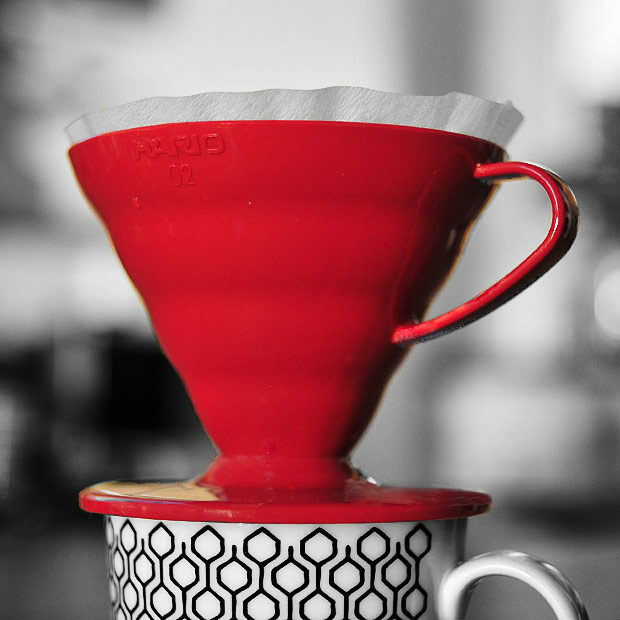
- Bypass: Water that flows around the coffee bed rather than through it. This water contributes to dilution without extraction, weakening the brew. Filter holder designs with smooth internal walls (like Chemex) minimize bypass by allowing the filter paper to cling, blocking side channels. Conversely, ridged designs (like Hario V60) or fluted filters (Kalita Wave) allow water to flow through the filter paper along the sides, which can increase bypass if not managed carefully.
- Channeling: Uneven flow through the coffee bed, where water rapidly flows through specific channels, leading to under-extraction in some areas and over-extraction in others. This can be exacerbated by inconsistent grind size or improper pouring technique.
- Inflow Control: How water is introduced onto the coffee bed. Gooseneck kettles allow for precise, controlled pouring, minimizing disturbance to the coffee bed and promoting even saturation. Water distributors like the Gabi Dripmaster B or Melodrip ensure a uniform, gentle shower, preventing channeling and maintaining a flat bed, though they can introduce temperature loss.
- Outflow Control: The rate at which the brewed coffee drains. This is influenced by grind size, filter type, and the design of the filter holder’s exit holes. Some advanced brewers, like the Clever Dripper or Hario Switch, incorporate shut-off valves, allowing for an initial immersion phase followed by a controlled percolation, offering hybrid brewing capabilities and greater control over contact time, especially when scaling recipes.
Equipment Design and Its Purposeful Variations
The sheer variety of pour-over devices on the market reflects the continuous effort to manipulate these parameters for optimal results. Manufacturers are "trying to untie the coffee knot" through subtle yet significant design choices:
- Materials and Insulation: Plastic (e.g., Hario V60 polypropylene) and ceramic are often preferred over metal (unless vacuum-insulated like the Stagg X/XF) due to their lower thermal conductivity, which helps maintain brew temperature. Glass offers aesthetics but is fragile.
- Shape/Geometry: Cone-shaped brewers (Hario V60) promote a deeper coffee bed, increasing contact time. Flat-bottomed brewers (Kalita Wave, April Pour Over) create a shallower, wider bed, allowing for faster, more even extraction, particularly for certain roast profiles.
- Inside Wall Surface: Ridges or patterns on the interior walls (e.g., Hario V60) allow airflow and prevent the filter from fully clinging, facilitating flow. Smooth walls (Chemex) force all water through the bottom, minimizing bypass but requiring a coarser grind to prevent clogging.
- Filter Type: Beyond material, the shape and folding (plain, fluted, W-folded) of filters influence surface area and flow. The Kalita Wave’s W-folded filter paper, for example, increases surface area to manage flow and reduce clogging.
The table of modern coffee makers, while extensive, is a testament to this micro-engineering. Devices like the Tricolate and Proper, with their cylindrical designs and filters entirely below the coffee bed, aim to eliminate bypass almost entirely, ensuring that "only the coffee should restrict the flow of water," a principle championed by extraction experts like Jonathan Gagné in his discussions on optimal percolation. This design philosophy promises maximum efficiency and control over extraction.
Immersion Brewing: Robustness and Reproducibility
In stark contrast to the intricate dance of pour-over, immersion brewing offers a robust and remarkably repeatable method. Here, all the coffee grounds are steeped in the full volume of hot water for a set duration, often with an initial stir to ensure saturation and degasification. After the desired contact time, the brew is separated from the grounds, typically through filtration.
The inherent advantage of immersion is its approach to equilibrium. Over time, the concentration of soluble compounds in the water approaches an equilibrium with those in the coffee grounds. This means that small variations in grind size, pour technique, or water flow have a less dramatic impact on the final extraction yield and TDS, making it a "foolproof" method where two individuals following the same recipe will produce very similar results.
Popular immersion brewers include the French Press and the Aeropress (especially when used in the inverted method).
-
French Press: Characterized by its relatively coarse grind and metal mesh filter, the French Press allows a significant amount of "fines" (very small coffee particles) and oils to pass into the cup. These contribute substantially to the beverage’s body, texture, and mouthfeel, often leaving a distinct sediment at the bottom of the cup. While some appreciate this rich, full-bodied experience, others find the fines contribute to bitterness or a "muddy" taste. Filtering French Press coffee through a paper filter can yield a surprisingly clear and clean cup, demonstrating the impact of these particulates.
-
Aeropress: While capable of percolation, the Aeropress is often used for immersion, particularly with its inverted method. It employs a small paper filter disc and uses pressure to force the brew through, allowing for greater control over extraction time and a cleaner cup than a French Press.
Despite its robustness, immersion brewing is still selective. The typically coarser grind sizes and the gradual cooling of the water (often starting above 90°C but quickly dropping) mean that not all compounds are extracted to their maximum potential, resulting in a cup that, while rich and flavorful, can sometimes be described as "muted" compared to the vibrant clarity of a well-executed pour-over. However, by varying immersion time, grind size, and brew ratio, considerable variation in flavor profiles is achievable.
The Broader Implications: Craft, Science, and Consumer Experience
The deep understanding of coffee extraction, whether through percolation or immersion, has profound implications for both the craft of coffee making and the consumer experience.
Firstly, it highlights why generic coffee recipes often fail to deliver consistent results. Without specifying crucial parameters like water temperature stability, grind particle distribution, or the exact geometry of the filter holder, two brewers following the "same" recipe will inevitably produce different outcomes. This scientific scrutiny helps dispel coffee preparation myths, replacing anecdotal advice with empirical understanding.
Secondly, this complexity empowers both professional baristas and home enthusiasts. The extensive control offered by pour-over, while challenging, allows for immense creativity and precision in tailoring a coffee to specific taste preferences or to highlight the unique characteristics of a particular bean. The emergence of a vibrant community, evidenced by countless online videos and specialized equipment, reflects this shared passion for mastery.
Finally, the continuous innovation in coffee maker design, driven by a blend of engineering and chemical principles, ultimately serves the consumer. From vacuum-insulated drippers that maintain temperature stability to advanced water distributors that ensure even saturation, each development brings us closer to a more consistently excellent cup. The ongoing quest to "untie the coffee knot" is, at its heart, a collective endeavor to achieve what fictional chemist Gale Boetticher eloquently articulated in "Breaking Bad": "The very best cup of coffee we have ever tasted." This blend of scientific rigor and passionate pursuit ensures that the future of coffee brewing will continue to be a journey of endless refinement, promising even more exquisite experiences for coffee lovers worldwide.