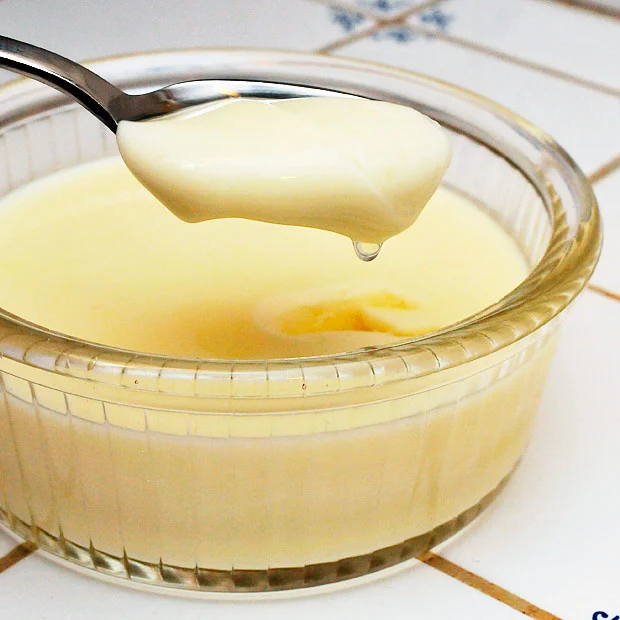

A traditional delicacy known for its delicate texture and warming spice, ginger milk curd (姜汁撞奶, Jiāng Zhī Zhuàng Nǎi) has long held a reputation as a challenging dish to perfect, often shrouded in culinary folklore and inconsistent results. However, recent scientific inquiry has peeled back the layers of these kitchen myths, revealing the precise enzymatic processes at play and paving the way for a fool-proof preparation method that promises consistent success for home cooks and culinary professionals alike.
A Beloved Tradition, A Puzzling Preparation
Ginger milk curd, a staple in Cantonese cuisine, is deceptively simple in its ingredient list: fresh milk, ginger juice, and a touch of sugar. This humble combination, when prepared correctly, transforms into a tender, wobbly gel that melts in the mouth, offering a unique balance of creamy sweetness and pungent ginger heat. Despite its widespread popularity, particularly as a comforting dessert or snack, the successful preparation of ginger milk curd has often been attributed to a blend of "skill and luck." Reports from frustrated home cooks describe success rates as low as 50%, with some enduring numerous failed attempts before achieving the desired consistency, while others resort to adding external gelling agents like egg whites, fundamentally altering the dish’s authentic character. This variability has historically given rise to a multitude of contradictory instructions and unfounded kitchen superstitions.
The root of these inconsistencies lies in a lack of precise understanding of the underlying biochemical reactions. While many traditional recipes rely on anecdotal wisdom, a deeper dive into food science reveals that the transformation of liquid milk into a fragile gel is a sophisticated enzymatic process, highly sensitive to specific environmental conditions, particularly temperature.
The Scientific Breakthrough: Demystifying the Curd
The journey to demystify ginger milk curd often begins with a personal culinary quest. Researchers, much like keen home cooks, initially encountered the dish’s perplexing nature. The sheer simplicity of the ingredients, juxtaposed with the dramatic and rapid gel formation, sparked scientific curiosity. Initial successful attempts, followed by inexplicable failures despite seemingly identical steps, highlighted the need for a rigorous, scientific approach to understand the precise conditions required for consistent curdling.
This investigation led to the identification of ginger’s proteolytic enzymes, collectively known as ginger proteases (GP), with zingipain (EC 3.4.22.67) being a prominent member. These enzymes are the unsung heroes behind the magic, acting as biological catalysts that initiate the milk coagulation process. The realization that an enzyme, rather than a simple acid-base reaction or a hydrocolloid, was responsible for the gelling provided the critical missing piece of the puzzle. This understanding allowed scientists to move beyond trial-and-error and develop evidence-based methods for consistent results.
Key Players: Ginger Proteases and Casein
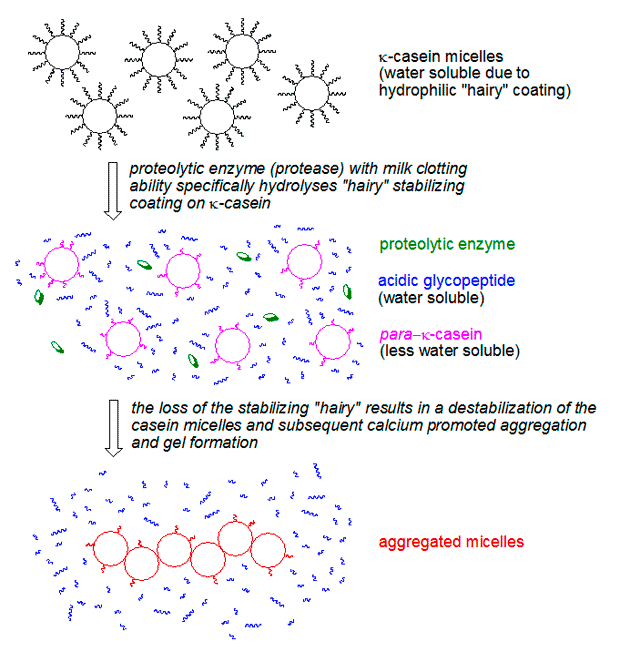
At the heart of milk curdling, whether by traditional rennet in cheesemaking or by ginger proteases, lies the interaction with casein, the primary protein found in milk. Casein proteins exist in milk as large, spherical structures called micelles. These micelles are naturally stable and remain dispersed in the aqueous phase of milk, preventing spontaneous aggregation and precipitation. This stability is largely due to a specific type of casein called κ-casein, which forms a "hairy", hydrophilic layer on the surface of each micelle. This layer, composed of a water-soluble glycopeptide extending into the milk serum, acts as a protective barrier, preventing the micelles from coming into close contact and clumping together.
When ginger juice, containing active ginger proteases, is introduced to milk, a precise biochemical reaction commences. Ginger proteases, like chymosin (rennin) in animal rennet, are proteolytic enzymes, meaning they are capable of breaking down proteins into smaller fragments. Specifically, GP targets and cleaves the water-soluble portion of the κ-casein on the surface of the micelles. This enzymatic action effectively "shaves" the protective hairy layer from the micelles, leaving behind a more hydrophobic para-κ-casein.
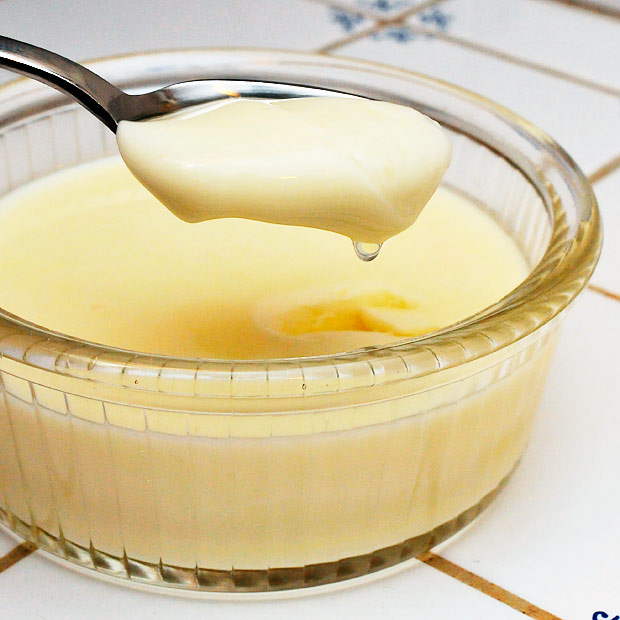
Once stripped of their stabilizing layer, the casein micelles lose their repulsive forces and become highly susceptible to aggregation. The calcium ions naturally present in milk play a crucial role at this stage, acting as bridges that link the destabilized micelles together. These aggregated micelles then interlink, forming a three-dimensional protein network that traps water and sugar, resulting in the characteristic tender gel of ginger milk curd. This entire process unfolds remarkably quickly, often within minutes, as observed in the rapid setting of the curd. The resulting gel is known for its fragility and tendency to release liquid (whey), a phenomenon scientifically termed syneresis, which is visible as clear droplets forming on the surface or under pressure.
Temperature Sensitivity: The Crucial Window for Success
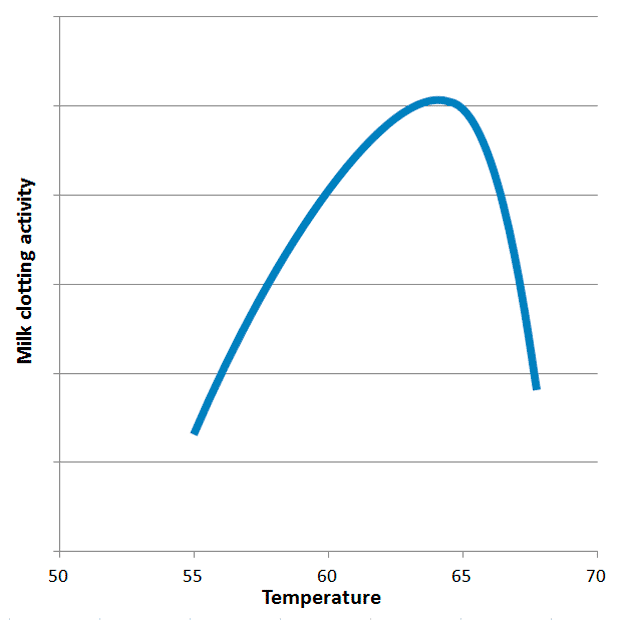
The most critical factor dictating the success or failure of ginger milk curd lies in the precise temperature control of the milk when it interacts with the ginger juice. Ginger proteases are exquisitely sensitive to temperature, operating within a narrow optimal range. Scientific studies have demonstrated that the milk clotting activity (MCA) of ginger proteases peaks around 63°C. Their activity falls off rapidly outside this window, significantly decreasing below 60°C and becoming almost negligible. Crucially, at temperatures above 70°C, these delicate enzymes undergo rapid denaturation – an irreversible destruction of their three-dimensional structure – rendering them inactive.
This narrow temperature window of 60-65°C is the primary reason behind the widespread inconsistencies reported by home cooks. Without a precise method to control milk temperature, variations in heat can easily lead to under-activation or complete inactivation of the ginger enzymes, resulting in milk that simply fails to set. Many traditional recipes, lacking the emphasis on precise temperature, inadvertently led cooks astray. For instance, heating milk "until just simmering" or "until hot" can easily push the temperature above the crucial 70°C denaturation point, guaranteeing failure. Conversely, milk that is too cool will not provide sufficient enzymatic activity for a firm gel to form in a reasonable timeframe.
It’s also worth noting that while ginger proteases have a specific milk-clotting activity (MCA) within this temperature range, they also exhibit general proteolytic activity (PA) outside it. However, this non-specific PA is less efficient at forming a stable gel. This specificity underscores why precise temperature control is paramount for achieving the desired curd texture. Comparisons with other plant-based proteases, such as those found in kiwi (optimal at 40°C) or melon (optimal at 70°C), highlight the unique temperature requirements of ginger proteases, further emphasizing the need for tailored preparation methods for each enzyme source.
Beyond Temperature: Other Factors Affecting Gel Formation
While temperature is paramount, other factors also influence the strength and quality of the ginger milk curd:
- Milk Type: The fat content of milk plays a role in gel formation. Skimmed milk generally yields a stronger, firmer gel compared to whole milk. The presence of milk fat can interfere with the casein micelle aggregation, leading to a weaker or less consistent curd.
- Milk Heating History: Interestingly, heating milk to very high temperatures (above 65°C) even before cooling it to the optimal range for ginger protease activity can negatively impact the final gel strength. This is because excessive heat can cause other milk proteins, particularly lactoglobulins, to denature and precipitate onto the κ-casein micelles. This precipitation can hinder the efficient cleavage of κ-casein by ginger proteases and obstruct the subsequent aggregation of the micelles, resulting in a weaker gel.
- Calcium Concentration: Given that calcium ions facilitate the aggregation of the "shaved" casein micelles, a higher concentration of calcium in the milk can contribute to the formation of a stronger gel network. While milk naturally contains sufficient calcium, understanding its role helps explain variations in gel strength observed with different milk sources or treatments.
The Challenge of Ginger Juice Stability
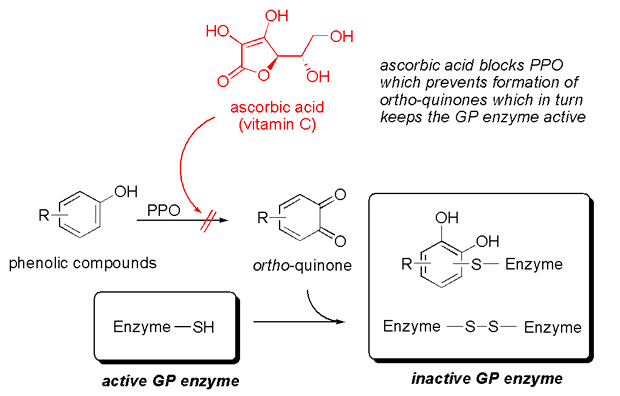
Beyond the milk’s temperature, the quality and freshness of the ginger juice itself are critical. Ginger proteases, while powerful, are not indefinitely stable. Freshly squeezed ginger juice contains another enzyme, polyphenol oxidase (PPO), which is notorious for causing enzymatic browning in fruits and vegetables (e.g., apples). Once ginger is grated and its cells are ruptured, PPO becomes active and begins to oxidize phenolic compounds, yielding ortho-quinones. These quinones, in turn, can react with and inactivate the delicate ginger proteases.
This enzymatic degradation means that ginger juice has a surprisingly short shelf-life at room temperature. Studies indicate that at 30°C, the ginger proteases in fresh juice have a half-life of approximately 20 minutes. This implies that after just 20 minutes, half of the crucial enzyme activity is lost, and after 40 minutes, only 25% remains. This rapid decline in activity explains why "freshly squeezed" is a non-negotiable requirement for many successful recipes; ginger juice prepared in advance is likely to fail.
However, science offers a clever workaround. The action of PPO can be inhibited by antioxidants. Ascorbic acid, commonly known as Vitamin C, is a highly effective inhibitor of PPO. Adding a small amount (around 0.2%) of ascorbic acid to freshly prepared ginger juice can block the PPO’s activity, thereby preserving the stability and activity of the ginger proteases. This simple trick allows for ginger juice to be prepared slightly in advance or stored for a short period without significant loss of its curdling power, offering greater flexibility for cooks.
A Fool-Proof Method for Home Cooks
Armed with this scientific understanding, achieving a perfect ginger milk curd is no longer a matter of chance but a precise culinary endeavor. The key is strict adherence to temperature control and immediate use of fresh ginger juice.
Fool-Proof Ginger Milk Curd Recipe
-
Ingredients:
- 250 mL skimmed milk (for a stronger gel)
- 18 g fresh ginger juice (approximately 31 g peeled ginger or 43 g raw ginger)
- 20 g sugar
-
Equipment:
- Digital kitchen thermometer (essential)
- Microplane or grater
- Fine-mesh sieve or cheesecloth for squeezing juice
-
Instructions:
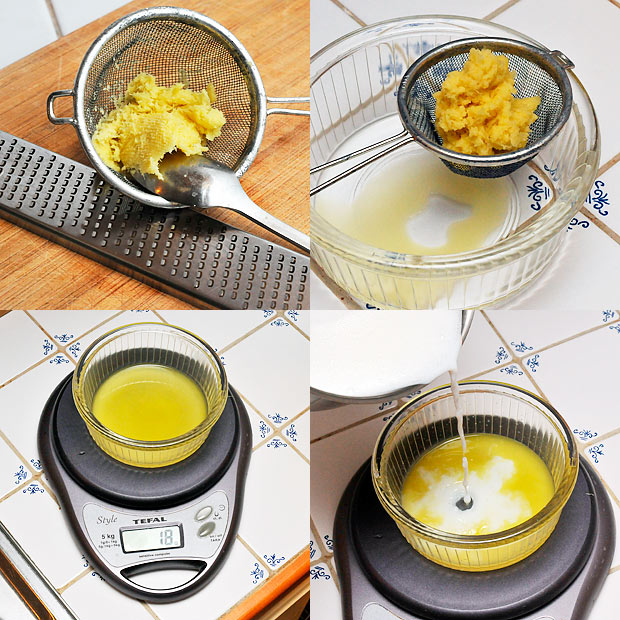
- Prepare Ginger Juice: Peel and microplane (or finely grate) the fresh ginger. Immediately squeeze out the juice into a serving bowl. Do not prepare the juice too far in advance due to enzyme instability. If preparing slightly ahead, add a pinch (approx. 0.2%) of ascorbic acid powder to stabilize the enzymes.
- Heat Milk: Combine the skimmed milk and sugar in a saucepan. Heat carefully over medium heat, continuously monitoring the temperature with a digital thermometer. The goal is to reach exactly 65°C. Do not exceed 70°C, as this will denature the enzymes.
- Combine and Set: As soon as the milk reaches 65°C, remove it from the heat. Immediately pour the hot milk into the bowl containing the ginger juice. Pour from a moderate height (about 15-20 cm) to ensure adequate, instant mixing of the milk and ginger juice.
- Do NOT Stir: Crucially, once the milk is poured, do not stir or disturb the mixture. Stirring can interfere with the delicate initial formation of the casein network, leading to a fragmented or failed curd.
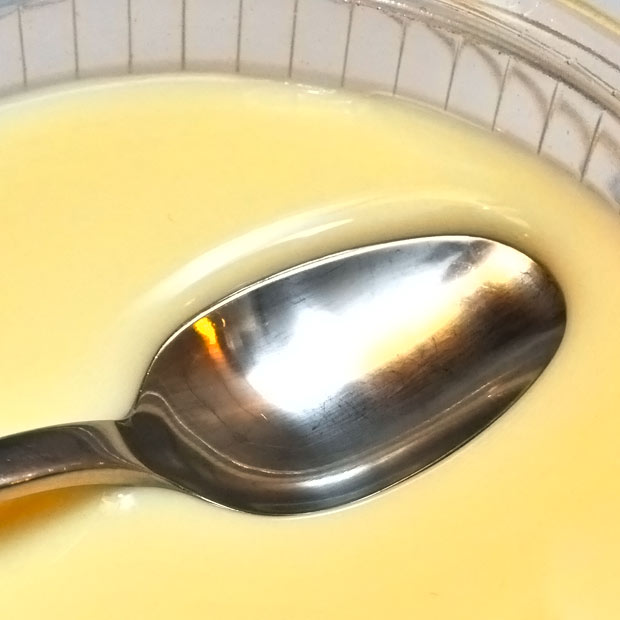
- Rest and Serve: Leave the bowl undisturbed at room temperature. Within 5-10 minutes, a tender gel will form. The curd can be served immediately while warm or chilled in the refrigerator for a refreshing dessert.
This recipe uses a milk-to-ginger juice ratio of approximately 14:1. While this ratio provides a pleasant ginger flavor, experimentation with slightly higher or lower ginger juice concentrations can be done to adjust the intensity of the ginger taste, though reducing it significantly might impact gel strength.
Broader Implications for Culinary Science and Industry
The scientific understanding of ginger milk curd extends far beyond a single dessert, offering significant implications for culinary science, food industry innovation, and home cooking:
- Advancing Food Science Education: Ginger milk curd serves as an accessible and engaging demonstration of complex biochemical principles, including enzyme kinetics, protein denaturation, and colloid chemistry. It provides a tangible example of how specific enzymes can dramatically alter food texture and structure, making abstract scientific concepts relatable.
- Innovation in Plant-Based Coagulants: The identification and characterization of ginger proteases contribute to the growing field of plant-derived coagulants. As demand for vegetarian and vegan food options increases, exploring alternatives to animal-derived rennet for cheese and dairy-free product development becomes crucial. Ginger, kiwi, and melon proteases represent viable, natural alternatives for coagulation, opening doors for novel food products.
- Empowering Home Cooks: By dispelling long-held kitchen myths and providing a scientifically validated method, cooks are empowered to achieve consistent success. This shift from guesswork to precision fosters confidence and encourages further culinary exploration.
- Standardization in Food Production: For commercial production of ginger milk curd or similar enzyme-set dairy products, this scientific understanding allows for standardized processes, quality control, and consistent product outcomes, moving away from variable artisanal methods.
Future Research and Culinary Exploration
While a "fool-proof" method has been established, the journey of scientific inquiry is continuous. Several avenues remain open for further experimentation and discovery:
- Impact of Milk Varieties: Investigating the effects of different milk types (e.g., whole milk, lactose-free milk, non-dairy milks like soy or almond milk, or milks from different animals) on gel strength and flavor profile.
- Optimization of Ginger Concentration: Precisely determining the minimum effective concentration of ginger juice required for gel formation and how variations affect texture and taste.
- Influence of pH: Exploring the optimal pH range for ginger protease activity and whether minor adjustments can enhance gel formation or stability.
- Effects of Sweeteners: Comparing the impact of different sugars or alternative sweeteners on the curd’s texture and overall stability.
- Ginger Variety and Terroir: Researching whether different varieties of ginger or ginger grown in various regions exhibit differing levels of protease activity or flavor profiles, thus influencing the final product.
- Alternative Enzyme Stabilization Methods: Investigating other natural compounds or processing techniques that could stabilize ginger proteases, further extending the usability of ginger juice.
The humble ginger milk curd stands as a testament to the elegant interplay between traditional culinary arts and modern food science. What was once a temperamental dessert, often yielding unpredictable results, has now been meticulously understood, transformed into a reliable and reproducible delight. This fusion of tradition and scientific precision not only preserves a beloved dish but also illuminates the intricate biochemical marvels hidden within our everyday ingredients, fostering both culinary excellence and scientific curiosity.