
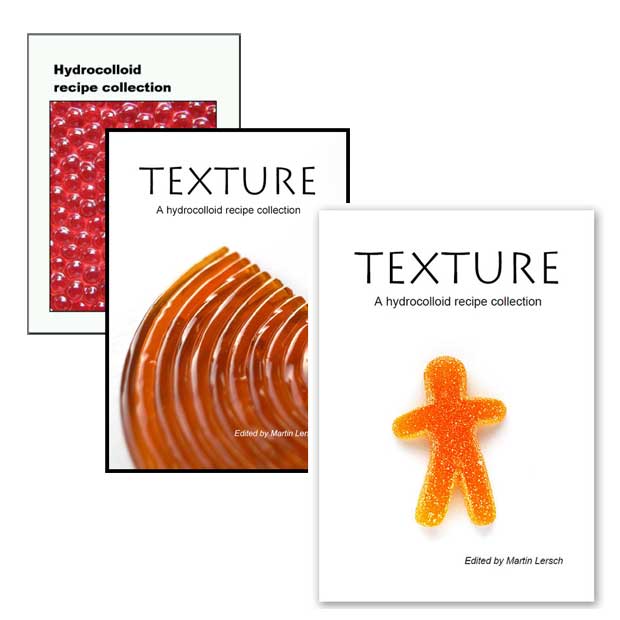
Six years after the publication of the third major edition of Texture—A Hydrocolloid Recipe Collection, the culinary science community is preparing for an incremental yet significant update. The forthcoming version, designated v.3.1, promises to refine existing entries, correct historical oversights, and expand its scope to include modern food trends and underrepresented ingredients. This update represents a continuing effort to catalog and democratize the complex science of food modification, making molecular gastronomy and texture manipulation accessible to both professional chefs and home kitchen enthusiasts alike.
Background and Context of the Resource
First introduced to the culinary world in 2007, Texture—A Hydrocolloid Recipe Collection filled a critical gap in the culinary literature. Before its creation, information regarding hydrocolloids—substances that form gels, thicken liquids, or stabilize emulsions by interacting with water molecules—was largely confined to academic food science journals, proprietary industry manuals, or the private notebooks of avant-garde chefs.
The original release of Version 1.0 provided a centralized, standardized reference guide for ingredients such as agar-agar, xanthan gum, carrageenan, and sodium alginate. It translated complex chemical properties into practical, measurable kitchen applications. As the modernist cuisine movement gained global momentum through institutions like elBulli and The Fat Duck, the demand for reliable hydrocolloid documentation surged. Version 2.0 followed in 2008, introducing expanded measurements and a broader range of applications. Version 3.0, released in 2014, established the modern framework of the guide, incorporating advanced techniques, improved formatting, and extensive cross-referencing.
The guide has since become an indispensable reference text within the culinary arts, utilized in higher-education hospitality programs, industrial food development laboratories, and professional restaurant kitchens globally.
Chronology of Editions and Revisions
To understand the trajectory of the collection, a clear historical timeline highlights its evolution over nearly two decades:
- 2007: Publication of Texture v.1.0, establishing the foundational database for common culinary hydrocolloids and gelling agents.
- 2008: Release of Version 2.0, expanding the recipe index and refining concentration ratios based on user testing.
- 2014: Launch of Version 3.0, a comprehensive overhaul that streamlined formatting and introduced advanced stabilization techniques.
- 2020: Announcement of the upcoming Version 3.1 incremental revision, focusing on community-sourced error corrections, photographic evidence, and the inclusion of viral culinary phenomena such as Dalgona coffee foam.
Key Objectives of the Version 3.1 Update
The primary focus of the upcoming revision is quality assurance and structural refinement. The compilation team has spent the past six years cataloging user feedback, identifying typographic inconsistencies, and verifying recipe reproducibility.
A central emphasis of the new release is the integration of visual documentation. According to project coordinators, recipes accompanied by photographic evidence demonstrate a significantly higher rate of successful replication in independent kitchens. Consequently, the compilation team has issued a continuous open call for user-submitted photography that clearly displays the final texture and structural integrity of tested dishes.
Furthermore, the revision addresses historical gaps regarding specific underrepresented ingredients. While common hydrocolloids like agar and xanthan gum have enjoyed extensive documentation, several traditional and plant-based gums have historically received limited coverage.
Addressing Underrepresented and Missing Ingredients
A notable analytical finding from the compilation of user feedback is the underrepresentation of specific natural hydrocolloids. Version 3.1 seeks to rectify this imbalance by actively soliciting and vetting recipes for the following substances:
- Guar Gum: Derived from guar beans, valued for its high cold-water thickening capacity.
- Gum Arabic: Sourced from acacia tree sap, traditionally used in confectionery and beverage stabilization.
- Konjac: Extracted from the konjac corm, famous for its unique elastic gels and high dietary fiber content.
- Locust Bean Gum (Carob Bean Gum): Utilized for improving freeze-thaw stability and creating elastic textures when paired with other gums.
- Tara Gum: Derived from the endosperm of tara tree seeds, acting as a versatile thickening and stabilizing agent.
While these ingredients are common in industrial food manufacturing, their precise home-kitchen applications remain poorly documented. The inclusion of reliable recipes for these gums will provide culinary professionals with more sustainable, plant-based alternatives to synthetic stabilizers.
At the same time, the guide maintains strict editorial boundaries regarding proprietary products. Commercial formulations such as Ultra-Tex and Pure Cote (modified starches) and Trisol (a wheat fiber) remain intentionally omitted. This editorial choice preserves the guide’s focus on foundational, chemically defined ingredients rather than brand-name commercial blends, ensuring that recipes remain universally reproducible regardless of geographic location or commercial availability.
Expanding the Non-Hydrocolloid Gels and Foams Category
One of the most innovative sections slated for expansion in Version 3.1 is the category dedicated to "non-hydrocolloid recipes." This section explores traditional culinary preparations from diverse regional kitchens where unique gelling or foaming mechanisms occur naturally without the addition of isolated industrial hydrocolloids.
Historically, this section has included cultural staples such as:
- Junket: A dairy dessert set using rennet enzymes.
- Cuajada: A traditional Spanish curdled milk product.
- Ginger Milk Custard: A Cantonese dessert relying on the enzymatic reaction between ginger juice proteases and milk proteins.
- Aiyu Jelly and Grass Jelly: Plant-based gel preparations from East and Southeast Asia utilizing pectin-like mucilages and natural polysaccharides.
- Tofu: Coagulated soy protein gels produced via mineral salt or acid precipitation.
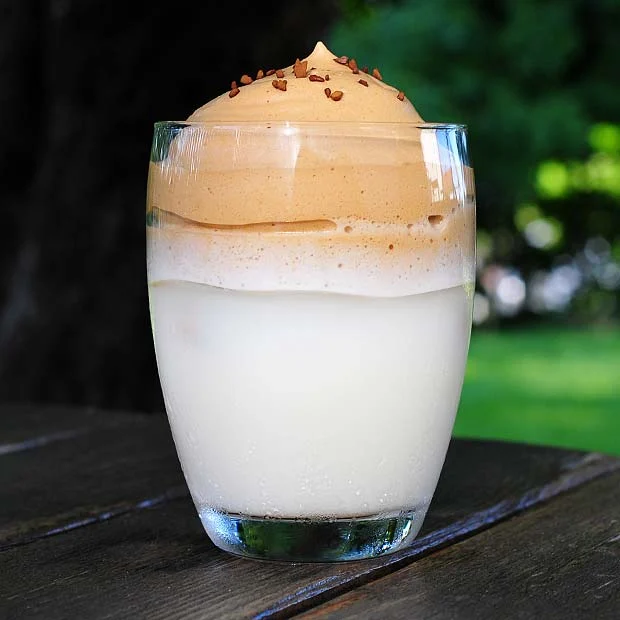
To this diverse list, Version 3.1 will officially add Dalgona coffee foam. The viral beverage phenomenon, which swept global social media platforms during the spring of 2020, exemplifies a mechanically whipped foam. By vigorously whisking instant coffee, sugar, and hot water, air is incorporated into a stable foam matrix stabilized by milk proteins and dissolved sugar solids—demonstrating structural physics entirely independent of traditional hydrocolloid gums.
Industry Implications and the Broader Impact of Open-Source Culinary Science
The evolution of reference texts like Texture mirrors a broader shift in the culinary industry toward radical transparency and crowdsourced knowledge validation. In the past, proprietary techniques were closely guarded secrets within elite restaurant brigades. Today, the democratization of food science through digital platforms allows a global network of home cooks, pastry chefs, and food scientists to collaboratively test, critique, and improve culinary methodologies.
By crowdsourcing error corrections and recipe testing, the project leverages the "wisdom of the crowd" to achieve a level of practical verification that a single author or isolated test kitchen could never accomplish independently. This collaborative model ensures that the resulting publication remains resilient, accurate, and directly responsive to the needs of its user base.
Outlook and Future Availability
As preparation for Version 3.1 enters its final phases, the compilation team continues to accept submissions of tested recipes, photographs, and critical feedback through established digital channels. The upcoming release is expected to solidify the manual’s status as the definitive reference guide for culinary texture manipulation.
For the modern culinary professional, the value of such a compendium extends far beyond mere recipe replication; it provides an empirical understanding of the physical and chemical forces that govern mouthfeel, structural stability, and sensory perception in modern gastronomy.