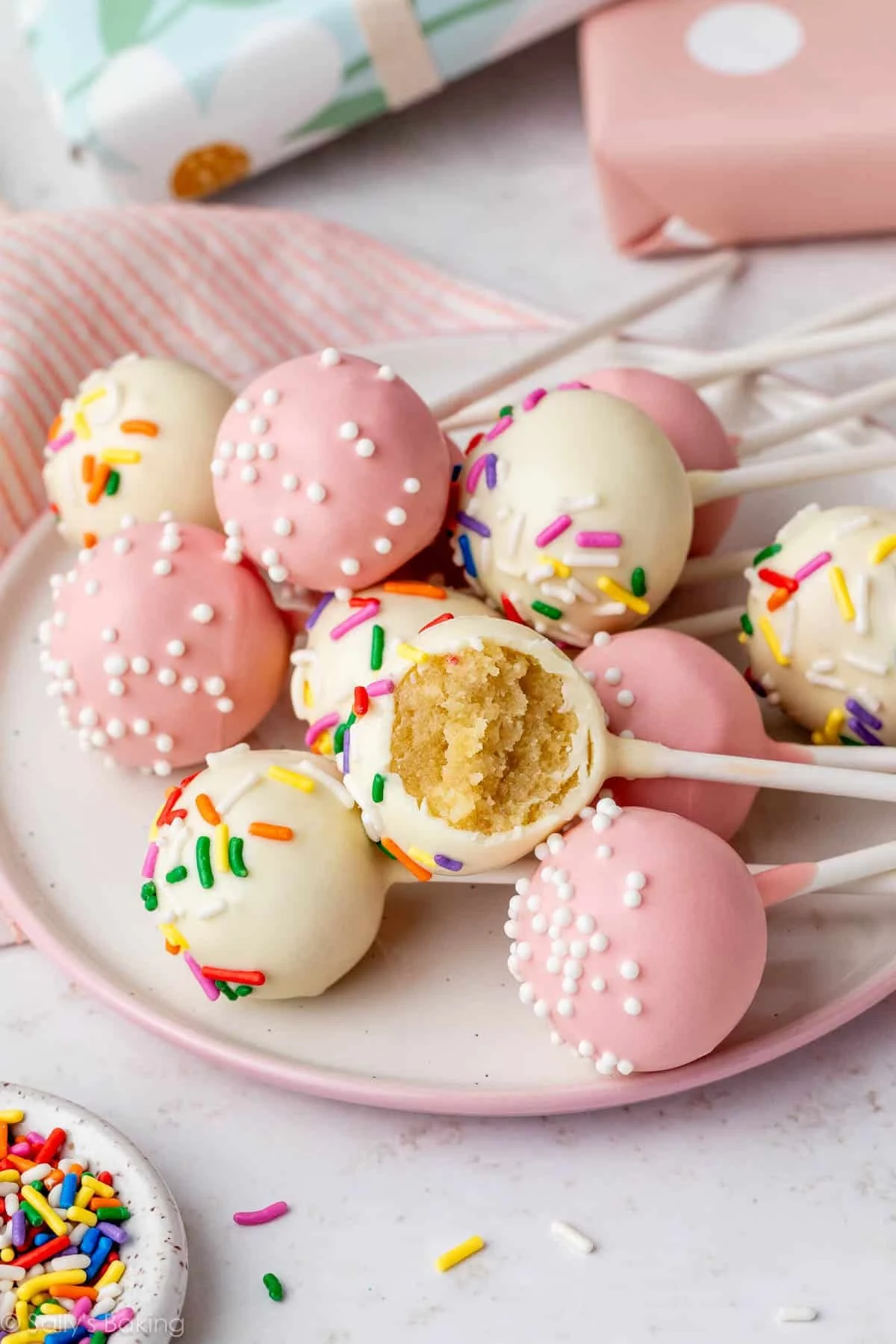

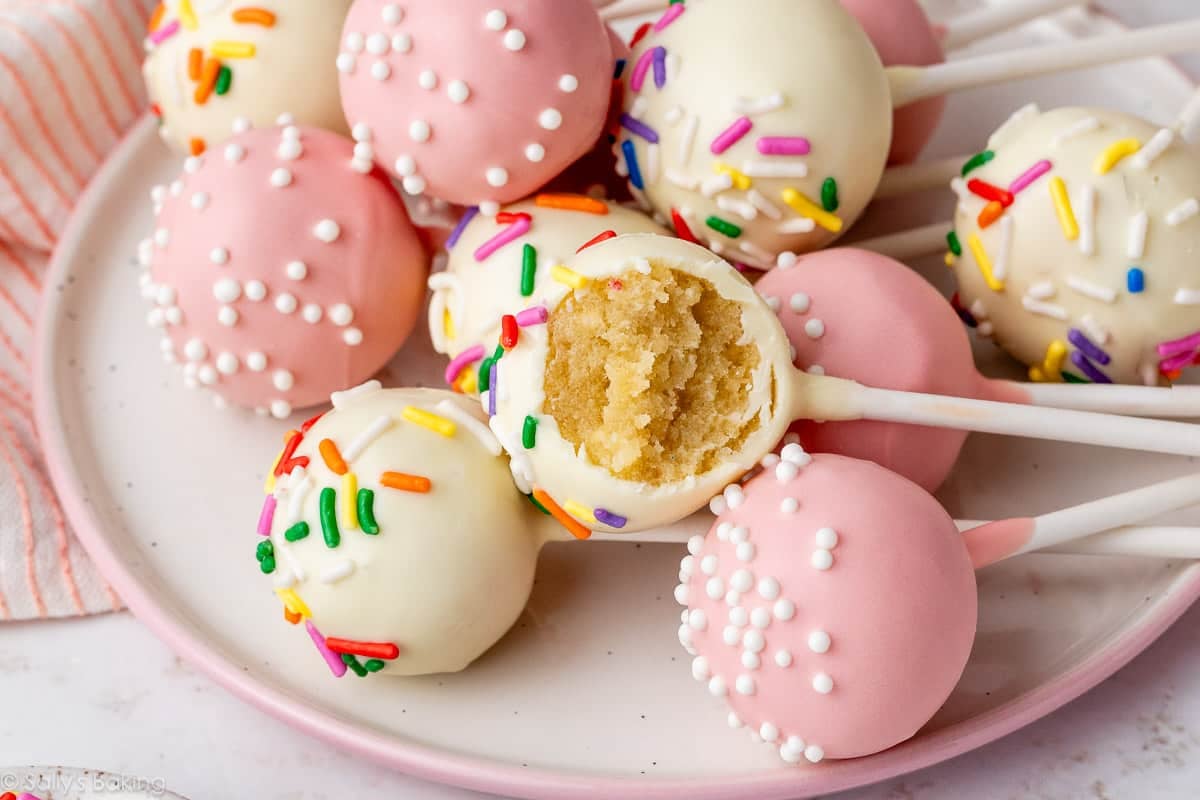
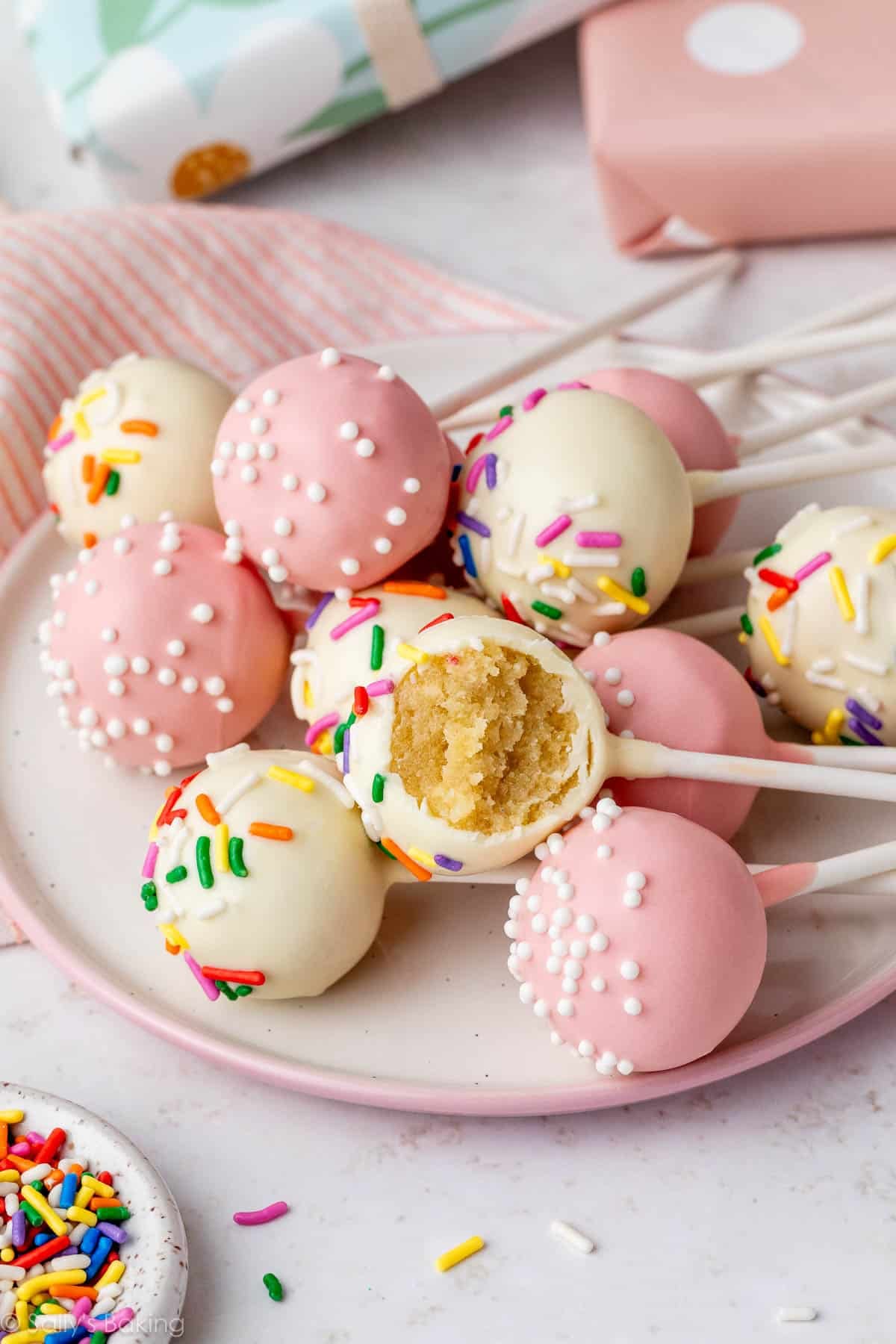
In an era where homemade treats are gaining unprecedented traction, the humble cake pop, once a convenience store staple, is being reimagined through an artisanal lens. A groundbreaking recipe for homemade vanilla cake pops, originally published in 2015 and recently updated with fresh visuals and a comprehensive video tutorial, is empowering home bakers to elevate this beloved confection far beyond its boxed-mix origins. This meticulously developed guide champions a completely from-scratch approach, eschewing commercial cake mixes and canned frostings in favor of homemade vanilla cake and vanilla buttercream, then finished with a luscious white chocolate dip. The result is a sweet treat that consistently captivates both children and adults, a testament to the unparalleled flavor and texture achievable when quality ingredients and thoughtful technique are prioritized.
The journey of the cake pop from a simple dessert on a stick to a celebrated homemade delicacy reflects broader trends in culinary appreciation. Originating in the early 2000s, often attributed to blogger Bakerella, cake pops rapidly gained popularity for their whimsical presentation and convenient portion size. Their commercial success, notably through chains like Starbucks, solidified their place in popular culture. However, this widespread availability also sparked a desire among discerning consumers and home bakers for a more authentic, higher-quality version. The featured recipe directly addresses this demand, providing a detailed methodology for creating cake pops that boast superior taste, texture, and visual appeal, positioning them as a perfect indulgence for parties, celebrations, or simply a refined everyday treat.
The Evolution of a Dessert Icon: From Commercial Convenience to Culinary Craft
The cake pop phenomenon is relatively young, yet its trajectory from a novel concept to a global sensation has been swift. Initially, the appeal lay in its novelty and ease of consumption – a cake-like bite, conveniently served on a stick. Early recipes often relied on pre-packaged ingredients, primarily boxed cake mixes and store-bought frostings, which offered a quick path to assembly. While these versions fulfilled a demand for convenience, they often fell short on flavor complexity and textural nuance. The ubiquity of mass-produced cake pops, exemplified by their presence in coffee shop display cases worldwide, created a benchmark for familiarity but also paved the way for a counter-movement: the pursuit of the "real thing."
This shift towards from-scratch baking is not unique to cake pops. It mirrors a broader societal trend favoring homemade, quality-controlled food items over highly processed alternatives. According to recent market analyses, the home baking sector has seen consistent growth, with an increasing number of consumers prioritizing natural ingredients and bespoke creations. A 2023 report by Grand View Research projected the global baking ingredients market size to reach USD 22.1 billion by 2030, driven by rising consumer preference for homemade and artisanal products. Consumers are increasingly ingredient-conscious, seeking transparency and authenticity in their food. For bakers, this means a renewed interest in fundamental techniques and raw ingredients. The recipe in focus stands as a prime example of this culinary evolution, offering a blueprint for a cake pop that doesn’t just look good but truly tastes exceptional. By meticulously crafting both the vanilla cake and the vanilla buttercream from scratch, the recipe unlocks layers of flavor and a superior mouthfeel that commercially produced versions simply cannot replicate.
The Science of Superior Flavor: Why From-Scratch Matters
The cornerstone of these exceptional cake pops lies in their foundational components: a homemade vanilla cake and a perfectly balanced vanilla buttercream. Unlike their mass-produced counterparts, which often contain artificial flavors, preservatives, and stabilizers, scratch-made ingredients offer a purity of taste that is immediately discernible. A homemade vanilla cake, typically made with real butter, eggs, flour, sugar, and high-quality vanilla extract, develops a richer, more complex flavor profile and a finer crumb structure. The specific recipe utilized here is a scaled-down version of a classic vanilla layer cake, ensuring a dense yet tender base that is ideal for crumbling and mixing. The deliberate choice to use real vanilla, as opposed to artificial vanilla flavoring, significantly contributes to the overall aromatic and taste experience, providing depth and warmth.
The choice of baking pan is crucial for achieving the correct cake consistency. The recipe advises against using a standard 9-inch cake pan, recommending a 9-inch springform pan, an 11×7-inch pan, or a 10-inch springform pan instead. These larger dimensions accommodate the cake’s rise, preventing it from overflowing and ensuring an even bake that is essential for uniform crumbling. An evenly baked cake ensures consistent moisture distribution, which is paramount for the subsequent mixing process. This attention to detail in the cake’s preparation is the first step towards a truly premium cake pop.

Following the cake, the homemade vanilla buttercream plays an equally vital role. Unlike the overly sweet and often greasy texture of canned frostings, a scratch-made buttercream offers a velvety smoothness and a balanced sweetness that complements the cake rather than overpowering it. Traditional buttercream, often composed of butter, powdered sugar, milk or cream, and vanilla, allows for precise control over sweetness and consistency. The recipe specifically notes that the frosting yield is "just enough" to barely moisten the cake crumbs. This precise cake-to-frosting ratio is the "secret" to successful homemade cake pops, creating a smooth, sturdy, truffle-like texture that is both easy to shape and holds together beautifully without becoming greasy. This delicate balance is a hallmark of expertly crafted confections, transforming simple ingredients into a cohesive, delightful bite.
A Detailed Chronology of Creation: Mastering the Homemade Cake Pop
Crafting these artisanal cake pops is a multi-stage process that, while requiring patience, rewards the baker with a product of unmatched quality. The chronology begins with the cake and extends through to the final decorative touches.
-
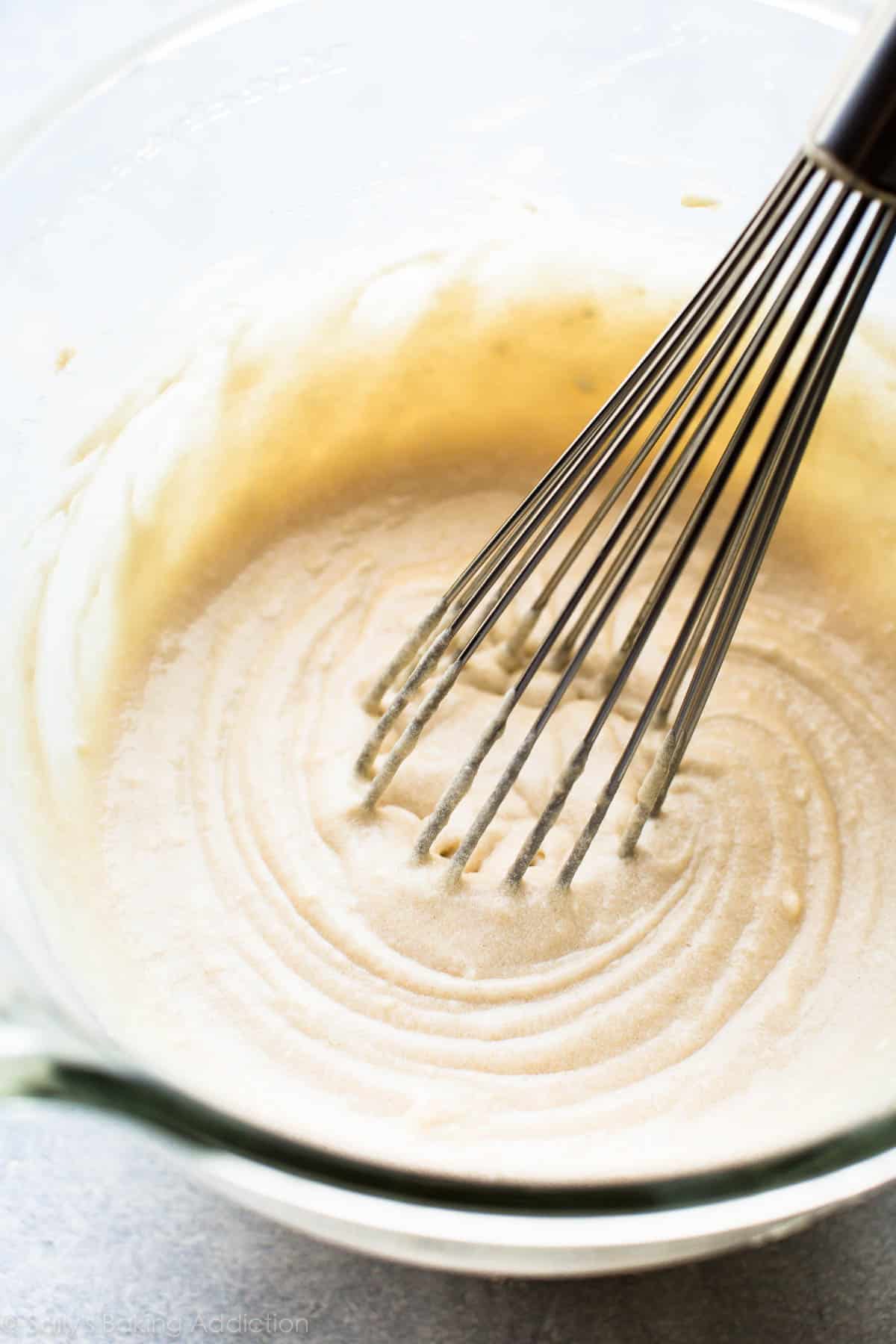
Cake Preparation (Day 1 – or in advance): The foundational step involves baking the vanilla cake from scratch. This is emphasized as a critical make-ahead component, with the recommendation to bake the cake the night before. This allows the cake to cool completely, a non-negotiable step before it can be crumbled. A warm cake would result in a gummy, unworkable mixture, compromising the final texture of the cake pop. The precise scaling of ingredients and the use of the correct pan size (e.g., a 9-inch springform or 11×7-inch pan) are highlighted to ensure the cake bakes evenly and achieves the desired tender yet firm texture necessary for successful crumbling.
-
Buttercream Production: While the cake cools, the homemade vanilla buttercream is prepared. This typically involves creaming softened unsalted butter with sifted powdered sugar until light and fluffy, then incorporating real vanilla extract and a touch of milk or heavy cream to achieve the desired consistency. The quality of ingredients here directly impacts the final flavor and texture of the cake pop’s interior, ensuring a rich, authentic vanilla profile.
-
The "Weirdly Delicious" Combination: Crushing and Mixing: Once the cake is thoroughly cooled, it is crumbled into fine, even pieces. This step is where the transformation truly begins, as the cake’s structure is broken down to be reformed. The crumbled cake is then gradually combined with the prepared vanilla buttercream. The article humorously acknowledges the unusual nature of this step, likening the mixture to a "truffle-like ball," underscoring the innovative spirit behind cake pops. This precise combination forms the malleable dough that is the core of the cake pop, binding the cake crumbs into a cohesive mass.

-
Initial Shaping and Crucial Chilling: The mixture is then rolled into uniform balls. At this initial stage, due to the room temperature and inherent moisture, the balls may be somewhat misshapen or soft. This is where a key success tip comes into play: the chilling period. The freshly rolled cake balls are refrigerated for at least two hours. This cold exposure stiffens the mixture significantly, making it substantially easier to achieve perfectly smooth, round shapes in a subsequent re-rolling step. This chilling is paramount not only for structural integrity but also for achieving the aesthetically pleasing, uniform spheres characteristic of professional cake pops.
-
Dipping and Adherence Techniques: With the cake balls perfectly chilled and shaped, the next stage is dipping. High-quality white chocolate is the preferred coating for its superior taste and smooth melt, though colored candy melts offer a vibrant alternative and can be more cost-effective for large batches, especially when aiming for specific thematic colors. The process of dipping involves two crucial techniques to ensure a flawless finish:
- Stick Adherence: To prevent the cake ball from falling off the stick during handling or consumption, one end of the lollipop stick is first dipped approximately half an inch into the melted coating. This coated end is then inserted firmly into the center of the chilled cake ball, acting as an edible adhesive that securely anchors the cake to the stick. This creates a stable foundation for the entire confection.
- Even Coating: The cake ball, now securely on its stick, is then fully immersed in the melted coating. It is crucial to immerse quickly and completely. Excess coating is then gently tapped off, allowing it to drip back into the bowl, ensuring a smooth, even layer without unsightly pooling. If the coating cracks, it’s often a sign that the melted chocolate was too hot for the cold cake ball; allowing the coating to cool slightly (to around 90-95°F or 32-35°C) before dipping can significantly mitigate this issue, ensuring a seamless finish.
-
Setting and Decoration: Immediately after dipping, if sprinkles or other decorations are desired, they must be applied before the coating sets. The article recommends rainbow sprinkles for white chocolate and white nonpareils for light pink-tinted white chocolate, mirroring the popular Starbucks aesthetic and allowing for creative expression. To ensure the cake pops dry and set without compromising their perfectly round shape, they are placed upright in a large styrofoam block or a makeshift stand, such as a sturdy cardboard box with poked holes. This method allows the coating to harden uniformly around the entire surface, preventing flat spots. The coating typically hardens within an hour, indicating the cake pops are ready for serving or storage.

Supporting Data and Market Implications: The Rise of the Gourmet Home Baker
The enduring popularity of cake pops and the success of from-scratch recipes like this one underscore a significant shift in the consumer landscape: the rise of the gourmet home baker. Online platforms and food blogs have democratized access to complex recipes and advanced techniques, transforming everyday individuals into skilled confectioners. The widespread sharing of recipes, tips, and tutorials, often accompanied by high-quality photography and video, fosters a vibrant community of passionate bakers. Social media platforms like Pinterest and Instagram have played a pivotal role in popularizing visually appealing desserts like cake pops, turning them into aspirational baking projects.
The commercial appeal of cake pops, particularly their child-friendly format and customizable nature, has created a steady demand that extends beyond convenience purchases. Parents, often inspired by celebratory events and a desire for healthier, more transparent ingredients, are increasingly opting to make these treats at home. The ability to control sugar content, use high-quality vanilla extract, and avoid artificial dyes resonates strongly with health-conscious consumers. This aligns with broader food industry trends indicating a preference for "clean label" products.

Furthermore, the "make-ahead" aspect of this recipe speaks to the practical needs of modern life. The option to prepare the cake in advance and freeze the finished cake pops for up to six weeks allows for efficient party planning and reduces last-minute stress. This flexibility enhances the appeal of homemade treats, making them a viable option even for busy schedules. The ability to customize colors and decorations with gel food coloring or various sprinkles also taps into the growing trend of personalized celebrations and social media-worthy presentations, making each batch a unique expression.
Voices from the Baking Community: Testament to a Tried-and-True Recipe
The efficacy and appeal of this homemade cake pop recipe are powerfully echoed by the baking community. Testimonials from readers highlight the recipe’s reliability and the impressive results it yields. Debby, a reader who prepared an astounding 160 vanilla and chocolate cake pops for her daughter’s graduation party, lauded the recipe, stating, "They looked amazing and tasted awesome, too! Many asked where we had purchased them. Thanks, Sally, for your rolling advice, tips, and techniques. It was nice that you could prepare them ahead of time and freeze them." This comment not only validates the recipe’s quality but also underscores the practical benefits of its make-ahead capabilities for large-scale events, a critical factor for event planners and busy hosts.

Another reader, Luisa, shared her first-time success, remarking, "My first time making cake pops and they were perfect! My kids and their friends loved them. This recipe is going to be a staple in our house for special occasions." Luisa’s experience speaks to the recipe’s accessibility for novice bakers, proving that even without prior experience, impressive results are achievable with clear instructions and effective techniques. These testimonials serve as powerful endorsements, demonstrating that the recipe consistently delivers on its promise of delicious, beautifully crafted cake pops, fostering confidence and culinary exploration among its users.
Broader Implications: Empowering Creativity and Mindful Consumption
The proliferation of detailed, from-scratch recipes for popular treats like cake pops signifies a broader cultural movement towards mindful consumption and creative empowerment in the kitchen. By providing comprehensive instructions and invaluable tips, authors like Sally are not just sharing recipes; they are fostering culinary skills and encouraging a deeper engagement with the food we eat. This approach transcends mere replication, inviting bakers to understand the nuances of ingredients and techniques, thereby cultivating a more profound appreciation for the craft of baking. This empowerment contributes to a sense of accomplishment and self-sufficiency, aligning with contemporary values of sustainable living and personal enrichment.

The ability to customize flavors, colors, and decorations transforms the act of baking into an artistic expression. Whether opting for classic vanilla, exploring chocolate variations (as referenced by the accompanying chocolate cake pop recipe), or experimenting with vibrant hues and elaborate sprinkle combinations, bakers are empowered to personalize their creations to suit any occasion or aesthetic preference. This creative freedom, combined with the satisfaction of producing a superior product, reinforces the value of homemade over mass-produced. It also allows for dietary considerations and allergy-friendly adaptations, further expanding the reach and appeal of homemade treats.
In conclusion, the detailed guide to crafting homemade vanilla cake pops is more than just a recipe; it’s a testament to the enduring appeal of quality, the power of artisanal techniques, and the growing community of home bakers dedicated to elevating everyday treats. By embracing homemade components and precise methods, bakers can transform a simple concept into an extraordinary culinary experience, proving that with a little time and dedication, the finest confections are always within reach. The continued evolution of such recipes contributes significantly to a culture that values craftsmanship, flavor, and the joy of sharing truly special homemade delights, fostering a new generation of informed and skilled home confectioners.