
The journey into the nuanced world of coffee, transitioning from a casual necessity to a profound appreciation for its intricate flavors, mirrors a broader trend within the specialty coffee industry. What began as a means to stay awake during a demanding commute post-PhD in chemistry has evolved into a meticulous exploration of extraction science, revealing the depth of a rabbit hole many enthusiasts are now descending. This shift from utilitarian consumption to sensory discernment highlights the "third wave of coffee" movement, particularly vibrant in Scandinavia, where access to lightly roasted, single-sourced specialty coffees through services like Kaffebox subscriptions fosters an environment of continuous discovery.
The Evolution of Coffee Appreciation: From Necessity to Nuance
Initially, coffee served as a functional beverage, a caffeine delivery system essential for focus during long commutes. This experience is common for many, where coffee’s role is primarily pragmatic. However, over time, as the daily ritual solidified, an appreciation for the beverage’s sensory qualities began to emerge. The subtle differences in aroma, body, and flavor profiles became apparent, leading to a deliberate pursuit of higher-quality beans and more refined brewing methods. This personal evolution, spanning over 15 years, reflects a wider societal shift towards valuing origin, processing, and roasting techniques in coffee, moving beyond mass-produced blends to embrace single-origin, specialty varieties.

The extraordinary circumstances of 2020, marked by reduced social interaction, provided an unexpected opportunity for deeper engagement with hobbies. For many, this meant more time for reading, contemplation, and, significantly, coffee experimentation. A "Coffee Advent Calendar" offering 24 days of blind tasting from Kaffebox, featuring diverse roasters from Norway, Sweden, and Denmark, underscored the variability in coffee. Participants often found themselves oscillating between the triumph of correctly identifying bean origin or processing method and the humbling realization of how difficult it can be to distinguish certain coffees, emphasizing the profound impact of processing on flavor. This period of intense sensory exploration, combined with experimenting with different hand grinders, introduced a degree of uncertainty into daily routines, highlighting the challenges of achieving reproducible and controlled pour-over coffee. This frustration, however, proved to be a powerful catalyst for in-depth learning, signaling the beginning of a truly scientific approach to coffee brewing.
Decoding the Brew: Key Parameters in Coffee Extraction
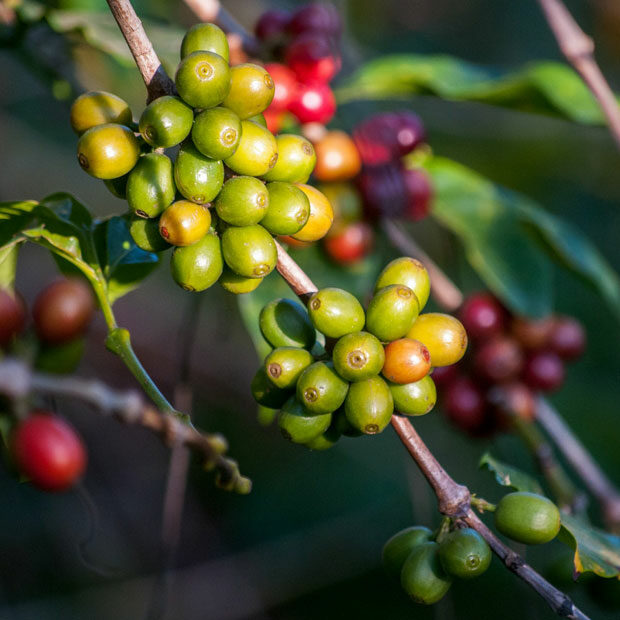
The scientific investigation into coffee is not new, with prior explorations into various extraction methods using water, oil, ethanol, and even brewing beer. Earlier delves into coffee topics, such as Norwegian egg coffee, the convenience of Aeropress, and the effect of salt on coffee, including testing with renowned experts like Tim Wendelboe, merely scratched the surface. The past decade has witnessed an explosion of information and scientific publications relevant to coffee brewing, especially concerning pour-over and drip coffee. This new body of knowledge empowers both professional baristas and home enthusiasts to optimize every aspect of the brewing process. The journey from a coffee fruit on a Coffea arabica shrub to the final cup involves numerous steps, each influenced by farmers, processors, and roasters. While many of these factors are beyond the consumer’s control, selecting high-quality, ethically sourced beans is the first critical step. Once the beans are on the kitchen counter, several parameters can be meticulously controlled to significantly impact the final beverage.
Brew Ratio (BR): The Foundation of Strength
The brew ratio, defined as the amount of water relative to the amount of coffee grounds, is fundamental to any coffee recipe. A common starting point recommended by the Specialty Coffee Association (SCA) is a ratio of 1:16.7 (60 grams of coffee for 1000 grams of water). This metric, analogous to Baker’s percentage in baking, provides a convenient and scalable way to remember and adjust coffee recipes. Brew ratios for black coffee typically fall within the range of 1:15 to 1:25. Understanding and consistently applying a brew ratio is the first step toward reproducible brewing.
Total Dissolved Solids (TDS): Quantifying Coffee Strength
The strength of coffee, often perceived as bitterness, can be precisely quantified using Total Dissolved Solids (TDS). Many coffee drinkers find themselves sensitive to overly strong coffee, where a slight dilution with hot water can transform a "too strong and bitter" cup into one bursting with fruity flavors. This anecdotal observation underscores the importance of TDS measurement. While TDS does not directly measure taste quality, it provides an objective metric to assess coffee strength, helping to identify when parameters are significantly off.
Traditionally, measuring dissolved solids involved gravimetric analysis—evaporating a precisely weighed coffee sample to dryness and weighing the residue. However, this method is impractical for daily use due requiring highly accurate balances for the minute amounts of solids (1.2-1.5%, or 12-15 grams per liter in a typical cup). A more accessible and practical method involves refractometry. Light travels at different speeds through water and dissolved solids, a principle exploited by refractometers.
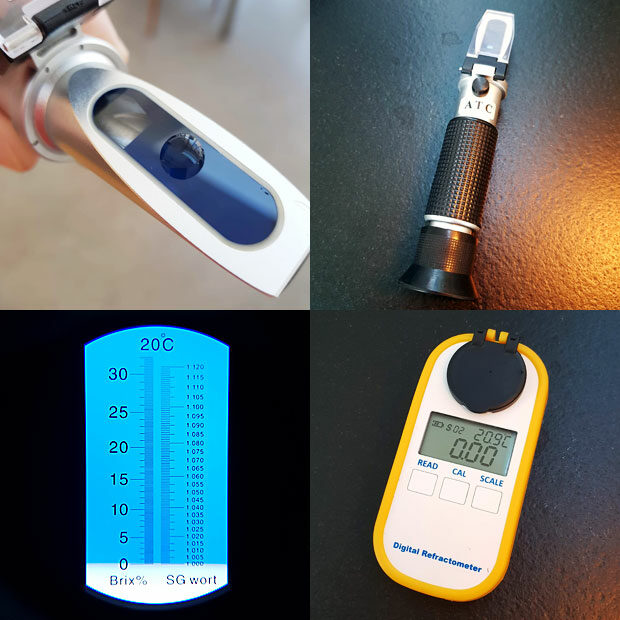
An analogue handheld refractometer, often equipped with a %Brix scale, offers an affordable entry point. By multiplying the %Brix reading by 0.85, one can approximate the %TDS. While these devices typically offer a resolution of 0.0-0.2 %Brix, allowing confirmation if a brew falls within the typical 1.2-1.5% TDS range, they are less suited for fine-tuning. However, they are invaluable for identifying if a coffee’s perceived bitterness or astringency is, in fact, due to excessive strength. Beyond coffee, these versatile tools find multiple uses in the kitchen, from calibrating sugar levels for sorbets (e.g., aiming for 26 %Brix) to measuring specific gravity for beer brewing.
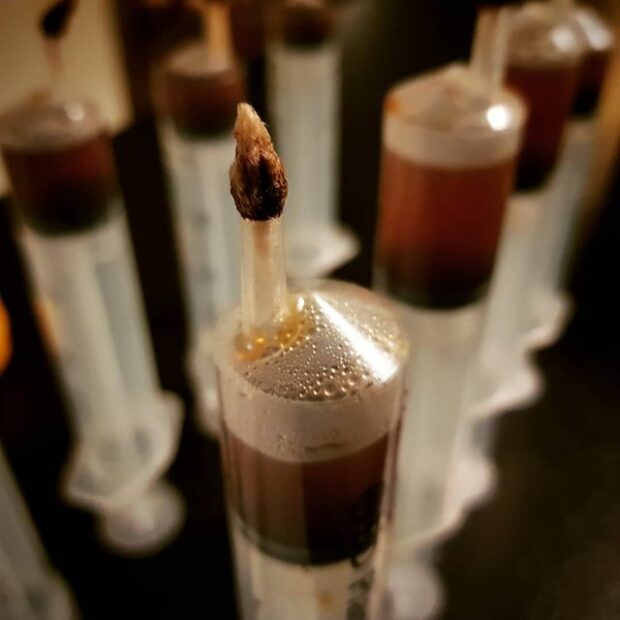
For precise measurements, digital refractometers offer significantly higher accuracy, often with 0.01 °Brix readout and automatic TDS conversion. While more expensive, they represent the gold standard for detailed analysis. When measuring TDS during extraction, samples must be hot-filtered to halt further extraction and then cooled completely before measurement, as temperature significantly affects refractive index. A practical DIY method involves using plastic syringes with a cotton plug for hot filtering and cooling, minimizing evaporation and eliminating the need for costly lab-grade syringe filters. This method allows for efficient workflow and waste reduction.
Extraction Yield (EY and EEY): Unlocking Flavor Potential
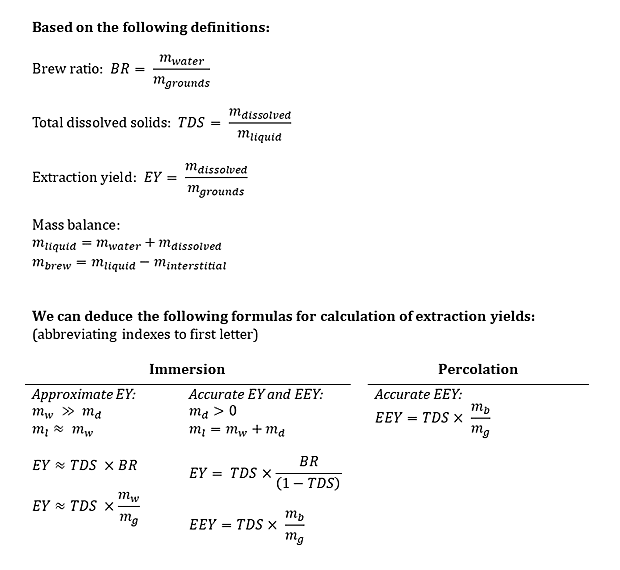
Once TDS is measured, calculating the extraction yield (EY) becomes possible. This metric quantifies the percentage of soluble material extracted from the coffee grounds. The complexities arise in percolation brews due to interstitial liquid remaining within the grounds. To address this, two definitions are often considered:
- Extraction Yield (EY): Focuses on the total mass of dissolved solids relative to the initial mass of dry coffee grounds, suitable for immersion brews where the entire liquid mass interacts uniformly.
- Effective Extraction Yield (EEY): Focuses on the dissolved solids delivered to the cup relative to the initial mass of dry coffee grounds, particularly relevant for percolation brews where not all extracted solids may reach the final beverage.
For percolation brews, EY often equals EEY under certain assumptions, as the interstitial liquid is considered distinct from the final brew. Leading coffee scientists like Scott Rao and Jonathan Gagné have extensively discussed these complexities, emphasizing the importance of clearly defining the calculation method used.
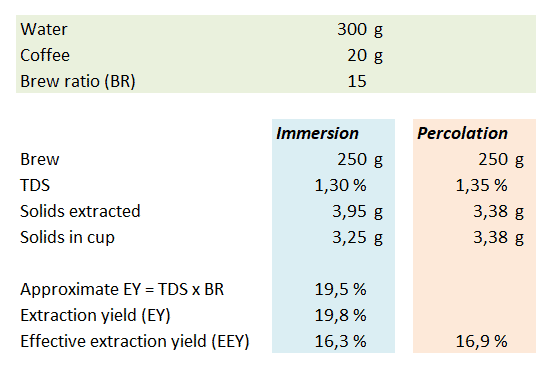
From an economic perspective, EEY (focusing on what’s in the cup) is crucial, as it reflects the efficiency of soluble transfer to the consumer. EY, on the other hand, can offer insights into the overall flavor profile by indicating how much material has been removed from the grounds. A comparative example highlights the difference: using 20g of coffee and 300g of water to yield 250g of brew, an immersion method might result in 1.30% TDS and an EY of 19.8% (precise calculation), with 3.25g of solids in the cup (EEY 16.3%). A percolation method, achieving 1.35% TDS in the cup, would deliver 3.38g of solids (EEY 16.9%). This illustrates that percolation often delivers more solids to the cup, while immersion might extract more overall from the grounds into the total liquid mass, even if not all of it makes it into the final served beverage. The difference in extracted mass (e.g., 3.95g vs. 3.38g in the example) profoundly impacts the flavor profile, given the hundreds of chemical compounds involved. Evaporation, which can significantly affect brew ratio and temperature, is another factor to consider for even more precise calculations, alongside the inherent water content (1-4%) of roasted coffee. The accuracy of yield calculations is directly tied to the precision of coffee ground weighing and TDS measurements; even a 0.1% TDS uncertainty with a handheld refractometer can lead to a substantial +/- 1.7% uncertainty in EY for a 15g coffee dose.
The Science of Grind: Particle Size Distribution (PSD)
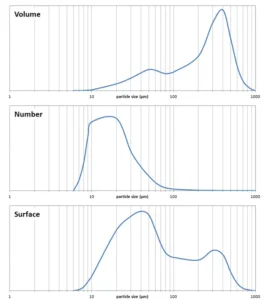
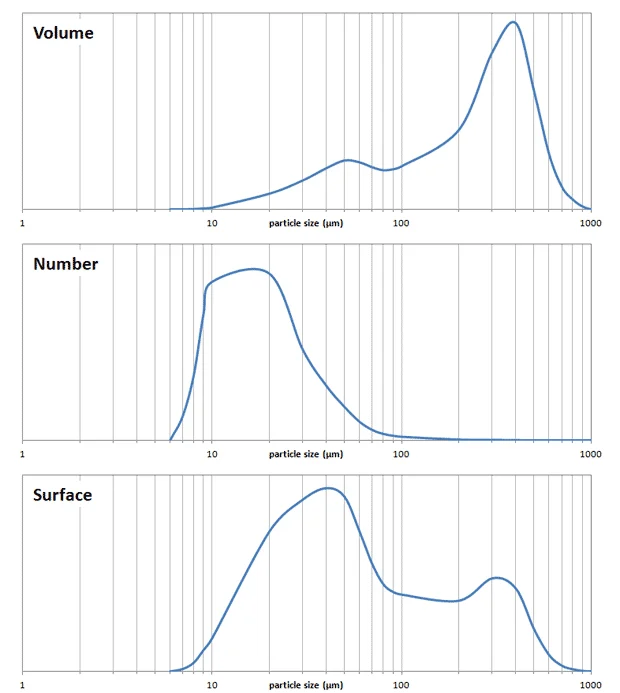
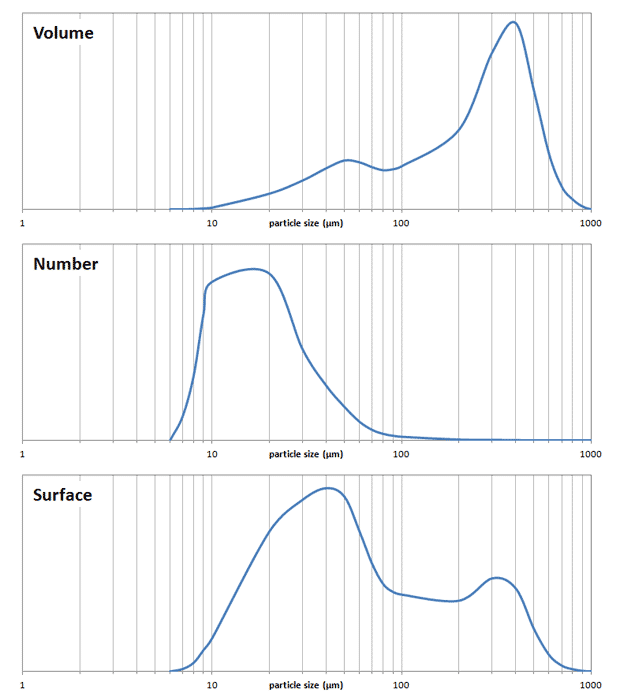
Grinding coffee beans shatters them into a range of particles, from large "boulders" to fine "fines," typically defined as particles smaller than 100 µm. Ground coffee never exhibits a uniform grind size but rather a particle size distribution (PSD). While industrial labs use sophisticated equipment like MicroTrac or Sympatec for PSD analysis, home brewers can use mechanical sifters, such as those made by Kruve, or even image analysis tools. However, fines often clump, leading to underestimation.
Visualizing PSD is crucial. While volume distribution is common, it can be misleading. Number distribution reveals the sheer quantity of fine particles, even if their total volume is small. Most importantly, surface area distribution provides the most accurate picture of extraction potential, as extraction occurs via the particle surface. For instance, over half of the extraction can occur from particles smaller than 100 µm. Research from Barista Hustle suggests that coffee particles are only extracted to a depth of approximately 100 µm, implying that larger particles often contain an unextracted core, representing "wasted" coffee. Despite this, larger particles are vital for forming a stable filter bed, which prevents clogging and reduces drawdown time in pour-over methods.
The ideal grind size and distribution are debated, but for pour-over, a narrower distribution is generally favored for better flow rates and reduced clogging, minimizing fines. Knife grinders produce an inconsistent grind with many fines and should be avoided for coffee. Burr grinders, available in manual and electric forms with various burr materials, geometries (flat vs. conical), and sizes, are the preferred choice. Flat burrs are often found in higher-end machines and can be optimized for espresso (where some fines are desired) or pour-over (where fines are less desirable). Conical burrs are common in hand grinders due to their compact design. Industrial cylindrical grinders can achieve extremely narrow PSDs, suggesting that commercially pre-ground filter coffee, packed under inert atmosphere, might offer superior grind uniformity compared to smaller home equipment. However, the rapid oxidation of ground coffee upon exposure to oxygen makes fresh grinding of whole beans preferable for flavor preservation. Experiments with double grinding (coarse followed by fine) or using grain mills for pre-crushing could potentially narrow PSDs further, though proper evaluation requires precise PSD measurement. Ultimately, for pour-over, the finest grind that allows for sufficient flow rate without clogging is typically sought, a constraint circumvented by pressure-based methods like the Aeropress.
The Imperative of Freshness: Battling Oxidation
The freshness of coffee beans is paramount. Beans should be freshly roasted and stored in airtight bags, with as much air removed as possible. Upon opening, exposure to oxygen initiates oxidation, leading to the degradation of aromatic compounds and the development of stale, rancid flavors as oils oxidize. This process can significantly diminish quality within days. Grinding coffee only immediately before brewing is crucial, as the increased surface area accelerates oxidation. For longer storage, particularly for larger quantities, refrigeration or freezing can slow down chemical reactions, including oxidation, thereby preserving freshness.
Water Chemistry: The Unsung Hero of Flavor
Water is far from a neutral medium; its mineral composition profoundly influences coffee flavor. Just as in beer and tea brewing, specific mineral content can significantly enhance the sensory profile of coffee. Research and practical experimentation have led to detailed "water recipes" for coffee extraction. Key minerals impacting flavor include:
- Bicarbonates: Act as buffers, influencing the acidity and brightness of the coffee. High bicarbonate levels can mute desirable acidic notes.
- Magnesium: Known to enhance sweetness and fruitiness, contributing to a more vibrant cup.
- Calcium: Affects mouthfeel and body, though excessive calcium can lead to chalkiness.
While some recipes recommend starting with distilled water and adding specific salts, this approach is most beneficial in regions with hard water. In areas with naturally soft water, like Norway, the focus shifts to supplementing local tap water with specific minerals to achieve an optimal profile. The SCA provides detailed water quality standards, recommending parameters for hardness, alkalinity, and pH to ensure ideal brewing conditions. This often involves adjusting for total hardness (ideally 50-175 ppm CaCO3), alkalinity (40 ppm CaCO3), and pH (6.5-7.5). The impact of water chemistry is so significant that it is often considered one of the most overlooked variables in achieving consistently excellent coffee.
Temperature Dynamics: Driving Extraction and Perception
Temperature plays a multifaceted role in coffee extraction, influencing solubility, diffusion rates, and ultimately, the types and quantities of molecules extracted. Higher temperatures generally increase the solubility of chemical compounds and accelerate diffusion, leading to a faster and potentially more complete extraction. While maximizing extraction might seem desirable, it doesn’t always equate to the "best possible cup," as different compounds extract at different rates and temperatures. For instance, lighter acids and aromatic compounds tend to extract earlier and at lower temperatures, while more bitter and astringent compounds extract later and at higher temperatures.
The Specialty Coffee Association (SCA) recommends brewing temperatures between 90-96°C (195-205°F) for optimal extraction. Deviating from this range can lead to under-extraction (sour, weak coffee) or over-extraction (bitter, astringent coffee). Cold brewing, a deliberate low-temperature extraction, exemplifies temperature’s impact. Conducted typically overnight in a refrigerator, cold brews produce a distinct flavor profile due to the slower extraction rates and altered solubility of compounds. Furthermore, the temperature at which coffee is tasted significantly affects sensory perception; sweetness and bitterness are attenuated as a beverage cools, while sourness and saltiness remain more stable, highlighting the importance of serving temperature.
Filter Mediums: Shaping Clarity and Mouthfeel
The choice of filter material significantly influences the clarity, body, and mouthfeel of the final coffee. Paper filters are highly effective at retaining fine particles, contributing to a "clean" cup profile. The human palate can detect microscopic particles, with a "just noticeable difference" for particle size in chocolate reported at around 5 µm. This explains why a French press, which uses a metal mesh filter, often tastes "muddy" or offers a pronounced "body" or "texture" due to residual fines, compared to the "clean" taste of a Chemex brew, which utilizes a much thicker paper filter. The visible residue at the bottom of a French press cup further illustrates this difference. While reusable metal, plastic, or cloth filters offer cost savings over time, paper filters remain a relatively inexpensive component, especially in the context of specialty coffee.
Beyond particulate filtration, paper filters also retain coffee oils, which are crucial contributors to taste and mouthfeel in an espresso. Experimenting with metal filters can serve as a benchmark to understand the sensory impact of these oils. A wide array of paper filters exists, broadly categorized into bleached and unbleached. While environmental concerns might favor unbleached filters, bleached filters typically contain fewer residues that could impart unwanted flavors. Modern bleaching processes largely avoid chlorine, using other oxidizing agents to produce pure cellulose. The scientific rigor applied to filter paper in chemistry labs, exemplified by Whatman filter papers with diverse pore sizes and flow rates, highlights the potential for greater specificity in coffee filtration. Research, such as that published on Coffee Ad Astra, has delved into the microscopy and performance characteristics of various coffee filters (Hario, Chemex, Cafec, Aesir, Whatman), though it’s important to note that filter performance can change when wet due to cellulose swelling.
Implications for the Modern Brewer: Bridging Science and Practice
The scientific principles governing coffee extraction provide a robust framework for improving brewing consistency and exploring new flavor dimensions. For home brewers, understanding these parameters empowers them to move beyond trial and error, making informed adjustments to their technique. For cafes and professional baristas, this scientific approach ensures consistency across different batches and allows for precise recipe development, catering to diverse palates and bean characteristics. The insights gained from measuring TDS, calculating EY, and analyzing PSD contribute directly to achieving the SCA Gold Cup Standard, which aims for a TDS of 1.15-1.35% and an extraction yield of 18-22%.
The recommended hierarchy for exploring these parameters emphasizes a logical progression:
- Brew Ratio, Total Dissolved Solids (TDS), and Extraction Yield (EY/EEY): These interconnected parameters form the core of understanding coffee strength and soluble extraction.
- Grind Size and Particle Size Distribution (PSD): Crucial for controlling extraction rate and preventing clogging.
- Freshness of Beans: While essential, even the freshest beans cannot compensate for incorrect brewing parameters.
- Temperature: Affects extraction kinetics and sensory perception.
- Water Composition: The subtle but profound impact of minerals on flavor.
- Filter Material: Influences clarity, body, and the presence of oils.
This systematic approach ensures that fundamental brewing elements are optimized before delving into more nuanced adjustments. For many enthusiasts, the initial focus remains on mastering brew strength and extraction, often guided by tools like the "Coffee Compass" from Barista Hustle, which provides a visual guide to diagnosing common flavor issues (e.g., sour/under-extracted, bitter/over-extracted, weak, strong).
The Path Forward: Continuous Learning and Refinement
The world of coffee science is dynamic, with ongoing research continually refining our understanding of extraction. The increasing accessibility of tools like refractometers and the proliferation of detailed scientific blogs and publications signify a new era for coffee enthusiasts. While personal preferences will always play a role, a scientific foundation provides the tools to consistently achieve desired flavor profiles and troubleshoot brewing challenges effectively. As one continues to explore the vast landscape of coffee, from different origins and processing methods to varying roast levels, the journey remains one of continuous learning, refinement, and sensory discovery, ensuring that each cup offers an opportunity for both enjoyment and deeper understanding. The integration of chemistry, physics, and sensory science into daily brewing rituals transforms a simple morning beverage into an endlessly fascinating subject of study and appreciation.