
The domestic culinary landscape is undergoing a significant transformation as consumers increasingly pivot away from processed, pre-packaged goods in favor of "Do-It-Yourself" (DIY) pantry staples. At the forefront of this movement is the adoption of homemade dry mixes, a trend driven by a dual-pronged desire for economic efficiency and greater control over nutritional intake. Recent data suggests that producing a brownie mix at home can reduce the cost per serving to "pennies on the dollar," providing a sustainable alternative to the premium pricing of commercial boxed mixes. This shift is not merely about frugality; it represents a broader movement toward health-conscious baking, where ingredients like sucralose and low-fat fats are replacing traditional sugars and oils to accommodate modern dietary requirements, including those managed by diabetics and weight-conscious individuals.
The Economic and Nutritional Shift in Home Baking
The resurgence of the DIY brownie mix is a direct response to the rising costs of consumer packaged goods (CPG). While store-bought brownie mixes offer convenience, they often come with a hidden cost: a significant markup for branding, packaging, and chemical preservatives. By assembling a mix in bulk—yielding approximately 8 cups or 1 kilogram of dry product—home cooks can produce enough base material for five full pans of brownies. This volume-based approach allows for the procurement of ingredients like flour, cocoa powder, and sweeteners in bulk, which drastically lowers the unit price.

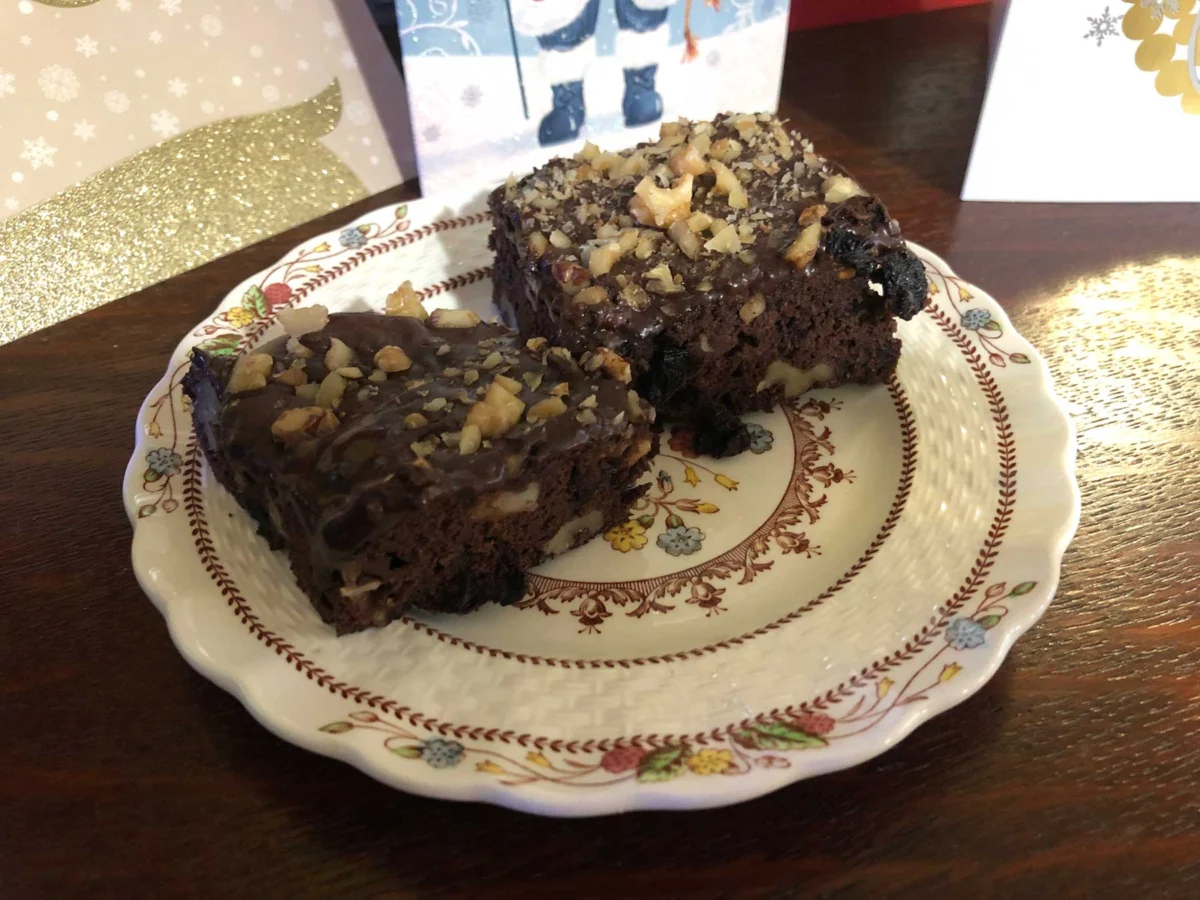
Beyond the financial incentives, the nutritional flexibility of DIY mixes provides a level of customization that commercial products rarely match. The current industry standard for these homemade formulations often emphasizes "cake-style" brownies over the denser "fudgy" varieties. This preference is frequently tied to the use of sugar substitutes. For instance, the integration of Splenda (sucralose) allows for a sugar-free base that significantly reduces the glycemic load of the final dessert. According to nutritional analysis, a 50-gram brownie square made from such a mix, using low-fat margarine and no nuts, contains approximately 116 calories and 8 grams of fat. This transparency in labeling, which is often obscured in restaurant or bakery settings, empowers consumers to make informed choices.
Chronology of the DIY Mix Development
The development of the current standardized DIY brownie mix can be traced back to the early 2020s, a period marked by a global surge in home baking and a subsequent interest in long-term pantry storage. In June 2021, the recipe for a single-batch brownie was adapted by culinary researchers at Healthy Canning from a base formula originally published by the Splenda brand. The goal was to convert a singular recipe into a scalable, shelf-stable dry mix that could be stored and utilized with the same convenience as a commercial "add-water-and-oil" box.
Following the initial adaptation, the recipe underwent rigorous testing to ensure consistency across various sweeteners. While the primary formula utilizes sucralose, testing has confirmed that granulated white sugar can be substituted at a ratio of 4 cups (900 grams) per 1-kilogram batch of mix. By late 2021, the DIY mix had been further refined to include variations for powdered stevia and generic sucralose, ensuring that the recipe remained accessible regardless of brand availability or specific dietary restrictions.

Technical Specifications and Yield Data
For the professional home baker or the meal-prepping enthusiast, the technical data regarding yields and weights is critical for inventory management. A single batch of the DIY Brownie Mix produces 1 kilogram (approx. 8 cups) of dry material. When prepared, a single pan of brownies (roughly one-fifth of the total mix) results in a finished product weighing approximately 420 grams (15 ounces).
Standard serving sizes are calculated as follows:
- Total Mix Weight: 1 kg / 8 cups.
- Batch Yield: 5 pans of brownies.
- Per Pan Servings: 9 squares.
- Individual Square Weight: Approximately 50 grams (2 ounces).
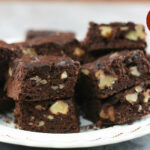
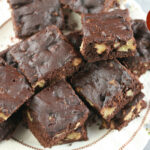
- Nutritional Impact of Additives: The addition of walnuts increases the caloric count per square from 116 to 131 calories and raises the fat content from 8 grams to 10 grams.
For those utilizing the Weight Watchers (WW) points system, these brownies are particularly efficient. A standard square registers at 2 SmartPoints on the freestyle plan, with an additional point added if nuts are included. This precision allows the DIY mix to fit into structured weight-management programs that typically exclude traditional high-sugar baked goods.
Safety Protocols and Public Health Considerations
As the popularity of DIY mixes grows, public health officials and food safety experts have emphasized the importance of handling raw ingredients with the same rigor as perishable proteins. A critical component of the DIY brownie mix process is the management of raw flour. In recent years, the CDC and FDA have issued multiple warnings regarding the presence of pathogens like E. coli and Salmonella in untreated wheat flour.
The "Healthy Canning" guidelines for this mix explicitly state that raw flour should be regarded with the same caution as raw meat. This is because the milling process does not involve a "kill step" to eliminate bacteria. Therefore, bakers are instructed to:
- Wash hands thoroughly after handling the dry mix.
- Sanitize all surfaces that come into contact with the flour.
- Avoid "tasting" the raw batter, a common but risky practice in home kitchens.
By treating the dry mix as a raw agricultural product until it is fully baked, consumers can enjoy the benefits of homemade convenience without compromising their health or safety.

Broader Implications for Sustainability and the CPG Industry
The move toward DIY mixes has significant implications for environmental sustainability. Commercial brownie mixes contribute to a massive amount of single-use packaging waste, including cardboard boxes and plastic interior liners. By using reusable glass jars or bulk storage containers for a 1-kilogram batch of homemade mix, consumers can significantly reduce their household’s plastic footprint.
Furthermore, this trend signals a shift in the Consumer Packaged Goods (CPG) industry. As more households realize the ease of creating their own mixes—often using ingredients already present in the pantry—large-scale manufacturers may face pressure to justify the price premiums of their products. The "convenience gap" is narrowing; while a store-bought box saves a few minutes of measuring, a DIY mix stored in a pantry offers the same "instant" accessibility with the added benefits of cost savings and ingredient purity.
Market Reactions and Consumer Sentiment
While official statements from major food conglomerates are rare regarding the DIY movement, the market’s response is visible through the increasing availability of bulk baking ingredients in retail settings. Industry analysts observe that the "Great Resignation" and the shift toward remote work have provided consumers with more time to manage their households, leading to a "homesteading lite" culture.
Reaction from the health and wellness community has been overwhelmingly positive. Registered dietitians note that the ability to swap traditional sugar for sucralose or stevia in a bulk mix format makes indulgence more sustainable for those with chronic conditions. "When a patient can make a pan of brownies that fits into their diabetic meal plan for a fraction of the cost of ‘specialty’ diet foods, it’s a win for both their health and their wallet," says one industry consultant.
The DIY Brownie Mix represents more than just a recipe; it is a synthesis of economic pragmatism, nutritional science, and food safety awareness. As households continue to navigate an era of fluctuating food prices and heightening health consciousness, the ability to produce high-quality, customizable, and safe pantry staples will likely transition from a hobby to a fundamental kitchen skill. With 116 calories per serving and the ability to serve an entire family for pennies, the DIY approach is setting a new standard for the modern American dessert.