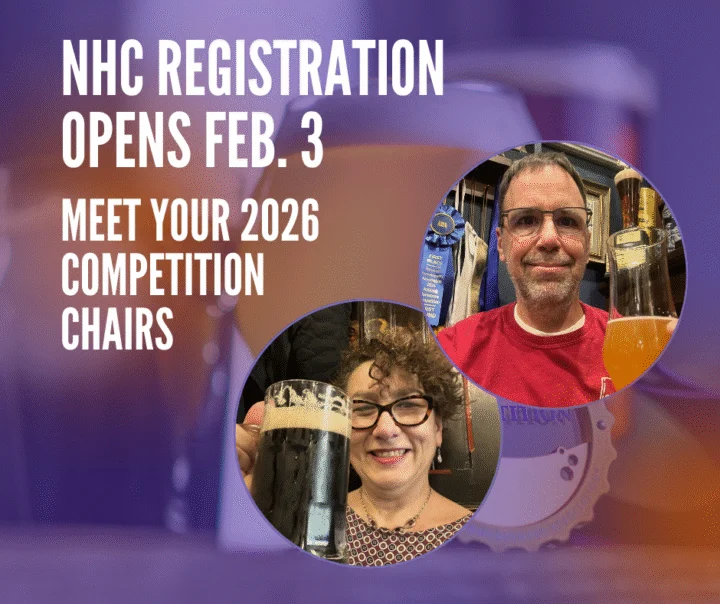

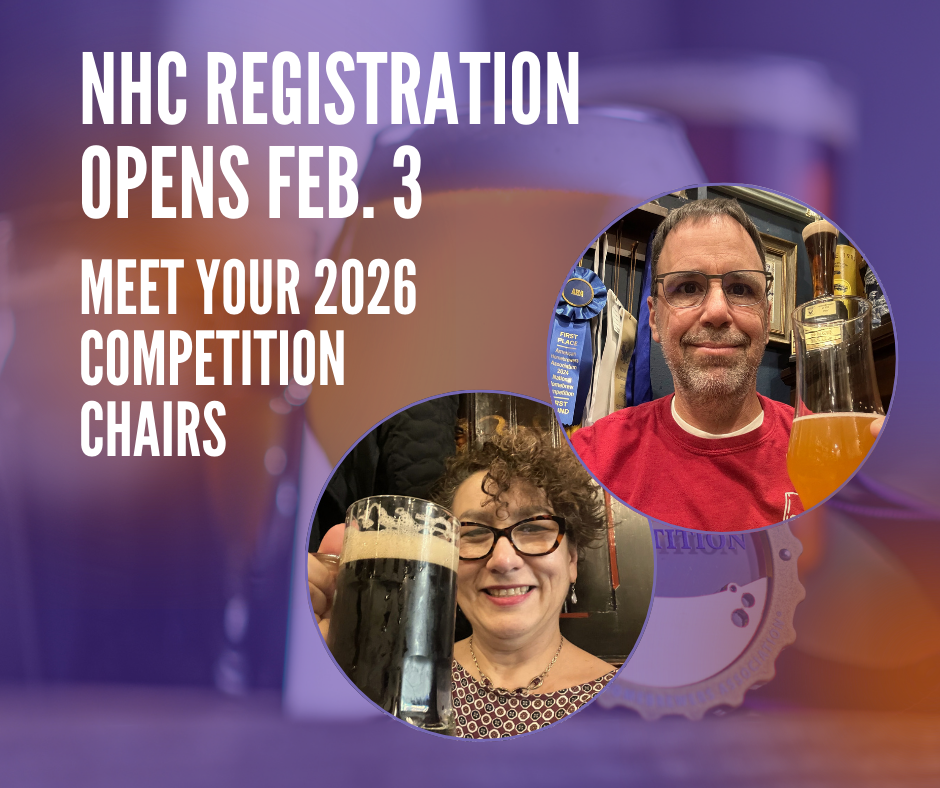
The American Homebrewers Association (AHA) has officially announced the appointment of Charlie Harr as the new chair and Jen Pereira as the deputy chair of the National Homebrew Competition (NHC). This strategic leadership transition comes at a pivotal moment for the organization, as it prepares for the 2026 competition cycle, with the entry window scheduled to open on February 3, 2026. As the most prestigious and expansive competition of its kind globally, the NHC serves as a critical benchmark for excellence in the production of home-brewed beer, mead, and cider. The appointment of Harr and Pereira reflects the AHA’s commitment to a member-driven governance model, drawing on decades of logistical expertise and sensory evaluation mastery to guide the competition into its next era.
A New Era of Leadership for the World’s Largest Homebrew Stage
The selection of Charlie Harr and Jen Pereira follows a rigorous search for leaders capable of managing the complex operations of a global competition while maintaining the educational standards that the AHA has championed since its inception. Charlie Harr, stepping into the role of NHC Chair, brings a professional background defined by over 20 years of experience in operations and event management. His expertise is particularly focused on the logistical scaffolding required to execute large-scale, sanctioned competitions.
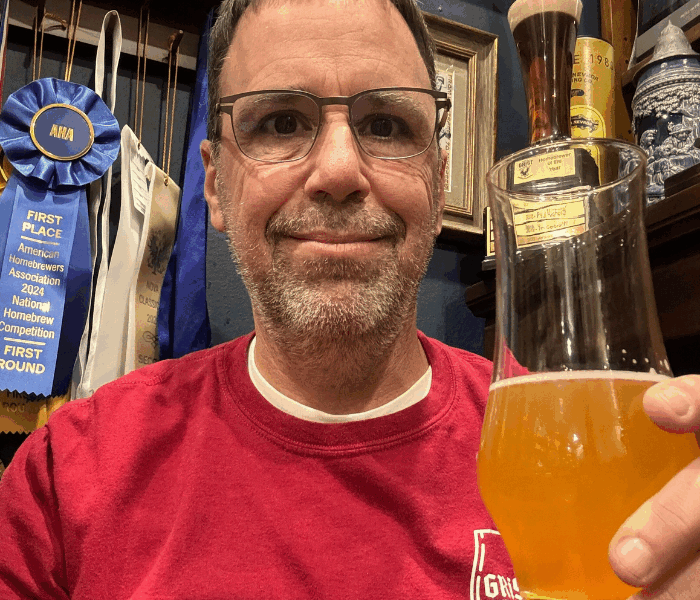
Harr is a familiar figure within the Virginia brewing community, where he serves as the head judge for the Virginia Craft Brewers Guild. In that capacity, he has been responsible for overseeing AHA and Beer Judge Certification Program (BJCP) sanctioned events, which involve the coordination of hundreds of entries, the recruitment of qualified judges, and the management of volunteer teams. Harr’s move to the NHC chair position is viewed as a natural progression of his long-standing membership in the AHA and his personal history as an NHC competitor. Currently pursuing his BJCP National Judge certification, Harr represents the bridge between the technical rigors of judging and the operational demands of event hosting.
Supporting Harr is Jen Pereira, who assumes the role of Deputy Chair. Pereira’s resume is an exhaustive catalog of beverage education and certification. With more than 25 years in the industry, she holds the prestigious title of BJCP National Beer Judge, is a Certified Cicerone®, and possesses a WSET Diploma. Her academic background as an associate professor at Johnson and Wales University for over two decades provides her with a unique perspective on the pedagogical aspects of brewing. Pereira is also the founder of the Ocean State Home Brew Competition and the Rhode Worthy Cup, demonstrating her ability to build competition frameworks from the ground up. Her deep-seated involvement in the homebrewing community ensures that the NHC remains grounded in the grassroots spirit that defines the hobby.
Historical Context: From Humble Beginnings to Global Influence
The National Homebrew Competition is not merely a contest; it is a historical institution that has mirrored the growth of the American craft beer movement. Founded in 1979, the inaugural competition saw only 34 entries. At that time, homebrewing had only recently been legalized at the federal level in the United States, following legislation signed by President Jimmy Carter in late 1978. The AHA, founded that same year by Charlie Papazian, sought to provide a structured environment where enthusiasts could receive objective feedback on their fermentations.
Since those early days, the scale of the NHC has expanded exponentially. By the mid-2020s, the competition had evolved into a massive undertaking involving tens of thousands of evaluations. The AHA reports that since 2025, approximately 170,000 entries have been evaluated through its various sanctioned platforms, underscoring the NHC’s role as the definitive proving ground for amateur fermenters. Winning a medal at the NHC is often considered the highest honor a homebrewer can achieve, and many of the most successful professional brewers in the world today began their careers by finding success on the NHC stage.
The timeline for the 2026 competition is already set. Following the opening of entries on February 3, the submission window will remain active until February 25. This brief three-week period requires significant preparation from entrants, who must time their brewing schedules to ensure their beer, mead, or cider is at peak freshness and carbonation for the judging panels.
Organizational Strategy and Member-Driven Governance
The appointment of Harr and Pereira is part of a broader organizational shift within the AHA to empower its members. Julia Herz, the Executive Director of the AHA, emphasized that the association is "extremely fortunate" to have leaders of this caliber who are willing to volunteer their time and expertise. The NHC is a volunteer-heavy organization, relying on a vast network of judges, stewards, and subcommittee members to function.
Harr and Pereira will work closely with the NHC Subcommittee, currently led by prominent AHA members Sandy Cockerham and Amanda Burkemper. This collaborative structure is designed to ensure that the competition remains responsive to the needs of the brewing community while adhering to the strict sensory standards of the BJCP. By integrating seasoned organizers like Harr with academic and sensory experts like Pereira, the AHA aims to refine the feedback loop provided to brewers, ensuring that every entry—regardless of whether it wins a medal—provides a learning opportunity for the entrant.
The Economic and Cultural Impact of Homebrewing
While the NHC is a competition for amateurs, its influence on the broader beverage industry is profound. Homebrewers are often the primary drivers of innovation in the craft sector, experimenting with rare ingredients, historical styles, and novel fermentation techniques long before they reach the commercial market. The NHC provides a centralized data point for these trends, allowing the AHA to track the shifting preferences of the brewing public.
The AHA’s vision—"A homebrewer in every neighborhood and a homebrew club in every community"—speaks to the cultural significance of the hobby. Homebrewing fosters local economies through the support of homebrew supply shops and provides a social framework through thousands of local clubs. The NHC serves as the annual summit for this community, a place where the best of the best are recognized.
For the 2026 cycle, the AHA is encouraging members to begin their preparations immediately. The competition evaluates entries based on the BJCP Style Guidelines, a rigorous set of criteria that covers aroma, appearance, flavor, mouthfeel, and overall impression. To compete at this level, brewers must demonstrate not only technical proficiency in the brewhouse but also a deep understanding of style profiles and sensory analysis.
Supporting Data and Competition Mechanics
The sheer logistics of the NHC are a testament to the AHA’s organizational capacity. Each year, thousands of bottles are shipped to various regional judging sites across the United States. These entries are sorted, stored in temperature-controlled environments, and eventually presented to panels of certified judges in "blind" flights.
To maintain the integrity of the competition, judges do not know the identity of the brewer or the specific brand of ingredients used. They are provided only with the category and any necessary sub-style information (such as the type of fruit in a fruit beer or the strength of a mead). This level of anonymity ensures that the awards are granted solely on the merit of the liquid in the glass.
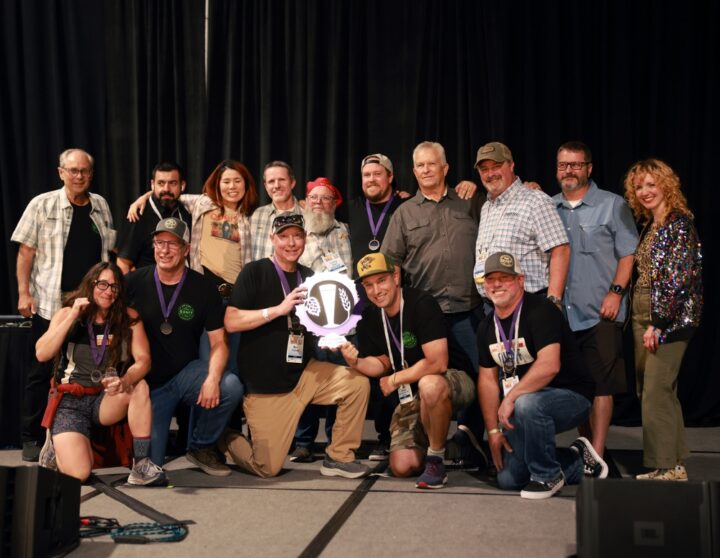
The 2026 competition will continue to utilize this multi-stage judging process. Preliminary rounds serve to narrow the field, with the highest-scoring entries advancing to the final round. At the finals, the "best of show" winners are selected from the gold medalists of each category, representing the pinnacle of brewing achievement for that year.
Looking Ahead: The Road to the 2026 NHC
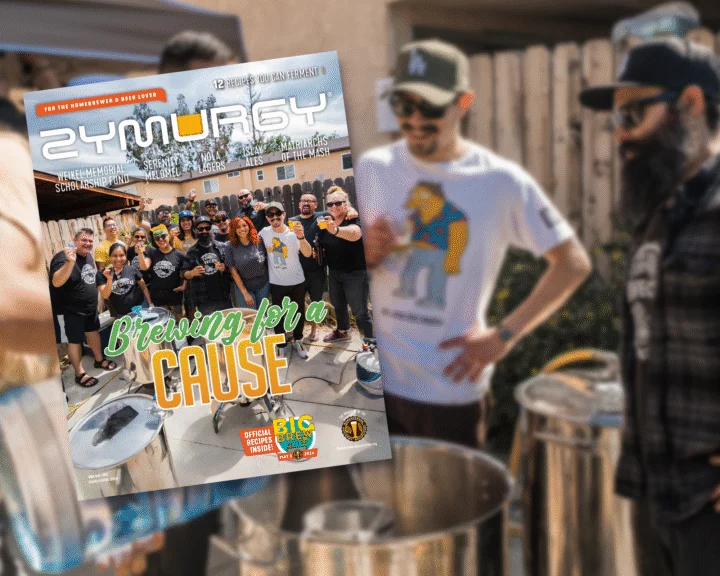
As the February 3 entry date approaches, the AHA is focusing its resources on member outreach and education. The association offers a variety of resources, including Zymurgy magazine and an extensive database of NHC-validated recipes, to help brewers refine their techniques.
The transition to the leadership of Charlie Harr and Jen Pereira is expected to bring a renewed focus on the transparency and efficiency of the judging process. Harr’s background in large-scale event logistics will be instrumental in managing the influx of entries, while Pereira’s educational background will likely influence the way feedback is communicated back to the participants.
For the global homebrewing community, the 2026 National Homebrew Competition represents more than just a chance at a medal; it is an opportunity to participate in a tradition that has defined the hobby for nearly half a century. With new leadership at the helm and a clear timeline in place, the AHA is positioned to continue its mission of celebrating and advancing the art of home fermentation.
The AHA remains a member-funded and member-directed organization. Those interested in participating in the 2026 NHC must ensure their membership is active prior to the entry window. As the brewing world looks toward February, the focus remains on the pursuit of the perfect pint, the most balanced mead, and the crispest cider, all under the guidance of a leadership team dedicated to the highest standards of the craft.