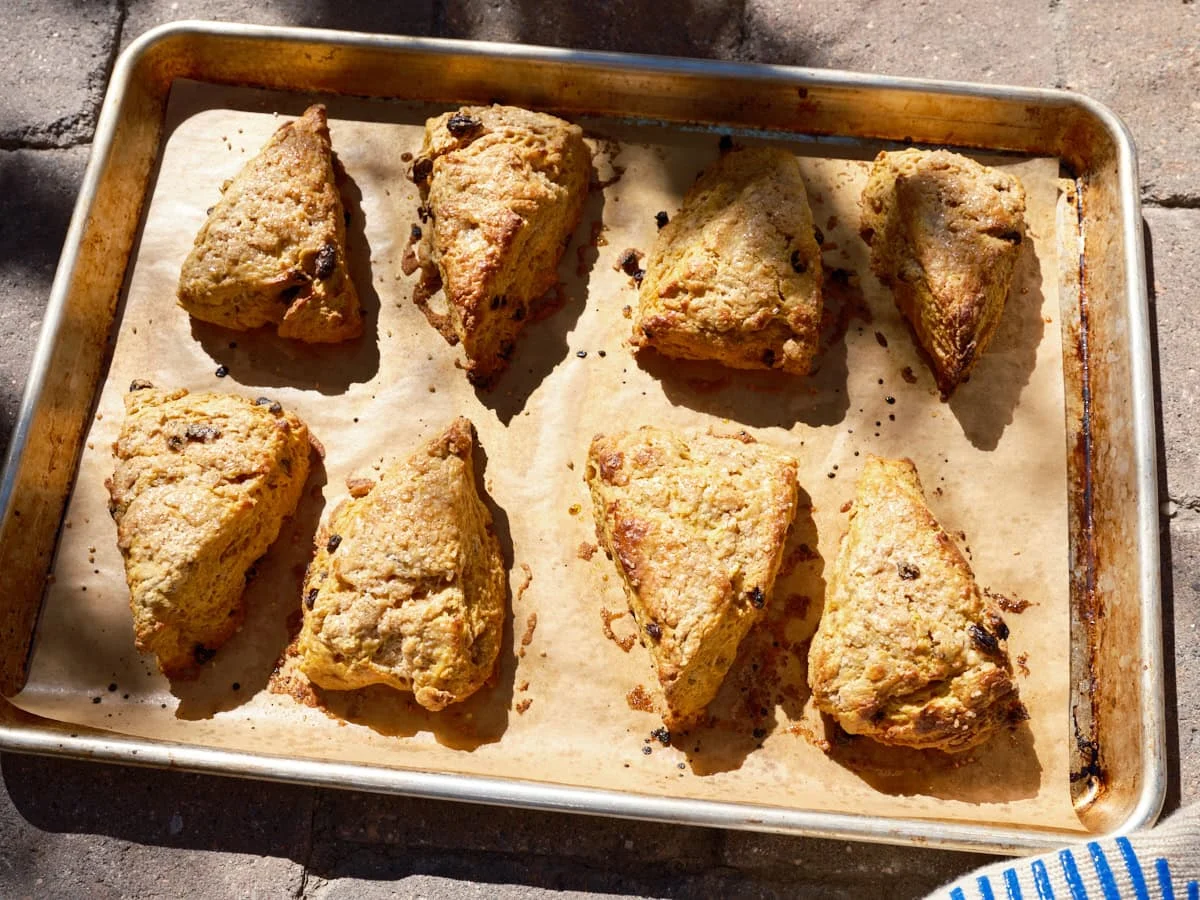

The allure of pumpkin-spiced everything often signals the arrival of autumn, and for baking enthusiasts, it’s an invitation to experiment with seasonal flavors. This year, a new iteration of a beloved fall classic has emerged: Sourdough Pumpkin Scones, a recipe that promises a delightful balance of rustic earthiness and tender sweetness, with particular attention paid to achieving a superior rise, especially for those baking at higher elevations. The creator of this recipe emphasizes a departure from the traditionally dense scone, aiming for a soft interior complemented by a sturdy, craggy crust – a textural duality that blurs the lines between scone and biscuit, but firmly lands on the "sweet" side, according to the author.
The development of these scones has been a multi-year endeavor, refined through experimentation to achieve a remarkably tall rise, a characteristic that can be elusive in baking, particularly at altitudes where atmospheric pressure differs significantly. This focus on height is not merely aesthetic; it contributes to a more desirable texture, avoiding the flatness that can sometimes plague scones. The author draws a parallel to the challenges and solutions encountered when baking sourdough bread at high altitudes, noting that small adjustments can yield dramatically different results, transforming a potentially flat baked good into a proudly risen creation.
The Science Behind the Rise: Key Ingredients and Techniques
The recipe’s success hinges on several key ingredient choices and baking techniques. A fundamental element is the use of whole-grain einkorn flour. While the recipe acknowledges that this ancient grain may not be readily available to all, it offers a readily accessible substitute: any whole wheat flour. The author specifically recommends varietals like Red Fife, Butler’s Gold, or Marquis for their distinct earthy notes, which are believed to harmonize beautifully with the sweetness of pumpkin and the subtle tang of sourdough. The inherent earthiness of whole grains is seen as a critical component in balancing the sweetness, creating a more complex flavor profile.
A cornerstone of the scone’s tender and flaky texture is the inclusion of buttermilk. While lower in fat than heavy cream, buttermilk’s acidity plays a crucial role. The low pH of buttermilk interacts with the gluten structure, making it more relaxed and extensible. This is particularly beneficial when working with whole-grain flours like einkorn, which can have a more delicate gluten network. The acidic nature of buttermilk is not only instrumental in tenderizing the dough but also contributes a delightful tang that complements the fermented notes from the sourdough starter and the natural sweetness of the pumpkin. This approach differs from recipes that rely on high-fat ingredients like heavy cream, which achieve flakiness by coating flour particles and creating distinct layers through the melting of cold fat during baking. Both methods yield tender results, but the buttermilk approach offers a unique flavor dimension.
The quest for a taller scone also led to the exploration of baking methods. Convection baking is highlighted as a significant advantage. The intense, circulating heat of a convection oven rapidly sets the outer edges of the scones in the initial stages of baking. This "setting" effect helps to prevent the dough from spreading outwards, thereby promoting an upward rise. For bakers whose ovens lack a convection setting, a workaround is suggested: increasing the baking temperature by approximately 25°F (about 14°C) for the initial minutes of baking. This elevation in temperature can mimic the quick crust formation achieved in convection ovens, encouraging a similar vertical expansion.
Addressing Common Baking Queries: A FAQ for Sourdough Pumpkin Scones
The development of any recipe, particularly one that involves the nuances of sourdough and high-altitude baking, often generates questions. To address these, a frequently asked questions (FAQ) section has been compiled, offering practical solutions for common baking challenges.
-
Pumpkin Puree Substitutions: For those who may not have pumpkin puree on hand or wish to explore other flavors, alternatives such as sweet potato puree or butternut squash puree are recommended. These should be used in the same weight as the pumpkin. For a slightly sweeter profile, applesauce or mashed banana can be employed, though they are naturally sweeter and may require minor adjustments to other sweetening agents in the recipe.
-
Flour Variations: The primary recommendation for flour substitution remains whole wheat flour when einkorn is unavailable. The specific varietals of whole wheat mentioned (Red Fife, Butler’s Gold, Marquis) are noted for their complementary flavor profiles.
-
Buttermilk Alternatives: For bakers who do not regularly keep buttermilk in their refrigerator, a simple homemade substitute can be prepared by combining 1 teaspoon (5g) of white vinegar or lemon juice with 70g of whole milk. Allowing this mixture to sit for approximately five minutes will result in a slightly curdled liquid that effectively mimics buttermilk. Kefir is also presented as a direct one-to-one substitute.
-
Inclusion Options: For individuals who prefer to omit raisins, dried cranberries are suggested as a suitable alternative. Fresh or frozen blueberries are also offered as a potential variation, promising a refreshing twist on the classic flavor combination.
Beyond the Scone: Further Culinary Exploration
The creation of these sourdough pumpkin scones often leaves home bakers with surplus pumpkin puree, prompting suggestions for further seasonal baking endeavors. The article points to a delicious loaf of Pumpkin Cinnamon Sourdough Bread as an ideal way to utilize leftover puree. For a quicker and simpler option, Pumpkin Pancakes are also recommended, extending the autumn-inspired flavors into breakfast or brunch.
The inspiration behind this refined recipe is credited to Michele, who has been instrumental in its development over several years. This collaborative effort underscores the iterative process of recipe creation, where feedback and experimentation lead to a perfected final product.
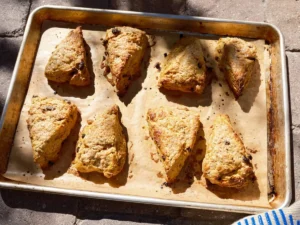
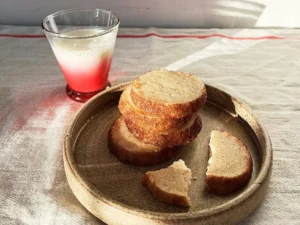
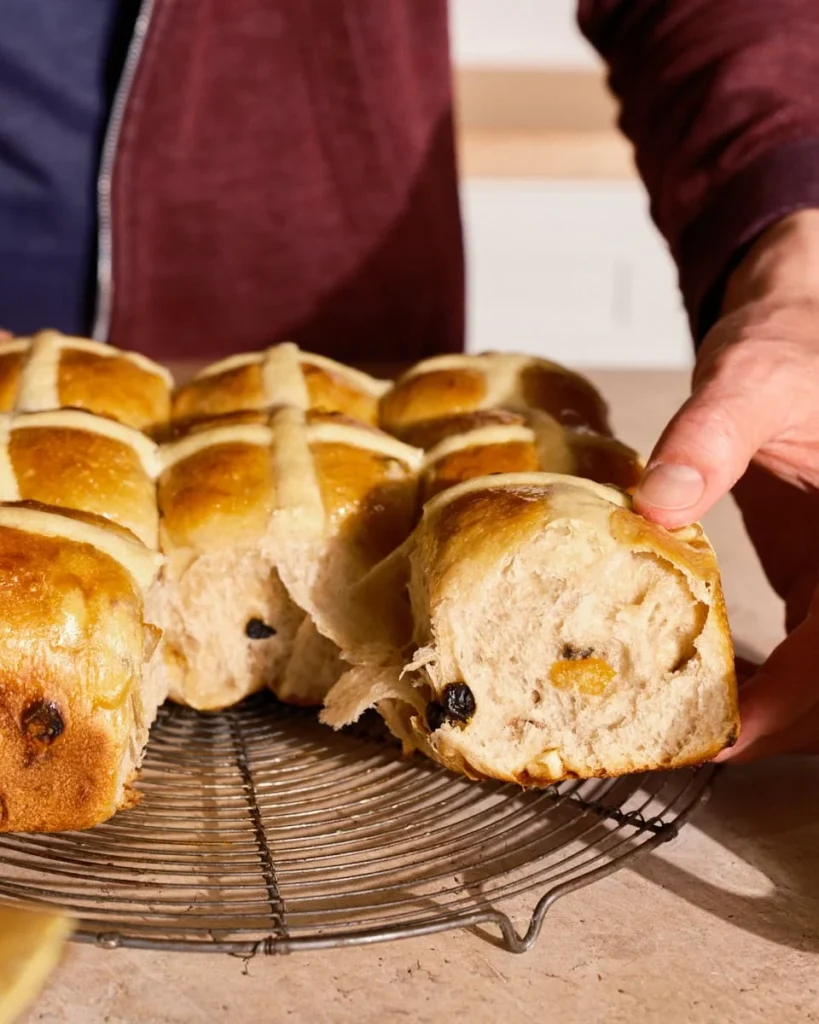
The recipe itself, presented in a structured format, details the necessary ingredients and step-by-step instructions. While the specific quantities for ingredients and detailed steps are not provided in the source text, the structure implies a comprehensive guide for replicating the scones. The accompanying imagery showcases the finished product: tall, golden-brown scones with a visibly craggy texture, hinting at the delightful contrast between a crisp exterior and a tender crumb. The inclusion of raisins in some visuals suggests their role as a common addition to the scone mixture, providing bursts of sweetness and chewiness.
The underlying success of these sourdough pumpkin scones can be attributed to a thoughtful approach to ingredient selection and technique. By leveraging the properties of einkorn flour, the acidity of buttermilk, and the benefits of convection baking, the recipe aims to overcome common baking hurdles, particularly those associated with high-altitude environments. This focus on technical precision, combined with the comforting flavors of pumpkin and sourdough, positions these scones as a noteworthy addition to any autumn baking repertoire.