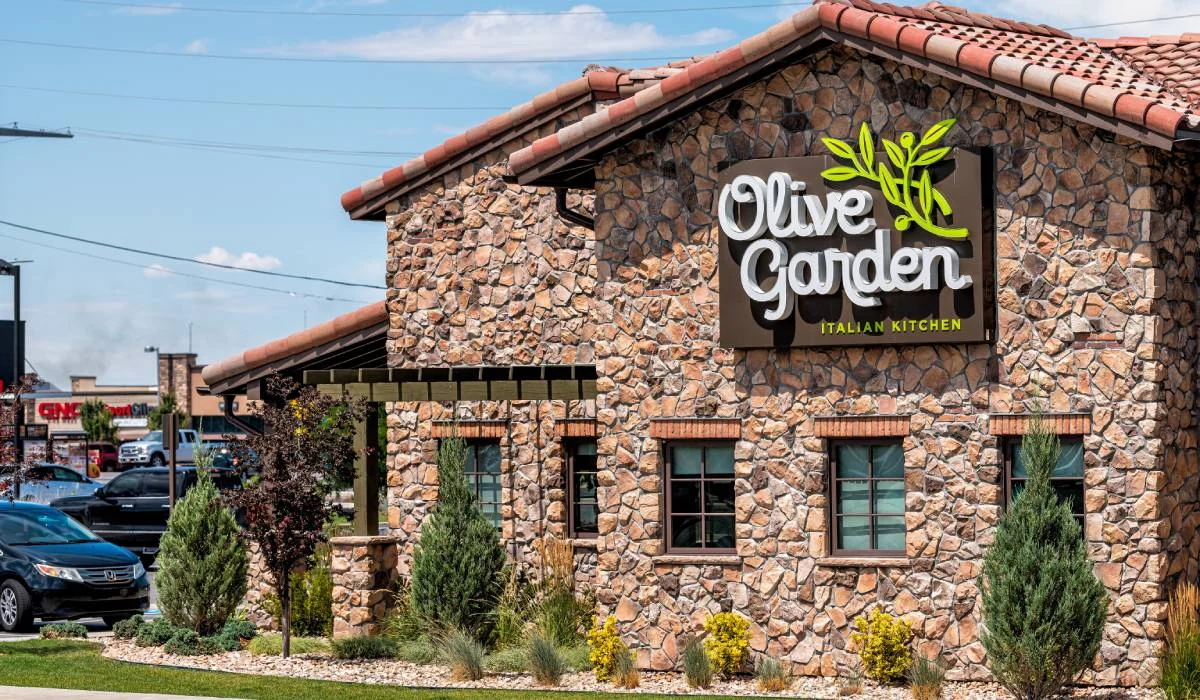

The American restaurant landscape in 2026 is being defined by a strategic tug-of-war between affordability and premium experience, according to the latest comprehensive market analysis from YouGov. The 2026 U.S. Restaurant Brand Rankings, which synthesize a year’s worth of consumer sentiment and behavioral data, reveal that while the post-pandemic era of experimental dining has stabilized, the fundamental pillars of value perception and quality consistency have become the primary drivers of brand loyalty. Olive Garden and McDonald’s emerged as the dominant forces in their respective categories, leveraging massive scale and refined value propositions to capture the highest levels of consumer consideration across the United States.
In the casual-dining sector, Olive Garden continues to hold its position as the most considered brand, boasting a consideration score of 30.7 percent. This metric indicates that nearly one-third of all American adults would consider dining at the Italian-inspired chain when planning a sit-down meal. Following closely behind are Texas Roadhouse and Applebee’s, completing a top three that emphasizes broad geographic reach and accessible price points. The data suggests that Olive Garden’s success is inextricably linked to its reputation for value, where it also ranks number one among its peers. This perception is likely bolstered by the brand’s long-standing "Never Ending" promotions, which provide a psychological safety net for budget-conscious families.
Conversely, Texas Roadhouse has successfully carved out a niche as the leader in quality perception within the casual-dining segment. While Olive Garden wins on the "bang for the buck" metric, Texas Roadhouse’s focus on hand-cut steaks and made-from-scratch sides has resonated with consumers who are willing to trade a slightly higher price point for a perceived increase in culinary standards. This dichotomy between value and quality leaders highlights a bifurcated market where consumers are making highly intentional choices based on the specific occasion, whether it be a routine family dinner or a more celebratory quality-focused outing.
Methodology and Data Collection Framework
The findings of the 2026 report are grounded in a massive data set derived from YouGov CategoryView, BrandIndex, and BrandIndex Voices. The tracking period spanned exactly one year, from March 1, 2025, to February 28, 2026, utilizing nationally representative samples of U.S. adults. To ensure statistical significance and reliability, the rankings only included brands that maintained at least six months of tracked data and a minimum sample size of 300 respondents per metric.
The report utilizes several key performance indicators to rank these brands. "Consideration scores" are calculated as the percentage of consumers who indicate they would consider a brand the next time they are in the market for food or drink. Meanwhile, "Quality" and "Value" are determined using net scores—a sophisticated calculation that subtracts negative consumer perceptions from positive ones to provide a balanced view of a brand’s standing. This methodology allows for a nuanced understanding of brand health that goes beyond simple name recognition, capturing the "friction" that might prevent a customer from actually visiting a location.
The Dominance of Quick Service and Routine Behavior
A significant portion of the report focuses on the Quick Service Restaurant (QSR) or fast-food segment, which continues to dominate American dining frequency. The data reveals that roughly two-thirds of Americans purchase fast food at least once a month, with a staggering 30 percent of the population doing so on a weekly basis. This high frequency underscores the "routine behavior" mentioned by analysts, where fast food has moved from a treat to a functional necessity for many households managing busy schedules and tightening budgets.
McDonald’s remains the undisputed titan of the QSR world. With a consideration score approaching 40 percent, the Golden Arches maintain a level of market penetration that remains unmatched by any other brand in the country. However, the competition for the remaining market share is fierce. Chick-fil-A and Wendy’s round out the top three for consideration, though they achieve this through vastly different brand strategies.
Chick-fil-A has managed to maintain its status as the gold standard for quality in the fast-food space, ranking number one in that specific metric. Despite its limited Sunday operations and a more specialized menu, its reputation for superior customer service and product consistency has created a high level of brand equity. On the other end of the spectrum, Wendy’s has successfully positioned itself as the leader in value. By aggressively marketing its "Biggie Bags" and digital-only deals throughout 2025, Wendy’s surpassed Taco Bell and Domino’s to claim the top spot for value perception in the fast-food category.
Drivers of Decision-Making in a Price-Sensitive Market
The 2026 data highlights a shifting hierarchy of consumer needs. For the 30 percent of Americans who dine at fast-food establishments weekly, value and discounts are cited as the single most influential factors in their decision-making process. This is followed closely by the demand for clean dining environments and the presence of limited-time promotions.
This focus on value has forced a strategic pivot for many brands. In the 2025-2026 period, the "Value Menu" evolved from a simple list of cheap items into a complex ecosystem of app-based rewards and bundled deals designed to drive repeat traffic. Taco Bell and Domino’s, ranking second and third in value respectively, have leaned heavily into their digital infrastructure to offer personalized discounts that keep consumers returning. For Taco Bell, this has also translated into dominance in the specific niche of tacos and burritos, where it remains the clear leader.
In terms of product-specific leaders, the report provides a breakdown of which brands own the "mental real estate" for specific food items:
- Burgers: Five Guys ranks as the top brand for burger quality and preference, despite its higher price point compared to traditional QSRs.
- Sandwiches: Subway remains the leader in the sandwich category, benefiting from its massive footprint and "Eat Fresh" positioning, though Jersey Mike’s and Firehouse Subs are showing strong growth in quality scores.
- Chicken: Chick-fil-A holds the top position, fending off competition from Popeyes and KFC.
- Pizza: Pizza Hut leads in pizza consideration, though the segment remains highly fragmented with local players and digital-first brands like Domino’s competing for market share.
- Fries: In a testament to its iconic status, McDonald’s remains the clear and unchallenged leader in the French fry category, a crucial "anchor" product that often drives the initial decision to visit a location.
Specialty Dining and the Battle for the Morning Routine
The specialty dining segment, which includes coffee shops, bakeries, and ice cream parlors, is characterized by intense competition for the morning "ritual" market. Starbucks and Dunkin’ continue to dominate the consideration landscape, but their brand identities are increasingly distinct. Starbucks remains the leader in coffee quality perception, appealing to consumers who view their coffee as a premium experience or a "third place" to work and socialize.
Dunkin’, however, competes closely by emphasizing speed and routine, often scoring higher in regions where its "America Runs on Dunkin’" messaging resonates with a more utilitarian consumer base. Outside of the coffee space, Cold Stone Creamery has emerged as the top ice cream brand, successfully using its experiential "mixing" process to maintain a lead in quality and brand excitement over more traditional scoop shops.
Official Commentary and Industry Analysis
The implications of the report suggest an industry that is moving away from the "experience-at-all-costs" model of the early 2020s and returning to a focus on the fundamentals. Ashley Brown, Senior Director at YouGov America, emphasized that the current market rewards brands that can balance operational excellence with emotional relevance.
"Restaurant brands that succeed today are those that consistently deliver on the fundamentals—value, quality, and a reliable customer experience—while also adapting to evolving consumer expectations," Brown stated. "What this data makes clear is that brand strength isn’t just about awareness or scale; it’s about relevance. Whether it’s McDonald’s maintaining broad appeal, Chick-fil-A excelling on quality, or Starbucks and Dunkin’ competing closely in specialty dining, the brands that win are those that understand exactly what matters most to their customers and deliver on it every day."
Industry analysts point out that the "relevance" Brown mentions is increasingly tied to a brand’s ability to integrate into the consumer’s daily life through technology. The brands topping these lists—McDonald’s, Wendy’s, and Starbucks—are all leaders in mobile app adoption and loyalty program integration. By using data to offer the right value at the right time, these brands have effectively automated the "routine behavior" that the report highlights.
Future Implications: The Road to 2027
As the restaurant industry looks toward the latter half of 2026 and into 2027, several trends identified in the YouGov report are expected to intensify. First, the gap between "value" brands and "quality" brands may begin to narrow as casual-dining chains like Olive Garden experiment with more premium menu tiers, and fast-food leaders like Chick-fil-A look for ways to offer entry-level price points without eroding their quality image.
Second, the importance of "clean dining environments" as a decision-making factor suggests that physical infrastructure remains vital even in a digital-first world. Brands that have neglected their physical footprints in favor of delivery-only models may find themselves at a disadvantage as consumers seek out reliable, clean, and safe environments for their weekly dining routines.
Finally, the dominance of routine behavior suggests that the "switching cost" for consumers is getting higher. Once a consumer has integrated a brand into their weekly habit and loyalty app, they are less likely to experiment with a new competitor unless there is a significant failure in quality or a dramatic shift in value. For the leaders identified in the 2026 report—Olive Garden, McDonald’s, and Texas Roadhouse—the challenge will be maintaining the consistency that earned them these top spots while fending off smaller, more agile competitors who are using data to chip away at their market share.
In conclusion, the 2026 U.S. Restaurant Brand Rankings paint a picture of a resilient industry that has successfully navigated economic volatility by doubling down on what Americans value most: a predictable, high-quality meal that doesn’t break the bank. As long as these brands can continue to balance the scales of value and quality, their positions at the top of the consideration rankings seem secure for the foreseeable future.