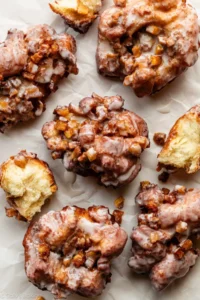
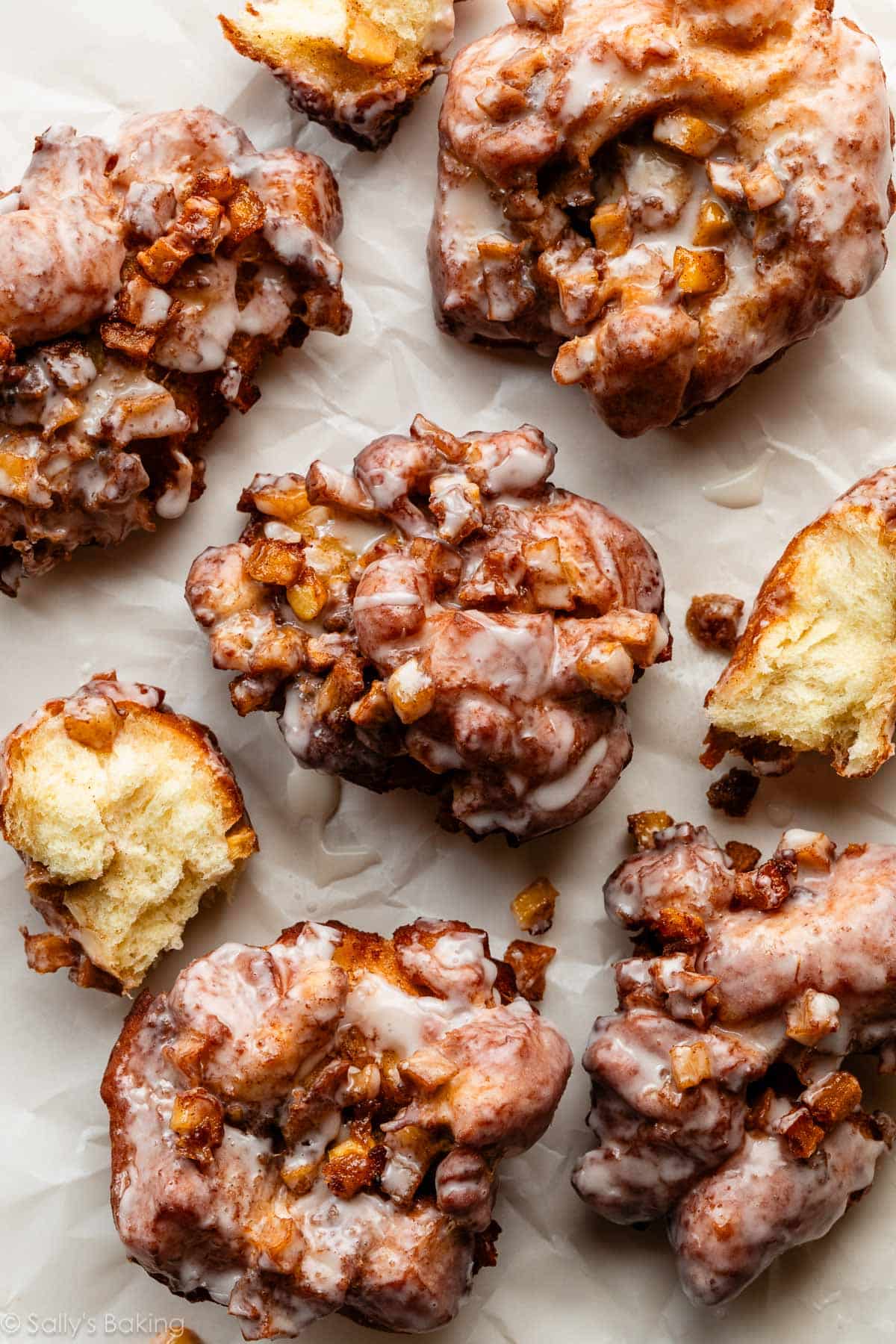
The art of crafting the perfect apple fritter represents a significant intersection of bakery science and traditional deep-frying methodology. Often described as a hybrid between a yeast-leavened doughnut and a spiced fruit cake, the apple fritter has long been a staple of North American confectionery culture. Unlike standard doughnuts, which rely on uniform dough expansion, the fritter requires a precise balance of hydration, fruit-to-dough ratio, and controlled thermal degradation of fats to achieve a caramelized exterior and a pillowy, tender crumb.
The Historical and Culinary Context of Fritters
Fritters, broadly defined as any food item coated in batter and deep-fried, have existed in various cultural iterations for centuries. From the Roman scriblita to the modern-day American apple fritter, the preparation method remains fundamentally anchored in the Maillard reaction—a chemical reaction between amino acids and reducing sugars that gives browned food its distinctive flavor.
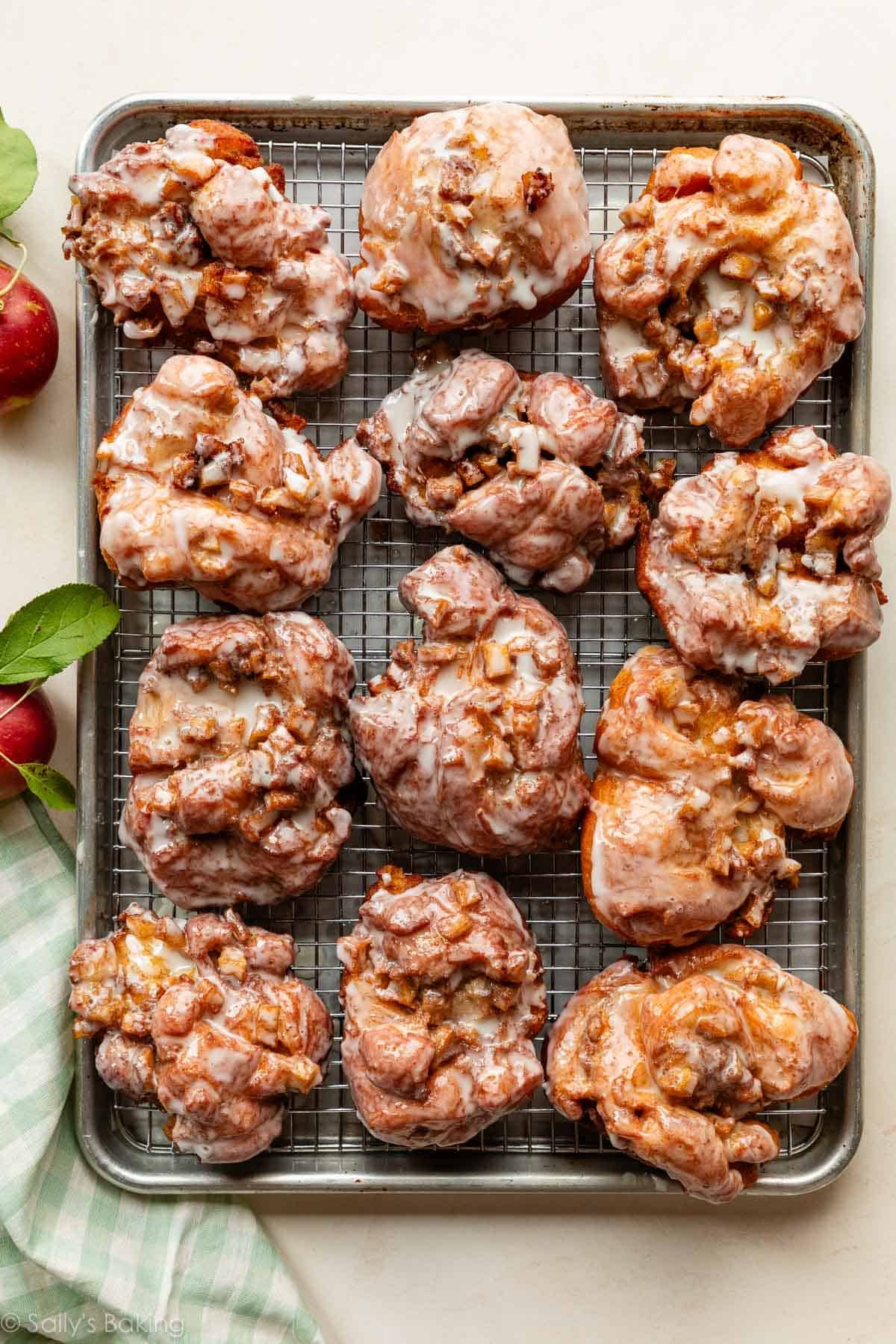
In the contemporary culinary landscape, the apple fritter is distinguished by its structural complexity. While a standard doughnut is relatively uniform, an apple fritter demands the integration of fresh fruit, which introduces varying levels of water content. Managing this moisture is the primary challenge for both home cooks and professional bakers; if the moisture is not adequately controlled via thickening agents like cornstarch, the resulting pastry can become greasy or structurally unstable during the frying process.
Analytical Breakdown of the Frying Process
The conversion of raw dough and fruit into a finished pastry follows a strict chronological sequence designed to maximize flavor development and structural integrity.
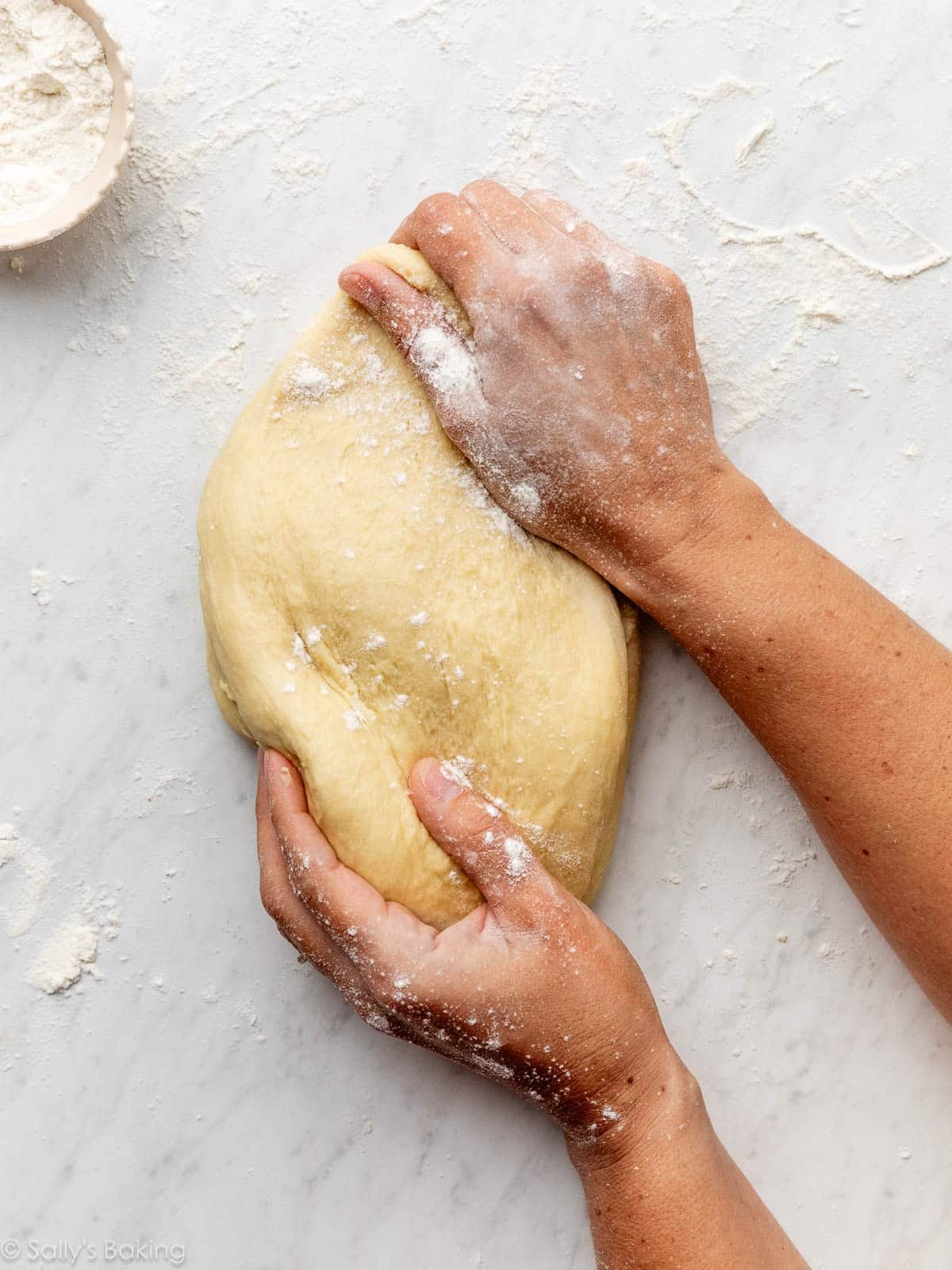
- Dough Development: The process begins with the activation of yeast, which provides the aeration necessary for a "fluffy" internal texture. Kneading, whether mechanical or manual, is essential for gluten development, which creates the elastic network required to hold the pockets of fruit.
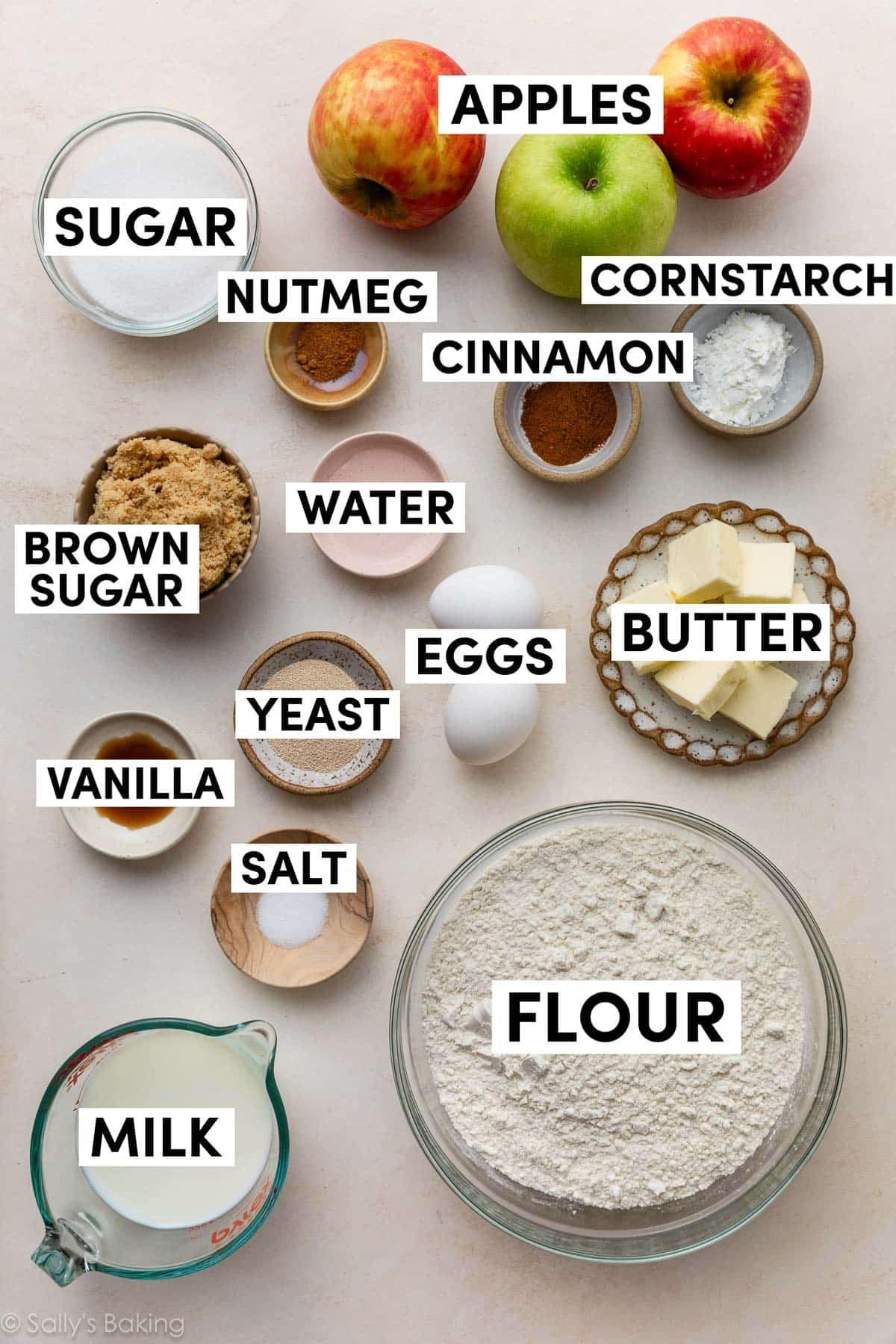
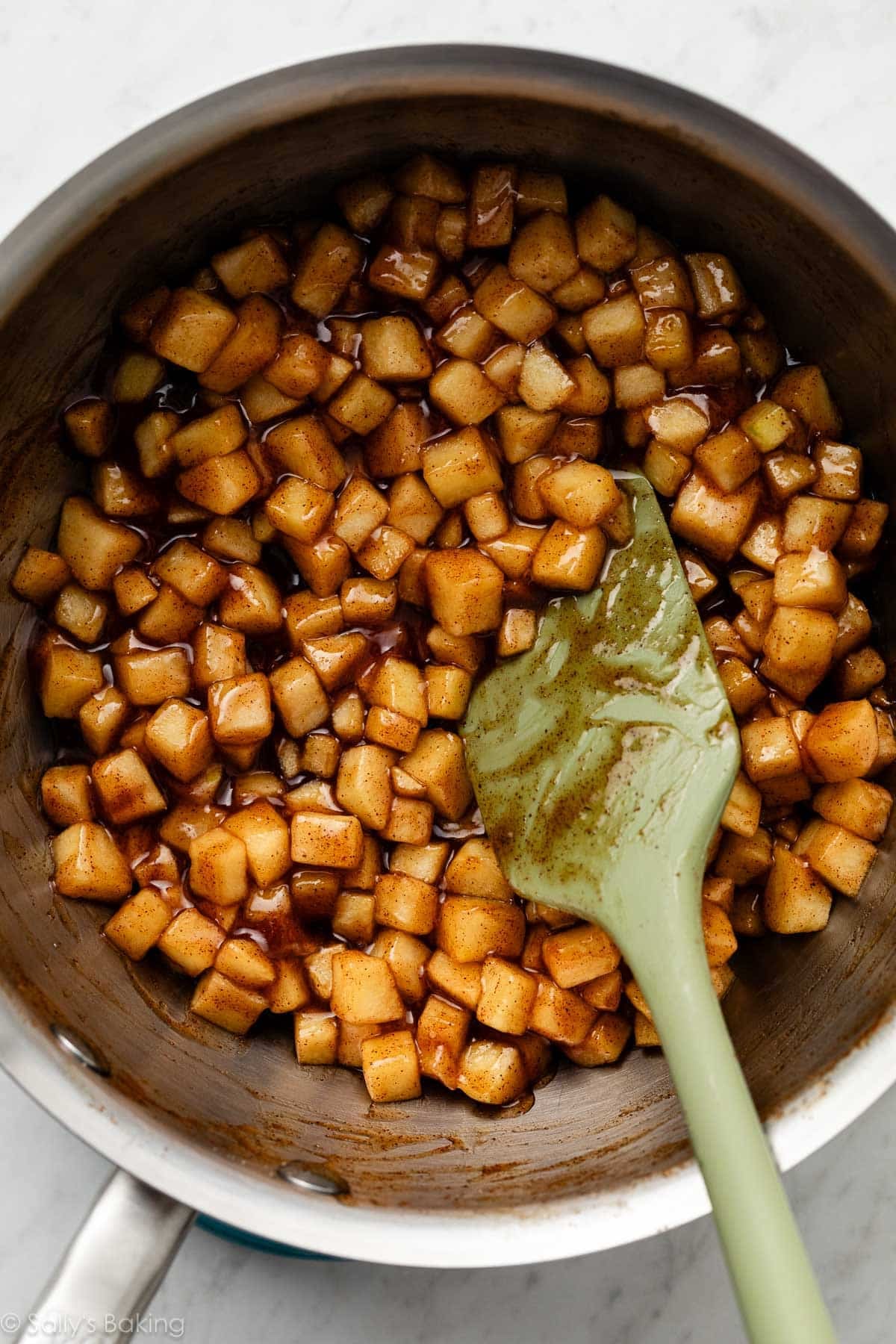
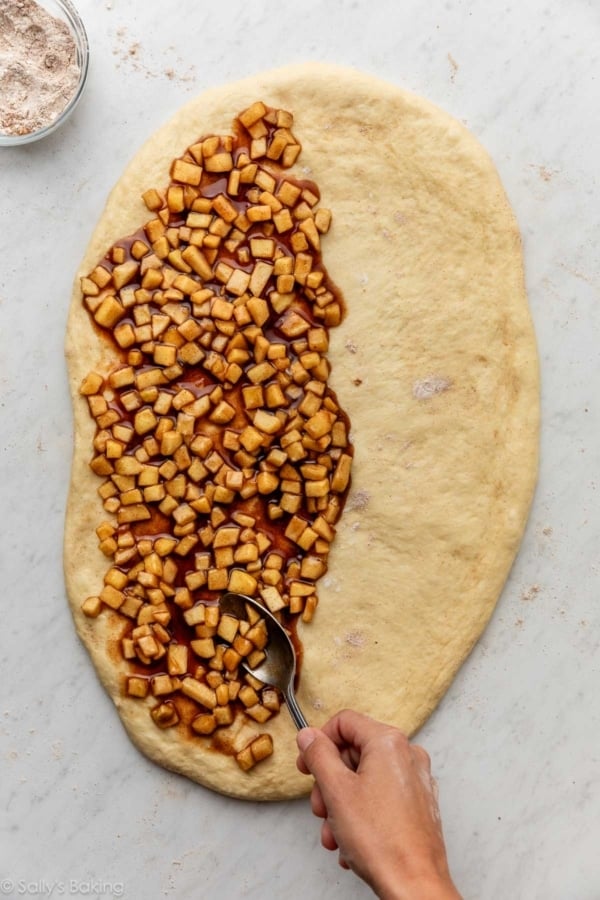
- Filling Preparation: The filling must be pre-cooked. Combining chopped apples with brown sugar and spices allows for a reduction in volume and an initial breakdown of fruit cell walls. The subsequent addition of a cornstarch slurry acts as a stabilizing agent, preventing the fruit juices from leaking into the dough and causing premature browning or sogginess.
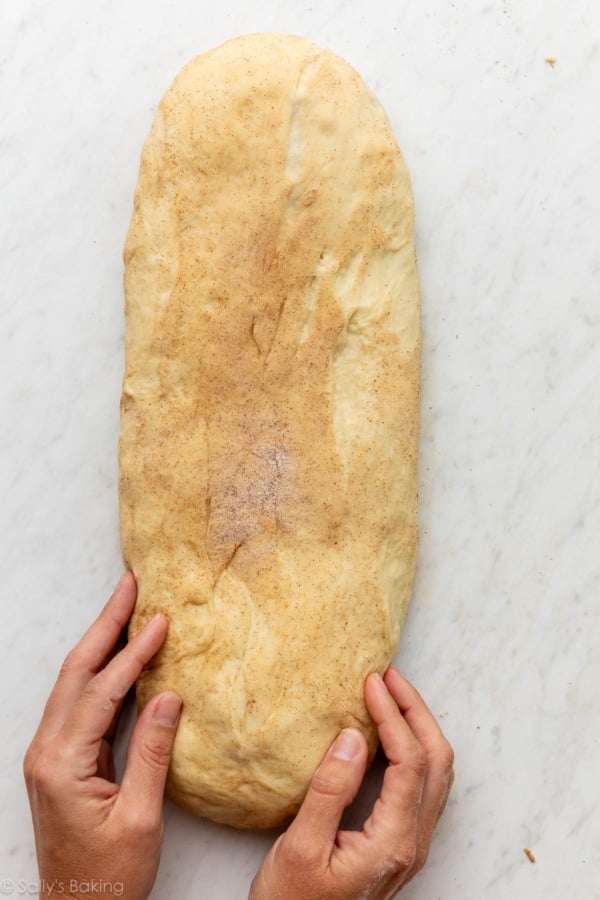
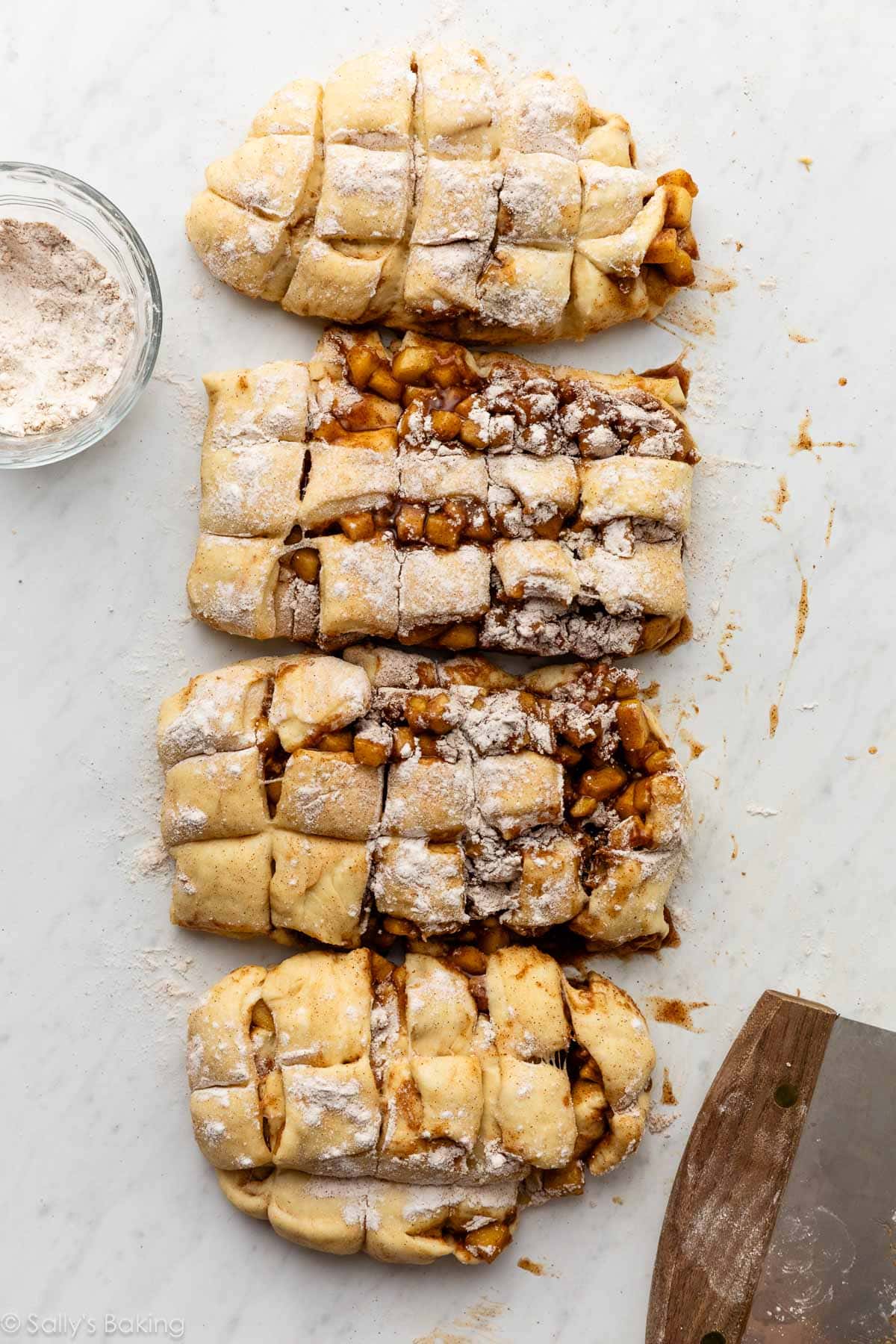
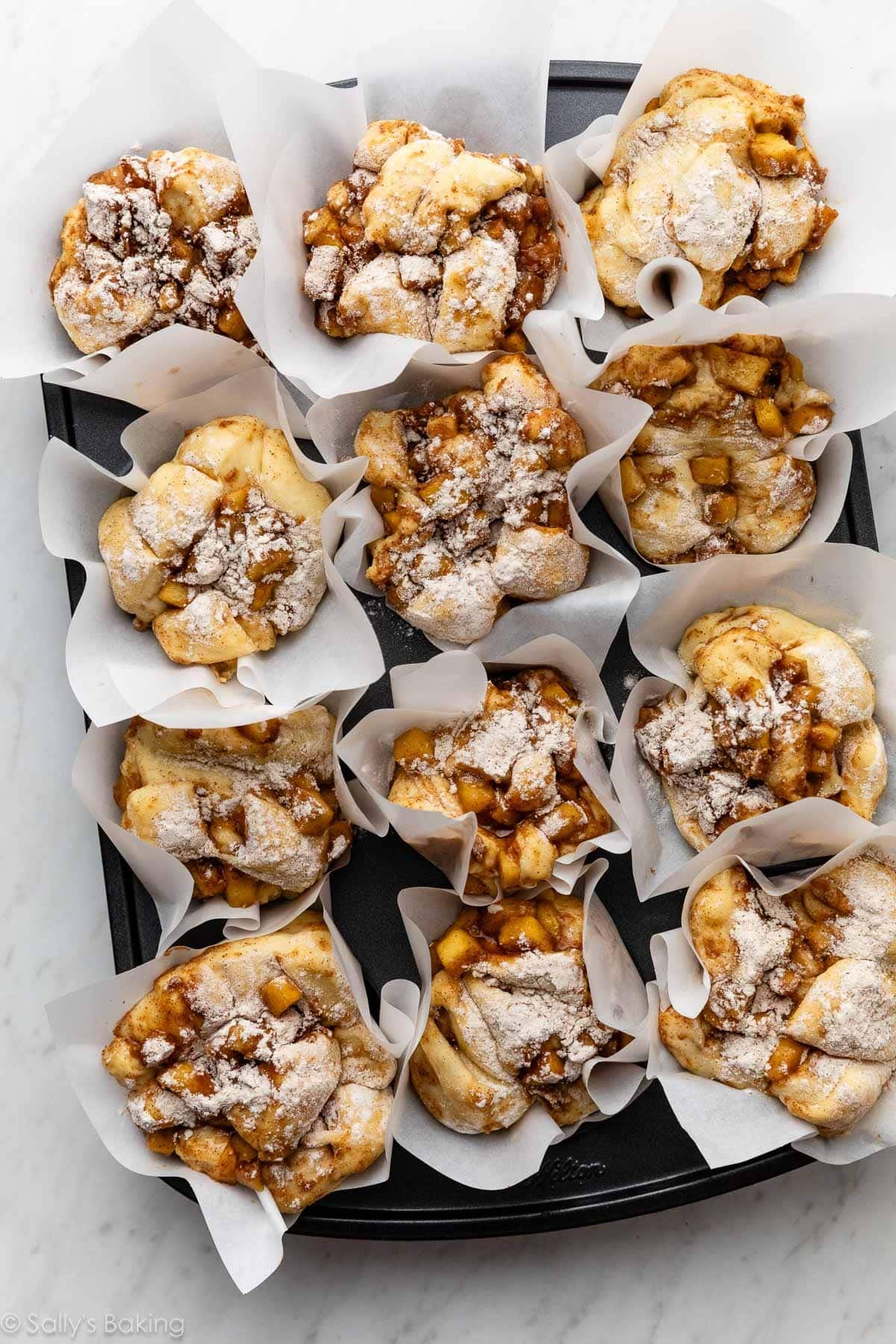
- The Shaping Phase: Perhaps the most technically demanding stage, shaping requires the creation of a crosshatch pattern. This technique increases the surface area of the dough, ensuring that the oil can circulate more effectively and that the fritter cooks evenly throughout its density.
- Thermal Application: The choice of oil is critical. A neutral-flavored oil with a high smoke point—such as canola or vegetable oil—is recommended to prevent flavor contamination. Scientific standards for deep frying suggest maintaining an oil temperature between 350°F and 375°F. If the temperature falls below this threshold, the dough absorbs excessive oil; if it exceeds it, the exterior burns before the internal starch is fully gelatinized.
Supporting Data and Technical Variables
Bakery research indicates that the choice of apple cultivar significantly impacts the final product’s texture. Varieties such as Granny Smith are favored by professionals due to their high acidity and firm pectin structure, which prevents the fruit from disintegrating into mush during the heat-intensive frying process. Honeycrisp and Pink Lady are frequently cited as secondary options, offering a balance of structural resilience and sugar concentration.
From a nutrition and chemistry perspective, the use of parchment paper squares during the initial immersion phase serves as a vital tool for structural preservation. By allowing the fritter to set for several seconds before the paper is removed, the baker minimizes the risk of the dough tearing or the fruit filling separating from the base.
Professional Perspectives on Frying Safety
Culinary experts emphasize that while deep-frying is an accessible technique, it carries inherent risks that require adherence to safety protocols. The "do’s and don’ts" of the process include:
- Thermal Monitoring: Utilizing a calibrated candy or oil thermometer is not merely a recommendation but a necessity to ensure food safety and quality consistency.
- Waste Management: Used frying oil must be disposed of with environmental consciousness. The industry consensus, supported by organizations such as King Arthur Baking, dictates that oil should never be disposed of via plumbing systems, as it contributes to municipal infrastructure failure through pipe blockages. Instead, oil should be cooled, solidified if necessary, and disposed of as household waste or diverted to specialized recycling centers.
- Equipment Versatility: Contrary to popular belief, specialized commercial equipment is unnecessary. A heavy-bottomed Dutch oven provides sufficient thermal mass to maintain a stable temperature, which is the most critical variable in achieving the desired "bakery-style" finish.
Broader Implications and Consumer Trends
The resurgence of "from-scratch" baking, particularly regarding labor-intensive items like apple fritters, reflects a broader shift in consumer behavior. Data suggests that home cooks are increasingly seeking out "labor-of-love" recipes that prioritize technical skill acquisition over convenience. This trend is driven by a desire for artisanal quality that mass-produced, commercial alternatives often fail to replicate, particularly concerning the freshness of the glaze and the specific spice profiles of the fruit filling.
Furthermore, the dismissal of alternative cooking methods, such as air frying, for this specific recipe highlights the importance of the Maillard reaction. While air fryers are effective for convection-based cooking, they cannot replicate the rapid heat transfer and surface caramelization provided by hot oil immersion. Consequently, for the standard apple fritter, the traditional frying method remains the industry gold standard.
Conclusion
Achieving the optimal apple fritter is a demonstration of patience and precision. By adhering to the established sequence of dough fermentation, controlled fruit reduction, and meticulous thermal management, the baker can replicate a product that balances the crispness of a fried exterior with the tender, spiced complexity of a fruit-forward interior. As the culinary community continues to value both traditional methods and precise ingredient selection, the homemade apple fritter stands as a quintessential example of how foundational baking techniques can yield superior results when handled with technical rigor.