
The landscape of the American beverage industry is undergoing a significant shift as the wine-based cocktail, once relegated to a seasonal novelty, establishes itself as a foundational menu category. What was previously identified by many domestic diners as a singular, bright-orange concoction—the Aperol Spritz—has expanded into a diverse spectrum of flavor profiles, alcohol concentrations, and presentation styles. In the current hospitality climate, the term "spritz" no longer refers to a specific recipe but rather a versatile template that encompasses classic Italian builds, floral elderflower variations, and fruit-forward house signatures designed around still or sparkling wine. This transition reflects broader changes in consumer behavior, where the demand for sessionable, food-friendly, and visually appealing beverages is reshaping how national restaurant chains and independent operators approach their bar programs.
The Historical Trajectory of the Spritz
To understand the current resurgence of the spritz in the United States, one must examine its origins in 19th-century northern Italy. The drink’s history is rooted in the Veneto region during the period of Austro-Hungarian administration. According to historical accounts, Austrian soldiers and diplomats found the local Italian wines, such as Malvasia and Verduzzo, to be significantly more potent than the beers and lighter wines of their homeland. To make the local vintages more palatable, they requested a "splash" of water—in German, a spritzen—to dilute the alcohol content.
By the early 20th century, this simple combination of wine and water began to evolve. With the invention and rising popularity of bitter aperitifs like Campari and Aperol in the 1910s and 1920s, the "spritz" transitioned from a dilution technique into a structured cocktail. The introduction of carbonated soda water and the post-WWII explosion of Prosecco production eventually solidified the modern "3-2-1" formula: three parts Prosecco, two parts bitter liqueur, and one part soda water. While this template became the standard in Venice and Padua, it remained a regional European specialty for decades before gaining global momentum in the early 2010s through aggressive marketing campaigns and the international "premiumization" of the Prosecco category.
Market Drivers and the Shift Toward Low-ABV
The contemporary rise of the spritz in the American market is inextricably linked to the "sober-curious" movement and a general trend toward health and wellness. Market data indicates a sustained shift among Millennial and Gen Z consumers toward lower alcohol-by-volume (ABV) beverages. These demographics often prioritize "sessionability"—the ability to enjoy multiple drinks over an extended period without the heavy intoxication associated with high-proof spirits.
Paul Pszybylski, executive chef and vice president of culinary innovation at California Pizza Kitchen (CPK), notes that this shift is a direct reflection of modern drinking habits. "They fit how people drink today," Pszybylski explains. "Guests are looking for something a bit lighter. They’re looking for something that they can drink throughout the meal that isn’t really heavy." This desire for moderation has allowed the spritz to move beyond the "happy hour" window and into the main dining experience.
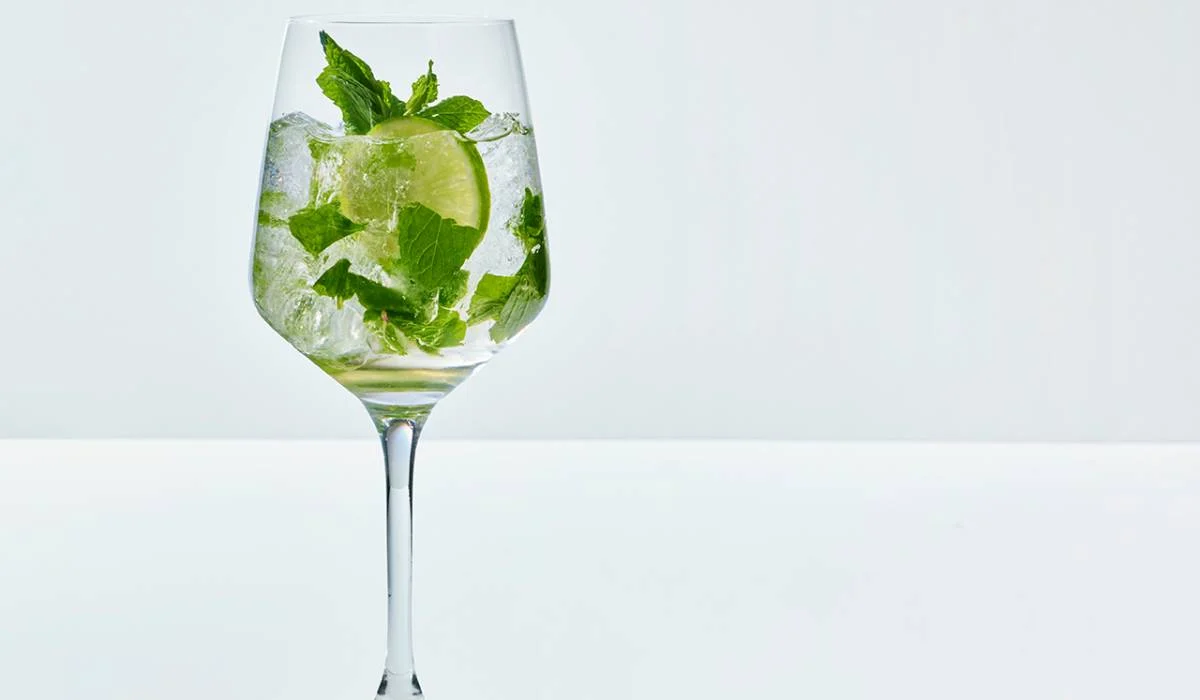
Furthermore, the visual nature of the spritz has played a crucial role in its ubiquity. In an era dominated by social media, the aesthetic appeal of a tall, ice-filled glass garnished with fresh citrus and herbs provides a "photogenic" quality that serves as organic marketing for restaurants. The vibrant colors of various liqueurs and fruit infusions make the category naturally suited for the digital age, driving "order-by-sight" behavior among guests.
Corporate Strategy: California Pizza Kitchen’s Category Expansion
For major casual dining brands, the decision to lean into the spritz category is driven by both consumer demand and culinary logic. California Pizza Kitchen recently introduced a four-drink spritz lineup, moving away from a single-item offering to a comprehensive category. Their selection includes the classic Aperol Spritz, a Hugo Spritz (featuring elderflower), a Lavender Lemon Spritz, and a Blueberry Elderflower Spritz.
Pszybylski views the category as a natural extension of the CPK brand identity, which emphasizes fresh ingredients and California-inspired flavors. He suggests that the question for the industry is no longer whether to include a spritz, but why any brand would delay doing so. "It’s a perfect fit for us because they are so light, they’re so fresh, and they pair so well with food," he says.
From a culinary perspective, the spritz functions as a versatile companion to a wide range of menu items. Unlike heavy, sugar-laden cocktails or high-tannin red wines that can dominate the palate, the effervescence and acidity of a spritz act as a palate cleanser. This is particularly effective in a menu like CPK’s, which features everything from rich, cheese-heavy pizzas to acidic salads and savory pastas. Pszybylski emphasizes that the drier finish of most spritzes prevents "palate fatigue," encouraging guests to enjoy their meal more fully.
Innovation at Mellow Mushroom: Redefining the Template
While some brands stick to the traditional Prosecco-based model, others are using the spritz as a platform for experimentation. Mellow Mushroom, as part of a significant beverage program overhaul, recently introduced two distinct spritzes that deviate from the Italian canon. Their Groovy Berry Spritz utilizes a red wine blend paired with blackberry and lemon, while the Peachy Pineapple Spritz features Ruffino Lumina Pinot Grigio with pineapple, lemon, and peach.
Jon-Paul Hollis, beverage manager at Mellow Mushroom, explains that the goal was to keep the drinks accessible and fun while strictly adhering to a low-ABV philosophy. By using still wines as the base rather than liqueurs or cordials, the brand is able to manage the alcohol content more precisely. "Spritzes are a really great, fun way to tap into a market that’s trying to drink less, and that market is becoming bigger," Hollis says.
This approach also allows for greater seasonal flexibility. Because the spritz is a "template" cocktail, operators can easily swap out fruit syrups, infusions, and garnishes to match the time of year without retraining staff on entirely new cocktail builds. This adaptability ensures the category remains relevant in the winter months—perhaps through the use of blood orange or spiced syrups—even if its peak popularity remains tied to warmer weather.
Operational Efficiency and Scalability
Beyond consumer trends, the growth of the spritz category is supported by its operational advantages. In a high-volume restaurant environment, consistency and speed of service are paramount. Spritzes generally require fewer ingredients than complex craft cocktails and do not necessitate labor-intensive techniques like double-straining or egg-white frothing.
At Mellow Mushroom, the spritz offerings were designed with a focus on batching. By preparing the wine and fruit components ahead of time, bartenders can execute the drinks quickly during peak hours, ensuring that the guest receives a consistent product regardless of how busy the bar is. Hollis emphasizes that scalability is a critical factor for national chains. "Scalability is a gigantic consideration," he notes, adding that the availability of ingredients across all markets is essential for maintaining brand standards.
Conversely, California Pizza Kitchen maintains a focus on fresh, made-to-order builds but achieves efficiency through standardized proportions. Pszybylski’s advice to operators is to "keep it simple" and maintain uniform builds across the category. By using consistent ratios, a bar team can produce a variety of different spritzes with the same speed as a single house cocktail.
Broader Implications for the Hospitality Industry
The transformation of the spritz into a meaningful menu category signals a broader maturation of the American palate. It represents a move away from the "sweet and strong" cocktail culture of previous decades toward a more nuanced, European-inspired approach to drinking. This "aperitivo culture" encourages longer, more social dining experiences where the beverage is an accompaniment to the conversation and the food, rather than the primary focus.
Furthermore, the success of the spritz has paved the way for other wine-adjacent categories to grow. The rise of chilled red wines, high-end canned wine cocktails, and non-alcoholic "spritz" alternatives (using botanic distillates and tonic) are all outgrowths of the space carved out by the wine-based cocktail.
However, as Hollis points out, the category’s longevity depends on quality over marketing. "If it’s not a good drink, no matter the amount of marketing that you do, it’s just not going to be successful," he says. The future of the spritz in casual and fine dining alike will depend on the ability of operators to balance the drink’s inherent simplicity with high-quality ingredients—using better base wines, fresh-squeezed juices, and thoughtful garnishes.
As the industry moves into the next phase of beverage innovation, the spritz stands as a prime example of how a historical tradition can be successfully adapted for a modern, global audience. By meeting the demand for lower alcohol, higher flavor, and visual sophistication, the wine-based cocktail has secured its place as a permanent fixture on the American menu.