
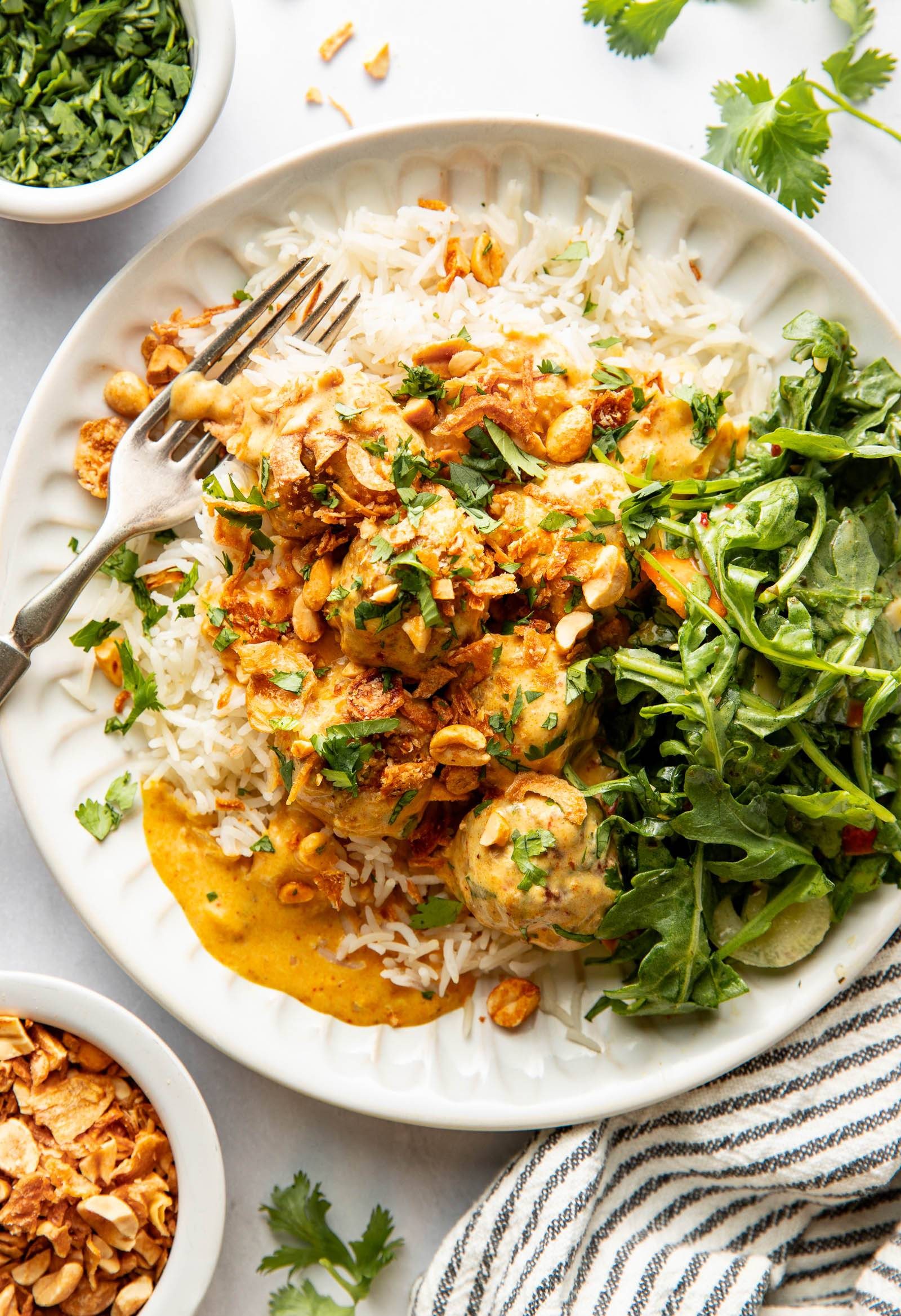
In a culinary landscape increasingly defined by the demand for both efficiency and exotic flavor, a new recipe for herby meatballs bathed in a quick yellow curry sauce has garnered significant attention, positioning itself as a leading contender for weeknight dining. This dish, characterized by its pan-fried golden meatballs and an easily constructed, flavorful curry "gravy," exemplifies a modern approach to home cooking that prioritizes both convenience and gourmet appeal. The recipe’s creator, Lindsay Ostrom, highlighted its genesis from a common domestic challenge: hosting an extensive family gathering on a busy weeknight, necessitating a dish that was simultaneously manageable, intriguing, and universally appealing to a diverse group of palates.
The Genesis of a Culinary Solution: Addressing Modern Dining Demands
The inspiration for this particular yellow curry meatball recipe arose from a familiar scenario for many contemporary households: the spontaneous yet significant demand for a high-quality meal under time constraints. Faced with the prospect of hosting parents, siblings, and their partners on a weekday, the need for a "plan" materialized late in the afternoon, around 3 PM on the day of the event. This pressure cooker environment often leads to either simplified, less inspiring meals or an overwhelming culinary endeavor. Ostrom’s objective was clear: develop a dish that would alleviate stress, offer robust flavors, and cater to discerning "foodie" guests, all without compromising precious evening hours. The resulting yellow curry meatballs proved to be a resounding success, demonstrating their potential as a staple in the repertoire of busy home cooks.
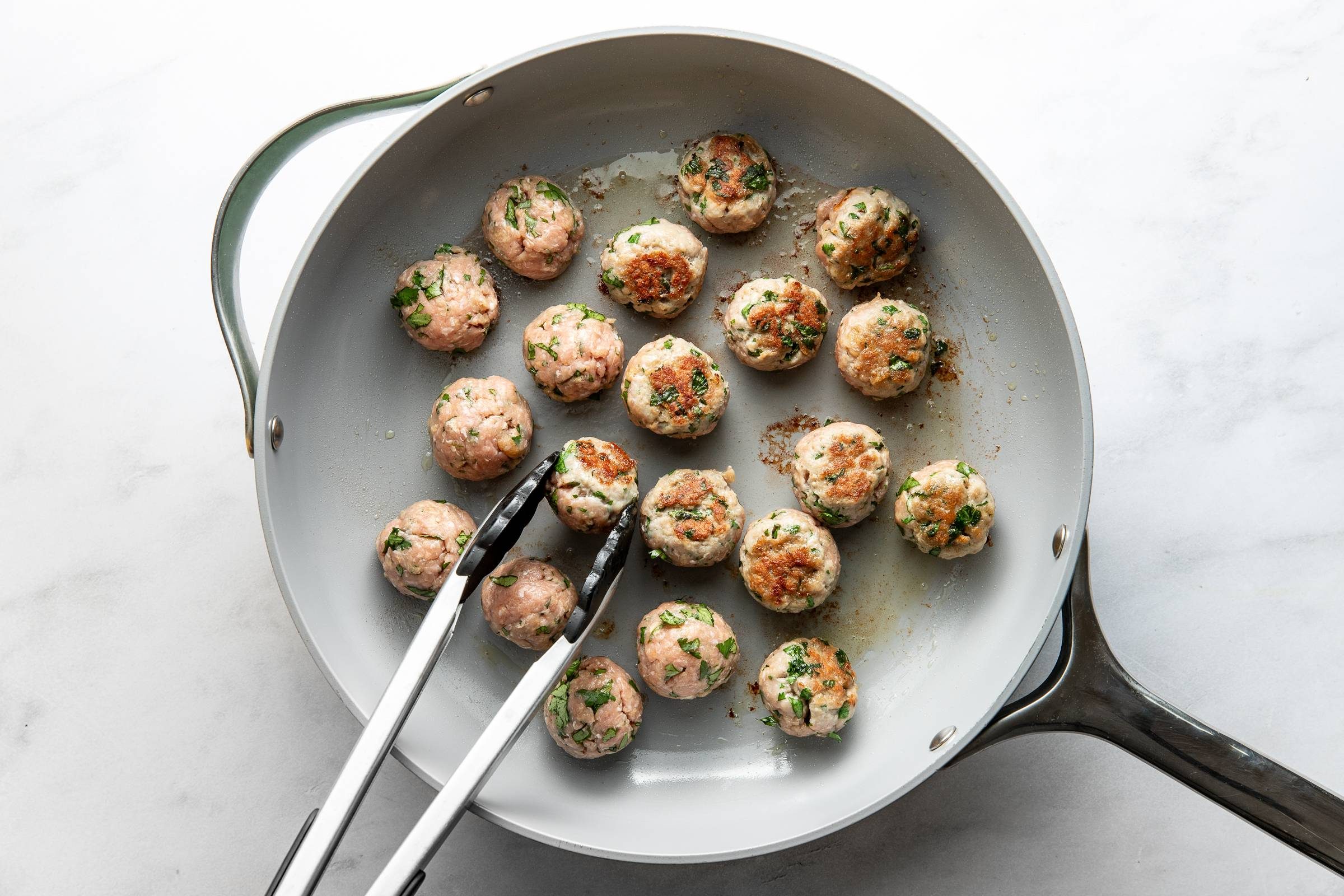
The dish’s core appeal lies in its straightforward methodology combined with a sophisticated flavor profile. The meatballs, infused with fresh herbs, are pan-fried to achieve a desirable golden crust, a crucial step for developing deep, savory notes through the Maillard reaction. Following this initial searing, a vibrant yellow curry sauce is built directly in the same pan, integrating the residual flavors from the meatball browning. This sauce, described by Ostrom as more akin to a rich gravy, envelops each meatball, ensuring a cohesive and deeply flavored experience. The single-pan approach further enhances its weeknight practicality by minimizing cleanup, a significant factor in its overall efficiency.
Deconstructing the Recipe: Key Components and Culinary Techniques

The preparation of these yellow curry meatballs can be systematically broken down into several distinct phases, each contributing to the dish’s overall success and flavor complexity.
-
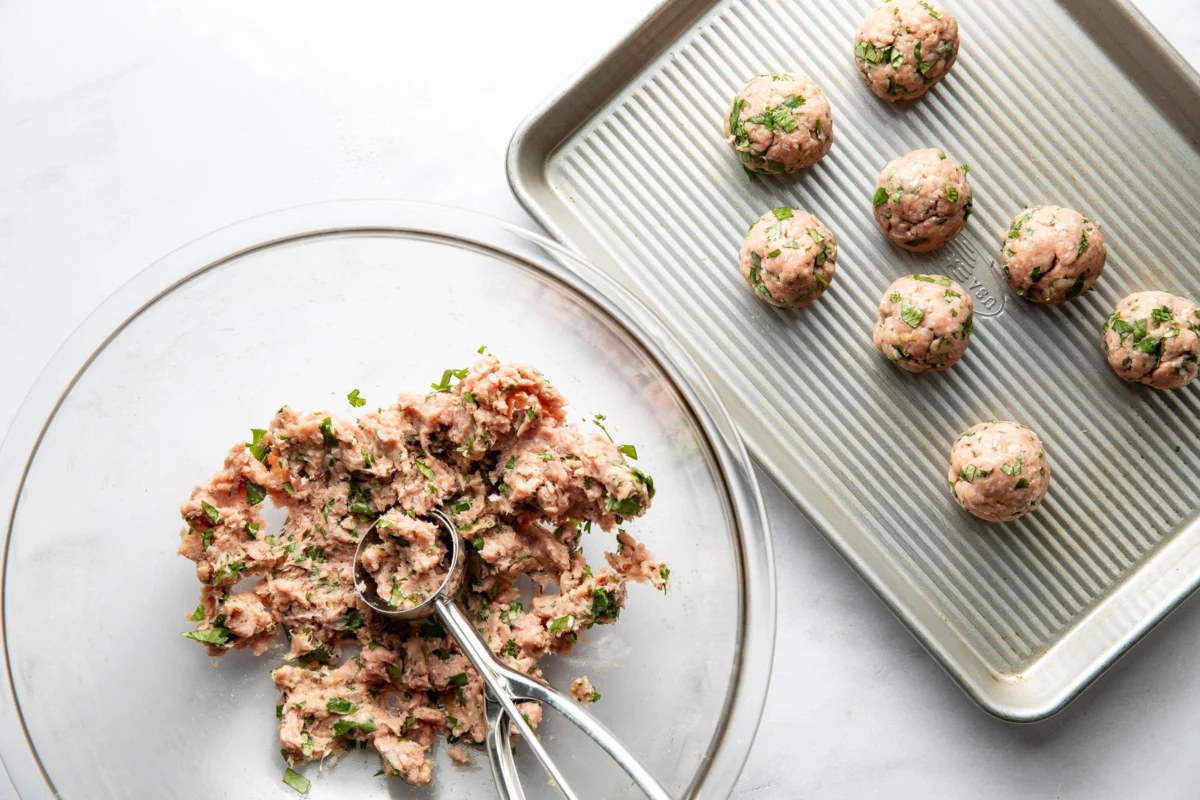
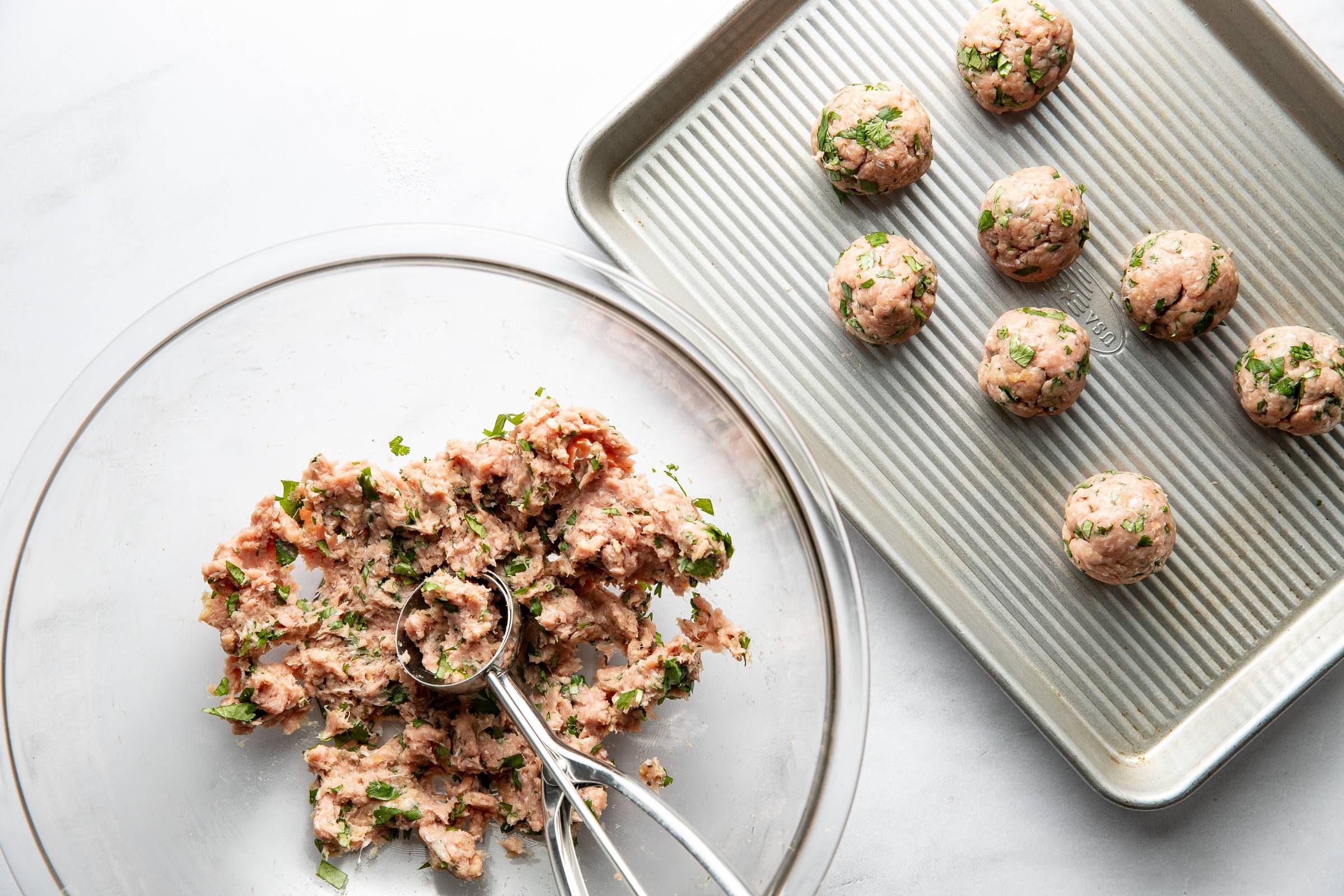
Meatball Preparation: The foundation of the dish begins with the meatballs themselves. While the specific meat type is not explicitly detailed in the initial summary, the recipe frequently employs ground chicken or turkey, known for their lean protein content and ability to absorb flavors. The inclusion of fresh herbs, such as cilantro, is paramount, infusing the meatballs with an aromatic freshness that elevates them beyond simple ground meat. The mixing and rolling process is straightforward, requiring minimal specialized equipment. Culinary experts often emphasize the importance of gentle handling during meatball formation to prevent them from becoming dense or tough. The herbs not only add flavor but also contribute essential nutrients and antioxidants, enhancing the overall nutritional value of the meal.
-
Browning the Meatballs: This step is critical for flavor development. Pan-frying the meatballs until they achieve a golden-brown exterior creates a flavorful crust that significantly contributes to the depth of the finished dish. This browning process, scientifically known as the Maillard reaction, generates hundreds of new flavor compounds, making the meatballs more complex and appealing. It is important to note that the meatballs do not need to be fully cooked through at this stage; their cooking will be completed during the simmering phase within the curry sauce, ensuring they remain moist and tender. This staged cooking approach prevents overcooking and dryness.
-
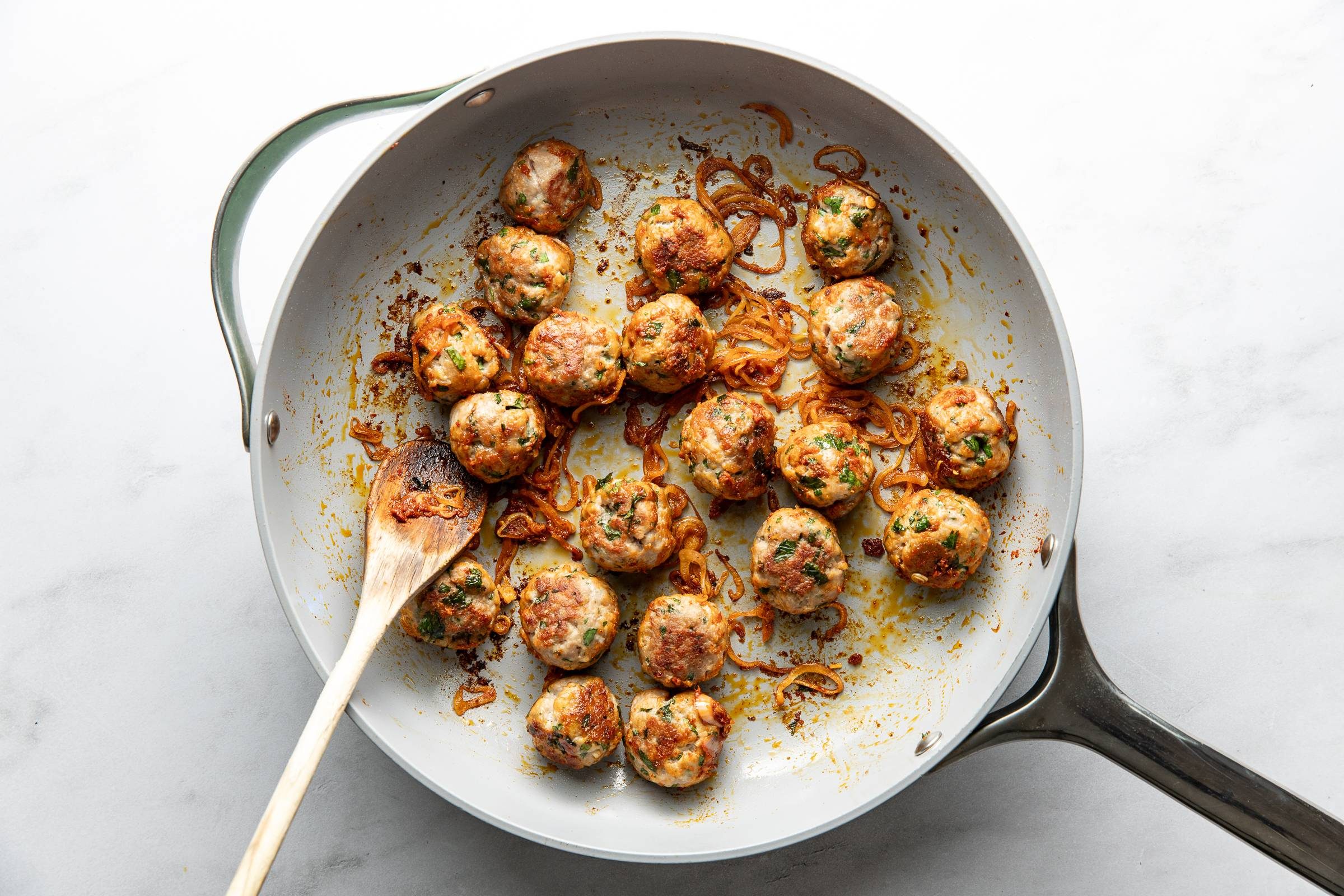
Aromatic Infusion with Shallots and Curry Paste: With the browned meatballs temporarily removed from the pan, the stage is set for building the curry sauce. Shallots are introduced and sautéed in the pan, utilizing the flavorful drippings left behind by the meatballs. Shallots, with their milder, sweeter flavor compared to onions, provide a delicate aromatic base. Following the shallots, yellow curry paste is added, its fragrant spices blooming in the hot oil. This step is crucial for developing the characteristic taste of the curry. The choice of curry paste is highlighted as significant, with a specific Thai brand recommended for its potency and authentic flavor profile. For those opting for homemade curry paste, a larger quantity is advised due to its typically less concentrated nature.
-
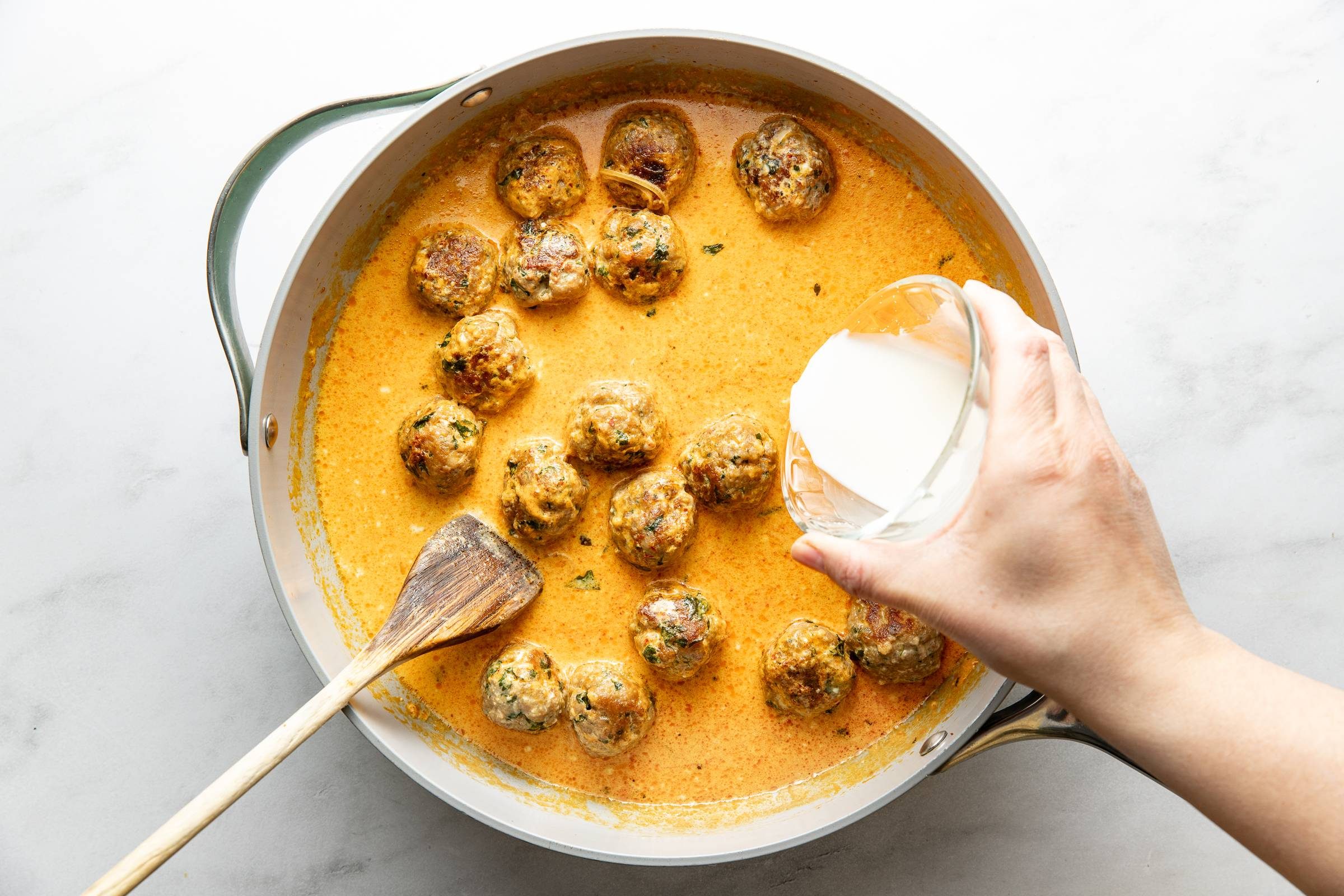
Creating the Curry Sauce (or Gravy): Once the aromatics and curry paste have fragrantly sautéed, coconut milk is introduced to the pan. Coconut milk is a cornerstone of many Southeast Asian curries, providing a rich, creamy texture and a subtle sweetness that balances the heat and spice of the curry paste. The mixture is then brought to a simmer, allowing the flavors to meld and deepen. To achieve a thicker consistency, akin to a gravy, a cornstarch slurry can be added. This simple technique transforms the sauce, giving it a more luxurious mouthfeel and ensuring it clings beautifully to the meatballs and accompanying rice. The meatballs are then returned to the pan to finish cooking within this flavorful bath, absorbing the curry’s essence.
-
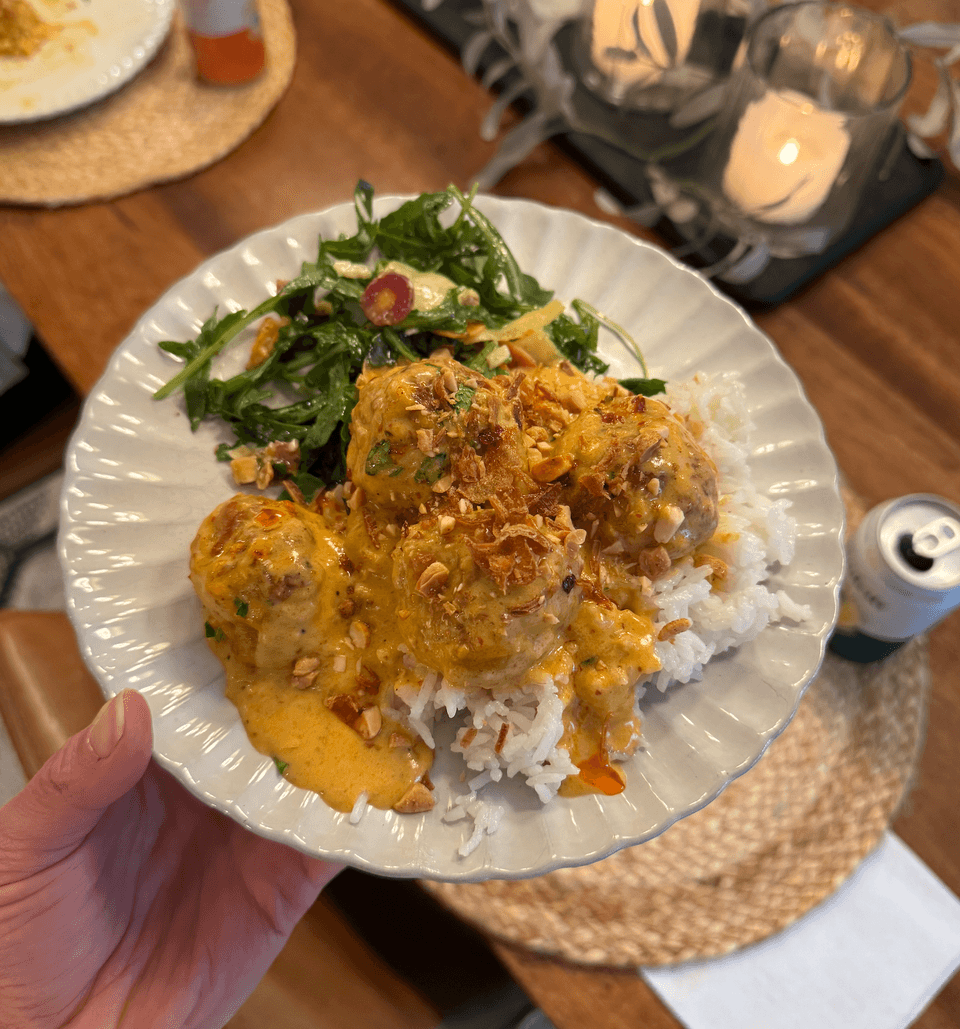
Finishing Touches and Serving: The final stage involves serving the completed dish, typically over steamed rice. Rice serves as an ideal canvas, soaking up the rich curry sauce and providing a neutral counterpoint to the vibrant flavors. A recommended accompaniment is a lemony arugula salad, which provides a bright, fresh contrast to the creamy, savory curry. This addition not only introduces a textural difference but also adds a visually appealing splash of green. The dish is often garnished with crushed peanuts and crispy fried shallots (peanut shallot crispies), which offer a delightful crunch and an additional layer of savory depth, enhancing both texture and flavor.

Nutritional Profile and Health Implications
From a nutritional standpoint, the yellow curry meatballs offer a balanced meal. The meatballs, particularly if made with lean ground turkey or chicken, provide a significant source of high-quality protein, essential for muscle repair and growth. Coconut milk, while calorie-dense, contains medium-chain triglycerides (MCTs), which are easily metabolized and can provide a quick source of energy. The herbs incorporated into the meatballs and the curry paste itself contribute various vitamins, minerals, and antioxidants. For instance, cilantro is rich in Vitamin K and antioxidants, while shallots provide Vitamin C and dietary fiber. When paired with steamed rice, the dish offers complex carbohydrates for sustained energy. The addition of a fresh arugula salad further boosts the intake of leafy greens, providing additional vitamins, minerals, and fiber. Culinary nutritionists often laud such dishes for their ability to combine diverse food groups into a single, flavorful, and satisfying meal.
Adaptability and Versatility: A Recipe for Diverse Preferences
A significant aspect of this recipe’s appeal is its remarkable adaptability. The base concept—flavorful meatballs in a creamy, aromatic sauce—lends itself to various modifications, catering to different dietary needs and preferences.
- Meat Alternatives: While turkey or chicken are common, the recipe is versatile enough to accommodate ground beef or pork. Ground beef, in particular, is noted as a favorite pairing with yellow curry due to its robust flavor. This flexibility ensures that the dish can be tailored to individual tastes or what is readily available.
- Curry Paste Variations: For those unable to source yellow curry paste, or simply preferring a different flavor profile, red curry paste can be successfully substituted. It is important to adjust the quantity, as red curry paste might have a different spice level and concentration. This highlights the foundational nature of the curry paste in defining the dish’s character.
- Vegetarian Options: The recipe can be easily adapted for vegetarian diners by substituting the meatballs with crispy tofu. Tofu, when properly prepared (such as air-fried for crispiness), can absorb the curry flavors wonderfully, providing a protein-rich, plant-based alternative. This broadens the dish’s appeal and inclusivity.
- Cooking Methods: While pan-frying is recommended for optimal flavor development due to the Maillard reaction, baking the meatballs is presented as a technical alternative. However, the recipe developer notes a preference for the pan-fried version, underscoring the superior flavor imparted by browning. This analysis offers practical guidance while affirming the culinary benefits of the preferred method.
The Historical and Cultural Resonance of Yellow Curry
To fully appreciate the "magic" of this dish, it is beneficial to consider the historical and cultural context of yellow curry. Thai yellow curry (Gaeng Karee) is one of the milder curries in the Thai culinary tradition, known for its rich, creamy texture and aromatic spices. Its characteristic yellow hue comes primarily from turmeric, a spice celebrated not only for its color and flavor but also for its medicinal properties. Other common ingredients in a traditional yellow curry paste include dried chilies, lemongrass, galangal, kaffir lime zest, garlic, and shallots. The presence of these foundational ingredients provides a complex base of flavors—earthy, spicy, aromatic, and subtly citrusy—that makes yellow curry a globally cherished dish. Its origins trace back to Indian influences on Thai cuisine, adapted over centuries to incorporate indigenous Thai ingredients and preferences, resulting in a distinct flavor profile that is both comforting and exotic. The popularity of such curries in home cooking reflects a broader trend of culinary globalization, where international flavors are increasingly integrated into everyday meals.
Broader Implications: Trends in Home Cooking and Culinary Innovation
The emergence and popularity of recipes like these yellow curry meatballs signify several broader trends in contemporary home cooking and culinary innovation.
Firstly, they underscore the prioritization of efficiency without sacrificing flavor. Modern lifestyles often leave limited time for elaborate meal preparation, leading to a demand for recipes that are quick, simple, and require minimal cleanup. This dish perfectly aligns with this need, offering a gourmet experience in a weeknight timeframe.
Secondly, it highlights the growing appetite for accessible global flavors. Consumers are increasingly adventurous in their culinary choices and seek to recreate restaurant-quality international dishes at home. Recipes that demystify complex cuisines, like Thai curry, and make them approachable for the home cook are invaluable.
Thirdly, the emphasis on adaptability and customization reflects a shift towards more personalized cooking. With diverse dietary needs and preferences within households, recipes that can be easily modified (e.g., different meats, vegetarian options) are highly valued. This flexibility empowers home cooks to tailor dishes to their specific circumstances.
Finally, the success of such recipes contributes to the ongoing evolution of food blogging and online culinary platforms. These platforms serve as vital resources for recipe discovery, offering practical advice, step-by-step guidance, and community engagement. The detailed explanations and practical tips, such as the recommendation for a specific curry paste or the comparison between homemade and store-bought versions, exemplify the value proposition of modern culinary content creators.
Conclusion
The yellow curry meatballs stand as a testament to intelligent recipe development, successfully bridging the gap between sophisticated flavor and weeknight practicality. Born from the very real challenge of hosting a family dinner on a busy schedule, this dish has evolved into a highly recommended solution for home cooks seeking both ease and culinary excitement. Its meticulously designed steps, from the herby, pan-fried meatballs to the quick, flavor-infused curry sauce, demonstrate an understanding of both gastronomic principles and modern lifestyle demands. With its adaptability, nutritional benefits, and integration of rich cultural flavors, this recipe not only delivers a delicious meal but also offers a template for how contemporary home cooking can remain vibrant, efficient, and globally inspired. As busy schedules continue to define daily life, such innovative culinary solutions will undoubtedly play an increasingly significant role in shaping the future of home dining.