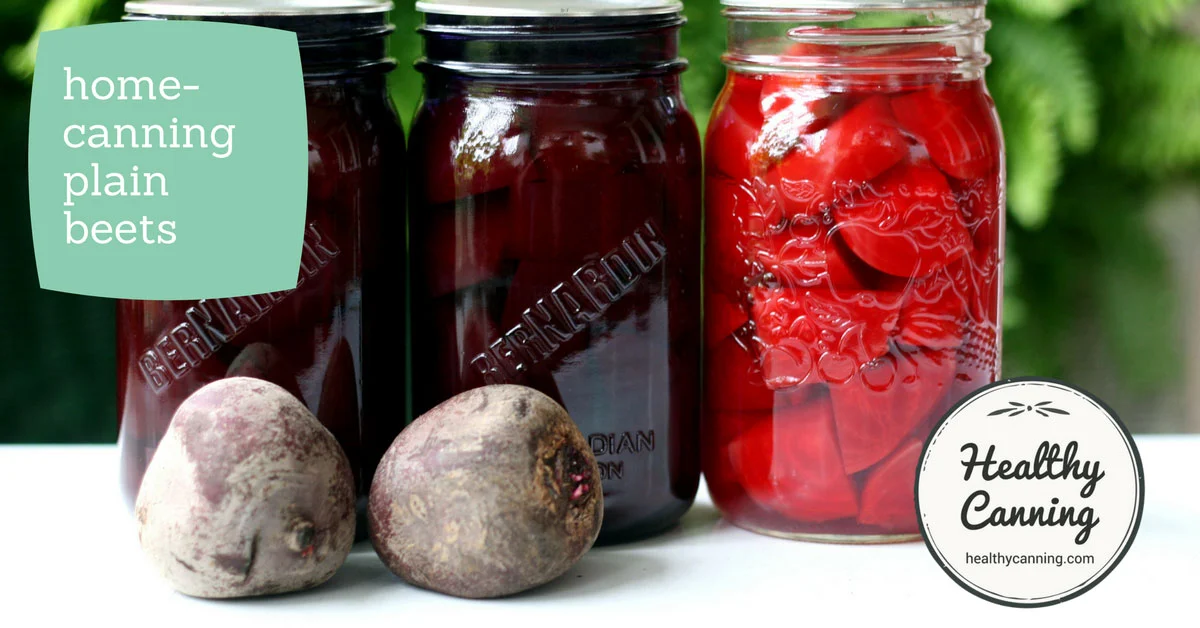

The home preservation of plain beets, scientifically known as Beta vulgaris, represents a pinnacle of culinary self-sufficiency, offering a nutritious and versatile staple for year-round consumption. However, the process is governed by stringent scientific protocols established by the United States Department of Agriculture (USDA) and the National Center for Home Food Preservation (NCHFP). Unlike pickled beets, which utilize vinegar to increase acidity, plain beets are a low-acid vegetable, necessitating the use of a pressure canner to eliminate the risk of foodborne illness. This comprehensive guide details the essential safety standards, technical specifications, and historical context required to produce high-quality, shelf-stable canned beets.
The Scientific Imperative: Why Pressure Canning is Mandatory
In the realm of home food preservation, the distinction between high-acid and low-acid foods is the primary determinant of safety. Beets typically possess a pH level ranging from 5.3 to 6.6, placing them firmly in the low-acid category. This environment is conducive to the growth of Clostridium botulinum, the bacterium responsible for botulism. The spores of this bacterium are remarkably heat-resistant and can survive in boiling water (212°F / 100°C) at sea level.
To ensure safety, low-acid foods must be processed at temperatures between 240°F and 250°F (116°C to 121°C), which can only be achieved under pressure. Public health records underscore the gravity of this requirement; between 1990 and 2012, at least ten confirmed cases of botulism in the United States were directly linked to home-canned beets that were processed using a water bath rather than a pressure canner. Experts from the seminal preservation text Putting Food By emphasize that plain beets rank alongside string beans as high-risk carriers for the C. botulinum toxin if handled incorrectly. Consequently, the only safe method for canning plain beets is the hot pack method in a pressure canner.

Chronology of the Preservation Process
The successful canning of plain beets follows a logical sequence of preparation, pre-cooking, and thermal processing. Adhering to this chronology ensures both the safety and the aesthetic quality of the final product.
1. Selection and Preparation
The process begins with the selection of high-quality produce. For the best results, home canners should seek out young, tender beets. Beets exceeding 3 inches (7 cm) in diameter are often discarded or used for other purposes as they tend to become fibrous and woody.
Before processing, the beets must be thoroughly washed. It is critical to leave approximately 1 to 2 inches (2.5 to 5 cm) of the stem and the entire taproot intact during the initial pre-cooking phase. This technique is designed to "seal" the beet, minimizing the leaching of pigments and reducing color loss during the subsequent peeling and canning stages.
2. Pre-cooking and Peeling
Beets must be pre-cooked until the skins can be easily removed. This is traditionally done by boiling the beets in water for 15 to 25 minutes, depending on their size. Modern energy-saving alternatives include using a steam canner or a pressure cooker for this preliminary step. If using a pressure cooker, medium-sized beets (approximately 4 inches) may only require 3 minutes at 15 pounds of pressure followed by a natural release.
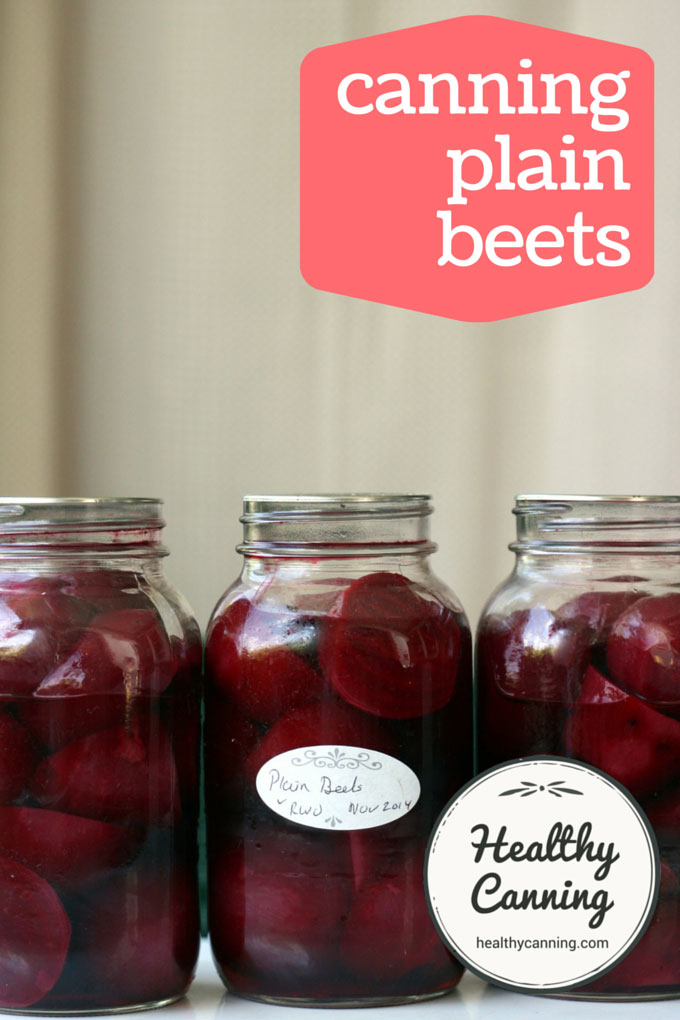
Once pre-cooked, the beets are submerged in cold water briefly to facilitate handling—though they must remain warm for the "hot pack" process. The skins are slipped off, and the remaining stems and roots are trimmed. Depending on preference and size, the beets can then be left whole, sliced, or cubed.
3. Packing the Jars
The prepared beets are packed into hot, sterilized jars. The USDA recommends leaving exactly 1 inch (3 cm) of headspace. This space is vital for the expansion of the food and the creation of a vacuum seal during the cooling process. Boiling water is poured over the beets, and salt may be added for seasoning (typically 1/2 teaspoon per pint or 1 teaspoon per quart). It is important to note that salt is an optional seasoning and does not serve as a preservative in this specific process.
4. Thermal Processing
The jars are placed in a pressure canner and processed according to specific time and pressure requirements, which vary based on jar size and altitude.
Technical Data and Processing Specifications
Accuracy in measurement and timing is the cornerstone of safe canning. The following data points are derived from the 2015 USDA Complete Guide to Home Canning.

Quantity Guidelines
On average, a home canner will require approximately 1.25 kg (3 lbs) of beets to fill a 1-liter (US quart) jar. A standard load of 10 medium beets (roughly 9 cm or 3 inches in diameter) weighs approximately 2 kg (4.5 lbs).
Processing Times and Pressures
The processing time begins only when the pressure canner has reached the target pressure.
- Half-liter (US Pint) Jars: 30 minutes
- 1-liter (US Quart) Jars: 35 minutes
Pressure Requirements (Weighted Gauge):
- 0 – 300 meters (0 – 1,000 feet): 10 lbs (69 kPa)
- Above 300 meters (1,000 feet): 15 lbs (103 kPa)
Pressure Requirements (Dial Gauge):
- 0 – 610 meters (0 – 2,000 feet): 11 lbs
- 610 – 1,220 meters (2,001 – 4,000 feet): 12 lbs
- Adjustments continue upward based on specific altitude increments.
Quality Standards and Aesthetic Considerations
The National Center for Home Food Preservation provides specific judging criteria for plain canned beets to help home processors evaluate their results.
- Peeling: All beets must be peeled. This is not merely for texture; peeling significantly reduces the microbial load (soil-borne bacteria) entering the jar.
- Uniformity: Beets should be uniform in size and shape. Whole beets should be less than 2 inches in diameter.
- Color: The ideal color is a deep, dark red. While white rings or brownish hues are considered undesirable, color loss is a common chemical reaction.
- Clarity: The liquid should be clear and red, without cloudiness or sediment, which could indicate spoilage or improper cleaning.
The Chemistry of Color Loss
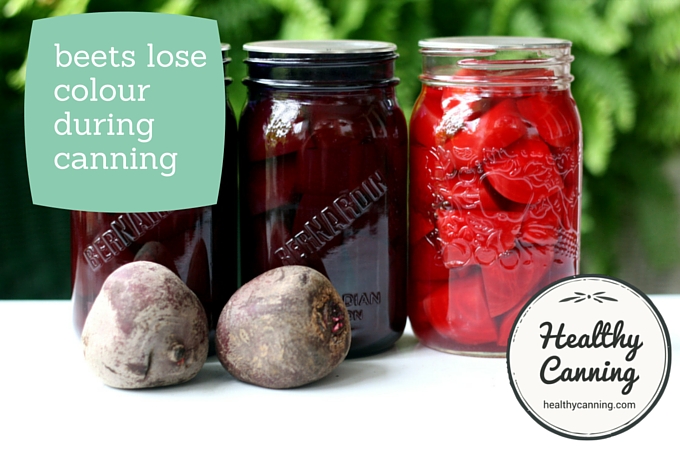
Many home canners are dismayed when their vibrant beets turn pale or greyish after processing. According to the Penn State Extension, the red pigments in beets, known as betalains, are sensitive to high temperatures. During the intense heat of pressure canning, these pigments can transform into colorless compounds.
However, this reaction is often reversible. If stored at room temperature for several days, the pigments frequently stabilize, and the deep red color returns to the product. To mitigate initial loss, varieties such as ‘Detroit Dark Red’ or ‘Formanova’ are recommended for their superior color retention.
Historical Evolution of Canning Safety
The history of beet canning reflects the broader evolution of food science and public health awareness in the 20th century. As early as 1926, the USDA’s Farmers’ Bulletin No. 1471 explicitly recommended pressure canning for "baby beets" to avoid the risk of "poisoning from occasional contamination with botulinus bacteria."

Despite this early clarity, the mid-20th century saw a period of conflicting advice. During World War II, when metal for pressure canners was rationed for the war effort, some extension services published "acid method" instructions. These suggested that adding a small amount of vinegar to beets would allow them to be safely processed in a boiling water bath for 1.5 hours.
Modern food scientists have since debunked this "slightly acidified" approach, noting that the amount of vinegar used was insufficient to lower the pH to a safe level (below 4.6). The persistence of this "old-fashioned" advice remains a challenge for food safety educators, who emphasize that historical precedent does not override biological reality.
Analysis of Implications and Public Health
The strict adherence to pressure canning for beets is more than a culinary preference; it is a critical public health measure. The "Botulism in America" reports indicate that home-canned vegetables remain the primary source of foodborne botulism in the United States.
The implication for the modern "homesteading" movement is clear: as more individuals turn to home preservation to secure their food supply and reduce their carbon footprint, the dissemination of science-based canning education is vital. The transition from raw produce to a shelf-stable jar involves a sophisticated understanding of microbiology and thermal physics. When performed correctly, home canning provides a nutritionally superior product—free from the high sodium and preservatives often found in commercial equivalents—while ensuring the absolute safety of the consumer.
Culinary Applications and Versatility
Once successfully preserved, home-canned beets serve as a rapid-response ingredient for a variety of dishes. Their pre-cooked nature allows them to be integrated into meals with minimal preparation.
- Roasting: Canned beets can be tossed in olive oil, maple syrup, or duck fat and roasted at high heat for a few minutes to achieve a caramelized exterior.
- Borscht: They provide a shortcut for traditional Eastern European soups, where the canning liquid can also be used to enhance the soup’s color and depth.
- Salads: Sliced beets paired with goat cheese, walnuts, and a balsamic glaze remain a classic application.
- Curries: In South Asian-inspired cuisine, beets can be simmered with carrots and coconut milk for a vibrant, earthy curry.
By mastering the pressure canning process, the home cook transforms a seasonal harvest into a permanent pantry asset, bridging the gap between summer gardens and winter tables with confidence and safety.