
In an era increasingly dominated by digital solutions for nearly every aspect of daily life, a low-tech, highly personalized approach to meal planning and grocery shopping is gaining recognition for its remarkable effectiveness in streamlining household management. This system, championed by long-term users, emphasizes a bespoke, paper-based grocery list meticulously organized by food categories and supermarket layout, combined with a weekly dinner plan. Its proponents argue that this method significantly reduces time spent on planning and shopping, minimizes food waste, and alleviates the pervasive "time crunch" experienced by contemporary families.
A Return to Fundamentals: The Genesis of an Optimized System
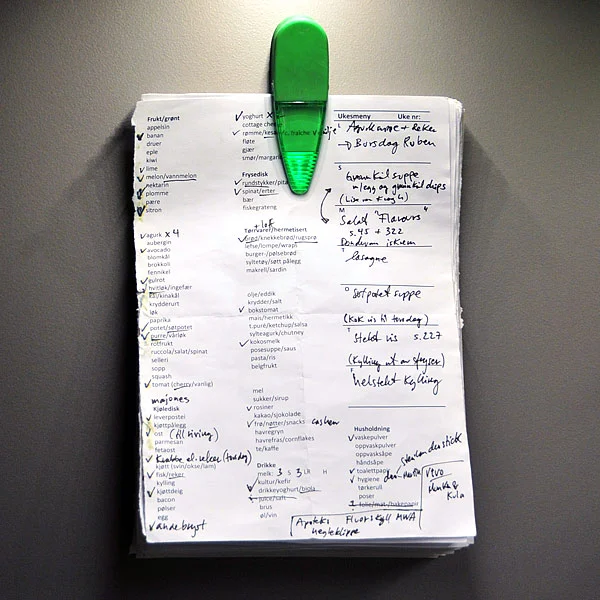
The concept, refined over more than six years by its primary advocate, stems from a practical need to optimize weekly grocery runs. Instead of creating a shopping list from scratch each week, the system utilizes a generic, pre-populated list that serves as a dynamic template. Users simply tick off needed items, with ample space provided for specific additions or non-standard purchases. This adaptive framework ensures that the list remains relevant, evolving alongside family preferences, dietary changes, and seasonal availability of products in local stores. The core principle is straightforward: to create a document that mirrors both the family’s culinary habits and the physical layout of their preferred grocery establishment, thereby maximizing efficiency.
This methodology stands in stark contrast to the common ad-hoc approach many households adopt, where meal decisions are made daily, often leading to multiple store visits, impulse buys, and increased stress. Studies by consumer behavior analysts frequently highlight that unplanned shopping trips are a significant contributor to higher grocery bills and greater food waste. A 2022 report by the U.S. Department of Agriculture (USDA) estimated that food waste at the retail and consumer levels in the United States alone amounted to approximately 30-40 percent of the food supply, with household waste being a substantial component. Structured meal planning, such as that facilitated by this personalized list system, is identified as a key strategy to mitigate these figures.
The Unrivaled Advantage of Paper in a Digital World
A central tenet of this system is its staunch preference for paper over readily available digital alternatives. While numerous grocery list applications promise convenience and connectivity, advocates of the paper method point to several critical advantages. The "superb resolution" of paper, as one proponent describes it, offers an immediate, comprehensive overview of both the weekly menu and the entire shopping list on a single, compact A5-sized sheet. This physical tangibility allows for quick scanning and mental processing that digital interfaces, often requiring scrolling or multiple screen taps, cannot replicate.
Psychological research supports the benefits of physical writing and tangible aids for memory and planning. A 2014 study published in Psychological Science found that students who took notes by hand performed better on conceptual questions than those who typed notes, suggesting that the act of writing engages different cognitive processes that enhance understanding and retention. Applied to grocery shopping, this implies that physically ticking items off a list, or even just seeing the entire list laid out, can reduce cognitive load and the likelihood of forgetting essential items.
Moreover, a paper list is inherently more flexible. It can be folded, tucked into a pocket, and annotated freely. The reverse side offers additional space for notes, spontaneous additions, or even rough sketches. Unlike a smartphone, it requires no battery life, is impervious to screen glare, and poses no distractions from incoming notifications or tempting social media feeds during a shopping trip. For many, the tactile experience of a paper list offers a sense of control and clarity that digital tools, despite their sophisticated features, sometimes fail to deliver.
Chronology of Adaptation and Refinement: A Living Document
The development of such a highly effective system is rarely static; it is a continuous process of adaptation and refinement. The originator of this specific method reports that their generic list has been compiled and adjusted over a six-year period. This iterative process allows the list to accurately reflect the evolving dynamics of a family unit – from the introduction of items for young children that are later removed as they grow, to changes in dietary preferences, or the discovery of new favorite products.
This ongoing customization underscores a crucial aspect of efficient household management: a truly effective system must be a "work-in-progress," responsive to real-life changes rather than a rigid, immutable template. Regularly reviewing past lists – perhaps every few weeks, as suggested by the system’s proponent – allows for periodic updates, ensuring the generic list remains optimized. This adaptability makes the system scalable and transferable, enabling individuals or families to tailor a base template to their unique needs, dietary requirements, and local market offerings.
Addressing the "Tidsklemma": A Global Challenge
The impetus behind such meticulous planning often stems from the realities of modern life, particularly the pervasive "time crunch" or "tidsklemma," a Norwegian term for which there is no direct English equivalent but aptly describes the feeling of constantly being pressed for time due to work and family obligations. This phenomenon is not unique to Norway; it is a global experience for working parents and busy individuals striving to balance professional careers with domestic responsibilities.
According to a 2021 study by the Pew Research Center, 60% of working parents with children under 18 say it is difficult for them to balance their job and family responsibilities. This pressure often manifests in daily dilemmas, such as sacrificing home-cooked meals for convenience foods or takeout. The structured approach of a weekly dinner plan and a pre-organized grocery list directly counteracts this "tidsklemma" by front-loading decision-making and minimizing last-minute stress. By dedicating a set time once a week to plan meals and compile the list, individuals reclaim valuable time during busy weekdays.
While spontaneity in cooking can be enjoyable for those with ample time, the reality for many is that structured planning is a prerequisite for consistently preparing home-cooked meals. This system acknowledges that life happens: spontaneous invitations, unexpected exhaustion, or simply a craving for takeout can necessitate deviations from the plan. However, the overarching benefit is that, on the whole, planning dinners a week ahead significantly increases the frequency of home cooking compared to an unplanned approach.
Integrating Menu Planning for Enhanced Efficiency
A key feature enhancing the utility of this paper-based system is the integration of the weekly menu directly onto the grocery list. For recipes sourced from cookbooks, a simple page number reference suffices, assuming the user is familiar with their collection. This dual function serves as an invaluable mnemonic aid during shopping. A quick glance at the planned menu can often trigger memory for forgotten ingredients that might not have been explicitly listed but are essential for a specific dish.
This holistic approach to meal preparation and ingredient acquisition goes beyond merely listing items. It fosters a more mindful engagement with food, encouraging individuals to consider the week’s nutritional balance, variety, and the efficient use of ingredients across multiple meals. This can further contribute to reducing food waste by promoting the strategic use of leftovers or versatile ingredients.
Broader Implications and Data-Backed Benefits
The adoption of a well-structured grocery list and meal planning system carries significant implications across economic, environmental, and psychological domains:
-
Economic Benefits: By adhering to a pre-defined list, shoppers are less prone to impulse purchases, which are often high-margin items for retailers but detrimental to a household budget. The average American household spends approximately $4,942 on food at home annually, according to the Bureau of Labor Statistics (2022). Even a modest reduction in impulse buys and food waste, estimated at 10-15%, can translate into hundreds of dollars saved per year. Furthermore, buying only what is needed for planned meals reduces spoilage and the financial loss associated with discarded food.
-
Environmental Impact: Food waste is a major contributor to greenhouse gas emissions. When food rots in landfills, it produces methane, a potent greenhouse gas. The USDA estimates that food waste costs the U.S. economy over $218 billion annually and accounts for approximately 18% of total methane emissions. Efficient meal planning and grocery shopping directly address this issue by reducing the volume of edible food that is purchased but never consumed, thus lessening a household’s carbon footprint.
-
Psychological Well-being: Decision fatigue is a well-documented phenomenon where making numerous choices depletes mental energy, leading to poorer decision-making later. Daily decisions about "what’s for dinner" can be a significant source of this fatigue. By making these decisions once a week, the cognitive burden is substantially reduced, freeing up mental resources for other tasks and contributing to overall stress reduction. A 2020 study published in the Journal of Consumer Psychology highlighted that consumers who pre-plan their purchases experience less stress and greater satisfaction with their shopping outcomes.
-
Dietary Quality: Planned meals tend to be more balanced and diverse than impromptu ones. When planning, individuals are more likely to consider nutritional content, incorporate a variety of food groups, and include healthier options. This proactive approach can lead to improved dietary habits and better health outcomes for the entire family.
Expert Perspectives on Practical Household Efficiency
Time management consultants frequently advocate for structured routines as a cornerstone of productivity and reduced stress. Dr. Laura Vanderkam, an expert on time management, often emphasizes the power of planning ahead to reclaim time and focus on priorities. Her research suggests that individuals who plan their weeks tend to feel more in control and achieve more of their personal goals.
Similarly, consumer psychologists observe a growing segment of the population, often those experiencing "digital fatigue," who are consciously choosing to revert to tangible, low-tech tools for practical tasks. This trend is not a rejection of technology but rather a strategic selection of the most appropriate tool for a given job, where simplicity and direct engagement offer superior results.
Environmental advocacy groups, such as the Natural Resources Defense Council (NRDC), consistently promote meal planning as a critical tool in the fight against food waste. They provide resources and guidance on how simple planning habits can collectively lead to significant environmental benefits.
Conclusion: The Enduring Appeal of Simplicity and Structure
In an increasingly complex world, the personalized paper grocery list system offers a compelling argument for the enduring value of simplicity, structure, and a hands-on approach to daily tasks. It is a testament to the idea that the most effective solutions are often those tailored precisely to individual needs and consistently refined through practical application.
The widespread applicability of this method is evident in its adaptability; while the specific contents of any two lists will differ, the underlying principles of organization, pre-planning, and iterative refinement remain universal. For those seeking to mitigate the pressures of the modern "tidsklemma," reduce household expenditures, minimize food waste, and simply enjoy more home-cooked meals with less stress, this optimized paper-based system presents a powerful, proven alternative to purely digital or haphazard approaches. The availability of downloadable templates in various formats underscores its practical utility and potential for broader adoption, inviting individuals to embark on their own journey toward more efficient and mindful household management.