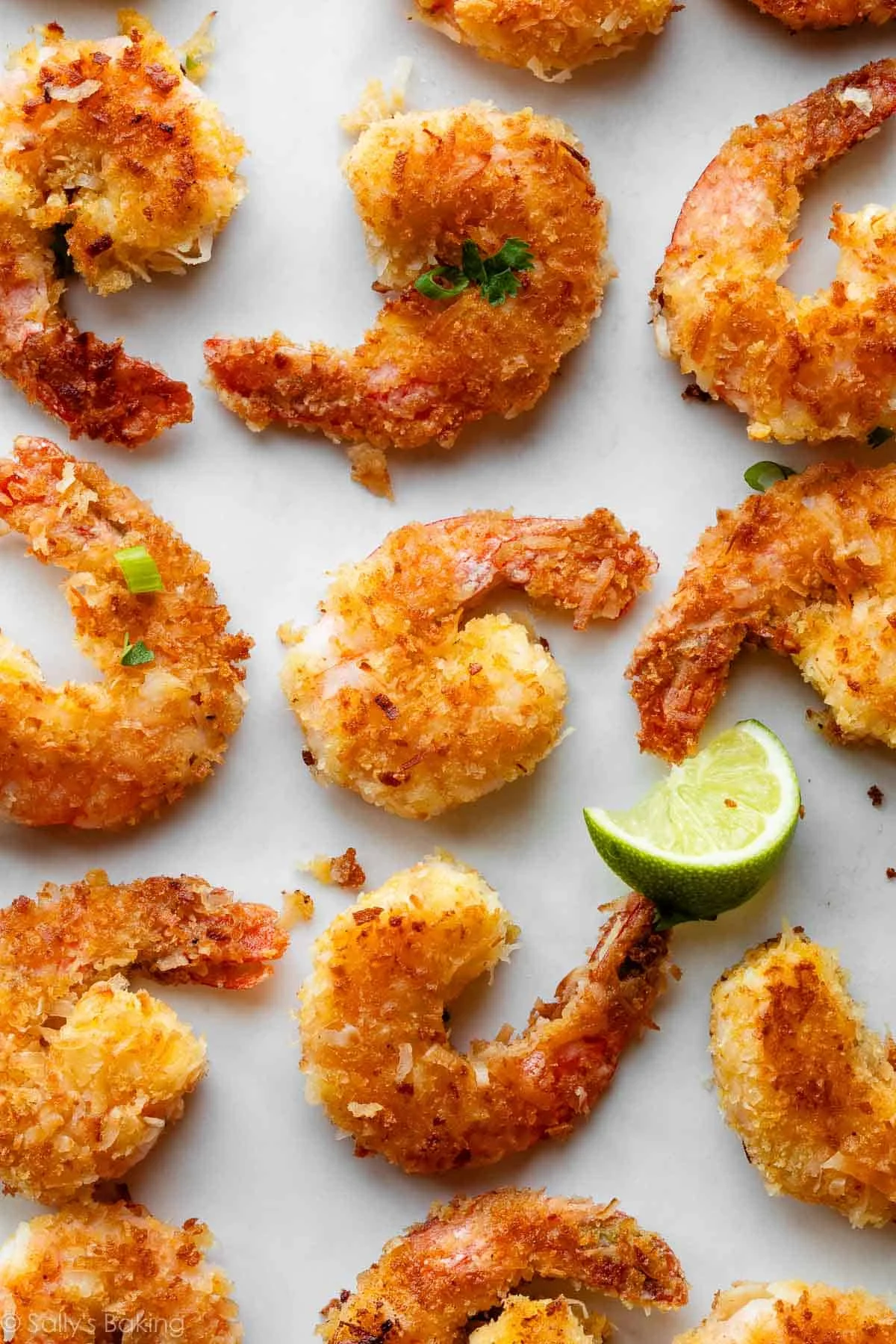

This universally beloved dish, characterized by its golden, sweet, and remarkably crisp texture, consistently disappears rapidly from serving platters, particularly when paired with a zesty, spicy-sweet dipping sauce. The preparation, from ingredients to the cooking process, is lauded for its straightforwardness and accessibility, making it an ideal choice for both novice and experienced home cooks. Whether presented as a main course alongside a fresh, vibrant salad or offered as an enticing appetizer, this culinary favorite promises swift and complete consumption.
Originally introduced to the digital culinary sphere in 2014, this specific rendition of crispy coconut shrimp has undergone significant refinements over the years, incorporating updated photographic content and enhanced success tips to further demystify its preparation for a broader audience. The longevity and continuous evolution of this recipe underscore its fundamental appeal and its place as a reliable staple in the repertoire of home cooks seeking restaurant-quality results without undue complexity.
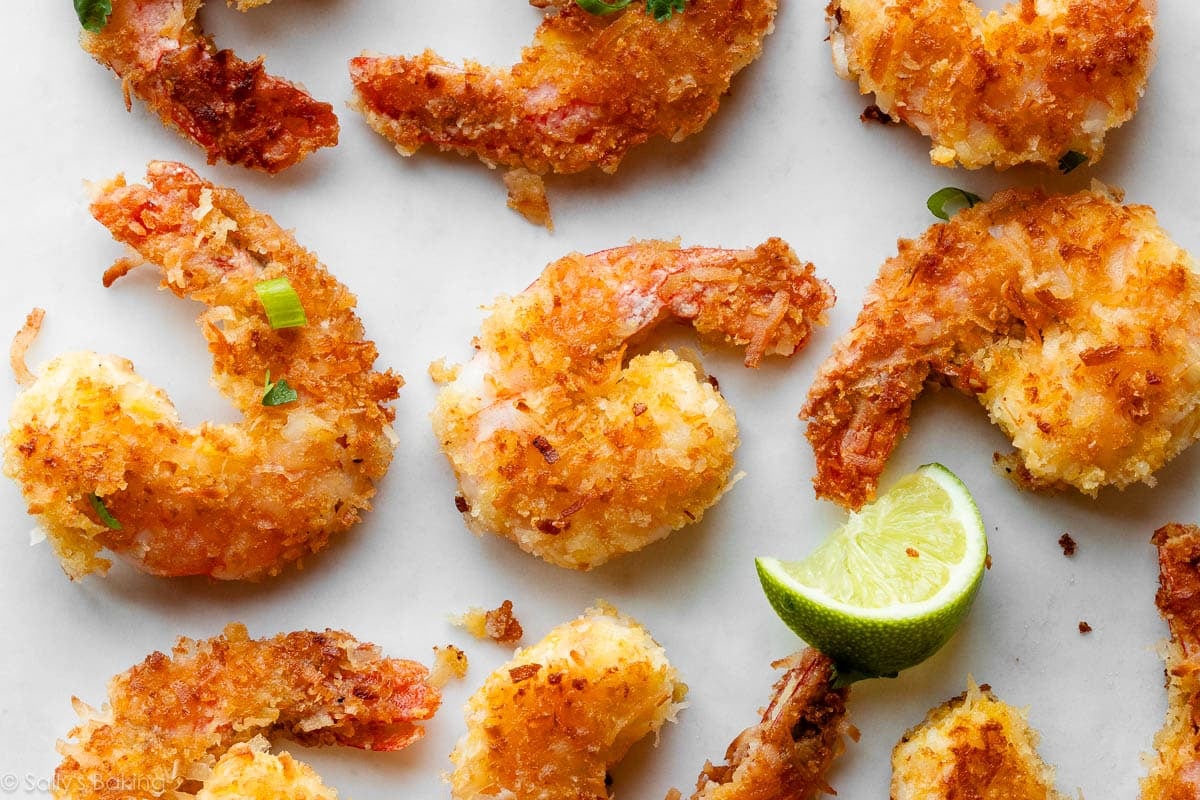
At its core, this easy coconut shrimp recipe transforms a classic restaurant indulgence into an approachable homemade delight, often surpassing its professional counterparts in flavor and freshness. Each succulent shrimp is meticulously enveloped in a dual-layered coating: a foundational blend of sweetened shredded coconut and finely textured Panko breadcrumbs, subsequently pan-fried to achieve a perfect golden hue and an irresistible crunch. The meticulous development of this recipe over nearly a decade speaks to its reliability and beginner-friendly nature, typically requiring approximately 30 minutes from start to finish, utilizing readily available ingredients. For those venturing into homemade coconut shrimp for the first time, comprehensive, step-by-step guidance ensures the coating adheres perfectly and maintains its signature crispness throughout the cooking process.
The widespread positive reception is exemplified by testimonials from the culinary community. One enthusiastic reader, identified as Paul, shared his experience: "I made these tonight for an appetizer for us and they turned out PERFECTLY! Thank you so much for such a great recipe. I cannot wait until we have guests to make these for them." Such feedback highlights the recipe’s consistent ability to deliver exceptional results, fostering confidence and excitement among those who prepare it.
The recipe’s design caters to a dual purpose: an efficient midweek meal solution or a quick, impressive appetizer. Its minimal cook time and reliance on common pantry staples contribute to its versatility and practicality in diverse culinary contexts. This adaptability has positioned it as a go-to option for individuals and families seeking to elevate their dining experiences without extensive time commitments.
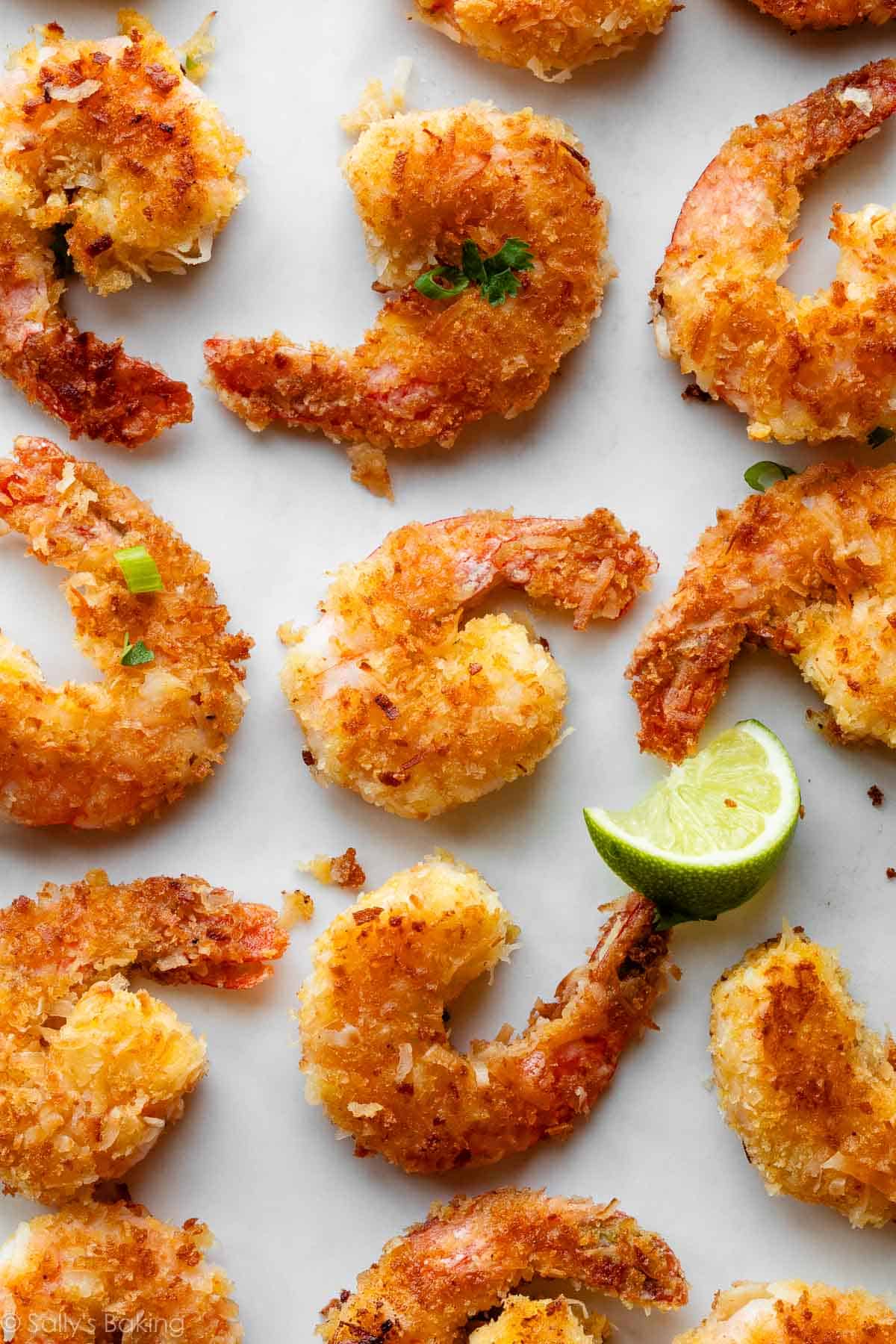
The Genesis and Evolution of a Culinary Favorite
The initial publication of this coconut shrimp recipe in 2014 predates a significant surge in demand for accessible, high-quality home cooking solutions. In the era preceding the widespread adoption of meal kit services and sophisticated food delivery platforms, discerning home cooks increasingly turned to online resources for recipes that could replicate restaurant experiences. The food blogging landscape was rapidly expanding, with creators like the original author striving to bridge the gap between aspirational dining and everyday kitchen realities. The decision to update the recipe with new visuals and detailed tips reflects a commitment to improving user experience and adapting to evolving digital content consumption patterns, ensuring its continued relevance in a dynamic online environment. This iterative improvement process is characteristic of successful digital recipes, where community feedback and creator insights drive ongoing enhancement.
Unpacking the Appeal: Why This Recipe Stands Out
This particular coconut shrimp recipe distinguishes itself through several key attributes that resonate deeply with modern home cooks:
- Effortless Preparation: Despite its gourmet appearance, the recipe is engineered for simplicity, making it accessible to cooks of all skill levels.
- Restaurant-Quality Results at Home: It empowers individuals to recreate a popular dining-out dish with superior freshness and control over ingredients.
- Time Efficiency: With a preparation and cooking time of approximately 30 minutes, it fits seamlessly into busy schedules.
- Versatile Serving Options: Equally suitable as an elegant appetizer for gatherings or a satisfying main course.
- Reliable and Consistent Outcomes: The detailed instructions and proven methodology minimize the risk of culinary mishaps, ensuring consistently crispy and delicious shrimp.
- Engagement and Community Endorsement: Positive reader feedback, like Paul’s, underscores its proven success and encourages new users.
Optimal Ingredients for Culinary Success
The selection of ingredients plays a pivotal role in achieving the desired texture and flavor profile of this coconut shrimp.
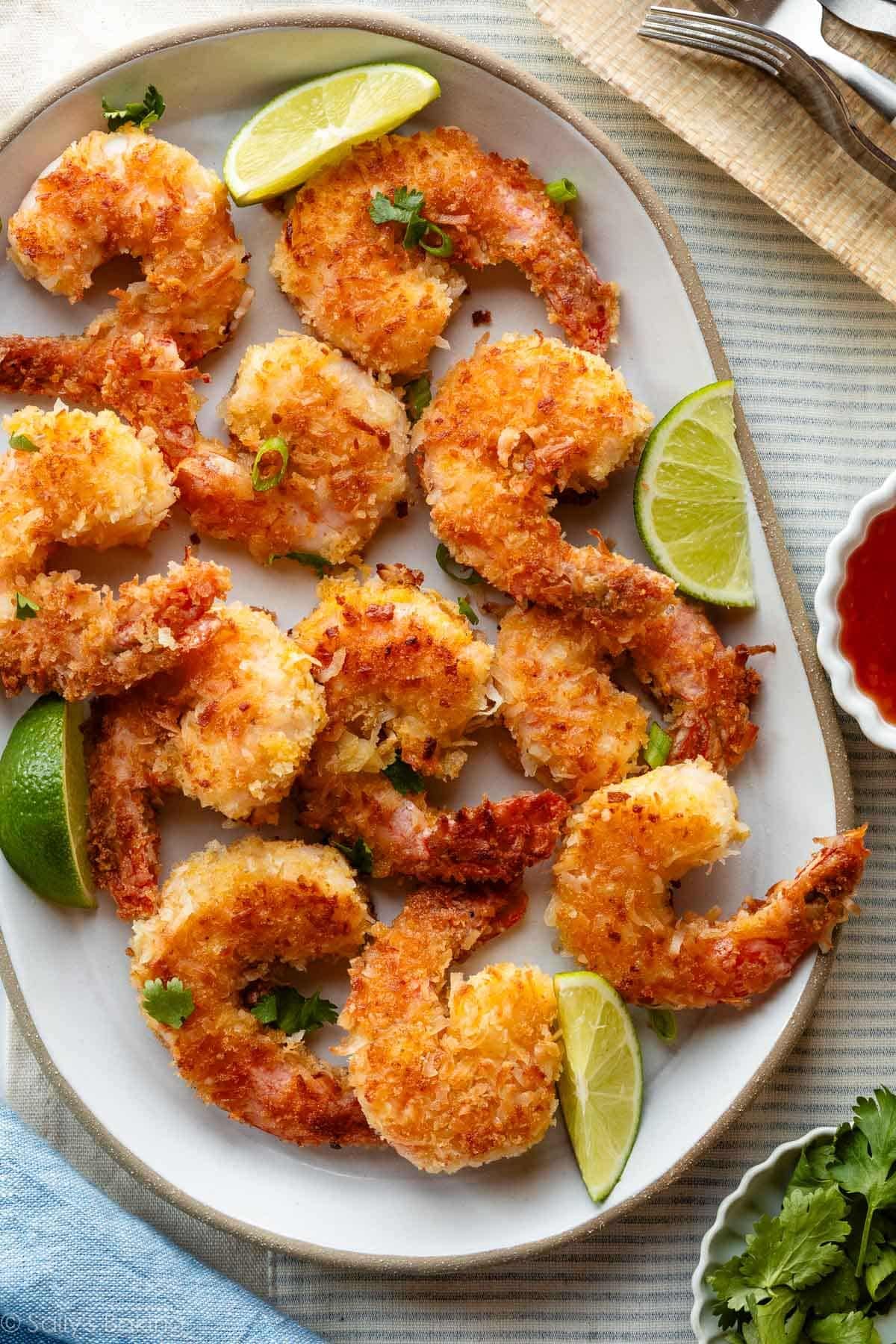
The Ideal Shrimp Selection
For optimal results, the recipe specifically recommends using large raw shrimp that have been peeled, deveined, and, crucially, retain their tails. The tails serve a practical purpose, facilitating easier handling during the breading and frying processes, and presenting a more elegant, convenient finger food when served as an appetizer. The preference for large shrimp is rooted in culinary science; shrimp tend to shrink during cooking, and larger varieties retain more of their inherent juiciness, preventing them from becoming overly dry. While medium shrimp can be substituted, their reduced size post-frying should be anticipated. For those with medium shrimp on hand, alternative preparations such as honey garlic shrimp are also recommended, demonstrating the versatility of this seafood staple.
Frozen raw shrimp are a perfectly acceptable alternative when fresh options are unavailable. The critical step is to ensure they are completely thawed and thoroughly patted dry before proceeding with the breading process. Excess moisture on the shrimp surface will hinder the adhesion of the coating, compromising the final crispness. The use of pre-cooked frozen shrimp is strongly discouraged, as it often results in an undesirable texture and flavor profile when refried.
Essential Ancillary Components
Beyond the shrimp, a select few additional ingredients complete this recipe:
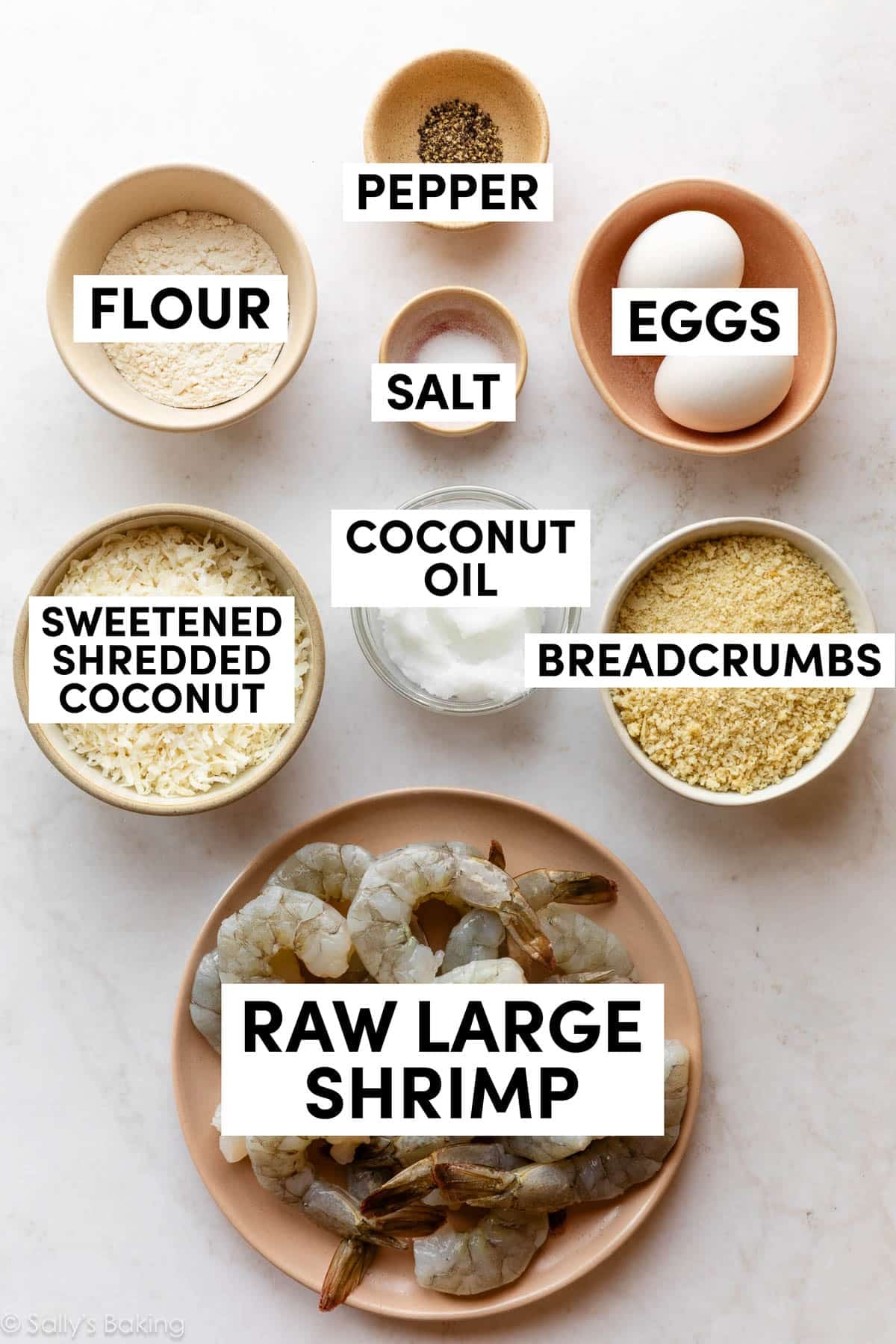
- All-Purpose Flour: Serves as the initial dry layer, providing a crucial surface for the subsequent egg wash to adhere.
- Large Eggs: Whisked to create the binding layer, enabling the coconut and Panko mixture to cling effectively to the shrimp.
- Sweetened Shredded Coconut: This is a non-negotiable component. The sugar content in sweetened coconut caramelizes during frying, contributing to the golden color, enhanced crispness, and a delightful sweetness that is integral to the dish’s identity. Unsweetened coconut, while usable, will yield a less sweet and less caramelized coating.
- Panko Breadcrumbs: A key differentiator, Panko breadcrumbs are renowned for their superior crispness compared to regular breadcrumbs. Their larger, flakier texture absorbs less oil, resulting in a lighter, airier, and more enduringly crisp crust.
- Salt and Pepper: Fundamental seasonings to enhance the overall flavor profile of the shrimp.
- Neutral Frying Oil: A high smoke point oil, such as vegetable, canola, or peanut oil, is essential for pan-frying, ensuring even cooking and a consistent crisp.
The Science of Crispness: The Three-Layer Coating
The unparalleled crispness of this coconut shrimp is not accidental; it is the direct result of a meticulously designed three-layer coating system. This process ensures maximum adhesion and optimal texture, a technique often employed in professional kitchens for fried preparations.
- First Layer: Seasoned Flour: Each shrimp is first dredged in a mixture of all-purpose flour seasoned with salt and pepper. This initial dry layer creates a slightly rough, absorbent surface, which is ideal for the next liquid layer to cling to.
- Second Layer: Egg Wash: Following the flour, the shrimp are immersed in beaten eggs. The egg wash acts as a powerful adhesive, forming a sticky bridge between the dry flour and the final breading mixture.
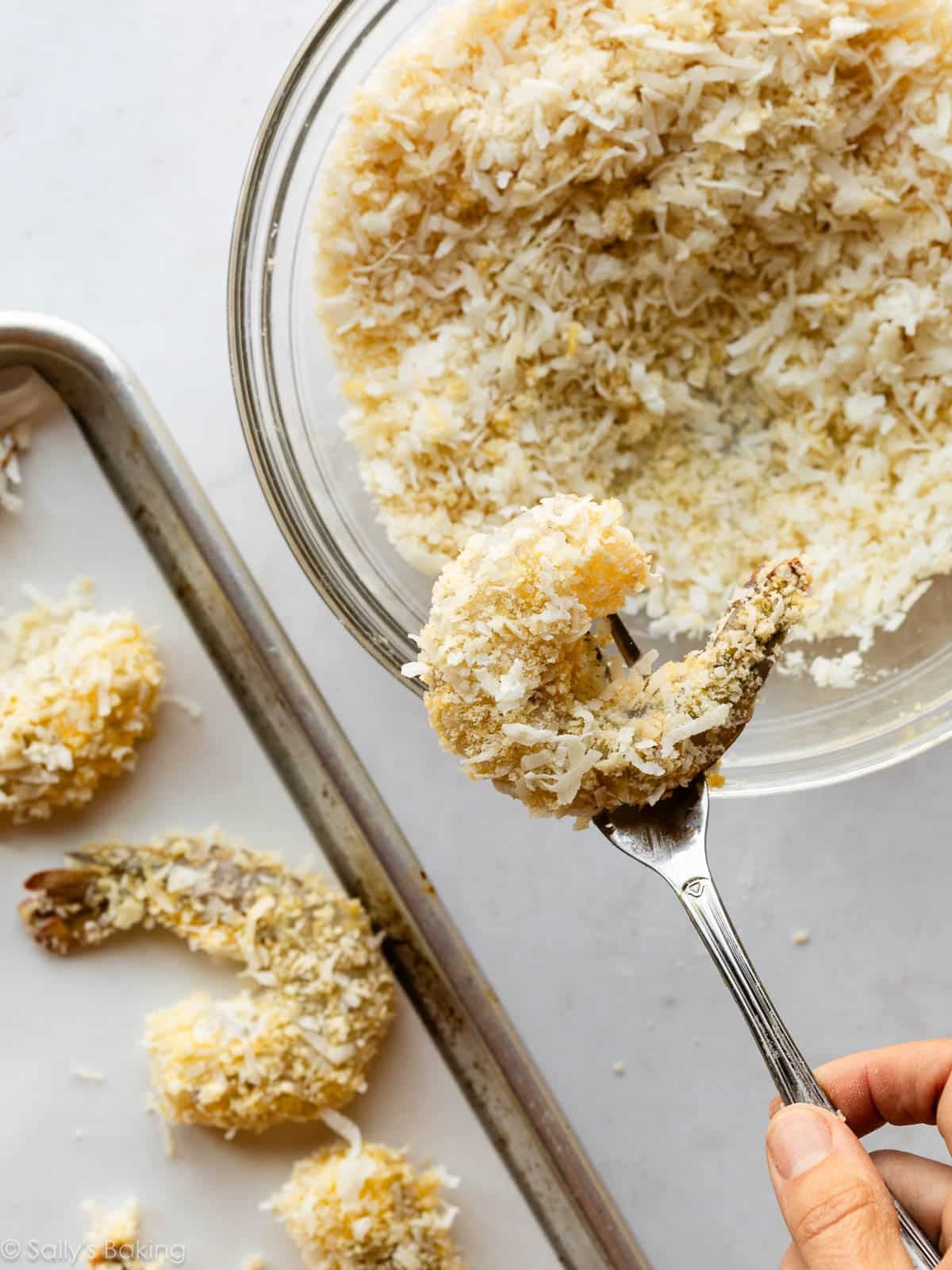
- Third Layer: Sweetened Coconut and Panko Blend: Finally, the egg-coated shrimp are generously pressed into a mixture of sweetened shredded coconut and Panko breadcrumbs. This step is critical, requiring firm pressing to ensure a thick, even layer of the crunchy coating adheres.
Each layer serves a distinct and vital purpose. The flour ensures the egg wash adheres uniformly, the egg wash in turn provides the necessary tackiness for the coconut-Panko blend to stick, and the combined Panko and sweetened coconut create a robust, extra-crispy crust. During frying, the Panko achieves its characteristic crunch, while the sugar in the sweetened coconut caramelizes, developing a beautifully golden hue and an irresistible, slightly toasted flavor. Insufficient application of the final coating will result in a less satisfying texture, underscoring the importance of thoroughly pressing the mixture onto each piece of shrimp.
Mastering the Frying Technique: Tips for Success
Achieving perfectly cooked coconut shrimp—crispy on the outside, juicy within—requires attention to a few critical frying techniques:
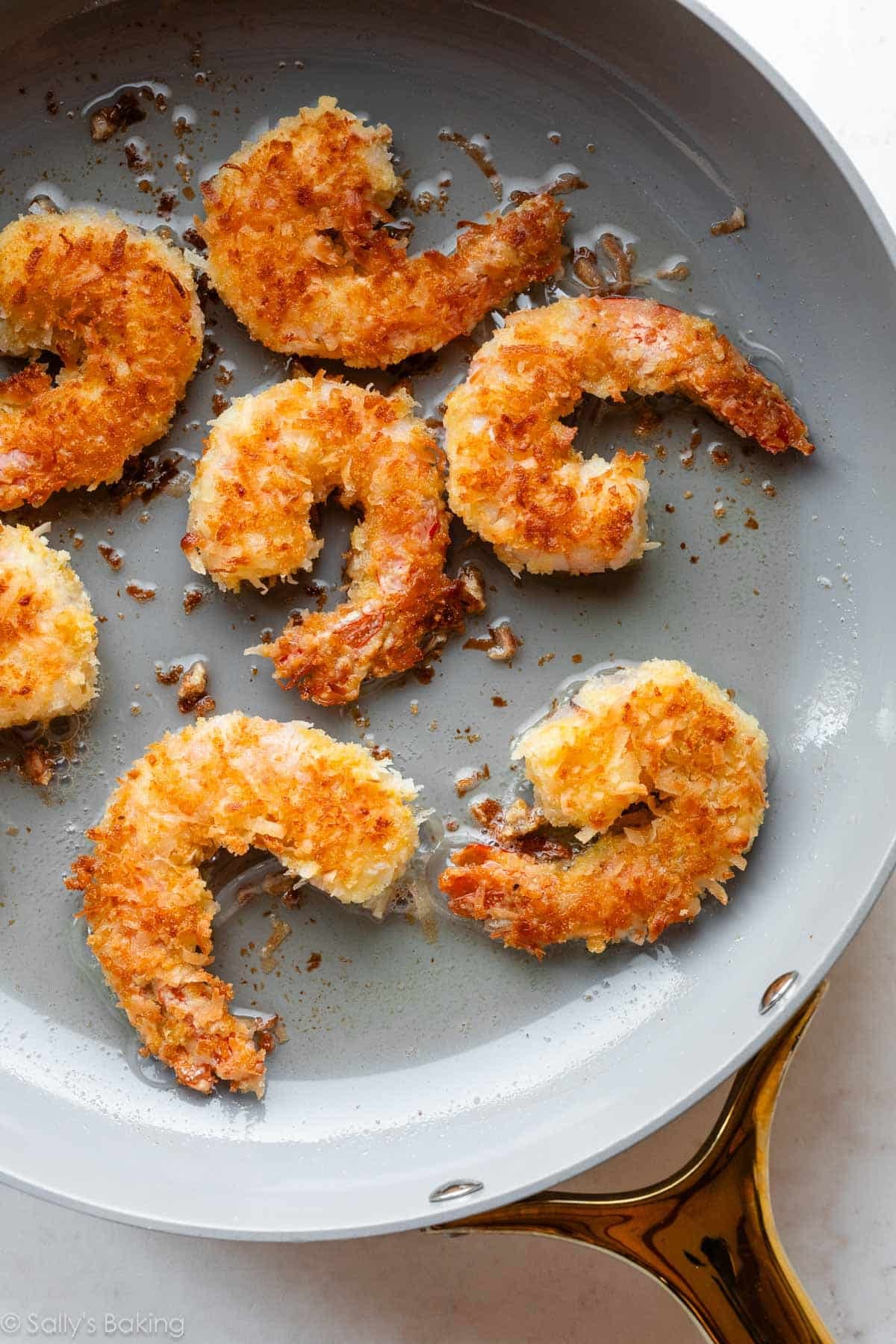
- Adequate Oil Quantity: Ensure enough neutral oil is used to generously cover the bottom of your skillet, allowing the shrimp to fry evenly without sticking.
- Batch Frying: To maintain consistent oil temperature and prevent overcrowding, which can lead to steaming rather than frying, cook the shrimp in small batches. Overcrowding lowers the oil temperature, resulting in greasy, less crispy shrimp.
- Temperature Control: Maintain a medium heat for the frying oil. Oil that is too hot will cause the coconut coating to burn before the shrimp has a chance to cook through. Conversely, oil that is too cool will lead to the coating absorbing excessive oil, resulting in a heavy, soggy texture. A consistent medium heat allows for gradual caramelization of the coconut and thorough cooking of the shrimp.
- Essential Tools: A pair of sturdy tongs is invaluable for safely turning the shrimp and removing them from the hot oil.
- Draining Excess Oil: As each batch of shrimp finishes cooking, transfer them immediately to a plate lined with paper towels. This step is crucial for absorbing any residual oil, ensuring the shrimp remain maximally crisp and not greasy.
Comprehensive FAQ for Troubleshooting and Preparation
Addressing common inquiries further streamlines the cooking process and enhances user confidence:
- Can I Use Frozen Shrimp? Yes, raw frozen shrimp are perfectly acceptable. Thaw them completely under refrigeration and pat them thoroughly dry before coating. Cooked frozen shrimp are not recommended for this recipe.
- Why Won’t My Coconut Coating Stick? The primary reasons are often insufficient drying of the shrimp or an improper coating sequence. Ensure shrimp are bone-dry. Follow the three-step breading process (flour, egg, coconut/Panko) precisely, and firmly press the coconut mixture onto each shrimp.
- Can I Make Coconut Shrimp Ahead of Time? Yes, the shrimp can be breaded several hours in advance and refrigerated until ready to fry. Cooked leftovers reheat remarkably well in an oven or air fryer, maintaining much of their original crispness.
- Can I Freeze Coconut Shrimp? Cooked coconut shrimp freeze well for up to two months. For best results, reheat them directly from frozen in a 350°F (175°C) oven until thoroughly heated and crispy.
- Can I Use Unsweetened Coconut? While technically possible, it is not recommended for optimal results. The sugar in sweetened coconut melts and caramelizes during frying, contributing significantly to the coating’s crispness, golden color, and signature flavor. Using unsweetened coconut will result in a less sweet and less caramelized finish.
- Can I Use Regular Breadcrumbs Instead of Panko? Panko breadcrumbs are highly recommended. Their unique, flaky structure absorbs less oil and moisture during frying, yielding a significantly crispier and lighter crust compared to traditional breadcrumbs. Substituting regular breadcrumbs will compromise the desired crispy texture.
The Indispensable Dipping Sauce and Broader Culinary Impact
While delicious on their own, coconut shrimp achieve an elevated culinary experience when paired with a complementary dipping sauce, akin to serving zucchini fritters with a cooling Greek yogurt dip. A particularly favored accompaniment is an effortless two-ingredient orange chili sauce, crafted from store-bought Thai chili sauce and orange preserves. This blend strikes a perfect balance of sweetness with a subtle spicy kick, harmonizing exquisitely with the rich, crispy shrimp.
The accessibility and superior quality of this homemade coconut shrimp recipe often lead to a transformative realization for many home cooks: the preference for preparing this dish at home over ordering it at restaurants. The combination of a crunchy coconut coating, succulent shrimp, and the invigorating sweet-and-spicy dipping sauce renders each bite utterly irresistible. Furthermore, the success of this recipe often inspires cooks to explore similar preparations, such as coconut chicken, demonstrating its broader influence on home culinary adventures.
Broader Implications for Home Cooking and Culinary Trends
The sustained popularity of recipes like this easy coconut shrimp points to several significant trends within the contemporary culinary landscape. There is a growing consumer desire for convenience without sacrificing quality or flavor. As global cuisines become more integrated into everyday diets, the demand for approachable recipes that demystify international dishes increases. Food blogs and online recipe platforms have become indispensable resources, offering not just instructions but also a sense of community and proven success through reader testimonials.
The ability to consistently produce restaurant-quality dishes in one’s own kitchen has profound implications for the dining industry, fostering a more discerning palate among consumers and driving innovation in both professional and home cooking sectors. This recipe, with its simple ingredients and clear methodology, embodies the democratization of gourmet cooking, making sophisticated flavors accessible to everyone. It represents a micro-trend within the larger movement of empowered home chefs who seek to replicate, and often surpass, their favorite dining experiences with personal touches and assured freshness. The continued relevance of this 2014 recipe, continually updated and celebrated, underscores its status as a timeless culinary achievement that perfectly aligns with modern gastronomic values.