
A burgeoning trend in home baking is redefining beloved treats, shifting focus from convenience to unparalleled quality. This movement is perfectly exemplified by the growing demand for homemade cake pops, moving away from pre-packaged mixes and canned frostings to embrace entirely from-scratch components. The result is a confection that offers a significantly richer flavor profile and a superior texture, captivating both children and adults alike with its delightful charm and artisanal touch. This comprehensive guide provides an in-depth look at creating vanilla cake pops from their foundational ingredients, offering expert tips and techniques to ensure a flawless outcome.
The allure of the cake pop is undeniable, a miniature marvel that has transcended its origins to become a global phenomenon. First popularized in the late 2000s by blogger Angie Dudley, known as Bakerella, these bite-sized treats quickly captured the imagination of dessert enthusiasts. Their whimsical appearance and convenient serving size made them an instant hit, transforming ordinary cake into an elegant, handheld delight. The subsequent widespread adoption by commercial giants like Starbucks further cemented their status in mainstream culture. Children, in particular, are often drawn to the vibrant colors, appealing shapes, and sprinkle-adorned finishes of Starbucks cake pops, making them a frequent request at the display case. This commercial success, however, has simultaneously fueled a desire among home bakers to replicate and even surpass the quality of mass-produced versions, leading to a resurgence of interest in scratch-made recipes. The motivation is clear: to create a treat where every ingredient contributes to an authentic, superior taste and texture that pre-made components simply cannot deliver.
The foundation of truly exceptional homemade cake pops lies in a meticulous approach to ingredient selection and preparation. Unlike their store-bought or semi-homemade counterparts, these cake pops benefit from the deliberate choice to forgo conventional shortcuts. The core principle behind their success is achieving the perfect cake-to-frosting ratio, a delicate balance that ensures a smooth, pliable mixture that is both easy to shape and structurally sound. This critical balance prevents the cake pops from becoming either too crumbly or excessively greasy, a common pitfall when relying on less precise methods. The author, Sally, a prominent voice in the baking community, developed this particular recipe as part of her acclaimed book, Sally’s Candy Addiction. The decision to share this recipe on her website stemmed directly from an overwhelming volume of reader inquiries for a fully from-scratch cake pop method, highlighting a significant demand within the home baking sphere for elevated, artisanal creations.
The distinct advantage of using 100% homemade ingredients becomes evident in the final product. Every bite reveals layers of flavor that are simply absent in recipes utilizing box cake mixes or canned frosting. This commitment to fresh, quality components transforms a simple confection into a memorable culinary experience. The rich vanilla notes from the cake, perfectly complemented by the creamy, nuanced vanilla buttercream, create a harmonious blend that resonates with discerning palates. This emphasis on quality ingredients also offers home bakers greater control over sugar content and the absence of artificial flavors and preservatives, aligning with a broader consumer trend towards healthier and more transparent food choices.
Embarking on the journey to craft these homemade cake pops involves a structured, multi-phase process, each step contributing to the overall excellence of the final treat.
Phase 1: The Foundation – Crafting the Vanilla Cake
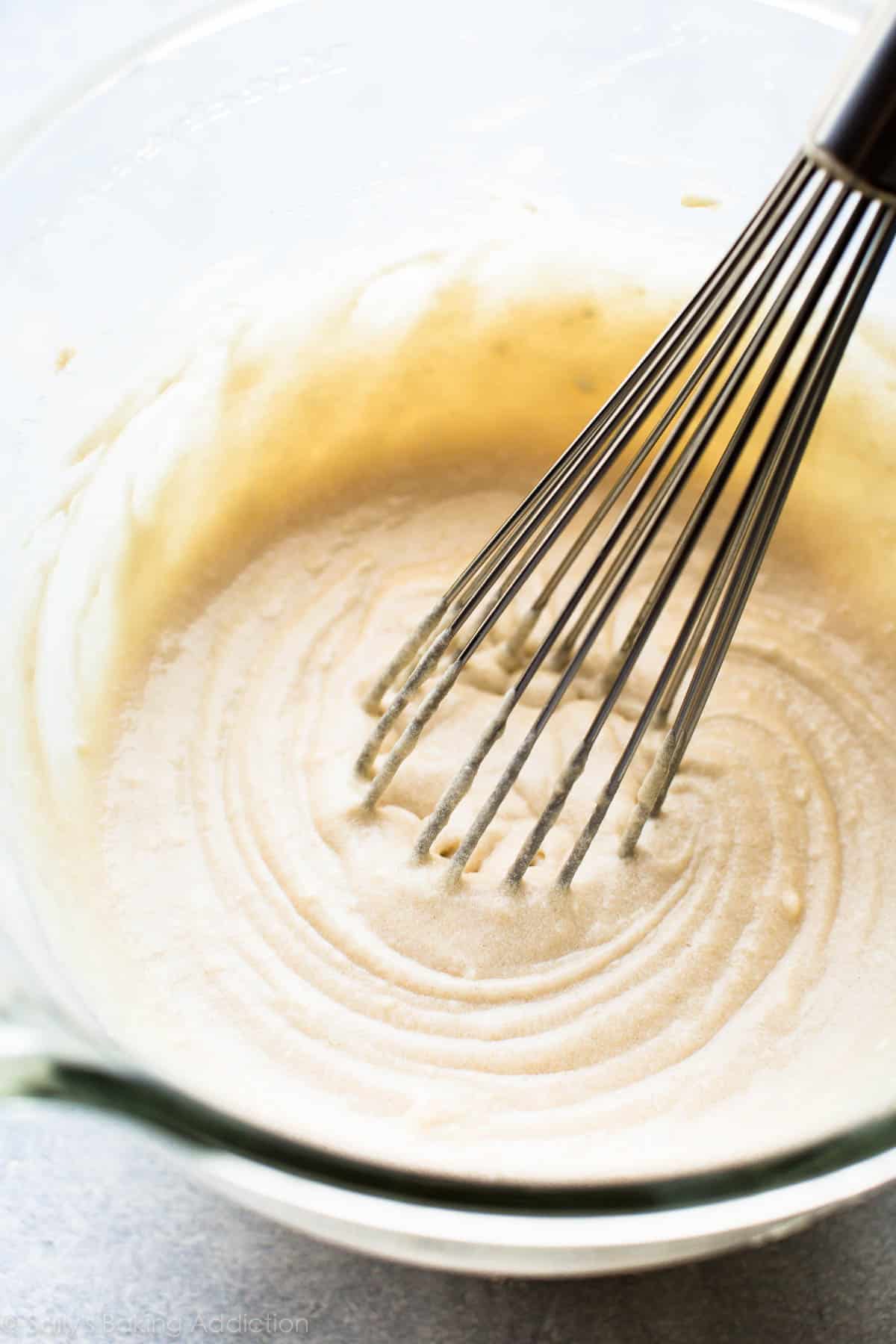
The initial step involves baking the vanilla cake, which serves as the primary component of the cake pop. The recipe provided is a scaled-down adaptation of a classic vanilla layer cake, designed to yield a moist, tender crumb ideal for mixing with frosting. The choice of baking pan is crucial for achieving the desired cake consistency and volume. A 9-inch springform pan is recommended due to the cake’s propensity to rise significantly, ensuring it bakes evenly without overflowing. Alternatively, an 11×7-inch rectangular pan or a 10-inch springform pan can be used, offering flexibility while maintaining the structural integrity necessary for a successful cake pop base. The emphasis here is on a robust, flavorful cake that forms the backbone of the confection. To streamline the process, a valuable make-ahead tip suggests baking the cake the night before. This allows ample time for the cake to cool completely, a prerequisite before it can be crumbled and combined with the frosting, thereby optimizing preparation time and ensuring the best texture.
Phase 2: The Binding Element – Preparing the Vanilla Buttercream

Following the cake, attention turns to the vanilla buttercream, a crucial element that binds the cake crumbs and imparts additional flavor and moisture. The contrast between this homemade frosting and its canned counterpart is stark, primarily in taste and texture. Homemade buttercream offers a velvety smoothness and a depth of vanilla flavor that is unparalleled by mass-produced versions. The recipe is meticulously formulated to yield just enough frosting to moisten the cake crumbs adequately. This precision is vital; using too much frosting can result in greasy, dense cake pops, compromising their delicate texture. The process of combining crumbled cake with frosting might initially seem unusual—a playful deconstruction of traditional cake—but it is precisely this "weirdly delicious" fusion that creates the unique, truffle-like consistency characteristic of a perfect cake pop. Embracing this unconventional marriage of cake and frosting is key to understanding the magic of these treats.
Phase 3: The Art of Shaping and Chilling
Once the cake and frosting are thoroughly combined, the mixture is ready for shaping. The initial rolling of the cake-frosting mixture into balls may result in somewhat misshapen forms due to the mixture’s moist, room-temperature state. This is where strategic chilling plays a pivotal role. The cake balls are refrigerated for a minimum of two hours. This cooling period firms the mixture, making it significantly easier to handle and allowing for a second, quick roll to perfect their spherical shape. Cold cake balls are more stable, less prone to crumbling, and maintain their form better during the subsequent dipping process, ensuring visually appealing and structurally sound cake pops.
The Final Flourish: Dipping and Decorating
With the cake balls perfectly chilled and shaped, the final, most visually impactful stage is dipping them in a delicious coating. While candy melts or candy coating offer a wide array of vibrant colors and ease of use, many bakers, including the author, advocate for melted white chocolate due to its superior taste profile. However, it’s worth noting that high-quality white chocolate can be more expensive, and a considerable quantity is needed for a batch of 40 cake pops. This decision often balances cost-effectiveness with desired flavor intensity.
Critical techniques are employed during the dipping process to ensure professional-looking results:

- Securing the Lollipop Stick: To prevent the cake ball from detaching from the stick, a crucial step involves dipping approximately half an inch of the lollipop stick into the melted coating before inserting it into the center of the cake ball. This thin layer of coating acts as an adhesive, firmly securing the cake ball to the stick.
- Temperature Control for Coating: Cracking in the chocolate coating is a common issue often attributed to temperature discrepancies. To mitigate this, it is recommended to allow the melted chocolate or candy coating to cool slightly for about five minutes before dipping the cold cake balls. This reduces the thermal shock, ensuring a smooth, unblemished finish.
- Optimal Drying Method: Preserving the perfectly round shape of the cake pops while the coating sets requires an appropriate drying method. Placing them upright in a large styrofoam block or a specially prepared box with small poked holes prevents flat spots or smudges, allowing the coating to dry evenly and maintain the aesthetic integrity of each pop. This simple, cost-effective solution is a testament to resourceful home baking.
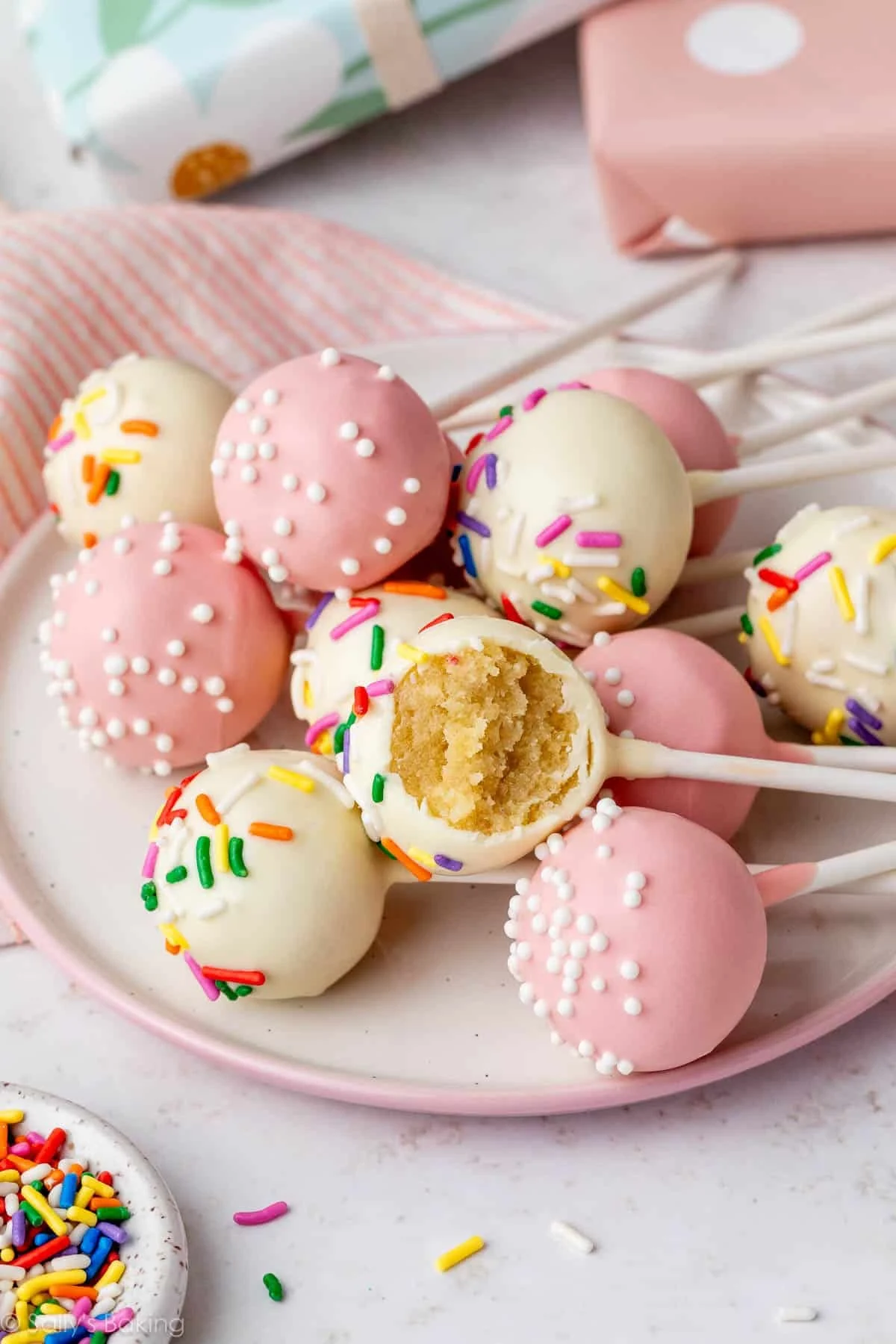
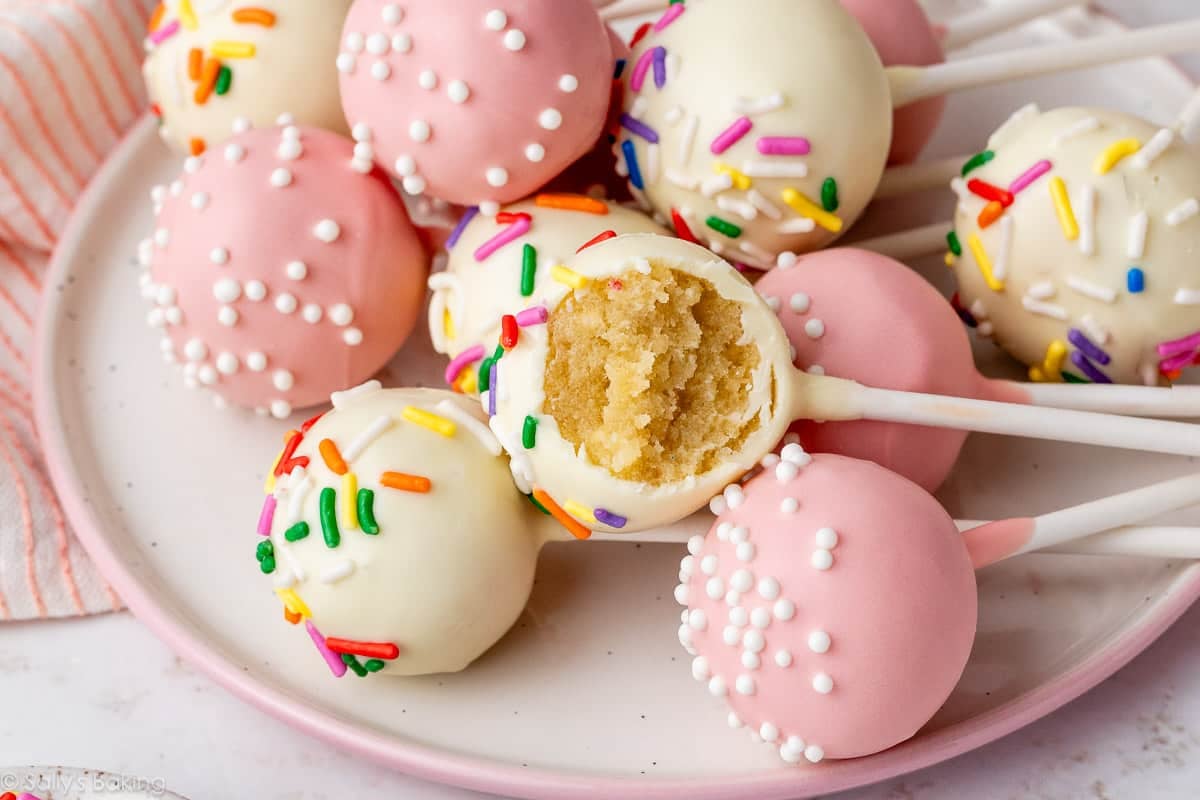
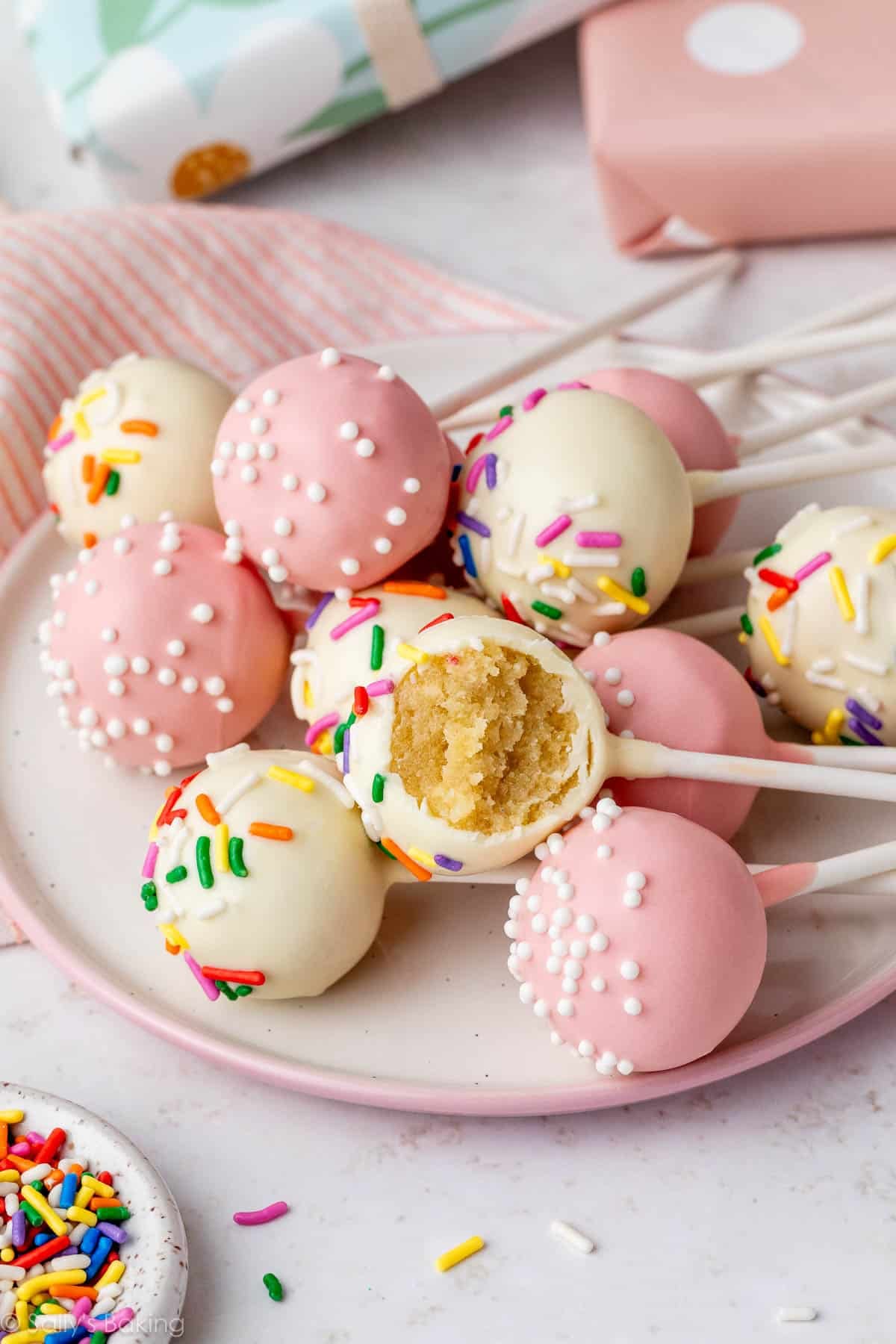
Decoration adds the final touch, transforming simple cake pops into festive delights. Sprinkles, an almost universal favorite, should be applied immediately after dipping, while the chocolate coating is still wet, to ensure adhesion. The choice of sprinkles can dramatically alter the appearance; rainbow sprinkles offer a classic, cheerful look, while white nonpareils on light pink-tinted white chocolate mimic the popular Starbucks aesthetic. Gel food coloring can be used to tint white chocolate, providing endless possibilities for customization and theme matching. Typically, cake pops dry and set within an hour, ready for display or consumption.
Community Endorsement and Versatility
The success of this scratch-made cake pop recipe is not merely theoretical; it is consistently validated by enthusiastic feedback from the baking community. Reader testimonials underscore the recipe’s reliability and impressive results. Debby, a reader, successfully prepared 160 vanilla and chocolate cake pops for a graduation party, noting that guests frequently inquired about where they were purchased, a strong testament to their professional appearance and exceptional taste. She particularly lauded the author’s advice on rolling and techniques, as well as the convenience of preparing and freezing them in advance. Similarly, Luisa, another reader, praised the recipe for her first attempt at cake pops, declaring them "perfect" and a new "staple in our house for special occasions" after her children and their friends adored them. These anecdotes highlight the recipe’s practical application for large events and its capacity to become a cherished household favorite.

Beyond the vanilla iteration, the versatility of cake pops is a significant advantage. The core technique can be adapted to various flavor profiles, with chocolate cake pops being a popular alternative, often dipped in either white or dark chocolate for contrasting experiences. The ability to color the coating using gel food coloring or colored candy melts, combined with an endless array of sprinkle options, allows for boundless creativity, making cake pops suitable for any holiday, celebration, or personal preference. Furthermore, their freezer-friendly nature makes them an ideal make-ahead treat, capable of being stored for up to six weeks and thawed overnight in the refrigerator, providing convenience without compromising quality.
The Broader Implications of Home Baking Trends
The rising popularity of detailed, from-scratch recipes like this cake pop guide reflects a broader cultural shift within the culinary landscape. Consumers are increasingly empowered by accessible online resources, comprehensive video tutorials, and dedicated food blogs that demystify complex baking processes. This movement signifies a departure from the "convenience culture" that once dominated home cooking, towards a renewed appreciation for quality, craftsmanship, and the satisfaction derived from creating something truly special from basic ingredients. This phenomenon is part of a larger "experience economy," where the act of baking itself becomes a rewarding hobby, a form of stress relief, and an opportunity for skill development.

The detailed instructions, specific equipment recommendations (like lollipop sticks and mixers), and troubleshooting tips provided in such recipes serve an educational purpose, equipping home bakers with the knowledge and confidence to tackle more ambitious projects. This trend also implies a growing preference for transparency in food, as home bakers gain control over ingredients, allowing them to cater to dietary needs, reduce artificial additives, and ensure the freshness of their creations. Food blogs, in particular, play a crucial role not only in disseminating recipes but also in fostering a community of passionate bakers who share tips, experiences, and encouragement.
In conclusion, the journey of crafting homemade cake pops from scratch is more than just following a recipe; it is an embrace of culinary artistry and a commitment to superior taste. By meticulously preparing homemade vanilla cake and buttercream, employing precise shaping and dipping techniques, and personalizing with creative decorations, home bakers can elevate a simple treat into an extraordinary confection. The widespread appeal, coupled with glowing testimonials and the inherent versatility of the cake pop, solidifies its position as a celebratory staple. This trend towards artisanal home baking underscores a fundamental desire for quality, control, and the inherent joy found in creating delightful treats from the ground up, proving that some of the best things in life are indeed, perfectly homemade.