
The onset of the academic calendar brings a predictable shift in household dynamics, characterized by truncated morning routines, rigorous extracurricular schedules, and the persistent challenge of maintaining nutritional standards amidst a chaotic environment. For parents, educators, and students alike, the transition from summer leisure to the structured demands of the classroom often results in a reliance on convenience-based food options, which are frequently processed and nutritionally deficient. To mitigate these pressures, nutritionists and child development experts are increasingly advocating for systematic meal preparation as a strategic intervention to ensure both health and time management.
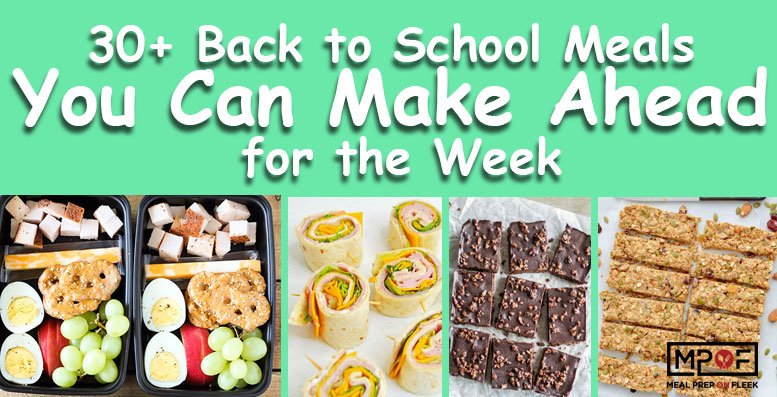
The Evolution of Student Nutrition Trends
The practice of "meal prepping"—the process of planning and preparing entire meals or components of meals in advance—has seen a significant uptick in popularity over the last decade. Historically, the school lunch was viewed primarily through the lens of institutional oversight. However, with rising awareness regarding the long-term health implications of high-sodium, ultra-processed school cafeteria meals, a cultural shift has occurred. Families are now taking an active, data-driven approach to what their children consume during the school day.
According to data from the U.S. Department of Agriculture (USDA), maintaining food safety during this process is paramount. A study published by the agency indicated that approximately 97% of participants failed to follow proper hand-washing protocols during food preparation. This oversight serves as a primary vector for cross-contamination, a critical concern when handling raw ingredients like eggs or poultry for school lunches. The implication is that effective meal preparation is not merely about culinary efficiency; it is an exercise in food safety management that requires adherence to standardized hygiene practices.

A Chronology of Optimal Prep Strategy
For those attempting to integrate meal prep into their weekly routine, experts suggest a structured three-phase chronology to maximize efficiency and safety:
Phase 1: Strategic Procurement (Friday/Saturday)
Successful meal preparation begins with an inventory of the pantry and the development of a coherent menu. Experts recommend shopping the perimeter of the grocery store, where fresh produce, proteins, and dairy are typically housed. This strategy avoids the high-sugar, high-sodium aisles and facilitates the acquisition of nutrient-dense ingredients. Crucially, refrigerated and frozen items must be the final selections made before reaching the checkout counter to minimize the time these items spend in the "danger zone"—the temperature range between 40°F and 140°F where bacteria proliferate most rapidly.
Phase 2: Sanitation and Preparation (Sunday)
Before any ingredients are handled, the workspace must be sanitized. Standard protocols dictate that hands should be washed with soap and warm water for at least 20 seconds. Preparation should begin with raw proteins to avoid cross-contamination with ready-to-eat produce. Utilizing high-quality, airtight, and BPA-free containers is essential for maintaining the integrity of the food throughout the week.
Phase 3: Tactical Packing (Daily)
The final phase involves the thermal management of the packed meal. Standard paper bags are insufficient for maintaining safety. Insulated lunch boxes, when paired with at least two distinct cold sources—such as frozen water bottles or gel packs—are required to keep food below the 40°F threshold until the lunch period. For hot items, such as soups or stews, a preheated vacuum-insulated thermos is the industry standard for maintaining temperature stability.
The Nutritional Implications of Pre-Planned Menus
The advantages of preparing meals in advance extend beyond mere convenience. By controlling the ingredients, parents can ensure a balance of macronutrients—carbohydrates for sustained energy, proteins for muscle development, and healthy fats for cognitive function.
Common meal prep staples currently gaining favor include:
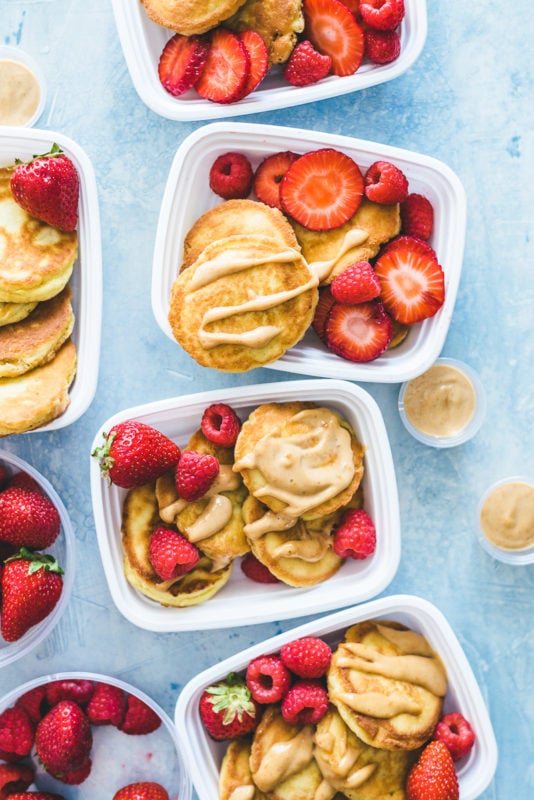
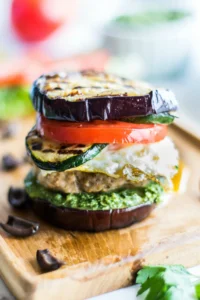
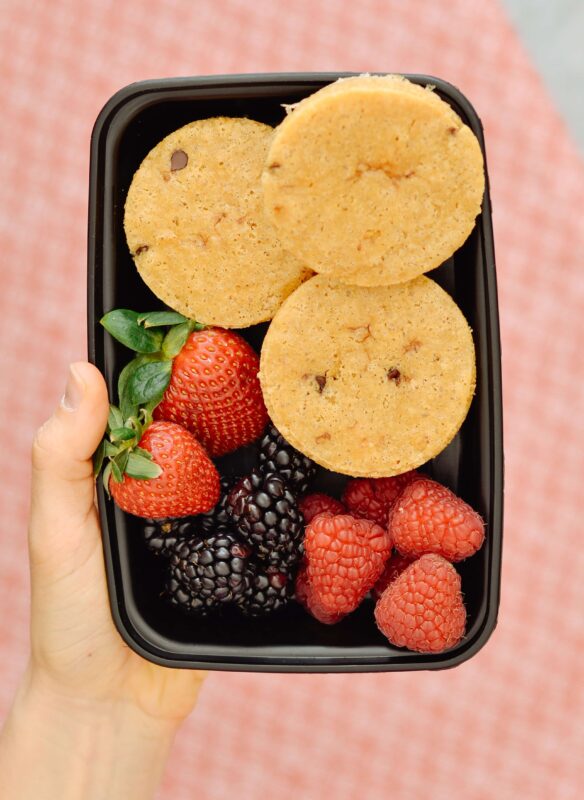
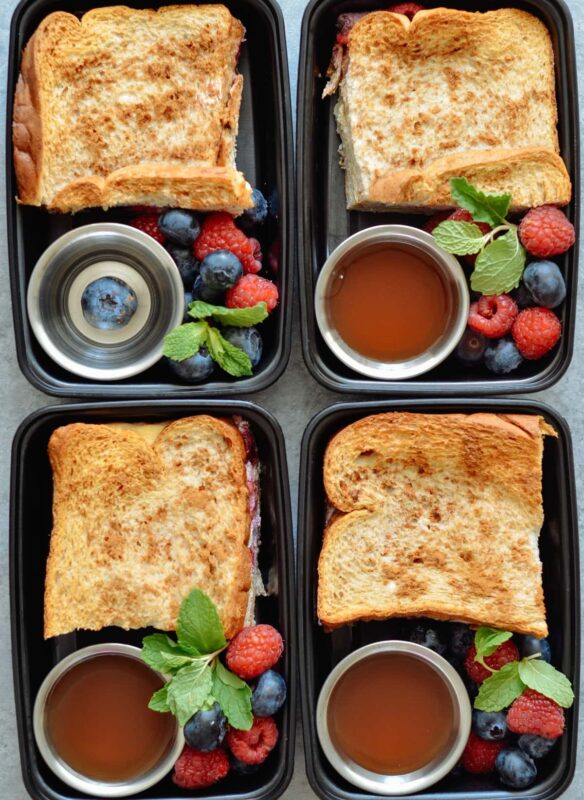
- Portable Breakfasts: Items such as egg cups (utilizing protein-rich eggs and nutrient-dense vegetables), overnight oats, and portable pancake varieties allow for a calorie-dense start to the day without the need for last-minute stovetop cooking.
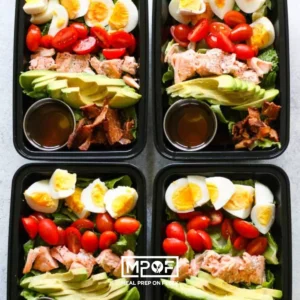
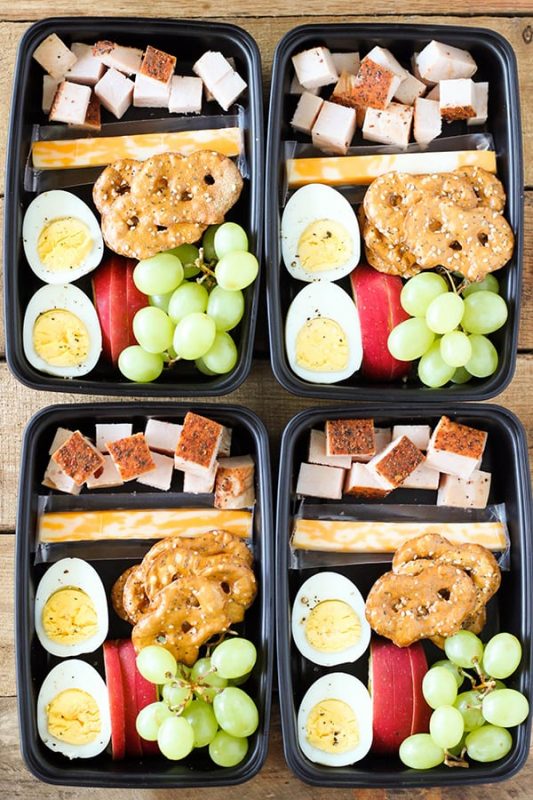
- Deli-Style Protein Boxes: Inspired by commercial bistro boxes, these include lean deli meats, hard-boiled eggs, cheese, nuts, and whole-grain crackers. This format provides a high-satiety lunch that avoids the "afternoon slump" associated with simple carbohydrates.
- Vegetable-Forward Snacks: Replacing processed chips with sliced vegetables and homemade dips—such as beet or traditional chickpea hummus—increases fiber intake while maintaining the satisfying "crunch" students often crave.
Addressing the Needs of Educators
The stress of the back-to-school season is not limited to the student body; educators face significant challenges in maintaining their own nutritional health. Between lesson planning, grading, and the intensity of classroom management, teachers often sacrifice their own meal times.
Educational experts note that for teachers, the "meal prep for teachers" movement has become a professional development necessity. The implementation of specific, quick-access meal plans—designed for consumption in brief, 20-to-30-minute windows—is directly linked to sustained energy levels and improved classroom performance. These plans emphasize meals that require minimal, if any, reheating, recognizing that access to a microwave or communal kitchen is often limited in a school setting.

Safety Protocols and Best Practices
To ensure that the meal prep process does not introduce health risks, the following data-backed precautions are essential:
- Temperature Control: Any perishable item must be placed in a refrigerator or freezer within two hours of purchase. If the ambient temperature is above 90°F, this window narrows to one hour.
- Thermal Integrity: When packing hot foods, the thermos should be filled with boiling water for five minutes to "prime" the metal before adding the hot meal. This step can extend the safe temperature holding time by several hours.
- Ingredient Selection: While leftovers are a staple of meal prep, certain foods—such as those containing mayonnaise or cream-based sauces—require more rigorous temperature monitoring and are less suitable for extended storage in non-refrigerated lunch bags.
Broader Impact and Future Outlook
The rise of intentional meal prep represents a broader societal move toward self-sufficiency and health literacy. By involving children in the planning and preparation process, families are also providing an informal education in nutrition, budgeting, and food safety.
Critics of the meal prep trend often point to the time commitment required on weekends, yet advocates argue that this is an investment that yields dividends throughout the week. The "opportunity cost" of spending two hours on a Sunday is measured against the cumulative time lost to daily preparation, the financial cost of purchasing pre-packaged snacks, and the health cost of consuming highly processed foods.
As the school year progresses, the sustainability of these habits is tested by the realities of exhaustion and fluctuating schedules. However, the data remains clear: those who utilize planning as a tool for health maintenance are significantly more likely to meet their nutritional goals and experience lower levels of stress during the transition periods of the academic year. By adopting a methodical, safety-conscious approach to food, families can effectively navigate the pressures of the school calendar while prioritizing the long-term well-being of their household.